
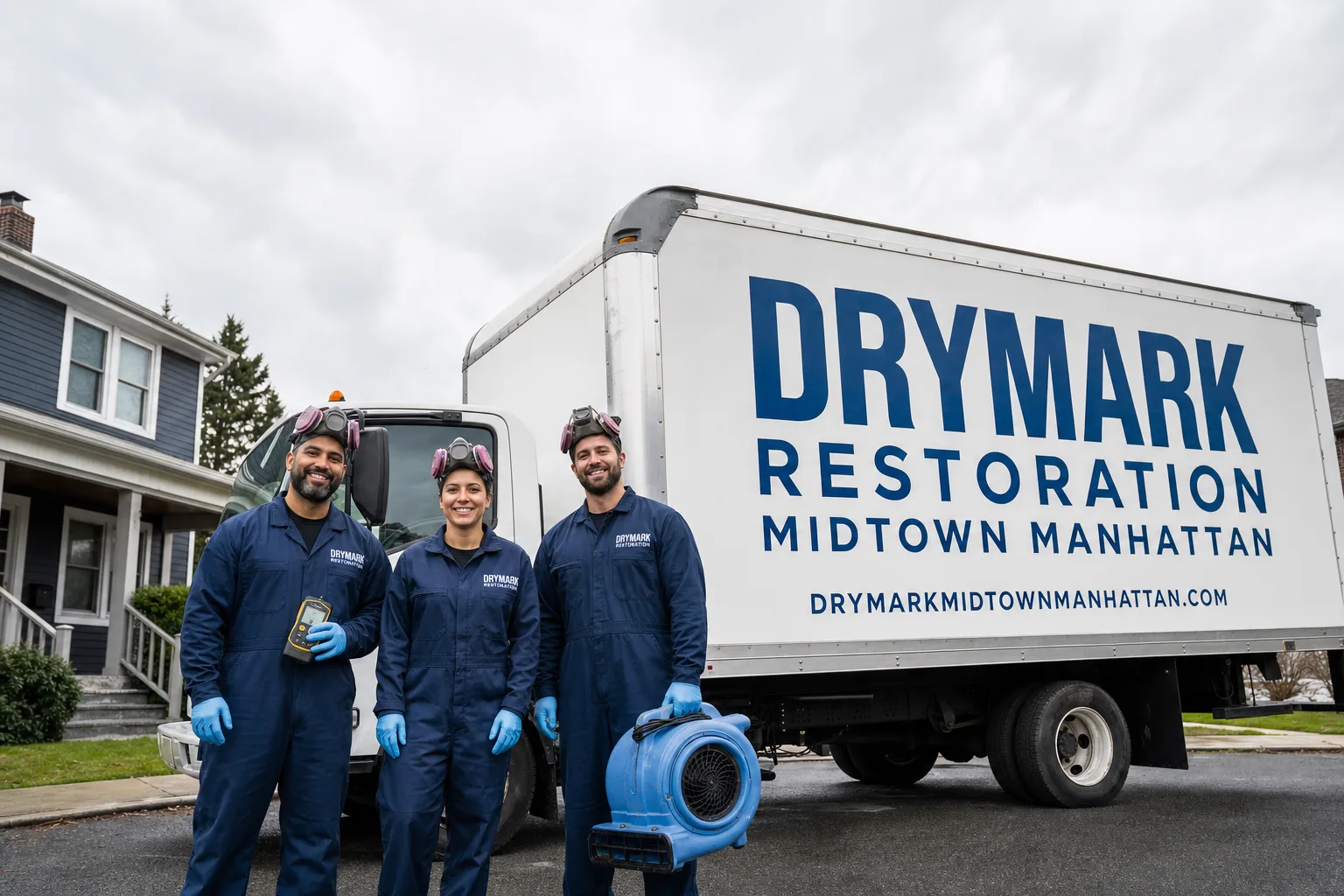
Free visual inspection and a written scope of work before any mitigation begins - photos, moisture readings, and drying logs go in your claim file
The scope we write is the scope we bill. Anything new gets shown to you, in writing, before we touch it.
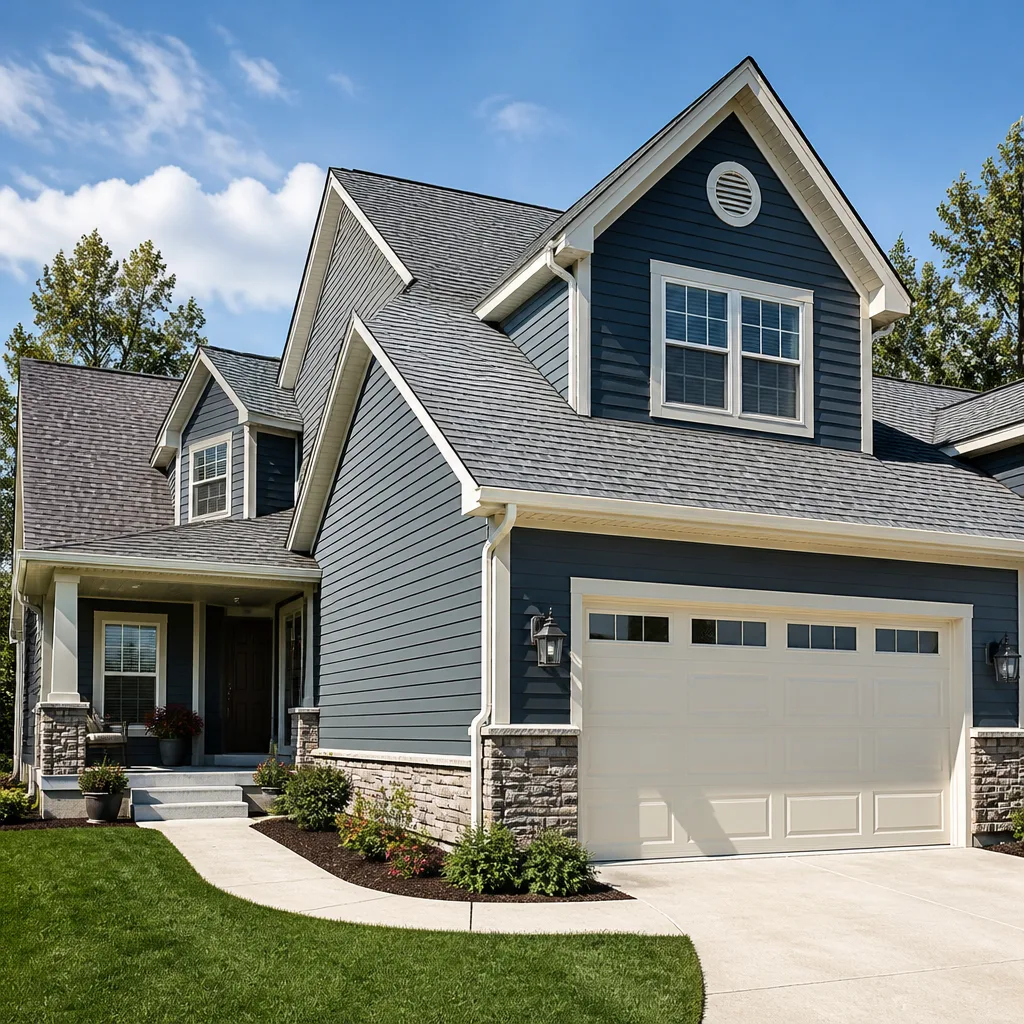
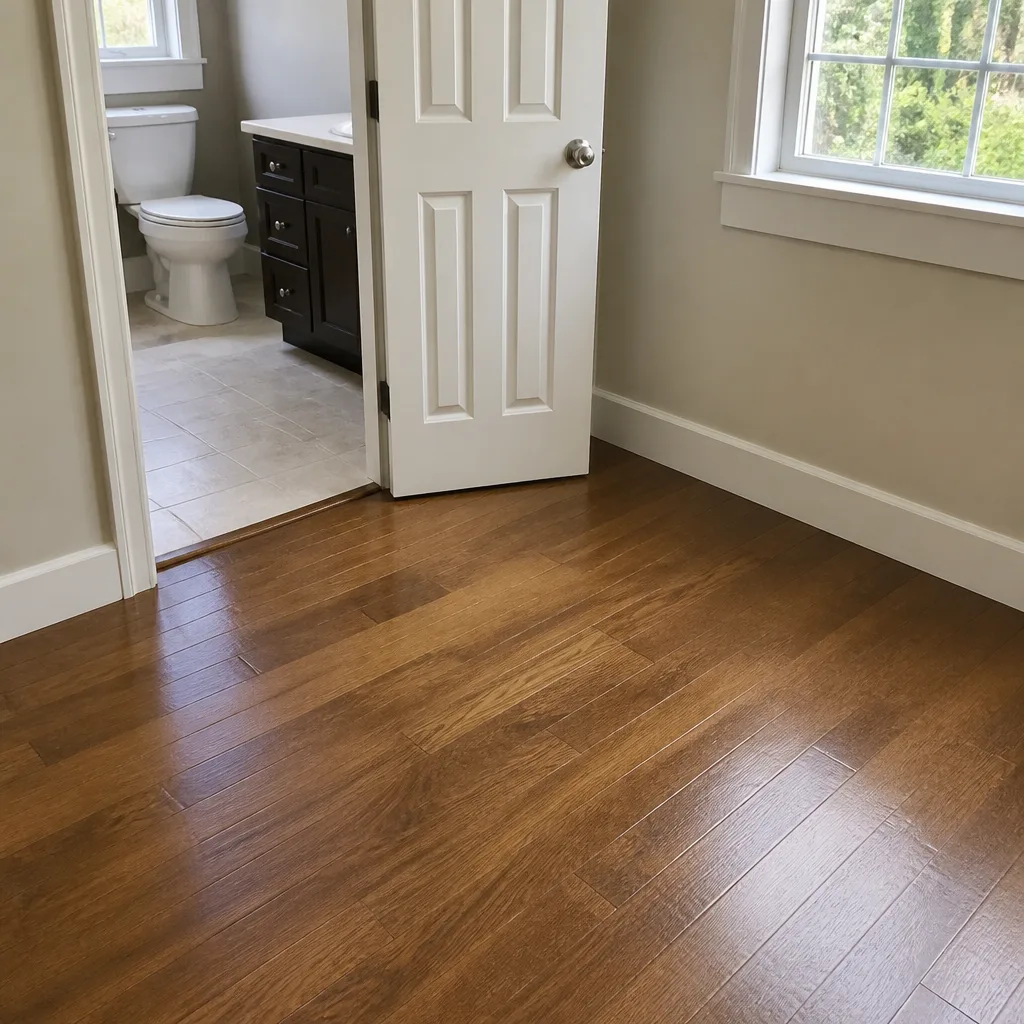
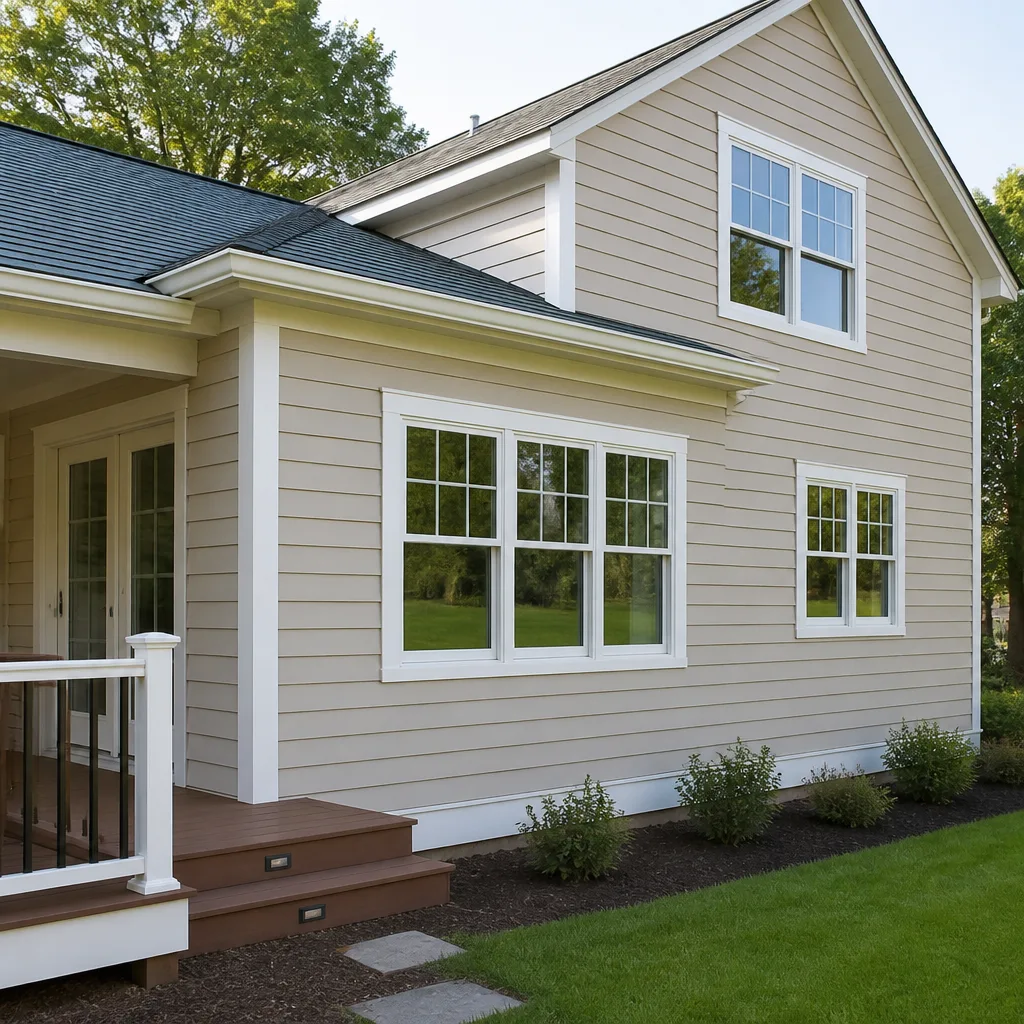
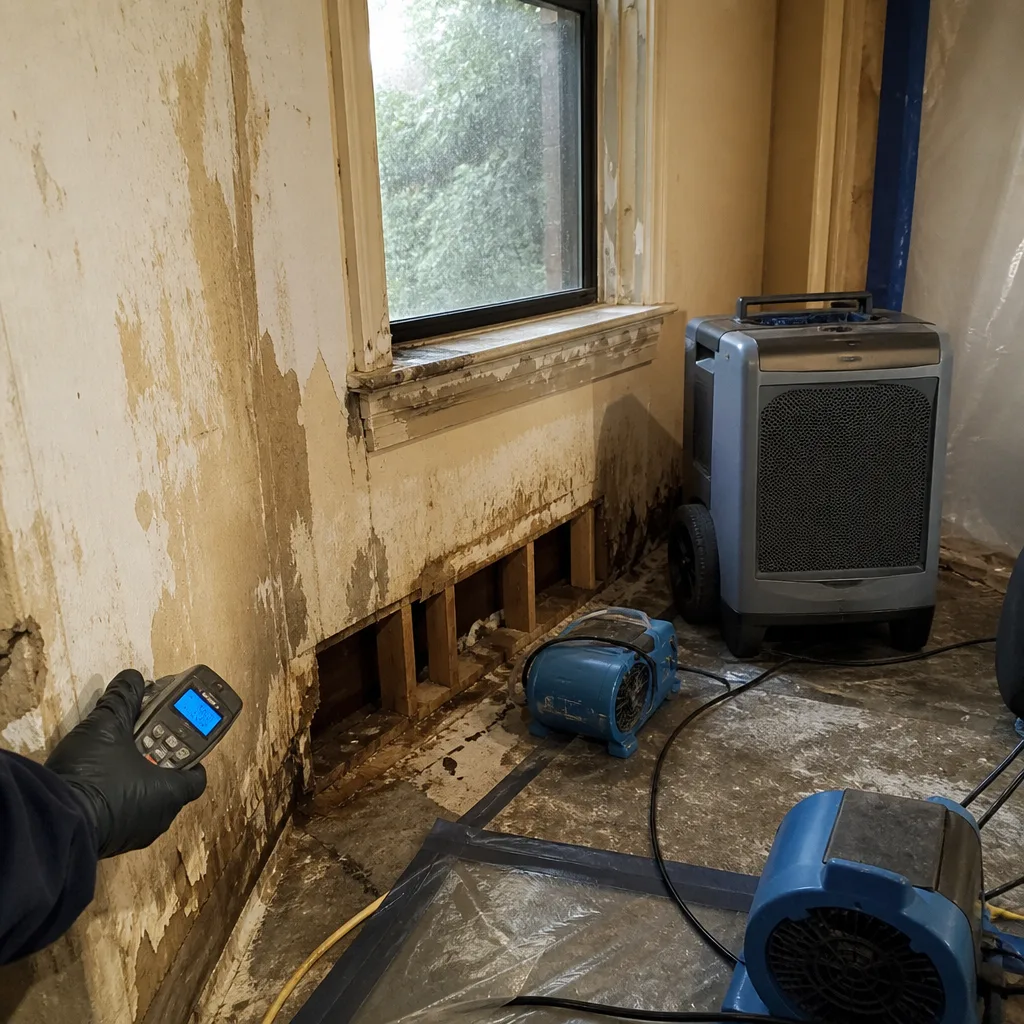 Before
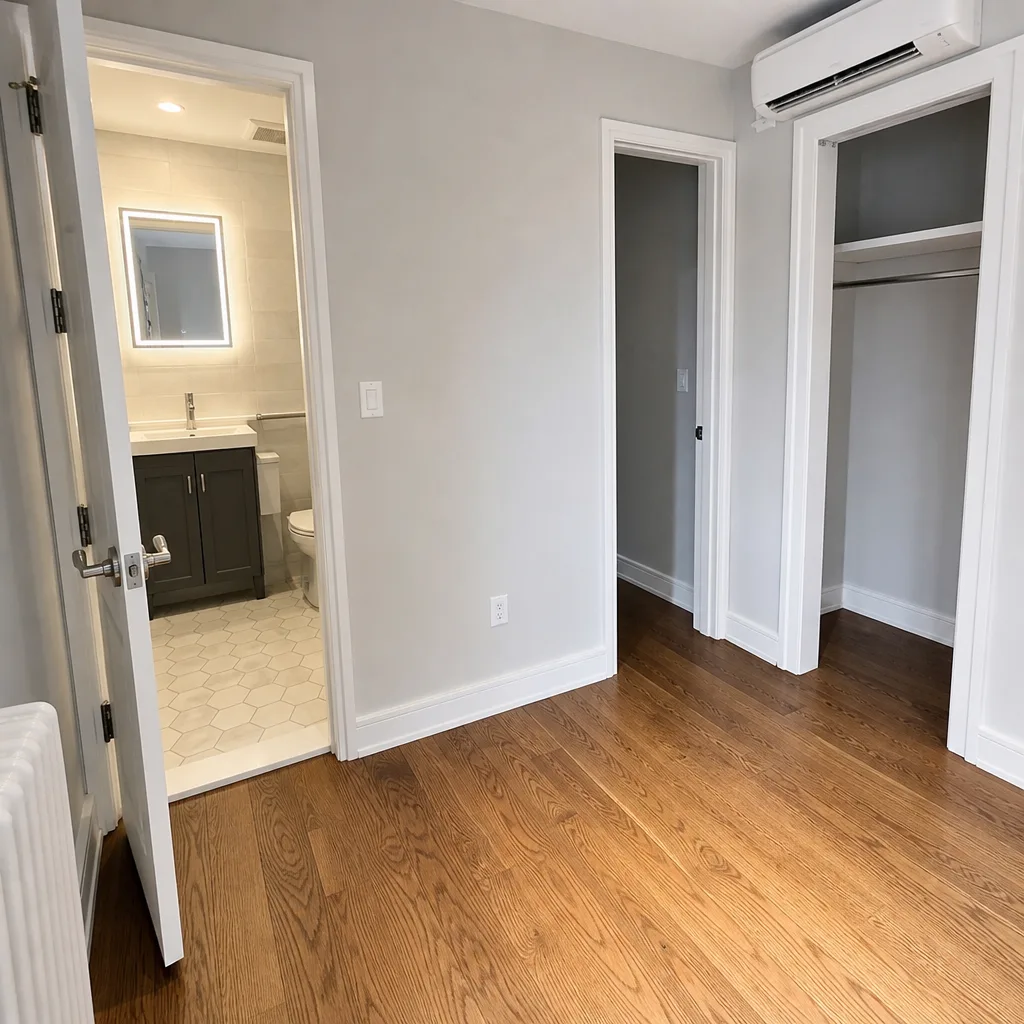 After
After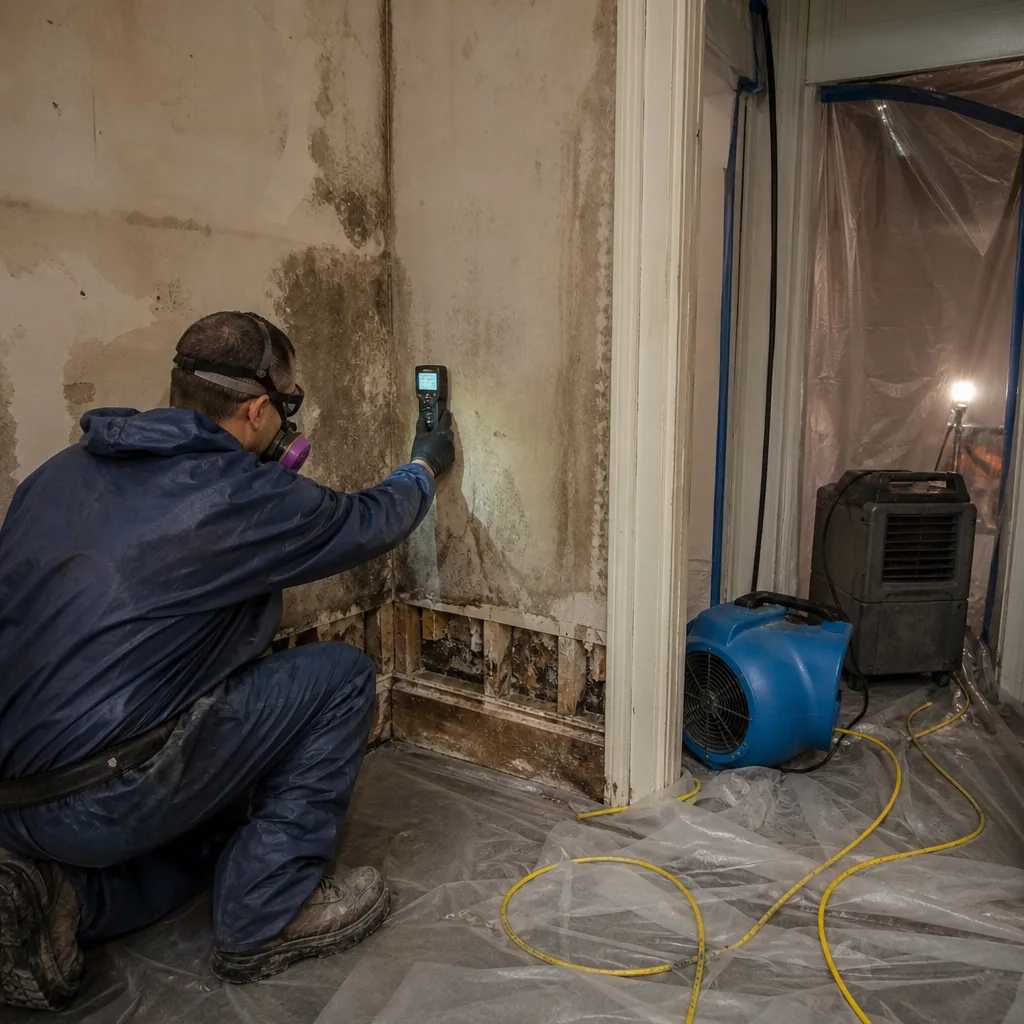 Before
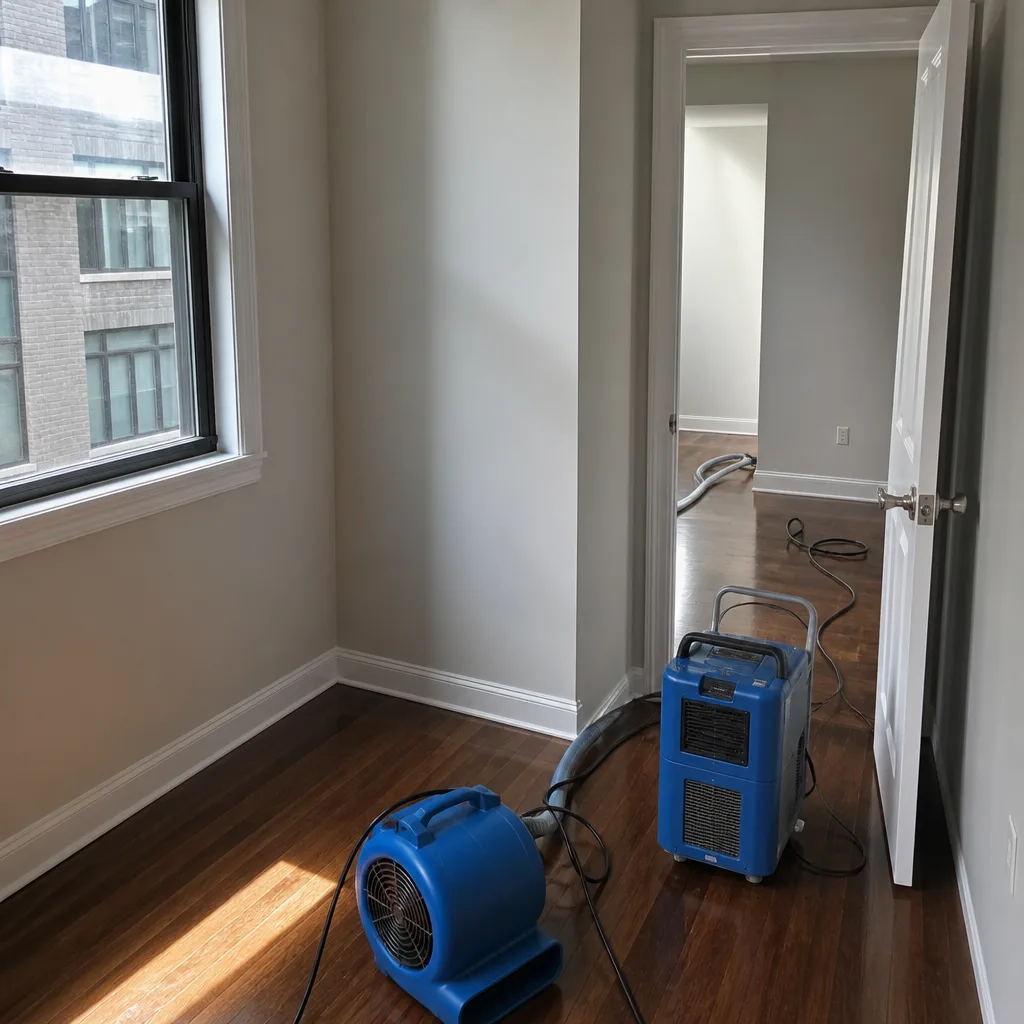 After
After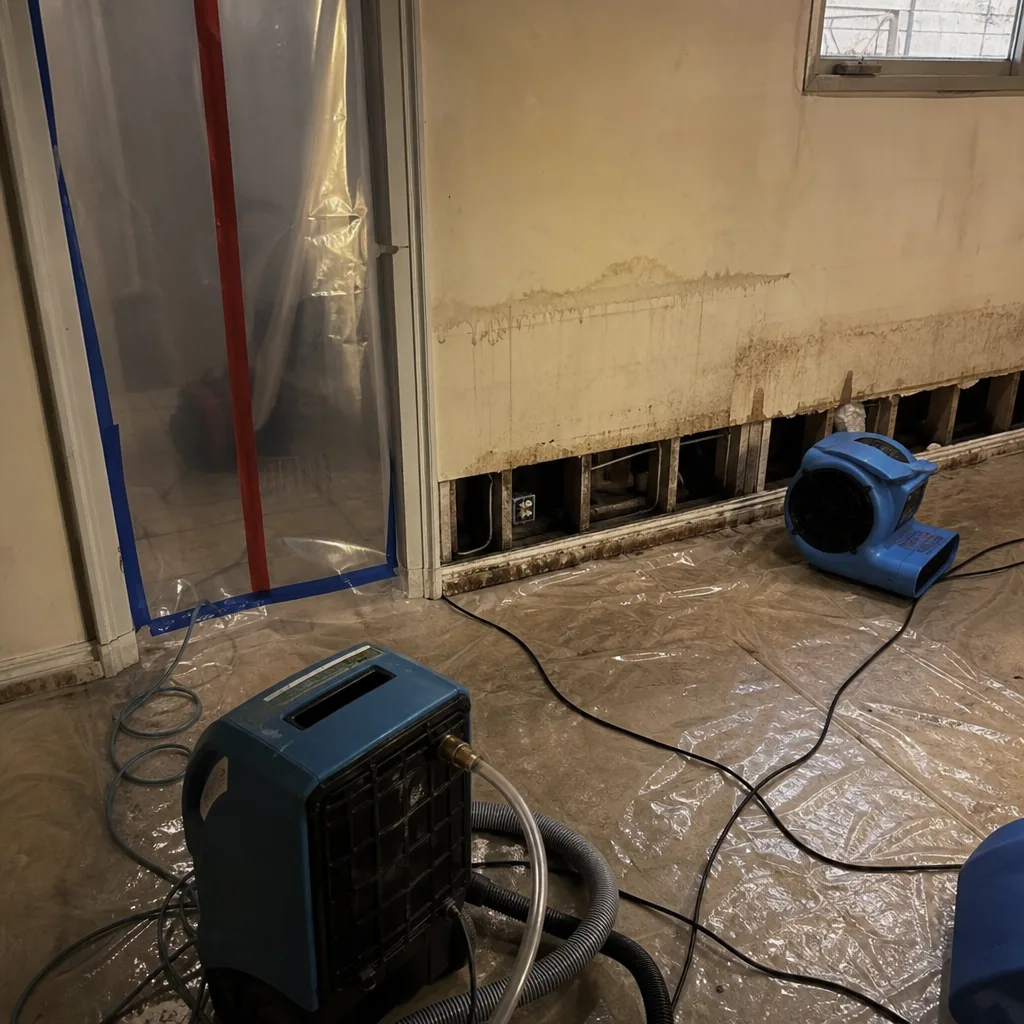 Before
 After
AfterFast, Reliable Water Damage Restoration Across Financial District
Water damage restoration in Financial District, NY typically runs $2,800-$8,500 for residential units and $15,000-$75,000+ for commercial losses, with emergency crews arriving within 60-90 minutes of your call. Most FiDi water losses aren’t simple - they’re forensic searches through century-old drain stacks and repurposed mechanical chases in buildings that were never designed for residential plumbing loads. That’s why our Water Damage Restoration team dispatches from our New York City office with moisture meters, thermal imaging, and the documentation protocols that turn restoration invoices into payable insurance claims. Call (862) 212-1646 - a live person answers, 24 hours a day, 7 days a week, no voicemail trees while water is still moving.
Why DryMark Restoration Midtown Manhattan Is Financial District’s Preferred Water Damage Restoration Company
We’ve restored water losses in FiDi’s converted towers since 2011, and our documentation-first approach was built by a former claims adjuster who watched homeowners lose legitimate claims to sloppy photo records and missing drying logs. Our 12,000+ restorations nationwide share one common thread: a written price before any work starts, every time, with no exceptions - Haven Standard, Clause 1.
Financial District customers specifically mention our speed through Lower Manhattan traffic corridors and our familiarity with building management protocols at converted landmarks like 70 Pine Street and 40 Wall Street. Response time to FiDi averages 60-90 minutes during business hours and 75-105 minutes overnight, faster than crews dispatched from outer boroughs who don’t know the Whitehall-to-Fulton chokepoints.
Every technician is background-checked, uniformed, and licensed - their license number is on the job documentation you receive. The photo record on every visit, the daily moisture log, and the written scope signed before work begins are standard deliverables, never upsells. Our 365-Day Done Right Promise under The Haven Standard means if it’s not done right, we make it right - a signed guarantee, not a verbal assurance.
We also offer a Free Second Opinion on any competitor’s written estimate. Bring another quote and we’ll review it at no charge.
Our Water Damage Restoration Services in Financial District
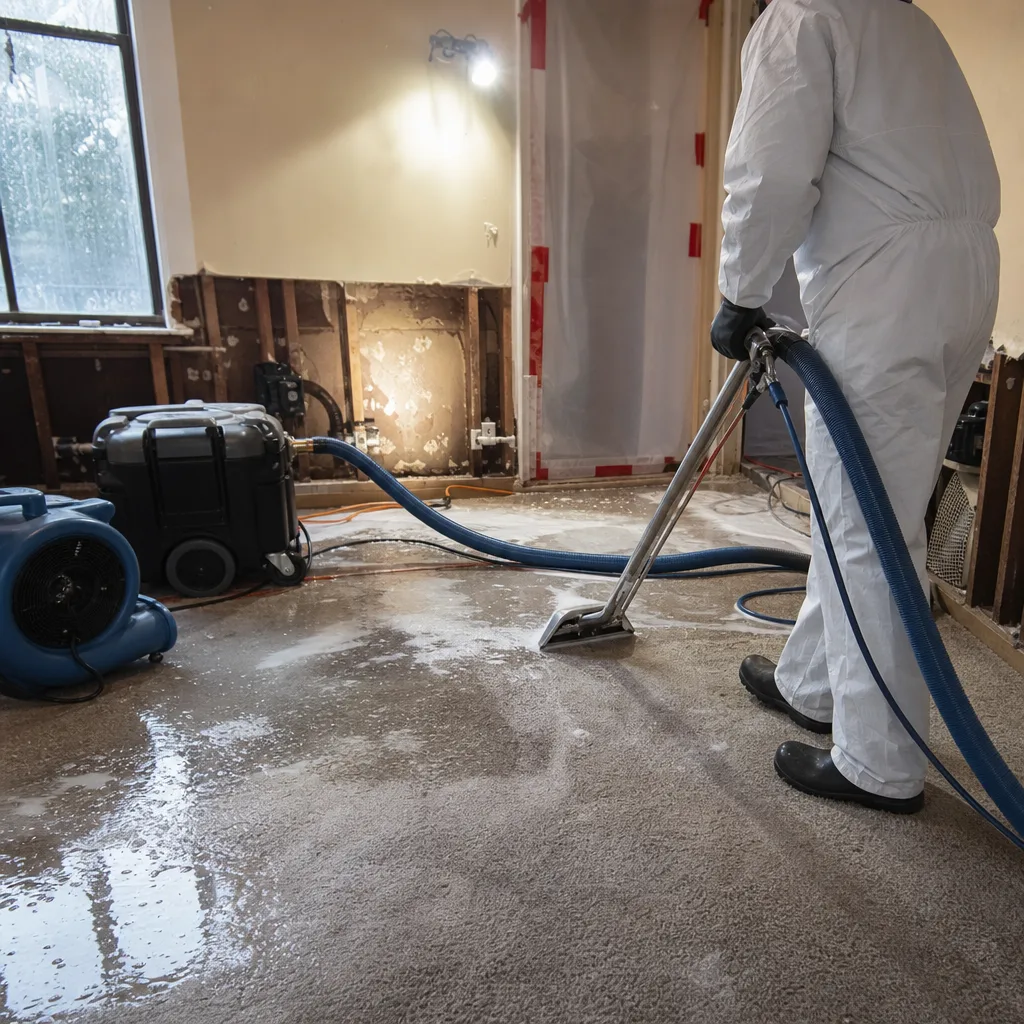
Emergency Water Extraction
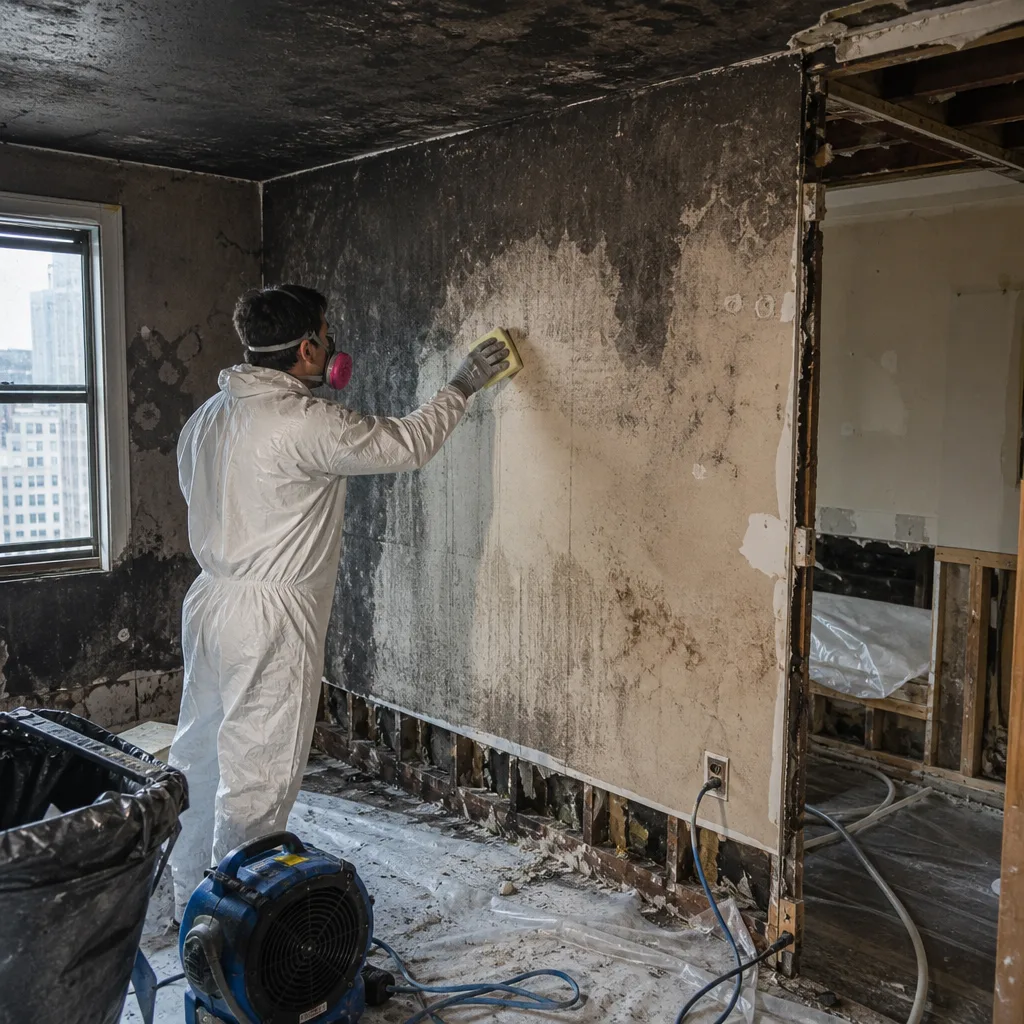
Most Financial District emergency calls come from below-grade units - basement apartments, storage vaults, and mechanical rooms where chronic seepage through historic landfill meets a sudden pipe failure or storm surge. Our truck-mounted extraction systems remove standing water at 25+ gallons per minute, but extraction is only the opening move. In FiDi, we pressure-test the original clay tile or cast iron drain stacks before we declare the source controlled - the visible wet ceiling is rarely where the loss started. A written scope with line-item pricing is delivered before drying equipment is staged.
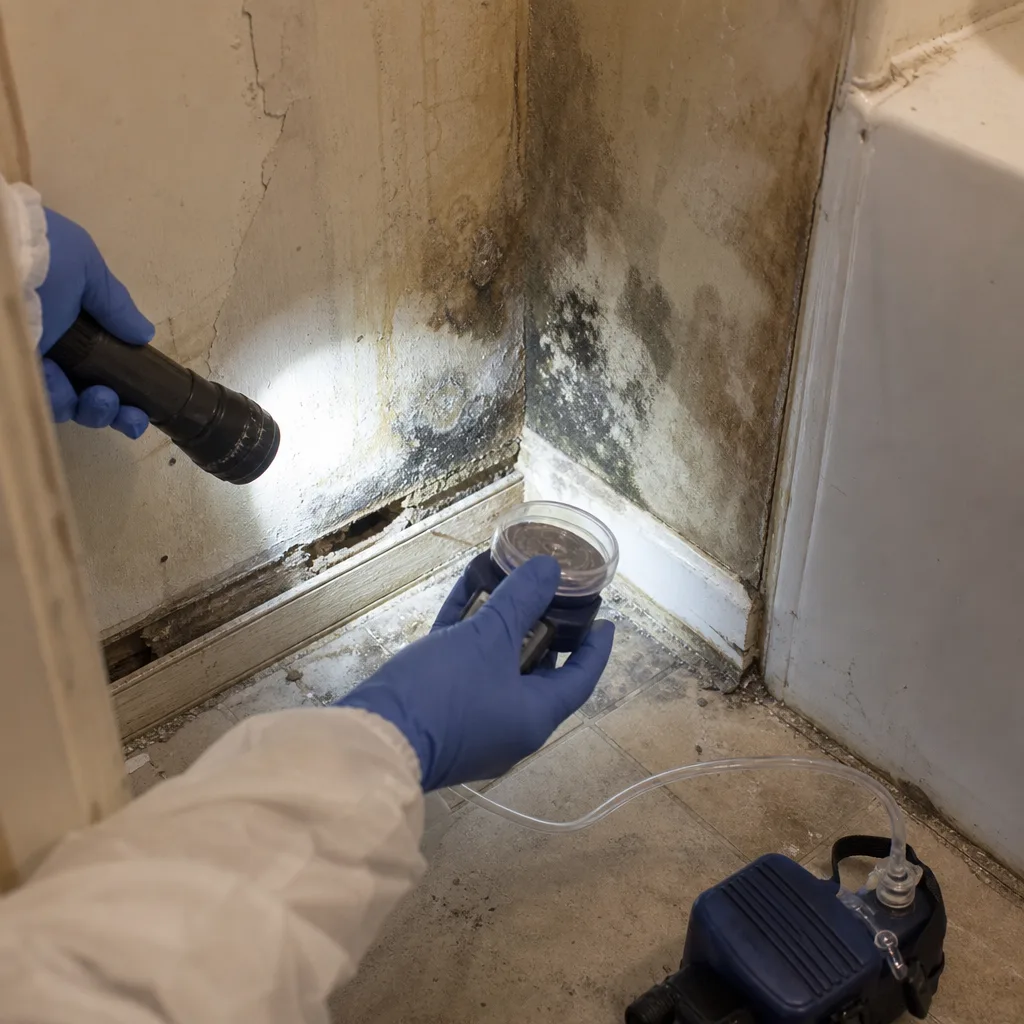
Structural Drying & Dehumidification
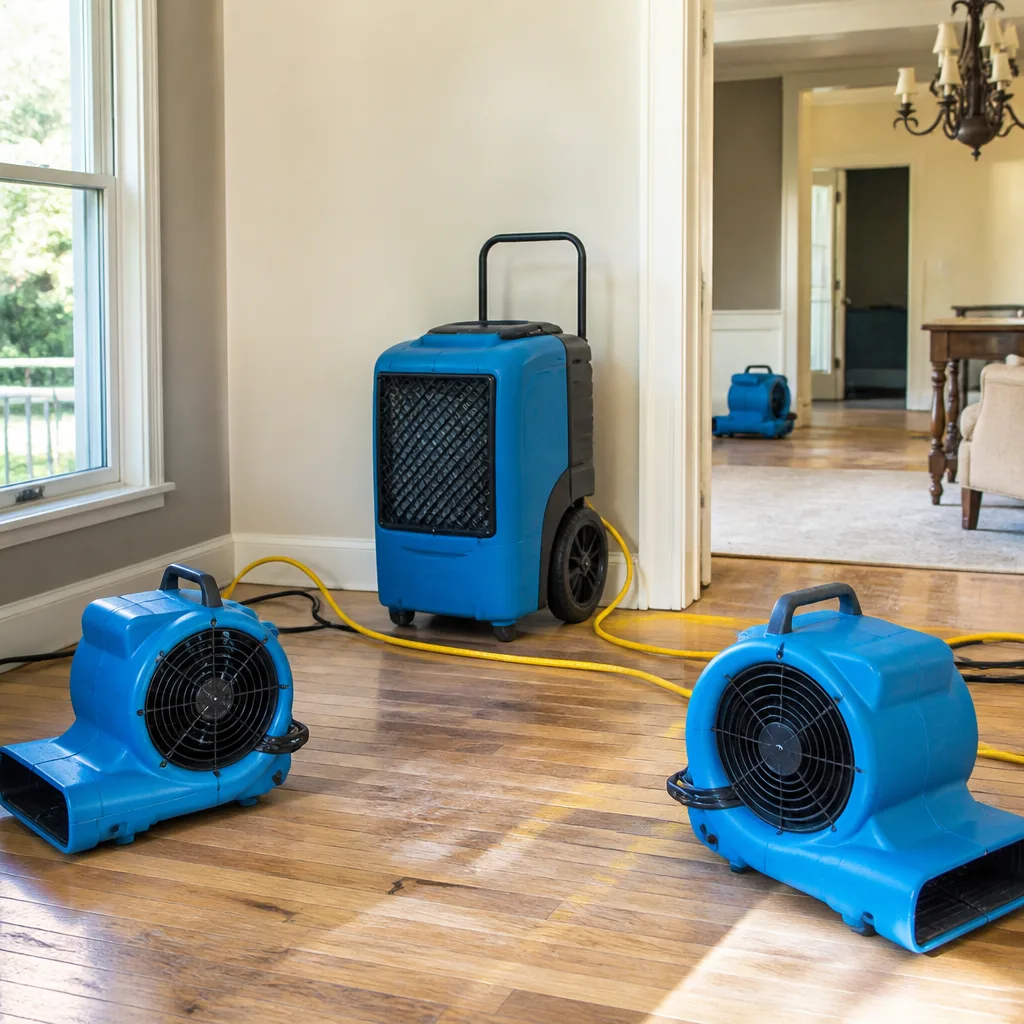
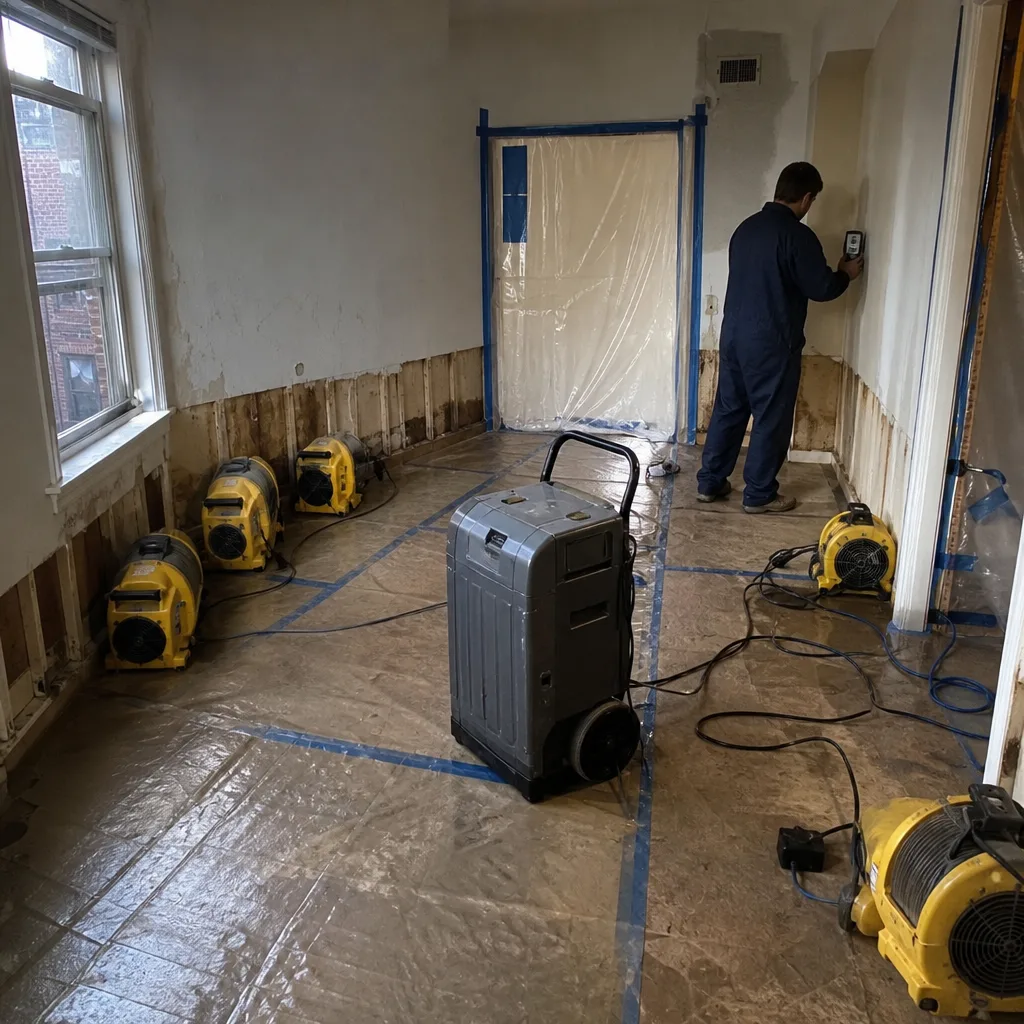
Structural drying in Financial District towers requires psychrometric data - precise measurements of temperature, relative humidity, and vapor pressure differential that tell us whether the air inside your walls can actually absorb more moisture. We deploy Dri-Eaz and Phoenix dehumidification systems sized to the cubic volume of affected space, not guesswork. Vapor pressure differential, in plain terms, is the force that pushes moisture out of wet materials into drier air; without enough differential, you’re just running electricity. Our daily drying logs document this data room by room, producing the documentation that insurance adjusters pay without dispute. Every log is included in your claim file.
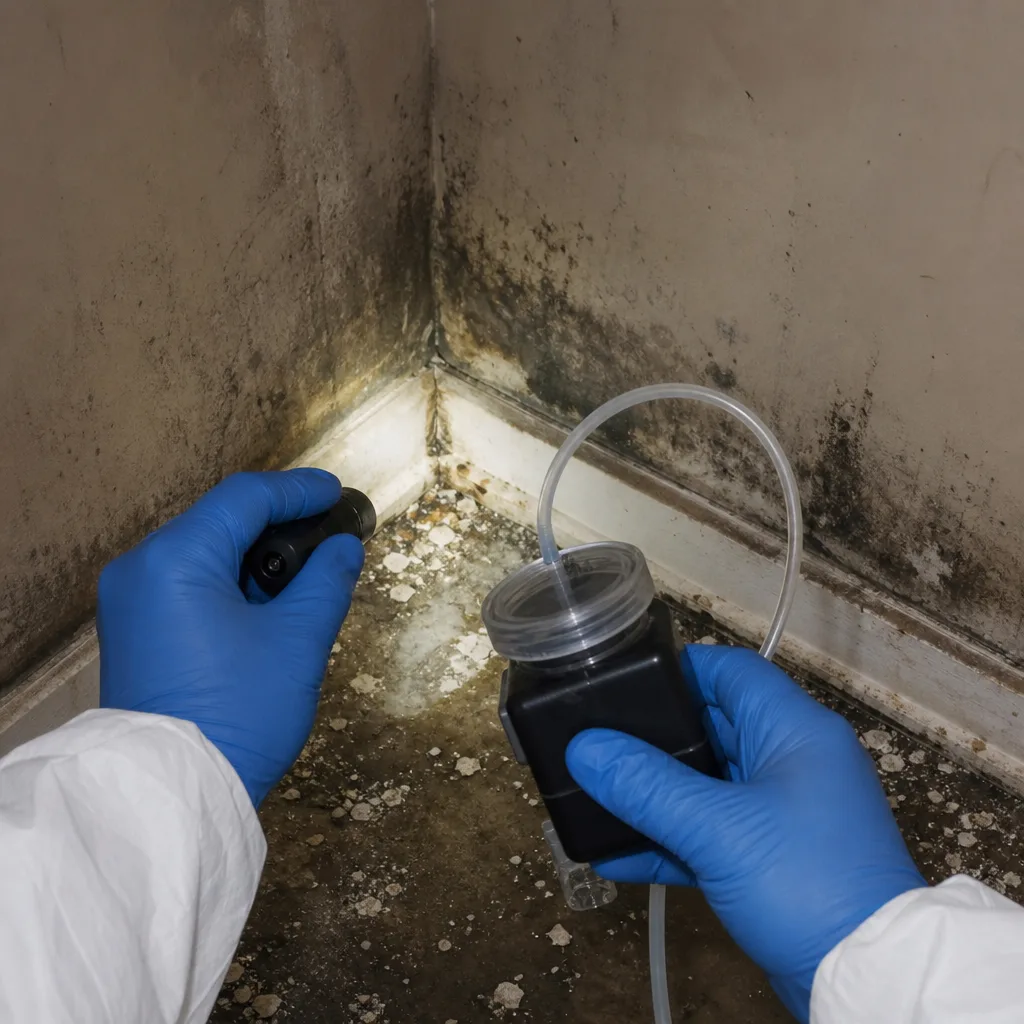
Flood Cleanup
Flood cleanup in Financial District carries layers other neighborhoods don’t face. FEMA flood zone AE designation means many FiDi buildings carry mandatory flood insurance with specific documentation requirements for NFIP claims. Our crews photograph pre-loss condition, document water line height on structural elements, and classify contamination level per IICRC standards - Category 1 (clean water), Category 2 (gray water), or Category 3 (black water) - before any demolition begins. Saltwater intrusion from storm surge, common in Sandy-type events, requires specific corrosion mitigation on electrical and mechanical systems that freshwater losses don’t. We coordinate directly with your adjuster, providing the photo documentation and written scope that NFIP and private carriers require.
Burst Pipe Restoration
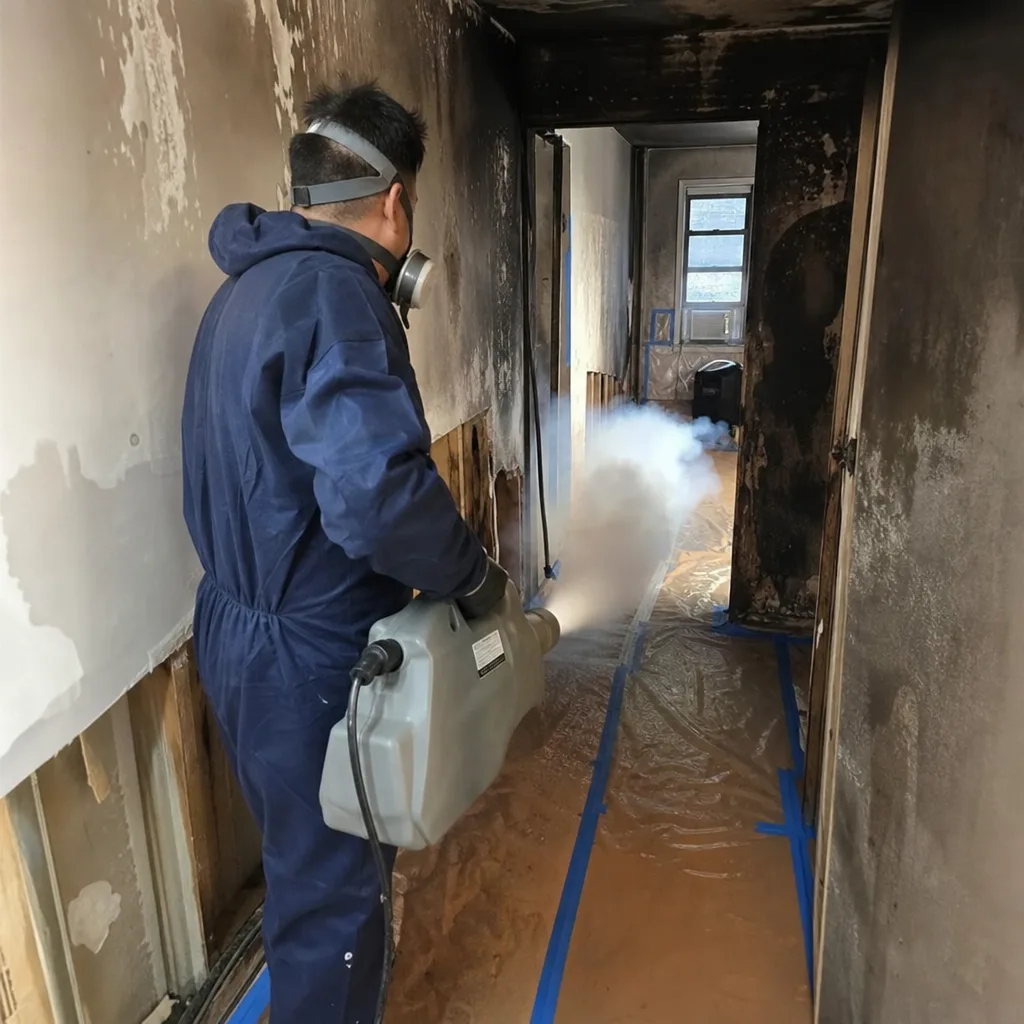
Burst pipe calls in Financial District’s converted towers often trace to original 1920s cast iron drain stacks stressed by residential water loads they were never engineered to carry. When a riser fails in a building like 40 Wall Street, water can travel through repurposed mechanical chases and surface multiple floors from the actual break. We don’t just repair the visible damage - we pressure-test the full riser, map moisture migration with thermal imaging, and document every affected cavity. The written scope specifies which materials are restored in place versus removed, with line-item costs for each. No scope-creep additions once the crew is inside - Haven Standard, Clause 1.
What happens when you call
- 1
A real person answersNo phone trees - you reach a local pro.
- 2
You get an upfront price rangeHonest numbers before anyone is dispatched.
- 3
A background-checked tech heads outLicensed & insured, dispatched right away.
- 4
You approve before work beginsNothing starts until you say go.
BeforeAfterTrusted Brands We Service in Financial District
Our equipment inventory for Financial District jobs includes professional-grade drying systems from Dri-Eaz, Phoenix, and XPOWER - units we maintain locally for immediate deployment rather than rental-house availability. Dri-Eaz Revolution LGR dehumidifiers and Phoenix 200 MAX units handle the high cubic volumes of FiDi’s pre-WWII tower units, while XPOWER air movers create the airflow patterns needed for tertiary drying in complex floor plans with multiple small rooms carved from former office space. We stock HEPA filtration, negative air machines, and containment materials sized for asbestos-abatement-coordinated jobs - a logistical layer that rental equipment rarely accounts for in this neighborhood.
Common Water Damage Restoration Problems We See in Financial District Homes
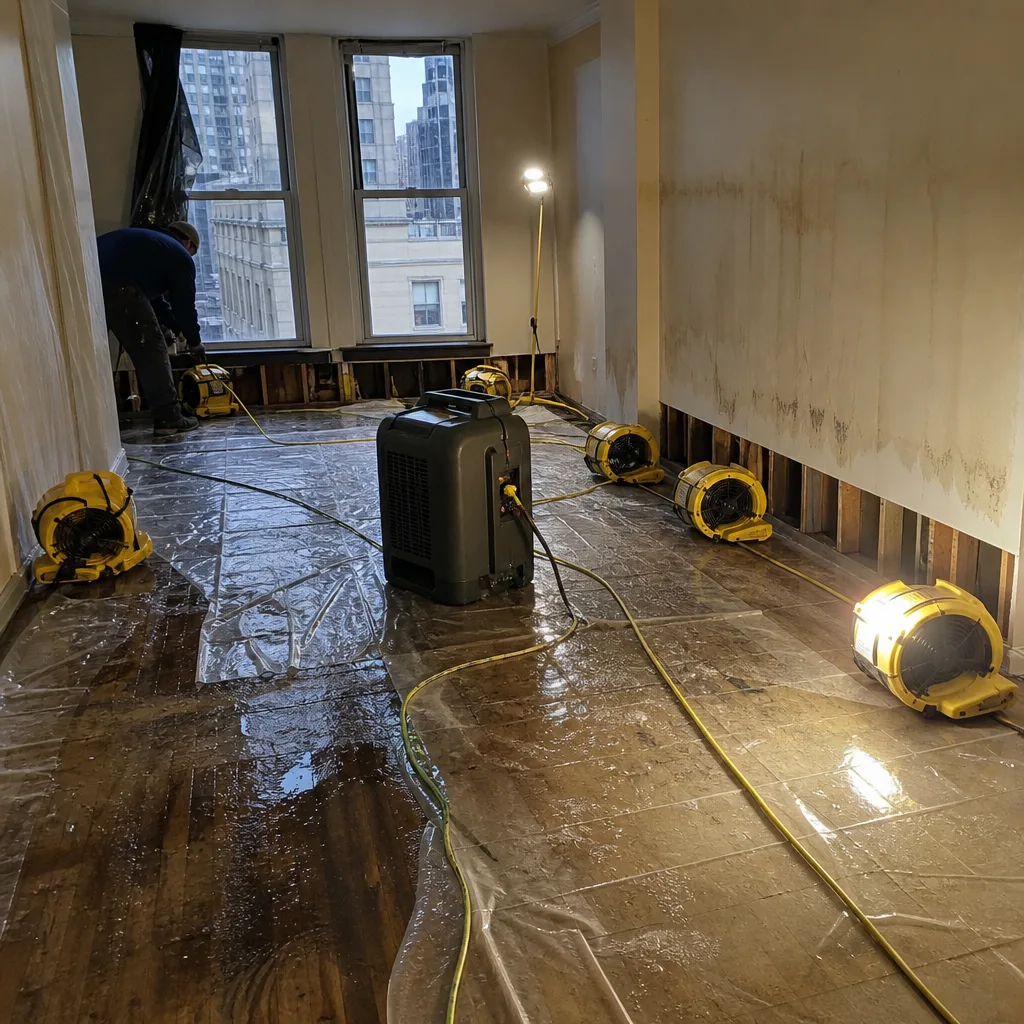
- Chronic below-grade seepage in landfill-built basements. A substantial portion of lower Manhattan below Fulton Street sits on historic landfill with higher groundwater infiltration than bedrock-grounded areas. Many FiDi sub-basements show elevated moisture readings even in dry weather, so water losses rarely have a clean start point and must be traced through century-old infrastructure.
- Original clay tile and cast iron drain stack failures in converted towers. Pre-WWII commercial skyscrapers converted to residential after post-9/11 tax incentives contain drain systems engineered for intermittent office use, not continuous residential load. We regularly find weeping stacks in risers that building maintenance assumed were modern.
- Terracotta facade infiltration mistaken for plumbing leaks. Century-old terracotta cladding on towers like 70 Pine Street cracks and weeps during wind-driven rain. Restoration crews who skip the pre-loss condition walkthrough can’t distinguish old staining from active water intrusion, leading to unnecessary interior demolition.
- Asbestos-halted drying jobs in sub-basements. Sandy flood responses exposed that dozens of FiDi buildings contain 1920s-era electrical switchgear vaults and steam infrastructure with intact asbestos insulation. Staging equipment before screening halts the job mid-drying, extends timeline, and inflates cost - we screen first, every time.
Pricing for Water Damage Restoration in Financial District, NY
Water damage restoration in Financial District carries premium pricing reflective of Manhattan labor rates, building access complexity, and the frequent need for asbestos abatement coordination before drying can begin.
| Service | Typical Range in Financial District |
|---|---|
| Emergency water extraction (residential unit) | $1,200 - $3,500 |
| Structural drying & dehumidification (per day) | $850 - $1,800 |
| Flood cleanup with contamination classification | $4,500 - $18,000 |
| Burst pipe restoration with stack pressure-testing | $2,800 - $8,500 |
| Basement water removal with asbestos screening | $5,500 - $22,000 |
| Commercial loss, active trading floor/data center | $25,000 - $150,000+ |
What moves a job to the higher end: multiple affected floors in a converted tower, Category 2 or 3 contamination requiring material removal, asbestos abatement coordination, after-hours work around active trading floors, and the extended drying timelines that pre-WWII construction with multiple material layers demands. Every job receives a written price before work begins - Haven Standard, Clause 1 - with no additions once the crew is inside. Estimates are free. Call (862) 212-1646.
We Also Serve Cities Near Financial District
Our Water Damage Restoration in Financial District crews also respond to water losses in Midtown Manhattan, Murray Hill, Upper East Side, and Long Island City - each with distinct building stock and drying challenges, but all served with the same documentation-first protocol and written-price guarantee.
Serving Financial District, NY - Our Local Coverage Area
We’re based in the Financial District area and know this community well. Use the map below to see our service coverage - if you’re nearby, we can almost certainly help.
FAQs - Water Damage Restoration in Financial District
Mold colonization can begin in 48-72 hours in Financial District sub-basements, but the chronic elevated moisture baseline in landfill-built below-grade spaces means many FiDi basements already harbor dormant spores that activate faster - sometimes within 24-36 hours of a new water event. We measure pre-loss moisture content on every call and set aggressive drying targets accordingly. Call (862) 212-1646 for immediate response - estimates are free.
Converted Financial District towers take 30-50% longer to dry than Midtown buildings because pre-WWII construction used multiple dense material layers - plaster over terracotta over steel frame - that hold moisture differently than modern gypsum-and-stud walls, and because the repurposed mechanical chases create hidden air gaps where moisture migrates unpredictably. Our moisture mapping protocol locates these pockets before we set equipment, preventing the “dry surface, wet cavity” scenario that extends timelines. Call (862) 212-1646 for a written timeline with your estimate.
Yes - virtually every significant below-grade water loss in Financial District’s Sandy-era building stock requires asbestos screening before drying equipment can be staged, and positive findings add 2-5 business days for abatement contractor coordination and air clearance sampling. On a call at 70 Pine Street, we found the source was a failed cast iron drain stack in a converted residential riser, weeping into a former 1920s electrical vault still wrapped in intact asbestos insulation. We halted staging, triggered abatement protocols before any drying equipment could go in, then ran containment, moisture mapping, and structural drying with Dri-Eaz and Phoenix units once the vault was cleared. The leak was a Category 1 loss that had sat long enough to trend toward Category 2 in the surrounding drywall, so we pulled saturated material rather than trying to dry it in place. This regulatory layer almost never applies to the same degree in residential neighborhoods. Call (862) 212-1646 - we coordinate abatement as part of our scope, not as your separate problem to solve.
A Financial District water loss is rarely a single clean source - the landfill terrain, flood zone AE exposure, and pre-WWII drain and vault infrastructure mean every job starts as a forensic search, not a straightforward extraction. The Category 1 classification (clean water) often degrades to Category 2 by the time we arrive because chronic seepage and hidden migration paths let the loss sit undetected. We pressure-test drain stacks, map moisture through thermal imaging, and document the full pathway before we classify the job. Call (862) 212-1646 for assessment - estimates are free.
Yes - we regularly coordinate after-hours and phased containment work in FiDi buildings with active trading floors and colocation data centers, where standard business-hour demolition would trigger seven-figure downtime costs. Our crews carry building security clearances, work under signed NDAs when required, and document every step with the photo record that your facilities team and insurer both need. The written scope specifies exact hours, containment boundaries, and noise restrictions before any work begins - Haven Standard, Clause 1. Call (862) 212-1646 to schedule around your trading calendar.
Ready to stop the damage and start the documentation? Call DryMark Restoration Midtown Manhattan at (862) 212-1646. A live person answers every call, 24 hours a day, 7 days a week. We’ll deliver a written price before any work starts, document every visit with a photo record, and stand behind the result with our 365-Day Done Right Promise under The Haven Standard. Estimates are free.
Written by Alicia Brennan, Owner at Back to Dry Restoration, serving Financial District since 2011.