
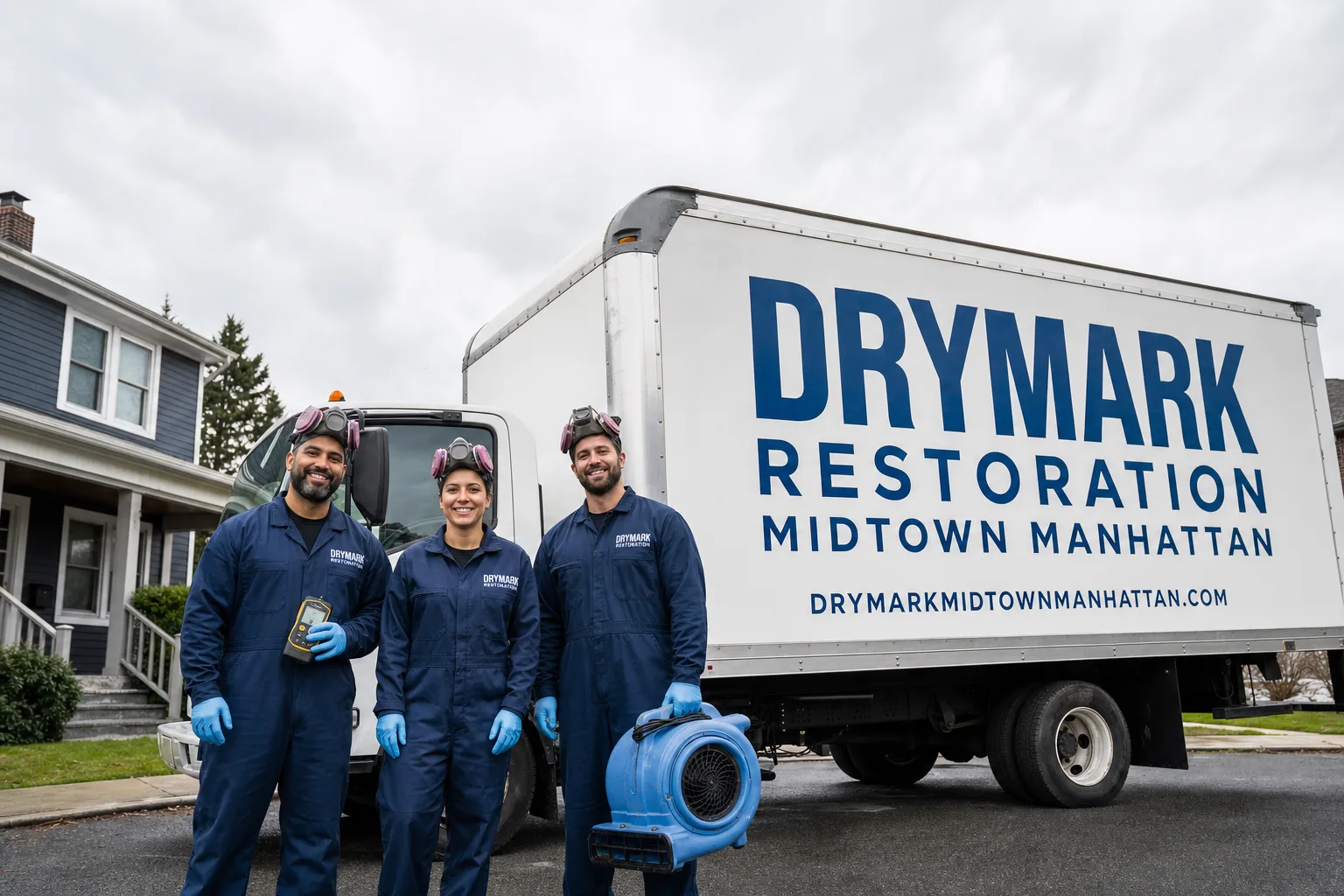
Free visual inspection and a written scope of work before any mitigation begins - photos, moisture readings, and drying logs go in your claim file
The scope we write is the scope we bill. Anything new gets shown to you, in writing, before we touch it.
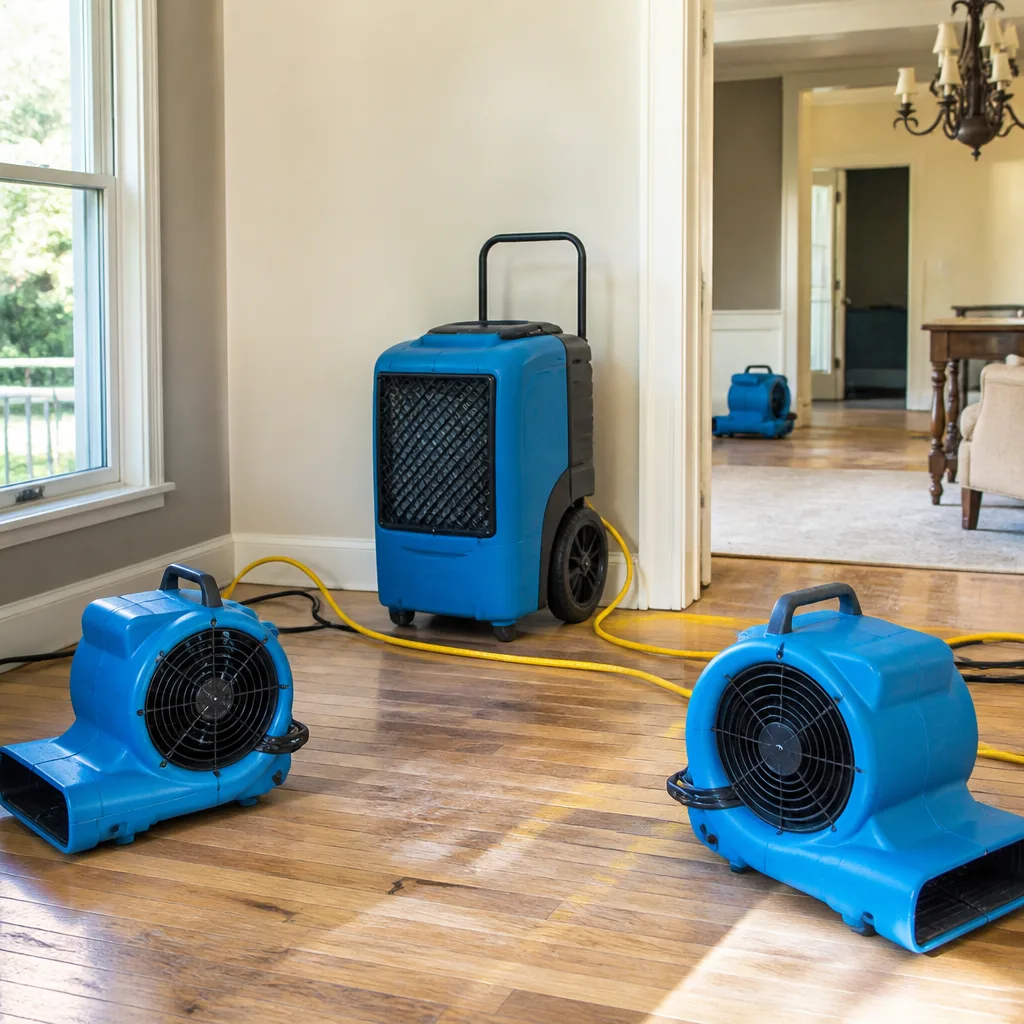
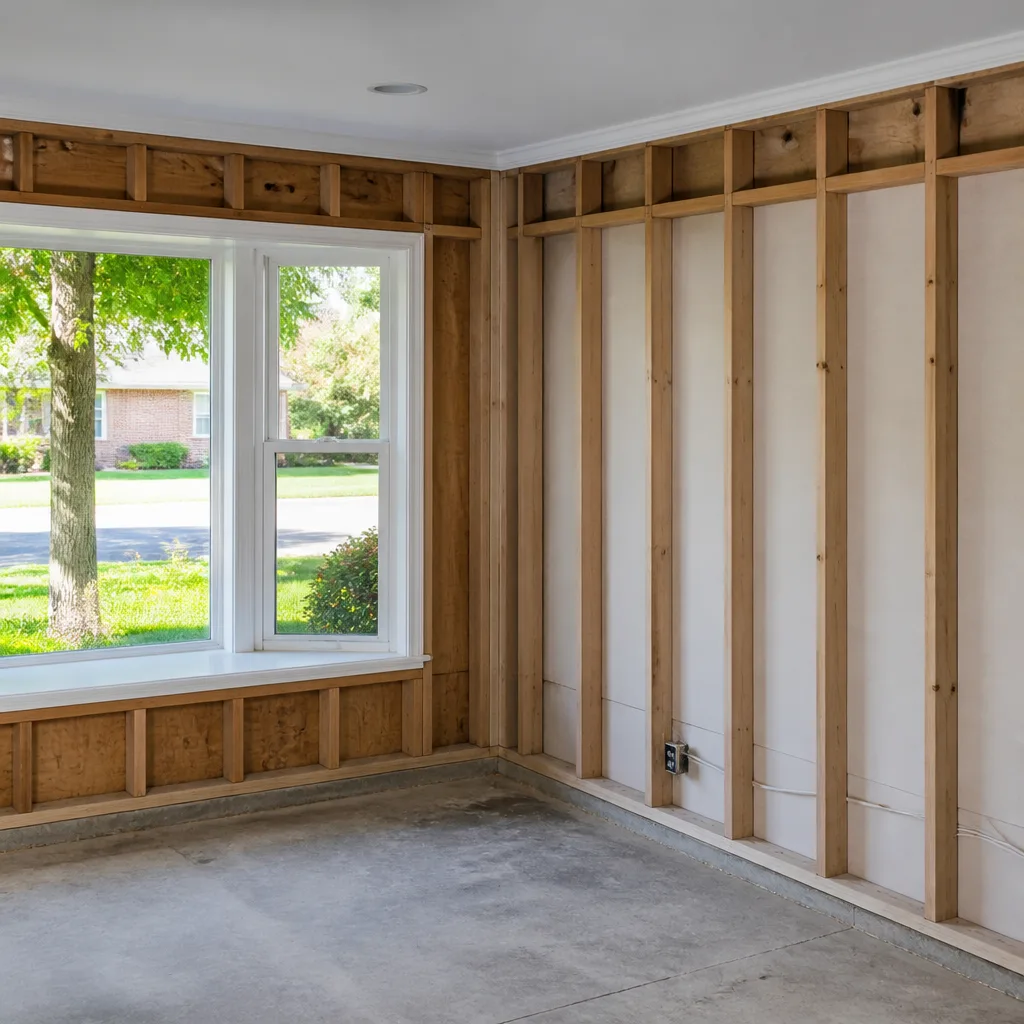
 Before
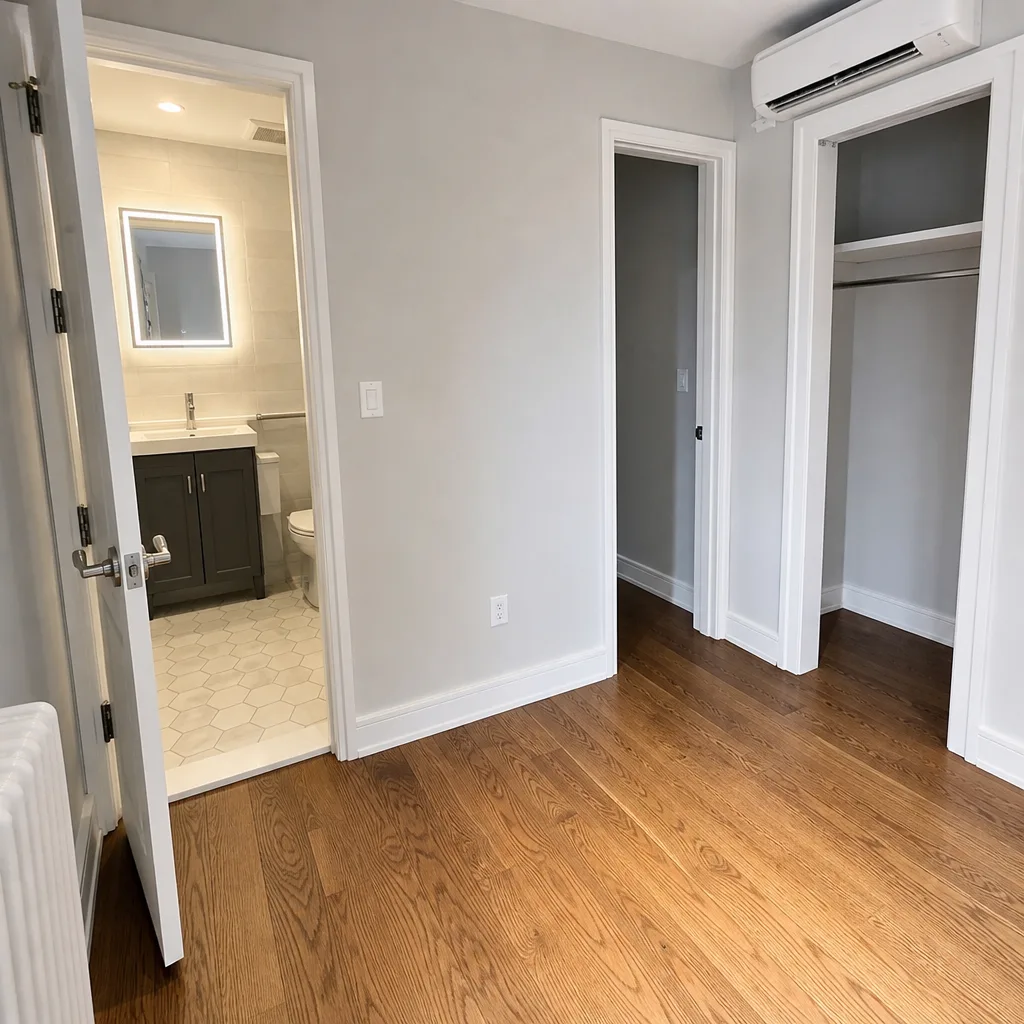 After
After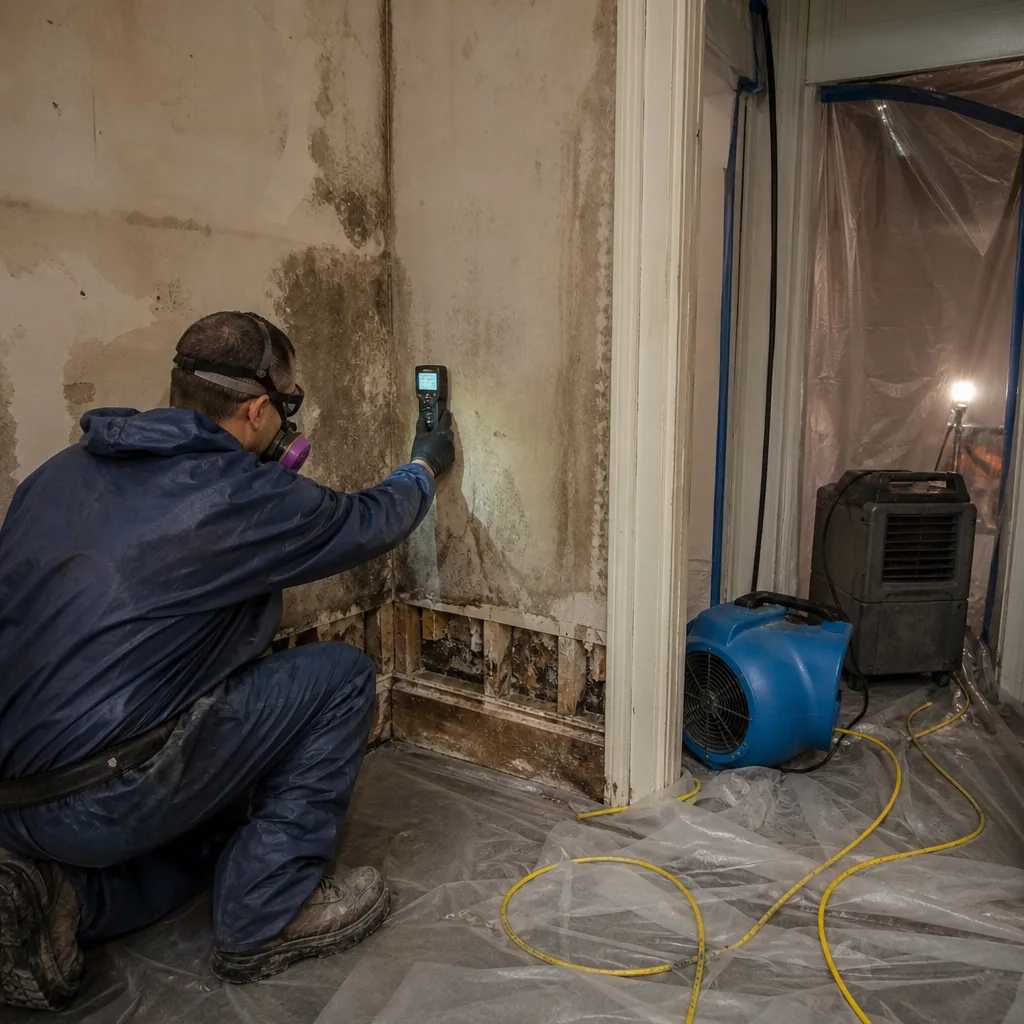 Before
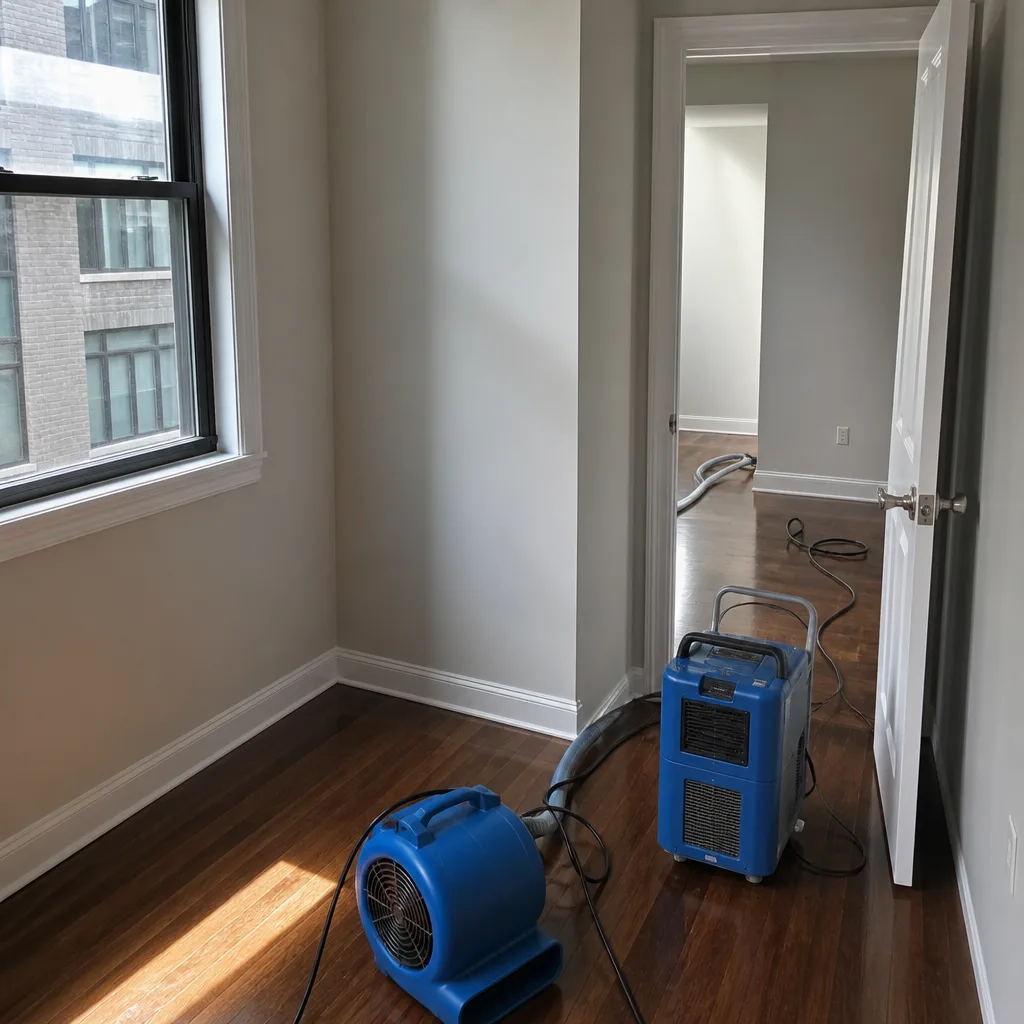 After
After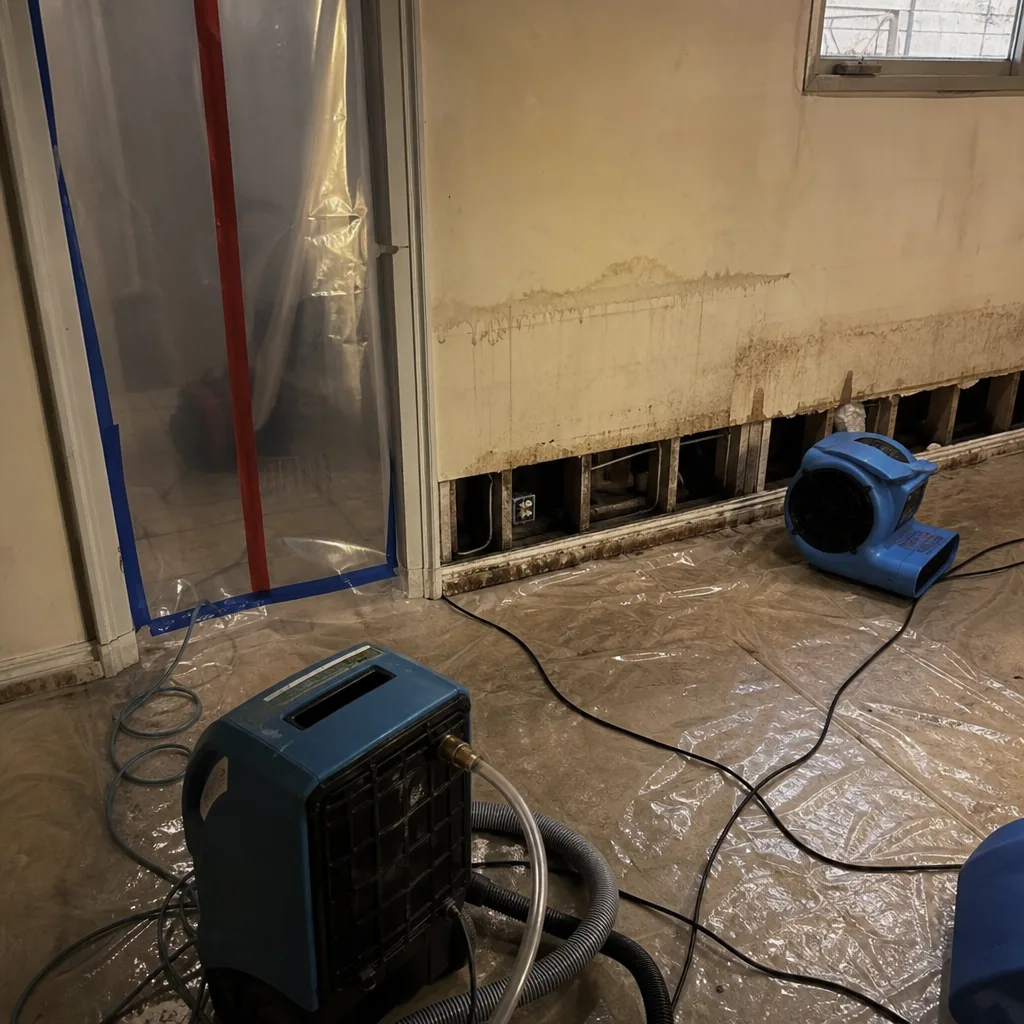 Before
 After
AfterTrusted Sewage Cleanup for Midtown Manhattan Homeowners
Sewage cleanup in Midtown Manhattan typically costs $2,800-$7,500 depending on contamination level and square footage affected, and DryMark Restoration Midtown Manhattan dispatches crews within 60-90 minutes for active backups. We’re independently owned and operated under The Haven Standard since 2011, with Alicia Brennan’s team having restored 12,000+ homes - every one with a written price before work started and a documented photo record when the crew left. Call (862) 212-1646; a live person answers 24 hours a day, 7 days a week, no voicemail trees.
Midtown Manhattan’s aging combined sewer infrastructure creates a specific risk profile that newer buildings and outer-borough properties don’t share. Pre-war high-rises along Sixth Avenue and Seventh Avenue regularly experience backflow during heavy rainfall when stormwater overwhelms the municipal system. We’ve documented Category 3 black water events in elevator pits at buildings near Bryant Park, in basement storage rooms throughout the Garment District, and in ground-floor retail spaces along West 34th Street where the sewer lateral meets the city main. Our crews carry the extraction equipment, antimicrobial agents, and moisture detection tools needed to work within the spatial constraints typical of Midtown properties - narrow service corridors, freight elevators with weight limits, and occupied units above and below the loss.
What Our Sewage Cleanup Service Includes
Sewage Backup Cleanup
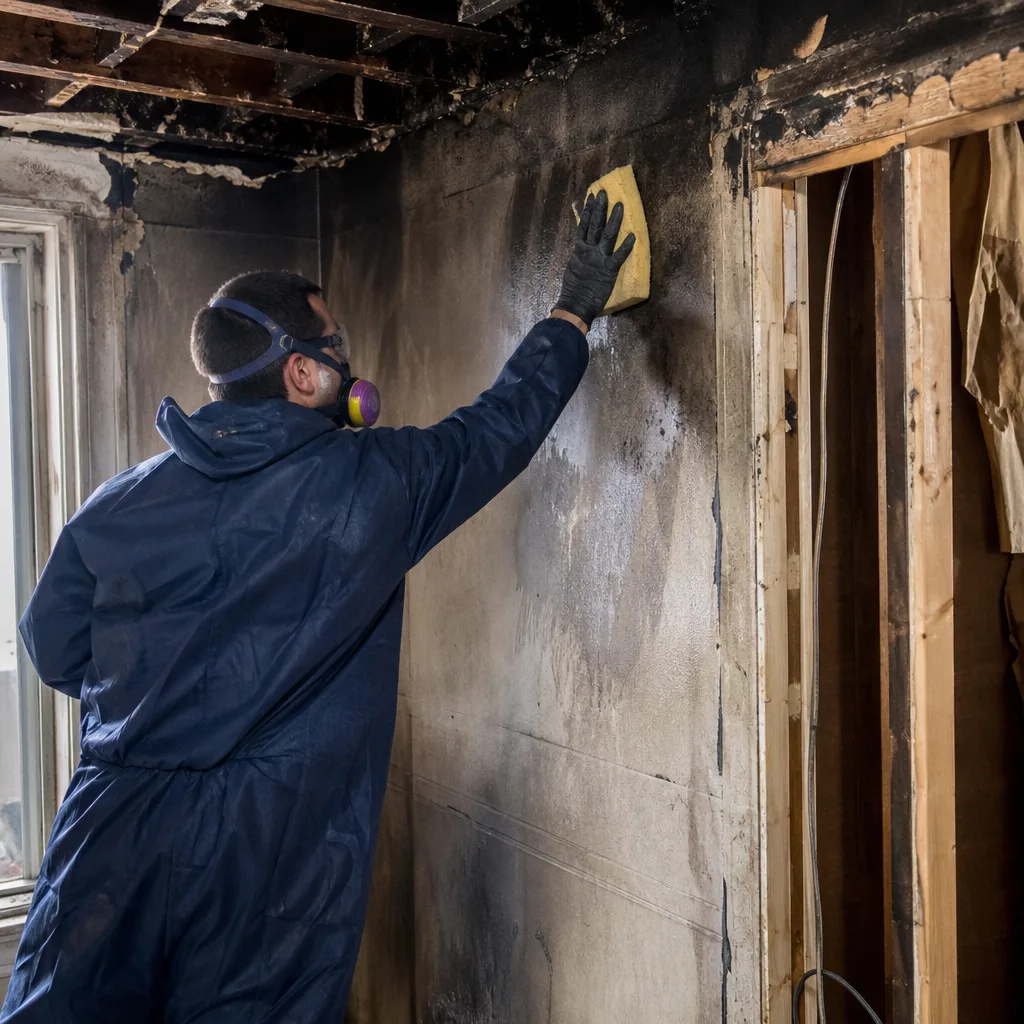
Sewage backup cleanup addresses raw municipal waste that reverses flow through drain lines, typically during NYC Department of Environmental Protection combined sewer overflow events or main line blockages. In Midtown Manhattan, we see this most often in pre-1960 buildings between West 42nd Street and West 57th Street where cast iron lateral connections have deteriorated. Our crew arrives with truck-mounted extraction units from Dri-Eaz and Phoenix, establishes negative air pressure containment, and removes contaminated water before applying EPA-registered disinfectants to all affected surfaces.
Toilet Overflow Cleanup
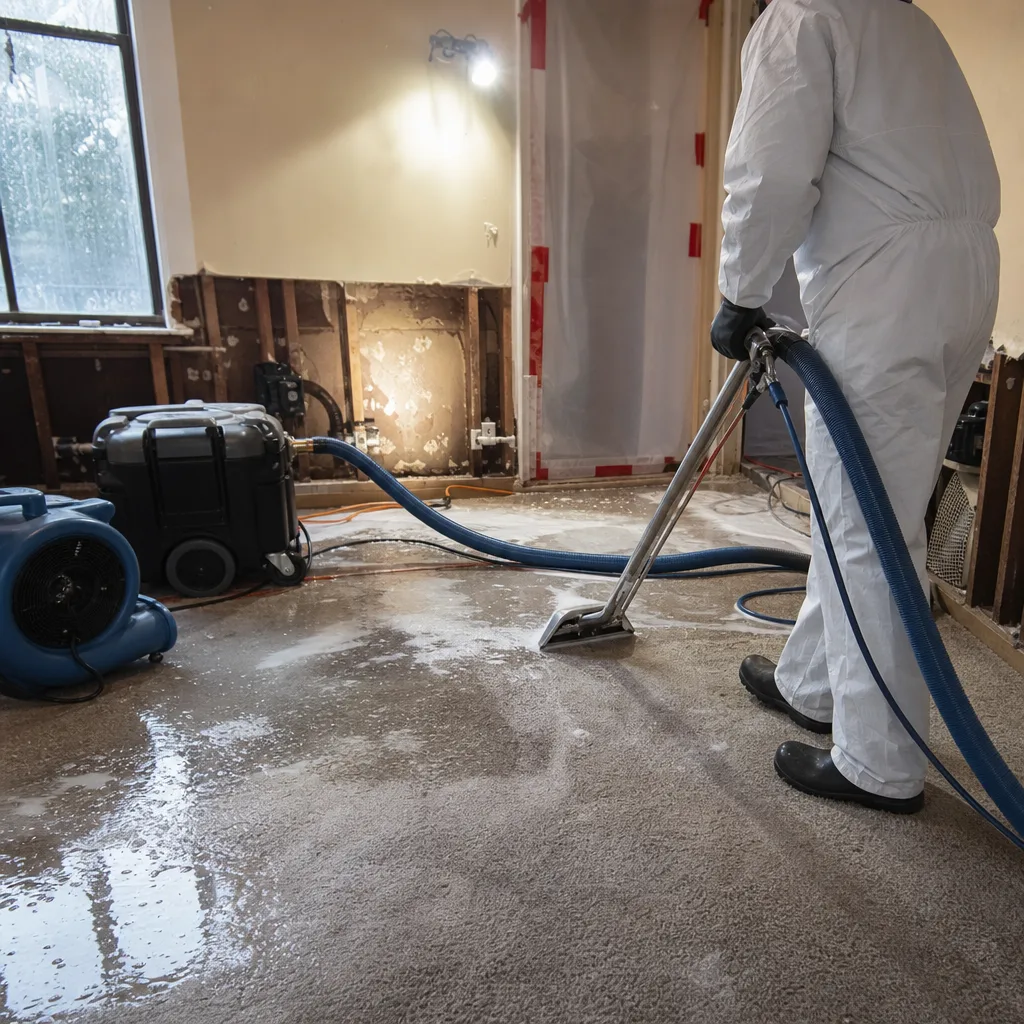
Toilet overflow cleanup handles Category 2 or Category 3 water losses originating from fixture failure, sewer line obstruction, or flange seal deterioration. Midtown’s high-rise residential buildings present unique challenges - a single overflow on the 18th floor can affect six to eight units vertically through stack line breaches and horizontal membrane failures. We document the vertical migration path with moisture meters and thermal imaging, remove saturated drywall and insulation, and establish drying chambers with HEPA-filtered air scrubbers before any rebuild begins.
Septic Failure Cleanup
Septic failure cleanup applies to properties with private wastewater systems, rare in Midtown Manhattan proper but relevant to our service area in Murray Hill and certain converted townhouse properties. When a septic tank overflows or a drain field fails, untreated effluent surfaces in basements, crawl spaces, or landscaped areas. We pump and dispose of waste per NYC Department of Environmental Protection regulations, excavate contaminated soil when necessary, and coordinate with licensed plumbers to repair or replace the failed system component before restoration work proceeds.
Black Water Extraction
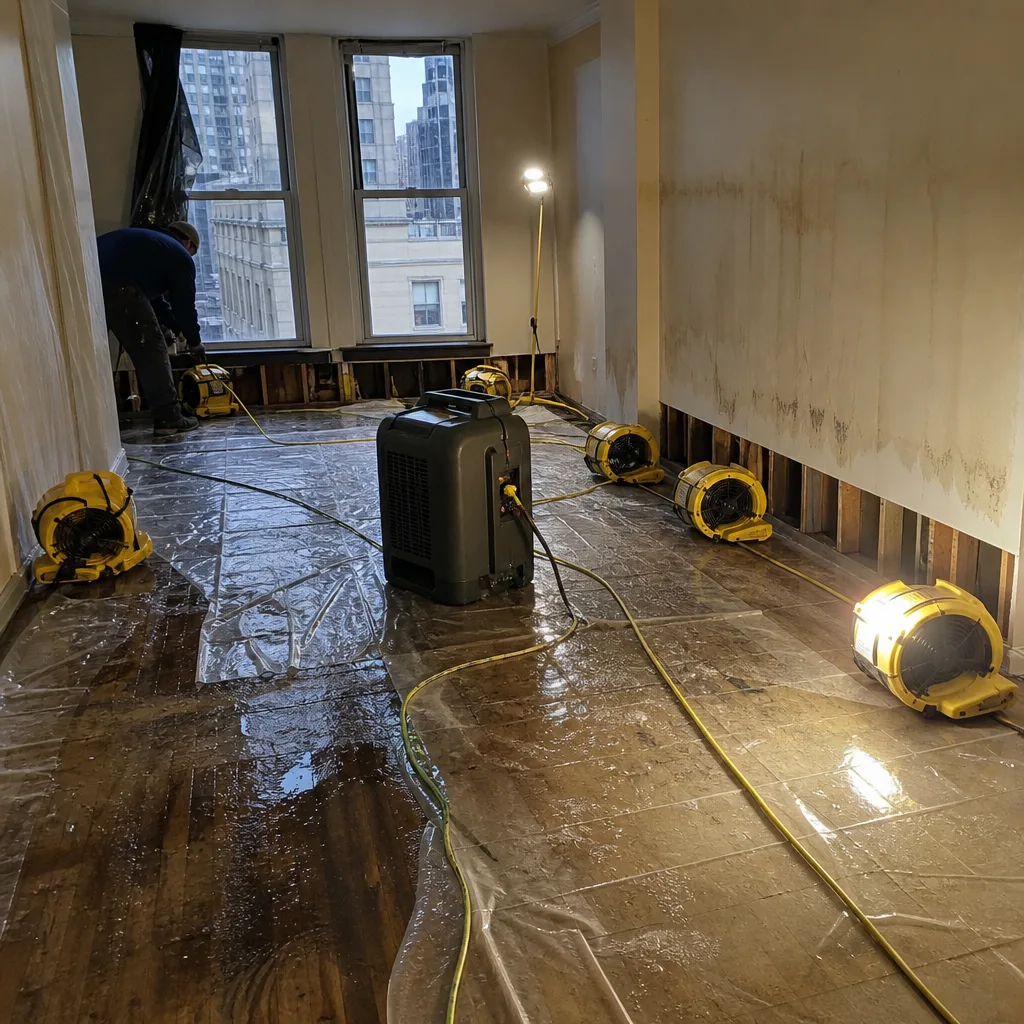
Black water extraction is the removal of Category 3 water containing pathogenic agents from sewage, seawater flooding, or rising surface water. In Midtown Manhattan, black water events frequently follow Hudson River storm surge penetration in buildings west of Tenth Avenue, or combined sewer backup throughout the Upper East Side and home service corridors. Our technicians wear full PPE, deploy submersible pumps and weighted extraction wands, and document water classification with photo evidence that supports your insurance claim. All extracted waste is transported to licensed disposal facilities with manifest documentation.
Sanitization & Disinfection
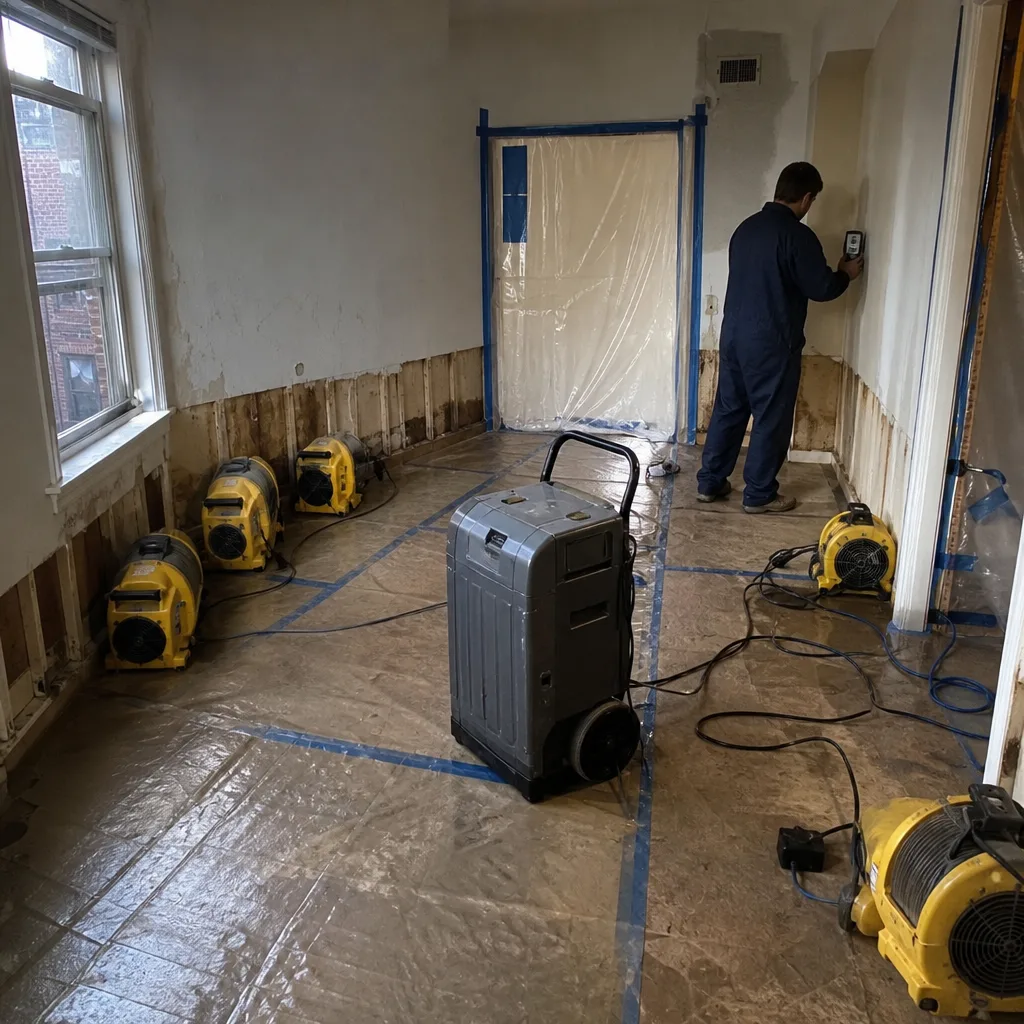
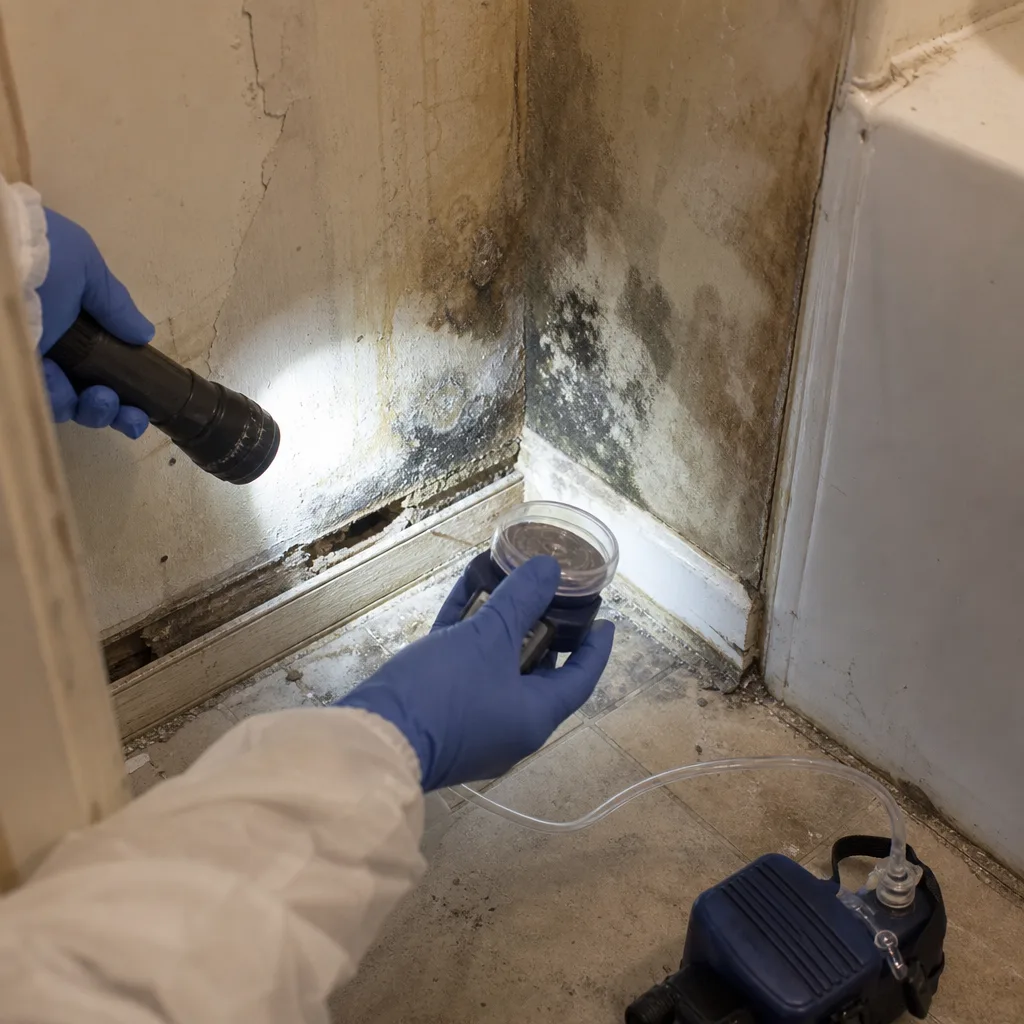
Sanitization and disinfection follows extraction to eliminate bacteria, viruses, and parasites carried in sewage contamination. We apply antimicrobial solutions registered with the EPA for use against bloodborne pathogens and enteric organisms, then verify efficacy with ATP bioluminescence testing - a measurable light-reaction test that confirms surface cleanliness at the cellular level. In Midtown Manhattan’s dense occupancy environment, this documentation step protects building management from liability and provides the proof of professional standard that insurers require before approving rebuild coverage.
Crawl Space Sewage Removal
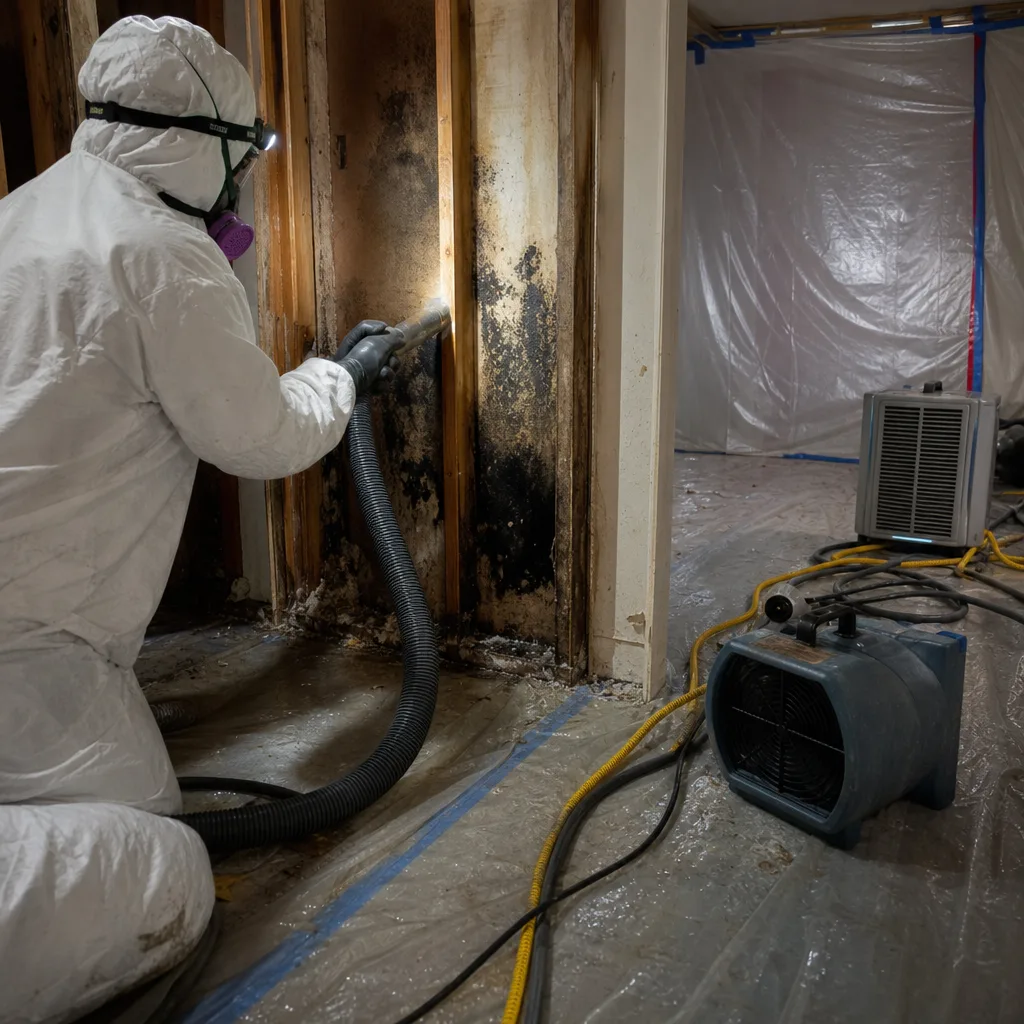
Crawl space sewage removal addresses contamination in sub-grade areas with limited access, common in Midtown Manhattan’s older commercial and mixed-use buildings where original construction included partial basements or utility vaults. These spaces often contain active electrical, HVAC, and telecommunications infrastructure that cannot be de-energized without building-wide shutdown. Our crews work with building engineers to isolate affected systems, deploy portable extraction and drying equipment from XPOWER and B-Air in confined-space configurations, and produce moisture logs that track vapor pressure differential until the space returns to pre-loss equilibrium.
What happens when you call
- 1
A real person answersNo phone trees - you reach a local pro.
- 2
You get an upfront price rangeHonest numbers before anyone is dispatched.
- 3
A background-checked tech heads outLicensed & insured, dispatched right away.
- 4
You approve before work beginsNothing starts until you say go.
Signs You Need Sewage Cleanup Right Now
- Multiple drains backing up simultaneously. When your toilet, shower, and sink all refuse to drain, the blockage is likely in your main sewer lateral or the municipal connection - not an isolated fixture clog. This pattern indicates pressure building in the system that will find the path of least resistance, often an overflow point in the lowest elevation of your property.
- Gurgling sounds from drains or toilets when water runs elsewhere. Air displaced by sewage seeking alternative routes creates audible bubbling in P-traps and fixture drains. In Midtown Manhattan’s high-rise buildings, this symptom often precedes a vertical stack backup by 12-24 hours - enough time to call (862) 212-1646 before active overflow begins.
- Sewage odor permeating occupied spaces. Hydrogen sulfide and other sewer gases indicate either a dry trap allowing gas migration or an active leak releasing contaminated water into wall cavities or subflooring. Either condition degrades indoor air quality and, in sufficient concentration, presents combustion or health hazards that require immediate professional assessment.
- Standing water with dark discoloration or visible solids. Category 3 water is visually distinct - gray to black coloration, suspended organic matter, and often a greasy surface film from fats, oils, and grease in municipal waste. Do not attempt to pump or shop-vac this material; aerosolized pathogens create inhalation risk even with respirator use by untrained individuals.
- Recent heavy rainfall with basement or ground-floor moisture. NYC’s combined sewer system handles stormwater and sanitary waste in shared mains. Intense precipitation events, increasingly frequent in Midtown Manhattan’s climate pattern, overwhelm capacity and cause backflow through floor drains and lowest fixtures. Early extraction and antimicrobial treatment prevents the secondary mold growth that develops within 48-72 hours of saturation.
BeforeAfterOur Sewage Cleanup Process - Step by Step
- 1
Emergency response and safety assessment. Our technician arrives in a marked vehicle, verifies identity with license documentation, and conducts a hazard survey before entering the loss area. We identify electrical exposure risks, structural instability from water loading, and airborne contamination levels using calibrated meters. No extraction begins until hazards are controlled and documented.
- 2
Containment and source control. We establish polyethylene barrier isolation to prevent cross-contamination to unaffected building areas, deploy HEPA-filtered negative air machines to maintain pressure differential, and stop the source - whether that means coordinating with NYC DEP for main line clearance, isolating a building valve, or stabilizing a failed fixture. Every containment measure is photographed for the job file.
- 3
Extraction and bulk material removal. Truck-mounted or portable extraction equipment removes standing water based on access constraints. We then remove non-salvageable porous materials - carpet pad, drywall below the water line, insulation, and particleboard subflooring - following IICRC S500 standards for Category 3 water losses. Removed materials are inventoried, photographed, and disposed of with waste manifest documentation.
- 4
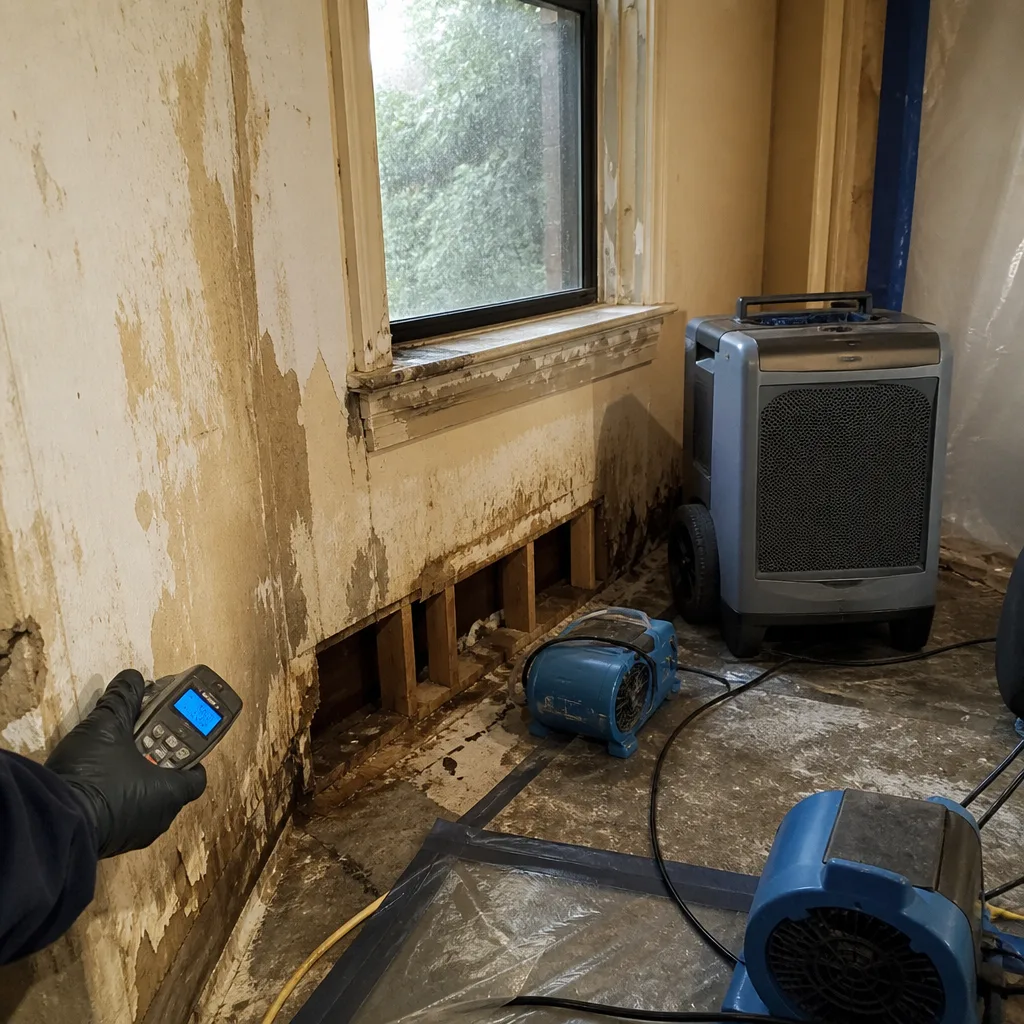
Cleaning, disinfection, and moisture verification. All remaining structural materials receive application of EPA-registered antimicrobial solution, agitated to penetrate surface pores, and rinsed where substrate allows. We then deploy professional-grade drying systems - Dri-Eaz and Phoenix dehumidifiers, Injectidry cavity drying systems for wall voids - and record daily moisture content readings with thermo-hygrometric data until materials reach established drying goals.
- 5
Documentation delivery and scope presentation. Upon completion, you receive the complete photo record, daily drying logs with psychrometric data (temperature, relative humidity, vapor pressure differential explained in plain terms), and a written scope for any necessary reconstruction. Haven Standard, Clause 1: the price for any additional work is delivered in writing before that work begins. The 365-Day Done Right Promise applies to all services performed.
How Much Does Sewage Cleanup Cost in Midtown Manhattan?
A typical Sewage Cleanup pricing in Midtown Manhattan runs $2,800-$4,500 for a contained residential or small commercial loss affecting 200-400 square feet with no structural material replacement. Toilet overflow cleanup with limited vertical migration generally falls at the lower end, $2,200-$3,800. More complex scenarios - black water extraction in a multi-story high-rise with elevator pit involvement, or crawl space sewage removal requiring confined-space protocols - range $5,500-$7,500 and may extend higher if contaminated HVAC ductwork requires cleaning or if asbestos-containing materials are disturbed in pre-1980 buildings common to the area.
Several factors move the price within these ranges. Depth of contamination matters: water that has wicked 24 inches up drywall requires more removal and replacement than surface-level flooding. Access constraints in Midtown Manhattan’s older buildings - freight elevators too small for standard dehumidifiers, or buildings requiring after-hours work to minimize tenant disruption - add labor hours. The presence of finished materials like hardwood flooring or custom millwork increases restoration complexity, as these materials often cannot be salvaged after Category 3 exposure despite homeowner preference.
What affects price most significantly is the speed of initial response. Sewage that sits 48 hours before extraction has penetrated deeper into substrates, begun bacterial amplification, and often initiated mold colonization - expanding the scope from extraction and disinfection to full remediation with more material removal. This is why our live dispatch answers at (862) 212-1646 around the clock; the cost of immediate response is consistently lower than the cost of delayed mitigation.
To avoid overpaying, request a written scope from any contractor before authorizing work. Haven Standard, Clause 1 exists because we’ve reviewed too many competitor invoices where the initial verbal estimate bore no resemblance to the final charges. Our free estimate includes line-item pricing for extraction, material removal, disinfection, drying equipment rental by day, and reconstruction if needed. Bring a competitor’s written estimate and we’ll provide a Free Second Opinion at no charge - a service we’ve offered since 2011 because accurate documentation benefits the entire claims process.
Sewage Cleanup Near Midtown Manhattan - Our Service Area
DryMark Restoration Midtown Manhattan dispatches to active sewage losses throughout the central business district and surrounding neighborhoods, typically arriving within 60-90 minutes for emergency calls. Our primary response zone includes the full Murray Hill corridor from East 34th to East 42nd Street, the Upper East Side below East 96th Street, and west to the Hudson River. We also serve home and commercial properties in Long Island City, Manhattan’s Upper West Side, Hoboken, West New York, Union City, Greenpoint, Astoria, and Williamsburg - with response times extending to 90-120 minutes for outer-borough locations during peak traffic periods. Building managers in Midtown’s Class B and C office stock, co-op boards on Central Park South, and retail operators in the Herald Square district all maintain our direct line for after-hours emergencies.
Serving Midtown Manhattan, NY - Our Local Coverage Area
We’re based in the Midtown Manhattan area and know this community well. Use the map below to see our service coverage - if you’re nearby, we can almost certainly help.
Frequently Asked Questions - Sewage Cleanup in Midtown Manhattan
Sewage cleanup is the specialized removal, disinfection, and drying of spaces contaminated by Category 3 water containing pathogenic organisms from human or animal waste. Unlike clean water pipe bursts, sewage losses require PPE protocols, EPA-registered antimicrobials, and disposal of porous materials that absorb contaminants - standard water damage restoration does not address the biological hazard or the documentation insurers require for Category 3 claims. Call (862) 212-1646 and we’ll clarify which protocol applies to your specific loss at no charge.
Most contained sewage cleanups in Midtown Manhattan require 3-5 days from extraction to verified drying, with reconstruction adding 1-3 weeks depending on material lead times and building access scheduling. High-rise losses with vertical migration through multiple floors extend the initial phase to 7-10 days. We provide daily moisture logs so you can track progress without relying on verbal updates.
Sewage cleanup in Midtown Manhattan typically ranges $2,800-$7,500 depending on contamination extent, building access constraints, and whether reconstruction is included. Most homeowners and commercial property policies cover sudden, accidental sewage backup if you carry the endorsement - though some policies exclude sewer backup entirely or cap coverage at $10,000. We document every loss with photo evidence and moisture readings formatted for adjuster review, and we coordinate directly with your insurance company to verify coverage before work begins. Call (862) 212-1646 for a written estimate you can submit to your carrier.
We’ve extracted sewage from properties with every major plumbing fixture manufacturer and have working relationships with building engineers at dozens of Midtown Manhattan addresses - whether your building runs on standard PVC, cast iron, or proprietary systems, our equipment adapts to the infrastructure, not the reverse. For drying specifically, we deploy Dri-Eaz, Phoenix, XPOWER, and B-Air systems selected to match your space constraints and power availability. Call (862) 212-1646 to discuss your building’s specific configuration.
Yes - a live person answers our emergency line 24 hours a day, 7 days a week, with no voicemail or next-business-day callback protocol. Sewage losses do not observe business hours, and our dispatch system has operated continuously since 2011 because Alicia Brennan established the company around the documentation gap that costs homeowners their claims - including claims denied because delayed response allowed secondary damage to develop. Call (862) 212-1646 any time.
Every sewage cleanup job is covered by our 365-Day Done Right Promise under The Haven Standard - if any aspect of our work fails to meet the documented drying goals or if odor or moisture issues recur within one year, we return to correct the deficiency at no additional cost. This is a written guarantee, not a verbal assurance, and it applies to all services we perform. The warranty is transferable if you sell the property within the coverage period.
Ensure safe access to the affected area by removing personal items if the space is walkable, but do not enter standing sewage or attempt preliminary cleaning - this risks exposure and can spread contamination. If possible, shut off HVAC systems serving the affected zone to prevent airborne distribution, and locate your property insurance policy declaration page for our technician’s review. We’ll handle containment, extraction, and all documentation from arrival; your primary preparation is making the call to (862) 212-1646 to minimize response time.
Schedule Your Sewage Cleanup Service in Midtown Manhattan Today
Call (862) 212-1646 now for a written estimate on sewage cleanup in Midtown Manhattan - delivered before any work begins, per Haven Standard, Clause 1. Our live dispatch is available 24 hours a day, 7 days a week, and our crews carry the documentation tools, trade-standard equipment, and verified credentials to restore your property with a record your insurer will accept. Ask about our Free Second Opinion if you’ve received another contractor’s written estimate; we’ll review it at no charge and show you what the documentation should include.
Written by Alicia Brennan, Owner at DryMark Restoration Midtown Manhattan, serving Midtown Manhattan and surrounding neighborhoods since 2011.