
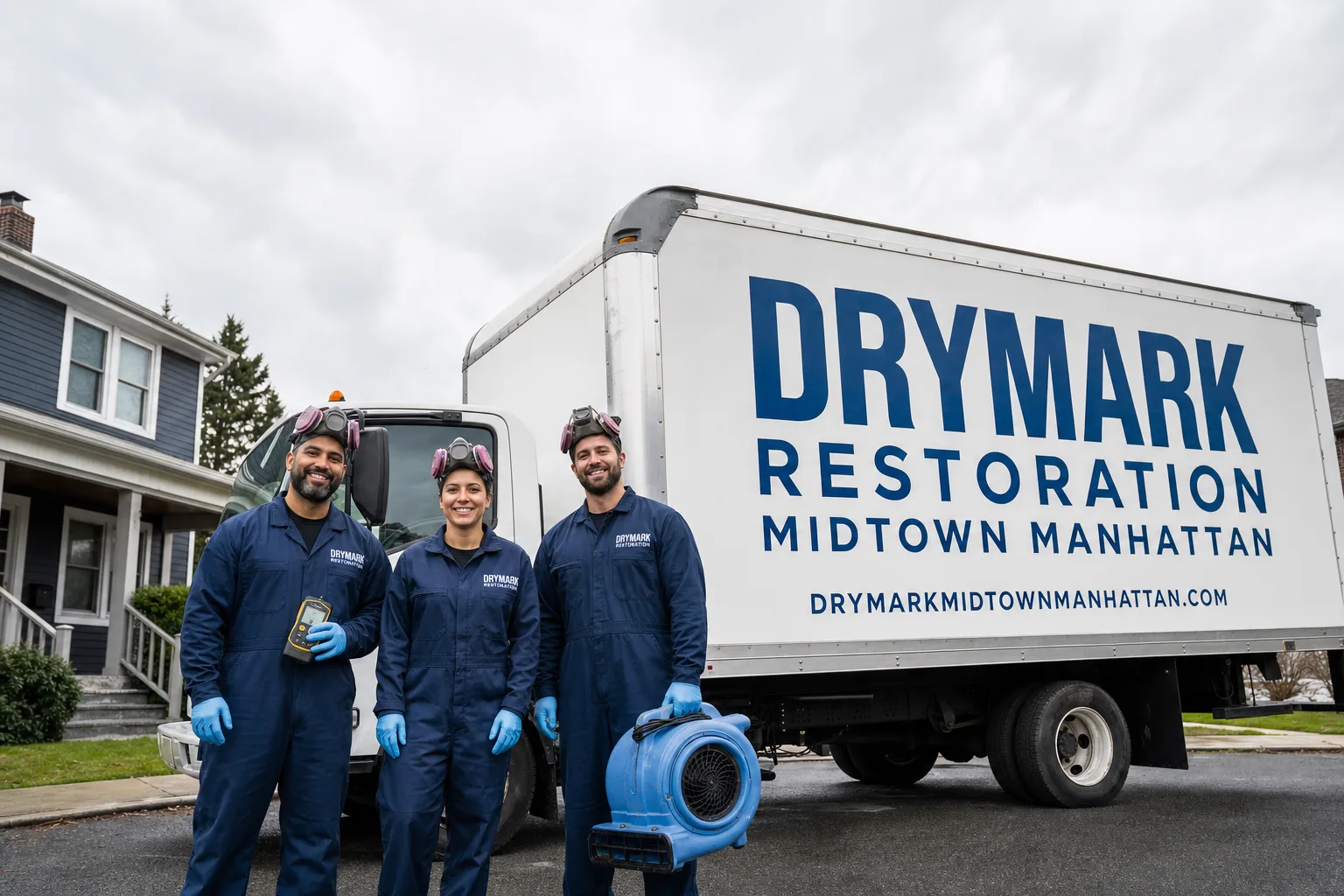
Free visual inspection and a written scope of work before any mitigation begins - photos, moisture readings, and drying logs go in your claim file
The scope we write is the scope we bill. Anything new gets shown to you, in writing, before we touch it.
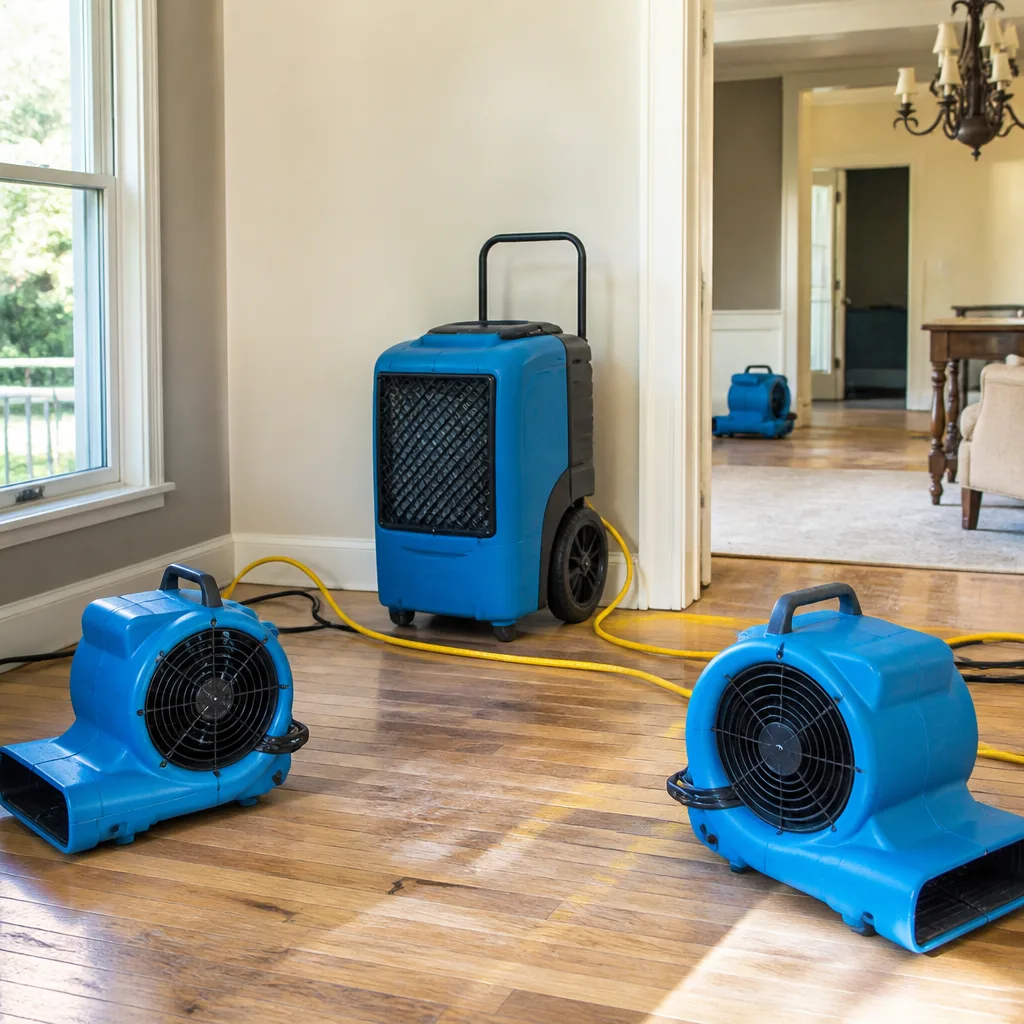
 Before
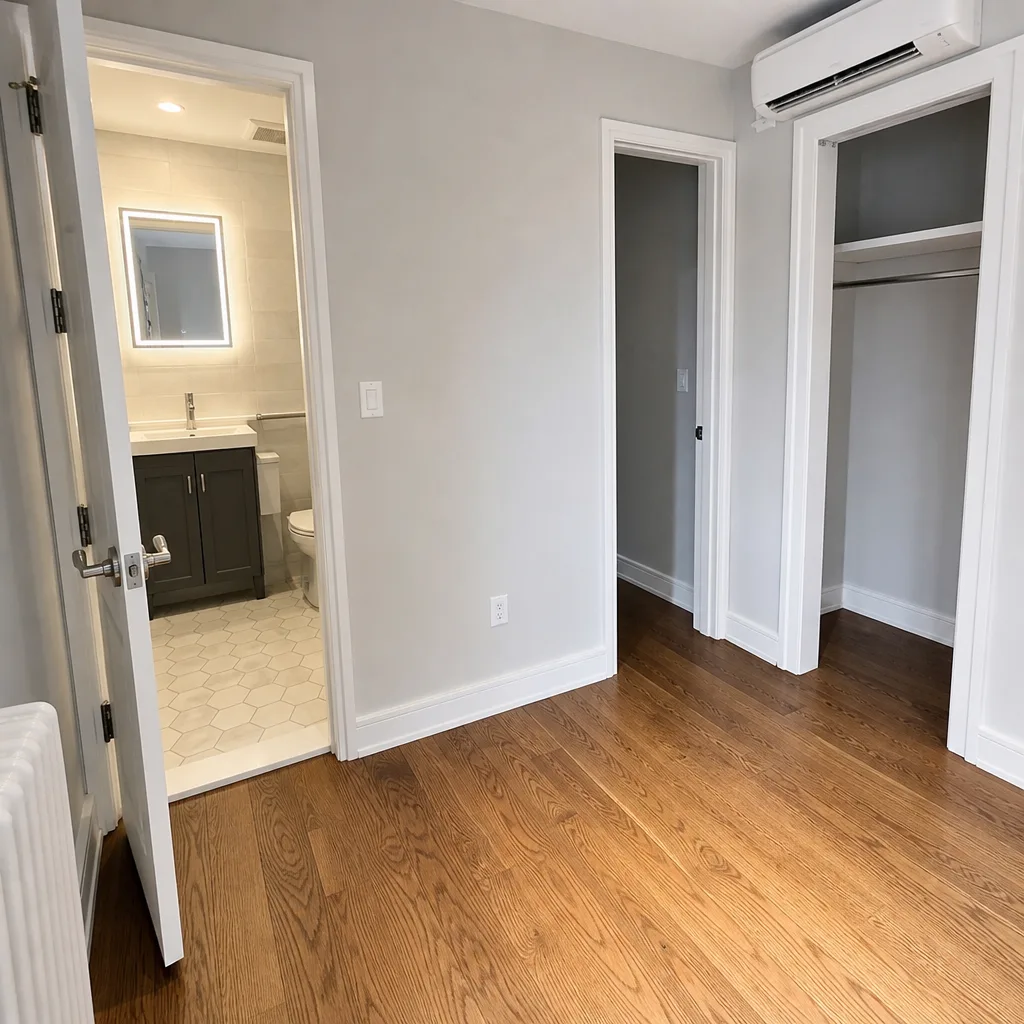 After
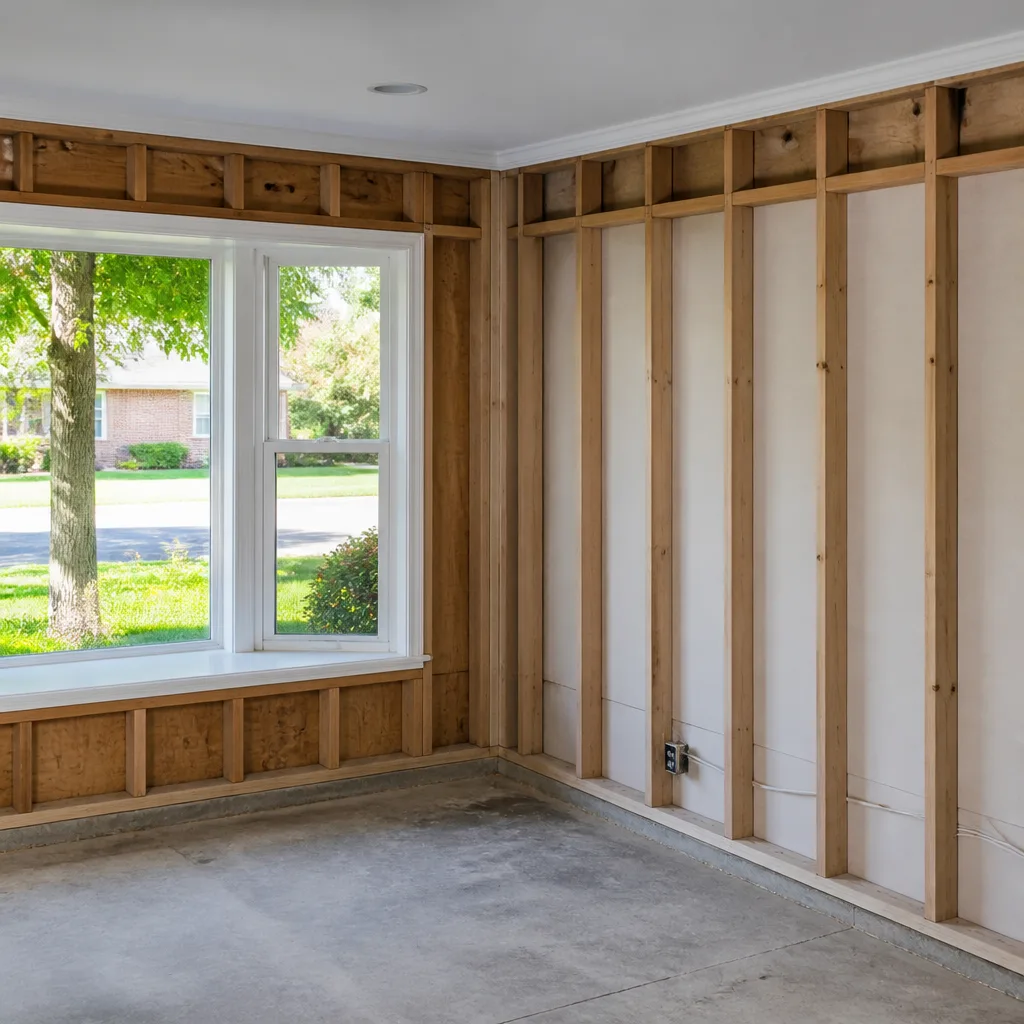
After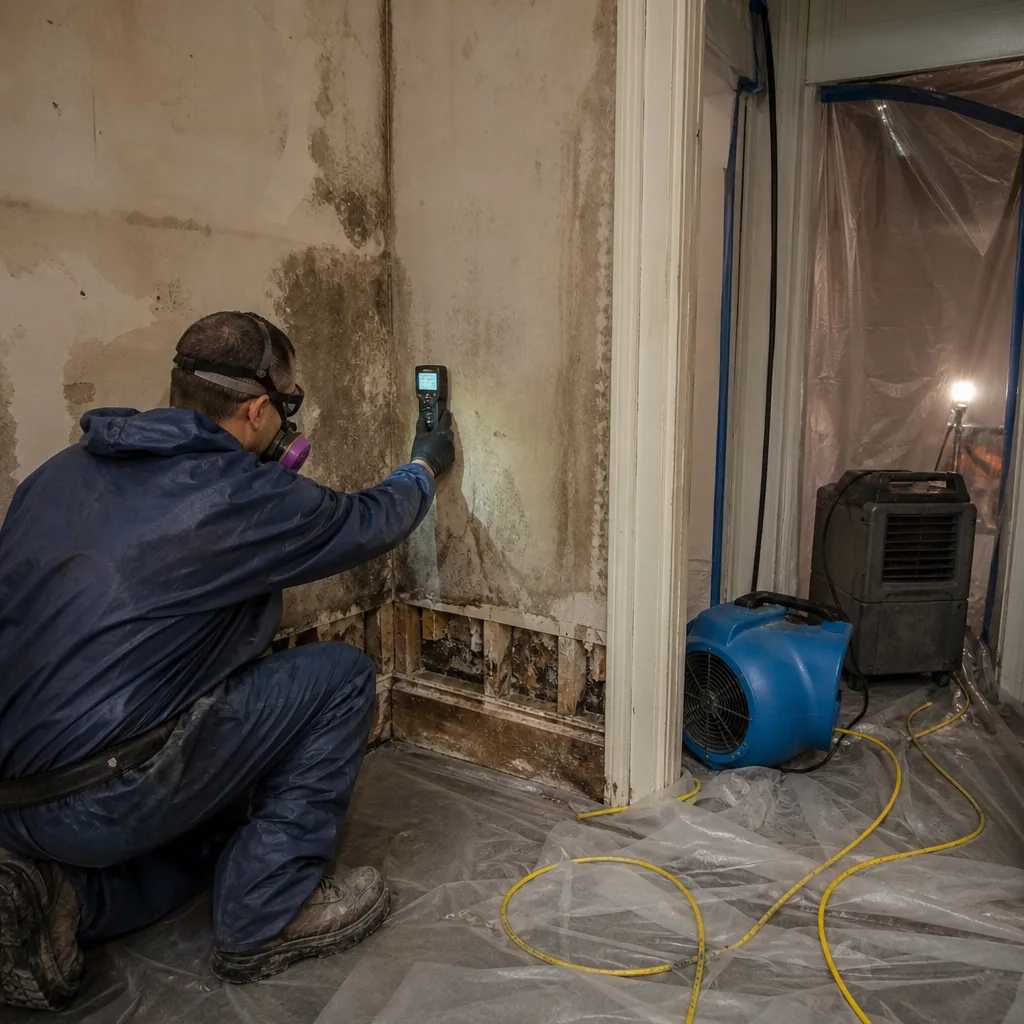 Before
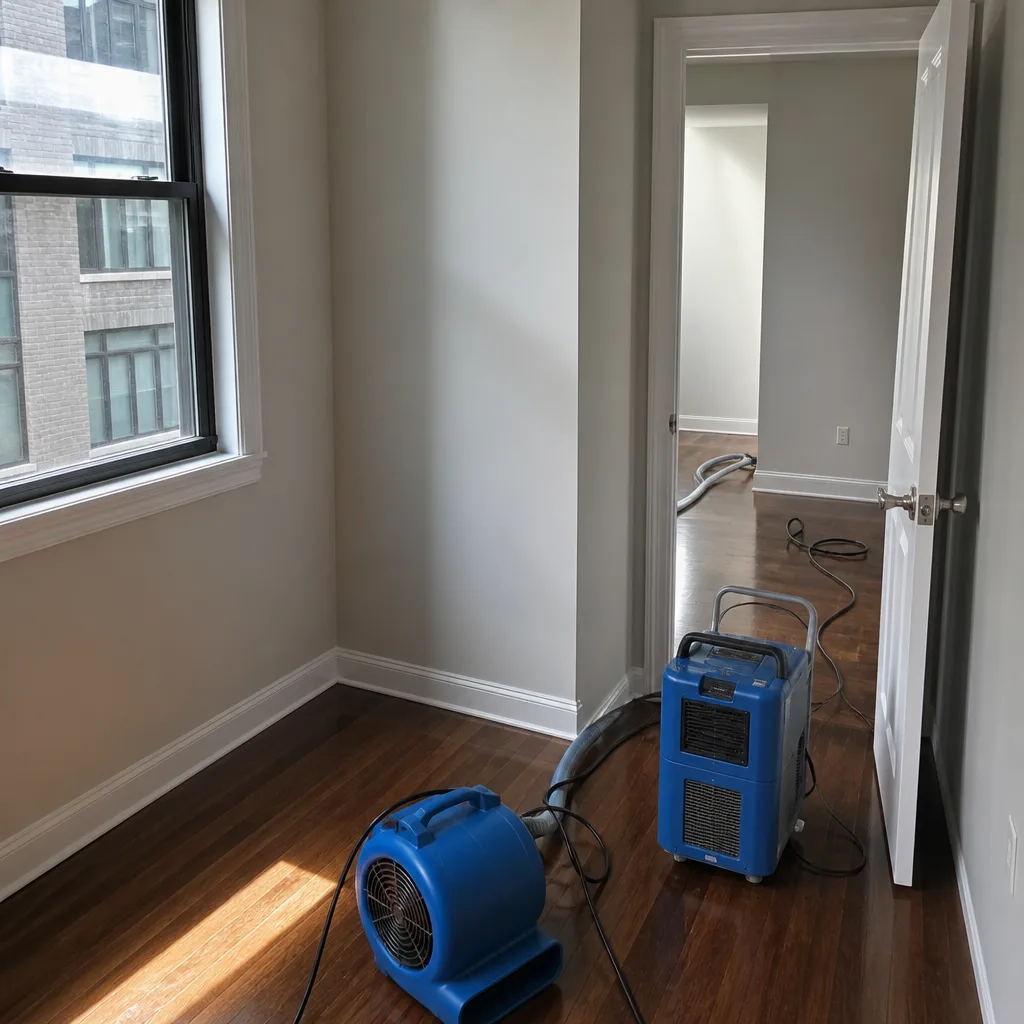 After
After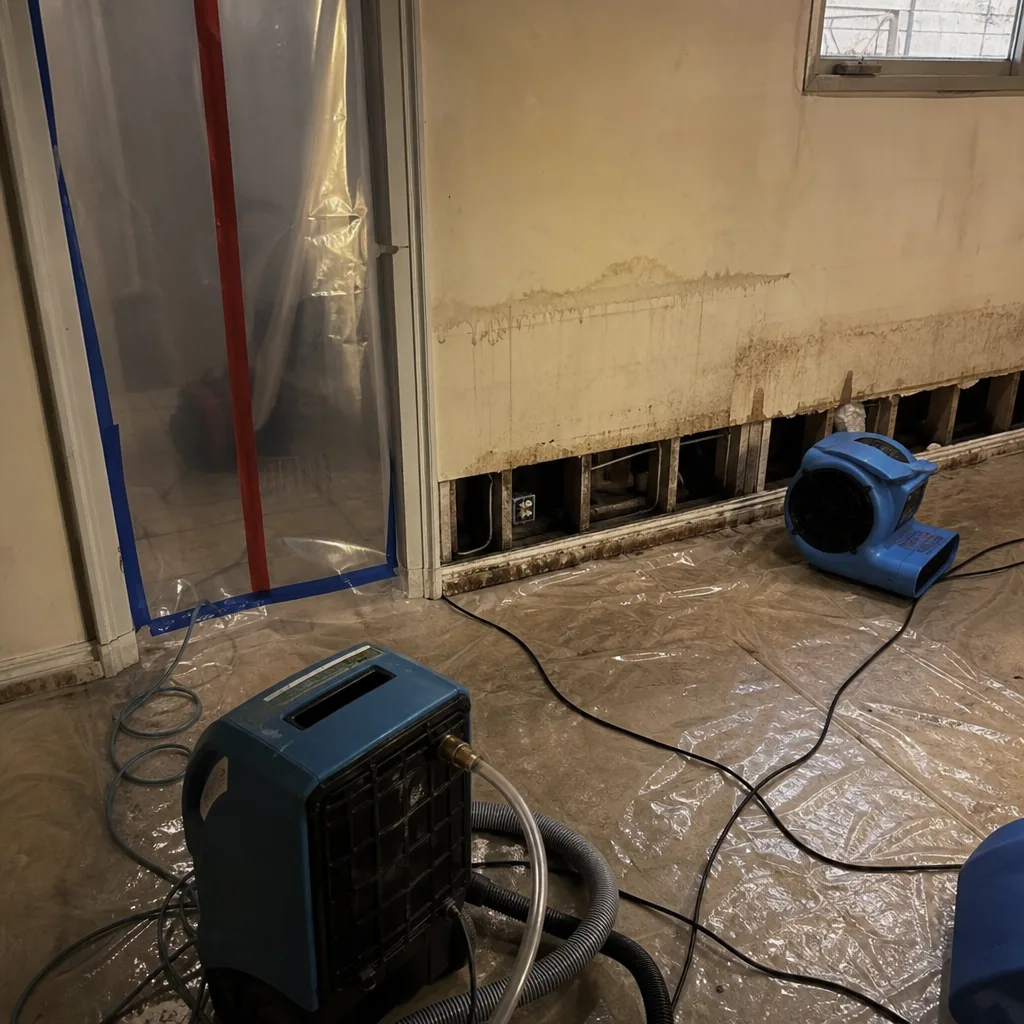 Before
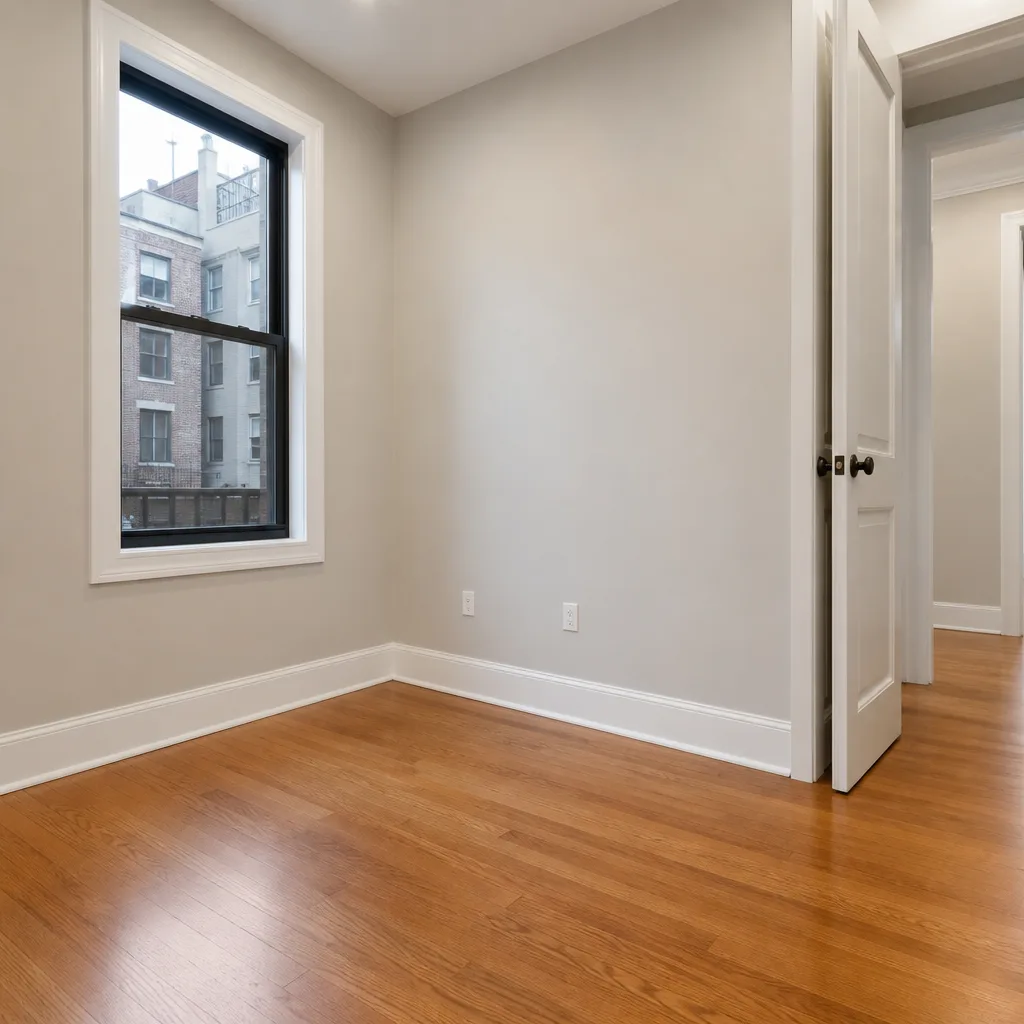 After
AfterTrusted Mold Remediation for Midtown Manhattan Homeowners
Mold remediation in Midtown Manhattan typically costs $1,200-$4,500 for contained residential jobs, with most projects completed in 3-5 business days. At DryMark Restoration Midtown Manhattan, we’ve restored 12,000+ homes since 2011 under The Haven Standard, led by Alicia Brennan, a former claims adjuster who built this company around the documentation gap that costs homeowners their insurance claims. Every job starts with a written price before work begins - Haven Standard, Clause 1 - and ends with a documented photo record, a signed drying log, and our 365-Day Done Right Promise.
Midtown Manhattan’s building stock creates specific mold pressures that we see daily. Pre-war co-ops on West 57th with original plaster and horsehair lath trap moisture differently than glass curtain-wall condos near Hudson Yards with their own HVAC ecosystems. The steam distribution system running beneath many streets keeps basements and utility rooms humid year-round. We’ve documented Stachybotrys behind built-in cabinetry in Murray Hill walk-ups where a slow pipe drip went unreported for three seasons, and Aspergillus colonies in Upper East Side high-rises where positive pressure differentials pushed condensation into exterior wall cavities. When you smell that sharp, earthy note behind a kitchen sink or spot darkening at a baseboard corner, call (862) 212-1646. Our live dispatch answers 24 hours a day, 7 days a week - no voicemail, no next-business-day callback while spores are still propagating.
What Our Mold Remediation Service Includes
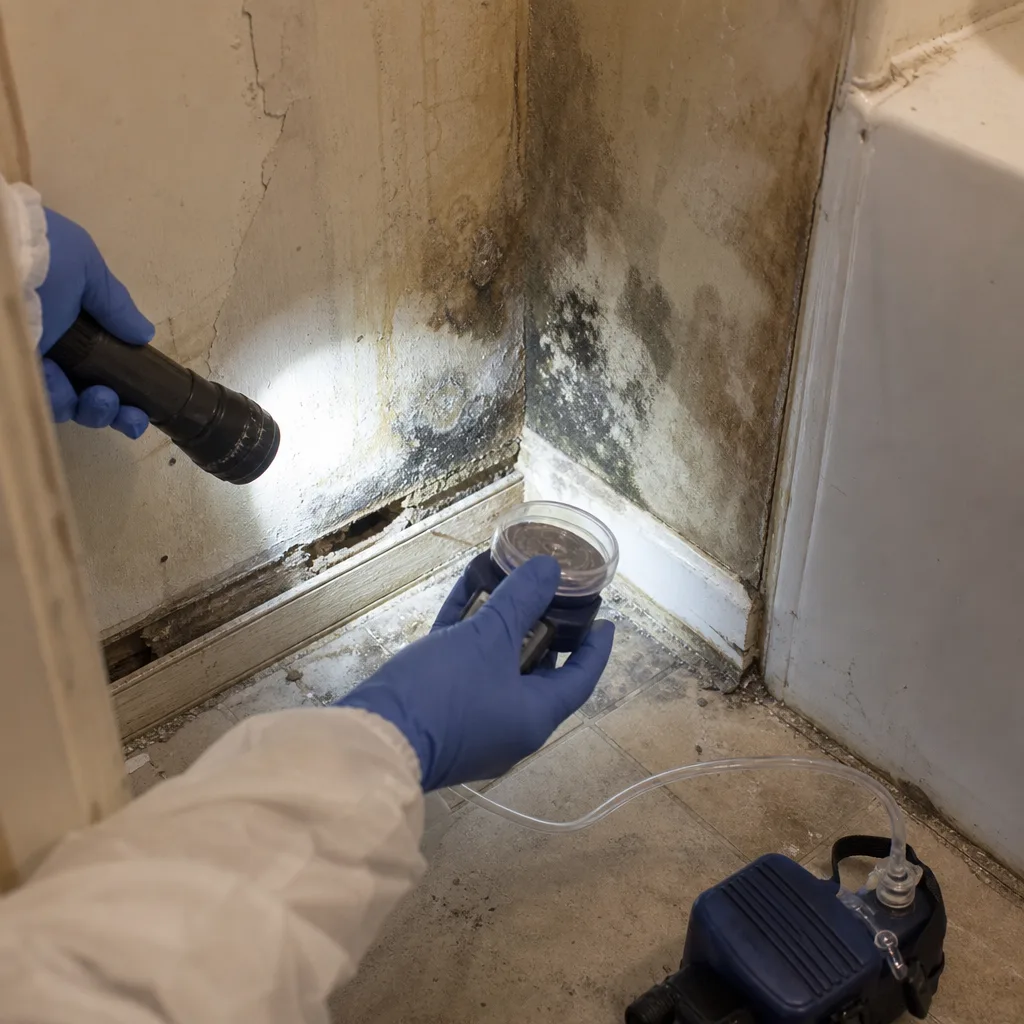
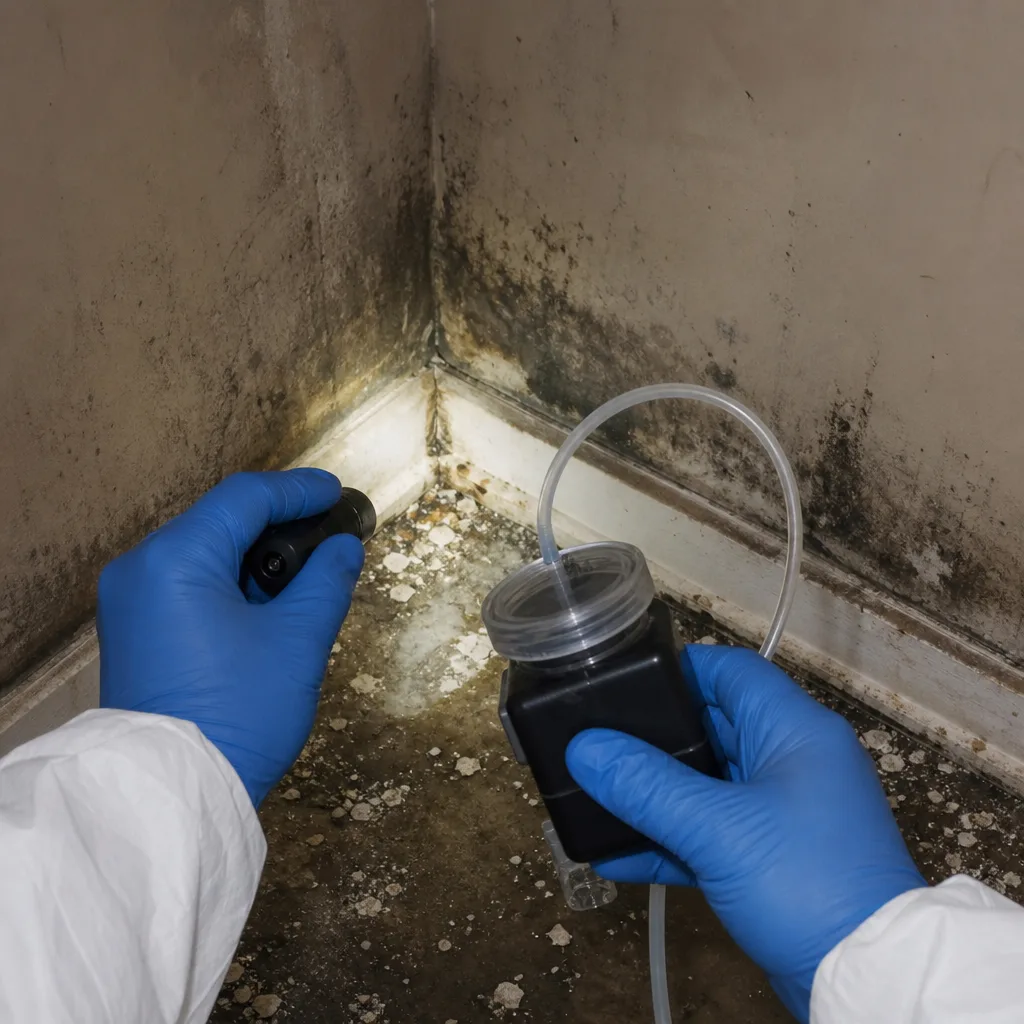
Mold Inspection & Testing
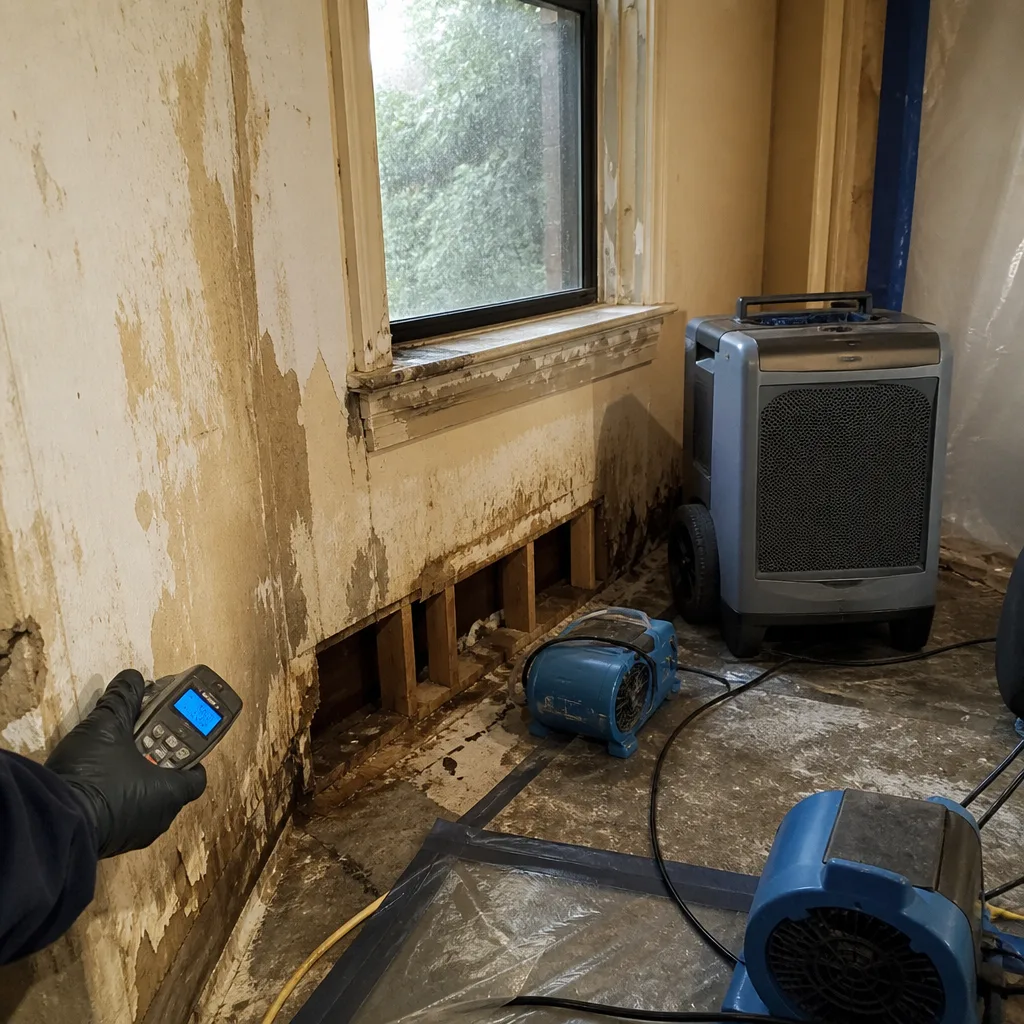
You need this when you see discoloration, smell mustiness, or suspect hidden growth after a water loss that wasn’t properly dried. Our Mold Inspection & Testing protocol begins with a visual assessment using moisture meters and thermal imaging to locate vapor pressure differentials - temperature gaps that indicate moisture accumulation inside wall cavities. We collect air and surface samples for third-party lab analysis, documenting chain of custody with photographs at each collection point. In Midtown Manhattan, where many buildings share common HVAC risers, we also sample adjacent units when the contamination pattern suggests cross-contamination. You receive the lab report, our written interpretation, and a photo record of every reading location before we discuss remediation scope.
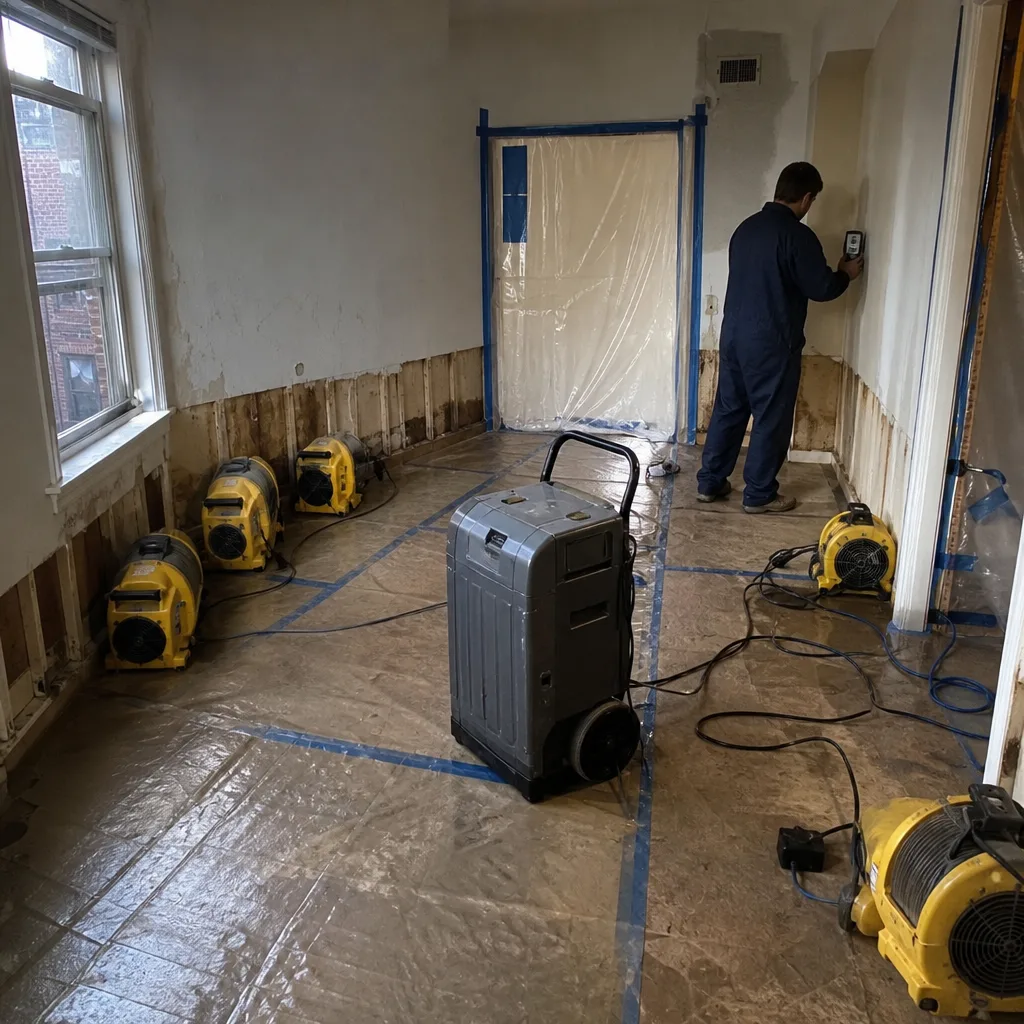
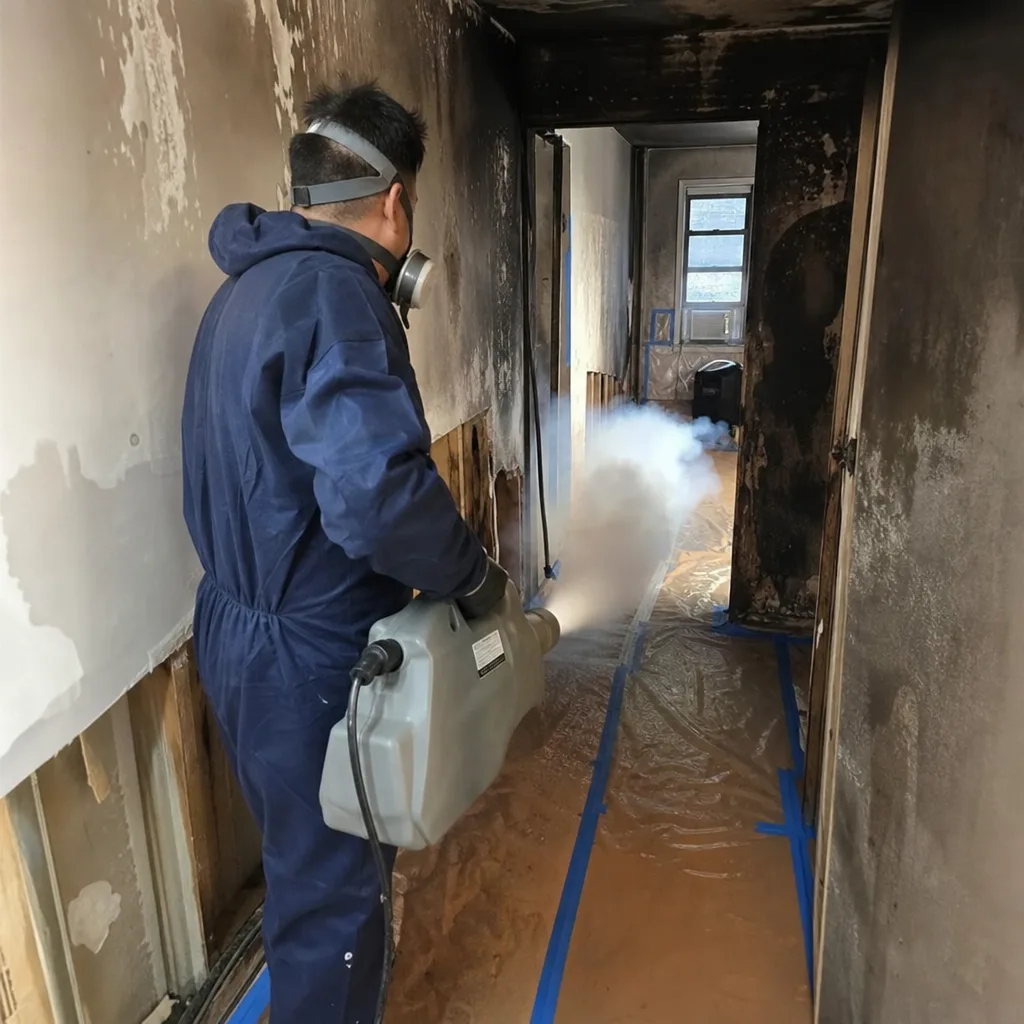
Mold Removal
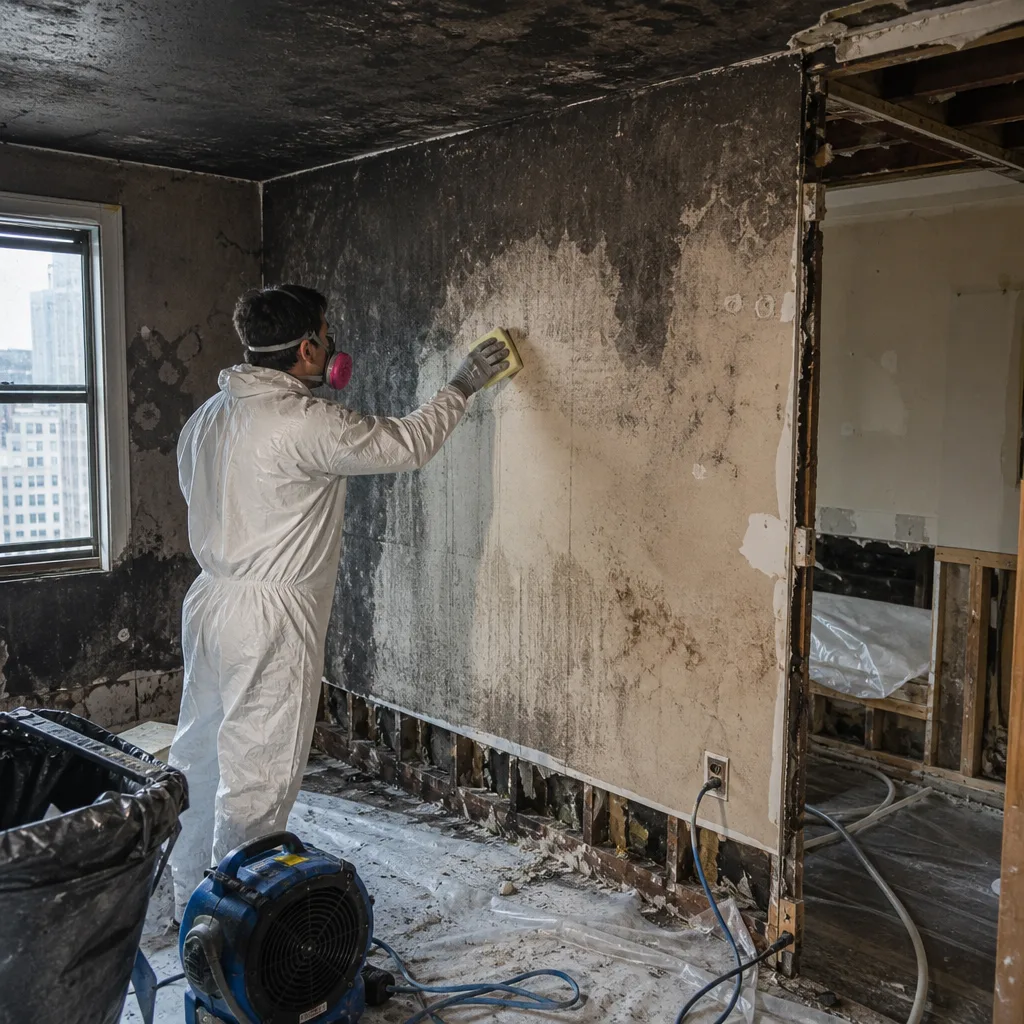
Mold Removal is the physical extraction of contaminated materials and the HEPA vacuuming of remaining surfaces to clearance standards. We don’t paint over active growth or spray encapsulant as a shortcut - removal means removal. Our crews establish negative air containment with polyethylene barriers and HEPA-scrubbed exhaust to prevent cross-contamination during demolition. In Midtown Manhattan’s tight floor plans, we’ve developed compact containment systems that protect hallways and common areas without blocking egress. Affected drywall, insulation, and trim are removed to one foot beyond visible growth, with the boundary marked in your photo record. We run Dri-Eax and Phoenix dehumidification during the process to maintain safe humidity levels in the work zone.
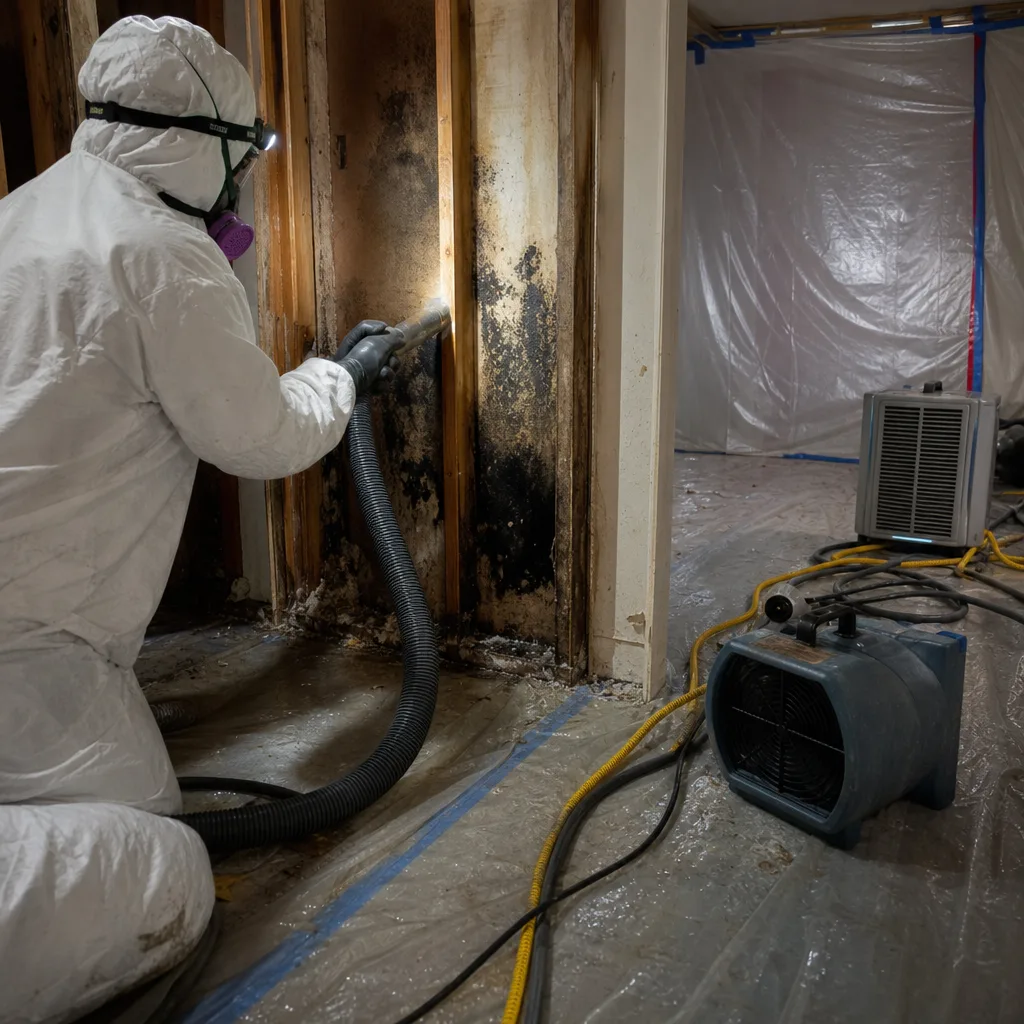
Black Mold Remediation
Stachybotrys chartarum and other toxigenic species require enhanced containment and personal protective equipment, but the remediation principles remain the same: remove the source, dry the environment, verify clearance. The danger with “black mold” is less the color than the chronic moisture condition that allowed it to outcompete other species. We identify that moisture source - a failed shower pan in a Chelsea one-bedroom, a window weep hole blocked by decades of paint in a Turtle Bay studio - and document it in your written scope. Our technicians wear powered air-purifying respirators during removal, and we hold the containment under negative pressure for 24 hours post-remediation before clearance testing. The lab results become part of your permanent job file.
Air Quality Restoration
After removal, airborne spore counts often remain elevated from disturbed colonies. Air quality restoration brings the environment back to background levels through HEPA filtration, controlled ventilation, and time. We deploy XPOWER and B-Air air scrubbers sized to the cubic footage of your space, running them continuously with filter changes documented in the daily drying log. In Midtown Manhattan’s sealed high-rises, we coordinate with building management to introduce make-up air without compromising the containment. Post-remediation air sampling compares spore counts to outdoor baseline measurements - a requirement we exceed by also measuring particulate matter and volatile organic compounds when the original contamination involved mycotoxin-producing species.
Crawl Space Treatment
Few Midtown Manhattan properties have traditional crawl spaces, but we treat the functional equivalents: sub-cellar utility vaults, elevator pit areas, and the plenum spaces beneath raised flooring systems in commercial-residential mixed buildings. These zones share crawl space characteristics: limited access, chronic humidity, and neglected maintenance. Our treatment protocol includes debris removal, surface cleaning with antimicrobial application where appropriate, and vapor barrier installation on exposed earth or deteriorated concrete. For a building on West 46th with a century-old sub-boiler room, we installed a permanent dehumidification system with remote monitoring after remediating extensive Penicillium growth. The moisture readings now transmit to our office daily.
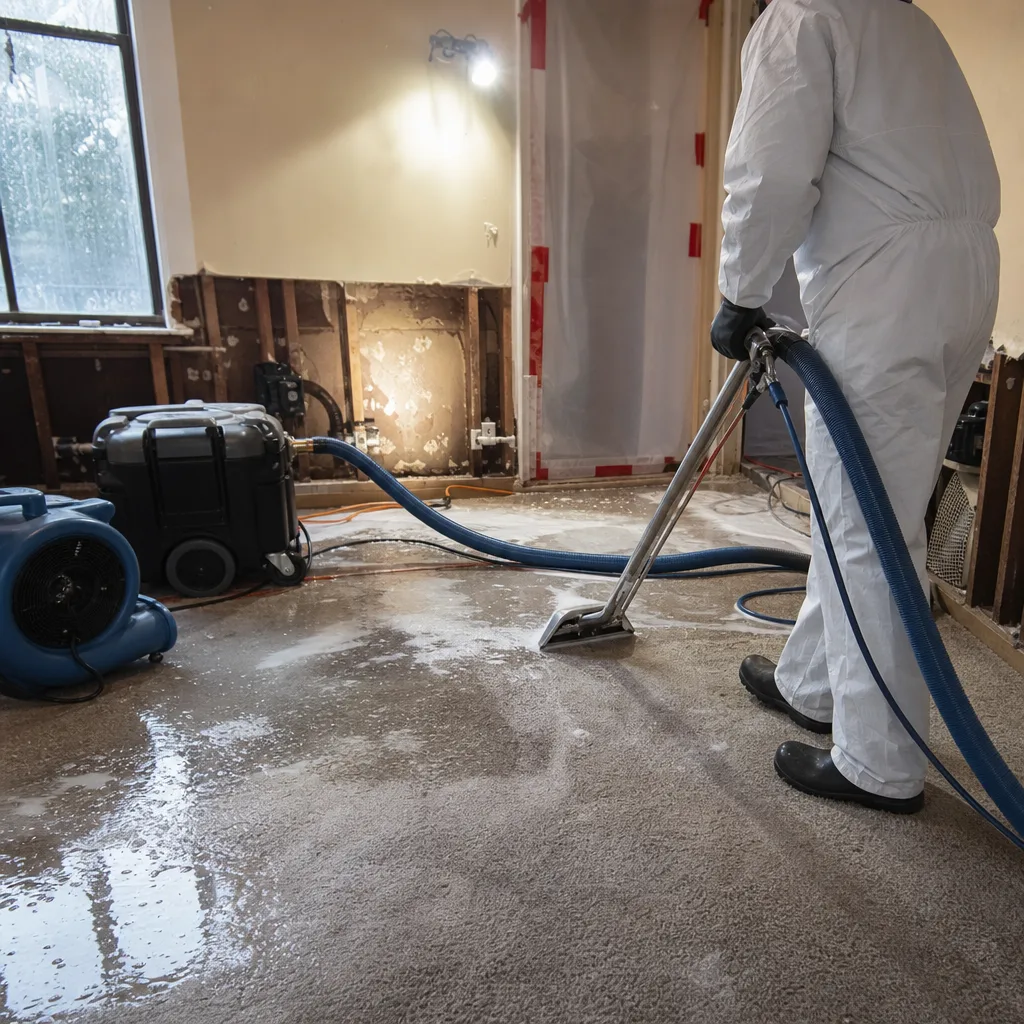
Moisture & Humidity Control
Remediation fails if the moisture condition persists. Our humidity control service identifies the source - groundwater intrusion, plumbing leaks, condensation from thermal bridging, or HVAC imbalances - and specifies the correction. We use psychrometric data, the relationship between temperature and moisture in air, to set target conditions for your specific space. In Midtown Manhattan’s pre-war buildings, we’ve found that steam radiator covers blocked by furniture create cold spots that dew point at 68 degrees in winter; the fix costs nothing and prevents recurrence. For newer construction with tight envelopes, we specify ventilation rates per ASHRAE 62.1 and install dedicated dehumidification where the building system can’t maintain 30-50% relative humidity. Every recommendation appears in your written scope with a price.
What happens when you call
- 1
A real person answersNo phone trees - you reach a local pro.
- 2
You get an upfront price rangeHonest numbers before anyone is dispatched.
- 3
A background-checked tech heads outLicensed & insured, dispatched right away.
- 4
You approve before work beginsNothing starts until you say go.
Signs You Need Mold Remediation Right Now
- Visible discoloration on walls, ceilings, or baseboards. Even small patches - dime-sized, coffee-stain-colored, spreading slowly - indicate an established colony with a moisture source behind it. In Midtown Manhattan’s plaster-and-lath construction, the visible spot often represents 10% of the actual affected area, with hyphae extending laterally along the wood lath.
- Persistent musty odor that cleaning doesn’t remove. The microbial volatile organic compounds (MVOCs) that produce this smell penetrate porous materials and indicate active growth, not old damage. If you notice the smell intensifies when your HVAC cycles on, the contamination may be in the ductwork or air handler.
- Recent water damage that wasn’t professionally dried. A leak stopped and wiped up in August can produce visible mold by October in Midtown Manhattan’s humid late summer. We regularly find secondary damage from DIY drying attempts that didn’t reach saturation in subfloors or wall cavities.
- Health symptoms that improve when you leave the building. Respiratory irritation, persistent cough, or sinus congestion that resolves during a weekend away but returns Sunday evening suggests an indoor air quality issue. We don’t diagnose health conditions, but we can document whether your indoor spore counts and species profile exceed outdoor baseline.
- Peeling paint, warping trim, or efflorescence on masonry. These are moisture signatures, and where moisture lingers for 48 hours, mold follows. We’ve traced efflorescence on a Park Avenue building’s limestone facade to interior condensation that also supported Cladosporium growth behind the interior drywall.
BeforeAfterOur Mold Remediation Process - Step by Step
- 1
Documented assessment and written scope. We arrive with moisture meters, thermal imaging, and borescopes for visual access inside cavities. Within two hours, you’ll have a written price before work begins - Haven Standard, Clause 1 - with line-item costs for containment, removal, drying, and clearance testing. No scope-creep additions once the crew is inside.
- 2
Containment establishment with negative air pressure. Polyethylene barriers seal the work zone from living space. HEPA-filtered negative air machines exhaust to the exterior or through existing ventilation, maintaining inward airflow that prevents spore migration. We photograph the containment setup from multiple angles for your record.
- 3
Controlled removal of contaminated materials. Technicians in appropriate PPE remove affected drywall, insulation, and finish materials to the specified boundary. HEPA vacuuming follows every demolition pass. We bag and seal debris on-site for proper disposal, documenting weight and manifest for your file.
- 4
Structural drying and antimicrobial treatment. Remaining framing and sheathing are dried to below 16% moisture content using Injectidry cavity drying systems and Phoenix dehumidifiers. We apply antimicrobial only to clean, dry surfaces where the species profile warrants it - never as a substitute for removal.
- 5
Clearance testing and final documentation. Third-party or in-house air and surface samples verify spore counts at or below outdoor baseline. You receive the lab report, the complete photo record from every visit, the daily moisture log showing drying progress, and the signed 365-Day Done Right Promise. If clearance fails, we correct at no additional charge.
How Much Does Mold Remediation Cost in Midtown Manhattan?
A typical contained mold removal in a Midtown Manhattan studio or one-bedroom runs $1,200-$2,800; see our Mold Remediation cost guide for full pricing details. Jobs requiring demolition in multiple rooms, with full containment and air scrubbing, range $3,500-$6,500. Whole-apartment remediation with HVAC decontamination and extensive material replacement can reach $8,000-$15,000. These are the ranges we quote in writing before work begins - Haven Standard, Clause 1 - based on square footage affected, material type, accessibility, and the species identified in pre-remediation testing.
Several factors move the price. Plaster-and-lath walls cost more to remediate than drywall because demolition is slower and disposal heavier. High-rise locations without service elevators add labor for material transport. Buildings with asbestos-containing materials require abatement coordination that extends timeline and cost. We price these conditions into the original scope, not as additions discovered mid-project.
To avoid overpaying, get a written scope that specifies the containment boundary, the square footage of planned removal, the drying equipment count, and the clearance testing protocol. A quote that lists only “mold remediation - $X” invites scope expansion. We provide line-item documentation because Alicia Brennan founded this company after seeing homeowners lose claims disputes over vague invoices. Our free estimate includes all of the above. Bring a competitor’s written quote and we’ll review it at no charge - our Free Second Opinion policy.
What’s included: the inspection and moisture mapping, the written scope with fixed price, containment materials and labor, removal and disposal, structural drying with documented daily readings, antimicrobial application where specified, clearance testing with lab report, and the 365-Day Done Right Promise. Photo documentation on every visit is standard, never an upsell.
Mold Remediation Near Midtown Manhattan - Our Service Area
We maintain response capability throughout Manhattan and the immediate transit-accessible markets. Typical drive times from our dispatch: Murray Hill in 10 minutes, Upper East Side in 15 minutes, Long Island City via Queensboro Bridge in 20 minutes, Upper West Side in 15 minutes. We also serve Hoboken, West New York, Union City, Greenpoint, Astoria, and Williamsburg with scheduled appointments, and Mold Remediation in Midtown Manhattan remains our highest-volume market due to the building density and age diversity. Response time for emergency water-related mold calls is under 90 minutes in the core service area; non-emergency inspections are typically scheduled within 24 hours.
Serving Midtown Manhattan, NY - Our Local Coverage Area
We’re based in the Midtown Manhattan area and know this community well, and we also provide Mold Remediation in Long Island City. Use the map below to see our service coverage - if you’re nearby, we can almost certainly help.
Frequently Asked Questions - Mold Remediation in Midtown Manhattan
Mold remediation is the professional process of containing, removing, and verifying the elimination of mold contamination from a built environment, while mold cleaning typically refers to surface treatment without addressing the underlying moisture source or verifying clearance. We follow IICRC S520 standards, which require documented moisture control, engineering controls to prevent cross-contamination, and post-remediation verification - none of which are guaranteed by a cleaning service. Call (862) 212-1646 for a written scope that specifies which standard we apply to your job.
Most contained residential projects in Midtown Manhattan are completed in 3-5 business days, with clearance testing results adding 24-48 hours for lab turnaround. Larger jobs with multiple affected rooms, HVAC contamination, or material replacement requirements extend to 7-10 business days. We provide a specific timeline in your written scope before work begins, with daily progress documented in the photo record. Call (862) 212-1646 for an exact schedule based on your square footage and contamination pattern.
Contained residential mold remediation in Midtown Manhattan typically runs $1,200-$4,500, with costs determined by affected square footage, material type, and required containment level. Insurance coverage depends on the cause: sudden water damage that was promptly reported usually triggers coverage, while long-term maintenance issues often don’t. We document the moisture source and timeline in a format designed for adjuster review, and we coordinate direct billing when coverage is confirmed. Call (862) 212-1646 - we’ll review your policy language and provide a written estimate for submission.
We service all building types regardless of existing equipment, and we frequently integrate our Dri-Eaz and Phoenix systems with building-owned dehumidification in Midtown Manhattan’s larger co-op and condo properties. Our technicians are trained on interoperability - when to supplement, when to isolate, and how to document which equipment achieved which moisture readings for the insurance file. Whether your building has professional-grade systems or none, we can specify and operate the appropriate drying configuration. Call (862) 212-1646 to discuss your building’s existing infrastructure.
Mold remediation is scheduled work, not an emergency dispatch like water extraction, because proper containment and scope development can’t be rushed. However, when mold is discovered during an active water loss, we coordinate same-day containment to prevent spread while the drying completes. For standalone mold discoveries, we typically inspect within 24 hours and begin remediation within 48 hours of scope approval. Call (862) 212-1646 - if your situation involves active water, our 24/7 live dispatch will coordinate the appropriate priority.
Every mold remediation is covered by our 365-Day Done Right Promise under The Haven Standard: if the treated area shows recurrence of mold growth within 365 days due to our workmanship or failure to identify a correctable moisture source, we return and correct at no charge. This is a written guarantee, not a verbal assurance, and it requires that you maintain the humidity control measures specified in your scope. The warranty transfers to new owners if you sell. Call (862) 212-1646 for the full terms.
Remove personal items from the affected area and adjacent spaces within five feet of the containment boundary; our crew will photograph the space before moving anything we need to relocate. Notify your building management if the work requires hallway access or utility shutoffs - we handle permit coordination in co-op and condo buildings as part of our standard service. If you have pets, arrange for them to be elsewhere during active remediation; HEPA filtration is safe, but the noise and activity stress most animals. Call (862) 212-1646 and we’ll send a preparation checklist specific to your building type.
Schedule Your Mold Remediation Service in Midtown Manhattan Today
Call (862) 212-1646 now to speak with our live dispatch. We’ll schedule your inspection, deliver a written price before any work starts, and document every step to the standard that gets claims paid. Estimates are free. Second opinions on any competitor’s written quote are free. The 365-Day Done Right Promise comes with every job. We’re available 24 hours a day, 7 days a week.
Written by Alicia Brennan, Owner at DryMark Restoration Midtown Manhattan, serving Midtown Manhattan since 2011.