
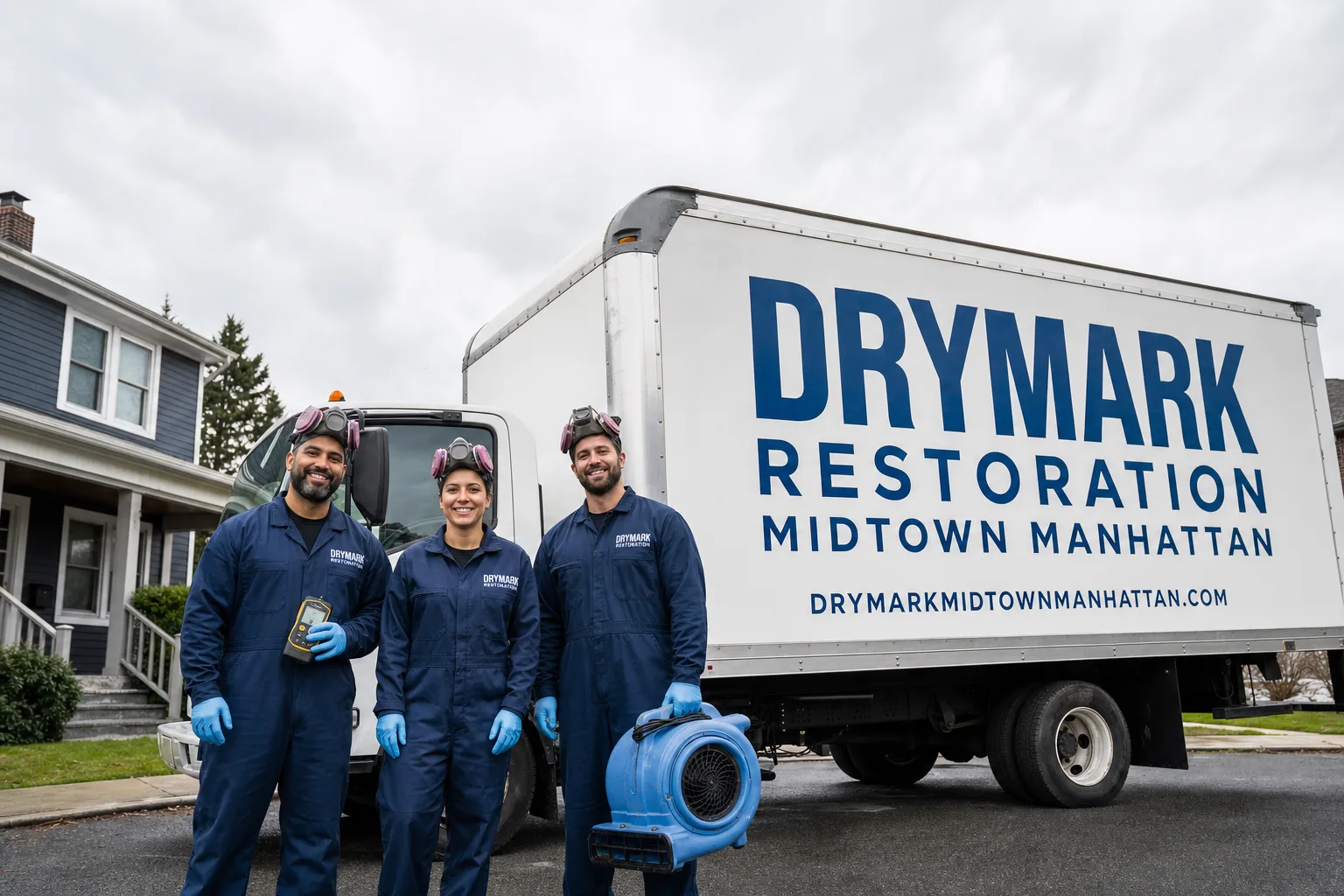
Free visual inspection and a written scope of work before any mitigation begins - photos, moisture readings, and drying logs go in your claim file
The scope we write is the scope we bill. Anything new gets shown to you, in writing, before we touch it.
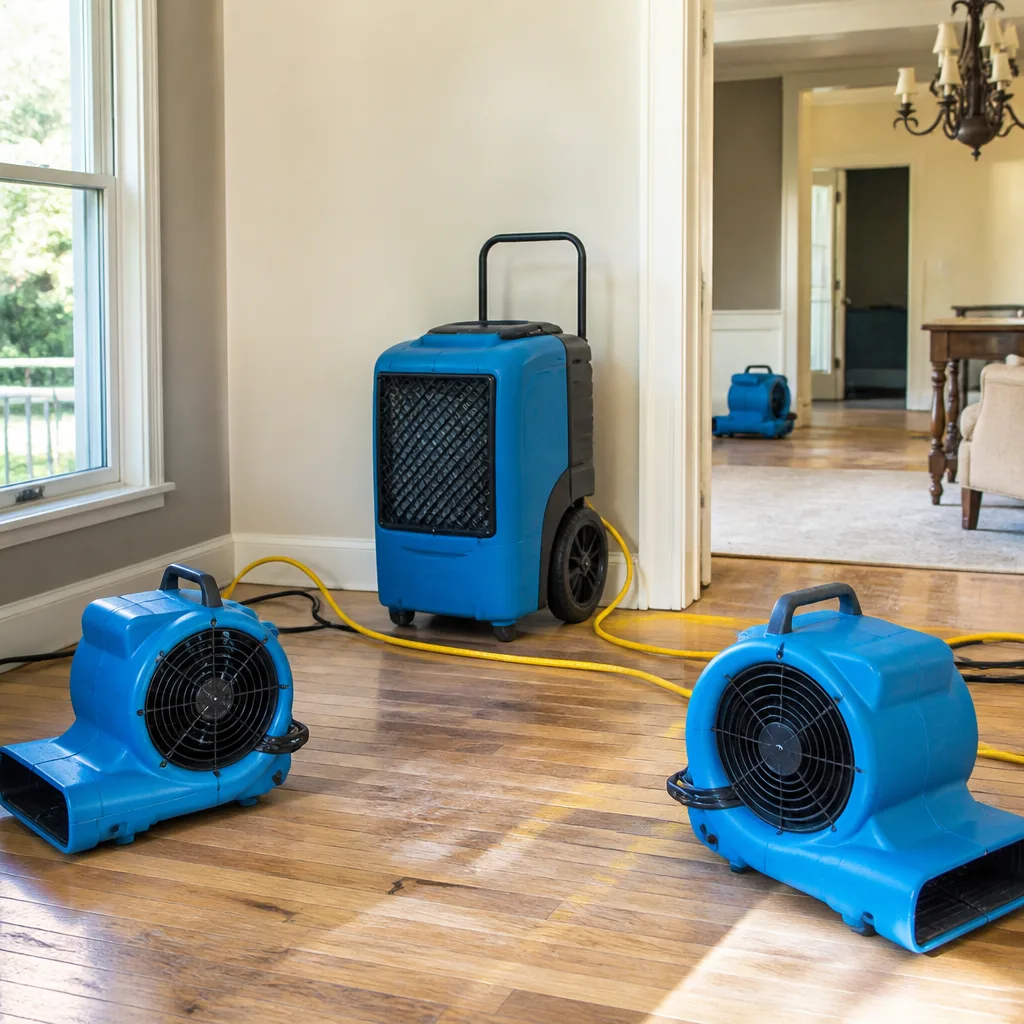
 Before
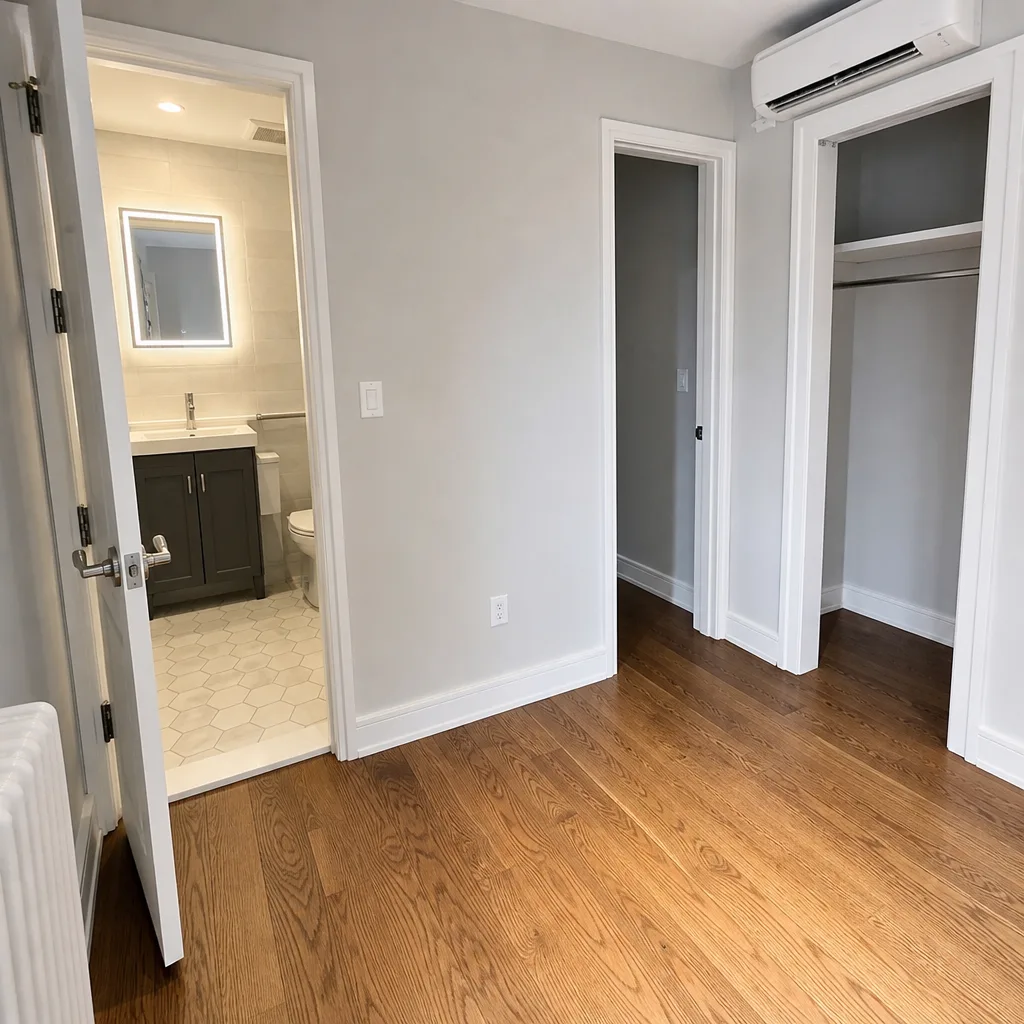 After
After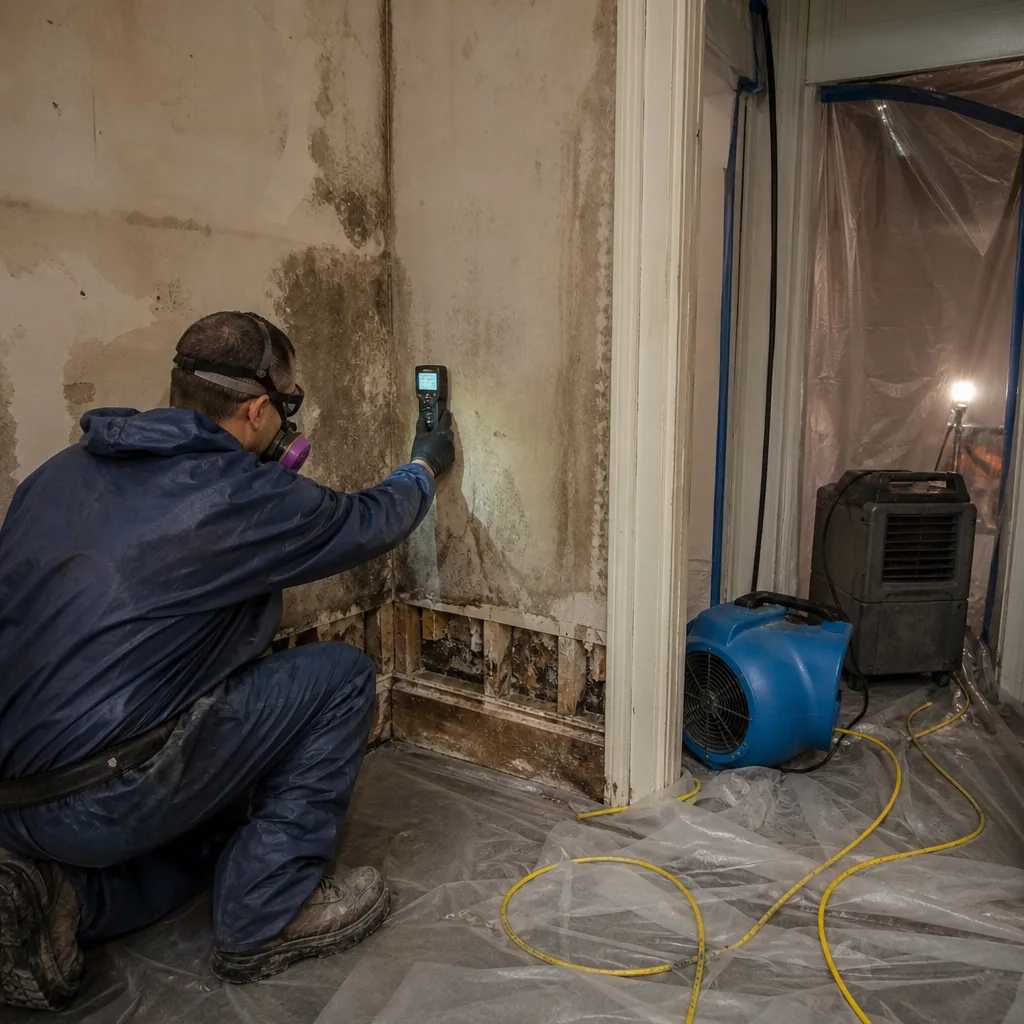 Before
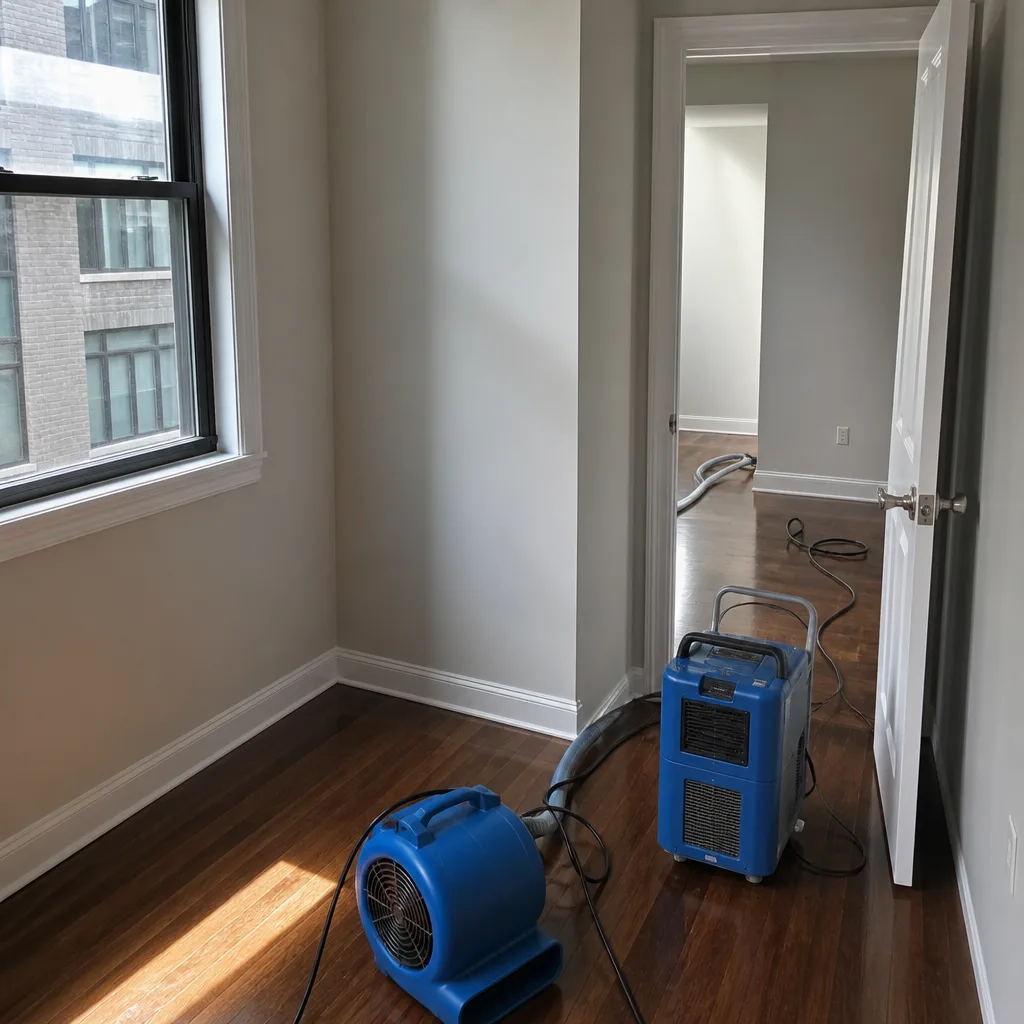 After
After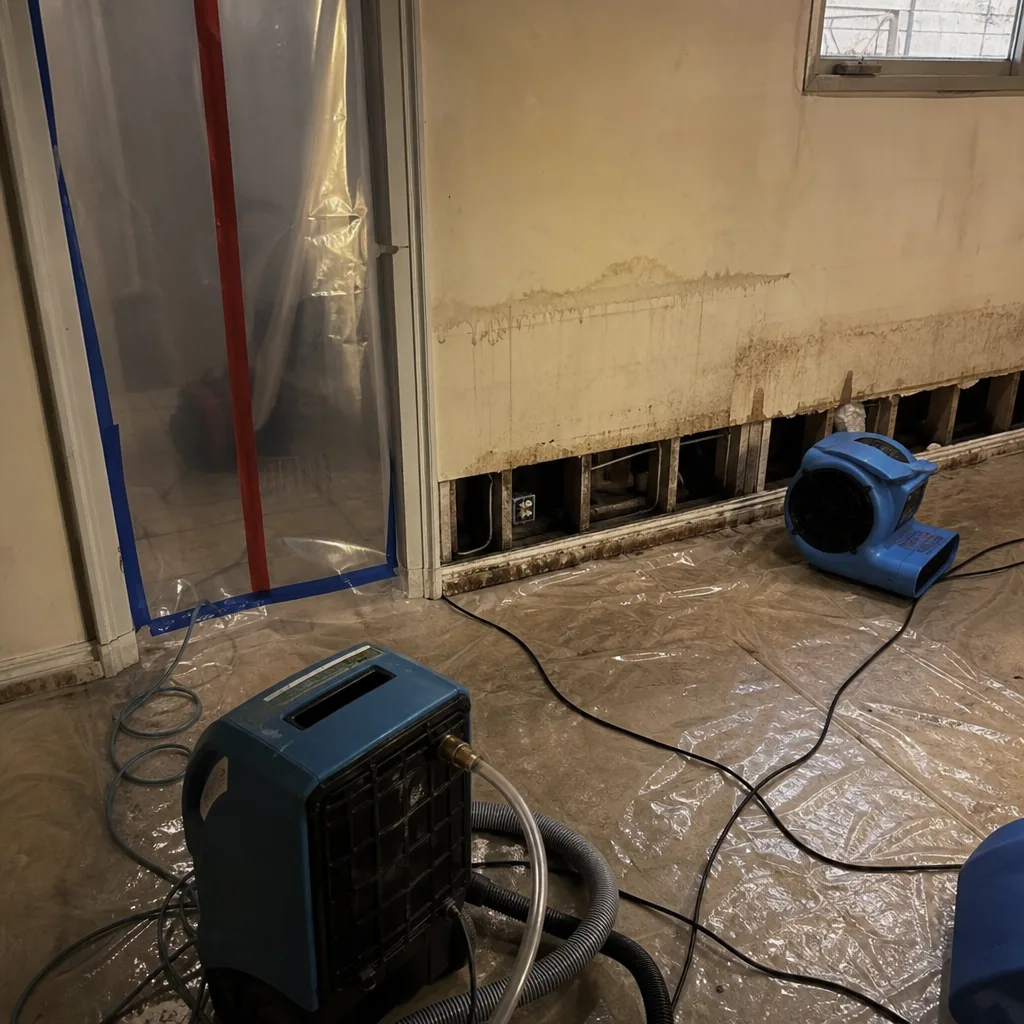 Before
 After
AfterFast, Reliable Water Damage Restoration Across Manhattan
Water damage restoration in Manhattan typically costs $2,800-$8,500 for a standard apartment unit, with emergency extraction starting at $1,200-$1,800 and full structural drying running $180-$340 per day per dehumidifier deployed. Most Manhattan buildings require same-day response to prevent secondary damage to plaster, wood lath, and neighboring units below.
We’re DryMark Restoration Midtown Manhattan, and we handle water losses differently because Manhattan itself is different. Our crews are staged from our New York City office and know the borough’s pre-war buildings, co-op boards, and the specific documentation that keeps claims moving. When a pipe lets go at 2am in a Central Park West co-op, we’re not figuring out the building layout - we’re already mapping moisture through the stack and calling the super with the right questions. Call (862) 212-1646; a live person answers, 24 hours a day, 7 days a week.
Why DryMark Restoration Midtown Manhattan Is Manhattan’s Preferred Water Damage Restoration Company
We’ve restored water damage in Manhattan since our founding, and our reputation here is built on one thing: documentation that holds up. Every job gets a written price before work starts - Haven Standard, Clause 1 - a photo record on every visit, and daily drying logs with psychrometric data (temperature, relative humidity, and vapor pressure differential, which is the force that actually moves moisture out of wet materials). Our Water Damage Restoration team has handled losses from Tribeca lofts to Washington Heights pre-war walk-ups, and our technicians are background-checked, uniformed, and licensed with numbers available on request.
Manhattan customers find us because we answer the phone. No voicemail trees. No “leave a message and we’ll call back tomorrow” while water migrates through floor joists into the apartment below. A live person answers every call, 24 hours a day, 7 days a week. We coordinate dispatch from our New York City office, and our crews carry the equipment to start extraction and set containment on arrival - Dri-Eaz and Phoenix dehumidifiers, XPOWER and B-Air air movers, and Injectidry cavity-drying systems for the void spaces behind Manhattan’s original plaster walls.
Our 365-Day Done Right Promise, backed by The Haven Standard, means if it’s not done right, we make it right - a signed guarantee, not a verbal assurance. We also offer a Free Second Opinion on any competitor’s written estimate. Bring another company’s scope and we’ll review it at no charge.
Our Water Damage Restoration Services in Manhattan
Emergency Water Extraction
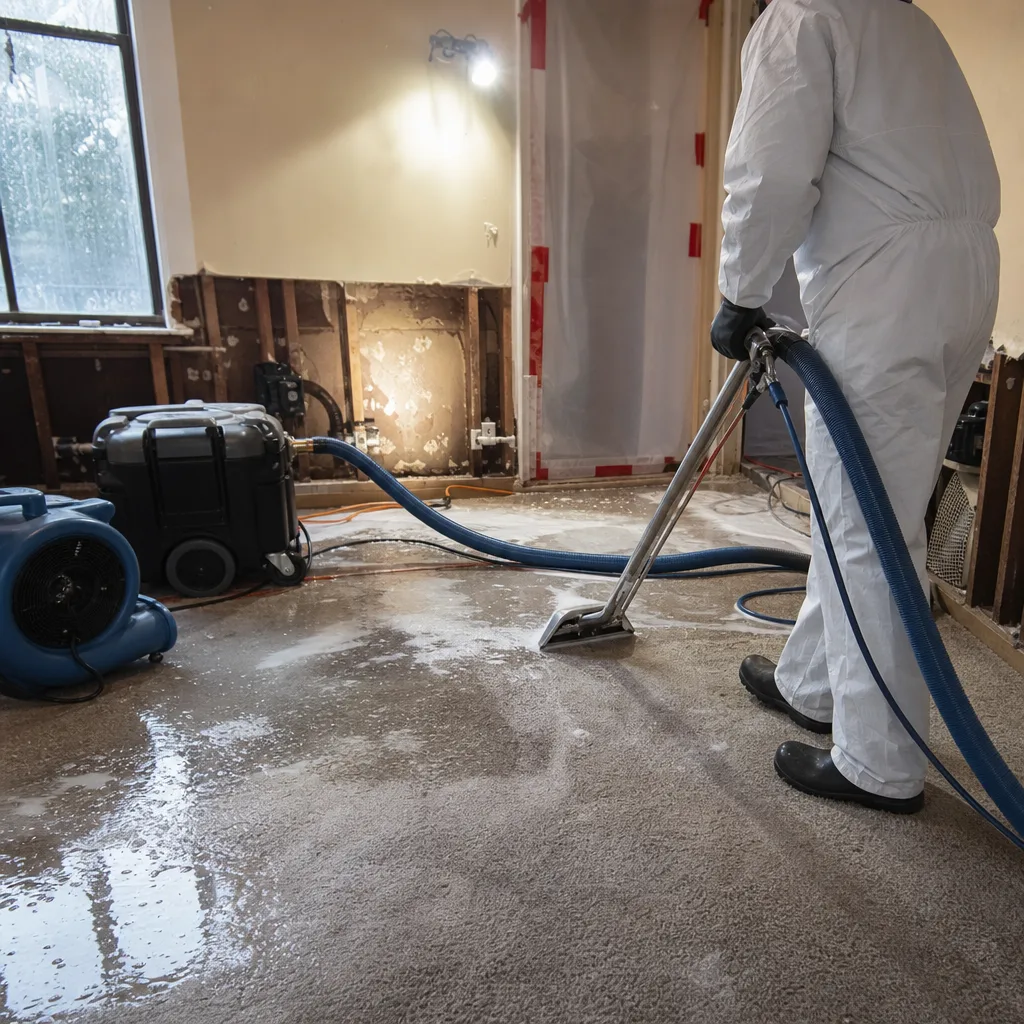
Manhattan’s vertical density means water doesn’t stay where it starts. A failed washing machine hose on the 8th floor of a Chelsea co-op can flood units on seven floors below within hours. Our emergency extraction teams arrive with truck-mounted and portable extraction systems sized for apartment layouts - tight bathrooms, narrow galley kitchens, and bedrooms with original hardwood floors that cup and warp if standing water sits past 24 hours. We extract from carpet, tile, and the gaps between original pine plank subfloors common in pre-war construction. Extraction in Manhattan typically runs $1,200-$1,800 for a standard one- or two-bedroom unit, with additional floors billed per affected space.
Structural Drying & Dehumidification
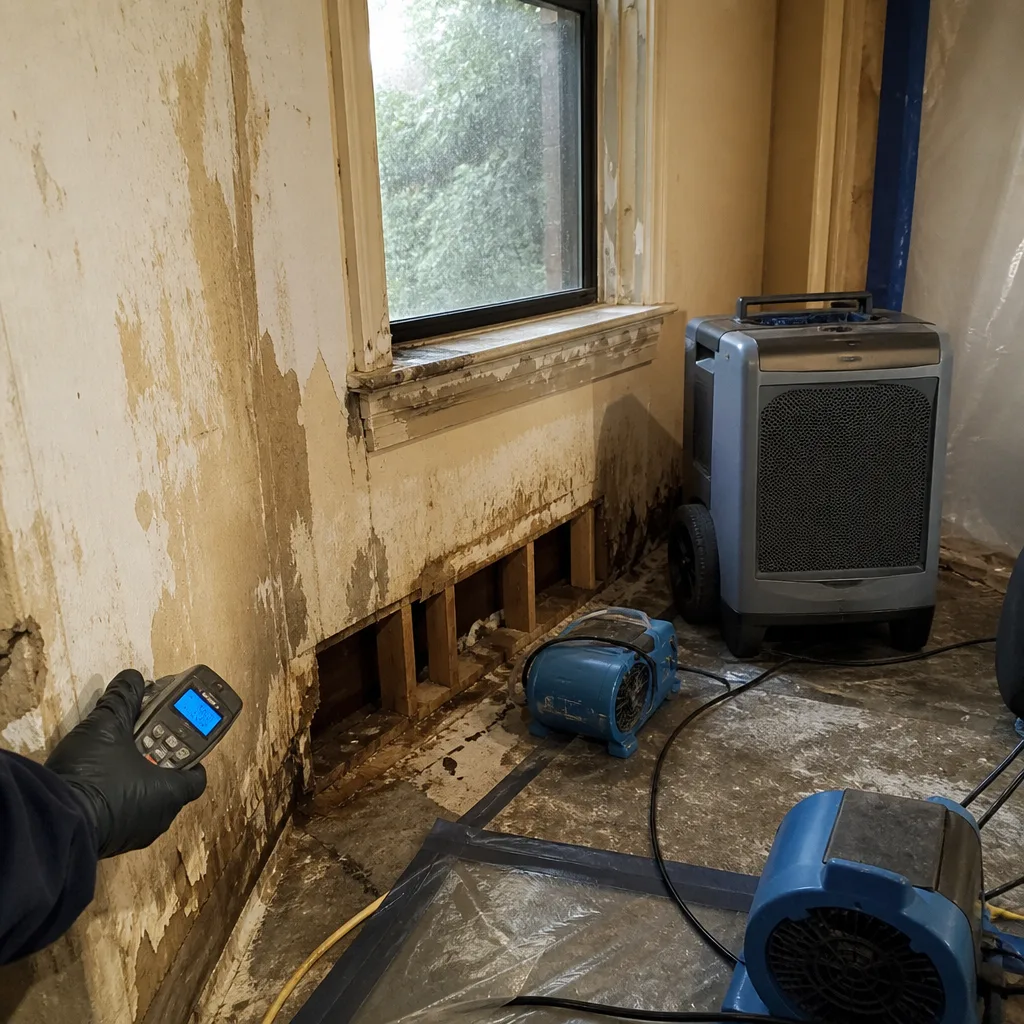
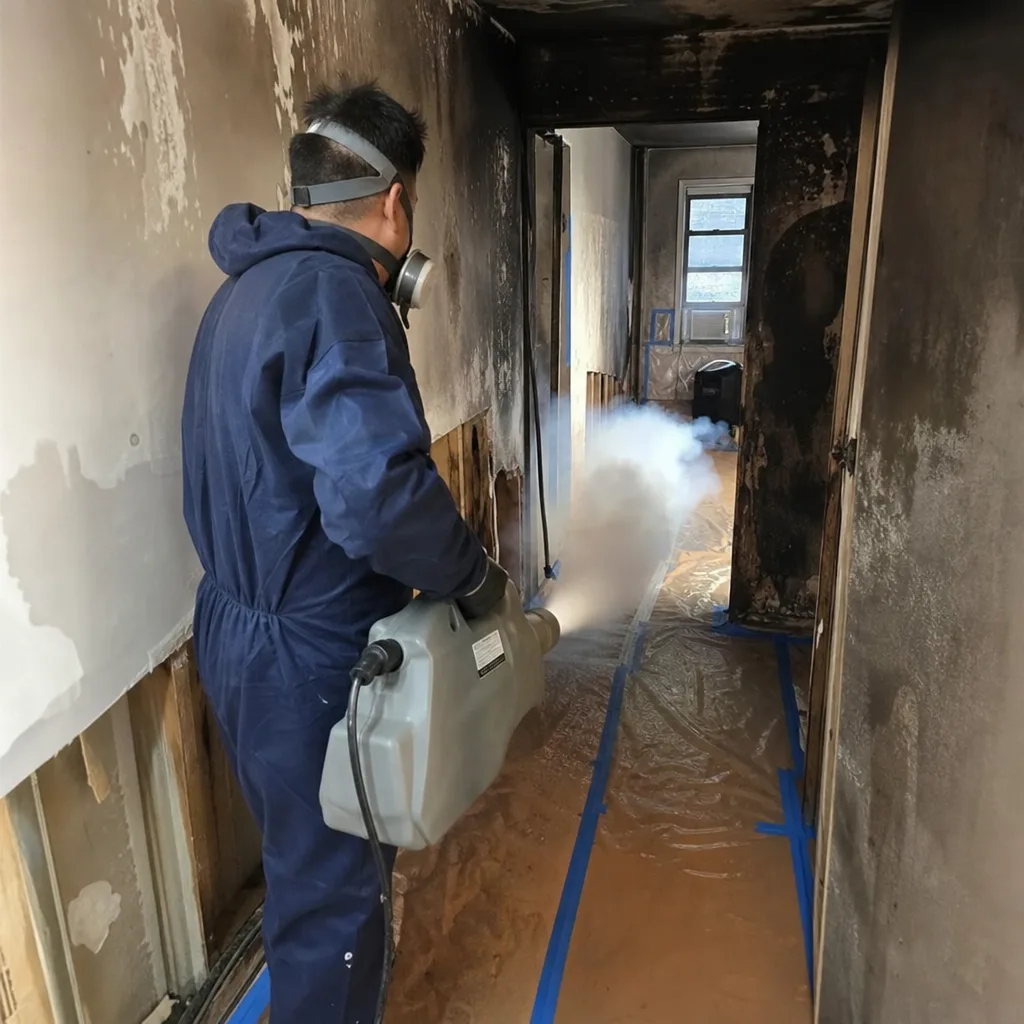
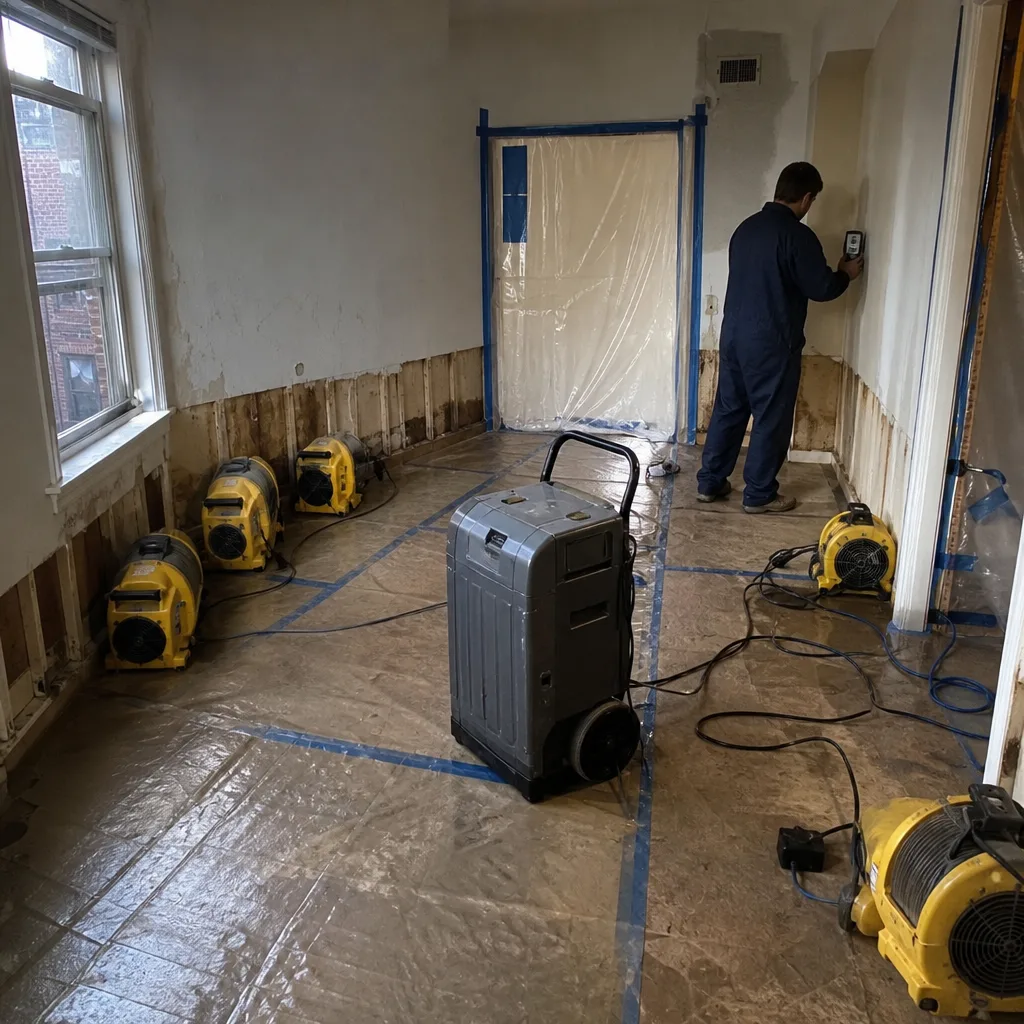
Pre-war Manhattan buildings don’t dry like suburban drywall. Original plaster on wood lath holds moisture for weeks if not aggressively dried, and the lime-based plaster reacts differently to humidity than modern gypsum board. Our structural drying protocol starts with moisture mapping - non-invasive meters and thermal imaging to find water trapped in wall cavities and ceiling soffits - followed by staged dehumidification using Phoenix LGR units and air movers positioned for airflow across wet surfaces. We document vapor pressure differential daily: the measurable force that drives evaporation. Drying typically takes 3-5 days for a standard Manhattan apartment, at $180-$340 per day per dehumidifier. Buildings with asbestos-containing materials require NYC DEP investigation before demolition, which we coordinate as part of the drying scope.
Flood Cleanup
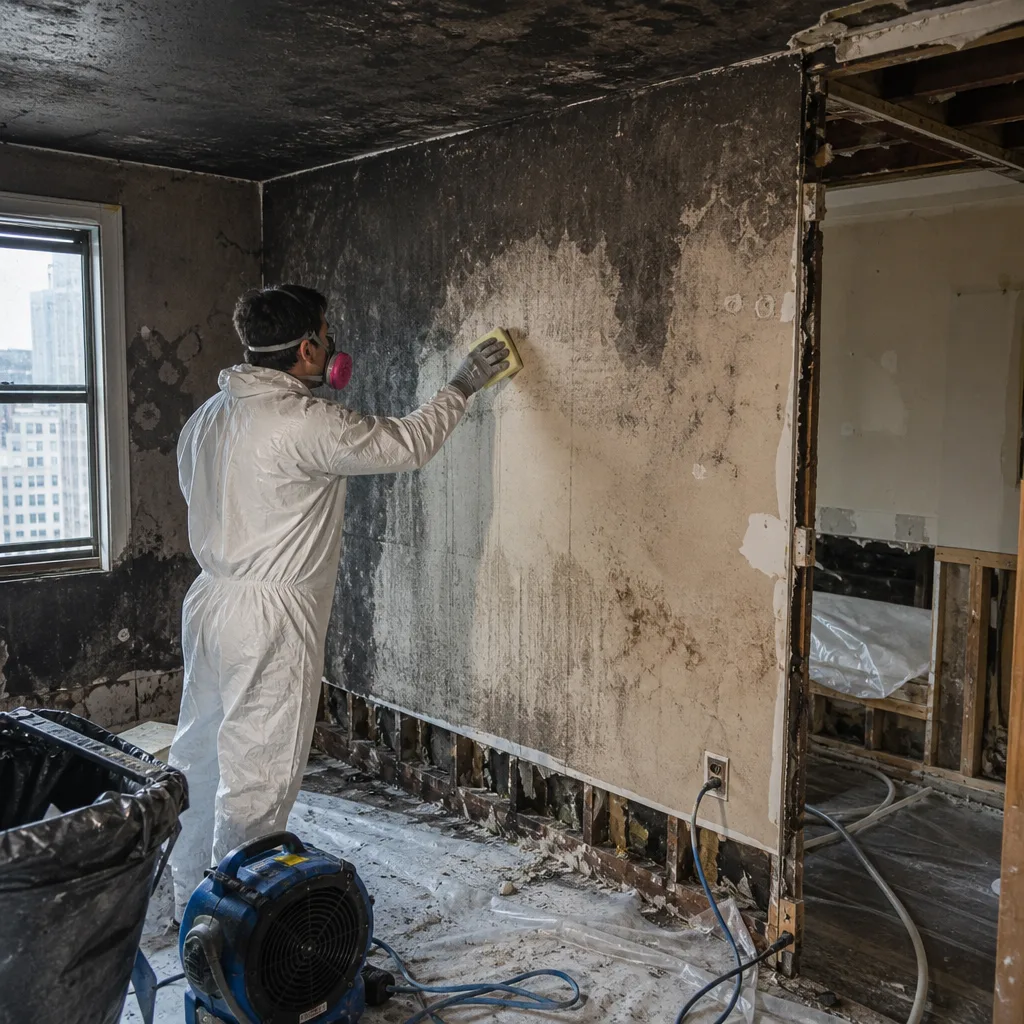
Manhattan’s position as a low-lying island between the Hudson and East Rivers creates flood exposure unlike anywhere else in the metro area. Hurricane Sandy flooded Lower Manhattan, the Financial District, and Battery Park City in 2012, and FEMA flood maps now classify thousands of ground-floor and below-grade units in mandatory flood zones. Flood cleanup here requires distinguishing Category 1 (clean water), Category 2 (grey water), and Category 3 (black water) losses - a legal classification that determines what can be dried versus what must be removed. River water and storm surge are Category 3; no amount of drying makes those materials salvageable. We document the water source with photos and chain-of-custody notes that insurers require for Category 3 claims. Below-grade flood cleanup in Manhattan typically runs $4,500-$12,000 depending on square footage and contamination level.
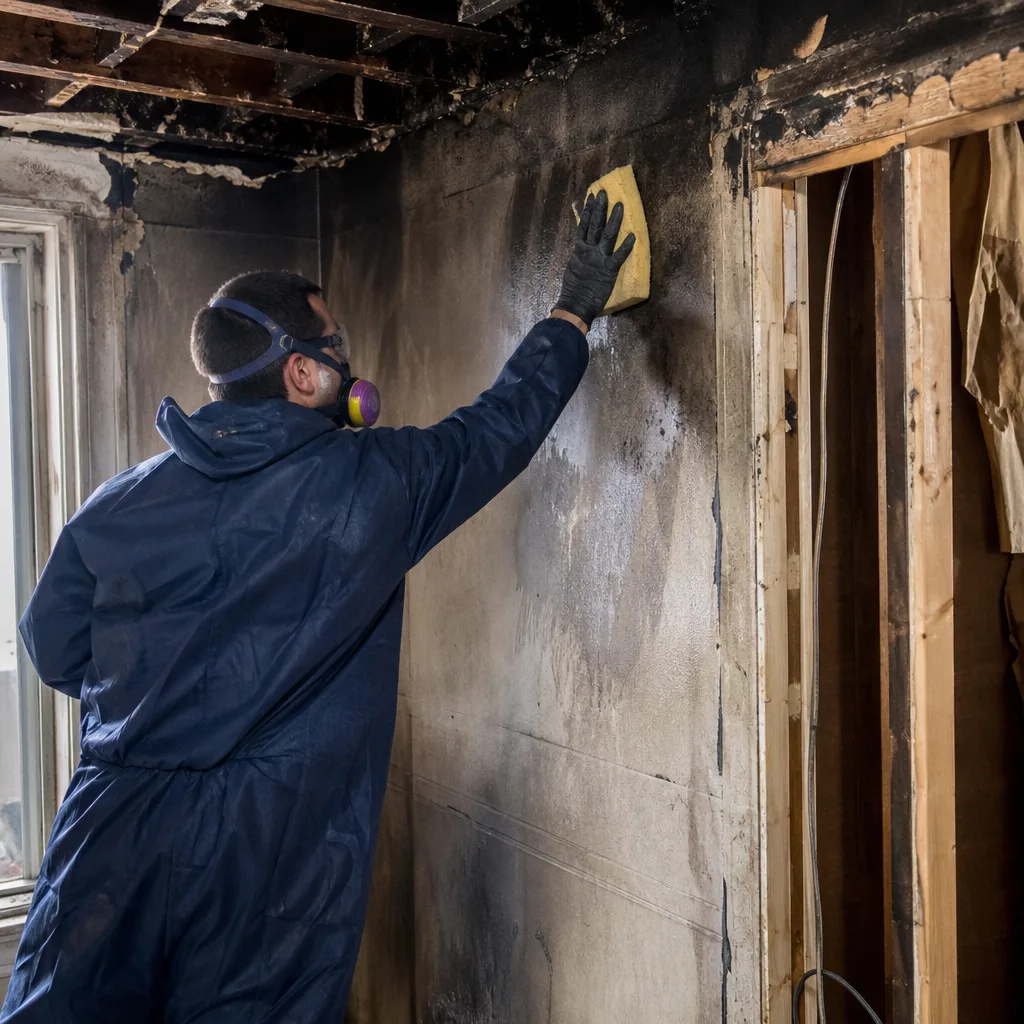
Burst Pipe Restoration
Burst pipes in Manhattan cluster in winter when building heating systems fail and risers freeze, but the more complex calls involve corroding cast-iron drain stacks in pre-war buildings - the shared vertical pipes between units that silently leak for days. We got the 2am call from a 14th-floor pre-war co-op on West End Avenue: a cast-iron drain stack joint had let go and category 2 grey water was sheeting down through six apartments below. Our techs ran moisture mapping across every affected unit, set containment in each kitchen and bath, and staged Dri-Eaz and Phoenix dehumidification with air movers on every floor while we documented the exact origin floor for the co-op board and both insurers. Four days of structural drying and daily drying logs later, we handed the board a scope of work that assigned liability to the unit whose drain stack had been neglected - not the building. Burst pipe restoration in Manhattan ranges from $2,800 for a single-unit supply line break to $15,000+ for multi-floor drain stack failures with asbestos abatement requirements.
What happens when you call
- 1
A real person answersNo phone trees - you reach a local pro.
- 2
You get an upfront price rangeHonest numbers before anyone is dispatched.
- 3
A background-checked tech heads outLicensed & insured, dispatched right away.
- 4
You approve before work beginsNothing starts until you say go.
BeforeAfterTrusted Brands We Service in Manhattan
We deploy professional-grade drying systems from Dri-Eaz, Phoenix, and XPOWER - equipment documented to IICRC, RIA, and IFA standards - and stock replacement hoses, fittings, and extraction wands sized for Manhattan apartment configurations. Our technicians carry B-Air and Injectidry components for cavity drying behind plaster and lath, and we maintain relationships with Manhattan plumbing suppliers for same-day parts on burst pipe calls. This equipment inventory means we’re not waiting on delivery while moisture spreads.
Common Water Damage Restoration Problems We See in Manhattan Homes
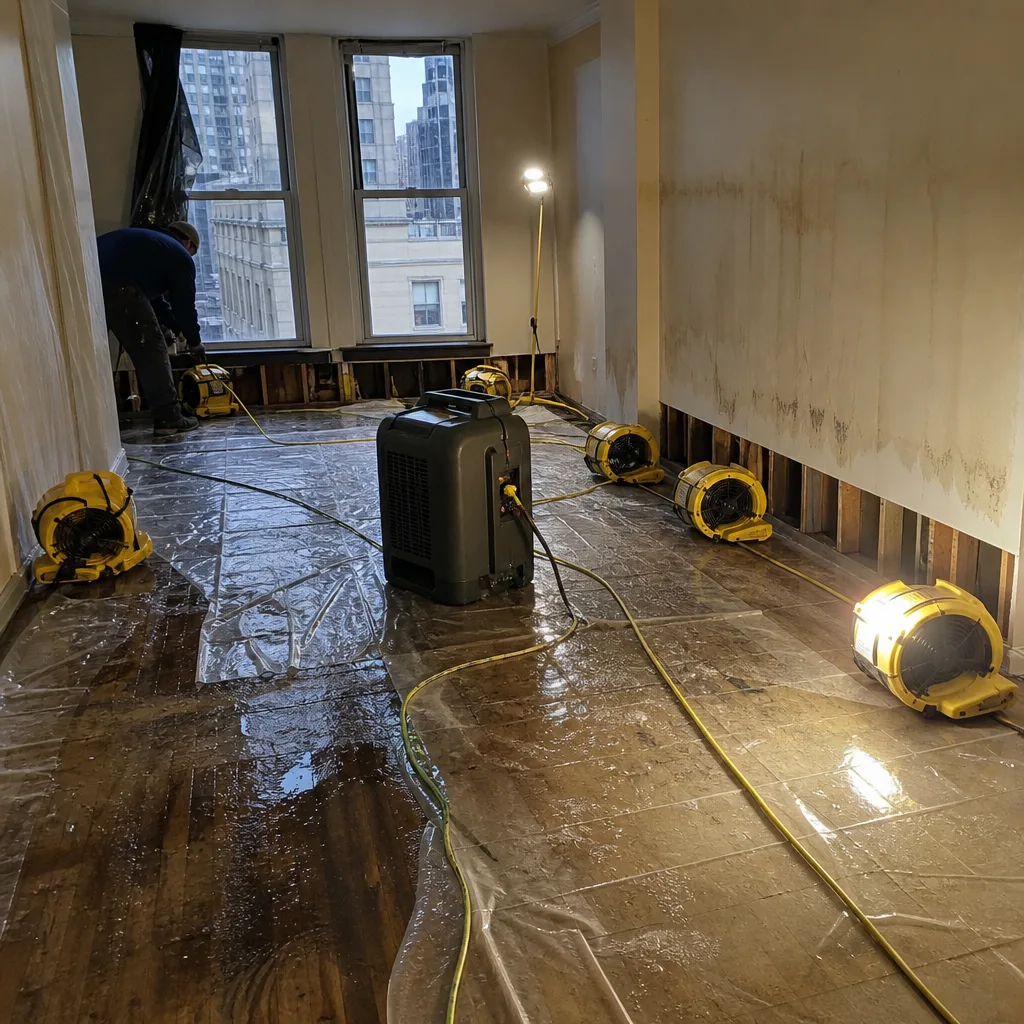
- Multi-floor cast-iron drain stack failures. In pre-war Manhattan high-rises, corroding cast-iron drain stacks shared between units are a leading source of water damage calls. When one fails at 2am on the 14th floor, it silently saturates five or six apartments below before anyone notices, and restoration crews must document the exact origin floor with precision because NYC co-op bylaws typically assign financial liability to whichever unit owner neglected maintenance.
- Asbestos and lead paint in pre-war demolition. The vast majority of Manhattan’s residential stock is pre-war multi-unit construction with original plaster walls, cast-iron drain stacks, and building materials that routinely contain asbestos and lead paint. Any demolition triggers mandatory NYC DEP asbestos investigation and licensed abatement before work can legally begin - a step inexperienced crews skip, halting jobs and exposing boards to violations.
- Wind-driven rain through aging brick facades. Nor’easters drive sustained wind-driven rain against pre-war brick, causing chronic water intrusion through failing mortar joints. Upper East Side and Upper West Side buildings from the 1920s and 1930s are particularly susceptible, with water tracking along structural steel and appearing as ceiling stains three floors below the actual entry point.
- Below-grade flooding in FEMA-mapped zones. Ground-floor and basement units in Battery Park City, the Financial District, and parts of the Lower East Side sit in post-Sandy mandatory flood zones. When these spaces take on water, restoration teams must classify it correctly - typically Category 3 from river or sewer backup - because drying materials that legally require removal creates liability for both the restoration company and the building.
Pricing for Water Damage Restoration in Manhattan, NY
Water damage restoration in Manhattan runs higher than outer-borough and suburban markets due to vertical access challenges, co-op board coordination, and the prevalence of asbestos-containing materials in pre-war construction. Here’s what we typically see:
| Service | Manhattan Price Range |
|---|---|
| Emergency water extraction (1-2 BR apartment) | $1,200 - $1,800 |
| Structural drying & dehumidification (per day) | $180 - $340 per dehumidifier |
| Standard apartment drying (3-5 day protocol) | $2,800 - $5,200 |
| Multi-floor drain stack failure with documentation | $6,500 - $15,000+ |
| Flood cleanup, Category 3 below-grade | $4,500 - $12,000 |
| Asbestos investigation and abatement coordination | $1,800 - $4,500 (added to base scope) |
Every job is quoted in writing before work begins - Haven Standard, Clause 1 - with no scope-creep additions once the crew is inside. Factors that push costs higher: asbestos abatement requirements, co-op board-mandated after-hours work windows, and losses affecting multiple units with separate insurance adjusters. Call (862) 212-1646 for a written estimate; estimates are free.
We Also Serve Cities Near Manhattan
Our crews respond throughout the metro area, including Water Damage Restoration in Manhattan and neighboring communities: Long Island City, Maspeth, Astoria, and Elmhurst. Dispatch and scheduling are coordinated from our New York City office.
Serving Manhattan, NY - Our Local Coverage Area
We’re based in the Manhattan area and know this community well. Use the map below to see our service coverage - if you’re nearby, we can almost certainly help.
FAQs - Water Damage Restoration in Manhattan
Cast-iron drain stacks in pre-war Manhattan buildings are shared vertical pipes running from the roof to the basement; when a joint or section fails, water follows gravity through every floor below, often entering through light fixtures, electrical conduits, and gaps around the stack chase. The water you see on the 8th floor may have originated four floors above, which is why we moisture-map every unit in the stack line before declaring the loss contained. NYC co-op bylaws typically assign liability to the unit owner whose negligence caused the failure, not the building itself, so origin-floor documentation is critical for your claim. Call (862) 212-1646 and we’ll map the full stack line.
Yes, fundamentally. Pre-war construction means original plaster on wood lath instead of drywall, cast-iron pipes instead of PVC, and building materials that routinely test positive for asbestos and lead paint. Plaster absorbs water differently than gypsum board and requires longer drying protocols with lower vapor pressure differentials to prevent cracking. Any demolition requires NYC DEP asbestos investigation and licensed abatement before work can begin - a step that adds 24-72 hours but is legally non-negotiable. Our crews are trained to recognize these materials and coordinate abatement without halting the drying process in unaffected areas.
Category 1 is clean water from a supply line; Category 2 is grey water with contaminants from washing machines, dishwashers, or drain stacks; Category 3 is black water from sewage, river flooding, or storm surge. The category determines what can be dried versus what must be removed - Category 3 materials are legally non-salvageable. In Manhattan, this distinction matters intensely because below-grade units in Battery Park City, the Financial District, and other FEMA flood zones routinely take on Hudson or East River water during storm surge, which is Category 3. Drying Category 3 materials instead of removing them violates IICRC standards and creates liability. We document water source and category with photos on every job.
Manhattan co-ops and condos operate with two overlapping insurance layers: the building’s master policy, which covers common elements and the building shell, and individual HO-6 policies carried by unit owners, which cover personal property and unit finishes. When water moves through multiple units, adjusters dispute which policy pays for what, and the allocation often hinges on where the loss originated - a supply line inside your unit (HO-6) versus a common drain stack (master policy, unless co-op bylaws assign negligence to a specific unit). Our documentation protocol includes origin-floor determination, moisture mapping by unit, and separate photo records for each adjuster. This multi-party liability dynamic, essentially nonexistent in single-family markets, is why we assign a dedicated documentation specialist to every multi-unit Manhattan loss.
Within 24 hours, and preferably within 4-6 hours for Category 1 losses. After 24 hours, mold colonization begins on organic materials; after 48 hours, Category 1 can degrade to Category 2 as microbial activity increases. In Manhattan’s pre-war buildings, the risk is compounded by plaster walls and wood lath that hold moisture for weeks if not aggressively dried, and by the proximity of neighboring units - water doesn’t respect property lines in vertical construction. Our live-answer dispatch means we’re typically extracting within 2-3 hours of your call. Call (862) 212-1646; a live person is available 24 hours a day, 7 days a week.
Written by Alicia Brennan, Owner at Back to Dry Restoration, serving Manhattan since 2011.