
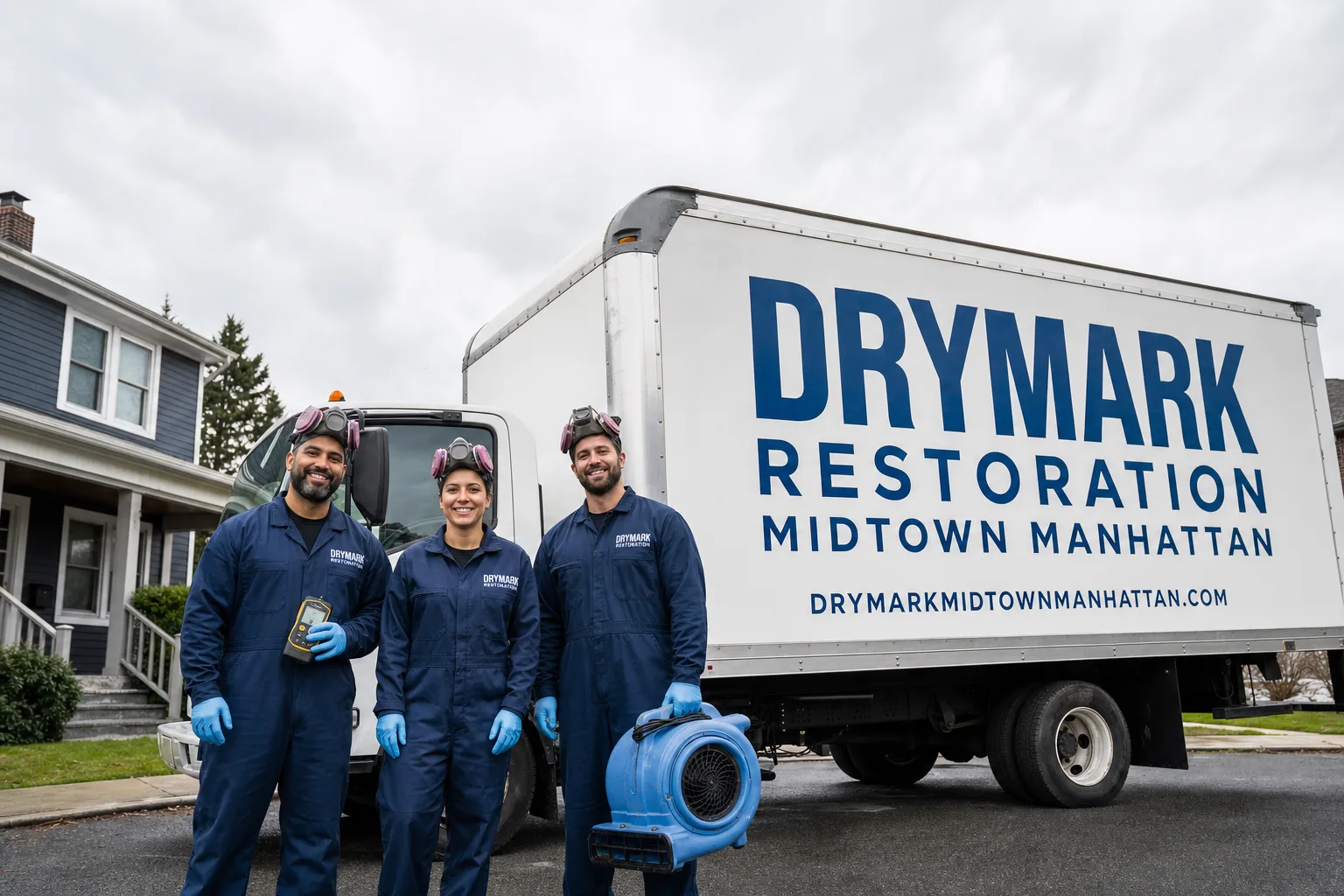
Free visual inspection and a written scope of work before any mitigation begins - photos, moisture readings, and drying logs go in your claim file
The scope we write is the scope we bill. Anything new gets shown to you, in writing, before we touch it.
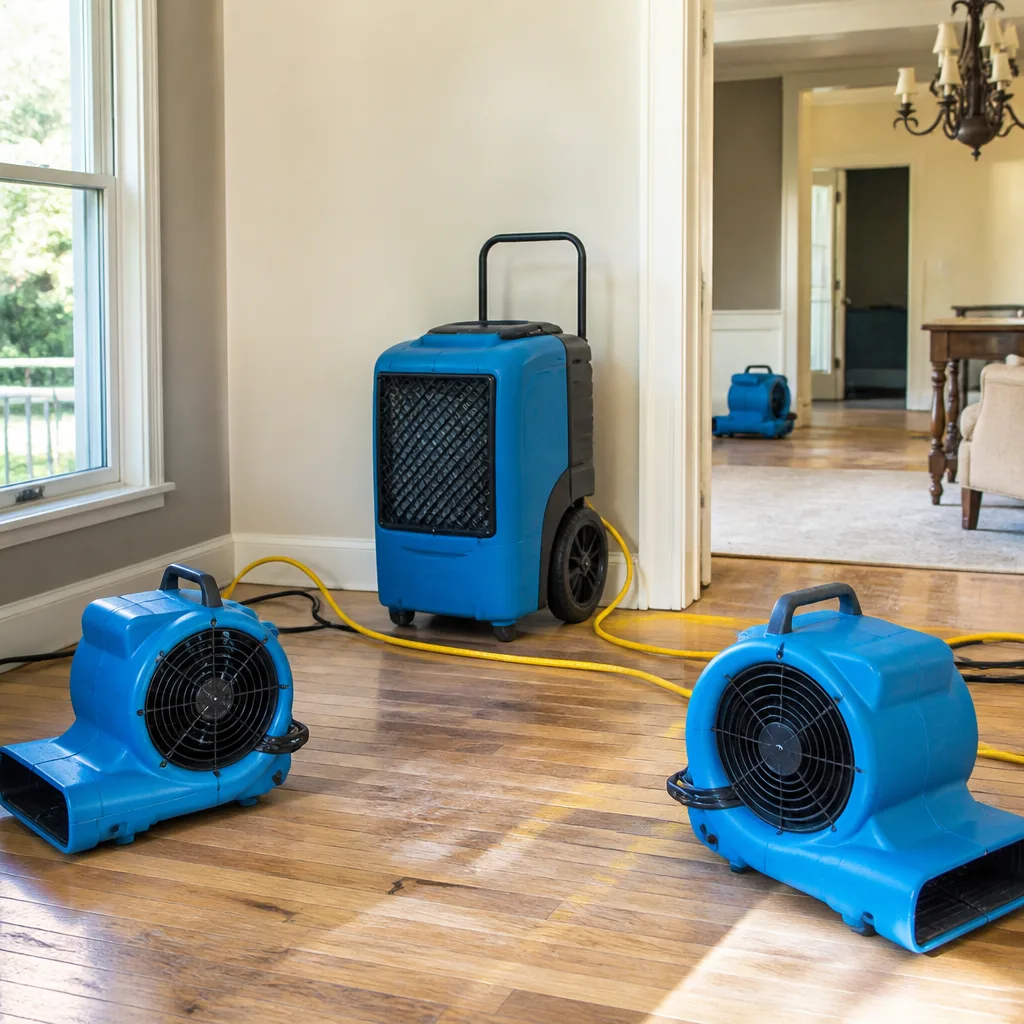
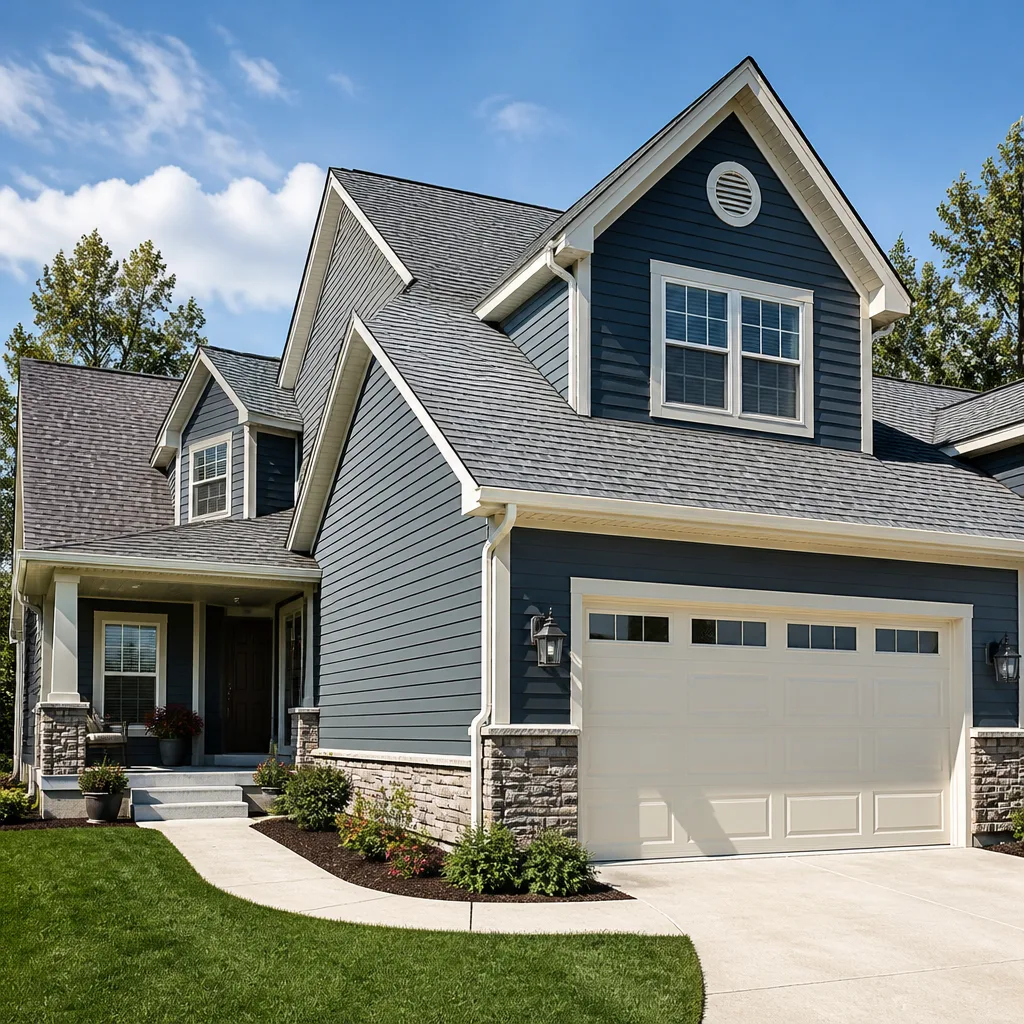
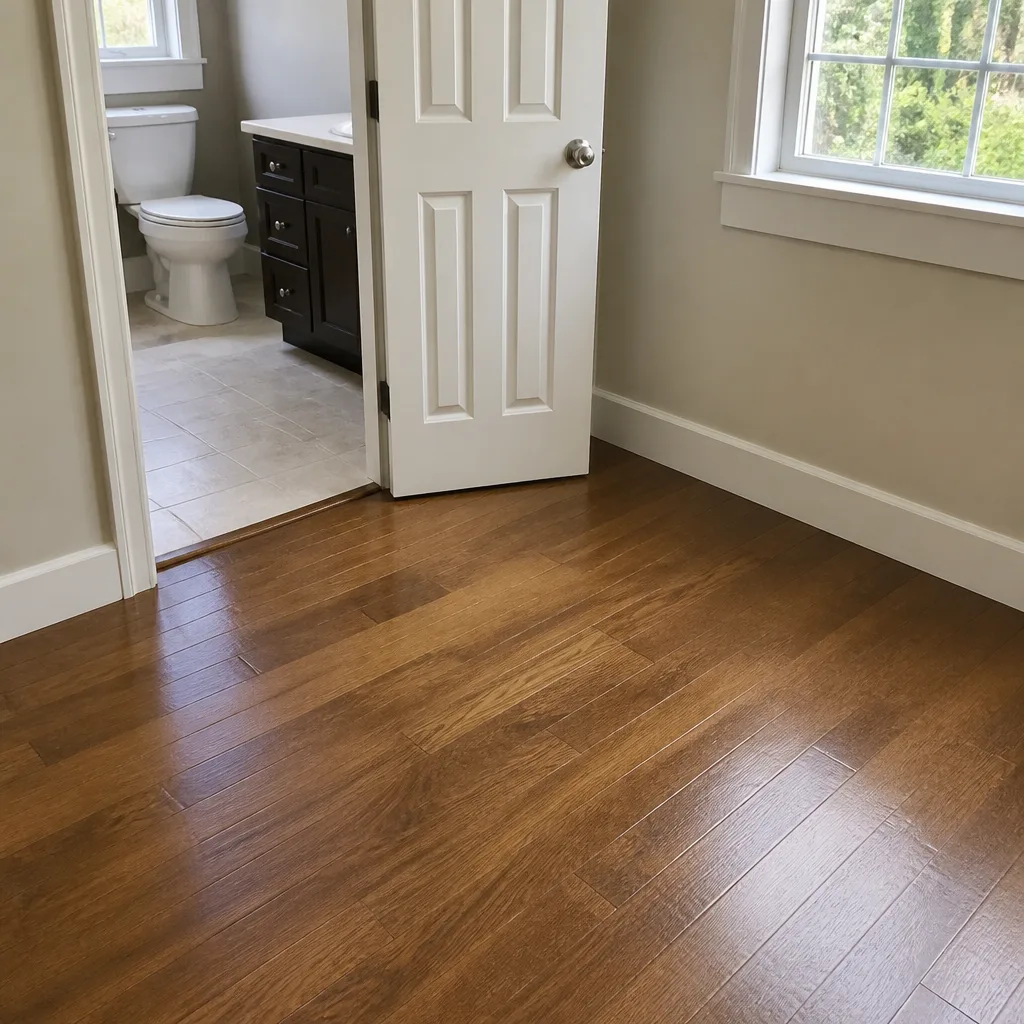
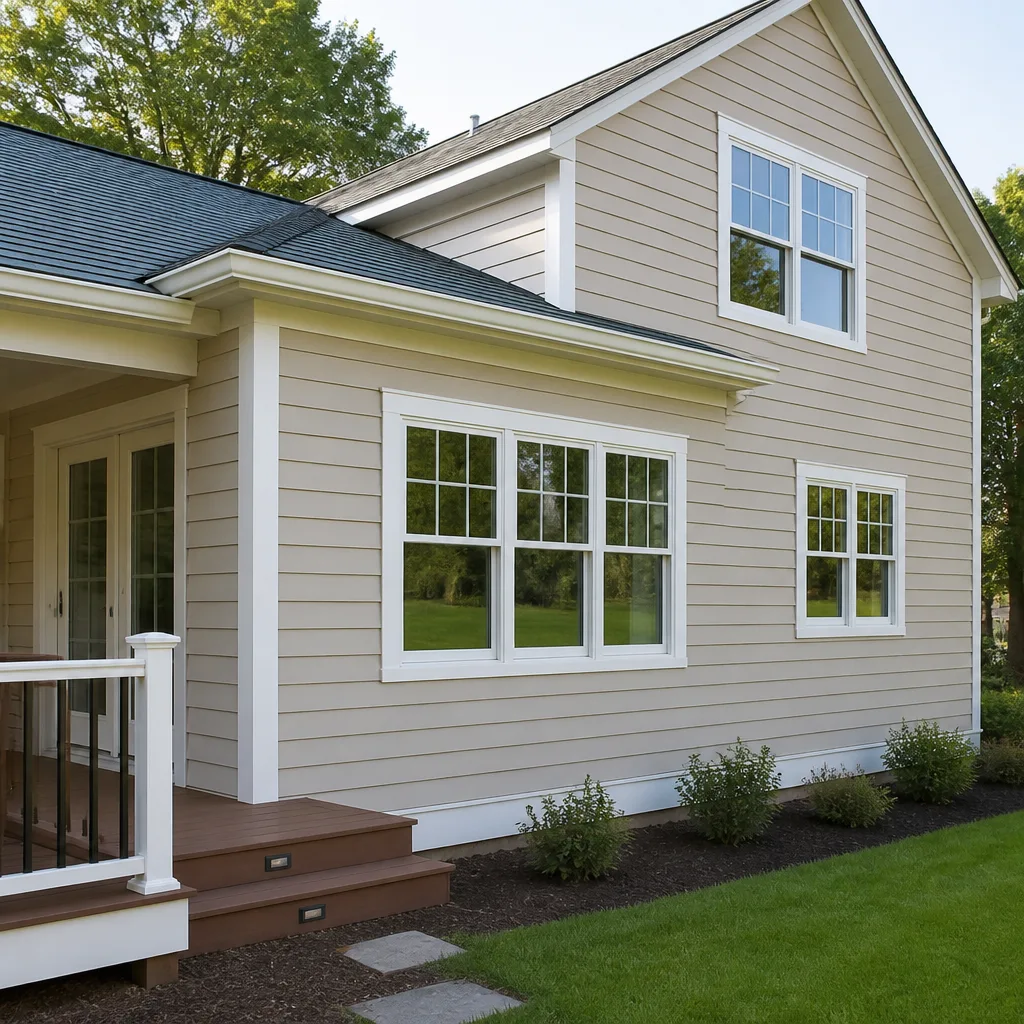
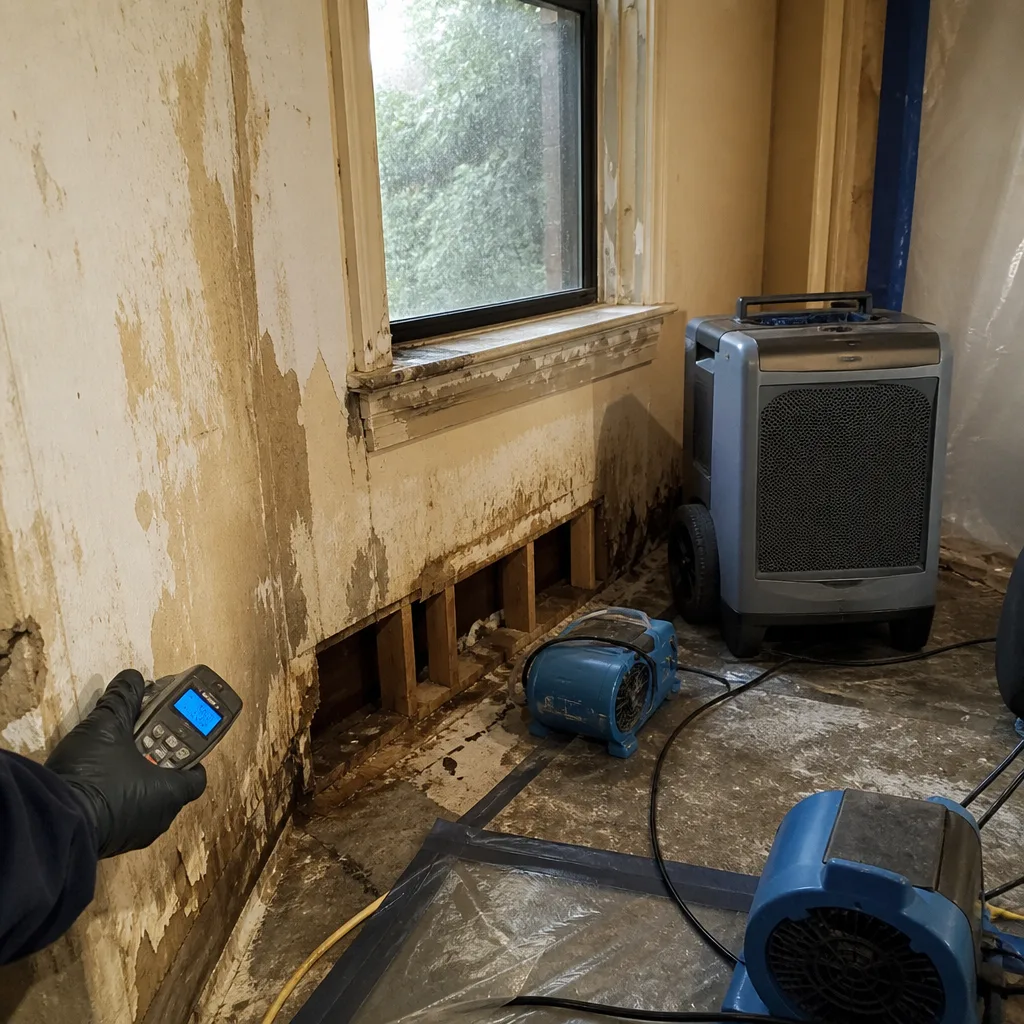 Before
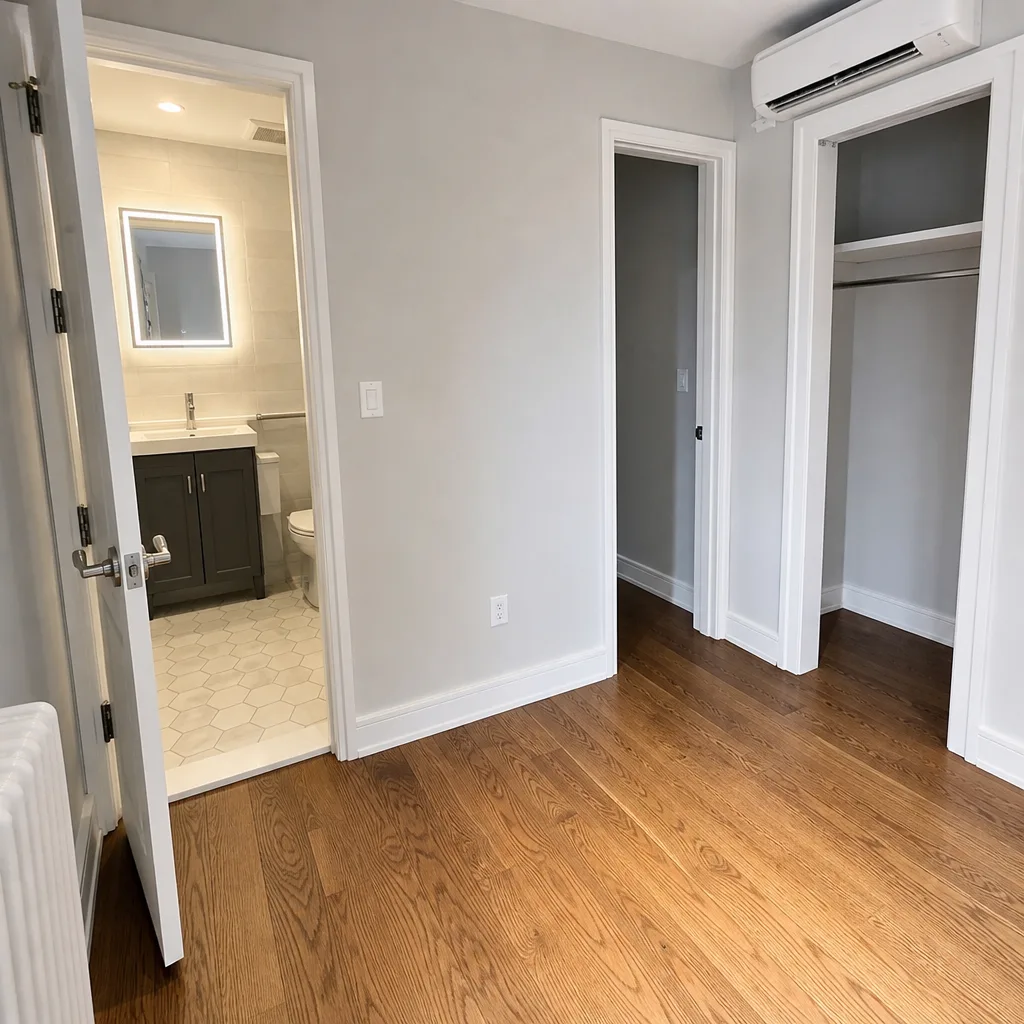 After
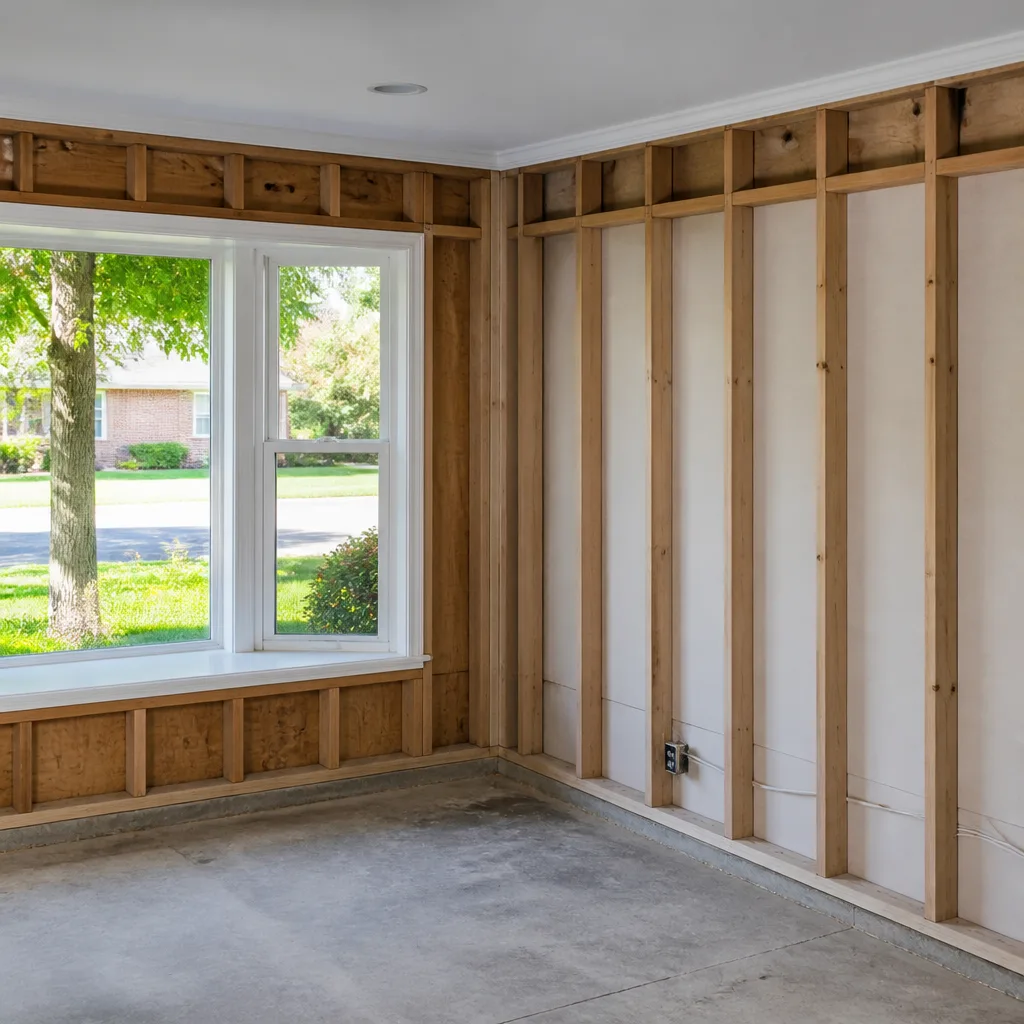
After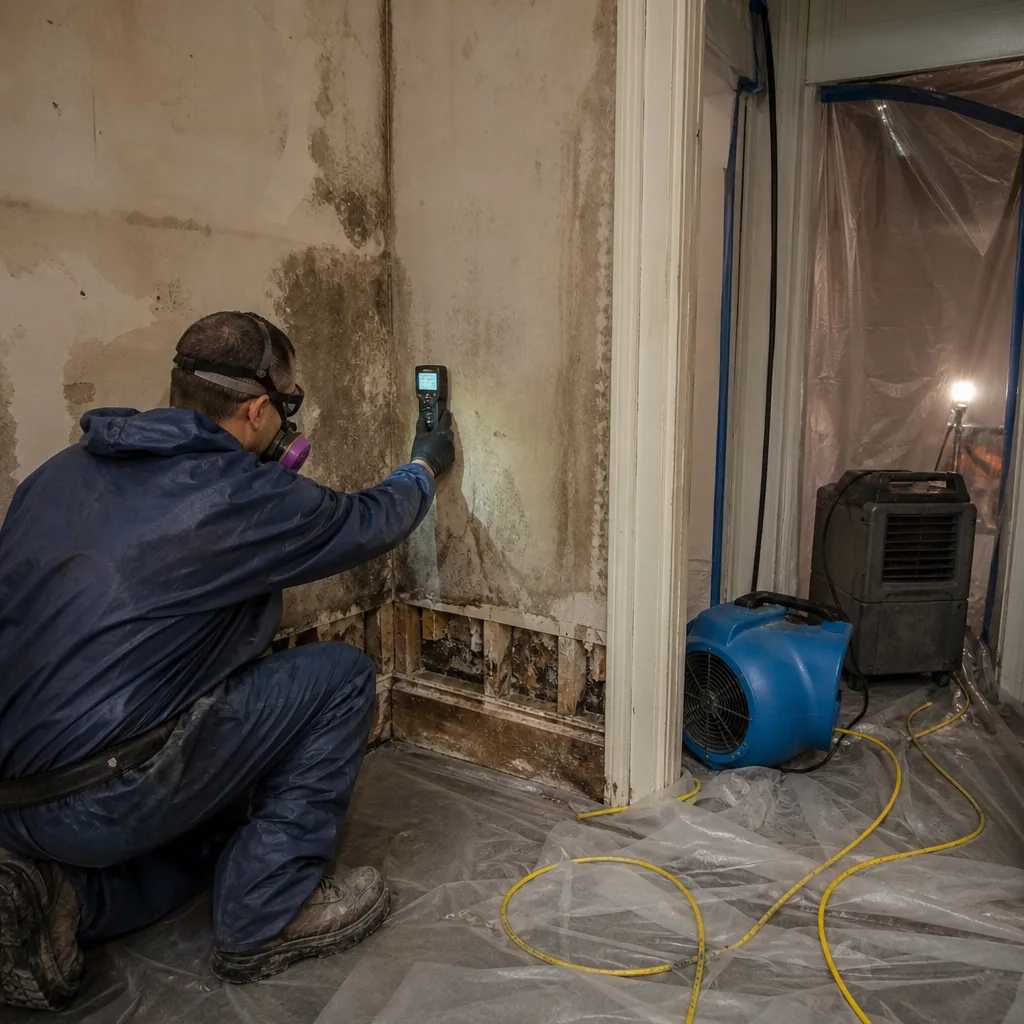 Before
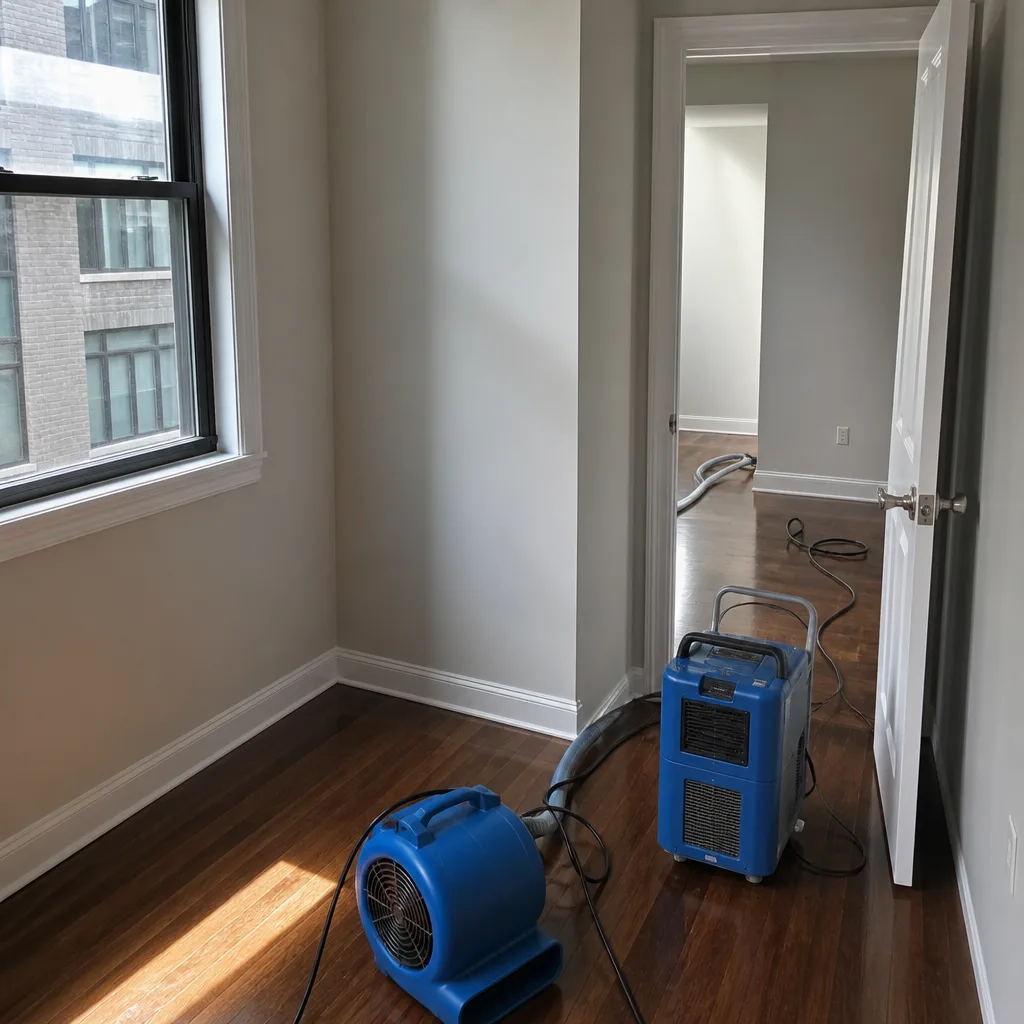 After
After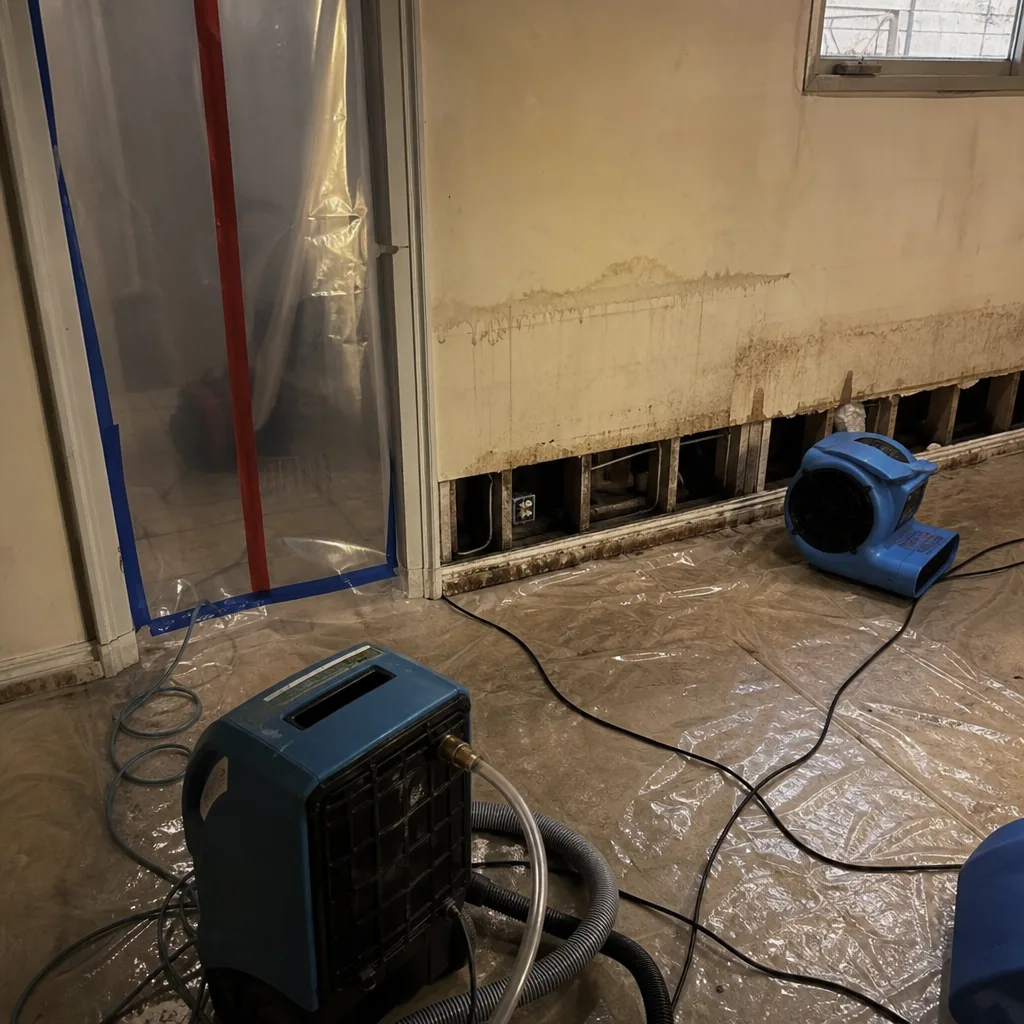 Before
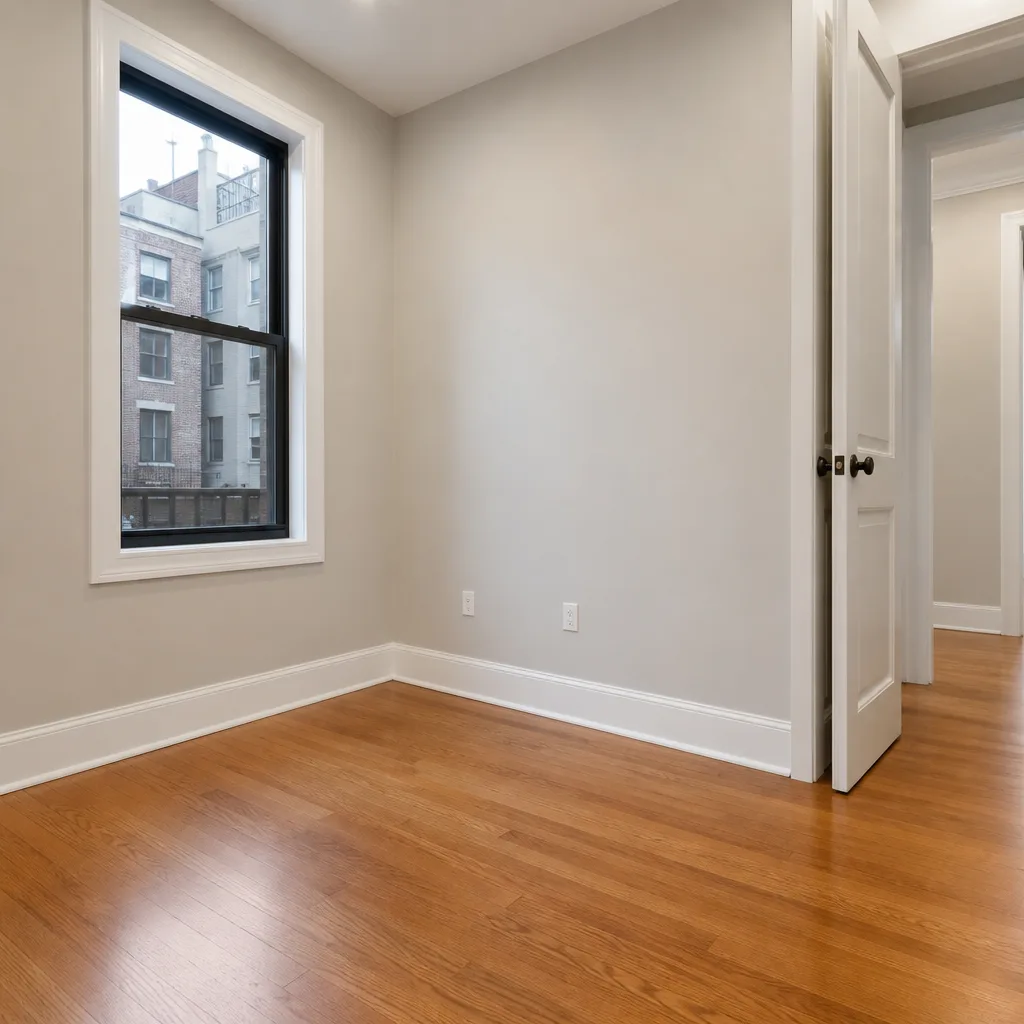 After
AfterFast, Reliable Water Damage Restoration Across Murray Hill
Water damage restoration in Murray Hill, NY typically costs $2,800-$7,500 for a standard residential mitigation, with emergency water extraction starting at $1,200 and structural drying running $180-$340 per day depending on equipment load. Our crews are dispatched from our New York City office and can be on-site anywhere in Murray Hill within 45 minutes. Call (862) 212-1646 - a live person answers, 24 hours a day, 7 days a week, no voicemail trees.
We’ve restored water damage in Murray Hill’s pre-war co-ops on Park Avenue, the numbered cross streets, and the older brick walk-ups on the side streets east of Third Avenue. The neighborhood’s 10-to-20-story residential towers, built between the 1920s and 1940s, create restoration challenges you won’t find in newer construction: original plaster walls, parquet hardwood floors, aging cast-iron drain stacks, and high-pressure steam radiator systems that can turn a single failed valve into a multi-unit loss. Our Water Damage Restoration team documents every job to IICRC standards because we’ve seen what happens when sloppy paperwork collides with a co-op board’s master policy and a shareholder’s HO-6.
Why DryMark Restoration Midtown Manhattan Is Murray Hill’s Preferred Water Damage Restoration Company
We’ve completed water damage restoration in more than 400 Murray Hill apartments, townhomes, and co-op units since we began tracking by neighborhood in our records. Our reviews from Murray Hill customers consistently cite two things: our written price before work starts, and our daily photo documentation that keeps adjusters from disputing the invoice. One recent review from a Park Avenue co-op board president noted that our moisture logs and drying records were the first documentation an adjuster had accepted without a supplemental request in five years of building claims.
Our response time to Murray Hill averages 38 minutes from dispatch to on-site arrival during emergency hours. We know the loading dock protocols at the major pre-war buildings along East 34th through East 40th Streets, the service elevator restrictions, and the after-hours security procedures that can delay a less-familiar crew. That local knowledge matters when water is still moving through floor cavities.
Alicia Brennan built this company in 2011 after working as a claims adjuster and watching homeowners lose legitimate coverage disputes because their restoration contractor couldn’t produce documented moisture readings or a written scope. That origin is why every Murray Hill job we take includes a written price before work begins, a photo record on every visit, and daily drying logs formatted for direct adjuster submission.
Our Water Damage Restoration Services in Murray Hill
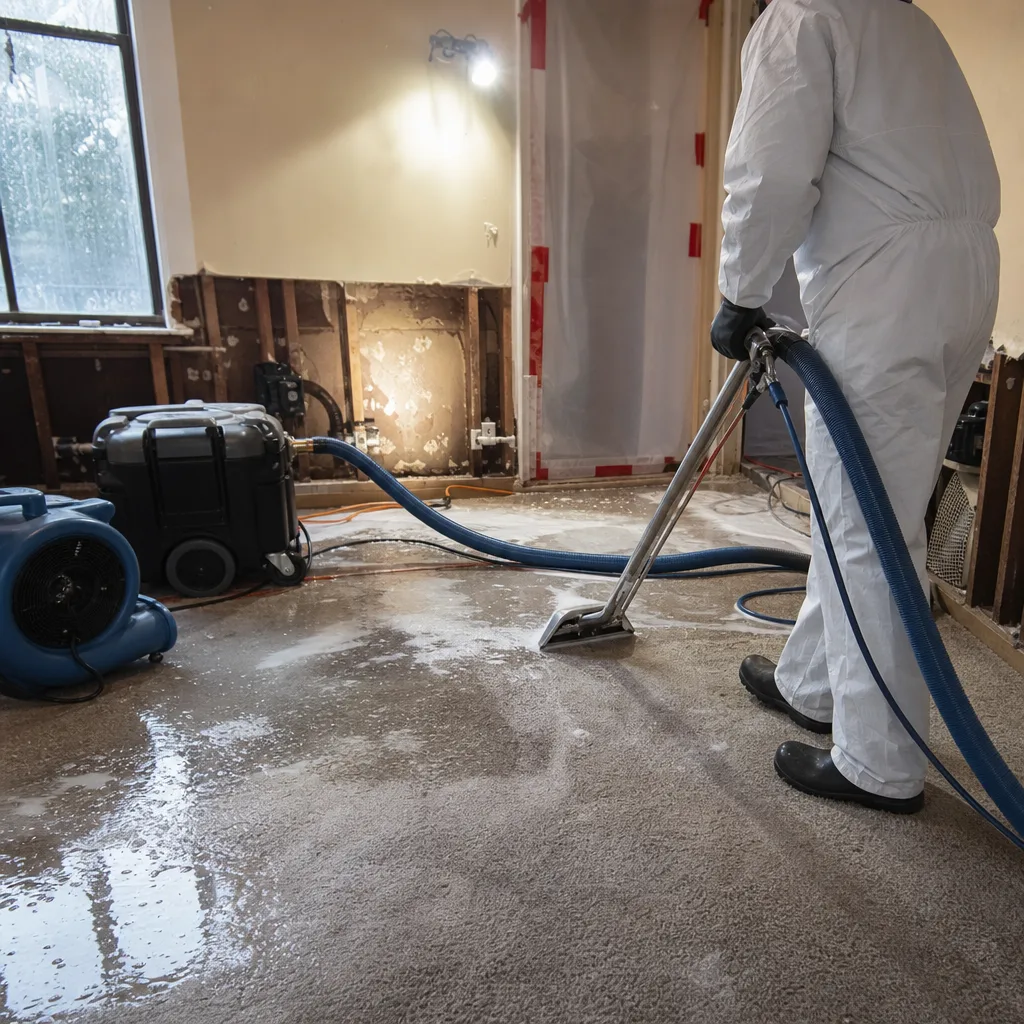
Emergency Water Extraction
When a high-pressure steam radiator valve fails in a Murray Hill pre-war building, water doesn’t pool politely. Superheated steam drives moisture deep into plaster and lath within minutes, and the vertical plumbing risers common in these 1920s-1940s towers can distribute that moisture across five to ten occupied floors. Our emergency water extraction crews arrive with truck-mounted extraction systems and portable units for buildings with limited loading access. We extract standing water first, then deploy targeted extraction tools for saturated carpet and pad. In Murray Hill’s tighter units, we often use compact XPOWER and B-Air equipment that fits through 28-inch doorways common to pre-war service entrances.
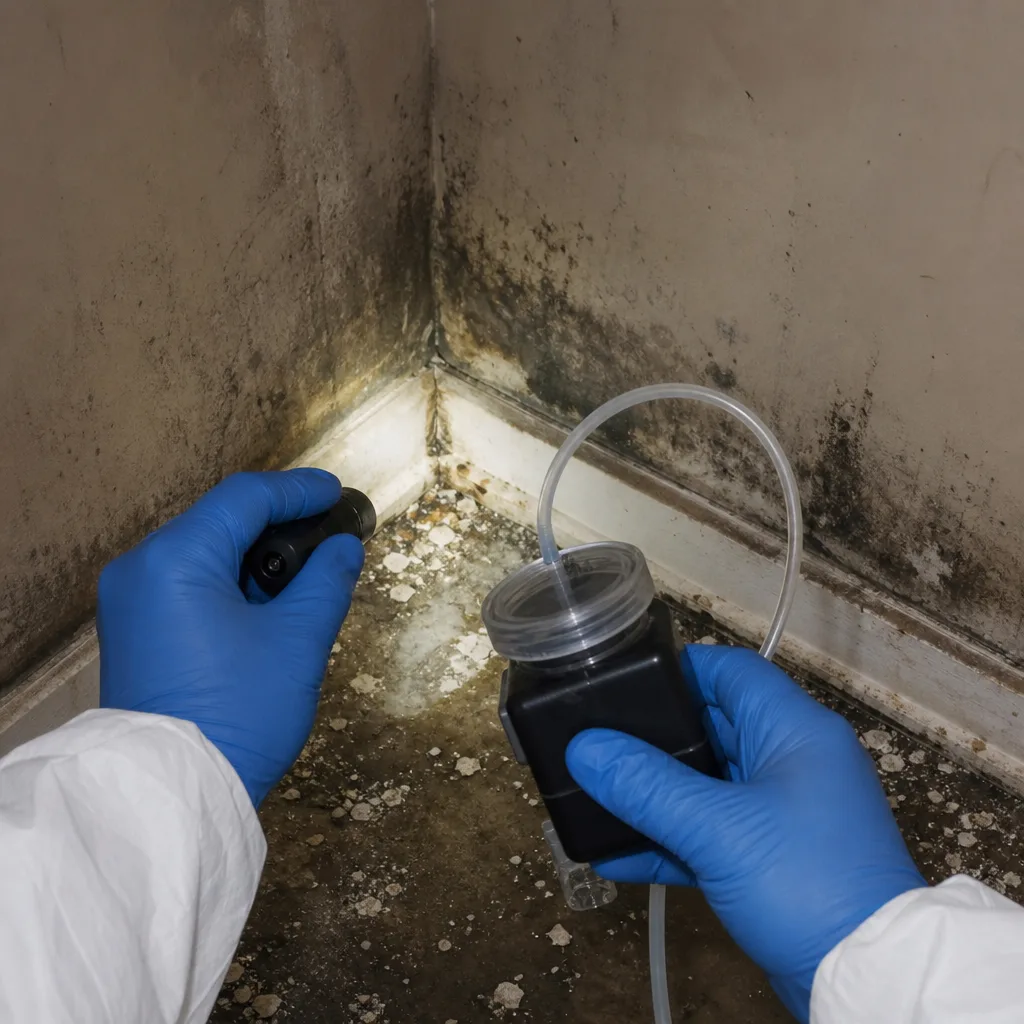
Structural Drying & Dehumidification
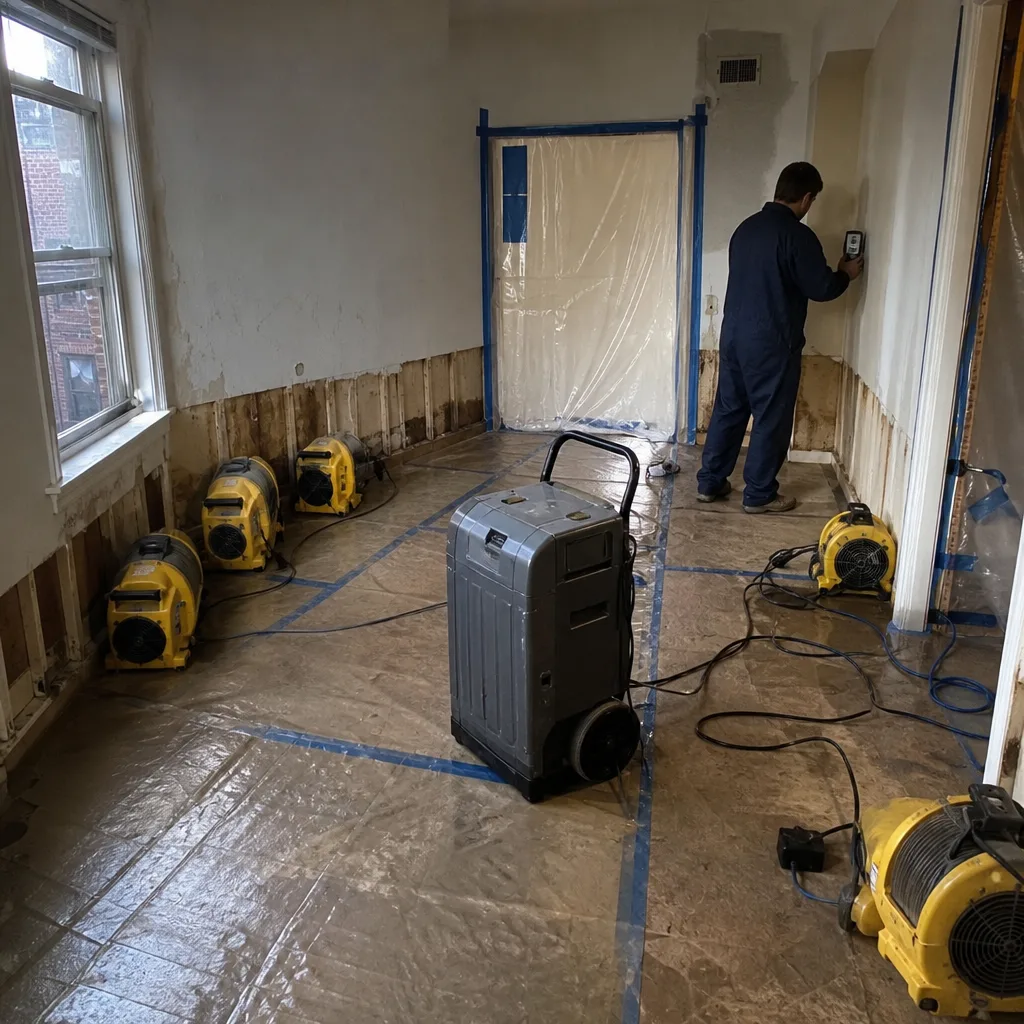
Structural drying in Murray Hill requires equipment selected for the building, not the brand catalog. Pre-war plaster walls dry differently than modern drywall; they hold more moisture and release it more slowly, requiring longer drying cycles with precise psychrometric monitoring - that’s the measurement of temperature, humidity, and vapor pressure that tells us when materials are actually dry, not just surface-dry. We deploy Injectidry cavity-drying systems to force dry air into wall voids without demolishing ornate crown molding or original plaster. Our daily drying logs track moisture content at multiple depths in each affected material, documented to IICRC standards and formatted for direct insurance submission. In Murray Hill’s steam-radiator failures, we often see moisture readings above 30% in plaster lath that a surface check would miss entirely.
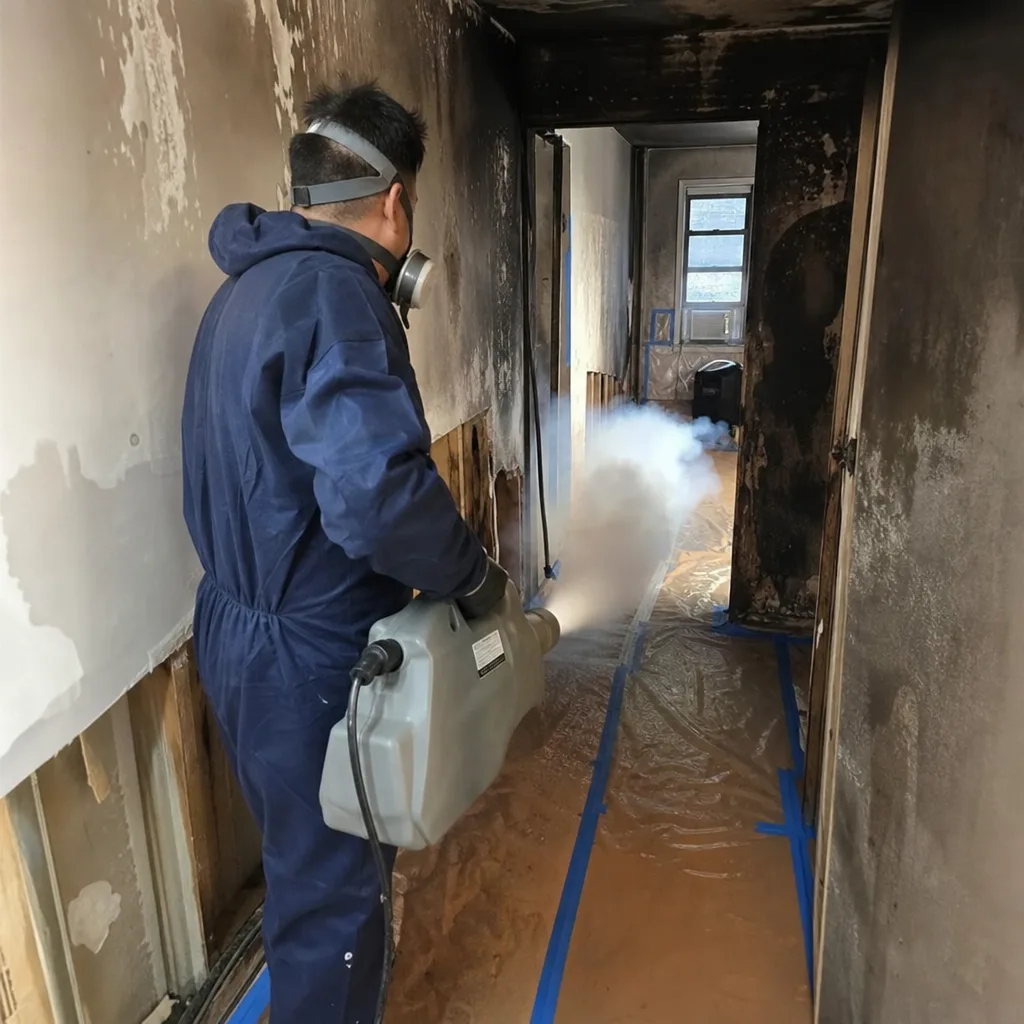
Flood Cleanup
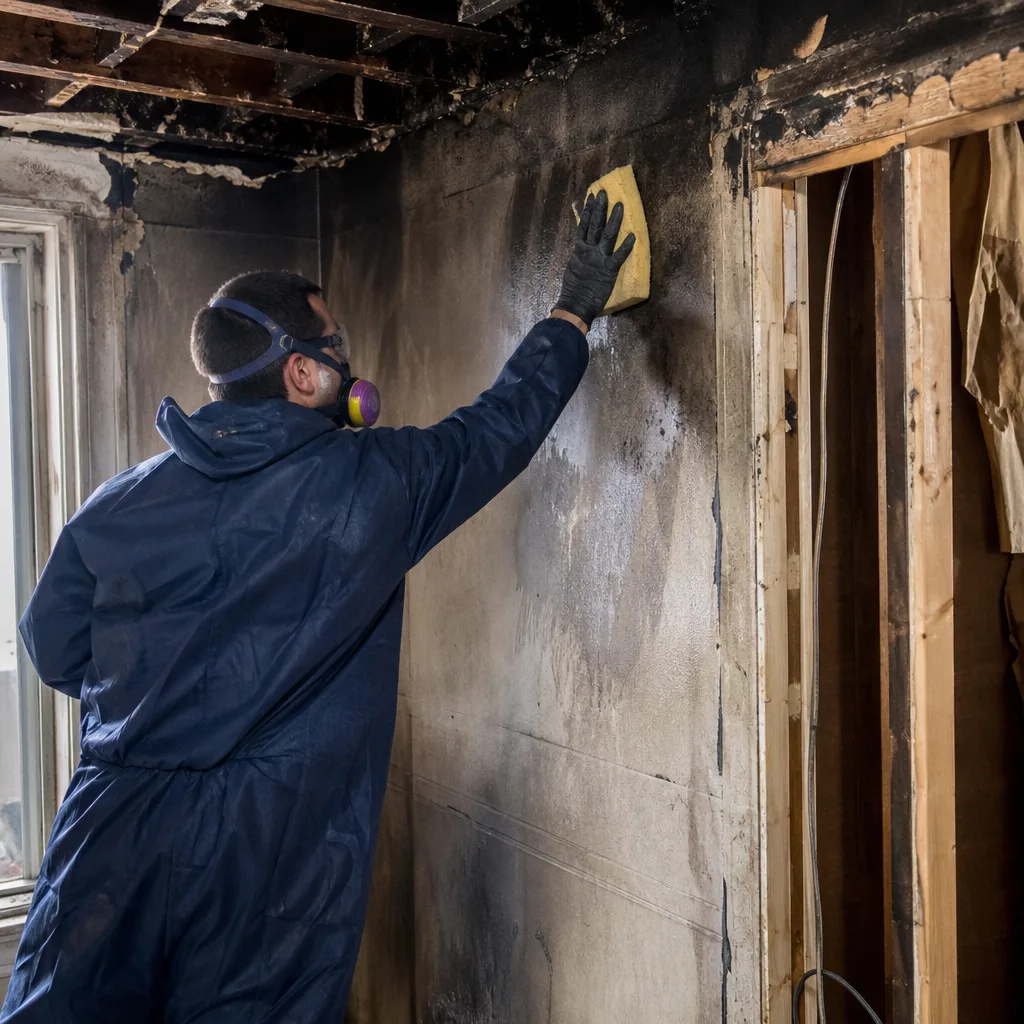
Murray Hill’s aging combined sewer infrastructure creates a specific flood risk during intense nor’easter rainfall. Basement-level storage rooms and subgrade mechanical spaces in older side-street buildings are vulnerable to sewage-contaminated backflow - a Category 3 water event under IICRC standards, meaning the water contains pathogens and requires full protective protocols, not standard extraction. We treat these events with containment barriers, negative-air machines, and antimicrobial application before any reconstruction begins. Our crews are trained to distinguish Category 3 conditions from Category 1 clean-water flooding, because treating sewage backflow like a standard water loss is how you end up with a health department violation and a denied insurance claim.
Burst Pipe Restoration
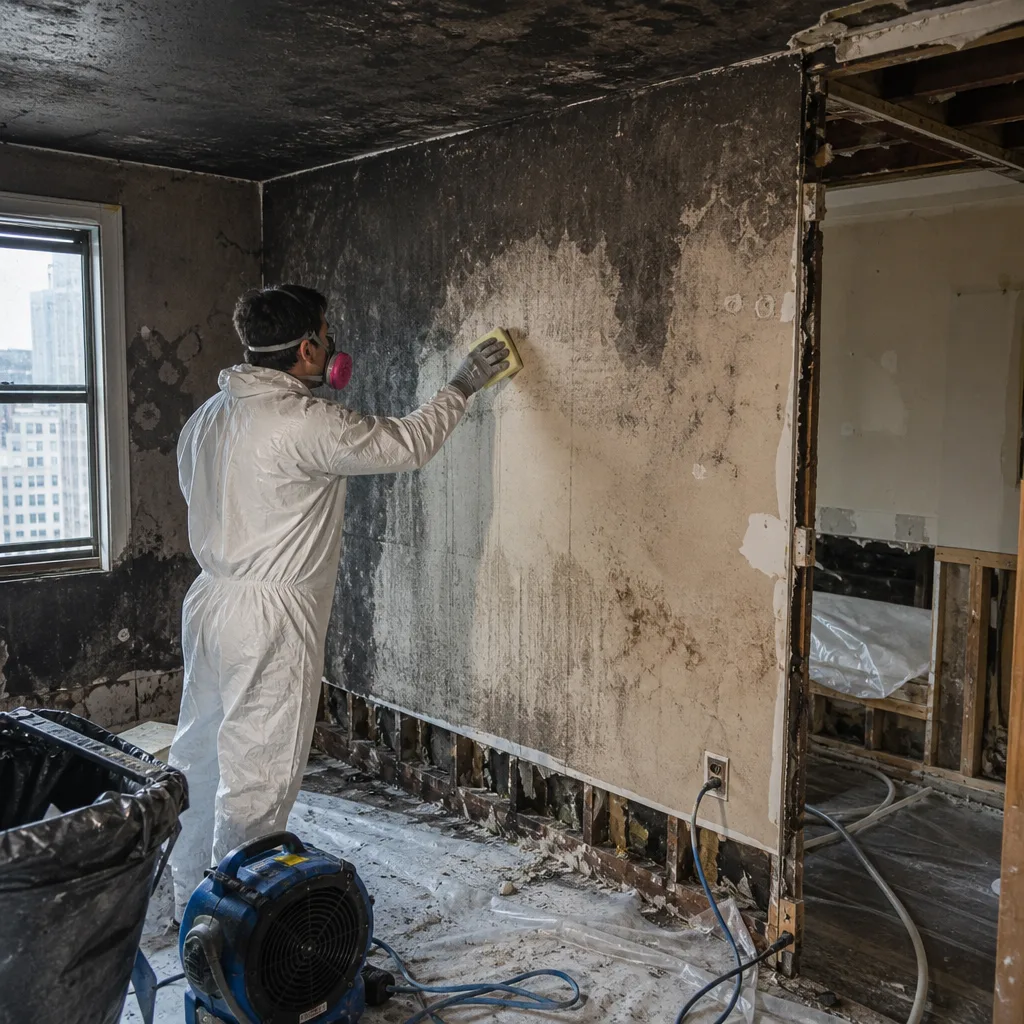
Burst pipe restoration in Murray Hill often means more than replacing a section of copper. The neighborhood’s aging cast-iron drain stacks can crack at hub connections when subjected to pressure spikes from a supply-line break, creating secondary leaks that aren’t visible until demolition begins. We locate all affected plumbing before writing our scope, document each finding with photos, and present a written price for the full repair before any work starts - Haven Standard, Clause 1. For burst pipes in co-op buildings, we also flag potential coverage-boundary issues between the building’s master policy and the shareholder’s HO-6, because starting work before that boundary is clarified is how restoration gets stalled mid-job.
What happens when you call
- 1
A real person answersNo phone trees - you reach a local pro.
- 2
You get an upfront price rangeHonest numbers before anyone is dispatched.
- 3
A background-checked tech heads outLicensed & insured, dispatched right away.
- 4
You approve before work beginsNothing starts until you say go.
BeforeAfterTrusted Brands We Service in Murray Hill
We deploy professional-grade drying systems from Dri-Eaz, Phoenix, XPOWER, B-Air, and Injectidry on Murray Hill jobs, selected based on the specific constraints of pre-war construction. XPOWER’s compact air movers fit through narrow service corridors. B-Air dehumidifiers handle the high moisture loads of plaster-and-lath construction. Injectidry’s cavity-drying systems reach wall voids without destroying original molding. We stock common replacement components locally and coordinate with New York City equipment suppliers for same-day availability on specialized items. Every piece of equipment is logged to the job file with serial numbers and calibration dates - part of the documentation package that accompanies your final invoice.
Common Water Damage Restoration Problems We See in Murray Hill Homes
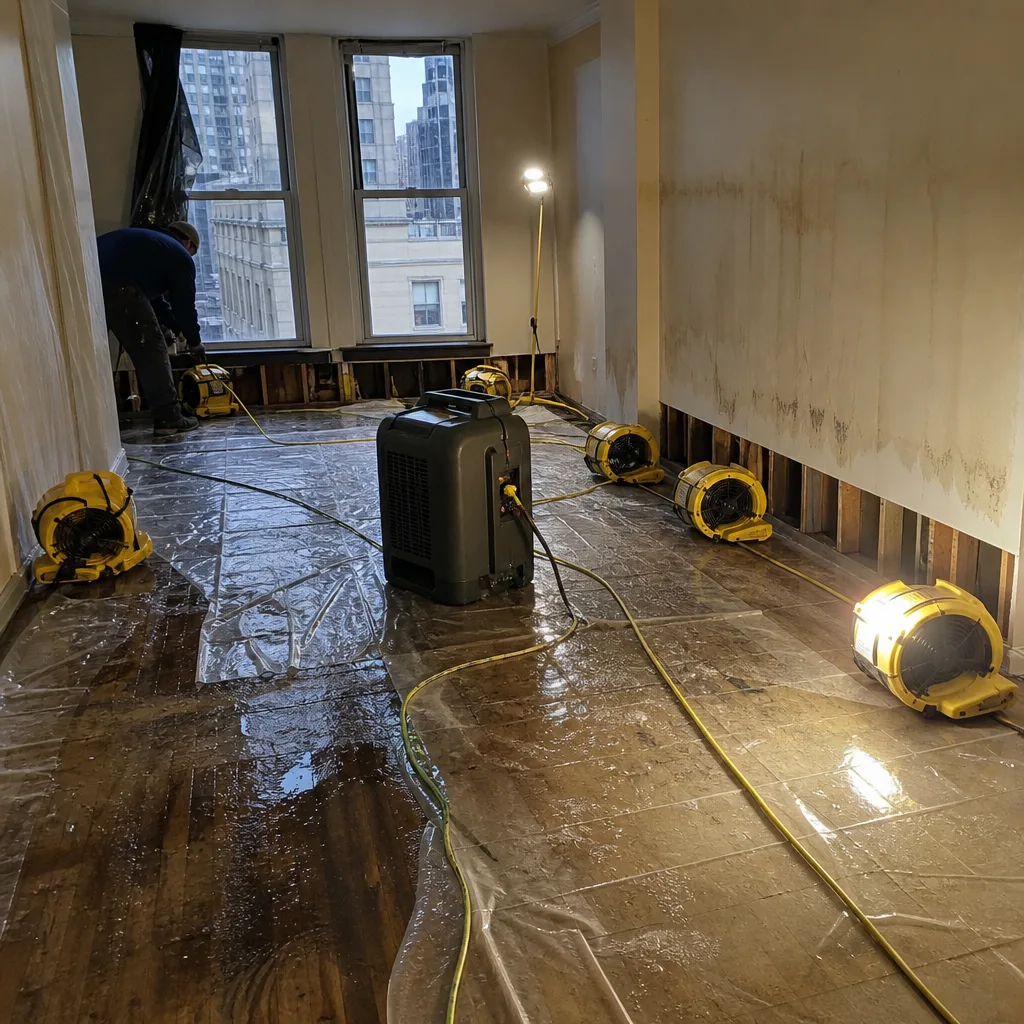
- Steam radiator valve failures in pre-war co-ops. A failed high-pressure steam valve on an upper floor of a Park Avenue building releases superheated steam that warps parquet floors and delaminates plaster from lath across multiple units below. The damage pattern is distinct from cold-water leaks and requires immediate structural drying before mold can establish in wall cavities - often within 24 to 48 hours in Murray Hill’s older construction.
- Category 3 sewage backflow in subgrade spaces. Murray Hill’s combined sewer system overwhelms during heavy rainfall, pushing contaminated water into basement storage rooms and mechanical spaces in side-street buildings. Standard water extraction skips the protective protocols and antimicrobial treatment that Category 3 events require, creating health risks and coverage disputes later.
- Asbestos-containing materials disturbed by water damage. Floor-tile mastic, pipe insulation, and spray-textured plaster in Murray Hill’s pre-war buildings often contain asbestos. Proceeding with demolition or aggressive drying before confirmed abatement violates EPA and city protocols, and can void insurance coverage for the restoration work.
- Co-op master policy vs. HO-6 coverage collisions. When water moves vertically through multiple units in a Murray Hill co-op, the question of who pays - building or shareholder - can stall mitigation for days. We document the origin point and migration path with photos and moisture mapping to help adjusters establish coverage boundaries quickly, because wet materials don’t wait for policy debates.
Pricing for Water Damage Restoration in Murray Hill, NY
Emergency water extraction in Murray Hill typically runs $1,200-$2,400 for a standard residential unit, with structural drying adding $180-$340 per day for equipment rental and monitoring. Category 3 sewage cleanup starts higher, around $2,800-$4,500, due to protective protocols, antimicrobial treatment, and specialized disposal. Full restoration of a multi-unit steam-radiator loss in a Park Avenue co-op can reach $7,500-$15,000 depending on affected square footage and whether asbestos abatement is required.
What moves the price: the category of water (clean, gray, or black), the number of affected rooms, whether plaster or drywall is involved, and whether coverage-boundary documentation is needed for a co-op claim. Every job gets a written price before work begins - Haven Standard, Clause 1 - with no scope-creep additions once our crew is inside. We also offer a Free Second Opinion on any competitor’s written estimate; bring their scope and we’ll review it at no charge. Call (862) 212-1646 for a written estimate.
| Service | Typical Range in Murray Hill |
|---|---|
| Emergency Water Extraction | $1,200 - $2,400 |
| Structural Drying (per day) | $180 - $340 |
| Category 3 Sewage Cleanup | $2,800 - $4,500 |
| Multi-Unit Co-op Loss (mitigation only) | $7,500 - $15,000 |
| Written Estimate | Free |
We Also Serve Cities Near Murray Hill
Our crews respond throughout the metro area from our New York City office. We regularly complete Water Damage Restoration in Murray Hill and neighboring districts including Midtown Manhattan, Upper East Side, Long Island City, and Manhattan. Each area has distinct building stock and insurance patterns; our documentation protocols adapt to the specific requirements of each.
Serving Murray Hill, NY - Our Local Coverage Area
We’re based in the Murray Hill area and know this community well. Use the map below to see our service coverage - if you’re nearby, we can almost certainly help.
FAQs - Water Damage Restoration in Murray Hill
Mold can begin colonizing in 24 to 48 hours in Murray Hill’s pre-war construction, where plaster and lath hold moisture longer than modern drywall and steam-radiator failures drive water deeper into wall cavities than cold-water leaks. We deploy structural drying within hours of extraction, with daily moisture logs to document that materials reached dry standard before reconstruction. Call (862) 212-1646 for immediate dispatch - estimates are free.
Superheated steam migrates faster and farther than liquid water, warping parquet floors and delaminating plaster from lath across multiple units before visible pooling occurs. We were called to a 1930s pre-war co-op on East 36th Street after a failed high-pressure steam radiator valve on the 12th floor released superheated steam that warped parquet floors and delaminated plaster from lath across three apartments below. Our techs set up containment, ran Injectidry and Dri-Eaz air movers for structural drying, completed moisture mapping with daily drying logs, and applied antimicrobial treatment to the affected wall cavities before reconstruction. We coordinated directly with the building’s co-op board and each shareholder’s HO-6 adjuster to keep mitigation moving while the coverage boundary was resolved. Call (862) 212-1646 - we’ll document the steam-specific damage pattern for your claim.
The answer depends on where the water originated and which building systems were involved. Generally, the co-op’s master policy covers building systems and common areas, while your HO-6 covers your unit’s finishes and contents - but the boundary blurs when water moves vertically through multiple units. We document the origin point, migration path, and affected materials with photos and moisture mapping to help adjusters establish coverage quickly. Our written scope separates master-policy work from HO-6 work before any demolition begins. Call (862) 212-1646 and we’ll review your specific situation - estimates are free.
Yes. Murray Hill’s aging combined sewer infrastructure makes basement-level spaces vulnerable to Category 3 backflow during heavy rainfall. We deploy full protective protocols: containment barriers, negative-air machines, antimicrobial treatment, and specialized disposal - not standard extraction. Our documentation package includes photos of Category 3 conditions, treatment logs, and clearance testing to satisfy both insurers and health department requirements. Call (862) 212-1646 for immediate response.
Yes, if the building was constructed before 1980 and the restoration work will disturb floor-tile mastic, pipe insulation, or spray-textured plaster - all common in Murray Hill’s 1920s-1940s residential towers. We coordinate certified asbestos inspection before demolition or aggressive drying, and we won’t proceed with restoration until abatement is confirmed complete. Starting work prematurely violates EPA protocols and can void your insurance coverage. Call (862) 212-1646 and we’ll schedule inspection as part of your written scope.
Written by Alicia Brennan, Owner at Back to Dry Restoration, serving Murray Hill since 2011 under The Haven Standard.