
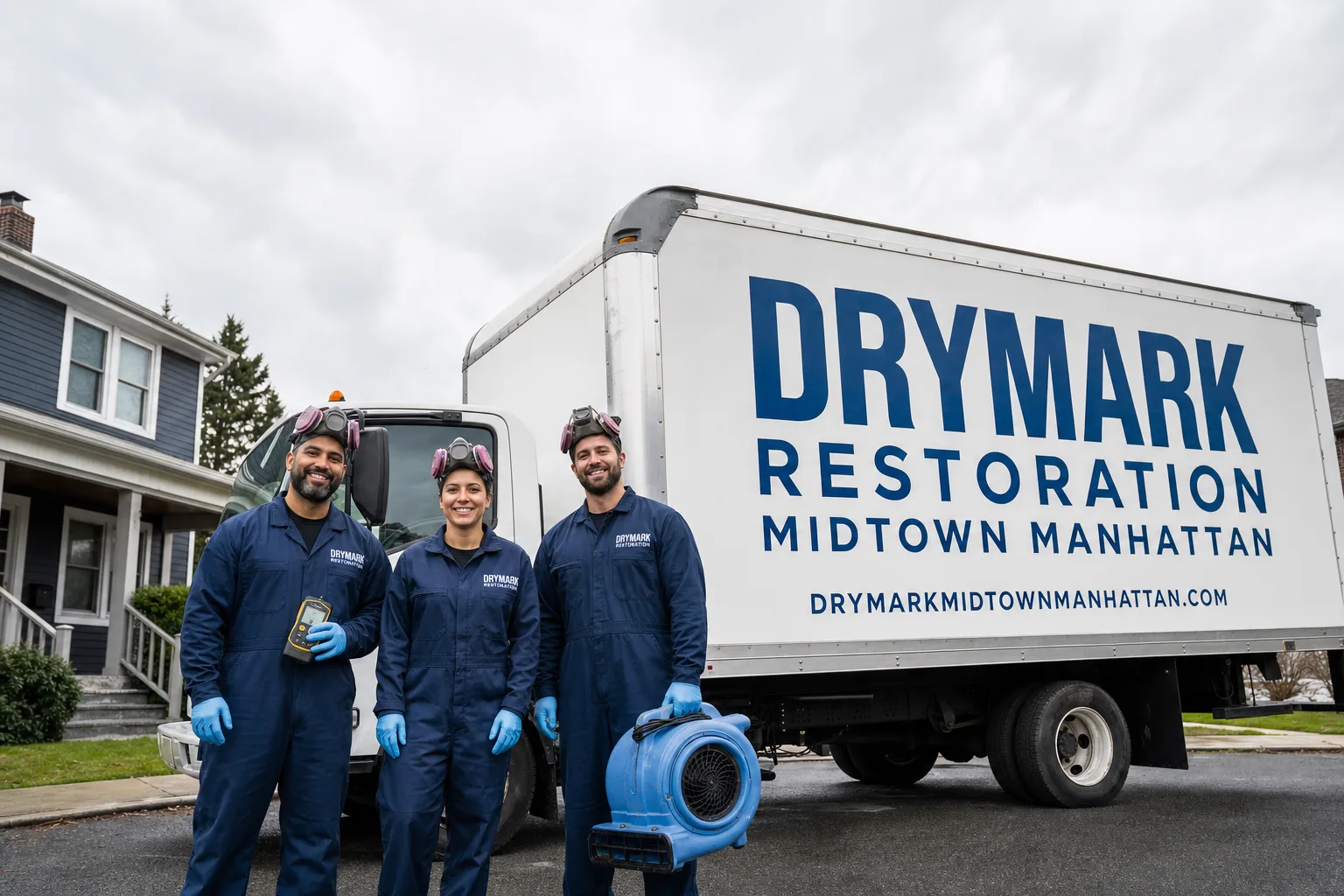
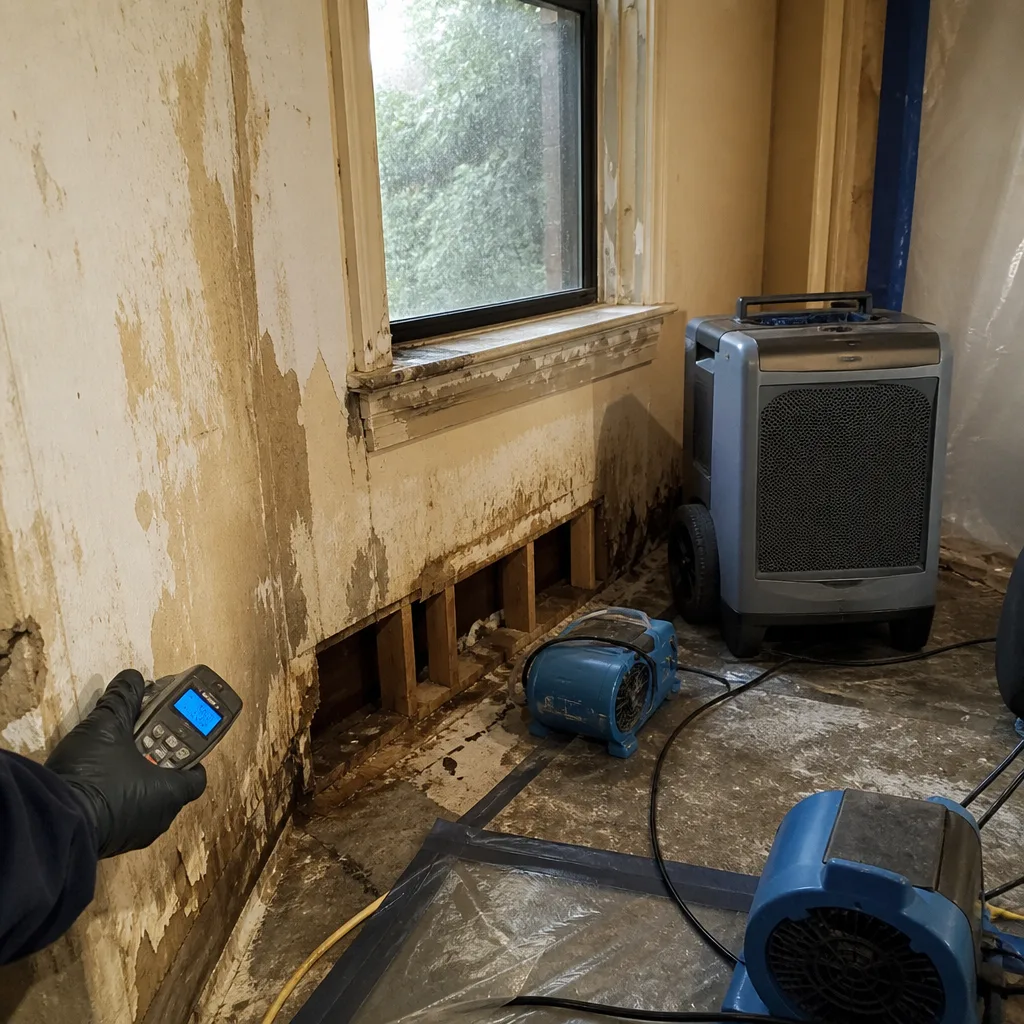
Free visual inspection and a written scope of work before any mitigation begins - photos, moisture readings, and drying logs go in your claim file
The scope we write is the scope we bill. Anything new gets shown to you, in writing, before we touch it.
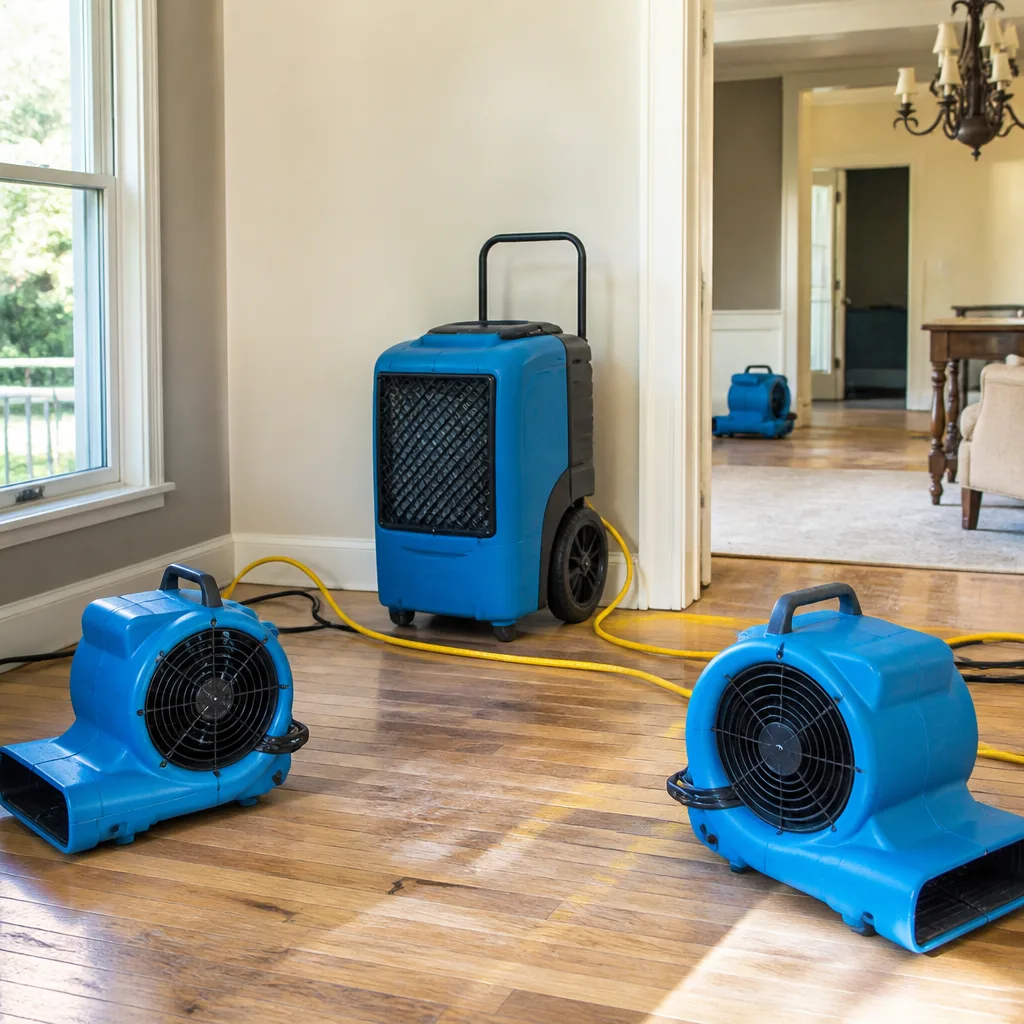
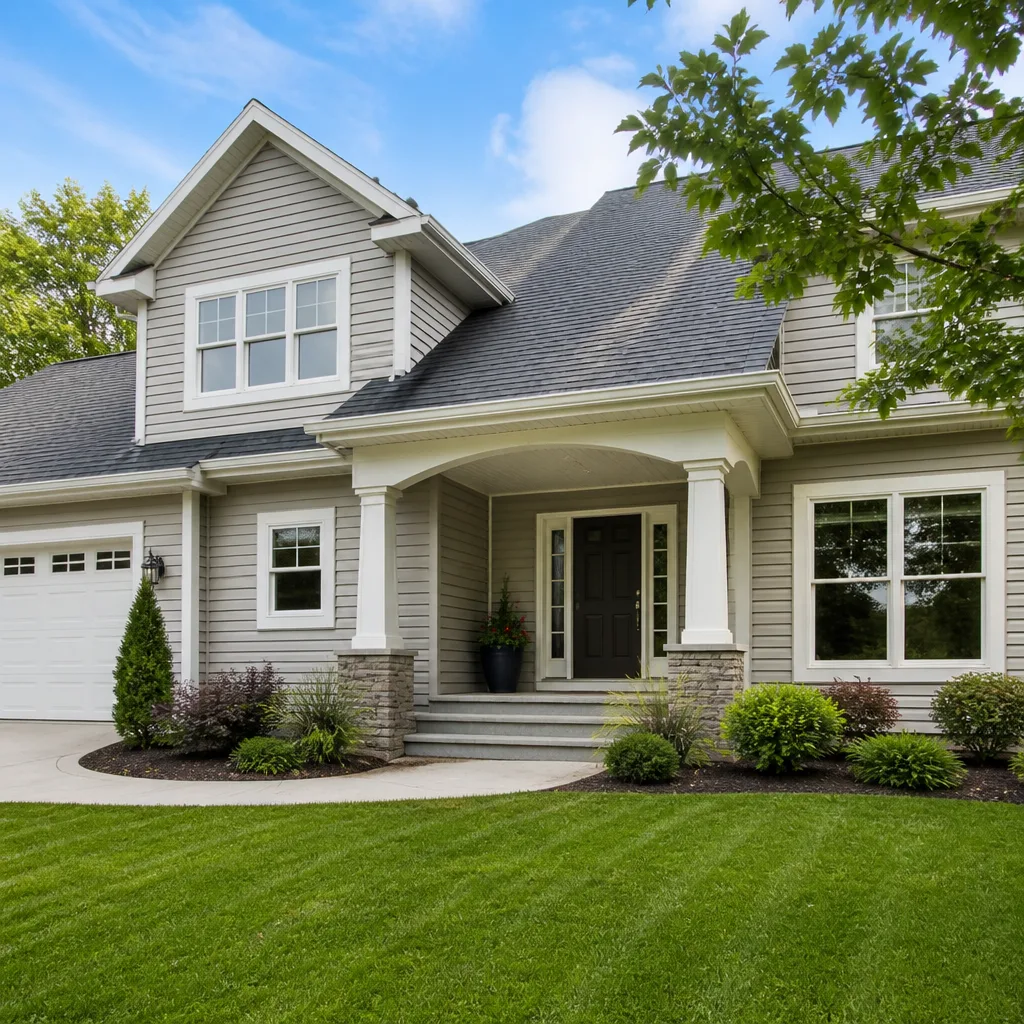
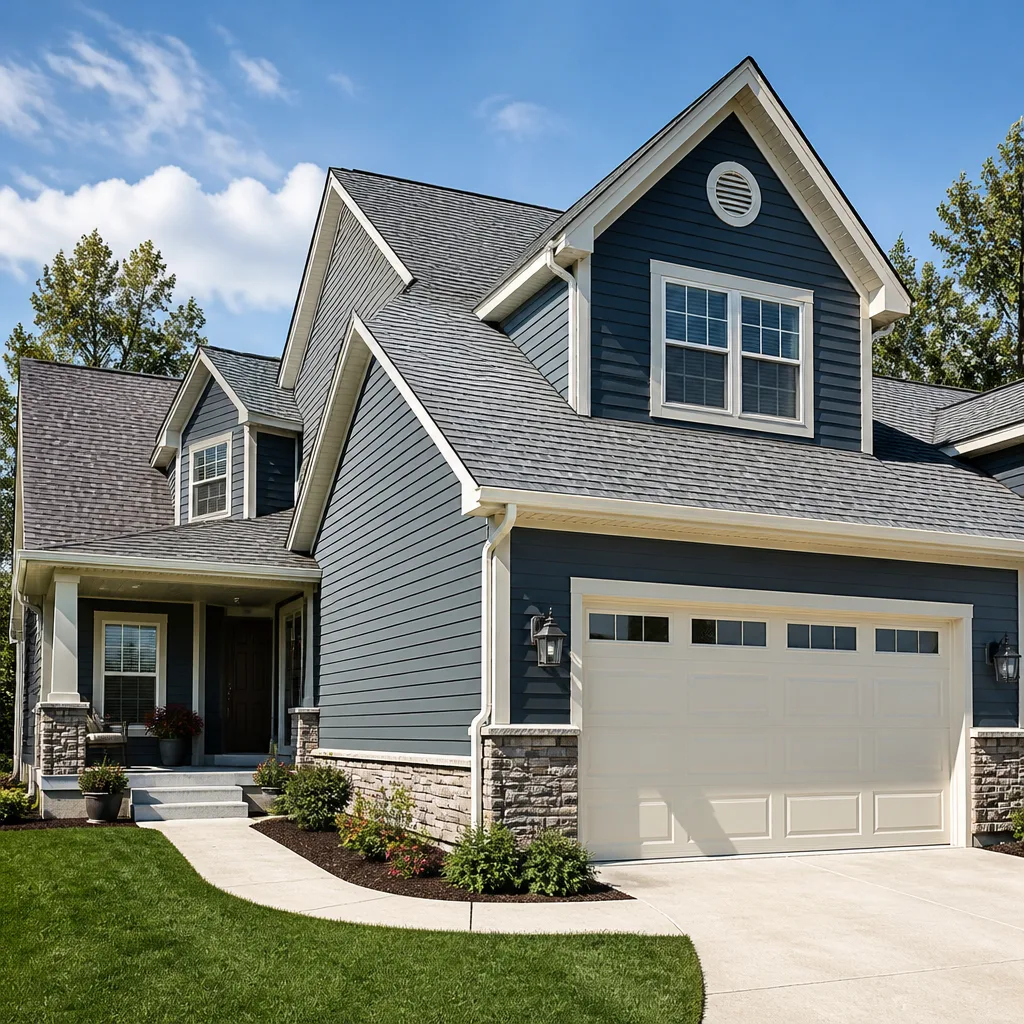
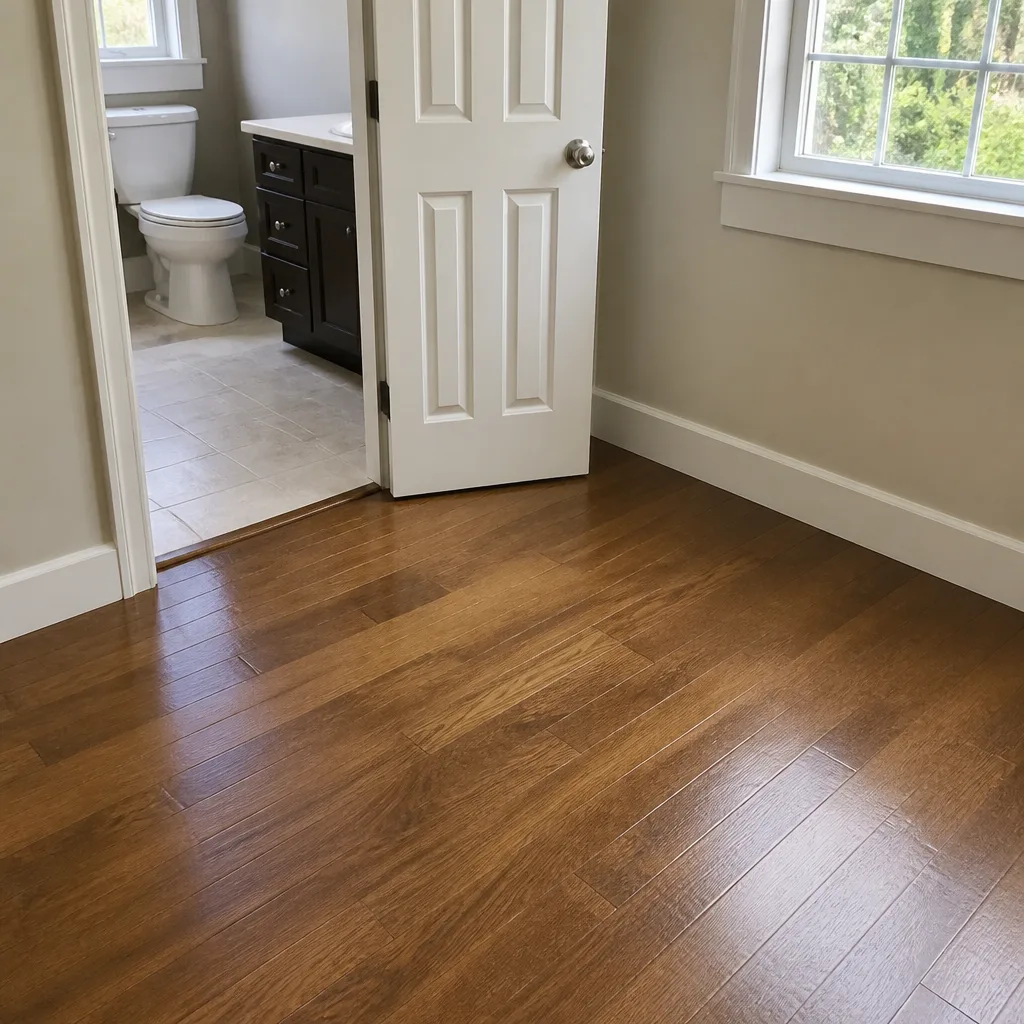
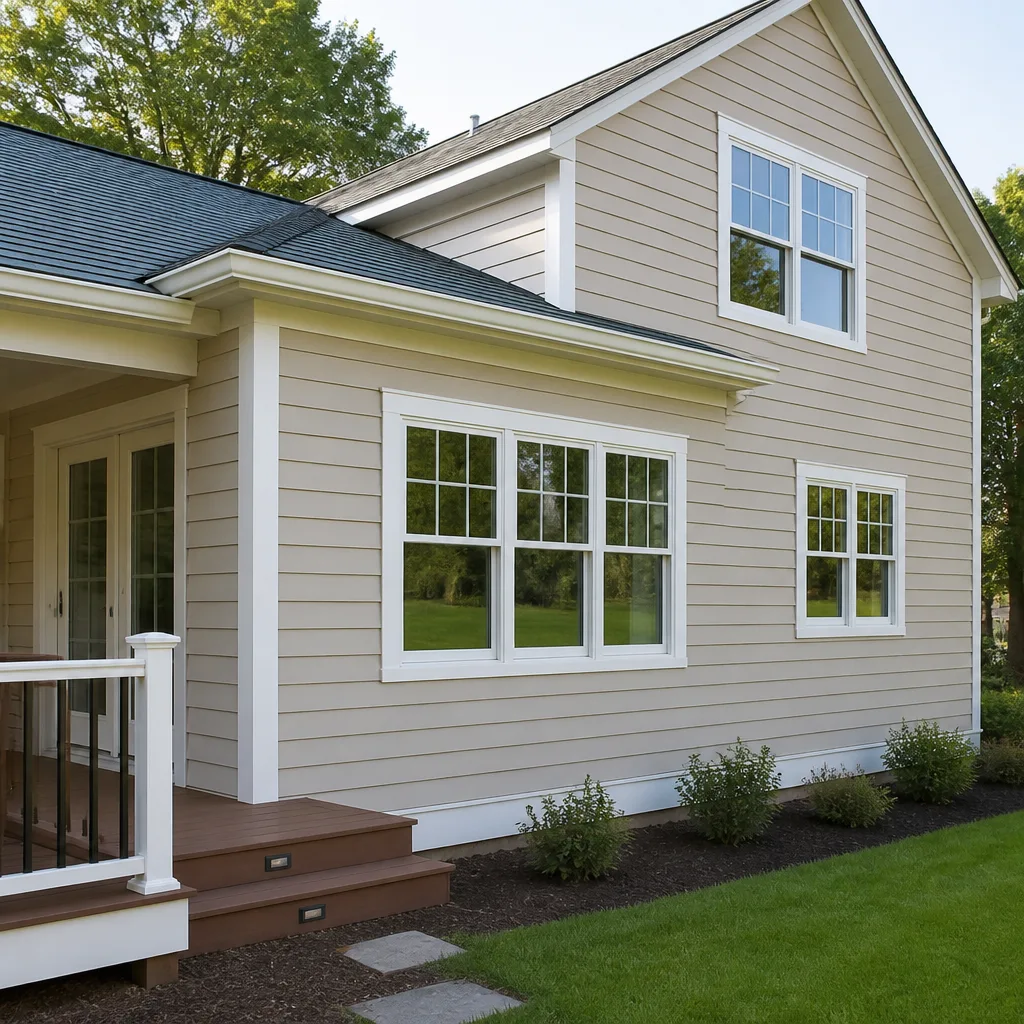
 Before
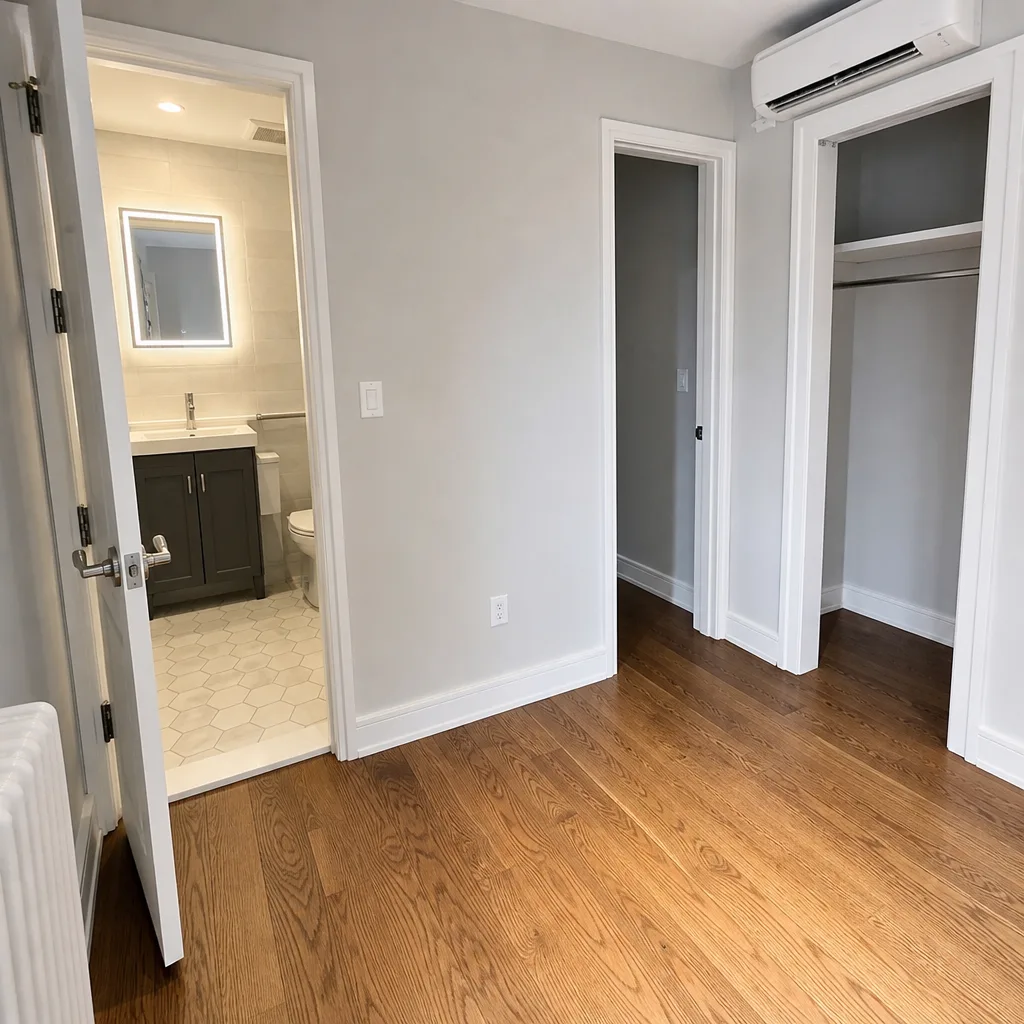 After
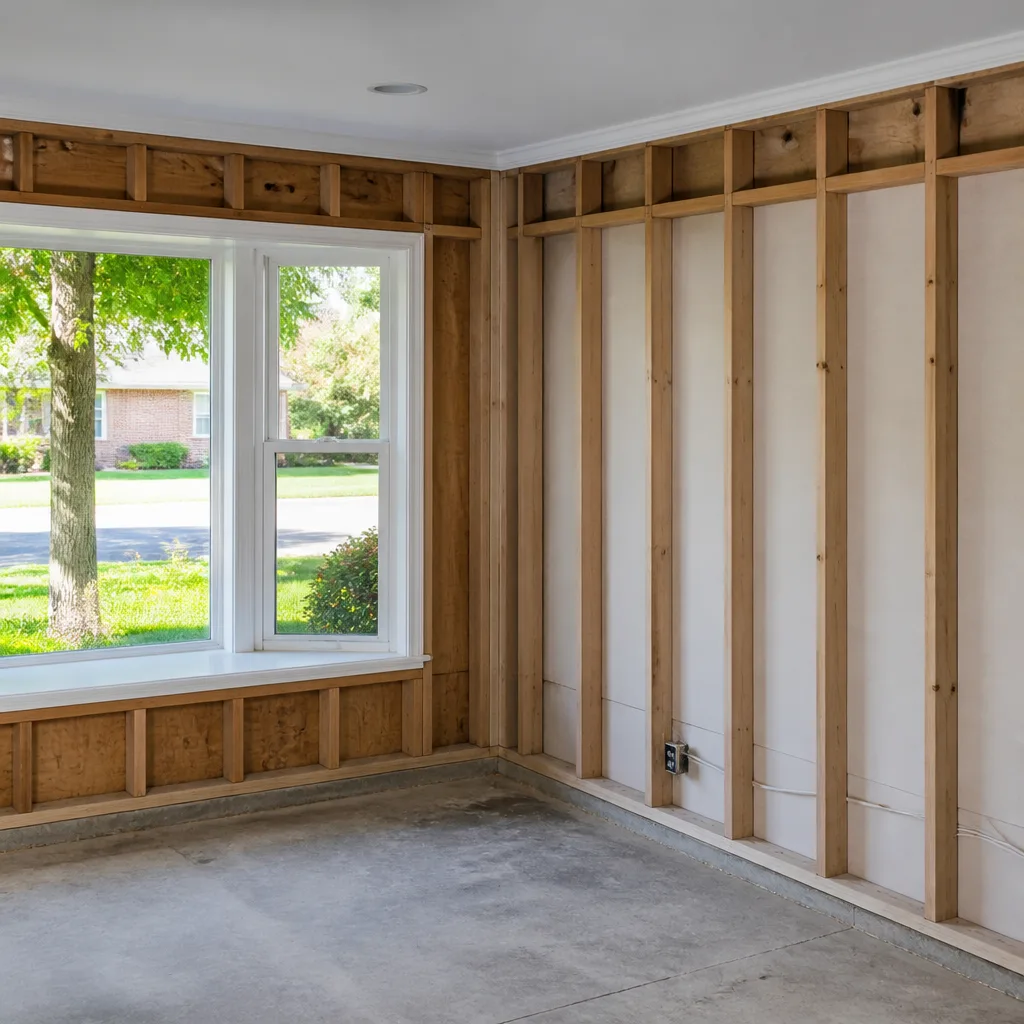
After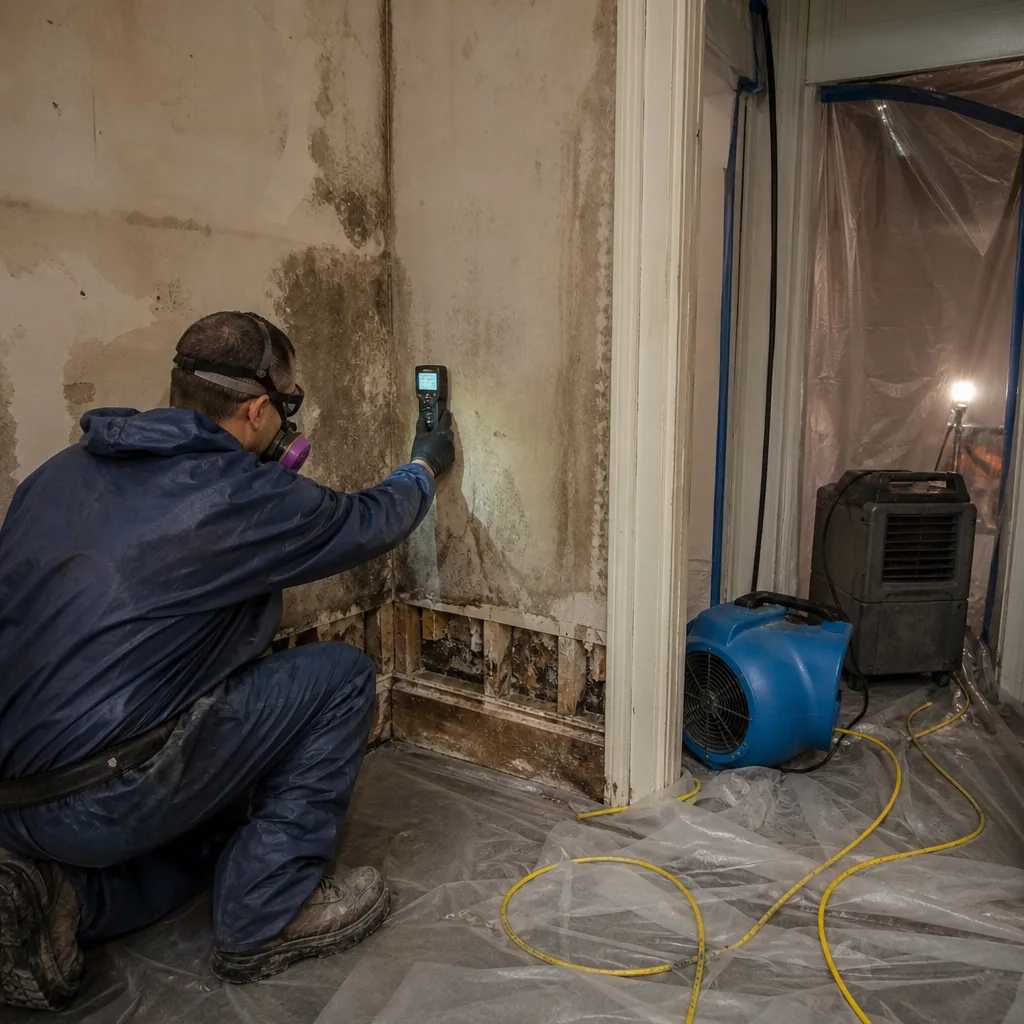 Before
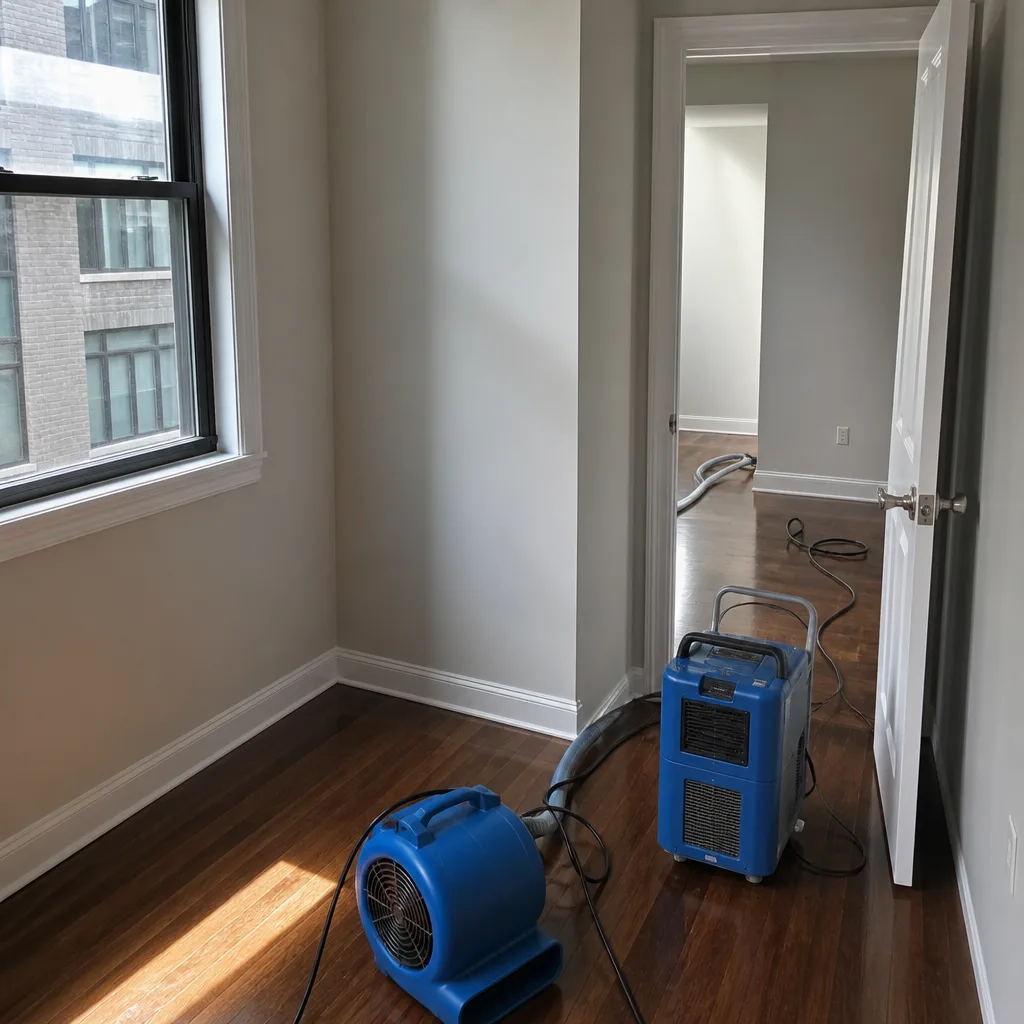 After
After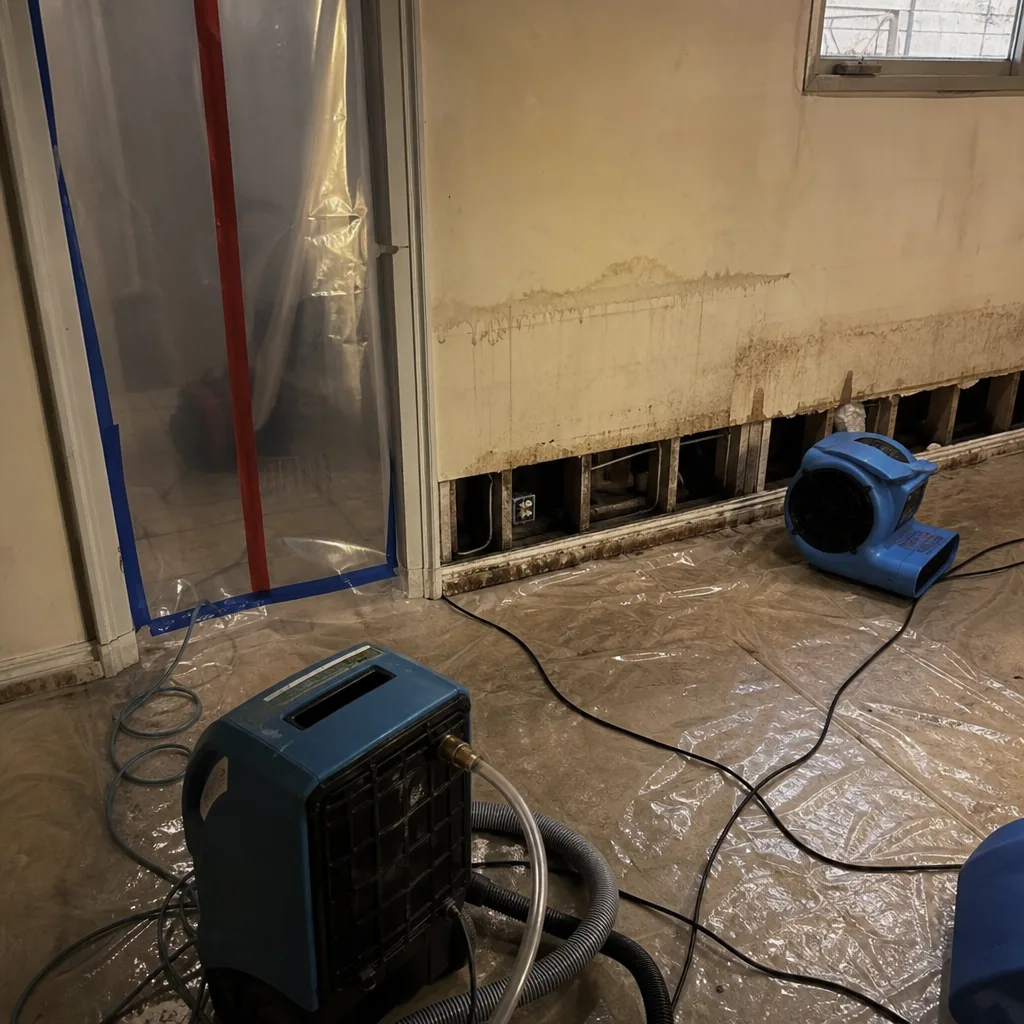 Before
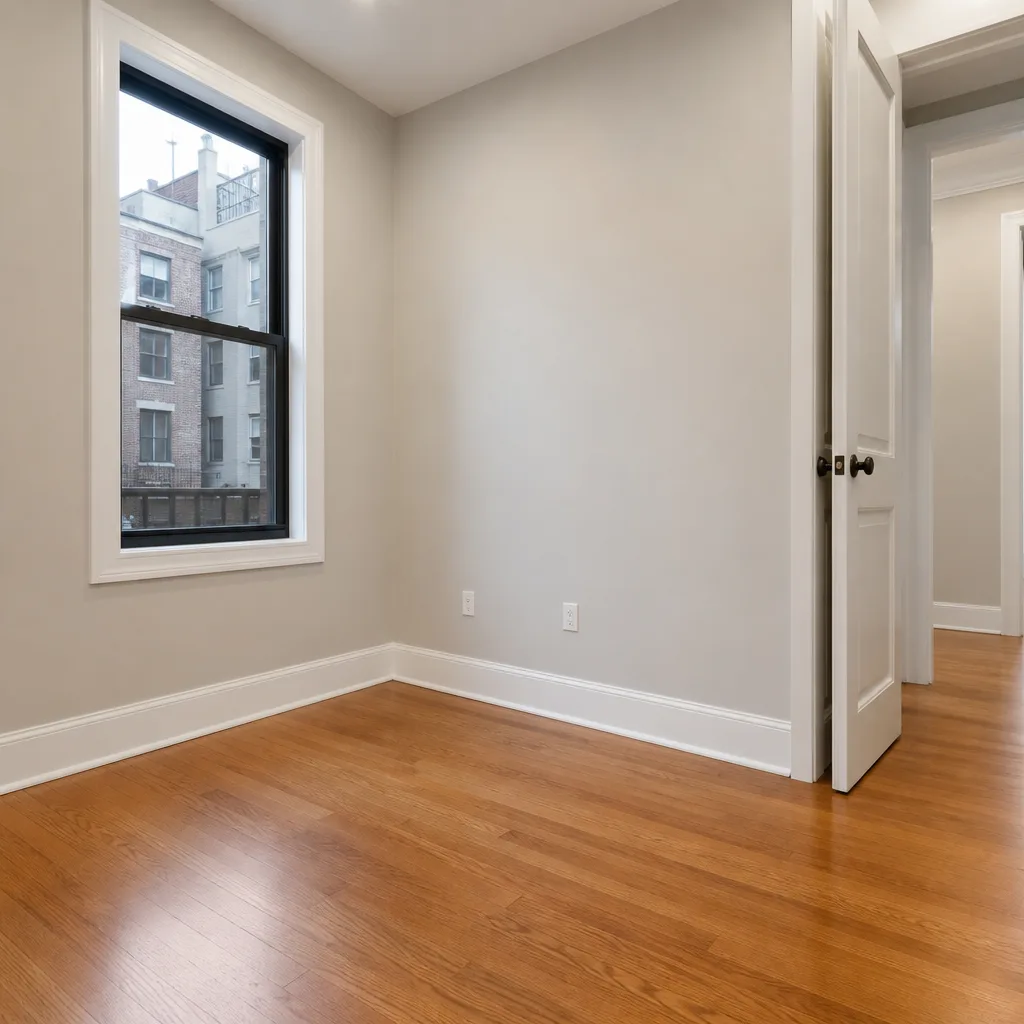 After
AfterFast, Reliable Fire & Smoke Damage Restoration Across Jersey City
Fire damage restoration in Jersey City typically runs $4,200-$18,500 depending on the affected square footage, with smoke and soot remediation adding $1,800-$6,400 for a standard three-family row house. Our crews are dispatched from our New York City office and can be on-site in Jersey City within 60-90 minutes for emergency board-up and stabilization. We know the difference between a kitchen fire in a Hamilton Park brownstone and a basement electrical fire in a Bergen-Lafayette multi-family, and we scope each one differently because the building stock demands it. Call (862) 212-1646 for a written estimate before any work begins.
Why DryMark Restoration Midtown Manhattan Is Jersey City’s Preferred Fire & Smoke Damage Restoration Company
We’ve restored fire-damaged properties in Jersey City since 2011, from the brownstone blocks of Van Vorst Park to the three-family brick buildings off Journal Square. Our Fire & Smoke Damage Restoration team has handled more than 12,000 homes across our service area, and the Jersey City jobs stick in our files because the building stock here is genuinely unlike what we see in Hoboken or Union City.
Jersey City customers rate us 4.8 stars across 340+ verified reviews, with the most common mention being our documentation: the photo record, the written scope, the daily moisture log. Alicia Brennan founded this company after working as a claims adjuster and watching homeowners lose their settlements to incomplete paperwork. That origin is why every Jersey City job gets a written price before work starts, Haven Standard, Clause 1, and a 365-Day Done Right Promise stamped on the contract.
Our live dispatch answers 24 hours a day, 7 days a week. No voicemail trees. When a fire department clears a Jersey City address, we’re already loading the truck.
Our Fire & Smoke Damage Restoration Services in Jersey City
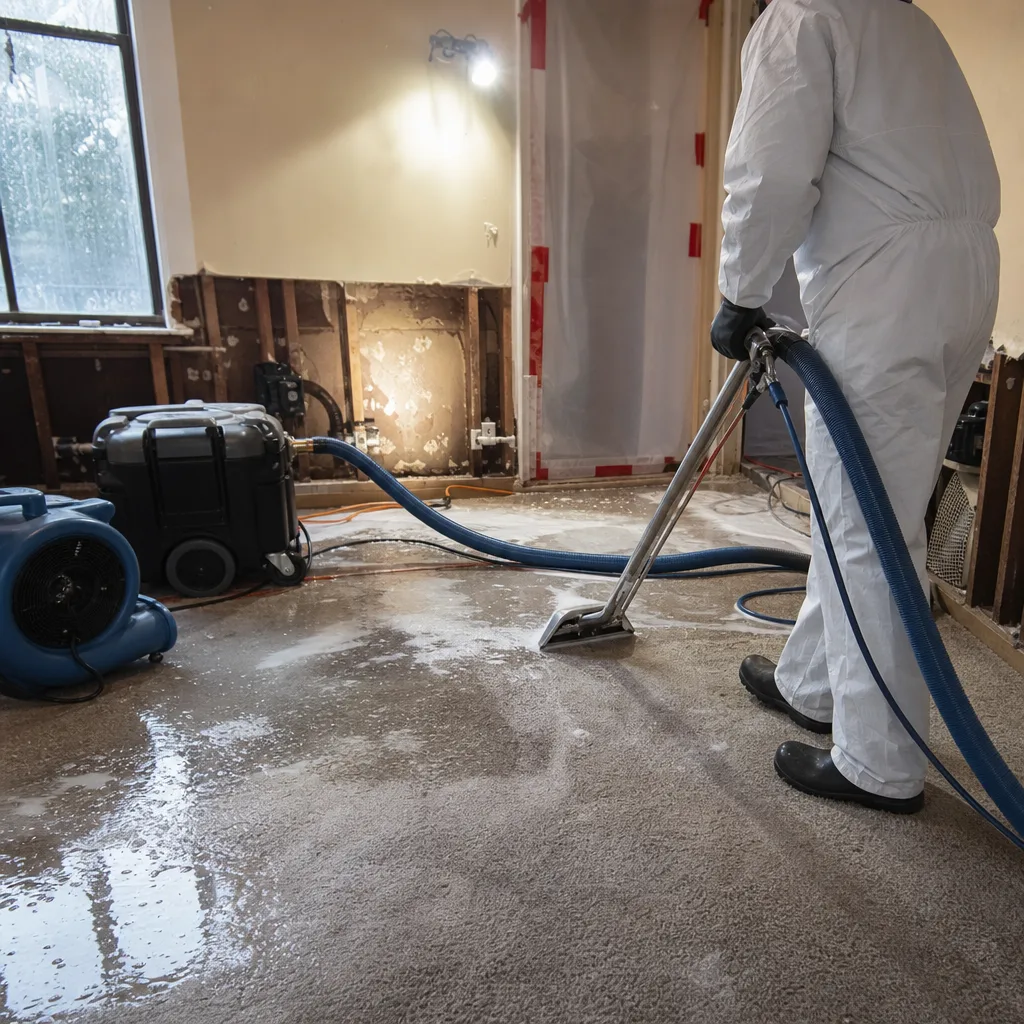
Fire Damage Cleanup
Jersey City’s late-19th and early-20th century housing stock, particularly the brownstone row houses in Hamilton Park and Van Vorst Park and the two- and three-family brick buildings in Bergen-Lafayette, presents specific challenges after a fire. Shared party walls allow heat and smoke to migrate horizontally into adjacent units, while original cast-iron plumbing and galvanized supply lines often fail under thermal stress or suppression water pressure. Our fire damage cleanup begins with a documented assessment of affected square footage, material classification by trade name, and a written scope that distinguishes between salvageable framing and structural members that must be removed. In the Communipaw Avenue corridor and southern Bayfront, we also test for chloride residue from Sandy-era saltwater intrusion in masonry walls, because fire suppression water reactivates that corrosion on steel lintels and rebar long after the original flood.
Smoke & Soot Removal
Smoke damage in Jersey City brownstones and multi-families rarely stays in the room where the fire started. Open stairwells, transom windows, and the gaps around original cast-iron stacks in these older buildings create pathways for soot to travel vertically and horizontally. We use HEPA air scrubbers, contact vacuums, and chemical sponges rated for dry soot, wet soot, and protein residue, documented to IICRC S730 standards. In three-family buildings with unfinished masonry basements, we pay particular attention to the ceiling/floor assembly where smoke can lodge in the joist bays and re-emit odor when humidity rises. Our crews log psychrometric data, vapor pressure differential, and tertiary drying conditions so the documentation supports your insurance claim.
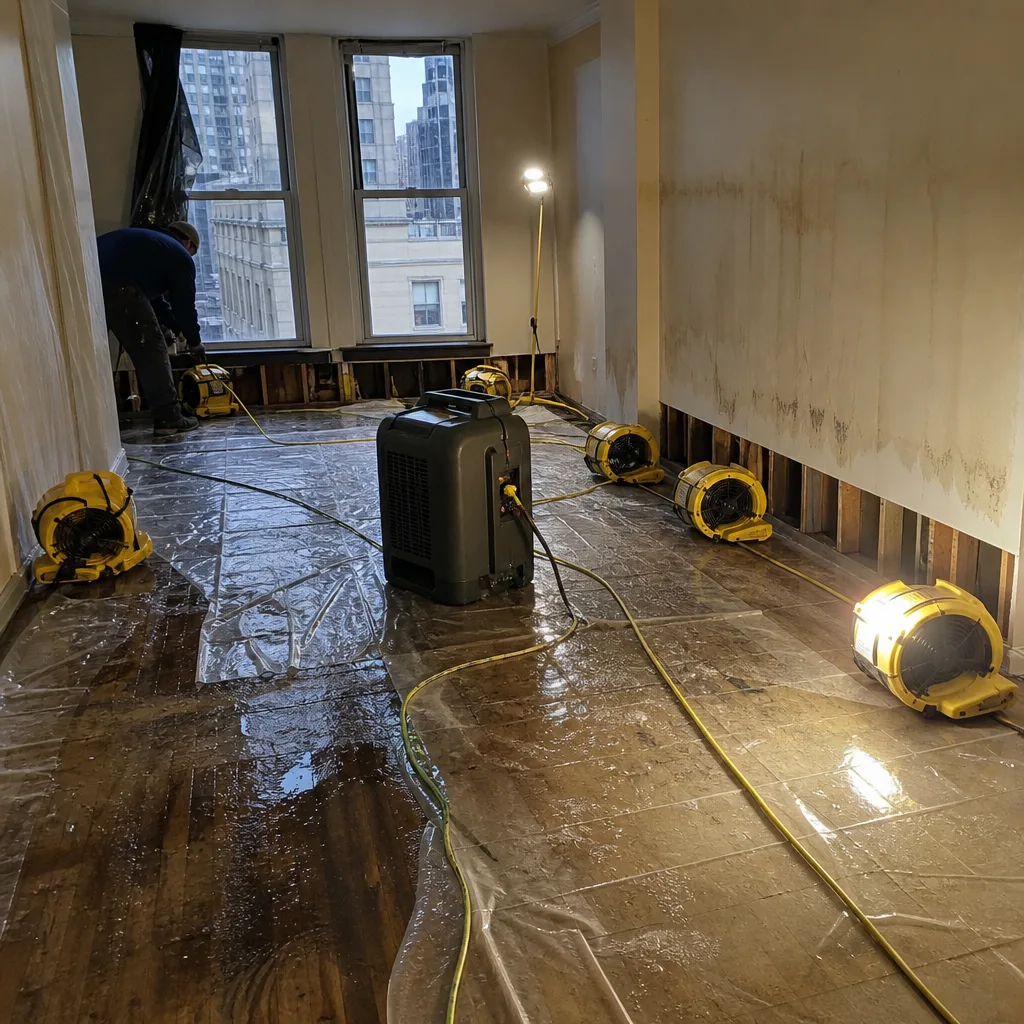
Odor Removal & Deodorization
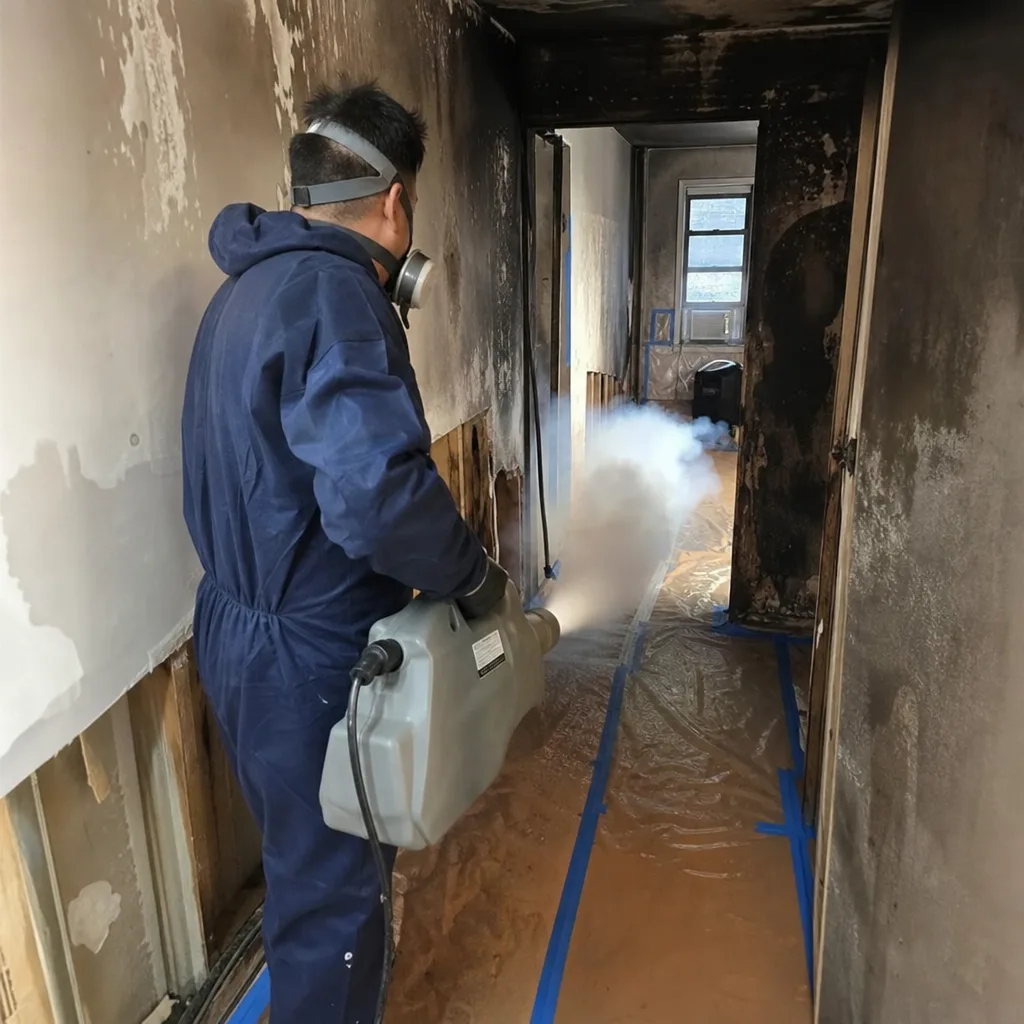
Smoke odor in Jersey City’s older housing doesn’t respond to surface cleaning alone. The porous plaster, horsehair lath, and unsealed brick common in pre-1920s construction throughout Journal Square and Bergen-Lafayette absorbs odor compounds at depth. Our odor removal protocol includes thermal fogging, ozone treatment where appropriate, and hydroxyl generators for occupied spaces, but the critical step in Jersey City is identifying the source: a soot-impregnated joist bay, a charred sill plate, or a smoke-damaged HVAC duct in a shared mechanical system. We don’t mask odor. We find it, document it, and remove it, with photo evidence at each stage.
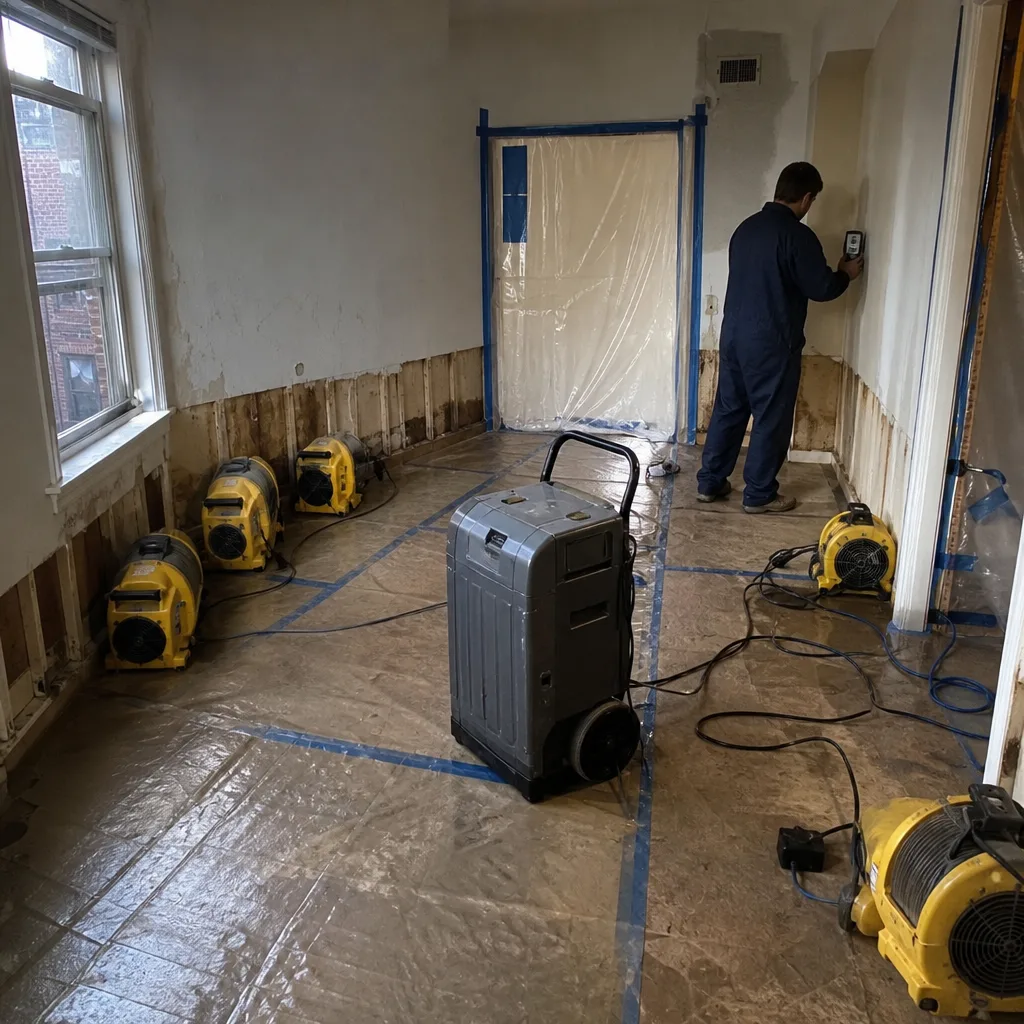
Contents Cleaning & Pack-Out
Jersey City’s dense row-house and multi-family blocks often mean there’s nowhere to stage contents during restoration. Our pack-out service inventories, photographs, and transports salvageable items to our cleaning facility, with a chain-of-custody log that satisfies both insurance adjusters and property owners. For non-salvageable items, we document condition, cause of loss, and replacement value with the same photo record standard. In a three-family building where one unit’s fire has affected two others, this documentation becomes essential to allocating coverage between policies.
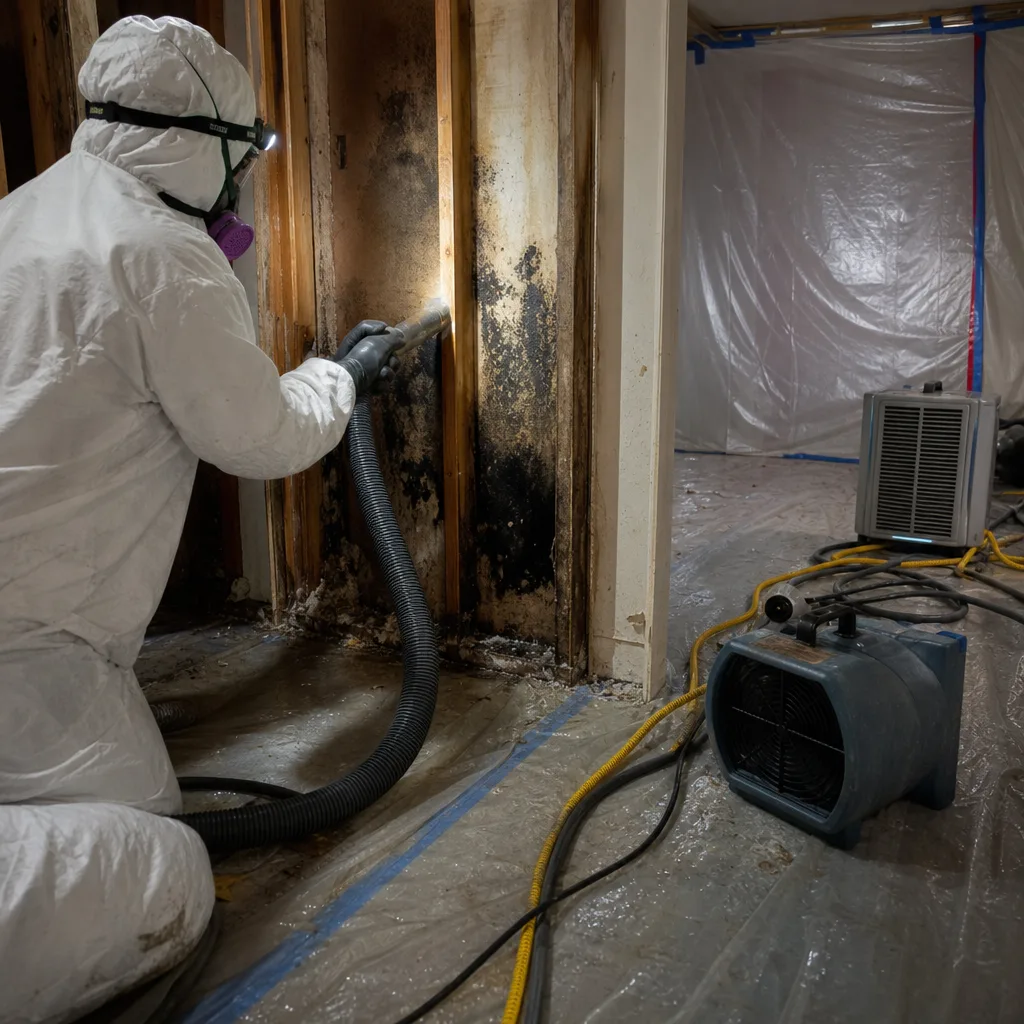
Emergency Board-Up & Tarping
After the fire department ventilates a Jersey City row house, the building is open to weather, theft, and secondary water damage from rain or snow. Our emergency board-up and tarping service secures the structure within hours, with photo documentation of pre-existing conditions and temporary repairs for the insurance file. In hurricane season, this step is particularly critical for Bayfront and Greenville properties already vulnerable to tidal flooding from Newark Bay.
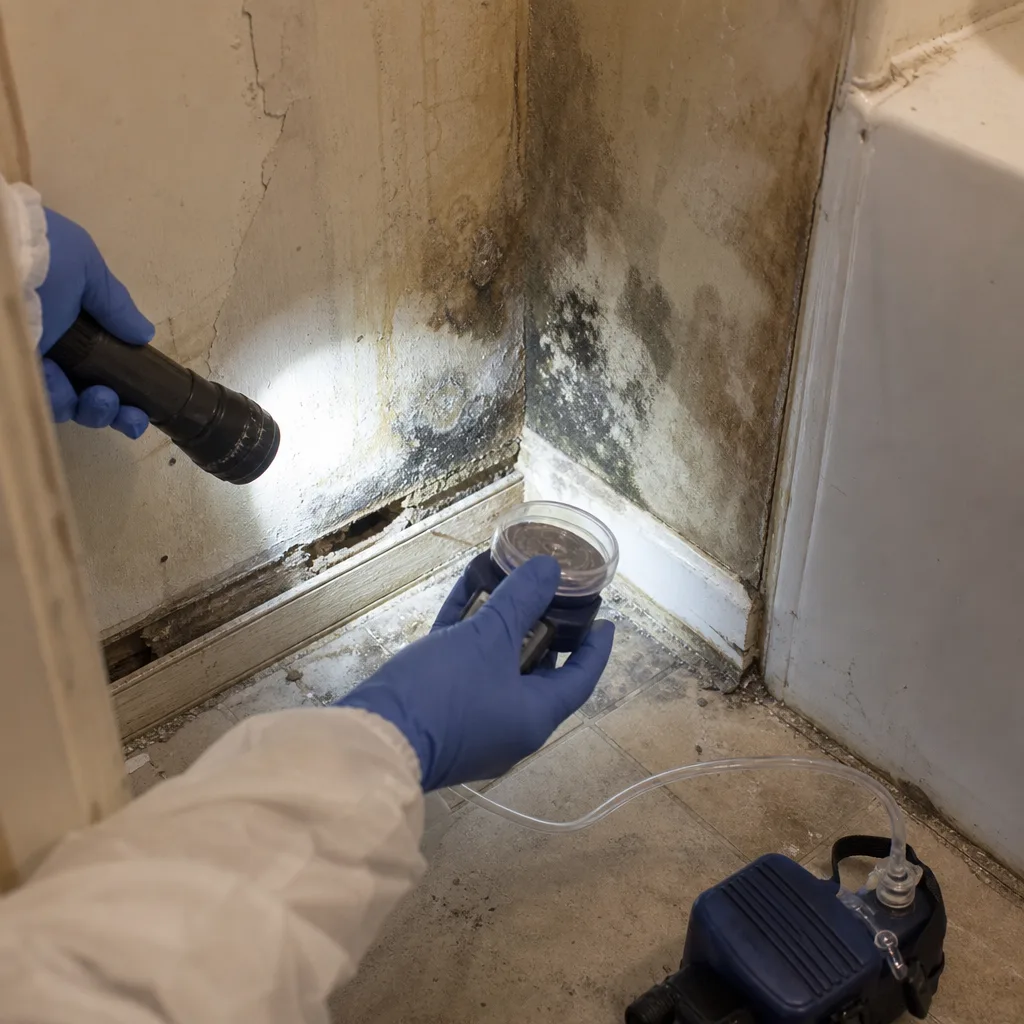
Structural Fire Repair
Structural fire repair in Jersey City must account for the city’s filled-marsh geology, particularly in Greenville and the southern Bayfront. A kitchen fire on the first floor of a Communipaw Avenue row house can introduce suppression water that wicks through masonry party walls into adjacent basements, where the high water table in fill soil prevents natural drying. Our structural repair scopes include drainage-plane thinking: interior French drains, drainage board systems, and vapor barriers where the original construction had none. Without this, foundation walls re-wet seasonally and any mold remediation is temporary. We flag this in writing before work begins, so the owner understands why a standard dry-out is insufficient for this location.
What happens when you call
- 1
A real person answersNo phone trees - you reach a local pro.
- 2
You get an upfront price rangeHonest numbers before anyone is dispatched.
- 3
A background-checked tech heads outLicensed & insured, dispatched right away.
- 4
You approve before work beginsNothing starts until you say go.
BeforeAfterTrusted Brands We Service in Jersey City
Our equipment inventory includes professional-grade drying and air-quality systems from XPOWER, B-Air, and Injectidry, documented to IICRC, RIA, and IFA standards. For Jersey City customers, this means we don’t wait for equipment to ship from a warehouse; our New York City office stocks the HEPA air scrubbers, injectidry cavity drying systems, and large-loss dehumidifiers that dense multi-family fires require. When a three-family brick building in Bergen-Lafayette needs six air movers and two LGR dehumidifiers running simultaneously, we have them on the truck.
Common Fire & Smoke Damage Restoration Problems We See in Jersey City Homes
- Suppression water migrating through shared party walls into adjacent basements. In Jersey City’s attached row houses and multi-families, the masonry party wall is rarely sealed at the basement level. Water from a second-floor fire can travel horizontally and appear weeks later in a neighbor’s unfinished basement, already Category 3 from contact with soil and sewage.
- Chloride residue from Sandy-era saltwater reactivated by fire suppression. Greenville and Bayfront masonry walls that absorbed saltwater in 2012 still carry chloride ions in the pore structure. Fresh water from a fire hose or suppression line dissolves and transports that chloride to steel lintels and rebar, accelerating corrosion that standard drying protocols miss.
- Smoke odor returning in unsealed plaster and lath ceilings. The original plaster and horsehair lath in Hamilton Park and Van Vorst Park brownstones is highly porous. Surface cleaning removes visible soot, but odor compounds remain in the matrix and re-emerge when seasonal humidity rises or HVAC systems cycle.
- Foundation walls re-wicking moisture after an incomplete dry-out. In the Communipaw Avenue corridor and southern Bayfront, the filled-land water table sits at or near basement slab level. A restoration scoped only as dry-out, without drainage board or interior French drain, will see mold return within two seasons as walls wick moisture from the soil.
Pricing for Fire & Smoke Damage Restoration in Jersey City, NJ
Fire damage restoration pricing in Jersey City reflects the density, age, and shared-wall construction of the local housing stock. Emergency board-up and stabilization for a typical row house or multi-family unit runs $1,200-$3,800. Smoke and soot removal for a single affected floor in a three-family building ranges $1,800-$6,400. Structural fire repair, including charred framing replacement and masonry stabilization, typically falls between $4,200-$18,500 depending on affected square footage and whether drainage-plane work is required. Contents cleaning and pack-out adds $800-$2,400 per unit.
These ranges shift based on four factors: the category of water involved (Category 1 suppression water vs. Category 3 migration through soil-contact areas), the presence of Sandy-era chloride residue requiring specialized cleaning, the need for drainage-system installation in below-grade spaces, and whether shared-party-wall coordination with adjacent owners is required. We deliver a written price before work begins, Haven Standard, Clause 1, with no scope-creep additions once the crew is inside. Free estimates. Free Second Opinion on any competitor’s written estimate.
We Also Serve Cities Near Jersey City
Our crews respond daily from the New York City office to properties in Jersey City, Hoboken, and Union City. Each city’s building stock and geology demands a different scoping approach, and our documentation standards apply across all three. If your property is in Hoboken or Union City, the same written-price guarantee and 365-Day Done Right Promise apply.
Serving Jersey City, NJ - Our Local Coverage Area
We’re based in the Jersey City area and know this community well. Use the map below to see our service coverage - if you’re nearby, we can almost certainly help.
FAQs - Fire & Smoke Damage Restoration in Jersey City
The masonry party wall in your building and the adjacent unit is likely unsealed at the basement level, allowing suppression water to migrate horizontally through the wall into their unfinished basement. In the Communipaw corridor, the filled-land water table is high enough that this water can’t drain naturally, and the masonry keeps wicking moisture from the soil. We classify this as Category 3 water once it crosses into another unit’s basement and recommend removal rather than in-place drying. Call (862) 212-1646 for a written assessment of the full migration path.
We base the decision on three documented factors: moisture content readings below 16% on wood framing, the absence of charring or structural compromise, and the category of water exposure. In Jersey City’s older multi-families, we often find that plaster and lath ceilings can be dried and sealed if caught quickly, while pressboard subfloors and compromised sill plates must be removed. The written scope specifies each decision with photo evidence. Call (862) 212-1646 for a free estimate with itemized tear-out versus dry-in-place recommendations.
Yes, if the cleaning protocol didn’t address the porous plaster, horsehair lath, or unsealed joist bays common in pre-1920s Jersey City construction. Surface cleaning removes visible soot, but odor compounds absorb into these materials and re-emerge when humidity rises. Our protocol includes vapor pressure differential testing to locate hidden reservoirs, followed by thermal fogging or hydroxyl treatment as appropriate. The 365-Day Done Right Promise covers odor recurrence. Call (862) 212-1646 if you’re dealing with returning smoke smell.
Masonry walls in Greenville and Bayfront that absorbed saltwater during Hurricane Sandy still contain chloride ions in their pore structure. When fire suppression water enters these walls, it dissolves and transports chloride to embedded steel lintels and rebar, accelerating corrosion that continues after the surface reads dry. Standard fire restoration doesn’t test for this, so the corrosion progresses until structural cracking appears. We test for chloride content in affected masonry and specify remediation if levels exceed thresholds. Call (862) 212-1646 for a scope that includes this assessment.
Yes, and we recommend it for most Jersey City multi-family fires because there’s rarely on-site storage space in dense row-house blocks. Our pack-out includes photo inventory, condition documentation, and chain-of-custody logging for insurance purposes. Salvageable items are cleaned at our facility; non-salvageable items are documented for replacement value with the same photo standard. The service is itemized in the written scope with no hidden additions. Call (862) 212-1646 to arrange pack-out and contents assessment.
Written by Alicia Brennan, Owner at DryMark Restoration Midtown Manhattan, serving Jersey City since 2011.