
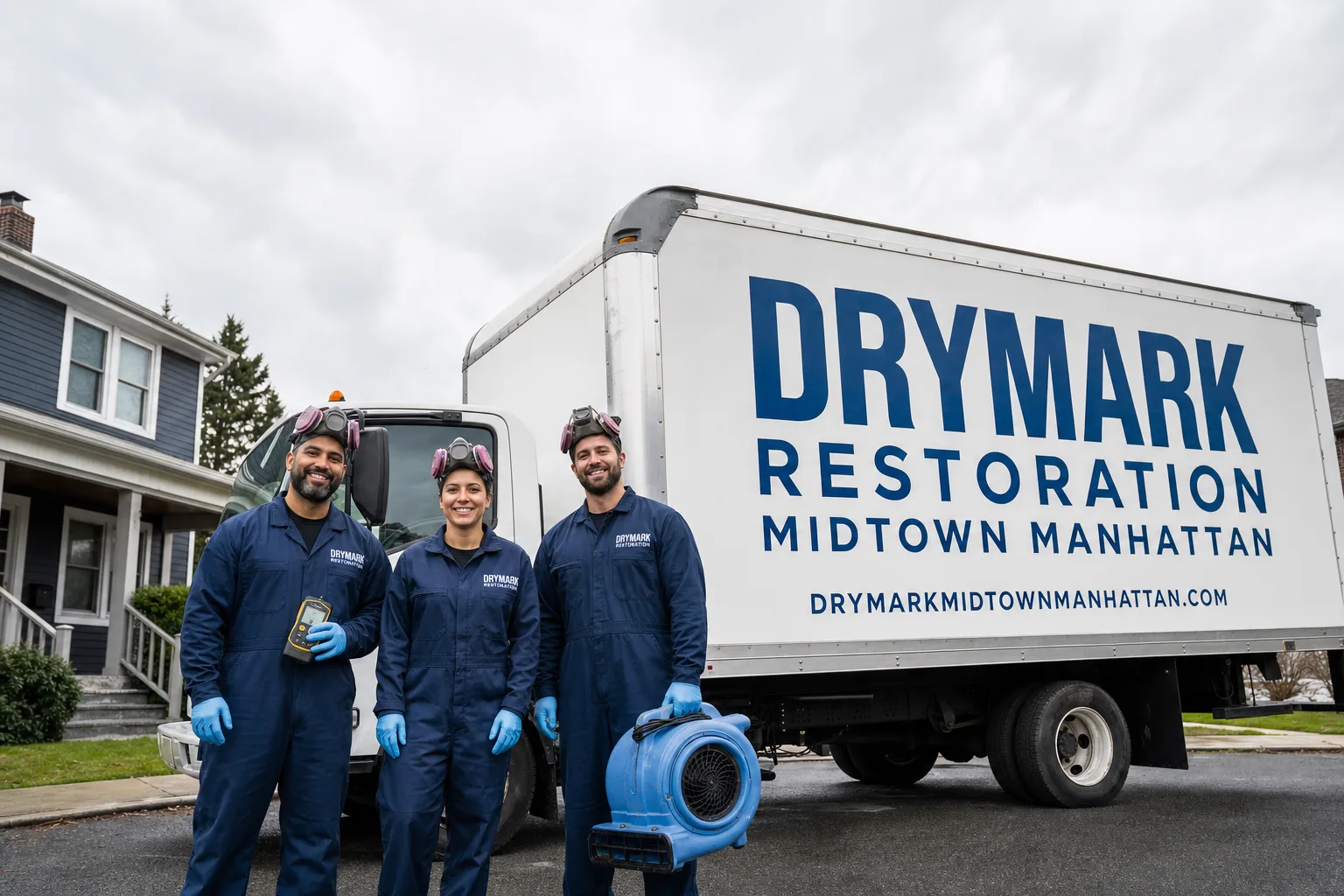
Free visual inspection and a written scope of work before any mitigation begins - photos, moisture readings, and drying logs go in your claim file
The scope we write is the scope we bill. Anything new gets shown to you, in writing, before we touch it.
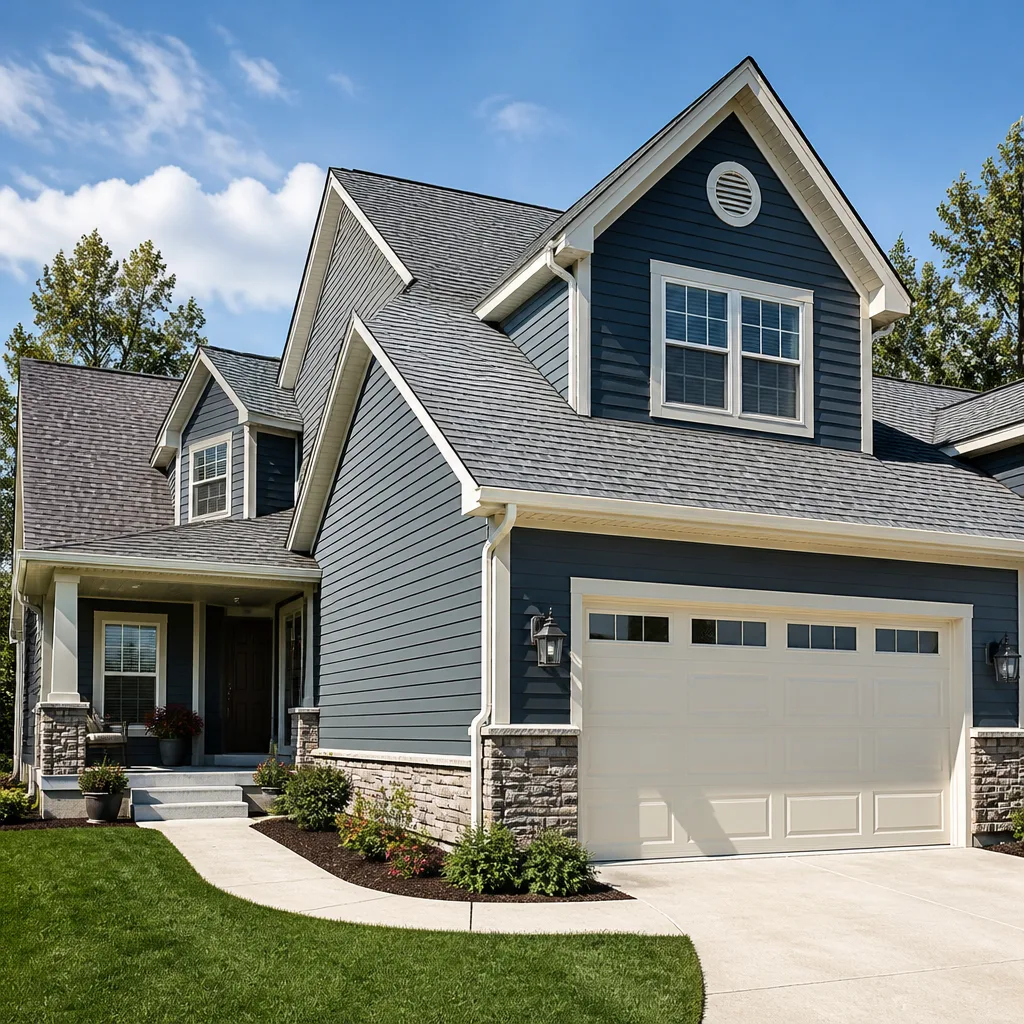
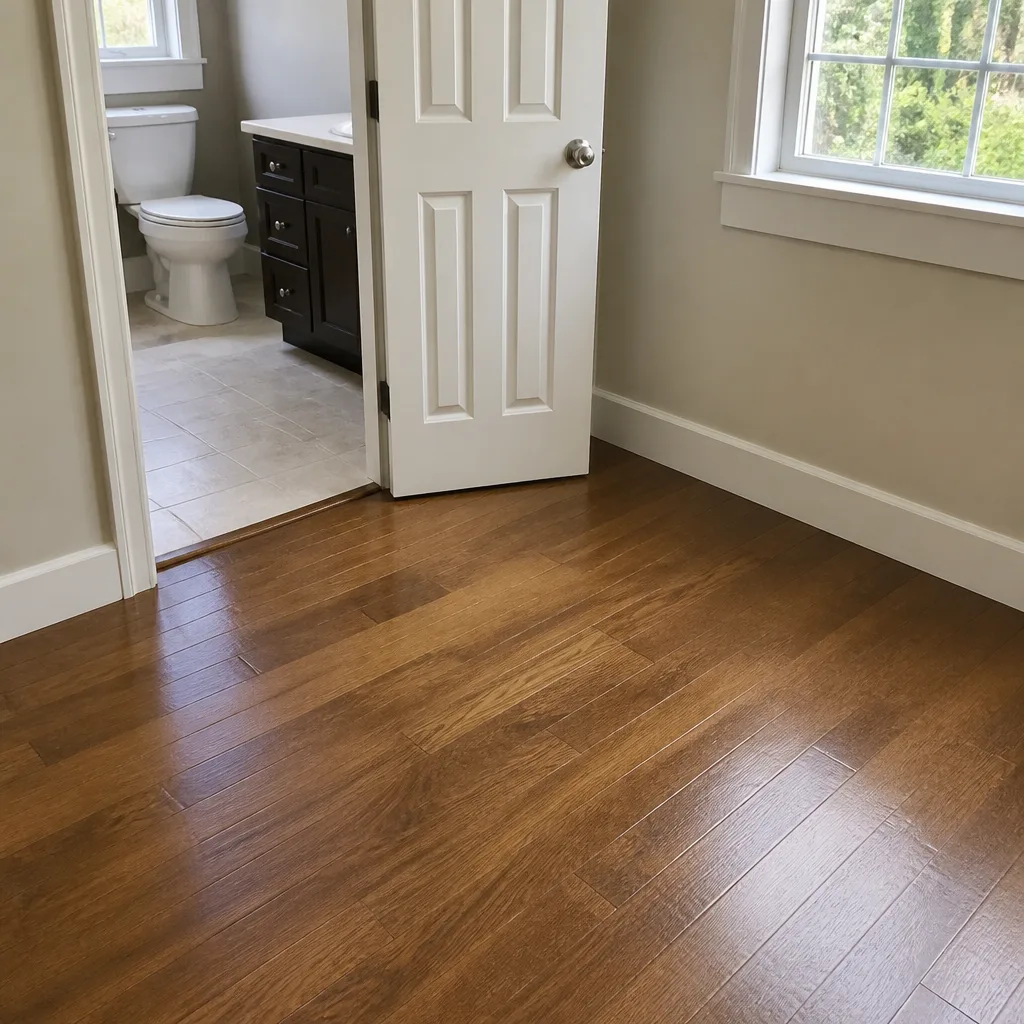
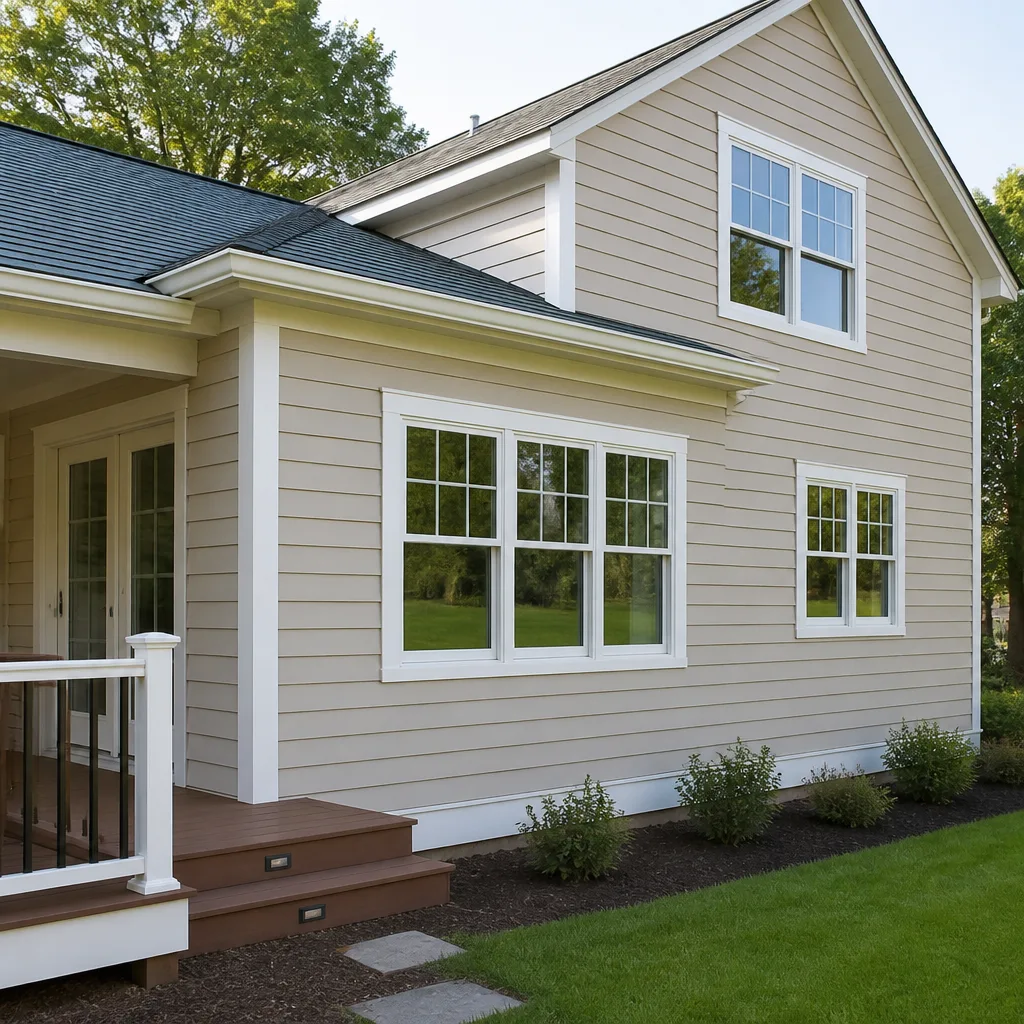
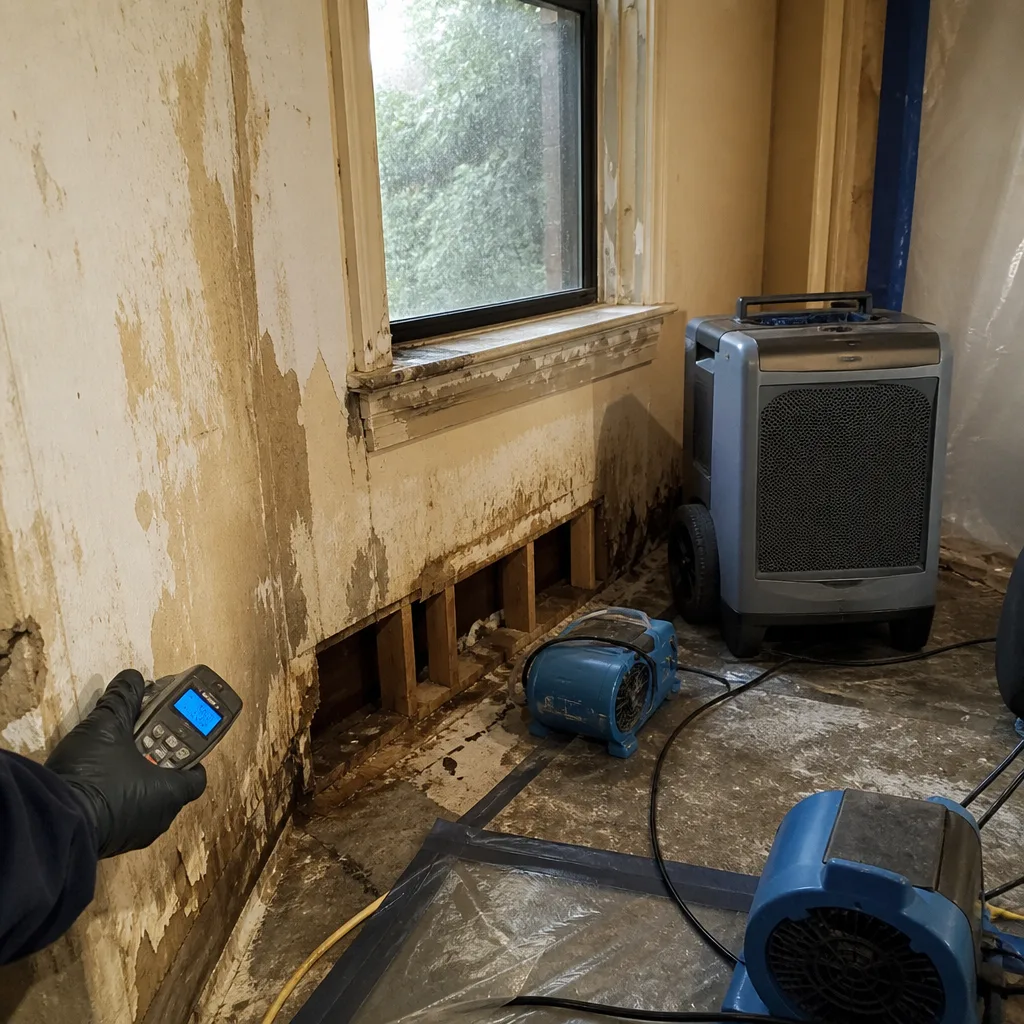 Before
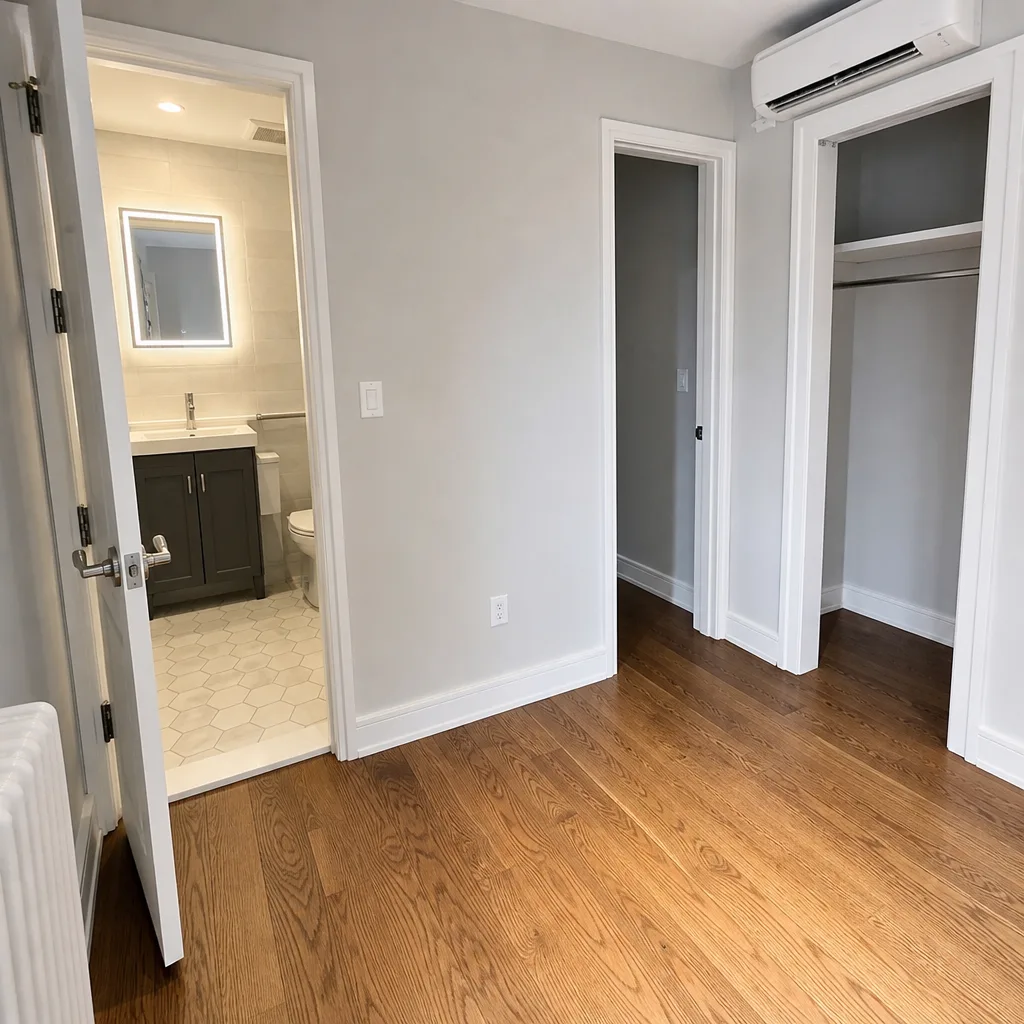 After
After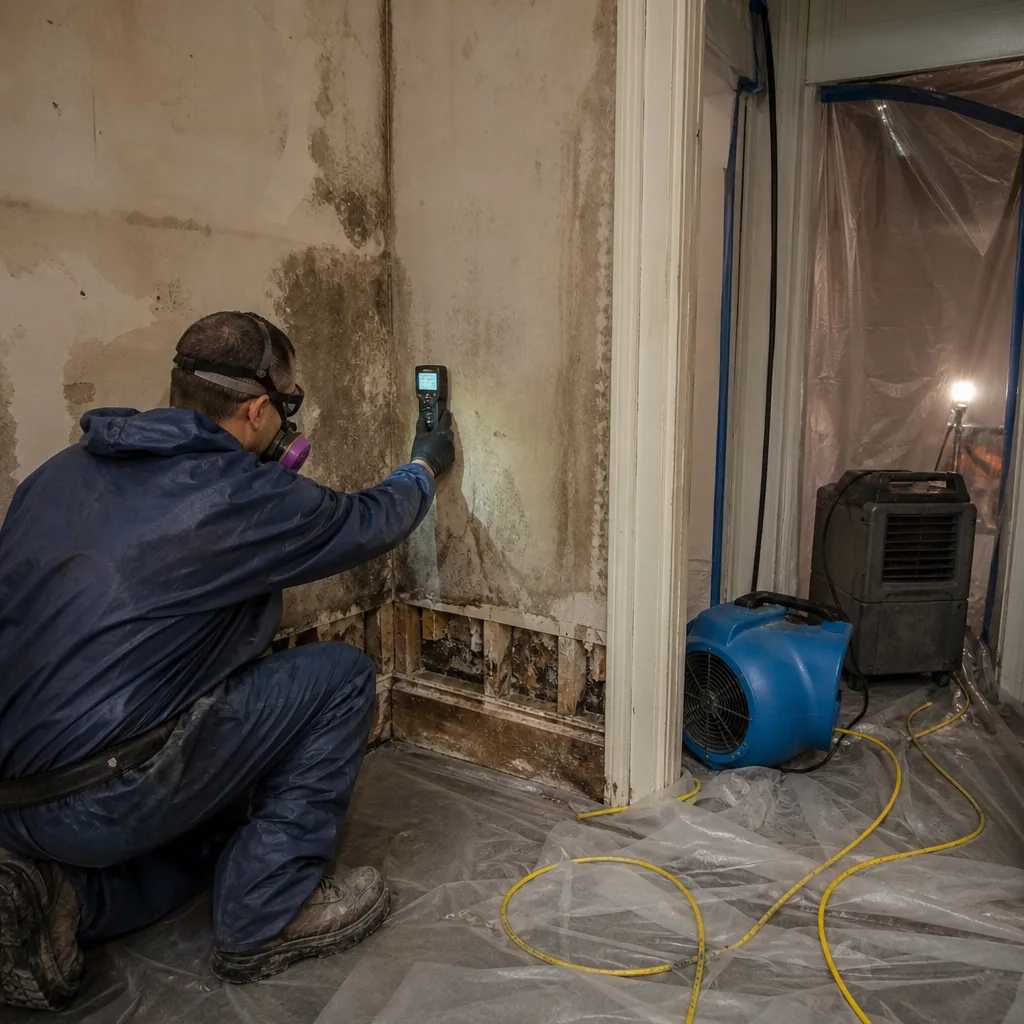 Before
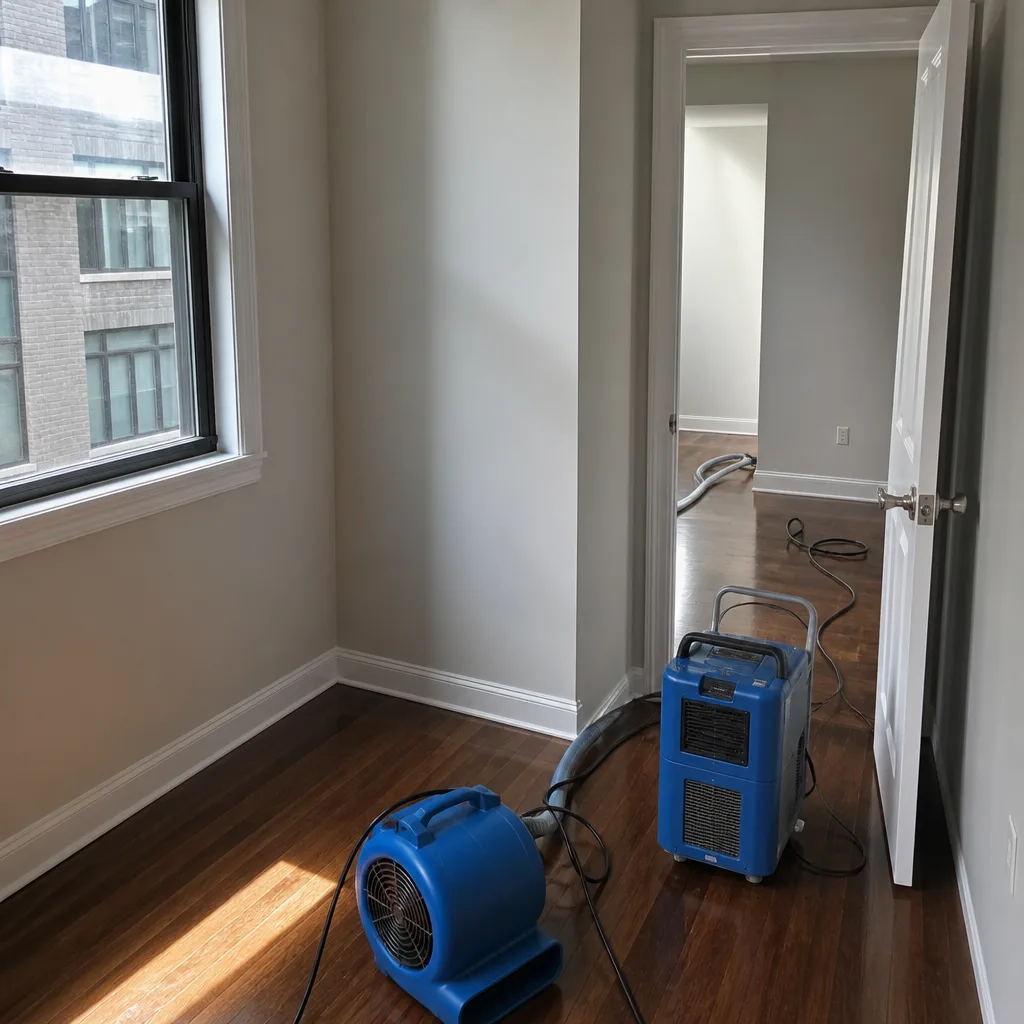 After
After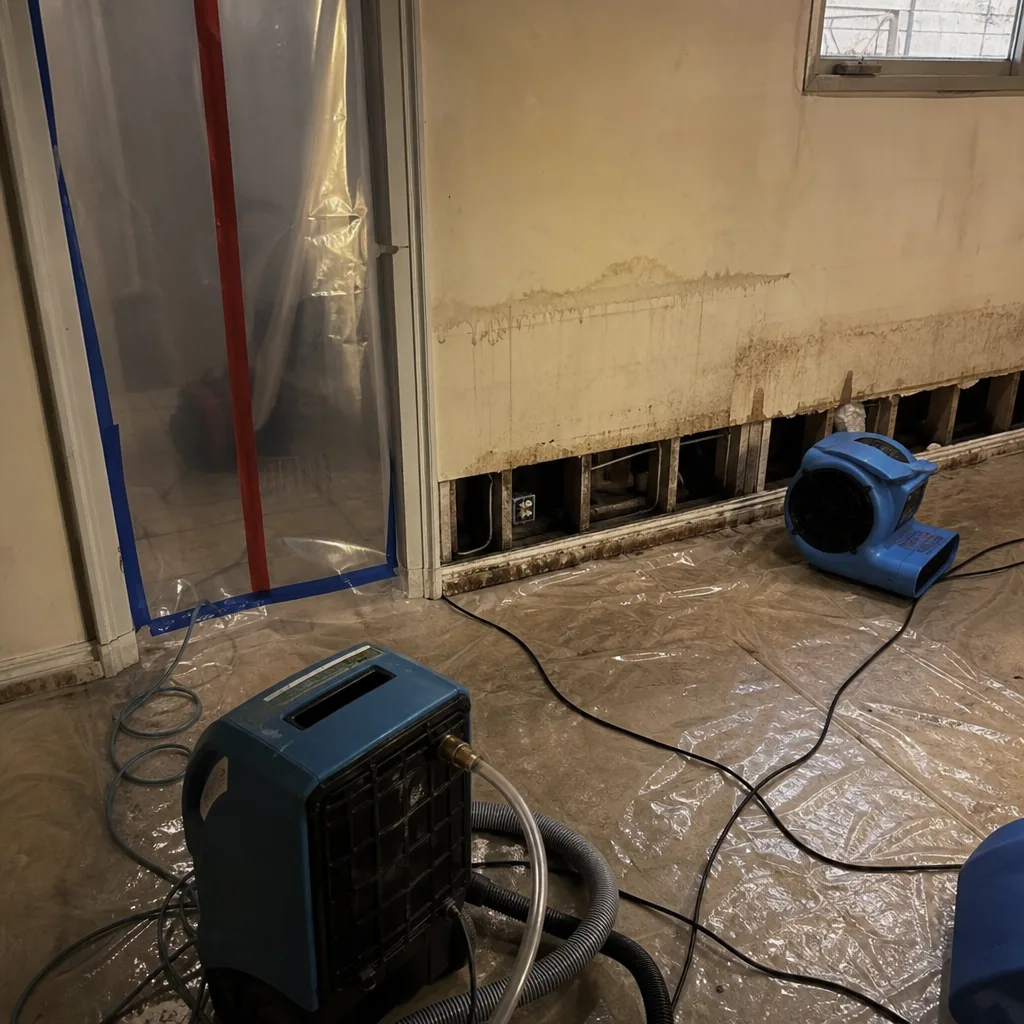 Before
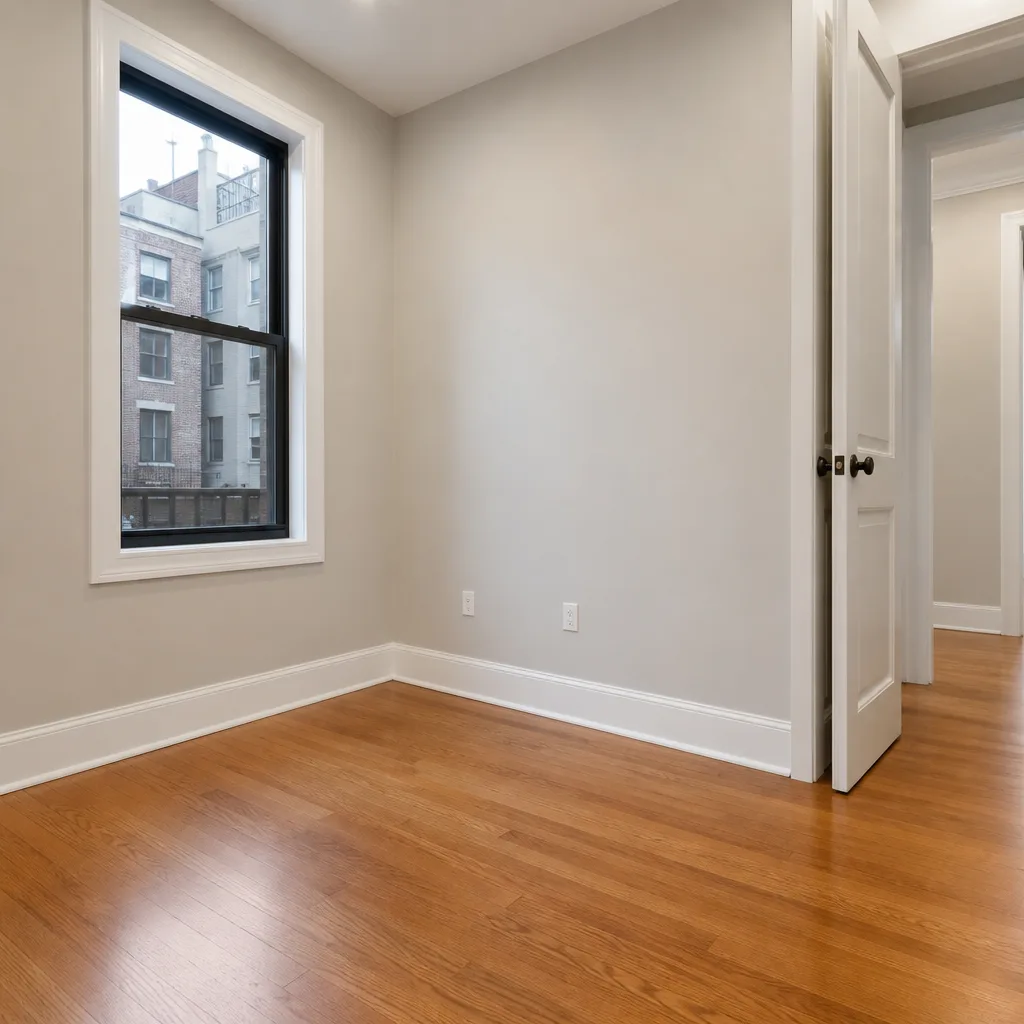 After
AfterFast, Reliable Fire & Smoke Damage Restoration Across Long Island City
Fire and smoke damage restoration in Long Island City typically costs $3,200-$8,500 for a residential unit, with emergency board-up and stabilization starting at $1,400-$2,800. Most projects in the Court Square and Hunters Point South corridors require same-day response because smoke migration through curtain-wall expansion joints spreads residue laterally within hours. Call (862) 212-1646 and a live person will answer, 24 hours a day, 7 days a week. Our crews dispatch from our New York City office and carry wind-rated door hardware, negative air machines, and thermal imaging equipment sized for Long Island City’s dense high-rise environment.
We’ve restored fire-damaged properties in Long Island City since 2011, and the neighborhood’s building stock demands a specific skill set. The converted industrial lofts along Jackson Avenue still contain original asbestos pipe insulation that halts work until abatement is documented. The post-2010 glass towers facing the East River are engineered for wind-load deflection, which means a fire-compromised balcony door or failed expansion joint doesn’t just let smoke out - it lets wind-driven smoke travel laterally along slab edges, surfacing as odor and soot damage in units far from the origin. Generic fire restoration crews miss this pattern. We trace it with thermal imaging before writing any scope.
Why DryMark Restoration Midtown Manhattan Is Long Island City’s Preferred Fire & Smoke Damage Restoration Company
Our reputation in Long Island City is built on documentation that survives adjuster review. Every job starts with a written price before any work begins - Haven Standard, Clause 1 - and every visit produces a photo record, a moisture log, and a signed drying report. We’ve completed 12,000+ restorations since 2011, each with that same paper trail.
Long Island City customers have left us detailed reviews citing our response to the specific challenges of high-rise smoke migration. They mention technicians who arrived with thermal imagers already calibrated, who found soot two floors below the fire unit, and who produced written scopes that their insurers paid without dispute. We don’t ask you to trust us because we’ve been around a long time. We ask you to trust the documentation we generate on your job.
Response time to Long Island City averages 45-90 minutes for emergency board-up, depending on traffic patterns through the Queensboro Bridge and Long Island Expressway corridors. Our dispatchers know which buildings require pre-registered contractor insurance certificates, which management offices mandate after-hours logbook signatures, and where loading dock access is restricted during peak hours. That local coordination saves time when smoke is still moving through your building’s envelope.
We also offer a Free Second Opinion on any competitor’s written estimate. Bring another restoration company’s scope to us and we’ll review it at no charge. Often we find missing line items - omitted thermal imaging, no wind-rated door hardware specification, or a deodorization plan that doesn’t address lateral smoke migration through curtain-wall joints.
Our Fire & Smoke Damage Restoration Services in Long Island City
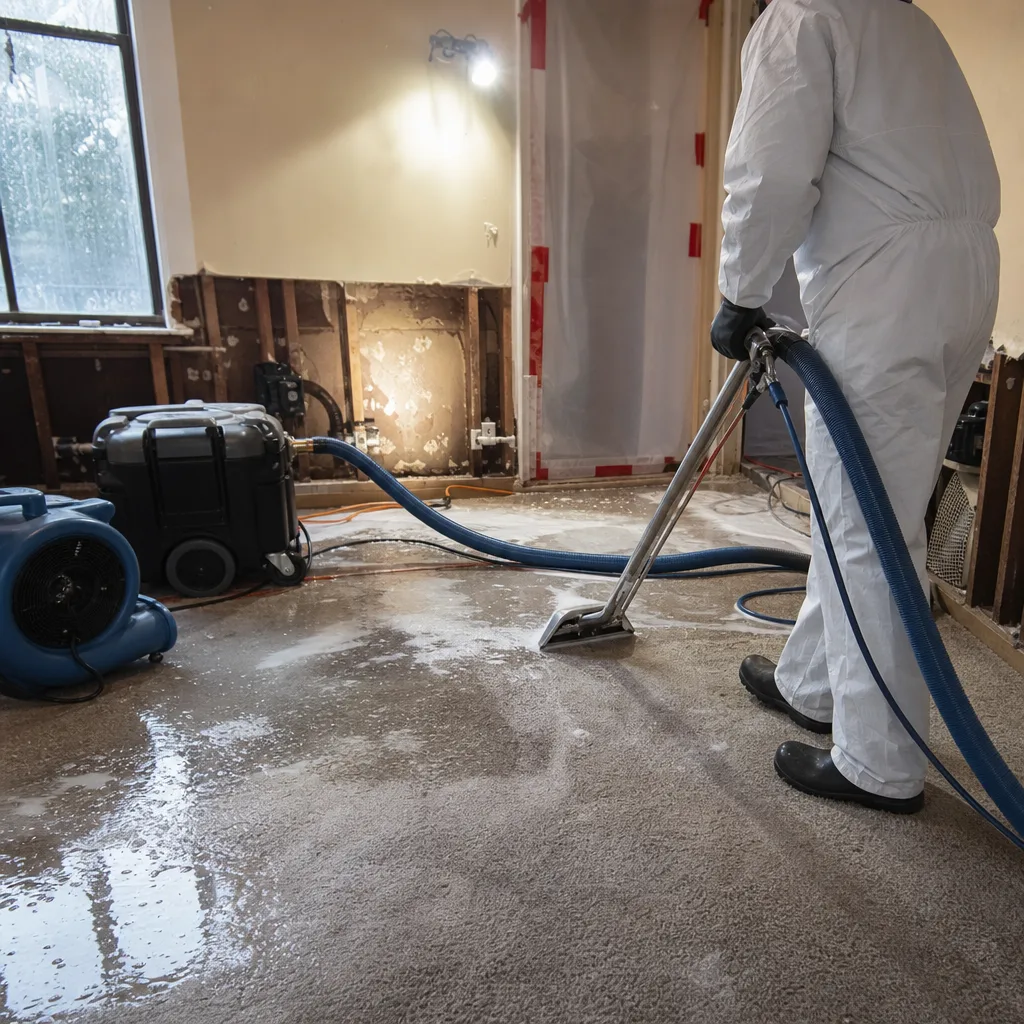
Emergency Board-Up & Tarping
After a fire in Long Island City, the building envelope is your first priority. In FEMA Flood Zone AE, a compromised balcony door or failed expansion joint doesn’t just admit smoke - it admits storm surge and wind-driven rain. Our board-up crews carry wind-rated door hardware that maintains your building’s wind-load certification, and we document pre-loss gasket and seal condition before installing any temporary barrier. Skip this step and you risk a combined fire-and-water loss with mold colonization within 24 to 48 hours. Every board-up in Long Island City includes a photo record and a written scope before work starts.
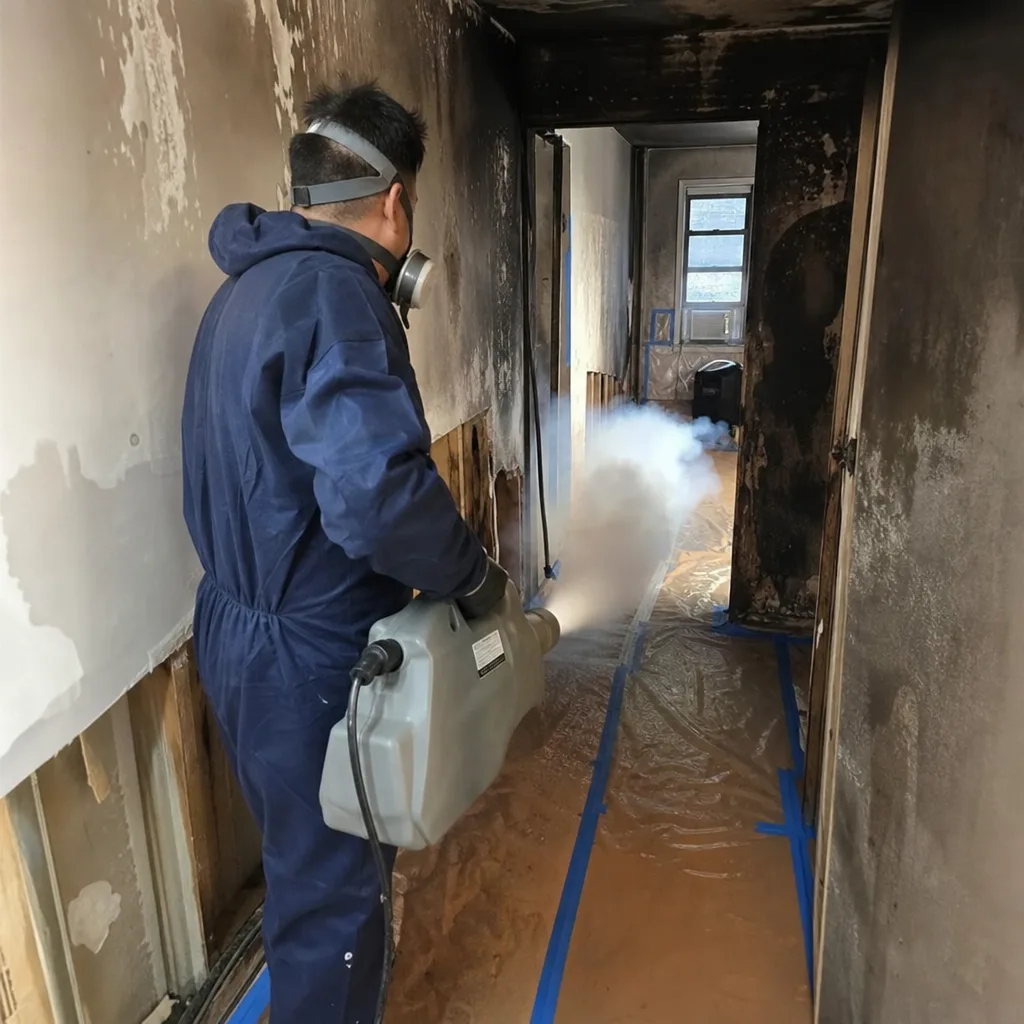
Smoke & Soot Removal
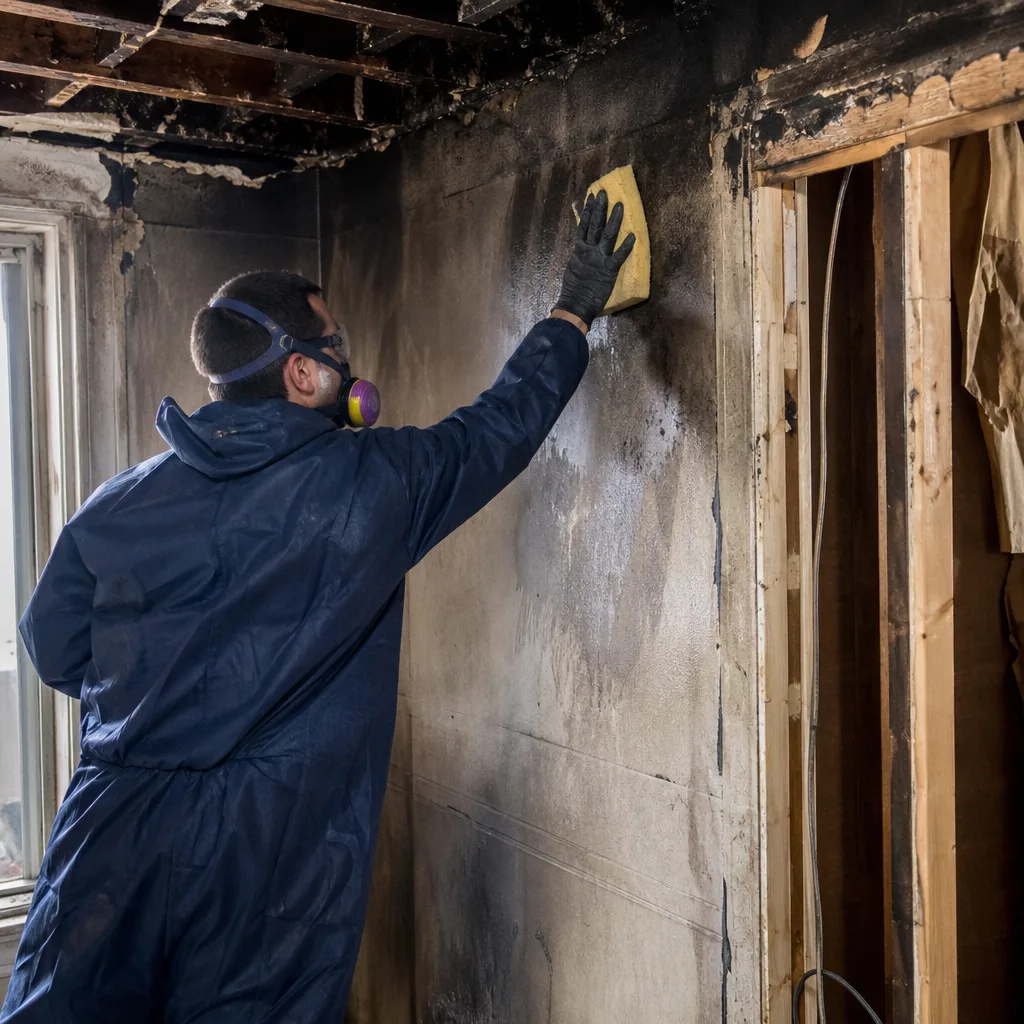
Smoke damage in Long Island City’s curtain-wall towers rarely stays where it started. We responded to a kitchen fire on the 28th floor of a glass-curtain-wall tower near Court Square where the resident had propped open the balcony door during cooking. Smoke traveled laterally through the expansion joint at the slab edge, depositing soot on the 26th-floor ceiling and setting off odor complaints three units away. Our tech used moisture mapping and thermal imaging to trace the migration path, set up containment with negative air machines around the origin unit, and performed smoke & soot removal on all affected floors - while reinforcing the balcony door frame with wind-rated hardware to meet the building’s post-incident envelope requirement. That is standard practice for us, not an exception.
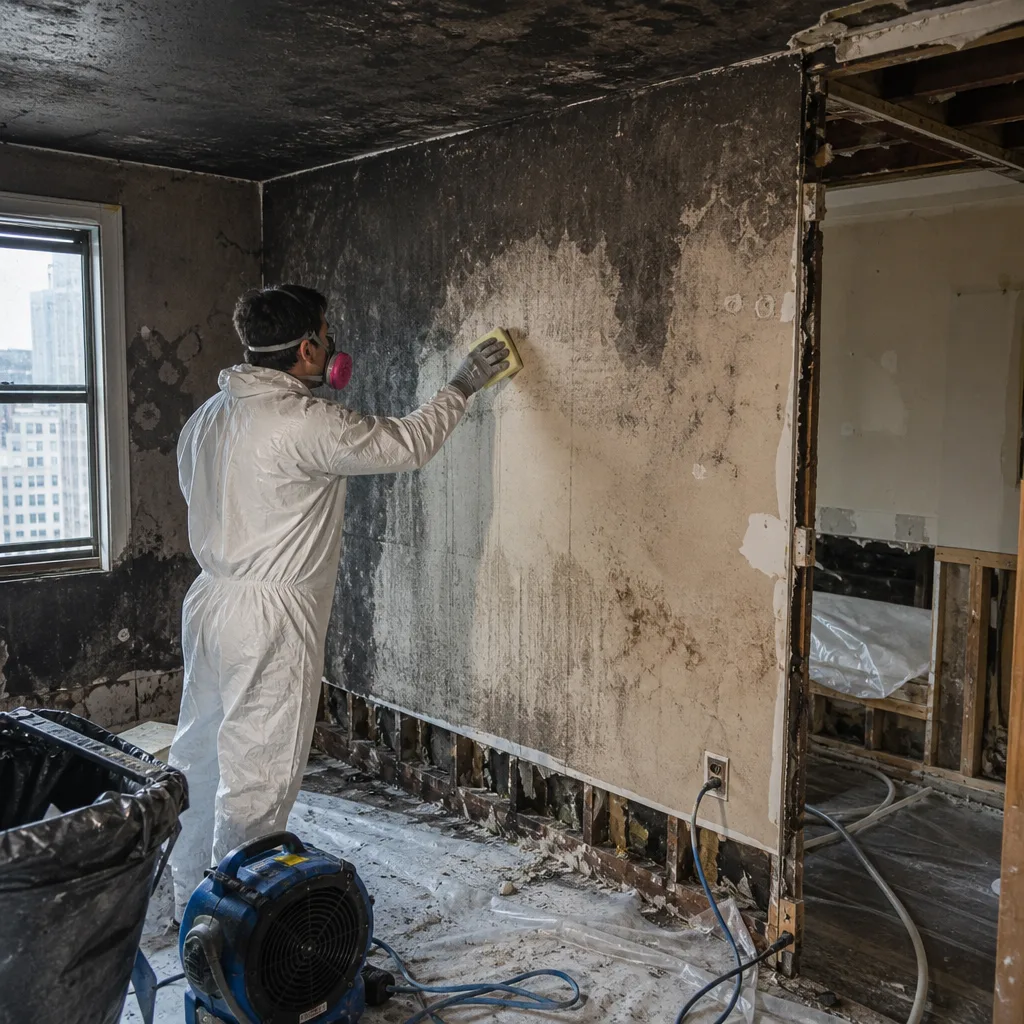
Odor Removal & Deodorization
Masking agents fail in Long Island City’s sealed high-rise environment, where windows are fixed for wind-load and HVAC recirculation spreads residue building-wide. Our odor removal protocol targets source elimination: thermal-fogging with odor-counteractant polymers that bond at the molecular level, ozone treatment for unoccupied spaces, and hydroxyl generators for occupied units. In converted Jackson Avenue lofts, we coordinate with certified asbestos abatement contractors before any structural deodorization begins - original pipe insulation in those buildings mandates containment and air monitoring that we document to NYCDEP and IICRC standards.
Contents Cleaning & Pack-Out
Fire-damaged contents in Long Island City high-rises face a secondary threat: the same curtain-wall breach that admitted smoke may admit water from sprinkler activation or subsequent storm exposure. Our pack-out teams inventory, photograph, and transport salvageable items to a climate-controlled facility while documenting chain of custody for insurance. Non-salvageable items are listed with replacement valuation, never discarded without written homeowner authorization. In dense tower buildings with restricted freight elevator access, we coordinate with building management for off-peak scheduling and loading dock reservations.
What happens when you call
- 1
A real person answersNo phone trees - you reach a local pro.
- 2
You get an upfront price rangeHonest numbers before anyone is dispatched.
- 3
A background-checked tech heads outLicensed & insured, dispatched right away.
- 4
You approve before work beginsNothing starts until you say go.
BeforeAfterTrusted Brands We Service in Long Island City
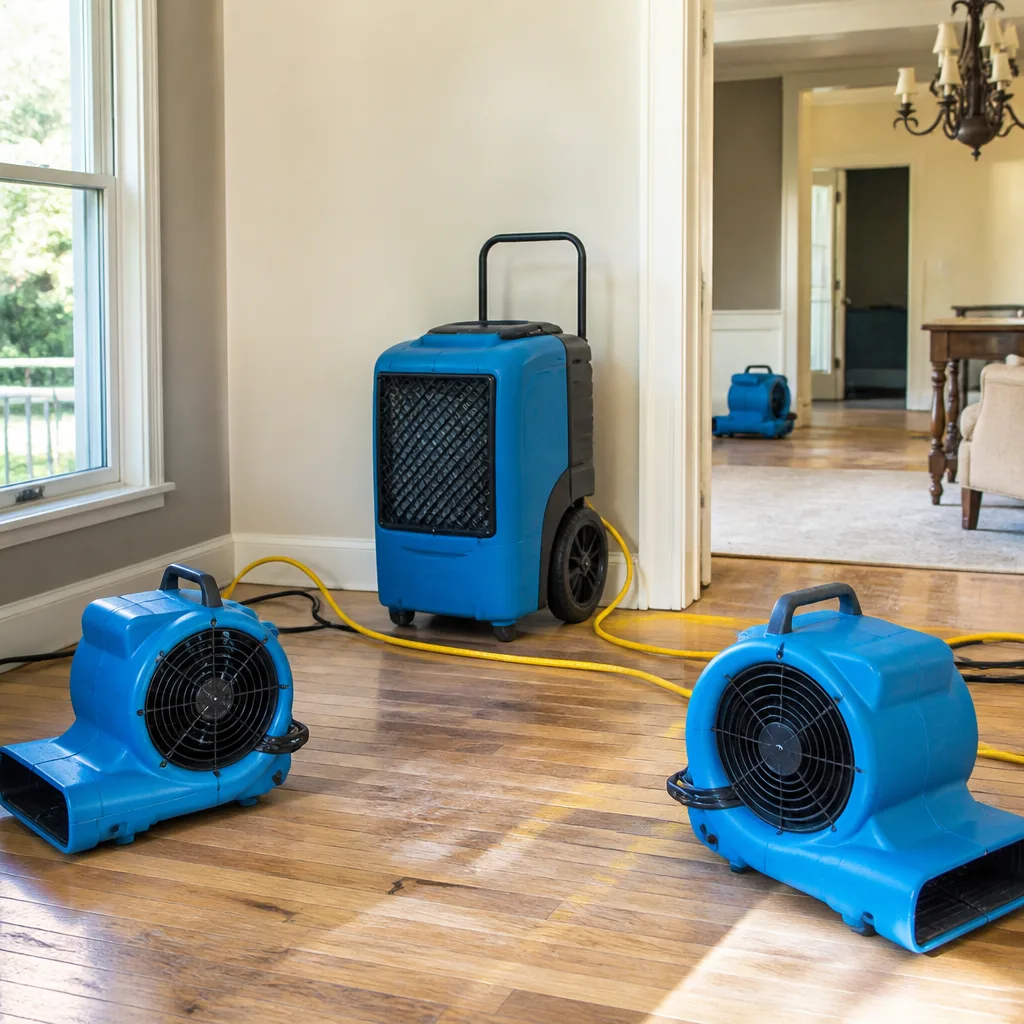
Our equipment inventory includes professional-grade drying and air-scrubbing systems from Phoenix, XPOWER, and B-Air - brands specified by major Long Island City building engineers for compatibility with tower HVAC systems and noise restrictions. We stock HEPA-filtered negative air machines rated for high-rise duct static pressure, and we carry wind-rated door hardware that meets the envelope specifications common to Queens Plaza and Court Square towers. Parts and replacement filters are warehoused locally, so a failed blower or saturated HEPA cartridge doesn’t delay your project while we wait for shipping.
Common Fire & Smoke Damage Restoration Problems We See in Long Island City Homes
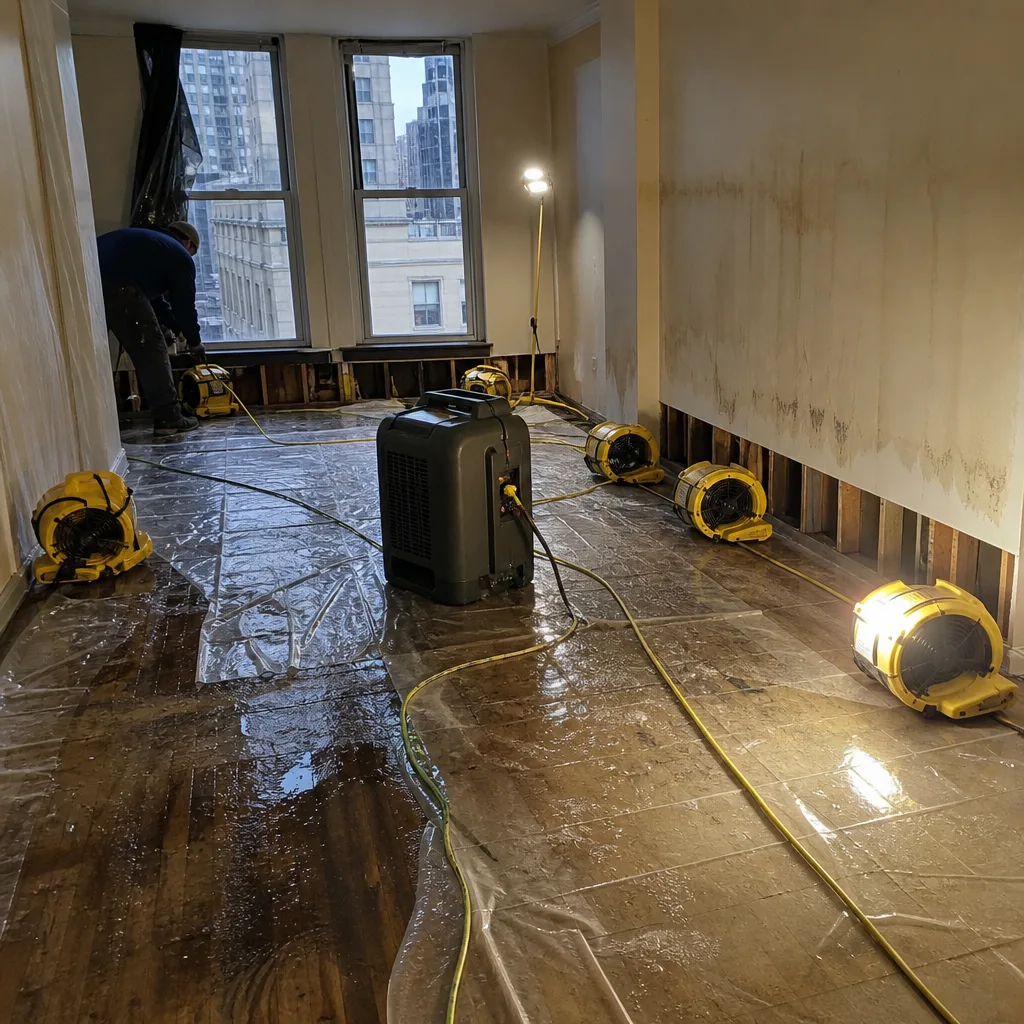
- Assuming smoke damage is confined to the fire unit. In Long Island City’s curtain-wall towers, a single breach in a wind-rated door or expansion joint lets category 3 smoke residue track laterally along slab edges and surface as odor or staining floors below. We thermal-image the entire building face before writing any scope.
- Skipping a pre-loss condition survey of wind-rated door gaskets and panel seals before board-up. This leaves the building envelope compromised and allows wind-driven rain or surge to turn a fire loss into a combined fire-and-water mitigation with mold risk within 24 to 48 hours. Our board-up documentation includes gasket photos and seal compression readings.
- Treating odor with masking agents instead of source removal in converted Jackson Avenue lofts. Original asbestos pipe insulation and cast-iron drains in these buildings force mandatory abatement and containment before any structural drying or deodorization can begin. Masking agents don’t survive the containment period and leave you with recurring odor once abatement clears.
- Failing to document smoke migration paths for insurance. Adjusters deny claims for “mysterious odor” in units with no visible fire damage. Our thermal imaging reports, moisture logs, and photo records establish the lateral migration path that connects your unit to the origin fire, producing payable claims.
Pricing for Fire & Smoke Damage Restoration in Long Island City, NY
Emergency board-up and stabilization in Long Island City runs $1,400-$2,800, depending on whether wind-rated door hardware is required and how many linear feet of expansion joint need temporary sealing. Smoke and soot removal for a typical residential unit ranges $3,200-$5,800; odor removal and deodorization adds $800-$1,600 for thermal fogging, ozone, or hydroxyl treatment. Contents cleaning and pack-out is priced per-item and per-cubic-foot of storage, typically $1,200-$3,400 for a one-bedroom unit. Structural fire repair - drywall, flooring, electrical, painting - is scoped separately after mitigation completes, with a written price before any reconstruction begins.
What moves the price: unit square footage, floor height (freight elevator charges above 20 floors), asbestos abatement requirements in pre-war conversions, and whether thermal imaging reveals lateral migration requiring multi-unit containment. Every estimate is free, written, and delivered before work starts - Haven Standard, Clause 1. Call (862) 212-1646 for an exact quote.
We Also Serve Cities Near Long Island City
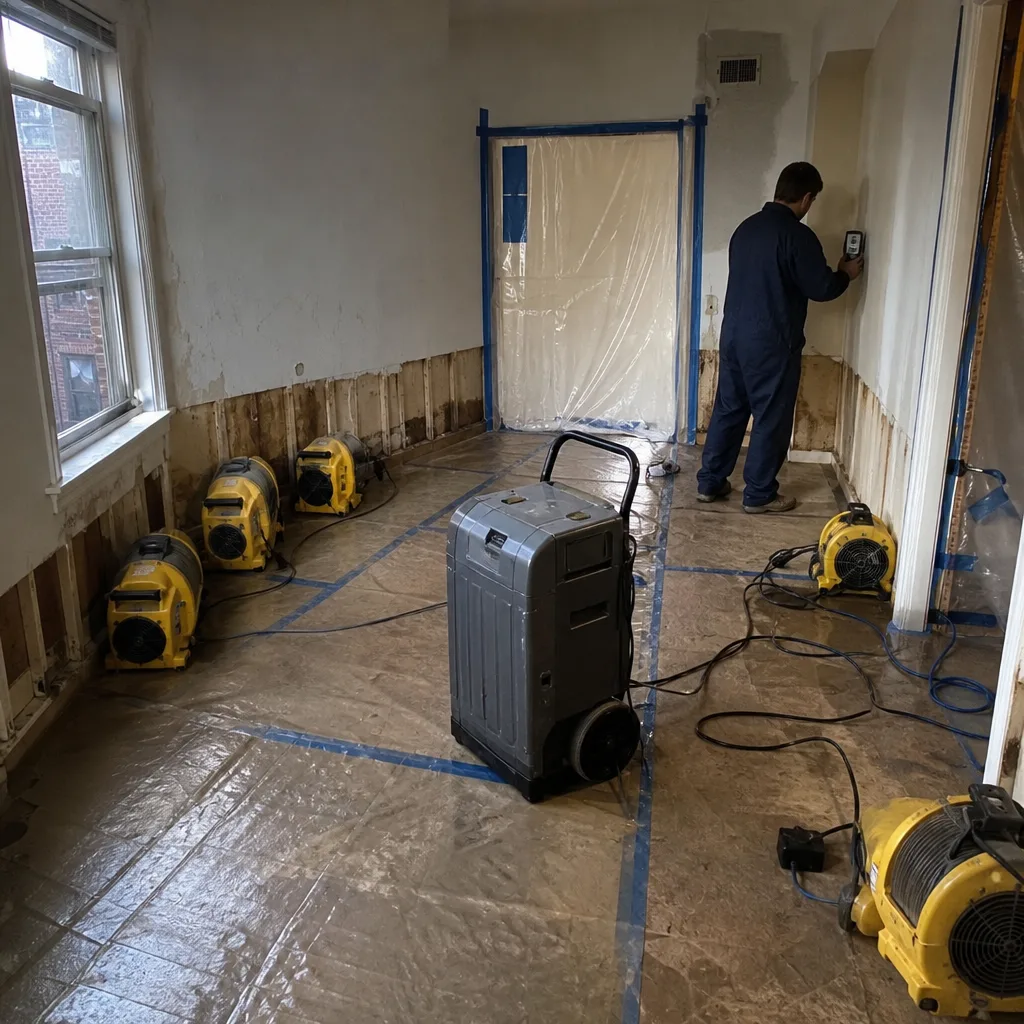
Our Fire & Smoke Damage Restoration crews regularly respond to fire damage in Astoria, Maspeth, Elmhurst, and Manhattan. If you’re searching for Fire & Smoke Damage Restoration in Long Island City or nearby, we document every job to the same standard: written price first, photo record on every visit, 365-Day Done Right Promise.
Serving Long Island City, NY - Our Local Coverage Area
We’re based in the Long Island City area and know this community well. Use the map below to see our service coverage - if you’re nearby, we can almost certainly help.
FAQs - Fire & Smoke Damage Restoration in Long Island City
Yes. We carry wind-rated door hardware that maintains your building’s envelope certification, and we document pre-loss gasket and seal condition before installing any temporary barrier. Our board-up scope specifies the exact hardware model and installation torque, and we provide that documentation to your building engineer and your insurer. Call (862) 212-1646 for a written board-up estimate - estimates are free.
Long Island City’s post-2010 glass-curtain-wall towers are engineered for wind-load deflection, so smoke from a fire-compromised balcony door or expansion joint travels laterally along the slab edge rather than rising straight up. Your unit smells because smoke residue migrated through the curtain-wall cavity and entered through your own envelope penetrations - outlet boxes, HVAC returns, or a failed seal. We trace the path with thermal imaging, document it for your insurance, and perform source removal, not masking. Call (862) 212-1646 for a free assessment.
Yes, and they must be coordinated. Hunters Point South sits in FEMA Flood Zone AE, and even moderate nor’easters push water into below-grade levels. A fire-compromised envelope combined with sprinkler discharge or storm surge creates a dual-pathology loss: smoke residue above, category 3 water and mold risk below. We scope both simultaneously, sequence abatement and drying before deodorization, and document each phase separately for adjuster review. Call (862) 212-1646 - we’ll write a combined scope with line-item pricing for each mitigation path.
Often yes. The early-20th-century industrial warehouses converted to lofts along Jackson Avenue and the Court Square corridor frequently contain original asbestos pipe insulation and aged cast-iron drain lines. NYCDEP and IICRC standards mandate certified abatement and air monitoring before any structural work, including smoke and soot removal, can begin. We coordinate with licensed abatement contractors, document clearance sampling, and schedule our mitigation to begin the same day abatement clears. Call (862) 212-1646 and we’ll survey your specific building’s abatement history.
Source elimination, not ventilation. Because windows are fixed for wind-load, we can’t “air out” the unit. Our protocol uses thermal-fogging polymers that bond to odor molecules at the source, hydroxyl generators that break residue compounds without occupying the space, and sealed HEPA-negative-air containment during active work. We also pressure-test the envelope after deodorization to confirm no new smoke is entering from an undiscovered curtain-wall breach. The 365-Day Done Right Promise covers odor recurrence - if it comes back, we return at no charge. Call (862) 212-1646 to schedule.
Written by Alicia Brennan, Owner at Back to Dry Restoration, serving Long Island City since 2011.