
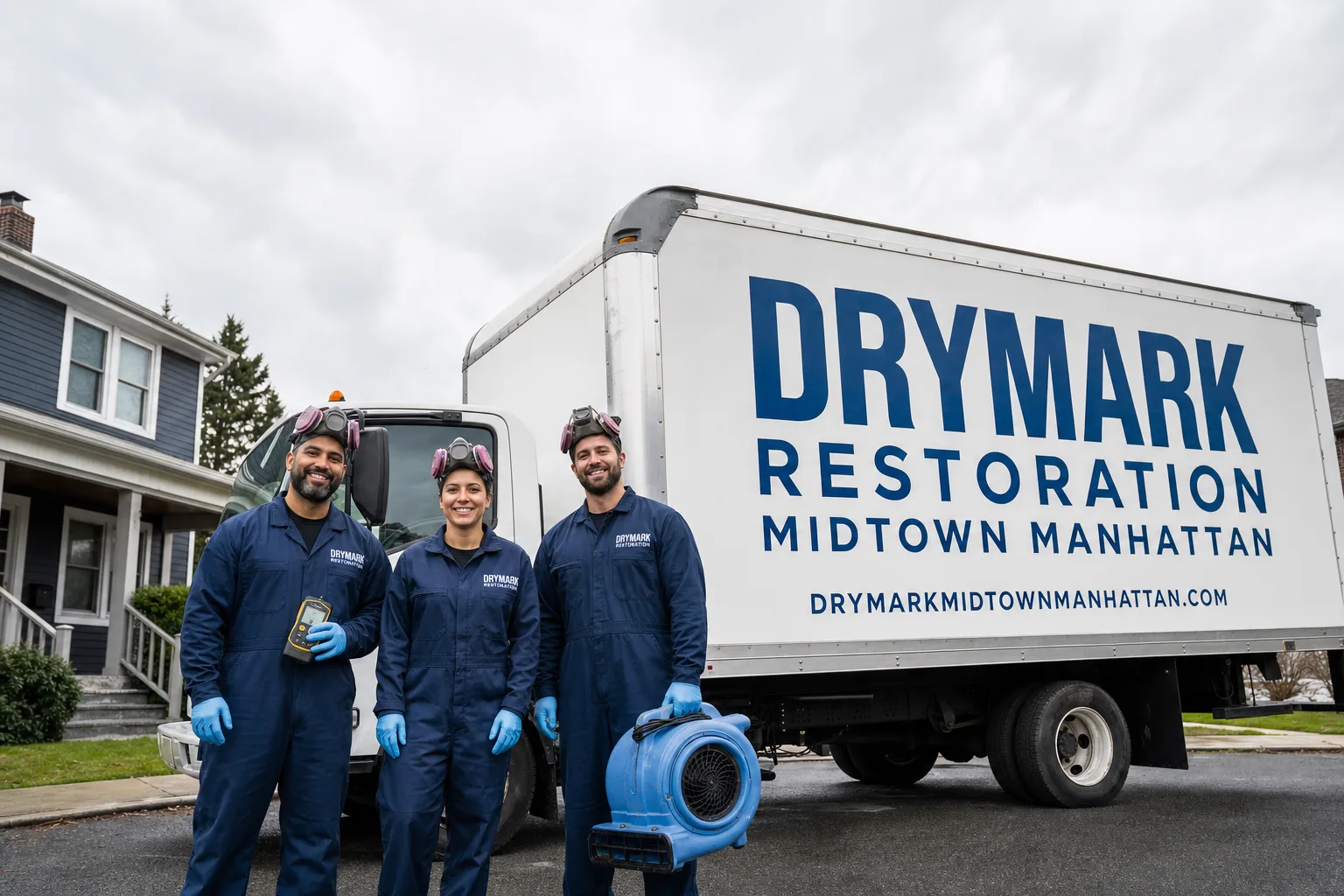
Free visual inspection and a written scope of work before any mitigation begins - photos, moisture readings, and drying logs go in your claim file
The scope we write is the scope we bill. Anything new gets shown to you, in writing, before we touch it.
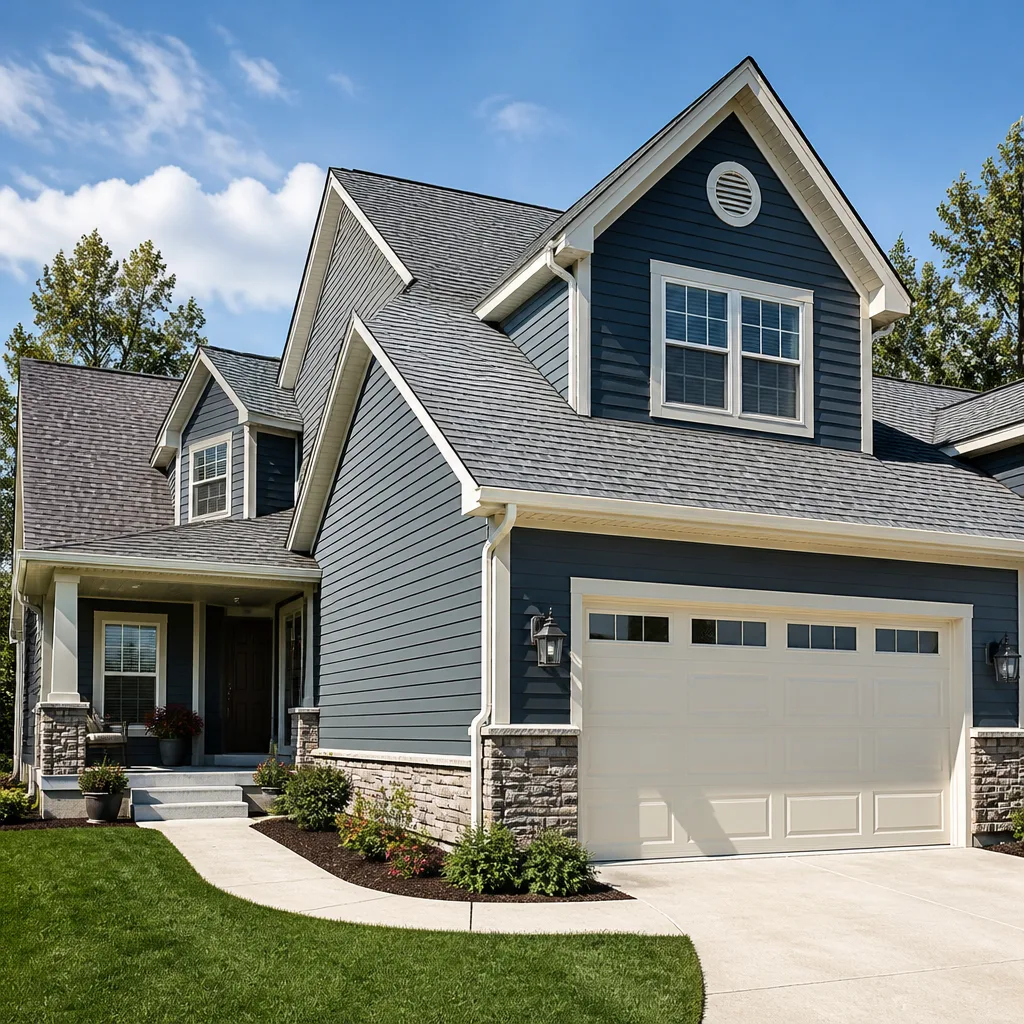
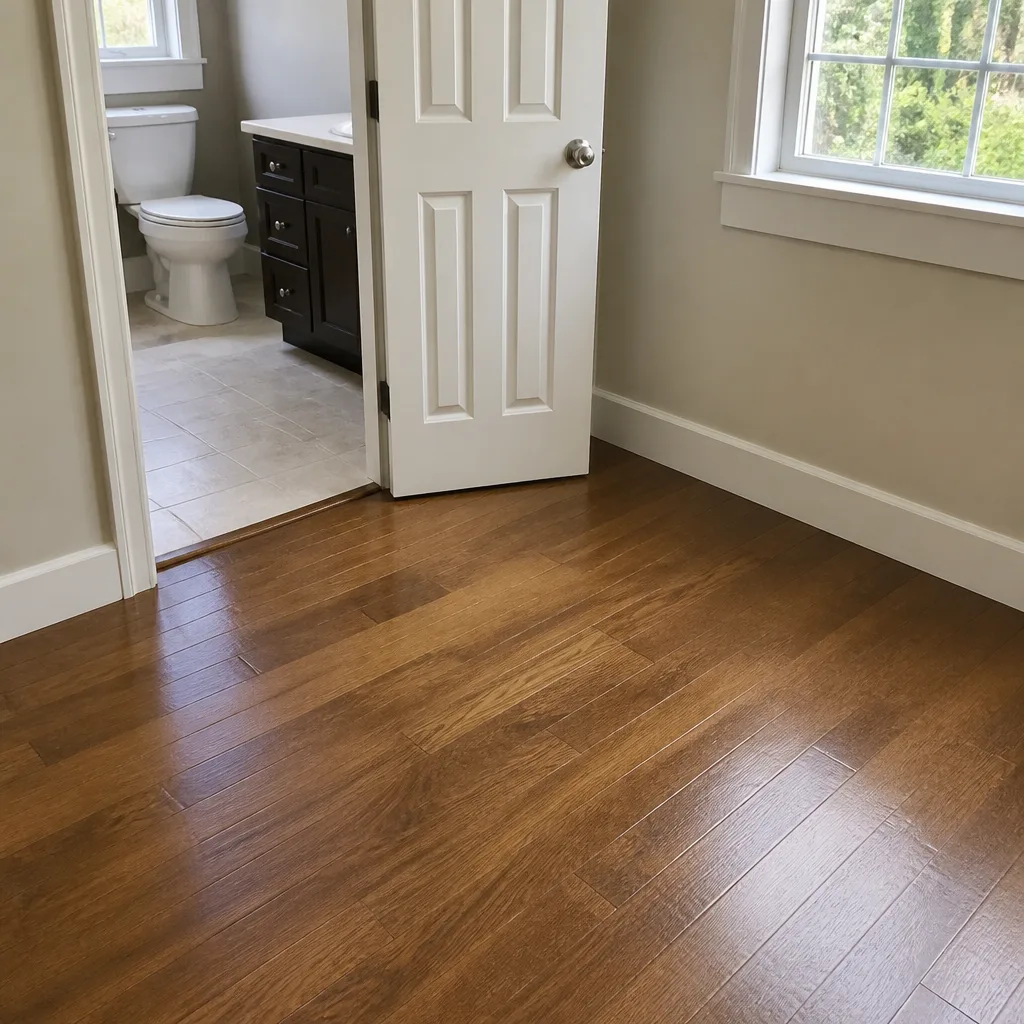
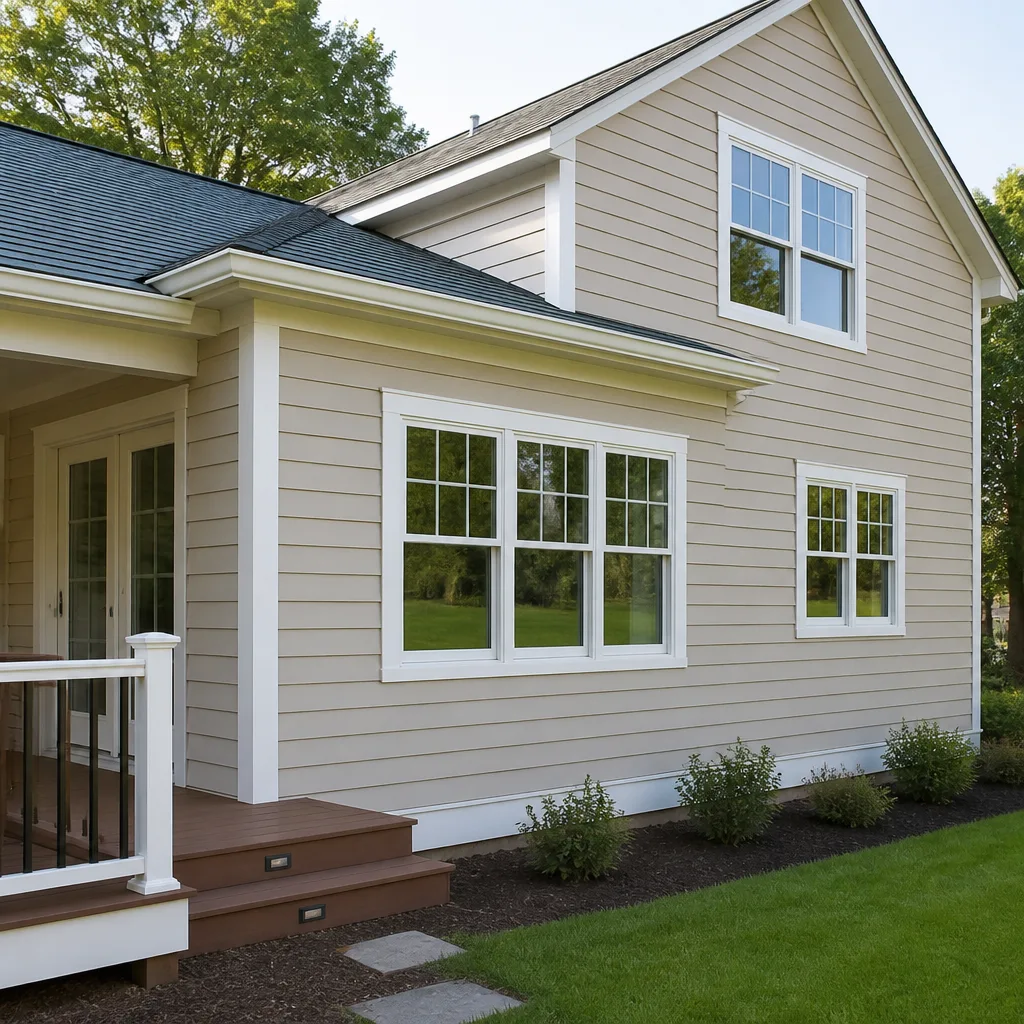
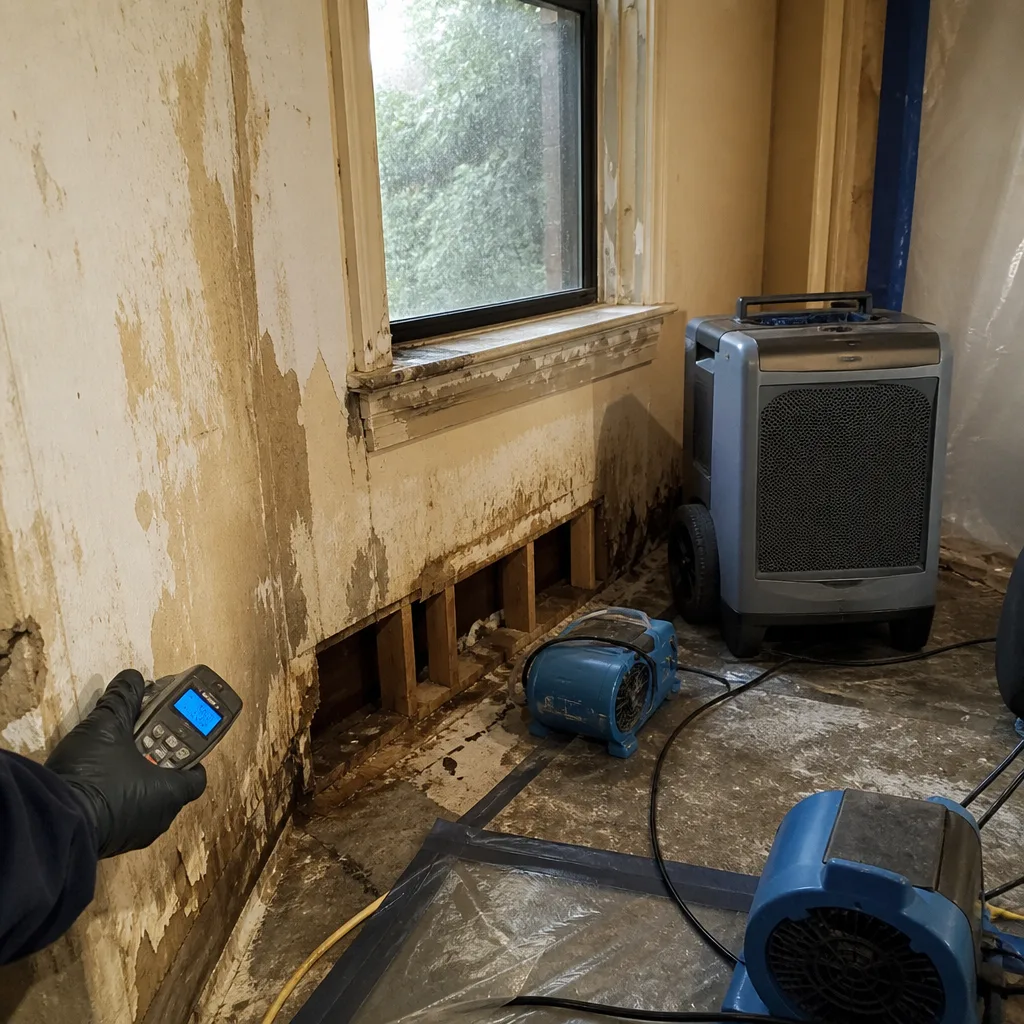 Before
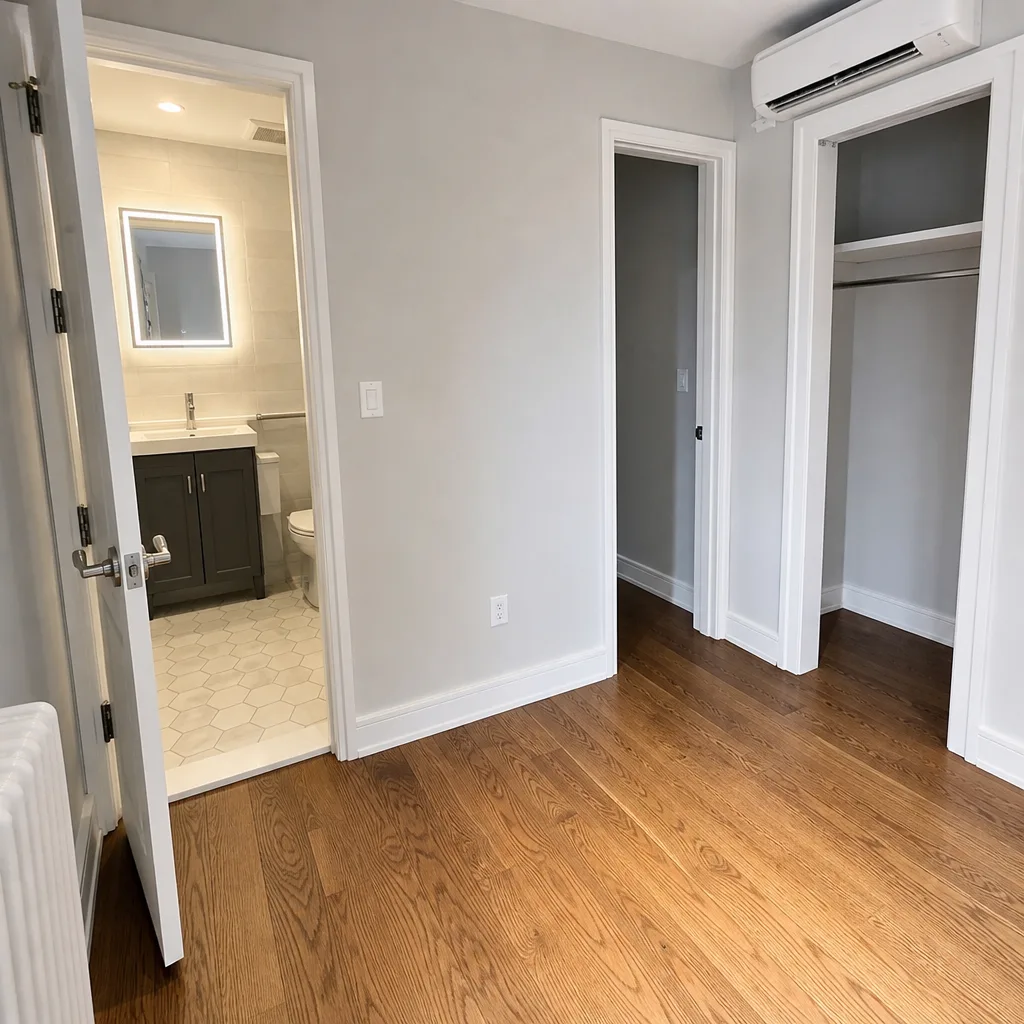 After
After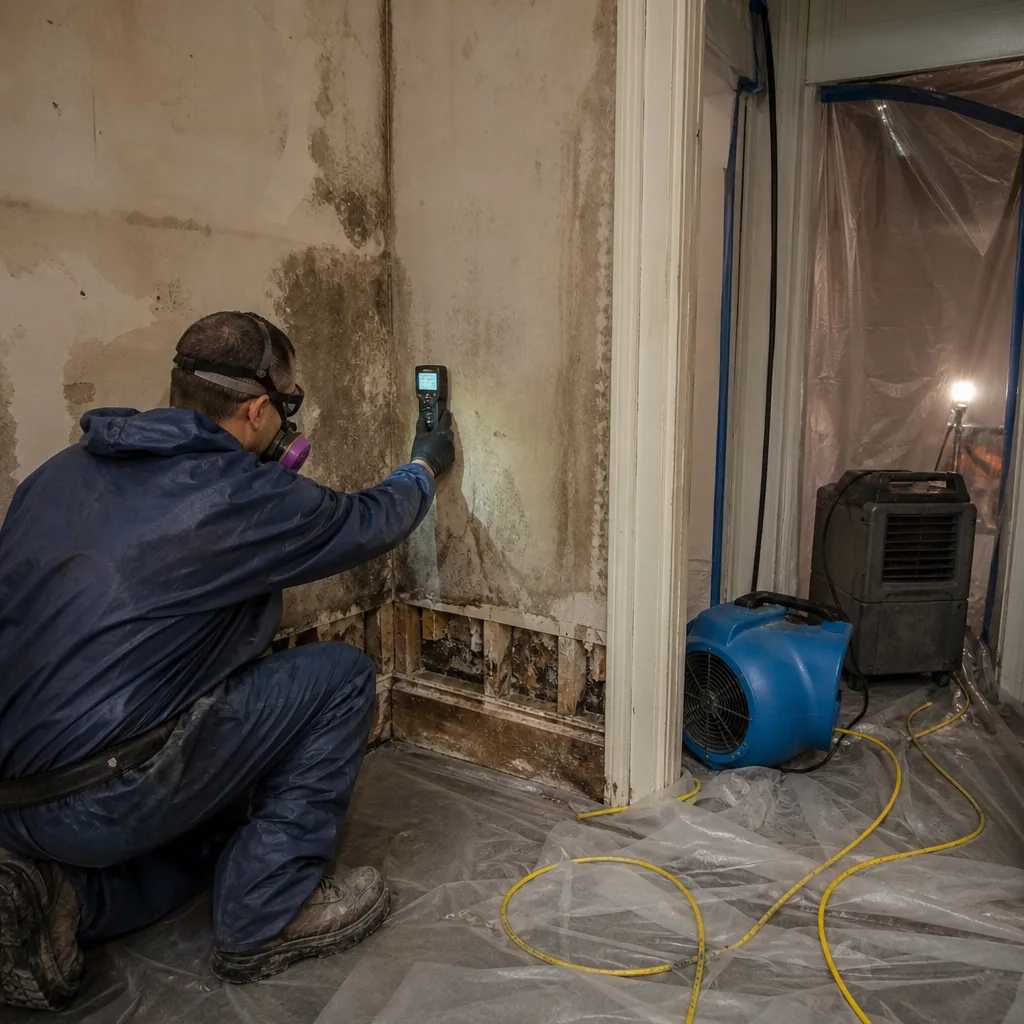 Before
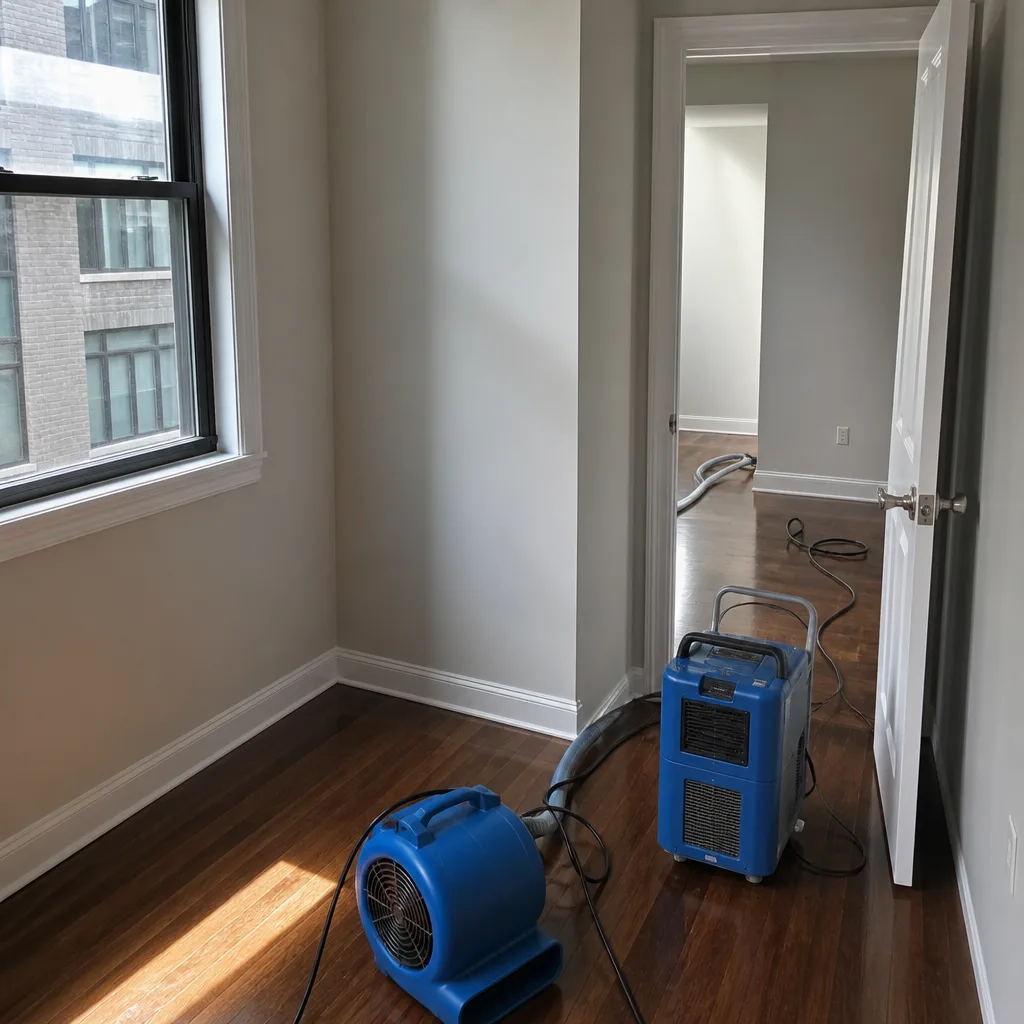 After
After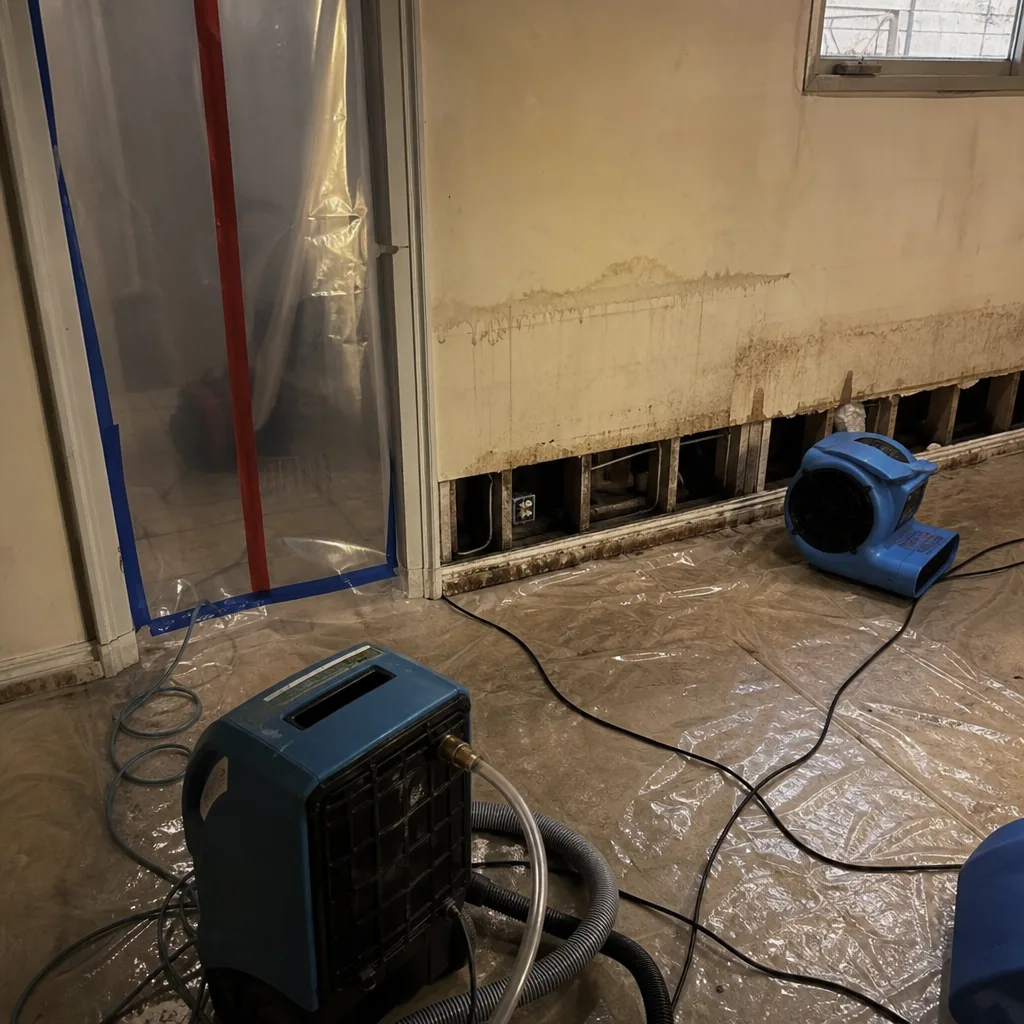 Before
 After
AfterFast, Reliable Fire & Smoke Damage Restoration Across Morningside Heights
Fire and smoke damage restoration in Morningside Heights typically runs $3,800-$12,500 for a standard apartment unit, with emergency board-up and initial mitigation starting same-day once approved-vendor clearance is confirmed. Because Columbia University and its affiliates own or manage a substantial share of buildings here, our crews coordinate through institutional facilities portals before setting foot on site - a step private-residential contractors in neighboring Harlem or the Upper West Side rarely encounter. We’re familiar with the pre-war elevator buildings along Broadway, the co-op portfolios near Riverside Drive, and the institutional properties around the Morningside campus. Call (862) 212-1646; a live person answers every emergency line 24 hours a day, 7 days a week.
Why DryMark Restoration Midtown Manhattan Is Morningside Heights’s Preferred Fire & Smoke Damage Restoration Company
We’ve restored fire-damaged apartments in Morningside Heights since 2011, and our documentation-first approach was built by a former claims adjuster who watched homeowners lose legitimate payouts over missing photo records and verbal scopes. Every job we take in this neighborhood - whether a studio near 110th Street or a stacked unit in a Columbia-managed portfolio near 116th - gets a written price before work starts, a photo record on every visit, and daily drying logs that turn restoration invoices into payable claims.
Our response time to Morningside Heights averages under 90 minutes from dispatch, though Columbia-affiliated buildings require approved-vendor portal confirmation that can add 2-4 hours to mobilization. We maintain that status specifically to avoid delays for our Morningside Heights clients. Our crews know the neighborhood’s building stock: the 6-10 story pre-war structures with horsehair-plaster walls, cast-iron steam risers, and herringbone parquet that standard restoration shops treat like new construction.
We’ve restored over 12,000 homes since our founding, and our Fire & Smoke Damage Restoration team carries the 365-Day Done Right Promise under The Haven Standard - if it’s not done right, we make it right, in writing, not as a verbal afterthought.
Our Fire & Smoke Damage Restoration Services in Morningside Heights
Fire Damage Cleanup
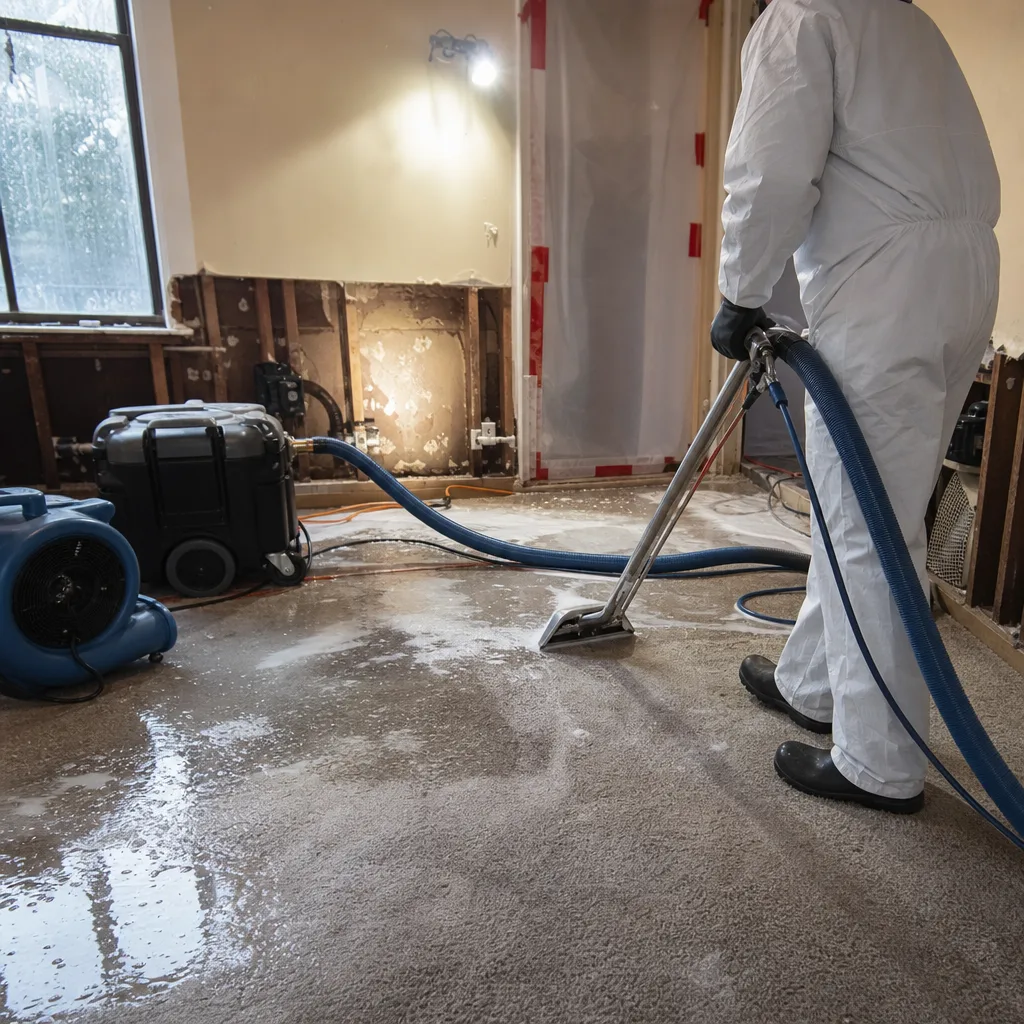
Fire damage cleanup in Morningside Heights begins with understanding what burned and what the suppression water touched. In the neighborhood’s pre-war buildings, that means mapping not just the fire floor but the units below - water travels down cast-iron riser chases and unsealed pipe penetrations in stacked layouts that 1900s contractors never designed for modern sprinkler systems. We document affected square footage by material classification: horsehair plaster, tin ceiling, herringbone parquet, or modern subfloor. Then we deliver a written scope before demolition starts, with line-item pricing that matches what we find, not what we guess.
Smoke & Soot Removal
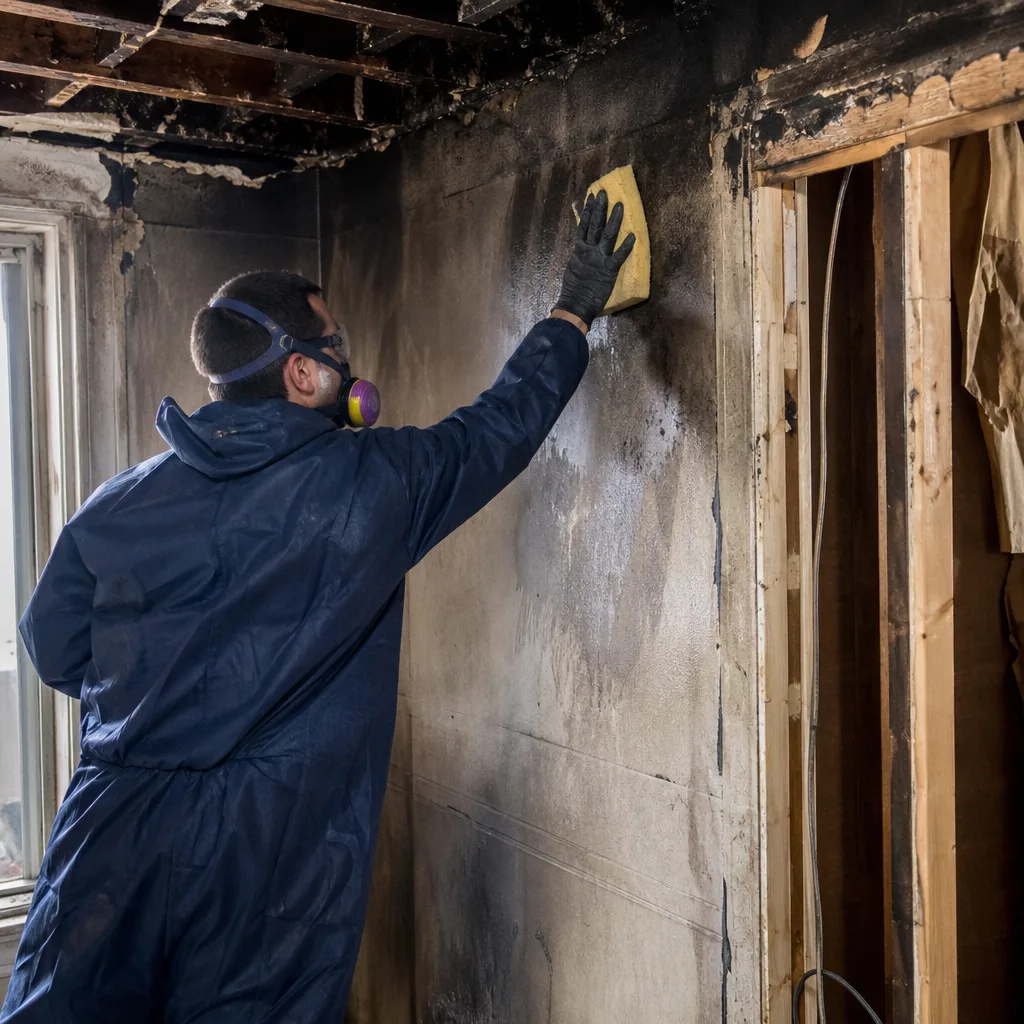
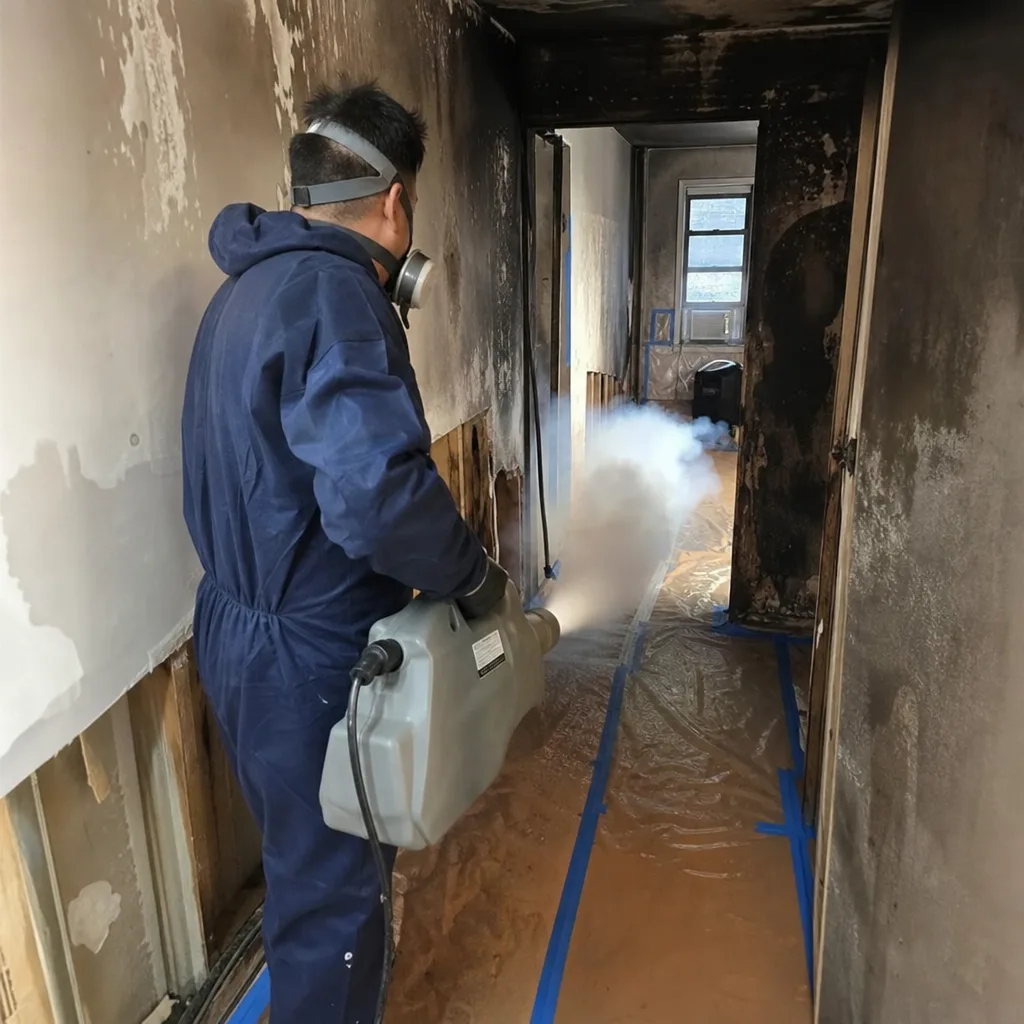
Smoke and soot removal is where Morningside Heights’s building stock demands specialized technique. The original horsehair-plaster walls and ceilings in most 1900s-1930s buildings here are porous, and soot residue wicks deep into the plaster body rather than sitting on the surface. Standard latex primer seals the stain but traps odor molecules that reactivate with summer humidity. Our crews use shellac-based sealers specified for fire restoration, applied after HEPA vacuuming and chem-sponge cleaning, to lock residue out rather than in. We caught a kitchen fire in a pre-war co-op near Broadway and 114th Street where smoke had migrated through a shared cast-iron steam riser chase and stained the original horsehair-plaster ceilings two floors up. After our techs set up containment and HEPA air scrubbers, we moisture-mapped the plaster and ran Injectidry panels because standard air movers would have cracked the 1920s skim coat. We completed a pack-out of the tenant’s contents, logged daily drying readings, and matched the building’s ornate crown molding during structural repair - all while coordinating the scope of work through the university’s approved-vendor portal.
Odor Removal & Deodorization
Odor removal in Morningside Heights pre-war buildings requires patience that template restoration doesn’t allow. The same plaster-and-lath construction that gives these apartments their solid feel creates interstitial voids where smoke odor lingers for months if not addressed structurally. We deploy ozone and hydroxyl generators with vapor pressure differential monitoring - measuring the force that drives moisture and odor molecules from wet materials into dry air - to verify that deodorization reaches equilibrium before we seal surfaces. In tin-ceiling apartments near Morningside Park, we’ve found that odor trapped behind original ceiling panels requires panel removal, channel cleaning, and reinstallation with new support strips rather than surface spraying. We document every phase with dated photos and moisture readings, because institutional insurers and Columbia’s facilities management require evidence, not assurance.
Contents Cleaning & Pack-Out
Contents cleaning and pack-out in Morningside Heights often involves institutional multi-party claims where Columbia’s insurance, the tenant’s renter’s policy, and a separate building policy each cover different portions of the loss. Our inventory system photographs every item before it leaves the unit, tags it by restoration priority, and tracks it through ultrasonic cleaning, ozone deodorization, or textile restoration at our facility. For Morningside Heights clients in university-managed housing, we coordinate pack-out timing with facilities schedules and provide the documentation package - itemized lists, condition photos, restoration vs. replacement recommendations - that institutional adjusters expect. The Haven Standard, Clause 1 applies: written price before any work starts, including pack-out transport and storage rates.
What happens when you call
- 1
A real person answersNo phone trees - you reach a local pro.
- 2
You get an upfront price rangeHonest numbers before anyone is dispatched.
- 3
A background-checked tech heads outLicensed & insured, dispatched right away.
- 4
You approve before work beginsNothing starts until you say go.
BeforeAfterTrusted Brands We Service in Morningside Heights
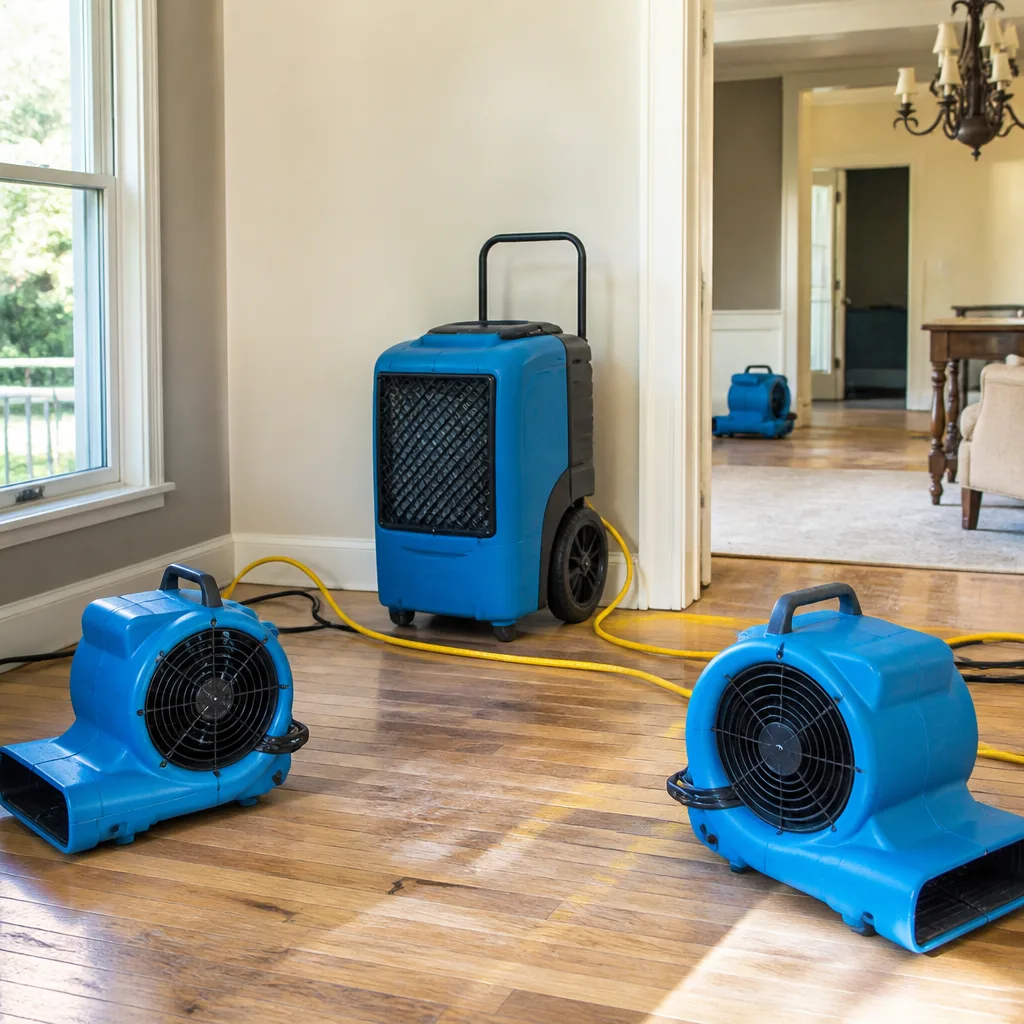
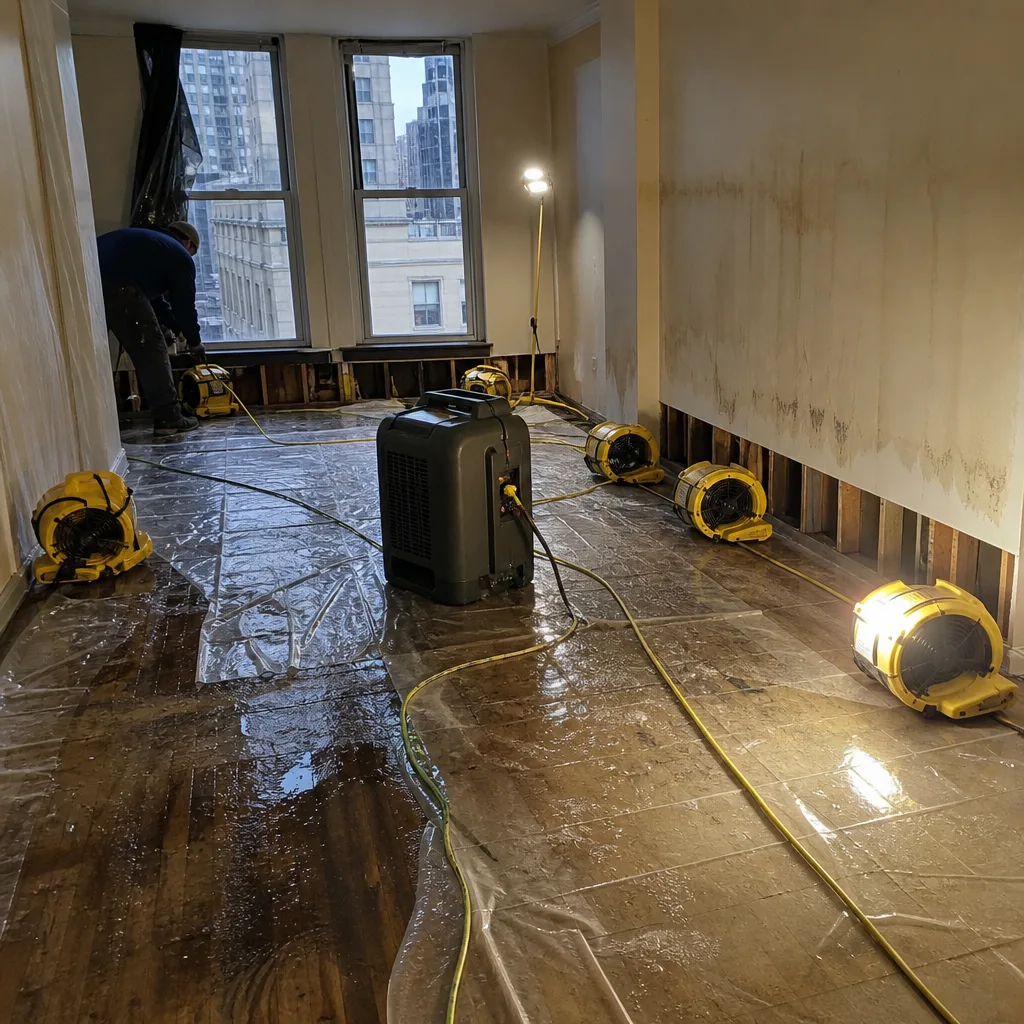
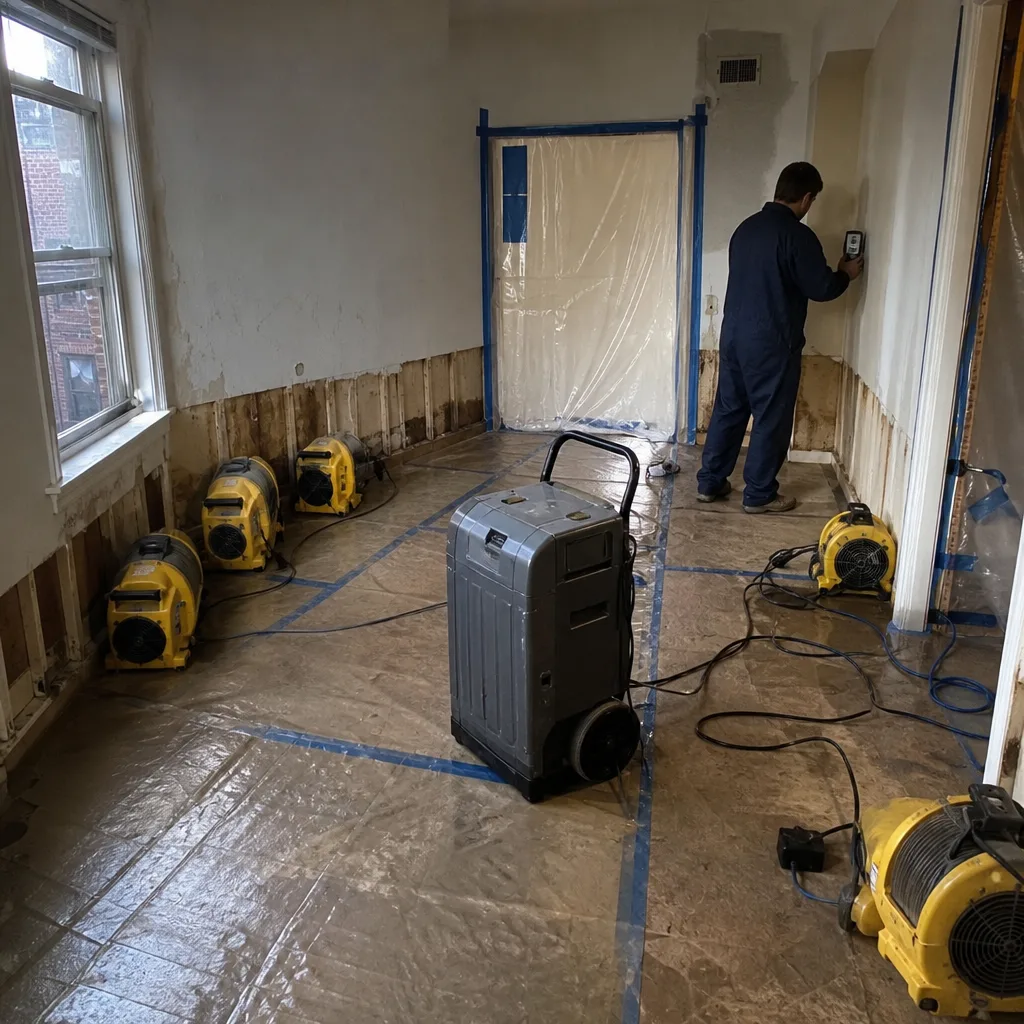
Our equipment inventory for Morningside Heights fire restoration includes HEPA air scrubbers and dehumidifiers from Phoenix and XPOWER, plus Injectidry cavity-drying systems that we use specifically for the horsehair-plaster walls common in neighborhood pre-war construction. Standard air movers create too much velocity for aged skim coats; Injectidry’s controlled negative-pressure panels pull moisture through the wall without the surface stress that cracks 1920s plaster. We stock B-Air axial fans for large common-area dry-outs in institutional buildings where multiple units share HVAC risers. Every machine is logged to IICRC, RIA, and IFA standards, and the serial number appears on your daily drying report.
Common Fire & Smoke Damage Restoration Problems We See in Morningside Heights Homes
- Smoke and soot residue wicking into original horsehair-plaster walls and ceilings. Contractors unfamiliar with Morningside Heights’s building stock seal stains with standard latex primer, trapping odor molecules that reappear months later when summer humidity rises. Shellac-based sealers and proper dwell time prevent this.
- Fire-suppression water cascading through stacked unit layouts. In pre-war buildings with unsealed pipe chases and radiator risers, water from a fifth-floor kitchen fire reaches the second floor before anyone below notices. Crews that only dry the fire floor leave category 2/3 water damage in institutionally-owned units below, creating secondary claims and mold risk.
- Delayed mobilization from missing institutional documentation. Contractors without Columbia approved-vendor status, or who fail to submit lead and asbestos abatement paperwork through the university facilities portal, stall emergency response by hours while soot residue sets into masonry and parquet. We maintain that status precisely to avoid this delay.
- Ornate pre-war finishes destroyed by standard restoration techniques. Crown moldings, tin ceilings, and herringbone hardwood parquet in Morningside Heights apartments require specialty trades for matching and replacement. Drywall crews without restoration experience tear out salvageable historic fabric and install generic finishes that violate co-op alteration agreements.
Pricing for Fire & Smoke Damage Restoration in Morningside Heights, NY
| Service | Typical Range in Morningside Heights |
|---|---|
| Emergency board-up and tarping | $850-$2,400 |
| Smoke and soot removal (per affected room) | $1,200-$3,800 |
| Odor removal and deodorization (whole unit) | $2,100-$5,600 |
| Contents pack-out, cleaning, and storage | $1,800-$4,500 + $180-$340/month storage |
| Structural fire repair with plaster/molding match | $4,200-$14,000+ |
| Full unit restoration (fire, smoke, water, rebuild) | $12,500-$38,000 |
These ranges reflect Morningside Heights’s specific conditions: institutional approval requirements that add coordination time, pre-war construction with lead and asbestos abatement layers, and the specialty trades needed for historic finish matching. Jobs in Columbia-affiliated buildings sometimes carry additional documentation fees that we disclose in writing before work begins - Haven Standard, Clause 1. Your actual price depends on affected square footage, material classification, and whether water migration reached floors below the fire origin. We provide a Free Second Opinion on any competitor’s written estimate; bring their scope and we’ll review it at no charge.
We Also Serve Cities Near Morningside Heights
Our crews dispatch from the New York City office to serve Fire & Smoke Damage Restoration in Morningside Heights and surrounding neighborhoods including Midtown Manhattan, Murray Hill, Upper East Side, and Long Island City. Each area has distinct building stock and institutional requirements; we adjust our documentation and mobilization protocols accordingly.
Serving Morningside Heights, NY - Our Local Coverage Area
We’re based in the Morningside Heights area and know this community well. Use the map below to see our service coverage - if you’re nearby, we can almost certainly help.
FAQs - Fire & Smoke Damage Restoration in Morningside Heights
Contractors must carry approved-vendor status and submit lead and asbestos abatement documentation through Columbia’s facilities portal before emergency mitigation can begin, adding 2-4 hours to standard mobilization. Our team maintains that status and pre-loads the documentation templates that institutional adjusters expect, so we don’t lose critical drying time to administrative delays. Call (862) 212-1646 to confirm current approved-vendor standing for your building.
Yes, in most cases - but it requires shellac-based sealing after proper HEPA cleaning and adequate dwell time, not latex primer over a quick wipe-down. The plaster’s porosity works against surface treatments; odor molecules sit deep in the horsehair matrix and behind tin ceiling panels. We use Injectidry cavity drying and vapor pressure differential monitoring to verify that interstitial spaces reach equilibrium before sealing. Call (862) 212-1646 for an exact scope - estimates are free.
Fire suppression water travels down through unsealed pipe chases, cast-iron steam risers, and masonry voids in stacked 1900s-1930s construction before it appears as visible damage below. Crews that only inspect and dry the fire floor miss this migration, leaving category 2 or 3 water in units that may be institutionally owned and separately insured. We moisture-map vertically through the stack as standard practice, documenting each floor’s readings for the multi-party claim file.
Within 24-48 hours for soot residue, sooner for water-impacted plaster. Horsehair plaster is hygroscopic - it absorbs moisture from suppression water and holds it against wood lath, accelerating mold and structural degradation. If moisture is left unchecked, you may need Mold Remediation in Morningside Heights on top of fire restoration. Soot becomes chemically bonded to plaster and masonry after 72 hours of exposure, making removal progressively more invasive. The institutional approval layer in Columbia-affiliated buildings makes early contractor selection critical; we maintain pre-approved status to compress that delay. Call (862) 212-1646 to initiate portal documentation immediately.
Yes - our inventory system tracks each item by photograph, condition, restoration priority, and insurance policy assignment, producing the documentation that institutional adjusters and co-op boards require for split-coverage claims. We coordinate pack-out timing with building facilities schedules and provide itemized replacement vs. restoration recommendations with trade-name material classifications. Haven Standard, Clause 1: written price for pack-out, transport, cleaning, and storage before any item leaves the unit.
Call (862) 212-1646 for a free estimate on fire and smoke damage restoration in Morningside Heights. A live person answers every call, 24 hours a day, 7 days a week. We’ll deliver a written price before work starts, document every visit with photos and moisture readings, and stand behind the result with our 365-Day Done Right Promise under The Haven Standard.
Written by Alicia Brennan, Owner at Back to Dry Restoration, serving Morningside Heights since 2011.