
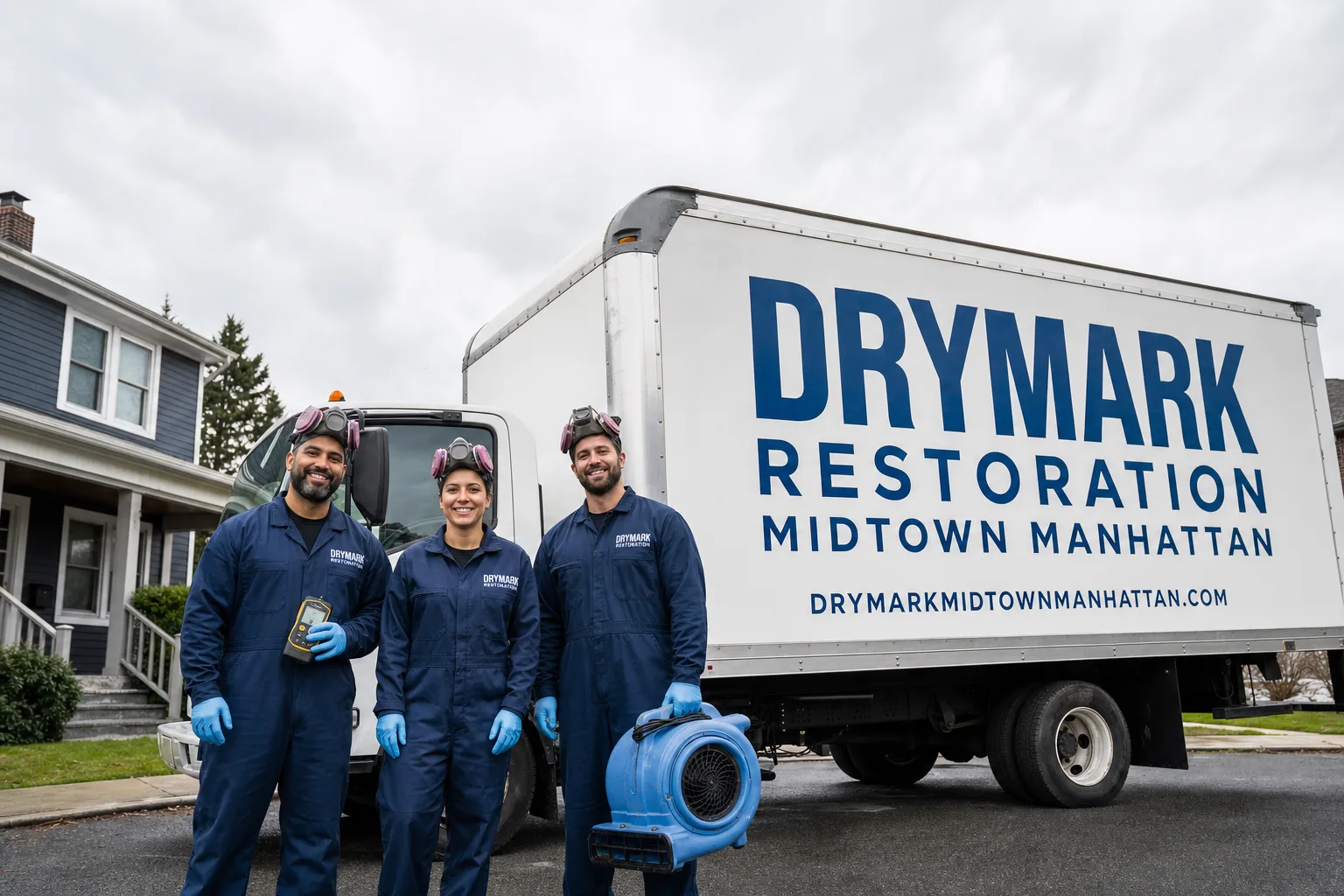
Free visual inspection and a written scope of work before any mitigation begins - photos, moisture readings, and drying logs go in your claim file
The scope we write is the scope we bill. Anything new gets shown to you, in writing, before we touch it.
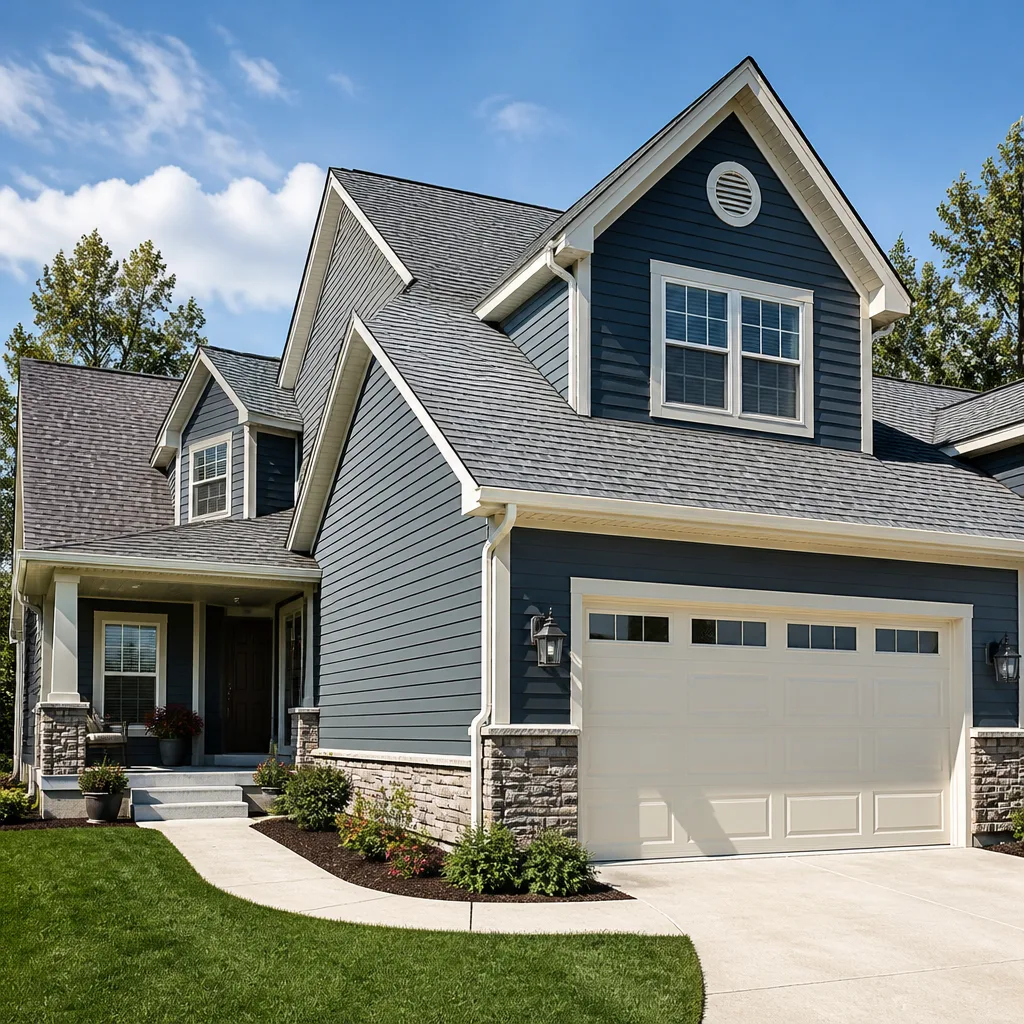
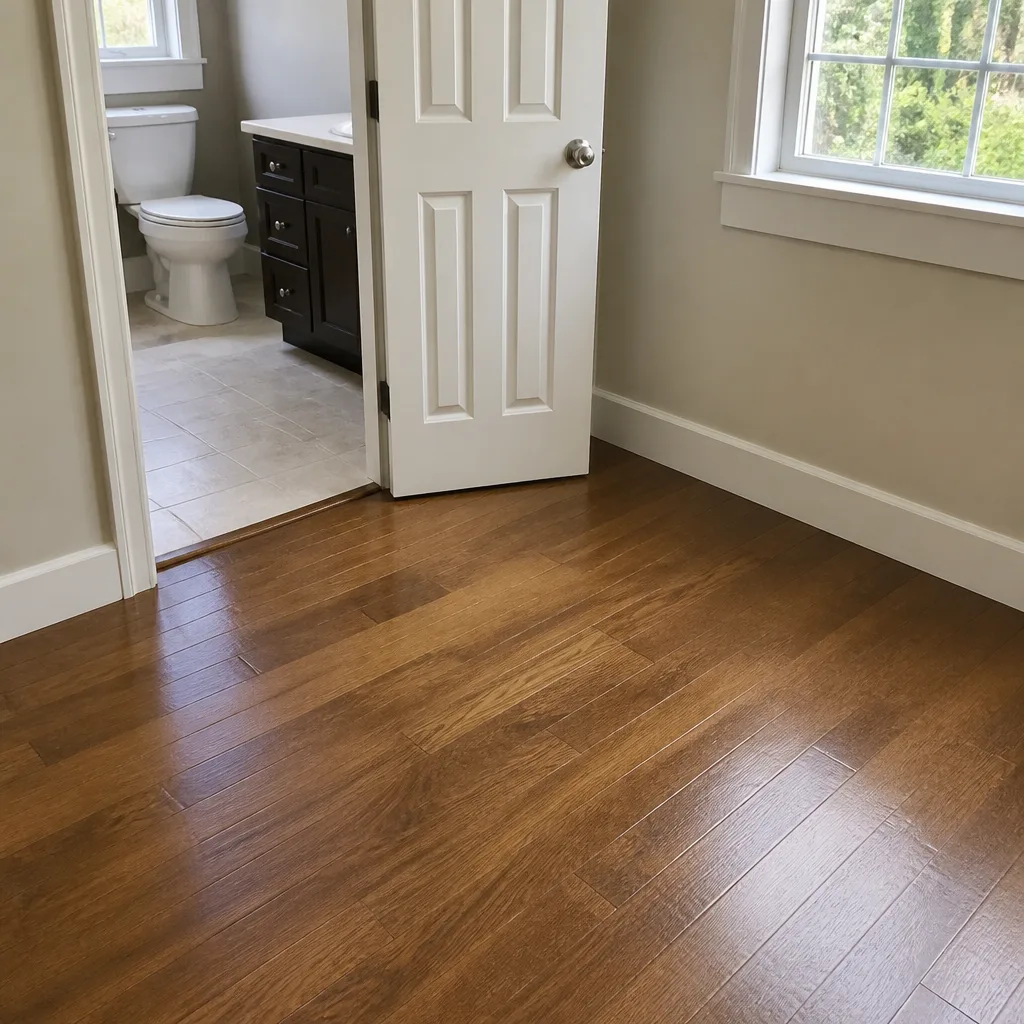
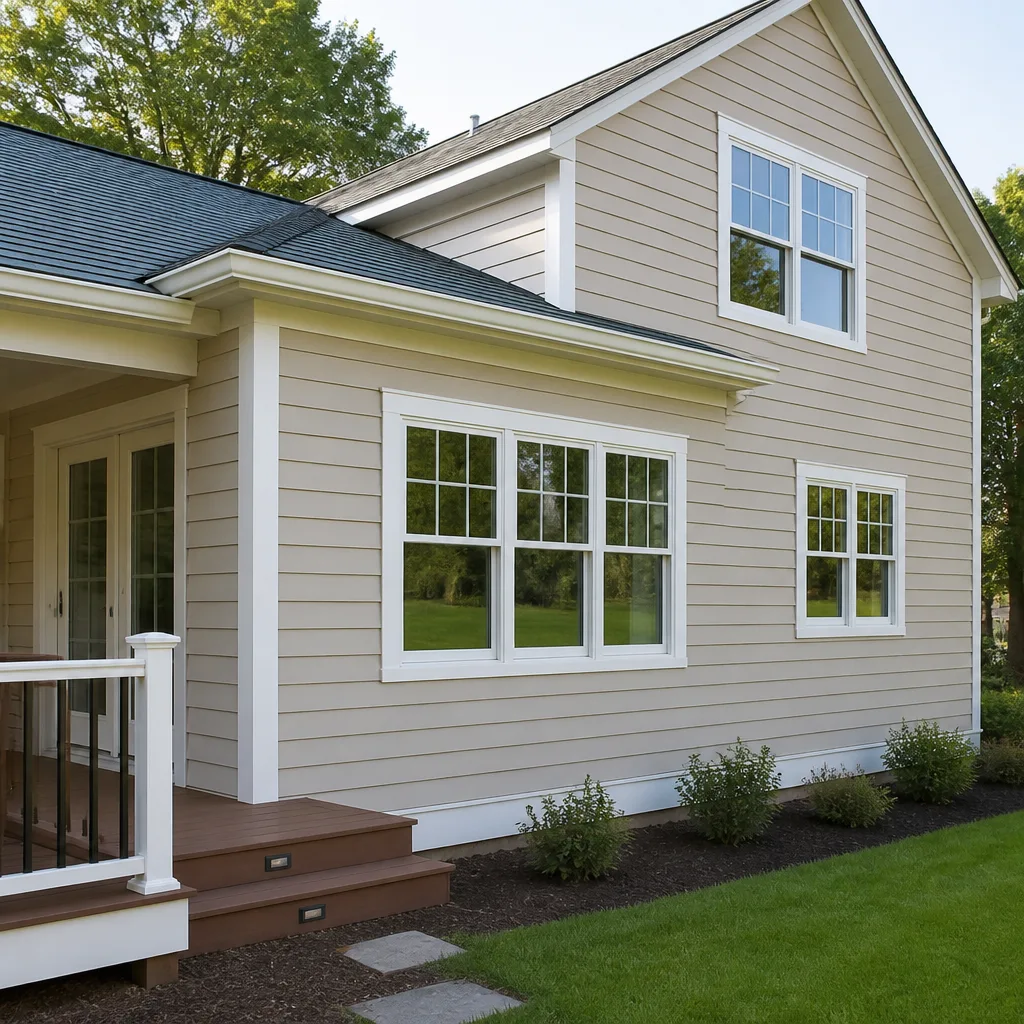
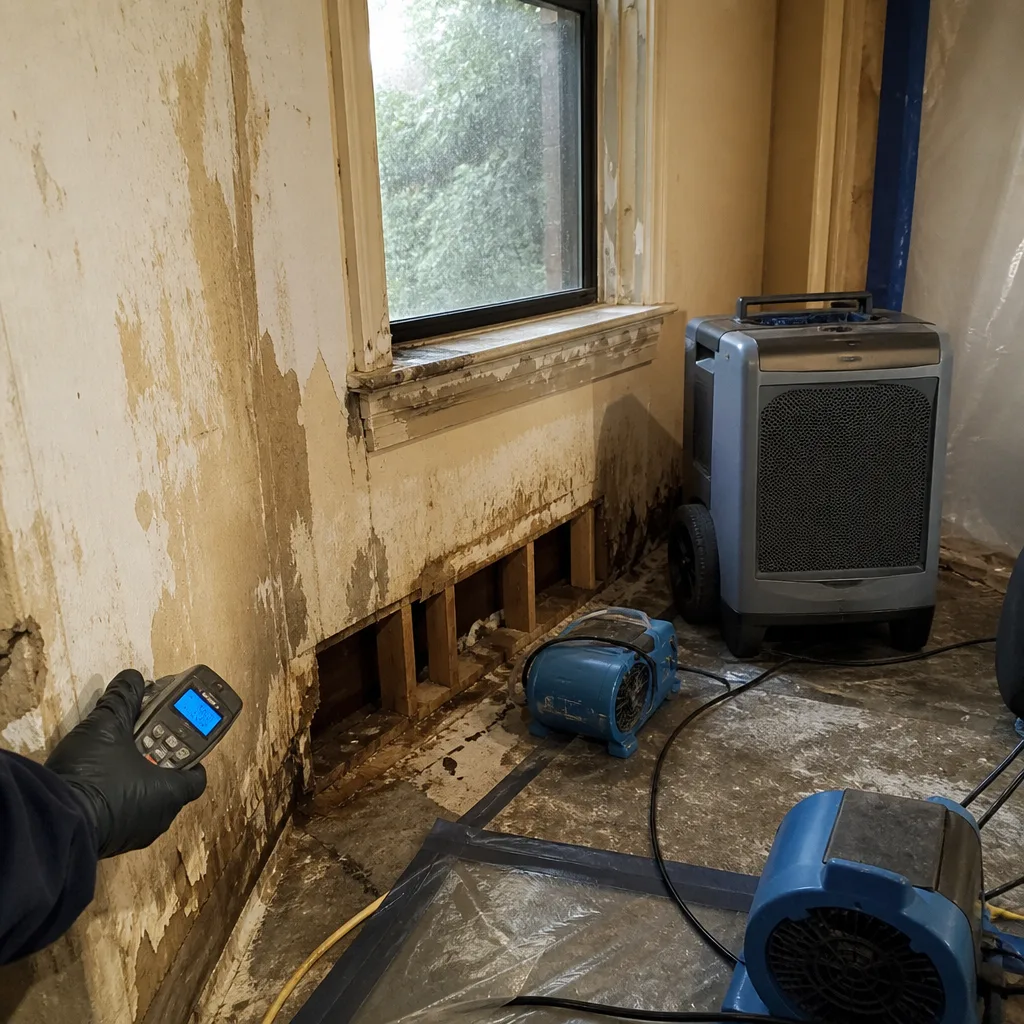 Before
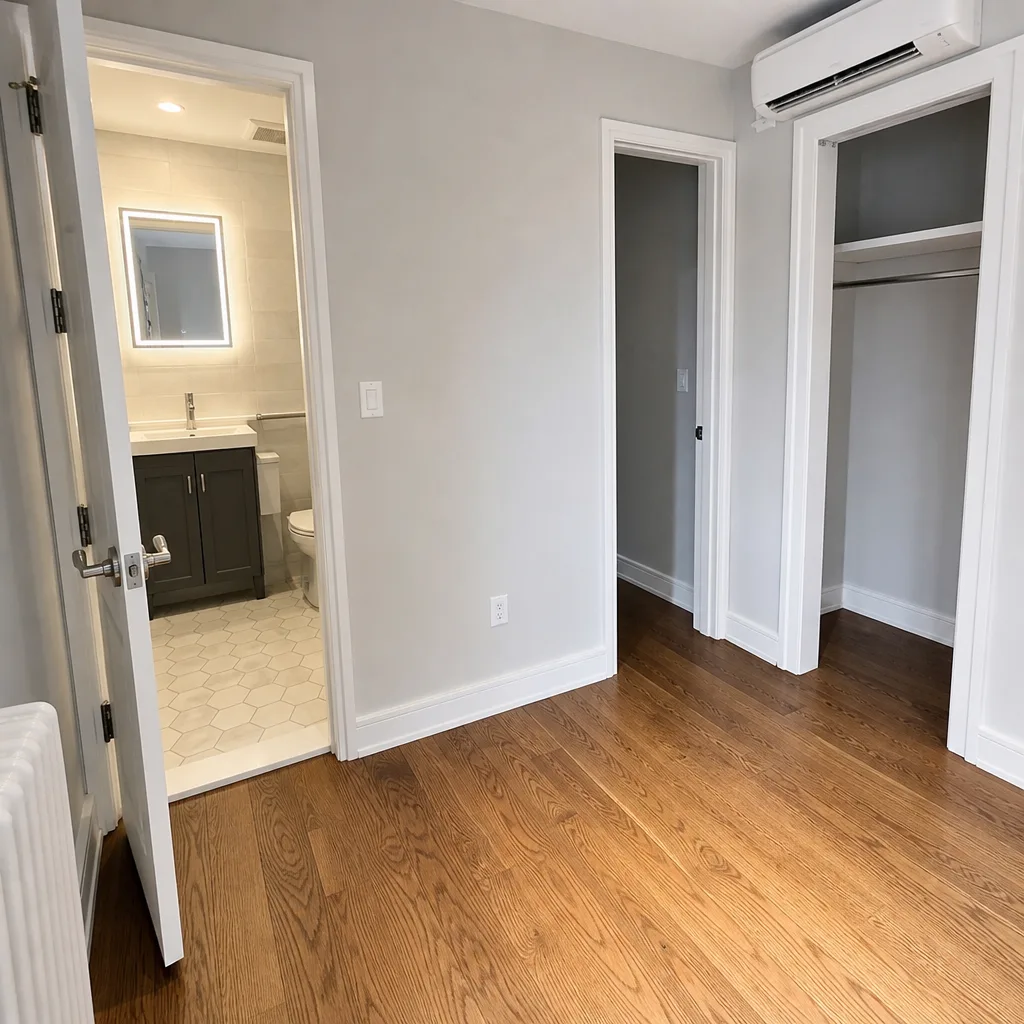 After
After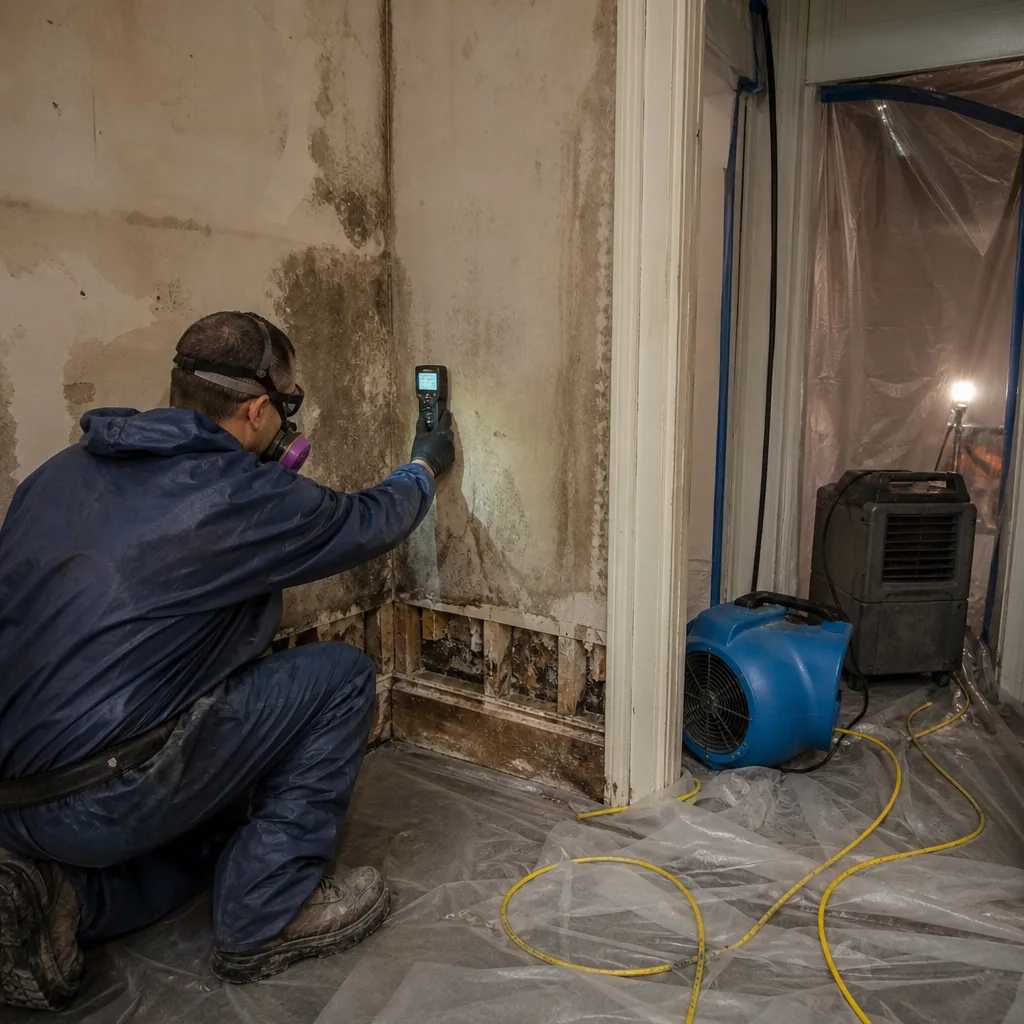 Before
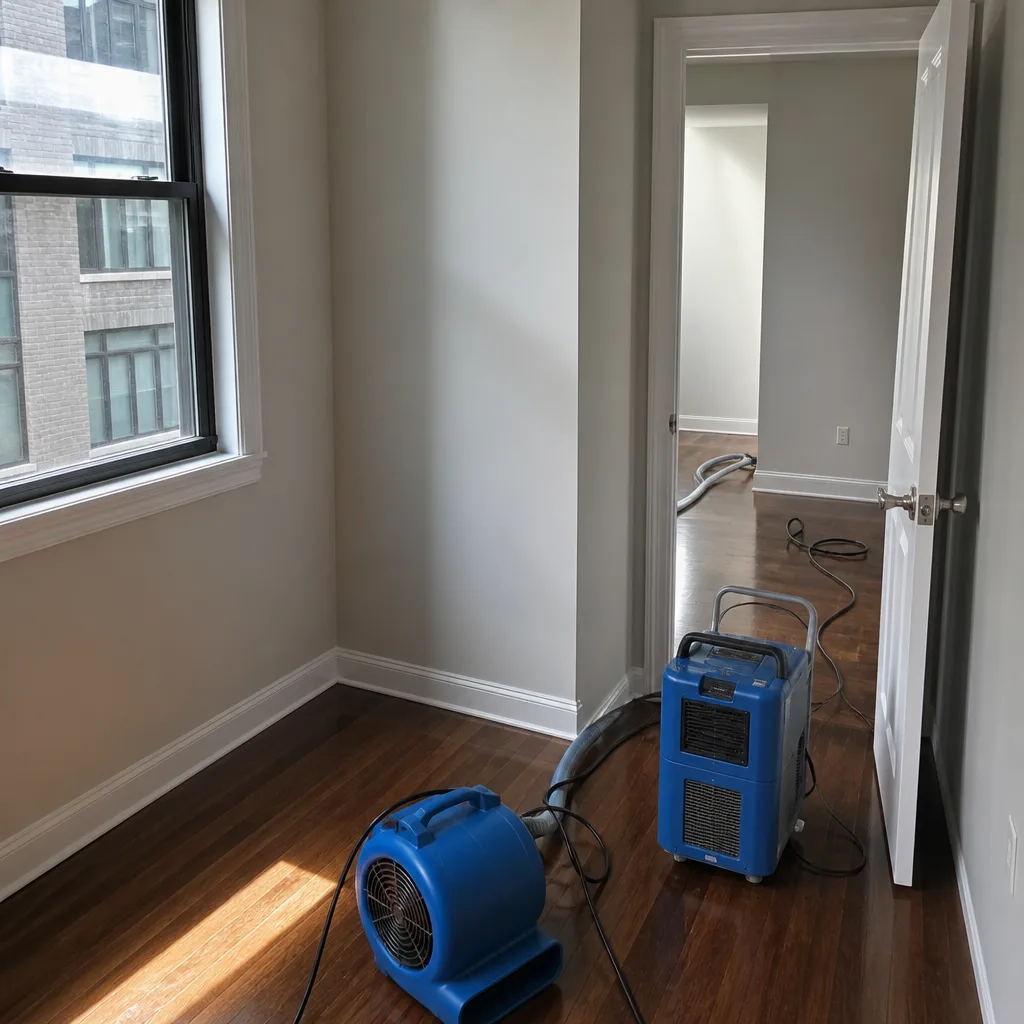 After
After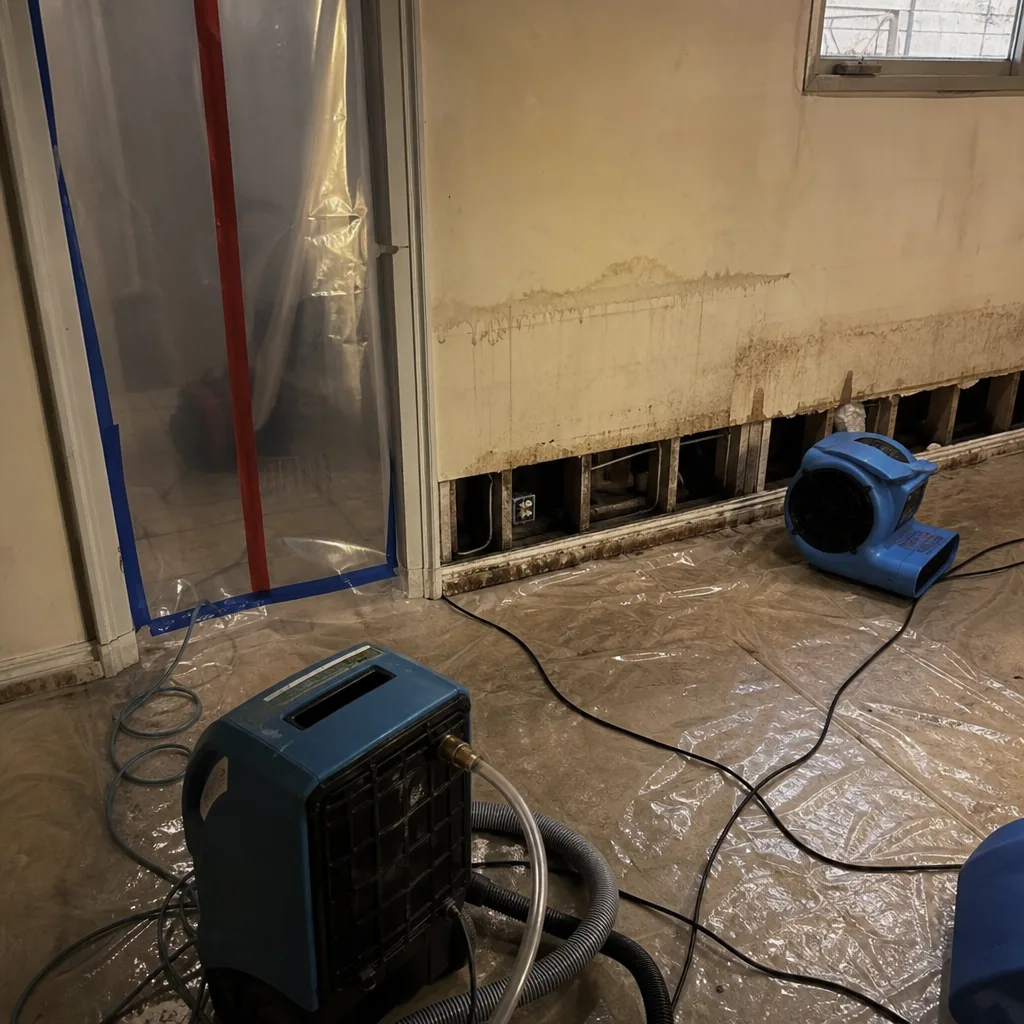 Before
 After
AfterFast, Reliable Mold Remediation Across Upper East Side
Mold remediation in Upper East Side, NY typically costs $1,800-$6,500 depending on affected square footage, accessibility, and whether co-op board coordination is required. Most Upper East Side properties we assess receive a written scope within 24 hours of contact, with containment and remediation beginning shortly after board approval when needed. Call (862) 212-1646 for a free estimate with a written price before any work starts.
We serve Upper East Side from our New York City office, with crews that know the specific logistics of Park Avenue co-ops, Carnegie Hill townhouses, and the Lenox Hill condo towers. Dispatch and scheduling are coordinated locally, and we carry the documentation protocols that pre-war building managers and insurance adjusters expect.
Why DryMark Restoration Midtown Manhattan Is Upper East Side’s Preferred Mold Remediation Company
Our reputation in Upper East Side rests on one practice: we document everything before we touch anything. Moisture readings, infrared imagery, written scopes, and photo records on every visit. That’s Haven Standard protocol, and it’s why building managers along Fifth Avenue and Park Avenue keep our number.
Reviews from Upper East Side customers consistently mention our response speed to pre-war buildings and our willingness to work within strict co-op noise-hour windows. We arrive with background-checked, uniformed technicians whose license numbers are shared in advance, and we never ask a resident to guess at pricing.
Response time to Upper East Side averages under 90 minutes for active water-intrusion calls, though mold remediation itself is scoped and scheduled after assessment. We don’t rush containment; we document it.
Local knowledge matters here because Upper East Side buildings operate by rules that don’t exist elsewhere. Freight-elevator scheduling, vendor-list compliance, and board pre-approval aren’t bureaucratic footnotes; they’re structural requirements that can halt a project mid-remediation if mishandled.
Our Mold Remediation Services in Upper East Side
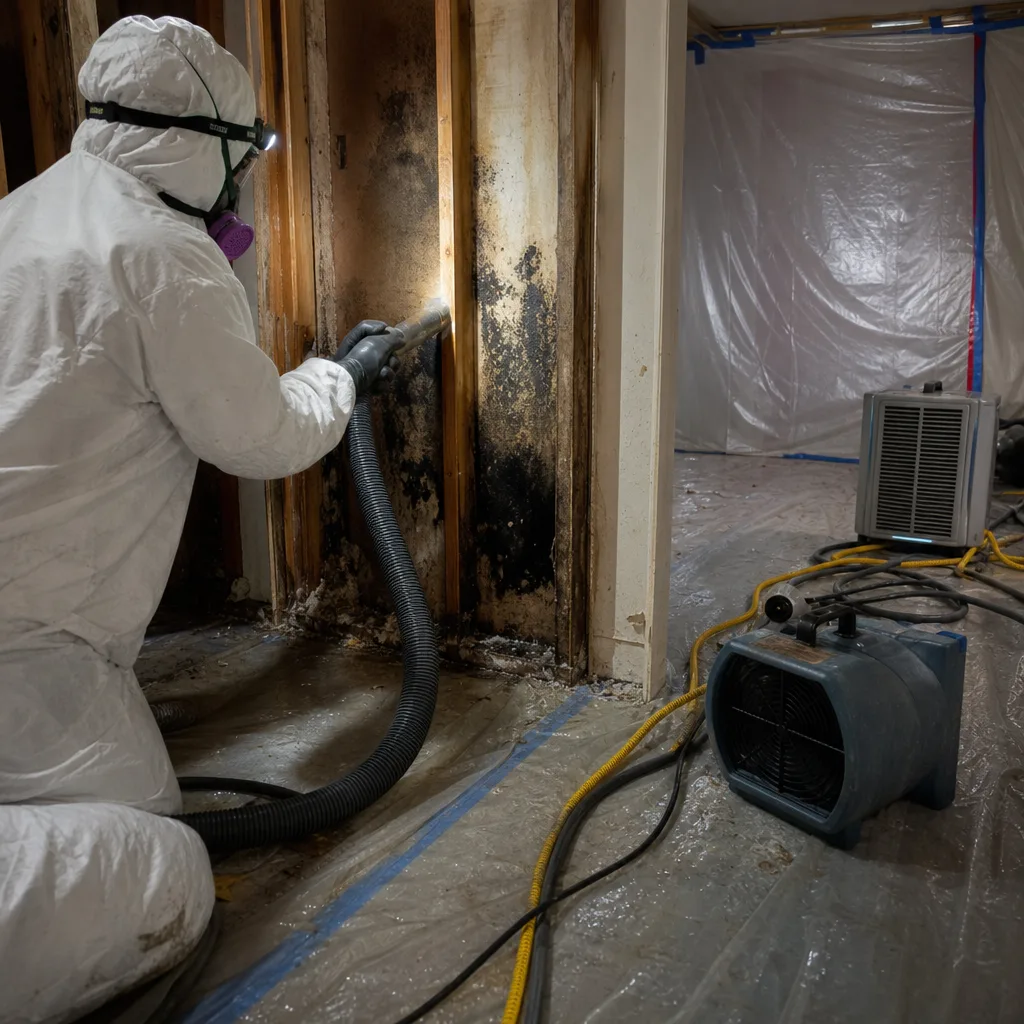
Mold Inspection & Testing
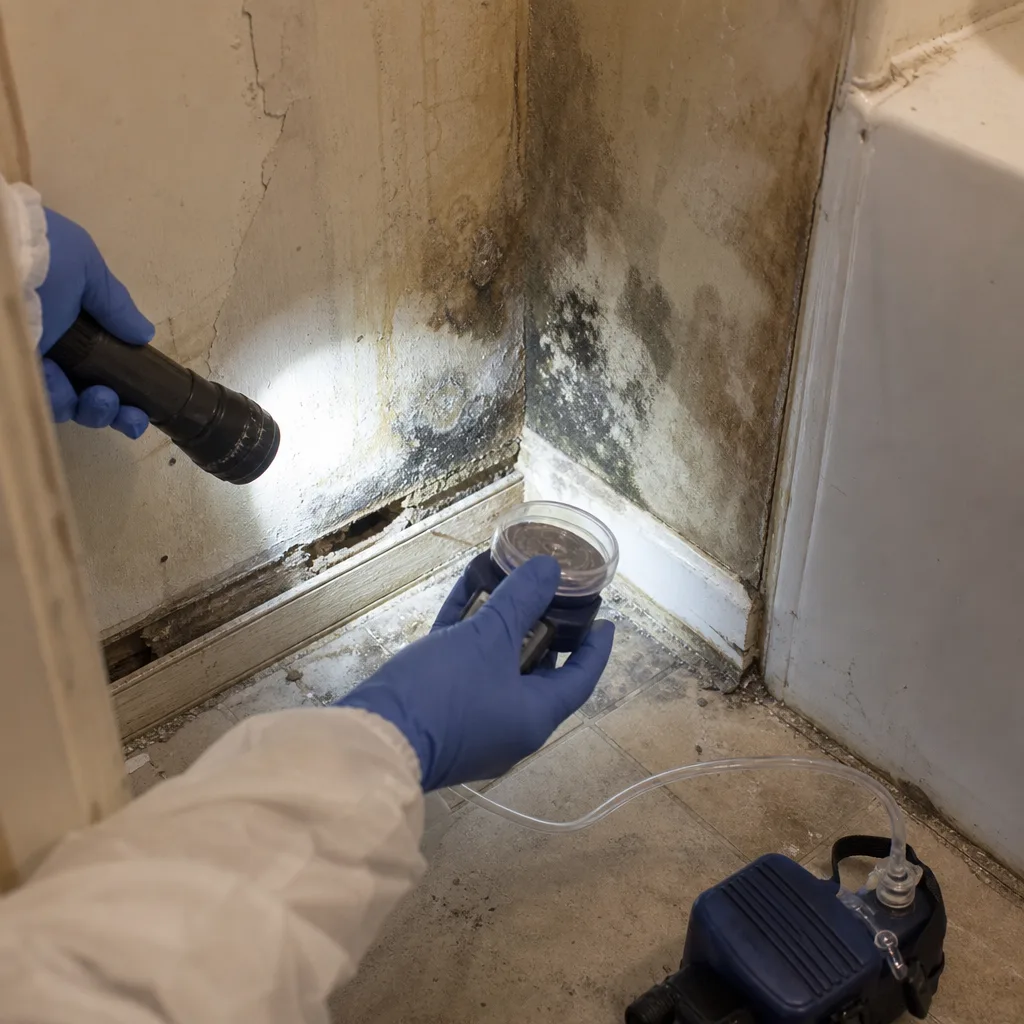
Every Upper East Side inspection begins with moisture meters and infrared cameras, not visual guesswork. In pre-war plaster-and-lath buildings, ceilings act like a slow sponge: they can absorb a week of steady overflow from the unit above while appearing only faintly discolored, so by the time a resident notices the stain and calls for help, active mold colonization is already underway behind a surface that still looks mostly intact. This water-behind-plaster delay means scoping tools and moisture meters are non-negotiable on every job, regardless of how minor the visible damage appears. We document psychrometric data - temperature, relative humidity, and vapor pressure differential - in plain terms you can present to your adjuster or co-op board.
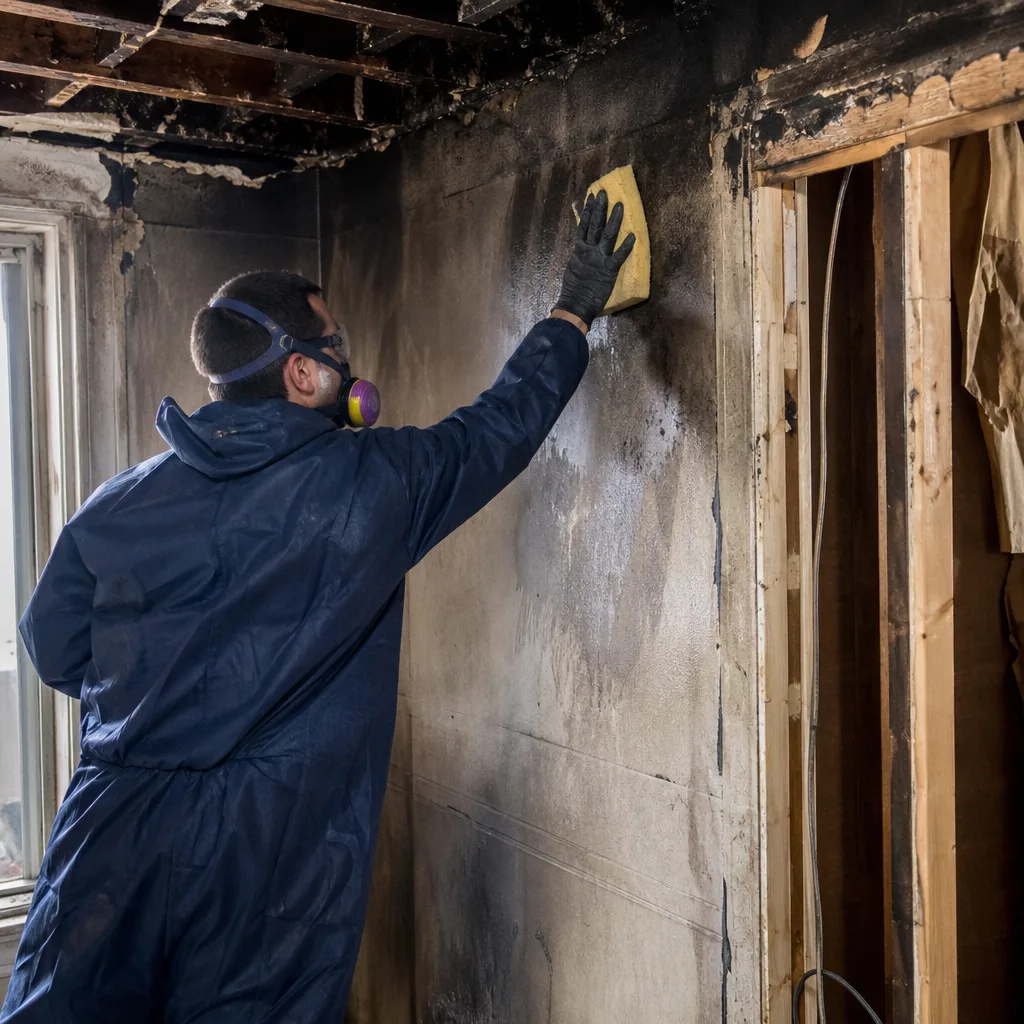
Mold Removal
Removal in Upper East Side requires containment strategies that protect neighboring units in stacked buildings. We build negative-air enclosures with HEPA filtration, remove compromised materials by classification, and treat structural elements with antimicrobial agents rated for occupied buildings. Our crews work within your building’s noise-hour restrictions and freight-elevator schedules.
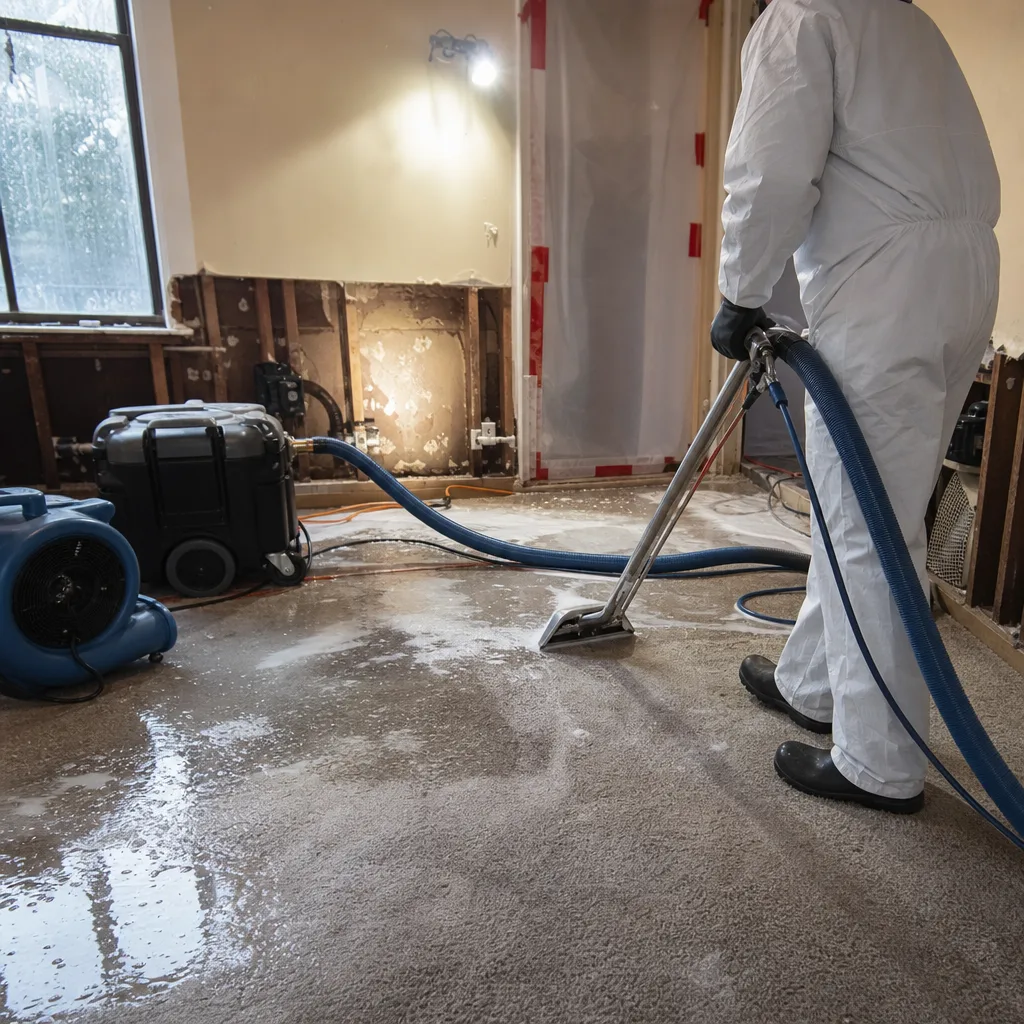
Black Mold Remediation
Stachybotrys and other toxigenic species demand enhanced protocols. In Upper East Side’s older buildings with steam-heat risers and aging galvanized stacks, chronic humidity behind walls creates conditions where black mold establishes before visible growth appears. We identify the moisture source, eliminate it, and remediate to IICRC S520 standards with full documentation.
Air Quality Restoration
Post-remediation air testing verifies that spore counts have returned to acceptable levels before containment is removed. In Upper East Side’s tightly sealed pre-war apartments, we run multiple air samples and compare them to outdoor baseline readings. Results are included in your project file for insurance and board review.
Crawl Space Treatment
While less common in high-rise co-ops, Upper East Side townhouses and certain low-rise buildings have sub-grade spaces vulnerable to groundwater intrusion. We install vapor barriers, dehumidification, and drainage where accessible, with written scopes for each phase.
Moisture & Humidity Control
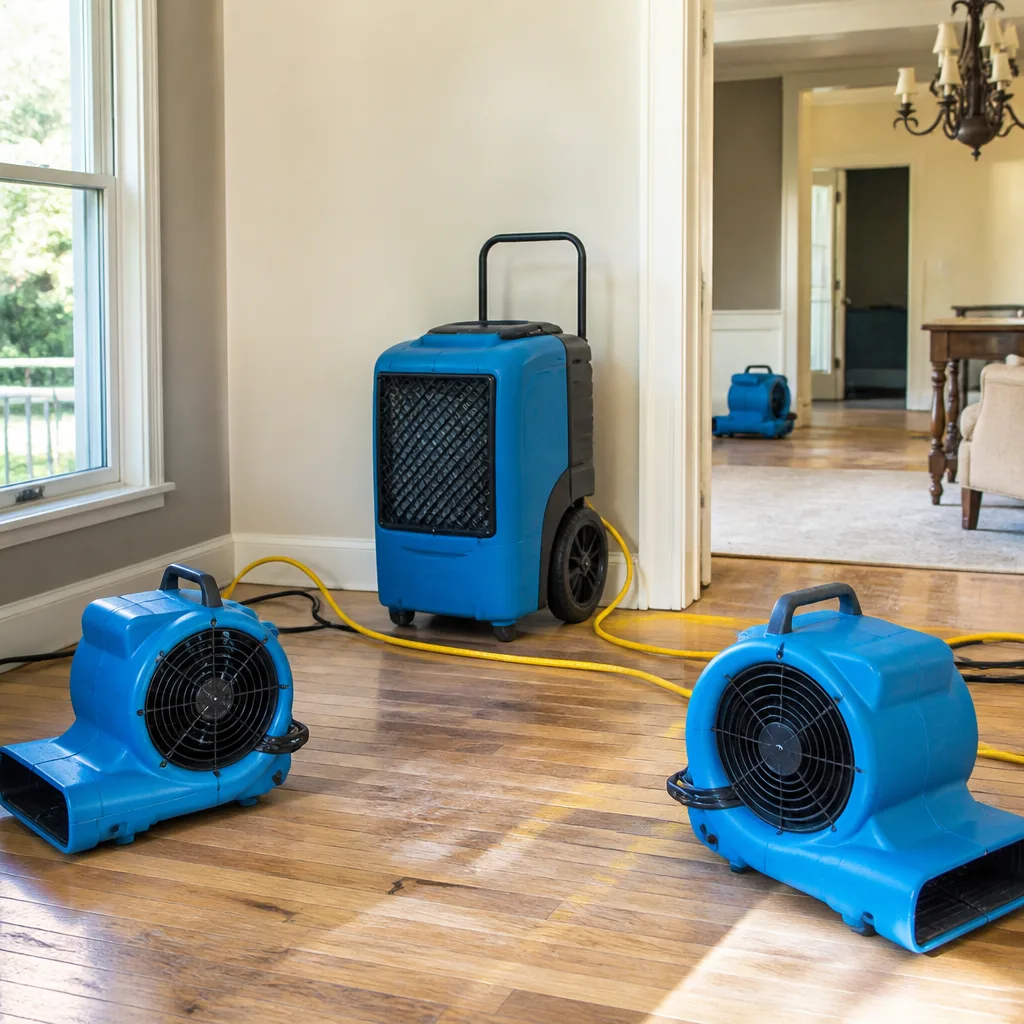
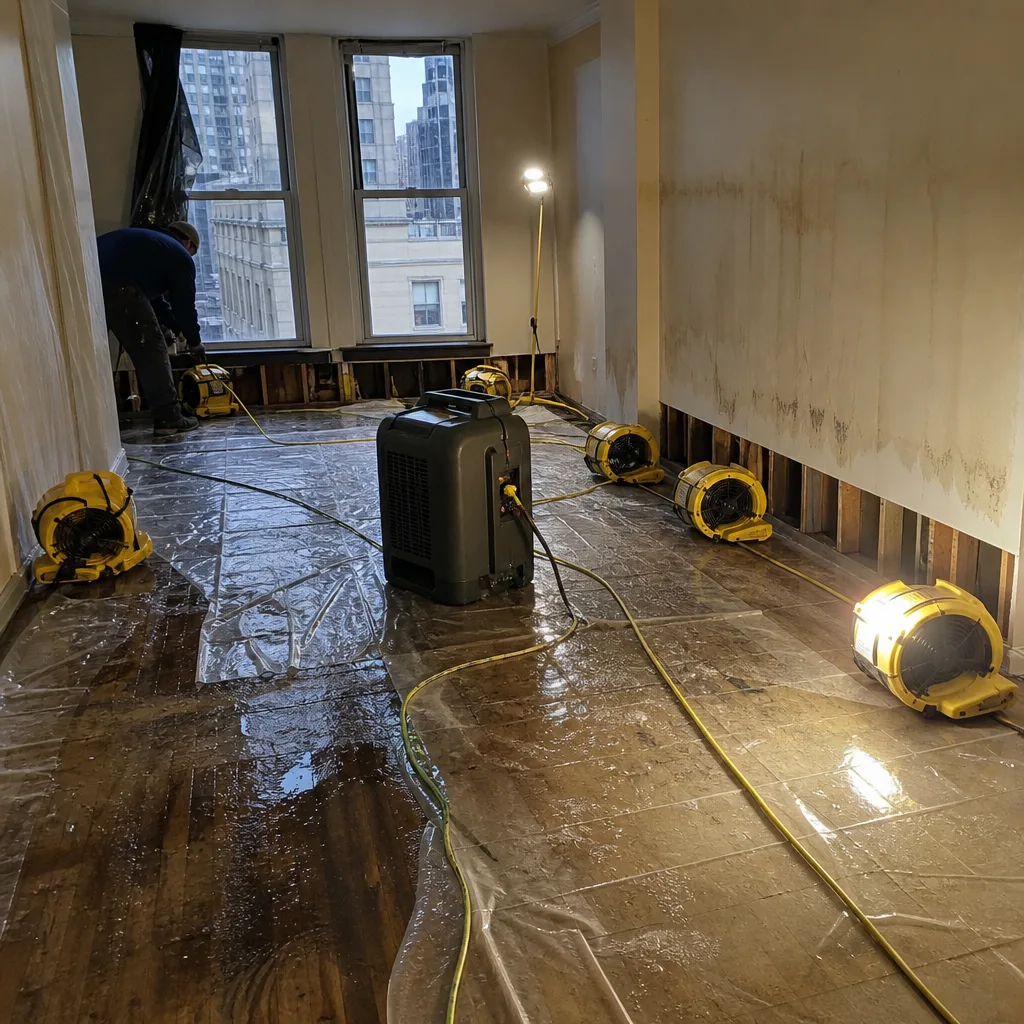
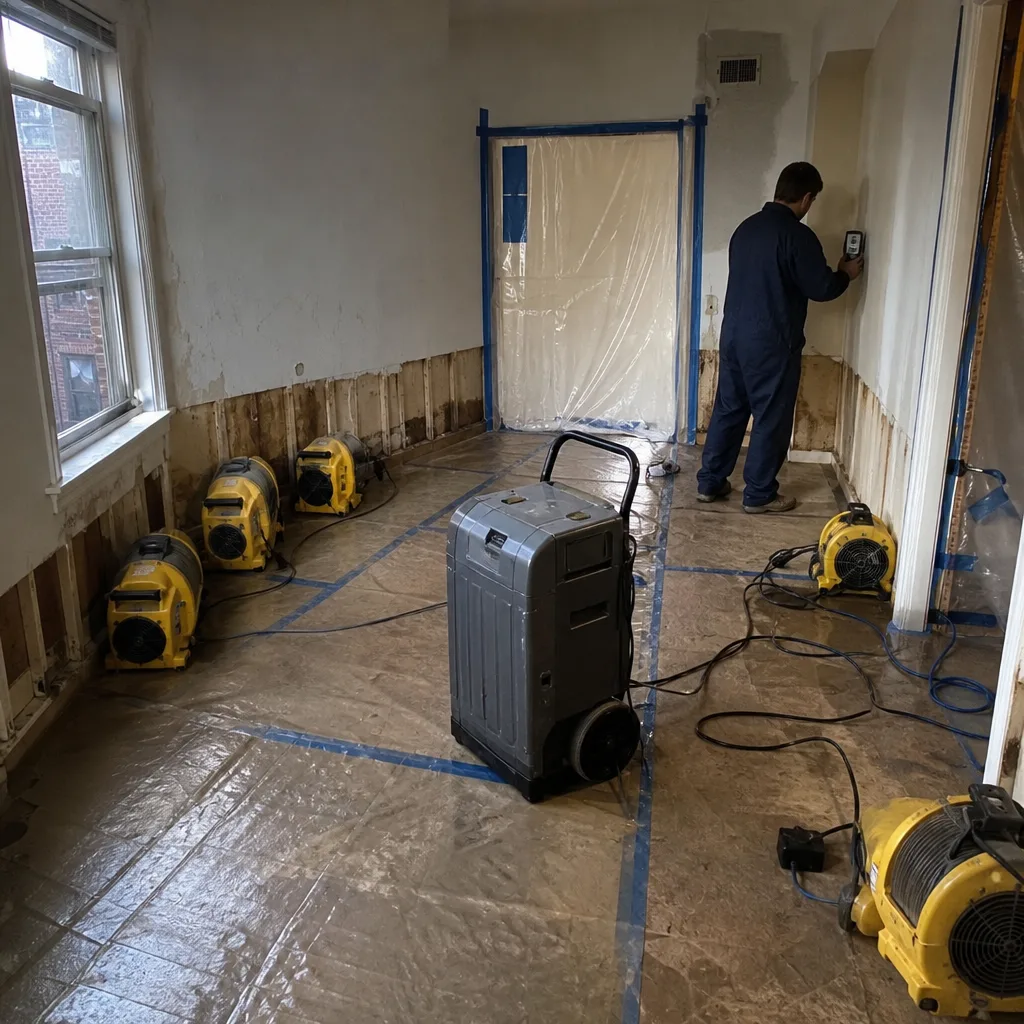
Long-term mold prevention in Upper East Side requires managing the building envelope failures that Manhattan’s freeze-thaw cycles create. Aging terra cotta cornices, brick lintels, and limestone window surrounds develop recurring channels for water intrusion that migrate behind plaster walls. We identify these pathways, recommend remediation, and install monitoring equipment where appropriate. Our drying systems from Phoenix and XPOWER produce daily moisture logs that document the return to dry standard.
What happens when you call
- 1
A real person answersNo phone trees - you reach a local pro.
- 2
You get an upfront price rangeHonest numbers before anyone is dispatched.
- 3
A background-checked tech heads outLicensed & insured, dispatched right away.
- 4
You approve before work beginsNothing starts until you say go.
BeforeAfterTrusted Brands We Service in Upper East Side
We deploy professional-grade equipment from Dri-Eaz, Phoenix, XPOWER, B-Air, and Injectidry on Upper East Side jobs, with particular reliance on Phoenix dehumidifiers and XPOWER air movers for the controlled drying that pre-war plaster demands. Injectidry systems allow us to dry wall cavities without removing intact historic finishes. All work is documented to IICRC, RIA, and IFA standards, producing the daily drying logs that turn restoration invoices into payable insurance claims. We stock HEPA filtration media, antimicrobial formulations rated for occupied spaces, and containment materials sized for Upper East Side elevator dimensions.
Common Mold Remediation Problems We See in Upper East Side Homes
- Hidden mold behind apparently minor stains. In the UES’s pre-war plaster-and-lath buildings, ceilings can absorb a week of steady overflow while showing only faint discoloration. By the time the stain is visible, mold is established behind the surface. Moisture meters and infrared cameras catch what eyes miss.
- Freeze-thaw envelope failure. Manhattan’s temperature swings stress terra cotta cornices and limestone surrounds, creating water channels behind walls. These failures recur seasonally and require identification, not just surface remediation.
- Co-op board and building management delays. Projects stall when vendors ignore pre-approval requirements, vendor-list compliance, or freight-elevator scheduling. We coordinate these logistics as standard practice, not afterthoughts.
- Destruction of irreplaceable finishes through standard demolition. Hand-painted de Gournay wallpaper panels, cast-plaster crown moldings, and hand-laid marble floors require surgical removal and restoration, not aggressive tear-out. Our scopes specify preservation protocols by material.
Pricing for Mold Remediation in Upper East Side, NY
Mold inspection and testing in Upper East Side runs $450-$850 for a typical pre-war apartment, including moisture mapping, infrared imaging, and air sampling. Containment and remediation for a localized area - one room with affected plaster and lath - typically falls between $1,800 and $3,200. Whole-unit remediation with multiple affected rooms, co-op coordination, and finish restoration can reach $4,500-$6,500. Black mold or toxigenic species requiring enhanced PPE, negative-air isolation, and extended air scrubbing add 25-40% to base remediation.
Factors that affect cost: square footage of affected area, material classification (Category 1, 2, or 3 water damage), accessibility for containment setup, co-op board coordination requirements, and whether irreplaceable finishes like de Gournay wallpaper require specialized restoration. Every job receives a written price before work begins, with no scope-creep additions once the crew is inside. Haven Standard, Clause 1.
We also offer a Free Second Opinion on any competitor’s written estimate. Bring their scope and we’ll review it at no charge.
We Also Serve Cities Near Upper East Side
Our crews work throughout Manhattan and western Queens, including Mold Remediation in Upper East Side and surrounding areas: Midtown Manhattan, Murray Hill, Long Island City, and Manhattan broadly. Each area receives the same documentation-first protocol and written-price guarantee.
Serving Upper East Side, NY - Our Local Coverage Area
We’re based in the Upper East Side area and know this community well. Use the map below to see our service coverage - if you’re nearby, we can almost certainly help.
FAQs - Mold Remediation in Upper East Side
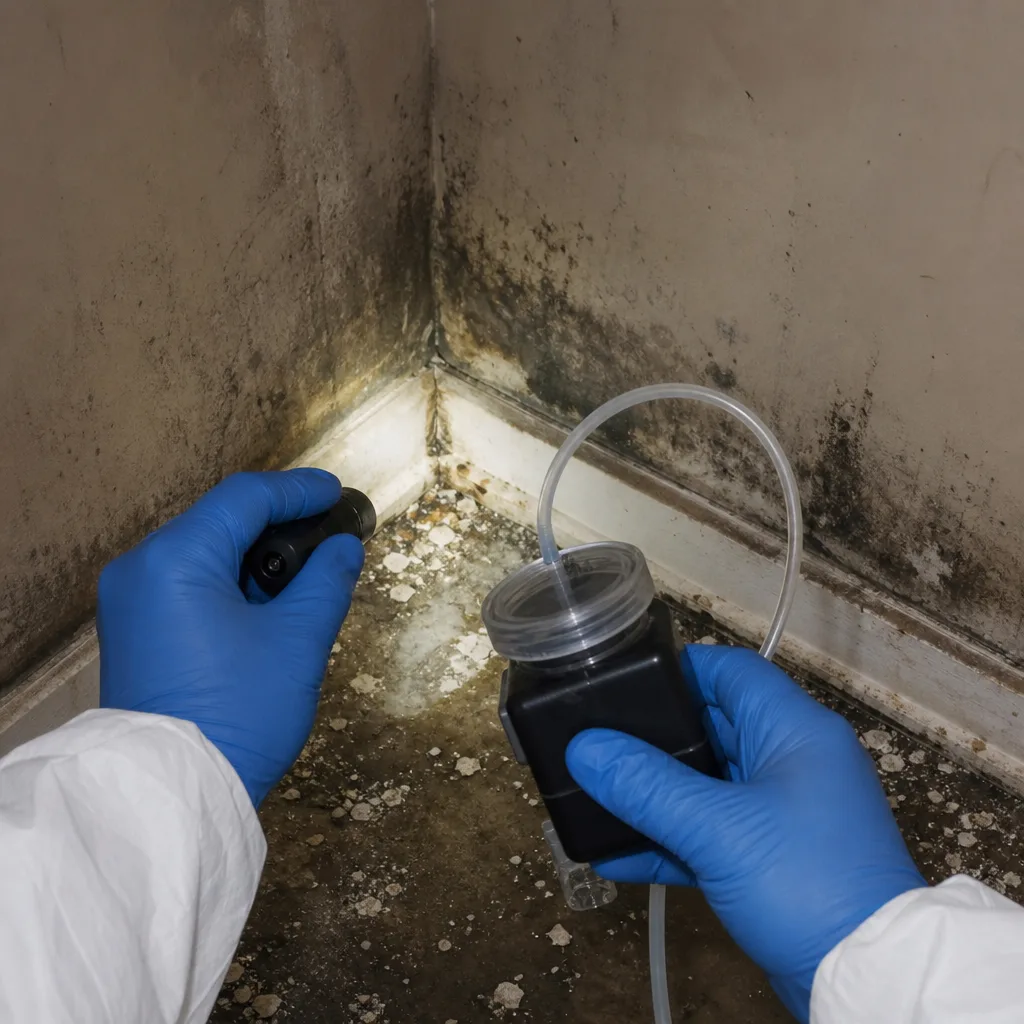
Mold can begin colonizing within 24-72 hours of moisture intrusion, but in Upper East Side’s pre-war plaster-and-lath buildings, the visible signs often lag far behind. Ceilings absorb water slowly while appearing nearly normal, so by the time a stain shows, mold has had days or longer to establish behind the surface. Call (862) 212-1646 for rapid assessment - our moisture meters and infrared cameras find hidden colonization before it spreads.
Call for professional assessment immediately, and do not attempt to clean or paint over the stain. In Carnegie Hill’s pre-war buildings, faint discoloration often masks saturated plaster and active mold growth behind original finishes. Our Mold Remediation team uses non-invasive scoping tools to determine the full extent before any material is disturbed. We’ll coordinate with your building management and document findings for your insurance claim.
Yes, and we prioritize preservation whenever structurally feasible. We got a call from a co-op owner on Park Avenue in Carnegie Hill about a faint ceiling stain in a dining room with original de Gournay wallpaper. Our tech used a moisture meter and infrared camera, which revealed saturated plaster and active mold growth behind the wallpaper. We set up containment with negative air, performed antimicrobial treatment on the affected lath, and carefully removed only the damaged section of wallpaper. After structural drying with Phoenix dehumidifiers and XPOWER air movers, we coordinated with the co-op board to match the wallpaper pattern, restoring the pre-loss condition. Preservation adds cost but is explicitly scoped and priced in writing.
Yes - this is standard on every Upper East Side job, not an add-on service. We submit license verification, insurance certificates, and written scopes to building management before work begins. We schedule around freight-elevator windows and noise-hour restrictions. Delays from missed paperwork are a common failure mode we eliminate through advance coordination.
Category 1 is clean water from a supply line; Category 2 is gray water with contaminants from sources like dishwasher discharge; Category 3 is black water from sewage or flooding. The category determines antimicrobial treatment intensity, material disposal requirements, and drying protocol. In Upper East Side’s older buildings with shared stacks and aging plumbing, a Category 1 leak can degrade to Category 2 if it contacts corroded pipe surfaces or accumulated debris. We classify water on arrival and document the category in your written scope, which affects both remediation approach and insurance coverage. Call (862) 212-1646 if you’re unsure what category you’re facing - we’ll assess and explain.
Ready to stop mold from spreading behind your walls? Call (862) 212-1646 for a free estimate with a written price before any work starts. Our Upper East Side crews are standing by 24 hours a day, 7 days a week, with live person answering every call.
Written by Alicia Brennan, Owner at DryMark Restoration Midtown Manhattan, serving Upper East Side under The Haven Standard since 2011.