
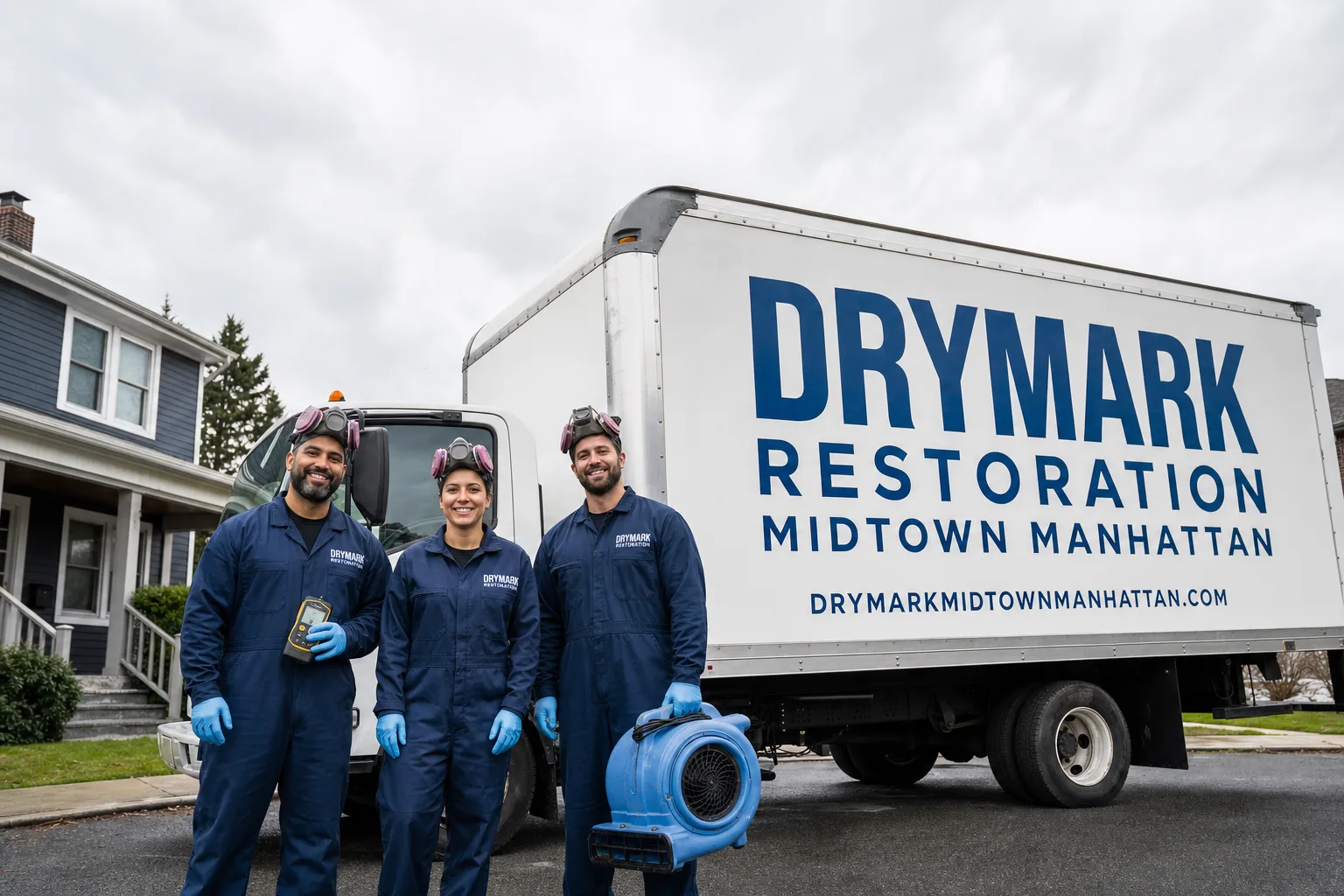
Free visual inspection and a written scope of work before any mitigation begins - photos, moisture readings, and drying logs go in your claim file
The scope we write is the scope we bill. Anything new gets shown to you, in writing, before we touch it.
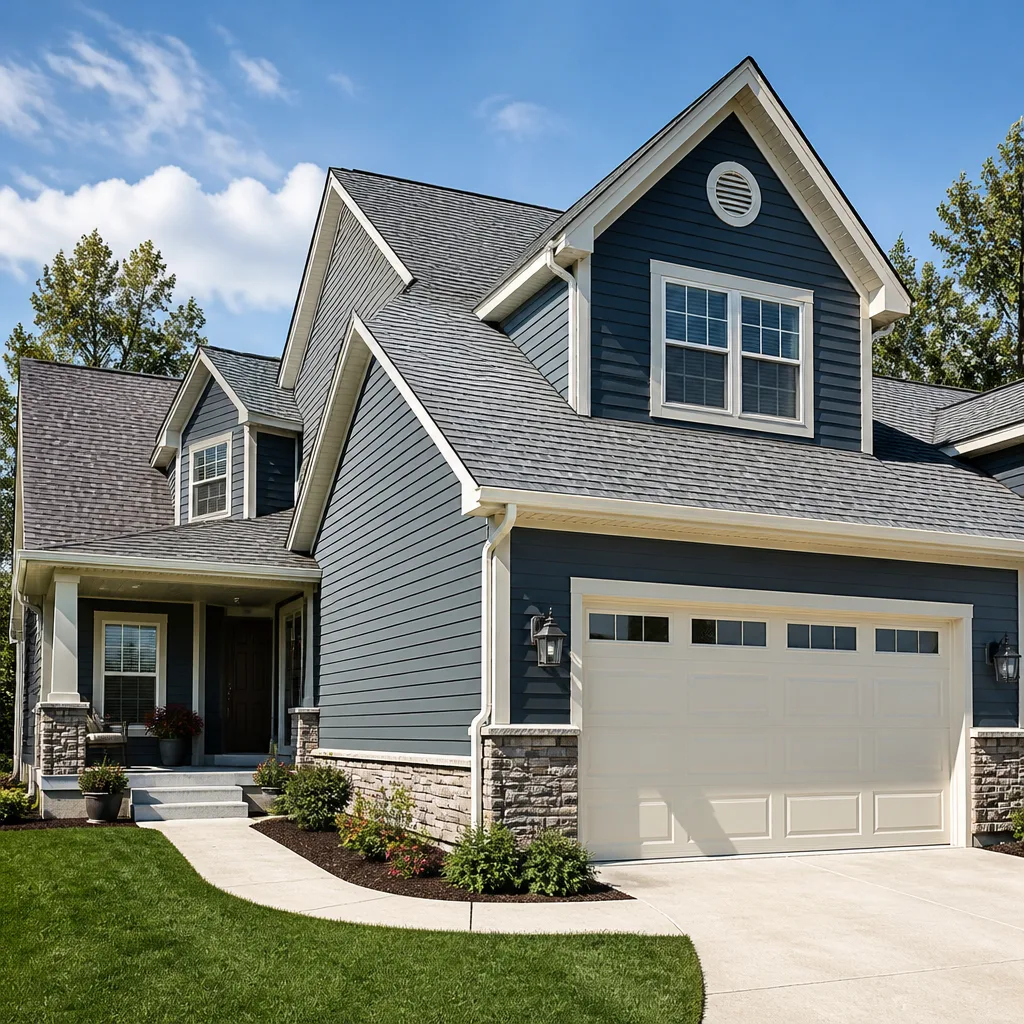
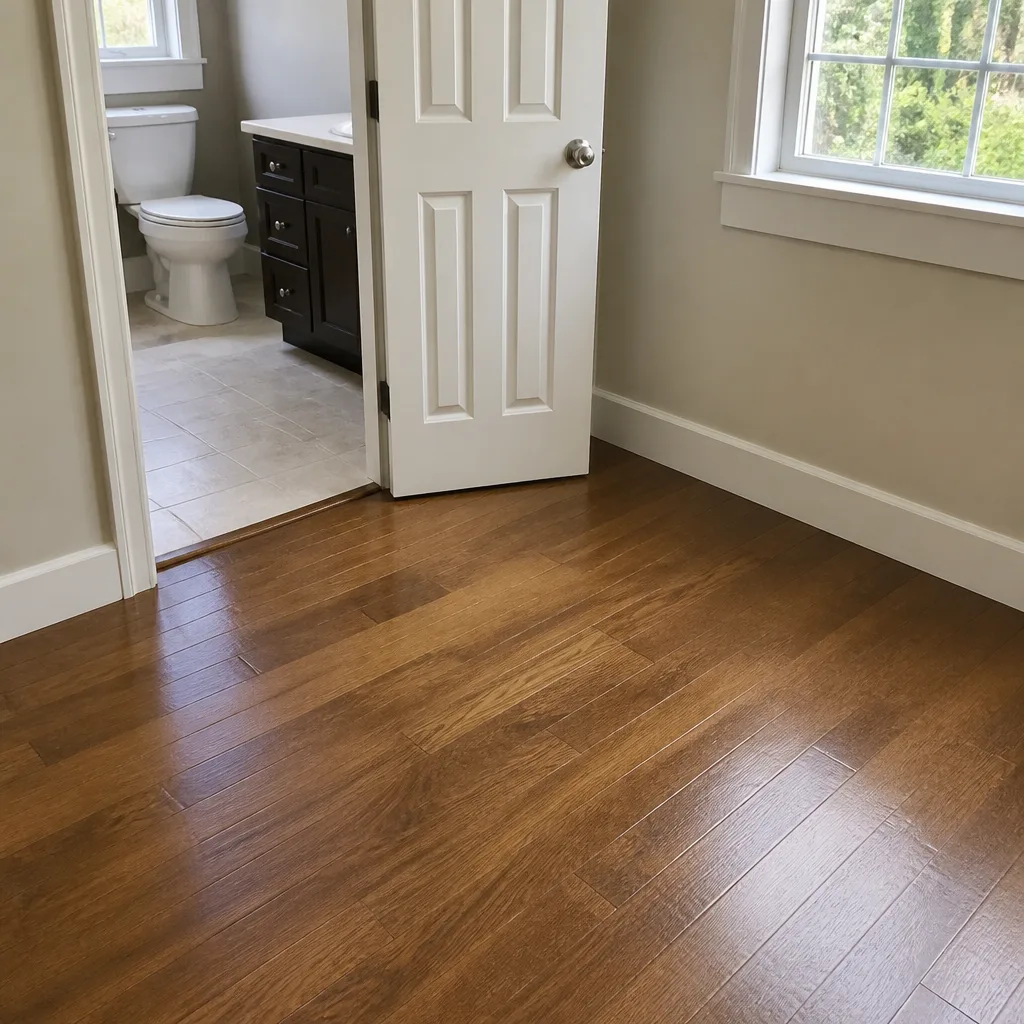
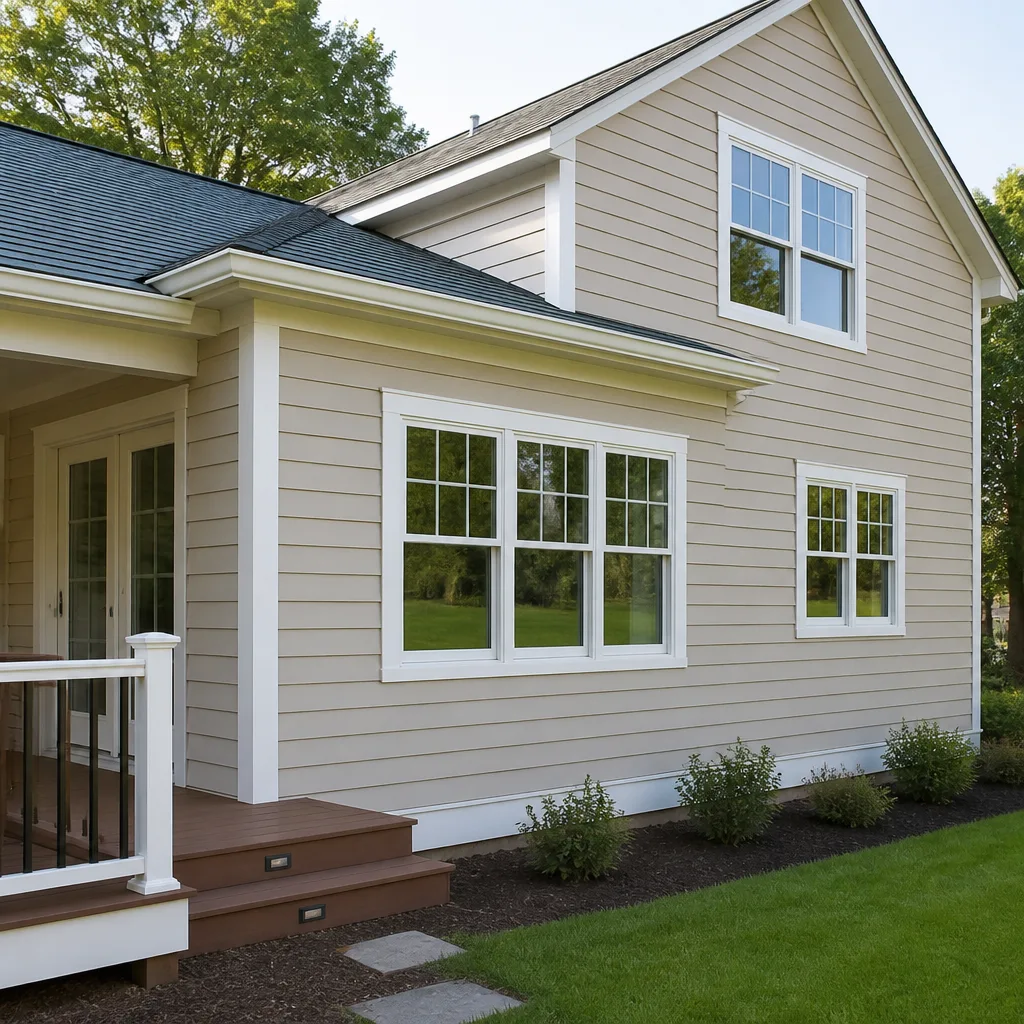
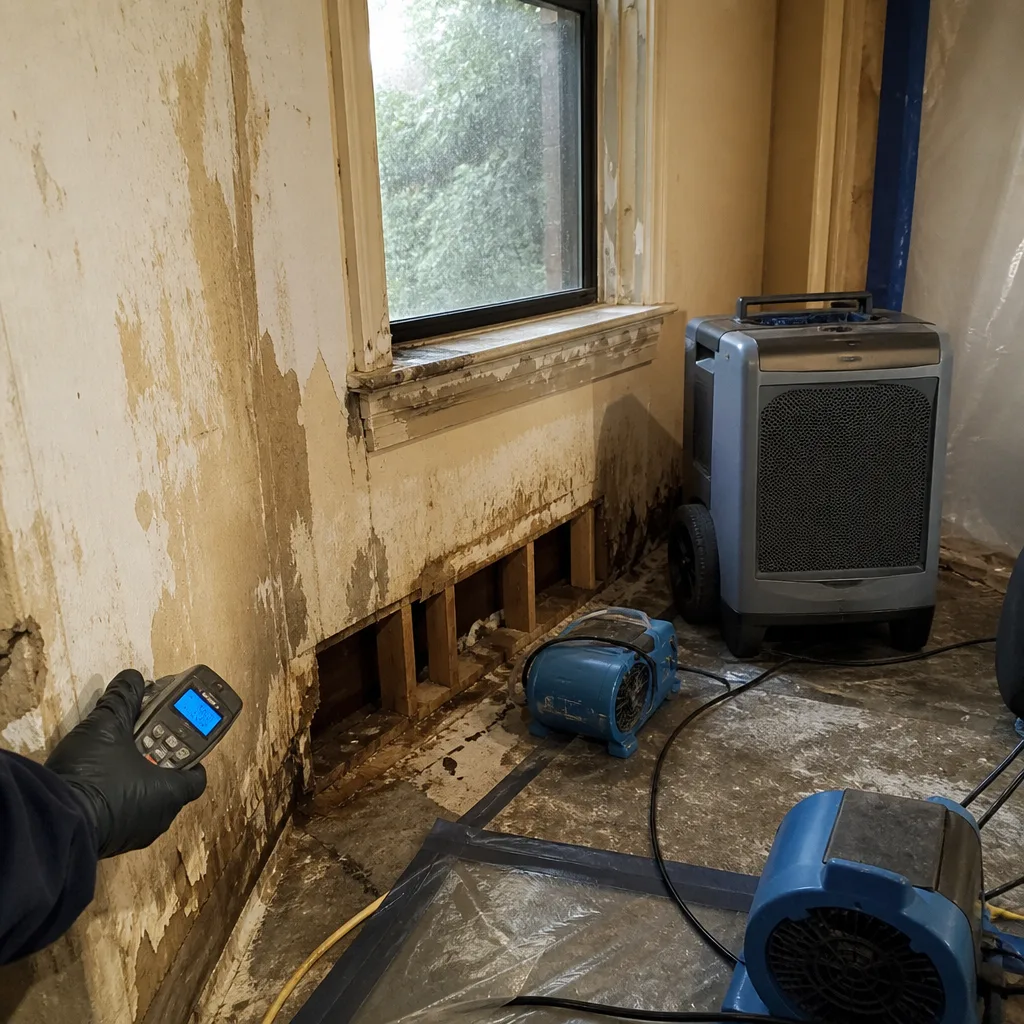 Before
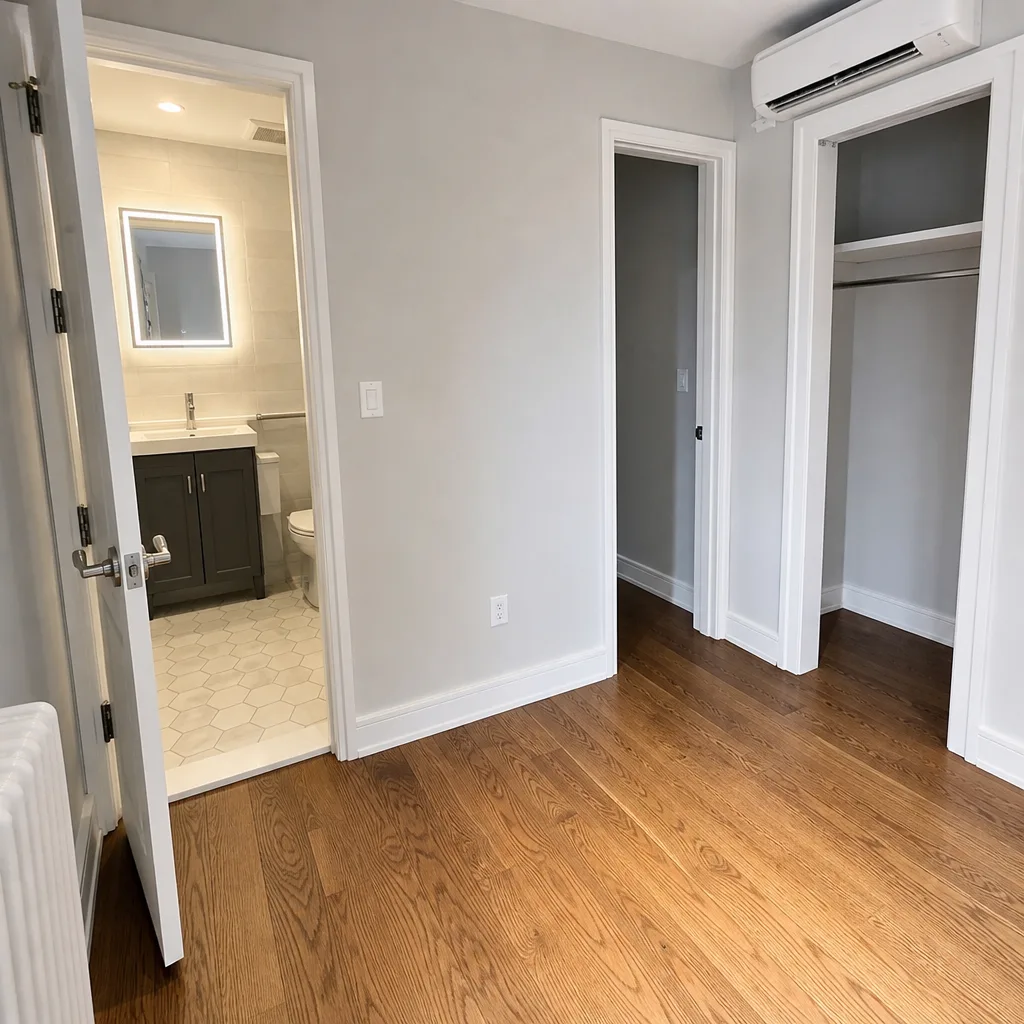 After
After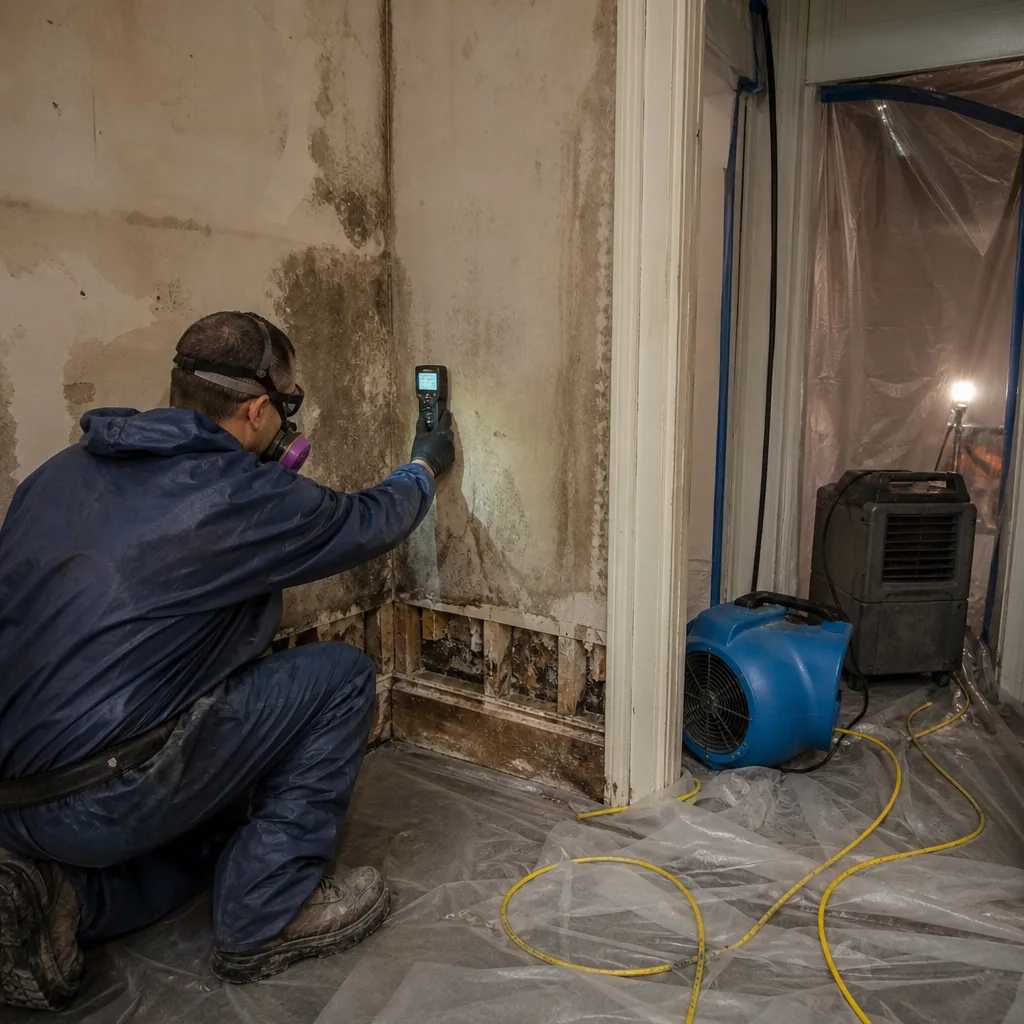 Before
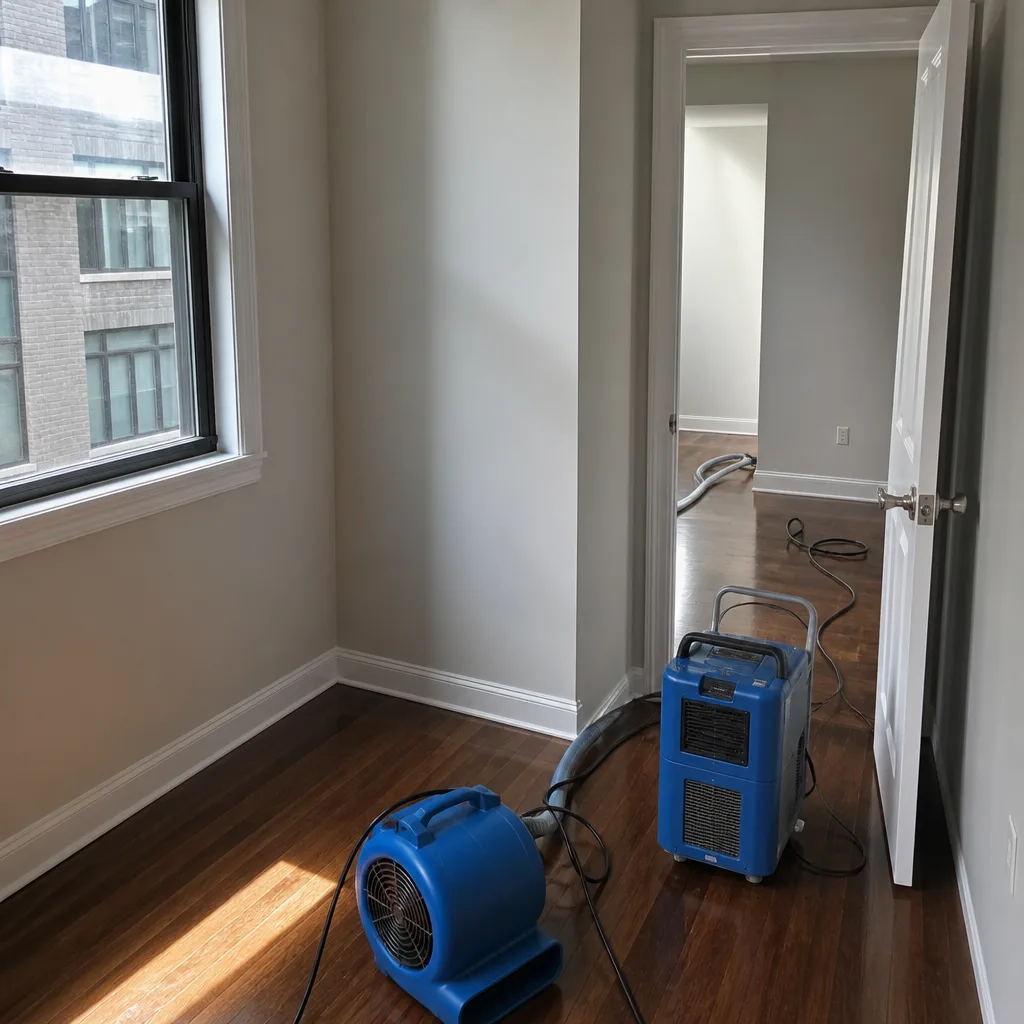 After
After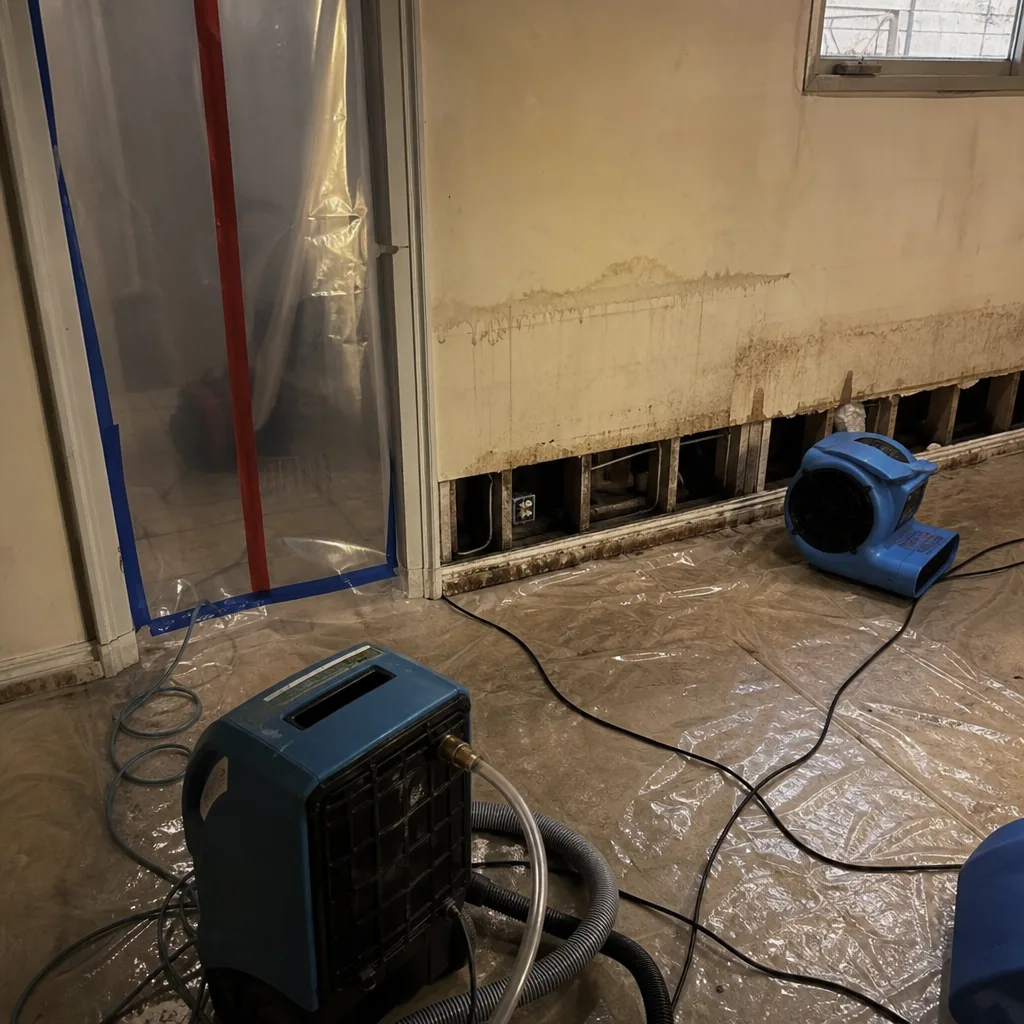 Before
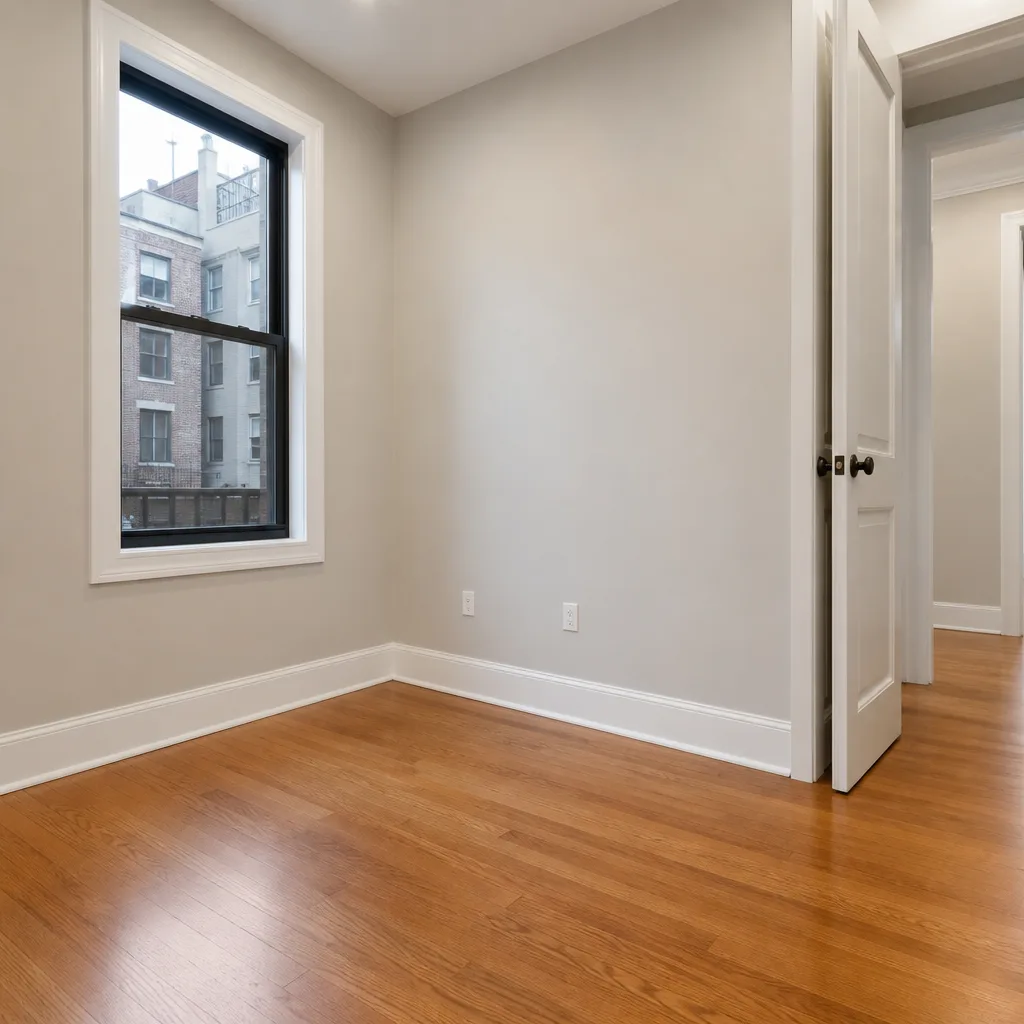 After
AfterHow Much Does Storm & Disaster Restoration Cost in Midtown Manhattan, NY? (2026 Price Guide)
Storm & Disaster Restoration in Midtown Manhattan typically costs between $2,500 and $12,000 for standard residential water mitigation or minor fire cleanup, while extensive reconstruction or high-rise water damage events can range from $15,000 to $50,000 or more. The final cost for your specific situation depends on the square footage affected, the category of water or soot damage, and the logistical requirements of your building, such as elevator access, time-of-day restrictions, and the type of construction materials involved.
At DryMark Restoration Midtown Manhattan, we believe in radical transparency. Alicia Brennan founded this company on the principle that the uncertainty of pricing is the primary cause of stress for homeowners. Under The Haven Standard, specifically Clause 1, we provide a written price before any work begins on your property, ensuring you know exactly what the investment is before our crew touches your home.
Storm & Disaster Restoration Cost Breakdown (2026)
Restoration costs are not arbitrary. They are calculated based on a standardized price list that accounts for labor, drying equipment, and material removal. In Midtown Manhattan, these costs are often influenced by the unique challenges of our urban environment, including the difficulty of moving equipment into high-rise units and the complexity of older building materials.
| Service Category | Typical Cost Range | Primary Cost Drivers |
|---|---|---|
| Standard Water Mitigation | $2,500 – $6,500 | Affected square footage, Category 1 vs Category 3 water, drying duration. |
| Structural Mold Remediation | $3,000 – $9,000 | Containment setup, PPE requirements, material removal (drywall vs plaster). |
| Fire & Smoke Damage Cleanup | $4,500 – $15,000 | Soot saturation levels, cleaning vs. replacement, deodorization requirements. |
| High-Rise Logistics Surcharge | $500 – $2,500 | Freight elevator booking, restricted work hours, floor height access. |
| Reconstruction & Repairs | $5,000 – $50,000+ | Complexity of finishes (custom millwork, historic plaster), permit requirements. |
If you are facing an emergency, call (862) 212-1646 immediately. We provide free estimates and our team is ready to document your loss according to IICRC, RIA, and IFA standards.
What Affects Storm & Disaster Restoration Pricing in Midtown Manhattan
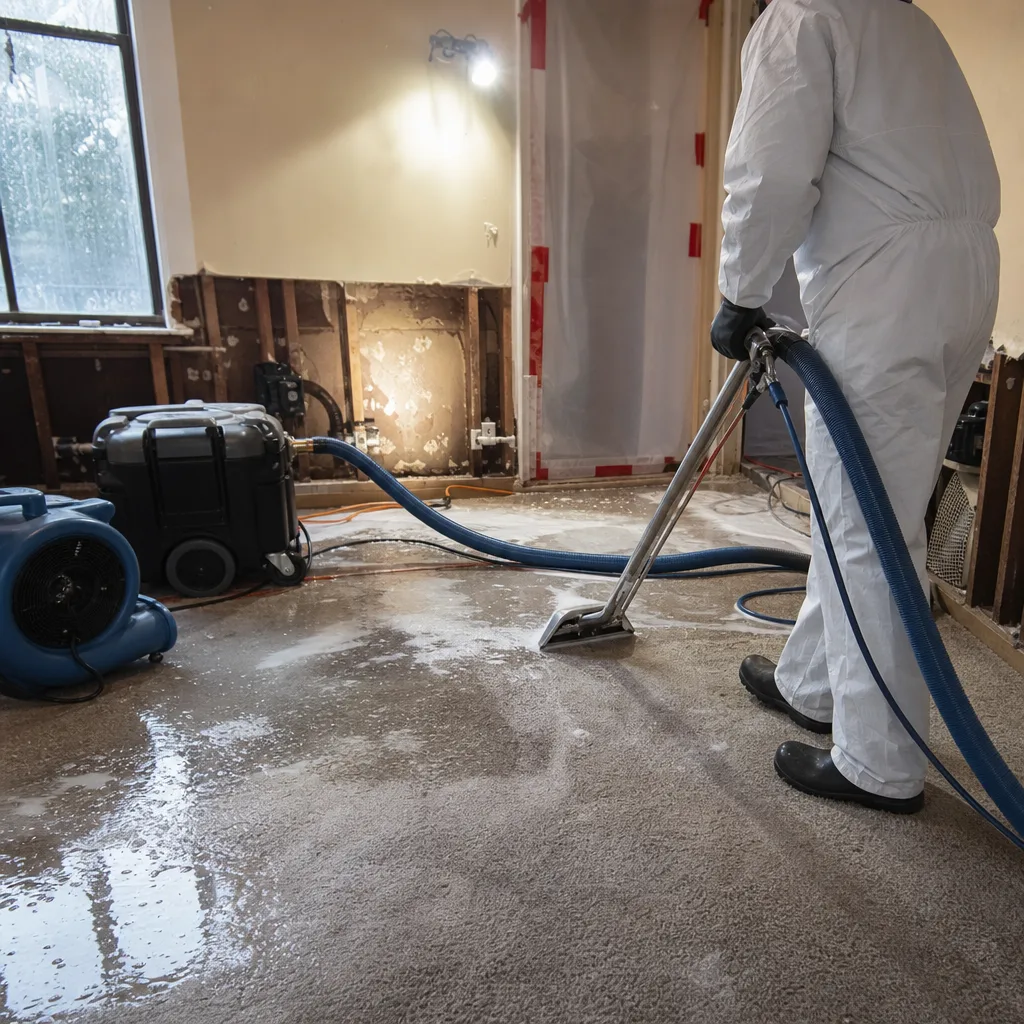
Midtown Manhattan is not a typical suburban market. The density of our buildings, the age of our infrastructure, and the strict rules imposed by co-op and condo boards create specific cost variables that do not exist in other parts of the country. When we assess your property, we look at these five specific factors:
- Building Access and Logistics: In many Midtown high-rises, we cannot simply drive a truck to your front door. We must account for freight elevator access, loading dock scheduling, and the time required to move professional-grade drying systems like Phoenix or Dri-Eaz units into your unit.
- Material Composition: Older buildings in Midtown often feature lath and plaster walls or original hardwood flooring. These materials are more expensive to dry and restore than modern drywall and laminate, as they require more specialized moisture monitoring and longer drying times to prevent warping or microbial growth.
- Water Source and Category: Water is classified by the IICRC into three categories. Category 1 is clean water from a supply line. Category 2 is grey water from a dishwasher or washing machine. Category 3 is black water from sewage or storm flooding. The higher the category, the more extensive the PPE, containment, and sanitization protocols, which increases the labor cost.
- Vertical Migration: In high-rise buildings, water does not just stay in your unit. It travels through pipe chases and wall cavities to the floors below. We often have to perform inspections on adjacent or lower units to prevent secondary damage, which adds to the scope of work.
- Regulatory Compliance: Many Midtown buildings require specific insurance documentation or permits for contractors. We handle this documentation as part of our process, but the administrative time required to satisfy a building manager’s requirements is a factor in project management.
BeforeAfterThe Haven Standard: Our Commitment to You
Alicia Brennan founded DryMark Restoration Midtown Manhattan with a clear mission: to eliminate the documentation gap that often leaves homeowners fighting with their insurance companies. When you work with us, you are not just hiring a cleaning crew. You are hiring a team that treats your home like a legal file.
The Haven Standard is our operational backbone. It includes a written price before any work begins, ensuring you never face surprise charges. We provide a documented photo record on every single visit, which is essential for your insurance claim. We also utilize professional-grade drying systems from manufacturers like XPOWER, B-Air, and Injectidry, ensuring we meet the highest industry standards for drying performance. We offer a 365-Day Done Right Promise, which acts as a written warranty on our workmanship. If we do not get it right, we make it right.
How to Save on Storm & Disaster Restoration
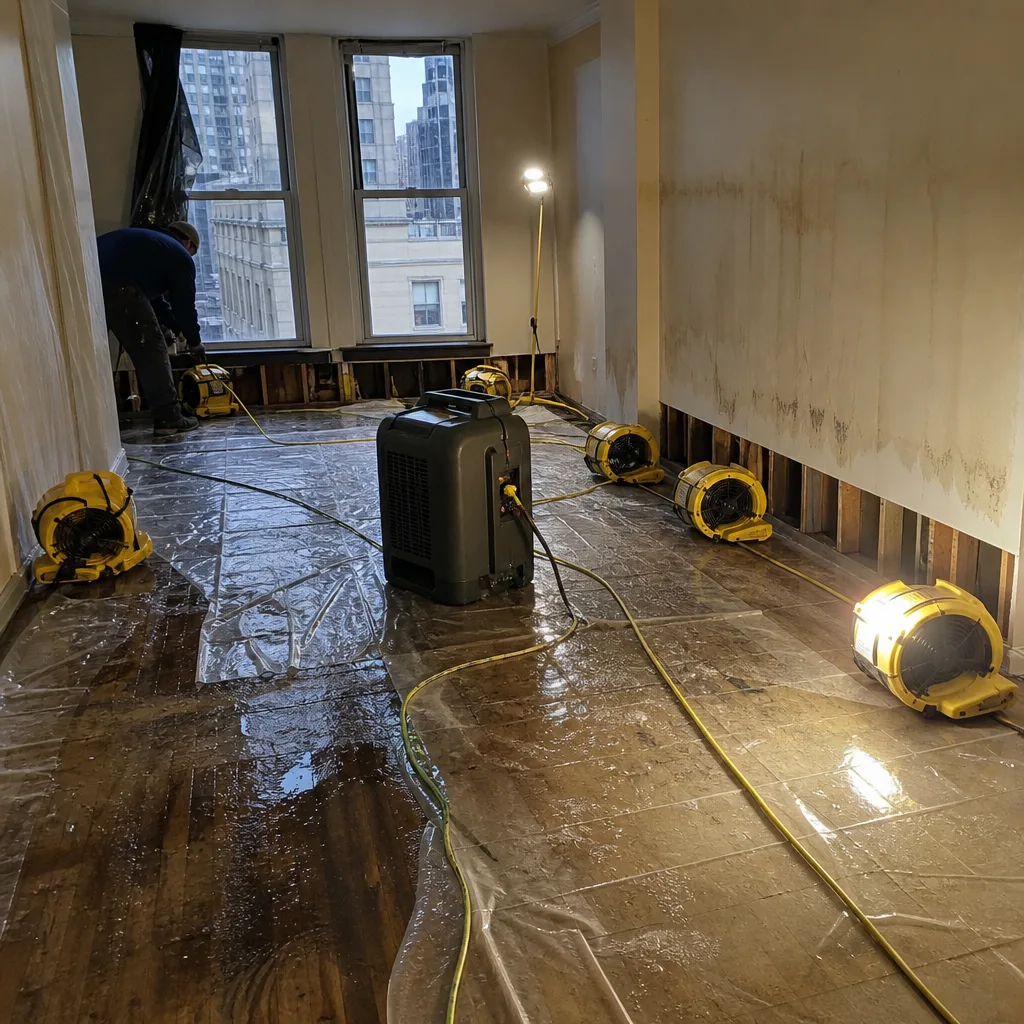
The most effective way to control costs during a disaster is to minimize the time between the event and the start of professional mitigation. Water damage is progressive. It does not stop moving until it is stopped by professional intervention.
- Act Immediately: The cost of drying a structure increases exponentially with time. If you wait 48 hours, you move from simple drying to potential mold remediation and material removal. Call (862) 212-1646 the moment you discover the issue.
- Document Everything: While our team will handle the professional moisture logs and photo records, your initial photos of the standing water or the source of the leak are helpful. Do not clean up the area before we arrive, as we need to document the state of the property for your insurance claim.
- Get a Second Opinion: If you have already received a quote from another company, we offer a Free Second Opinion. Bring their written estimate to us, and we will review it at no charge. We often find that competitors include unnecessary steps or miss critical drying requirements that your insurance adjuster will look for later.
- Focus on Drying, Not Replacing: Many contractors will suggest ripping out materials immediately because it is faster and more profitable for them. We prioritize drying in place when possible, using specialized equipment like Injectidry systems to save your floors and walls, which saves you the cost of reconstruction.
Safety First: When to Call the Professionals
We understand the urge to handle a disaster yourself, but we must emphasize that certain restoration tasks carry significant risks. If you are dealing with water intrusion, there is a high probability of electrical hazards. Water and electricity are a dangerous combination. Do not attempt to move furniture or walk through standing water if there is any chance that electrical outlets, floor lamps, or appliances are submerged.
Furthermore, if you suspect sewage contamination (Category 3 water), do not attempt to clean this yourself. Sewage contains pathogens that pose a serious health risk. Our technicians use full-body PPE and industrial-grade sanitizers to safely manage these environments. If the disaster involves structural damage, such as a ceiling collapse or fire-weakened supports, do not enter the area until a professional has assessed the structural integrity. Your safety is more important than any restoration project.
FAQs - Storm & Disaster Restoration Cost
How much does it cost to fix a water leak in a Midtown Manhattan apartment?
Small-scale water mitigation in a Midtown apartment typically costs between $2,500 and $5,000, depending on the extent of the saturation and the type of flooring. Call (862) 212-1646 for an exact, written quote before we begin any work.
Is it cheaper to repair or replace water-damaged materials?
It is almost always cheaper to dry existing materials than to replace them, provided the water is not Category 3 (sewage). We use professional drying technology to restore materials to their pre-loss condition, which avoids the high cost of reconstruction. Call us to discuss your specific situation.
Do you work with insurance companies on the pricing?
Yes. We document every job to IICRC, RIA, and IFA standards, which provides the evidence your insurance adjuster needs to approve your claim. Because we provide a written scope of work and photo records, we help facilitate a smoother approval process.
Can you come today to assess the damage?
We provide 24/7 emergency response. When you call (862) 212-1646, you will speak to a live person who can coordinate an immediate assessment of your Midtown Manhattan property.
What if I have already started the cleanup?
It is best to stop and let us take over, but we understand if you have already begun. We can step in at any stage of the process to provide the professional documentation and drying protocols necessary to ensure the job is finished correctly. Call us to see how we can help.
Understanding the Restoration Process
When you hire DryMark Restoration Midtown Manhattan, you are engaging a process that is designed to satisfy both your needs as a homeowner and the requirements of your insurance provider. We follow a strict, evidence-based protocol for every job.
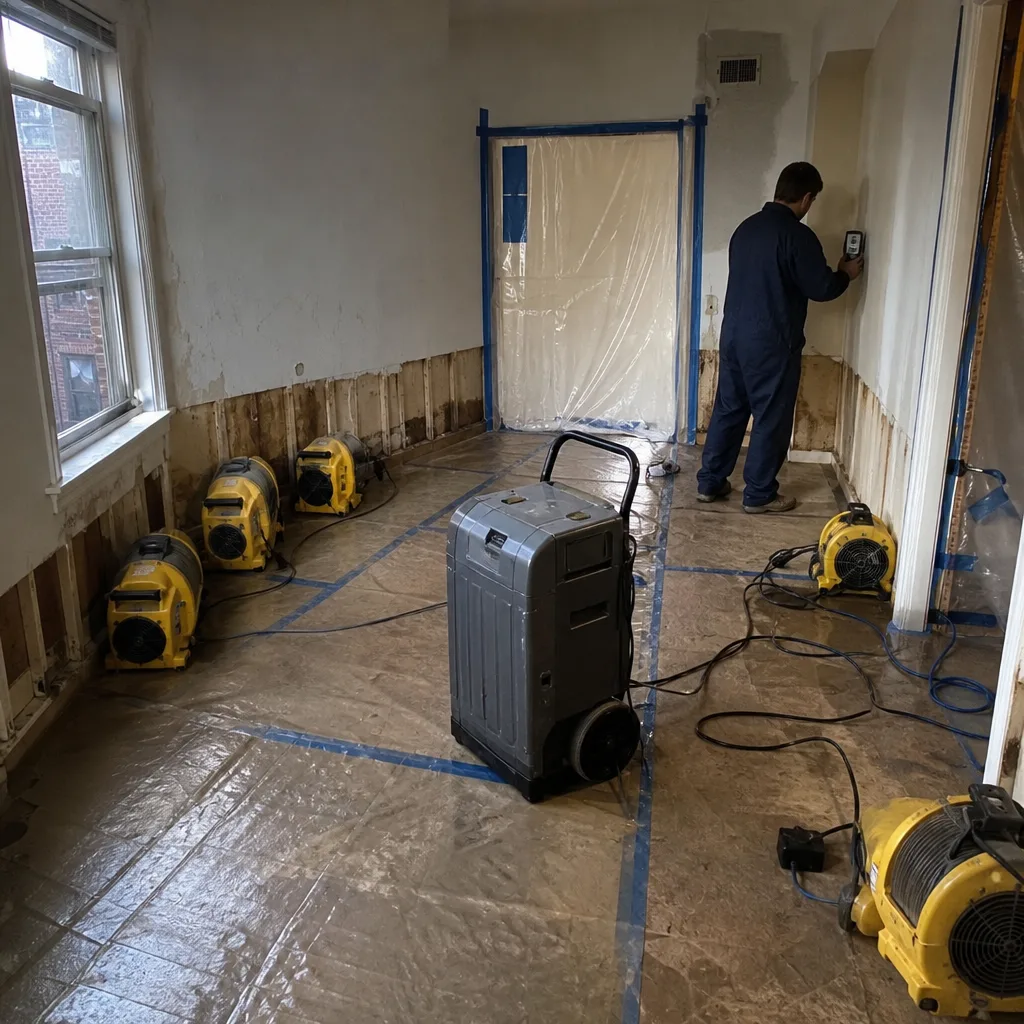
- Emergency Inspection: We arrive on-site to document the loss. We use thermal imaging and moisture meters to identify the full extent of the water migration, including areas you cannot see, like behind baseboards or inside wall cavities.
- Written Scope and Price: Per The Haven Standard, Clause 1, we present you with a written scope of work and a fixed price. You approve this before we initiate any mitigation.
- Containment and Protection: We establish containment to prevent cross-contamination, especially if we are dealing with mold or sewage. We also protect your personal property by moving it to a safe, dry area or elevating it.
- Water Extraction: We use high-powered extraction equipment to remove standing water. This is the most critical step in preventing long-term damage.
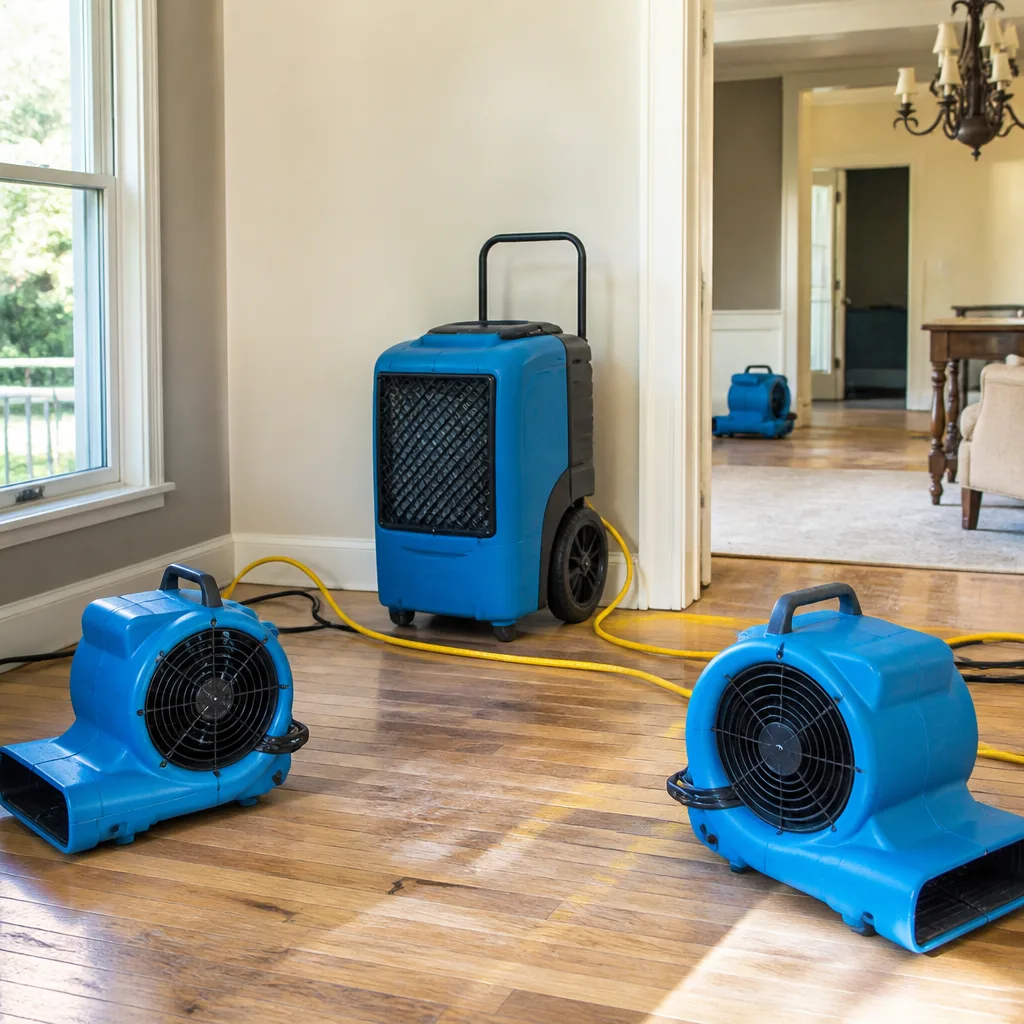
- Structural Drying: We deploy professional-grade drying systems, including Dri-Eaz dehumidifiers and Injectidry wall-drying panels. We monitor the drying process with daily logs, recording moisture readings and psychrometric data to ensure the structure is actually drying, not just feeling dry to the touch.
- Documentation and Reporting: We compile a final report, including our moisture logs, photo records, and the signed 365-Day Done Right Promise. This package is what you submit to your insurance company to support your claim.
Every step of this process is designed to protect your home and your financial interests. We do not skip steps, and we do not guess at the results. We measure, we document, and we restore.
If you are dealing with damage in Midtown Manhattan, do not rely on verbal estimates or vague promises. Demand a written plan from a company that understands the complexities of our local building stock. Call DryMark Restoration Midtown Manhattan at (862) 212-1646 for a free estimate and professional guidance.
Pricing reflects the Midtown Manhattan market as of 2026. DryMark Restoration Midtown Manhattan offers free estimates - call (862) 212-1646. Written by Alicia Brennan, Owner at DryMark Restoration Midtown Manhattan, serving the Midtown Manhattan area since 2011.
What Our Customers Say
"They photographed behind the baseboards before removing anything. That documentation is the only reason the claim covered the wall cavity."
- Noreen S."They told us the subfloor was dry and did not need replacing, which cost them the bigger job. We have recommended them four times since."
- Verity M."Burst supply line upstairs. They had equipment in the house within a few hours and told me honestly which flooring could be saved and which could not."
- Jarrod P.