
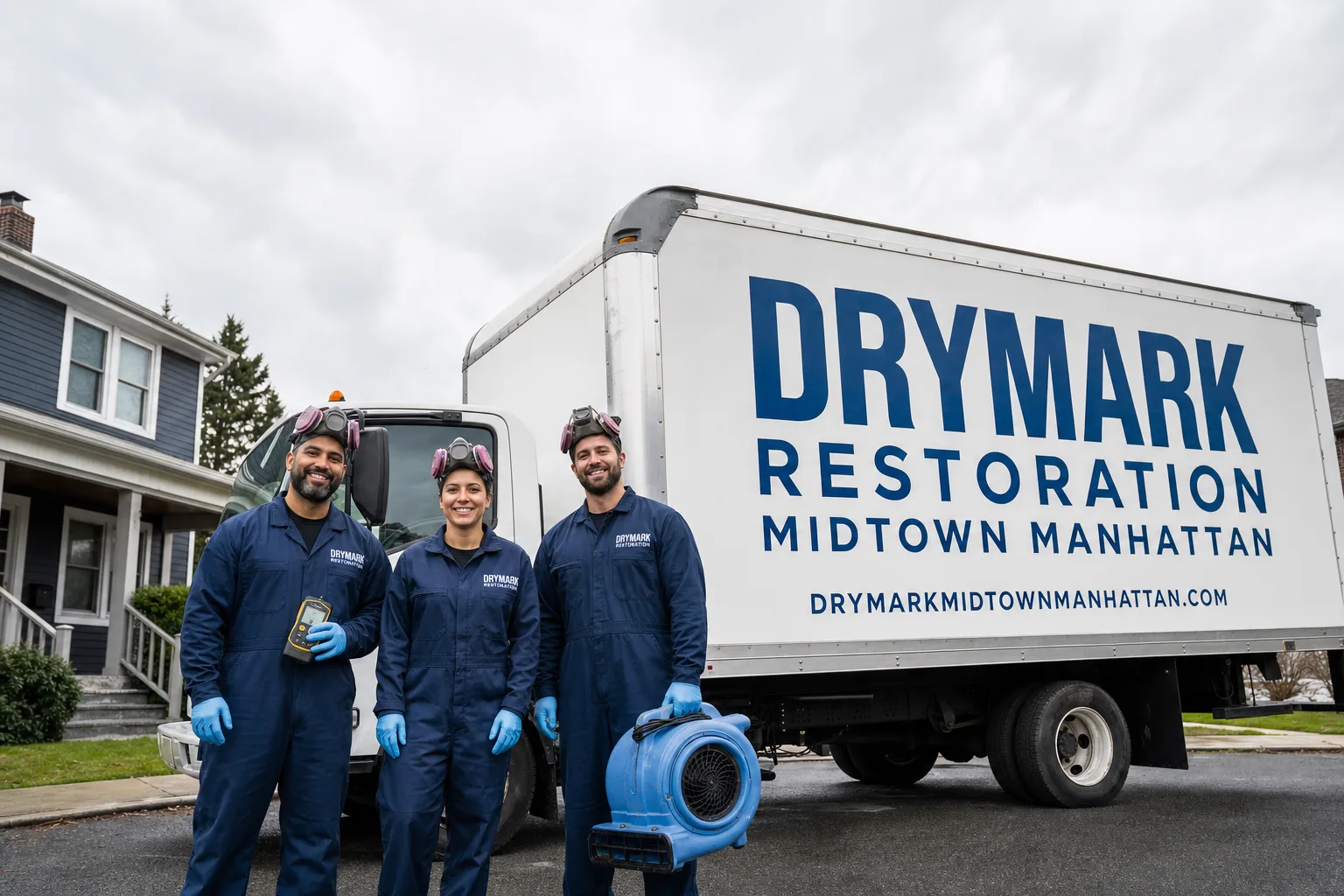
Free visual inspection and a written scope of work before any mitigation begins - photos, moisture readings, and drying logs go in your claim file
The scope we write is the scope we bill. Anything new gets shown to you, in writing, before we touch it.
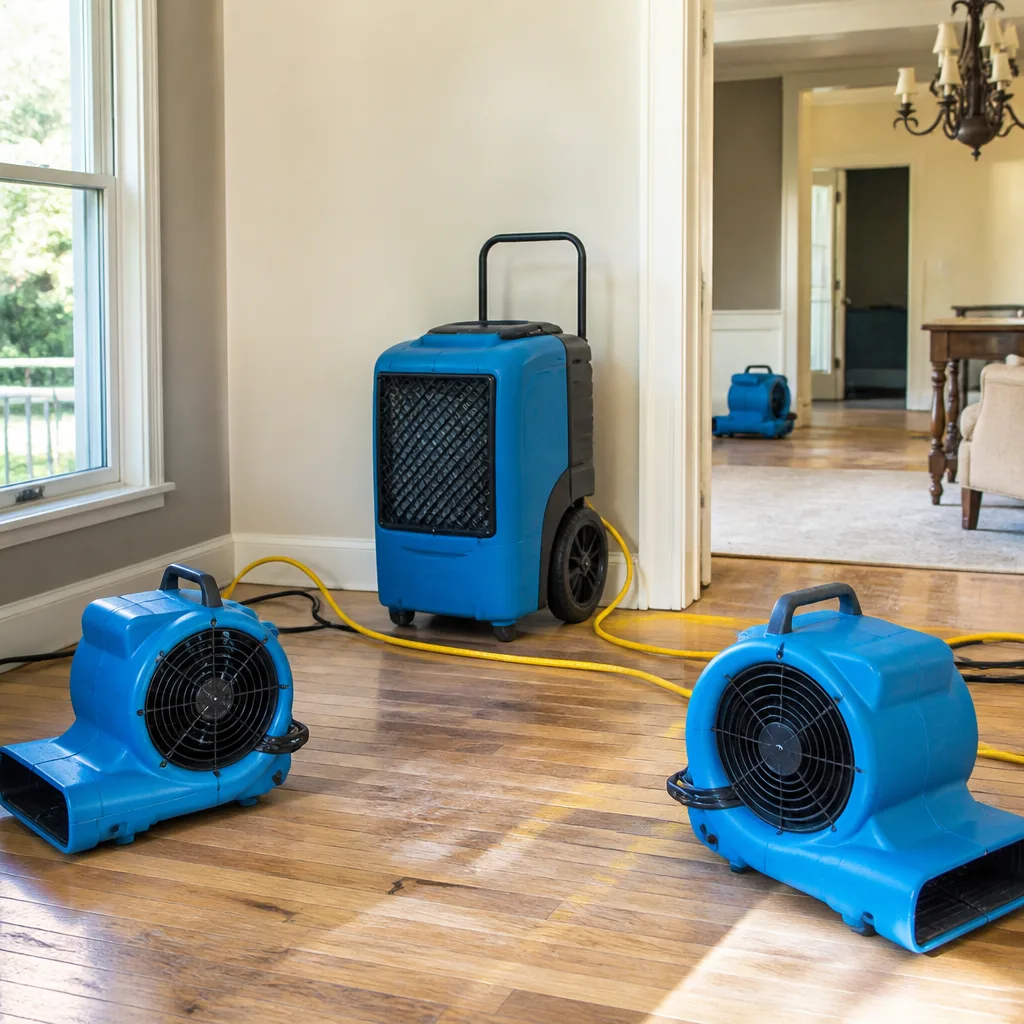
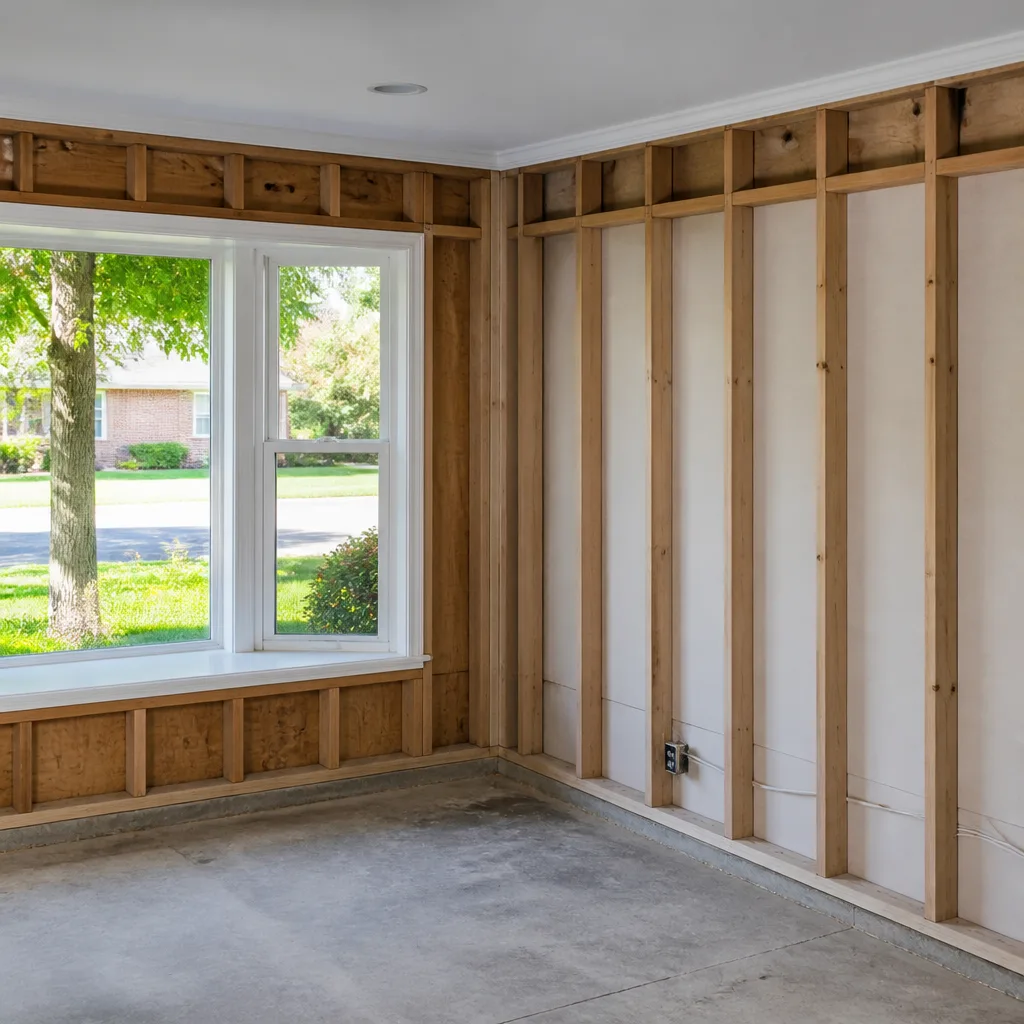
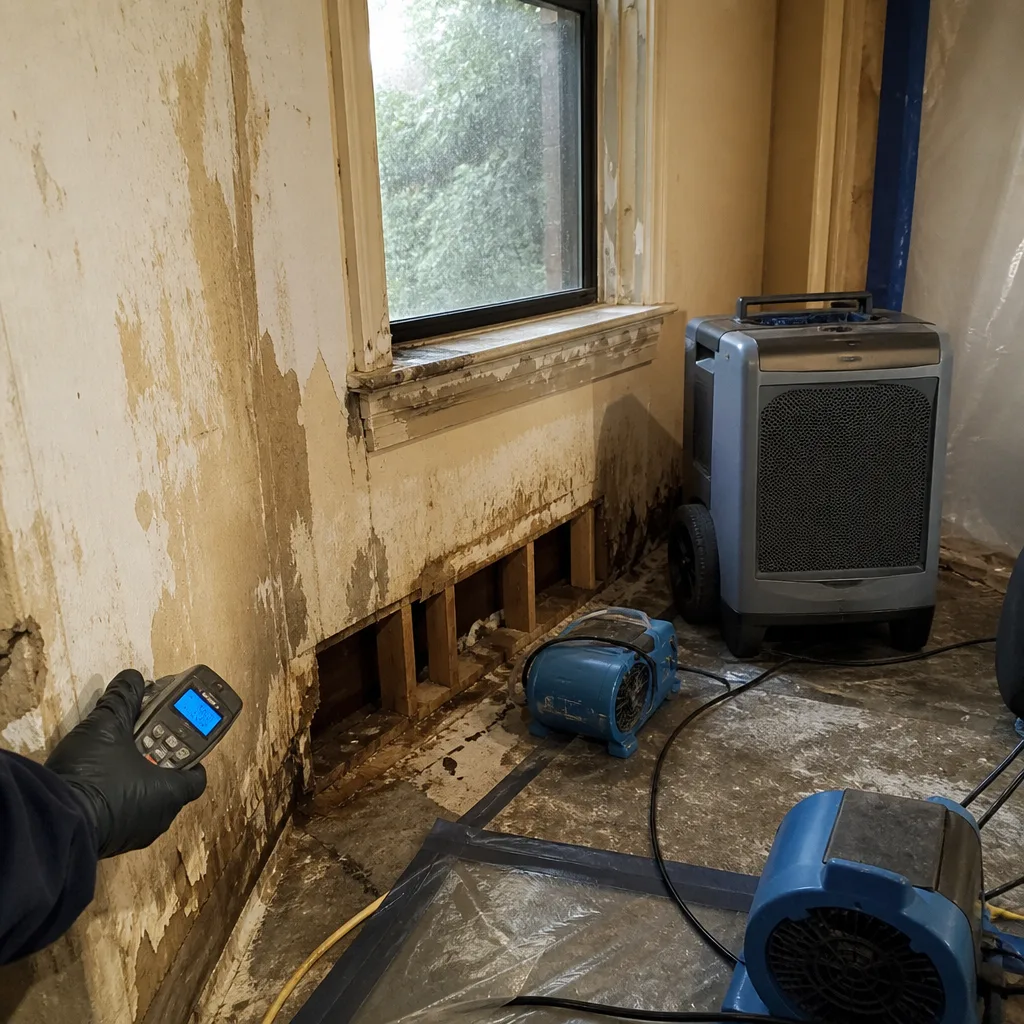 Before
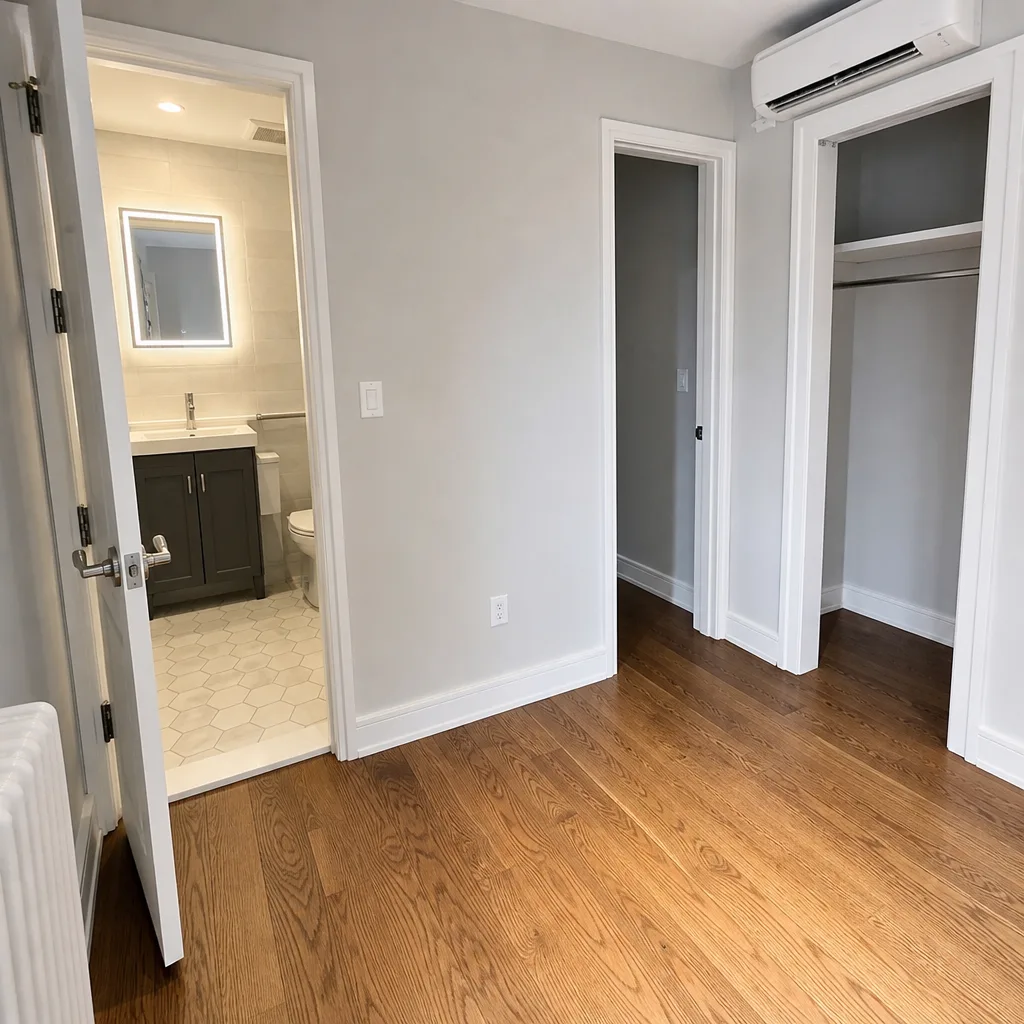 After
After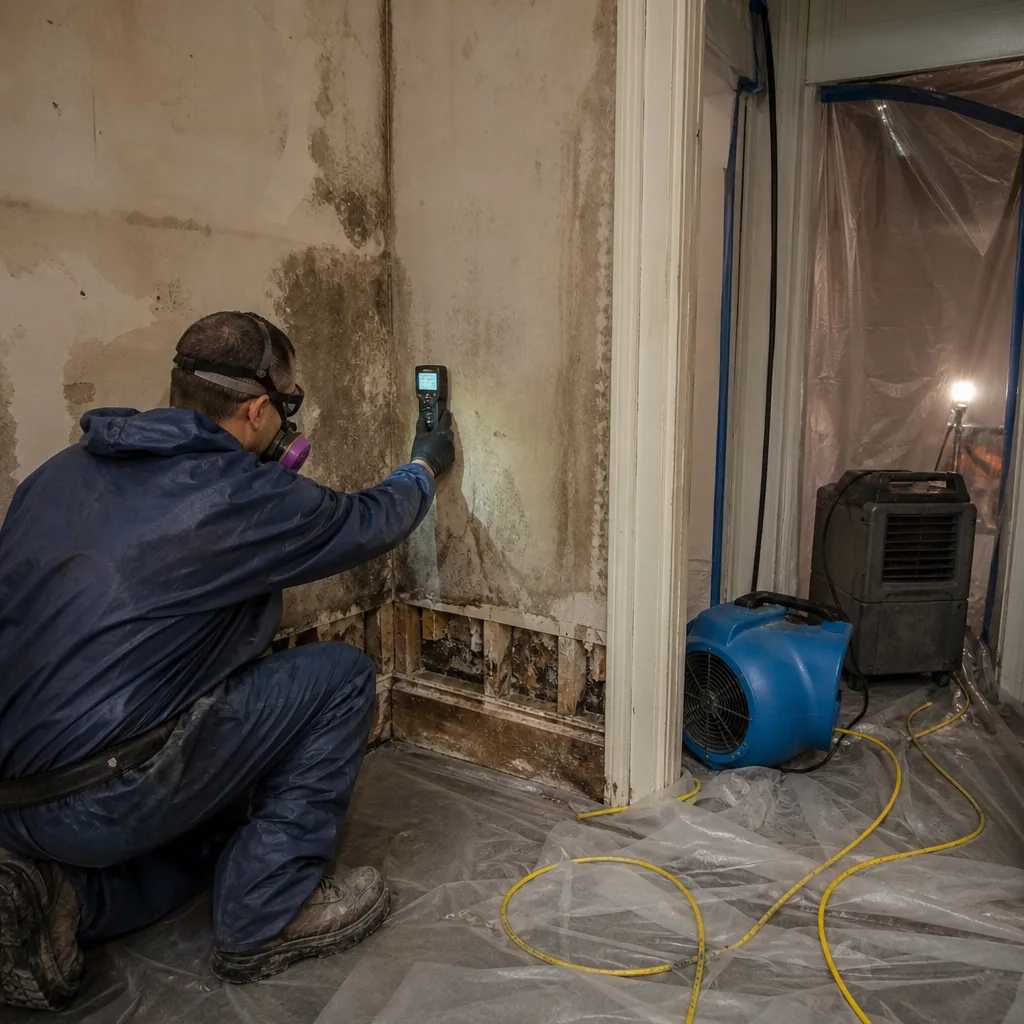 Before
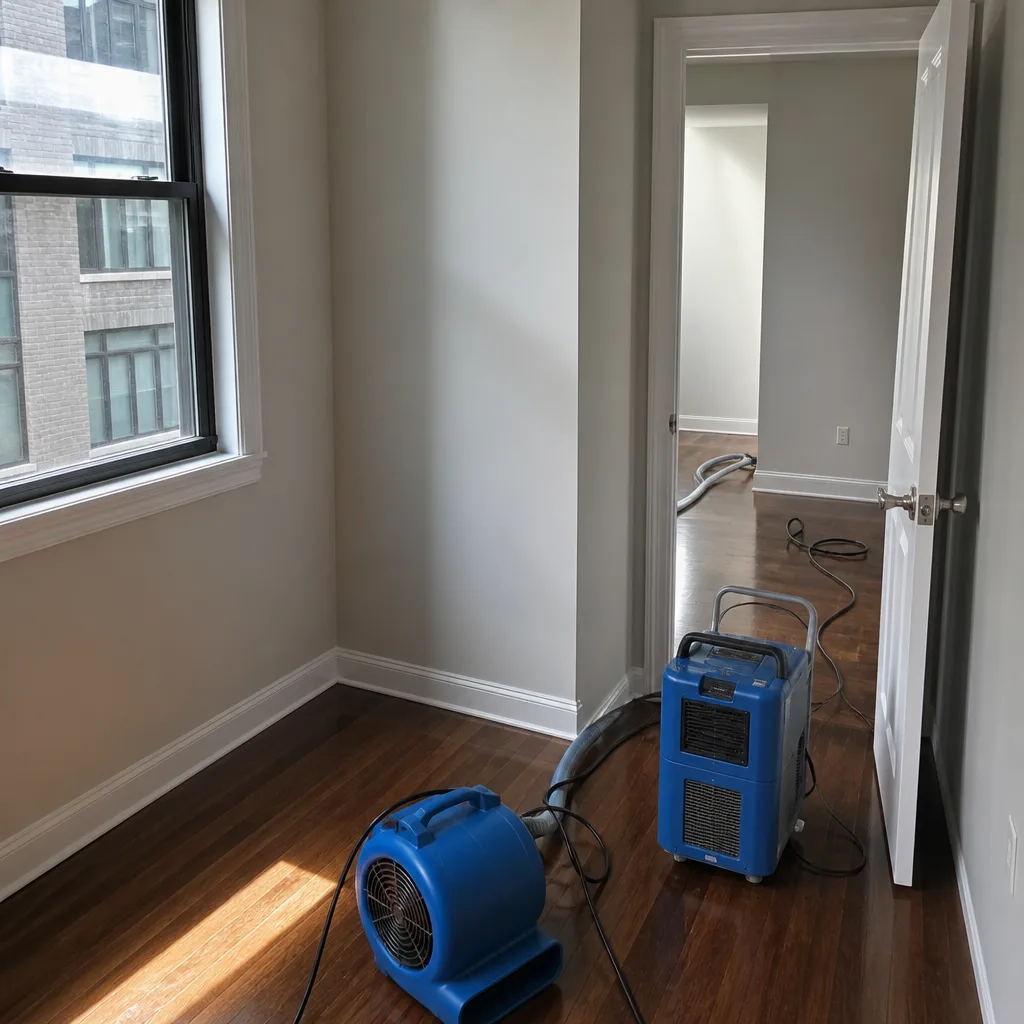 After
After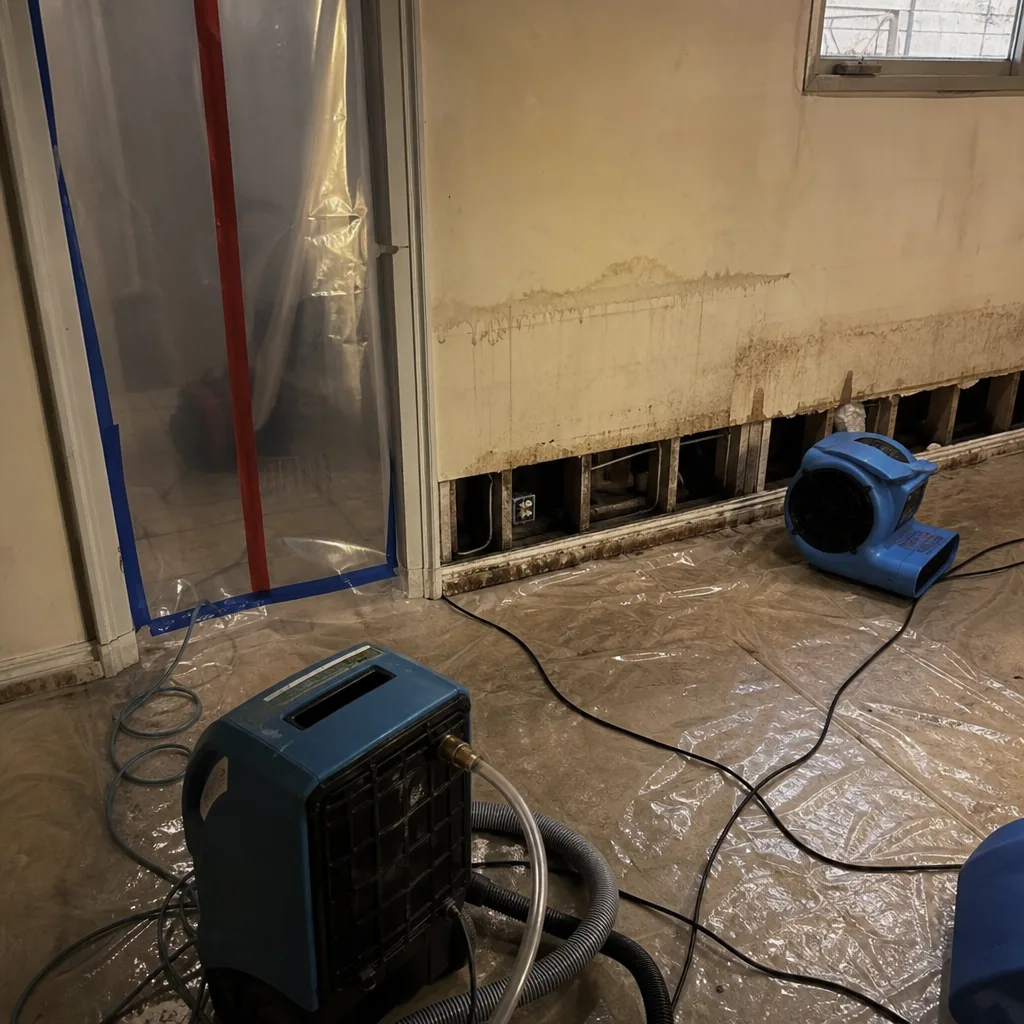 Before
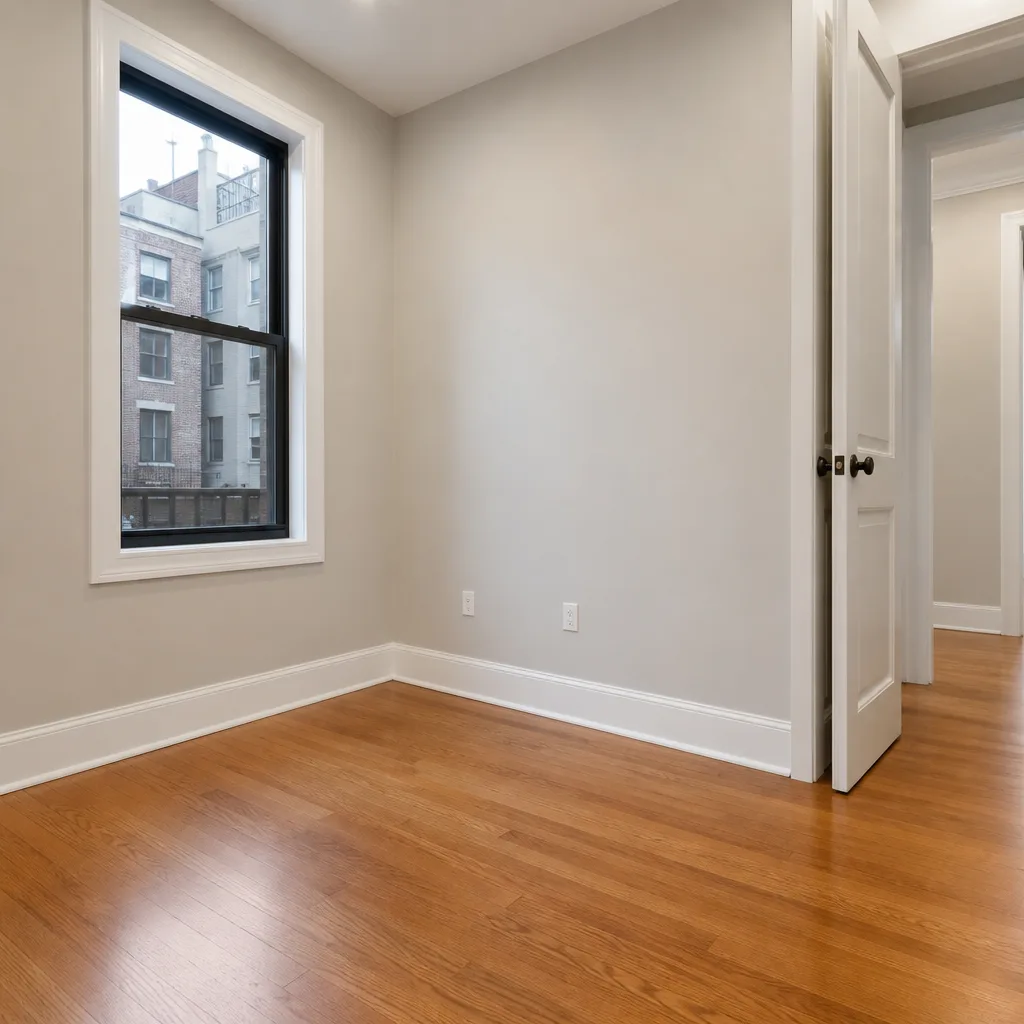 After
AfterFast, Reliable Mold Remediation Across Financial District
Mold remediation in Financial District, NY typically costs $2,800-$7,500 for residential units and $8,500-$25,000+ for commercial sub-basement losses, with most inspection and testing appointments available same-day or next-day. We’re DryMark Restoration Midtown Manhattan, and our crews work Financial District regularly - from converted pre-war towers on Pine Street to basement mechanical vaults below Water Street. Because much of the Financial District below Fulton Street sits on historic landfill with chronic below-grade seepage, mold inspection and testing here must start with baseline moisture mapping of the sub-basement, not just the visible mold - the pre-existing groundwater signature changes what counts as a “dry” reading and where the source actually is. Call (862) 212-1646 for a written estimate before any work begins.
Why DryMark Restoration Midtown Manhattan Is Financial District’s Preferred Mold Remediation Company
We’ve restored water and mold damage in Financial District’s converted commercial towers since 2011, and our documentation-first approach was built by a former claims adjuster who watched too many homeowners lose coverage over missing photo records and verbal scopes. Our Mold Remediation team carries written prices on every Financial District job - Haven Standard, Clause 1 - and we provide a free second opinion on any competitor’s written estimate you bring us.
Our response time to Financial District averages 90 minutes from call to on-site during business hours, with live person answering 24 hours a day, 7 days a week - no voicemail trees while water keeps moving. We’ve completed 12,000+ restorations since 2011, every one with a documented photo record on every visit and a 365-Day Done Right Promise backed by The Haven Standard.
Financial District’s building stock demands specific expertise. Our technicians are background-checked, uniformed, and licensed, and they understand the difference between bedrock-grounded construction uptown and the landfill-based seepage patterns that define below-grade work in FiDi. We’ve worked the original clay tile and cast iron drain stacks in 1920s towers near 40 Wall Street. We know which buildings contain intact asbestos insulation on original steam infrastructure, and we coordinate abatement protocols before staging drying equipment so the job doesn’t stall.
Our Mold Remediation Services in Financial District
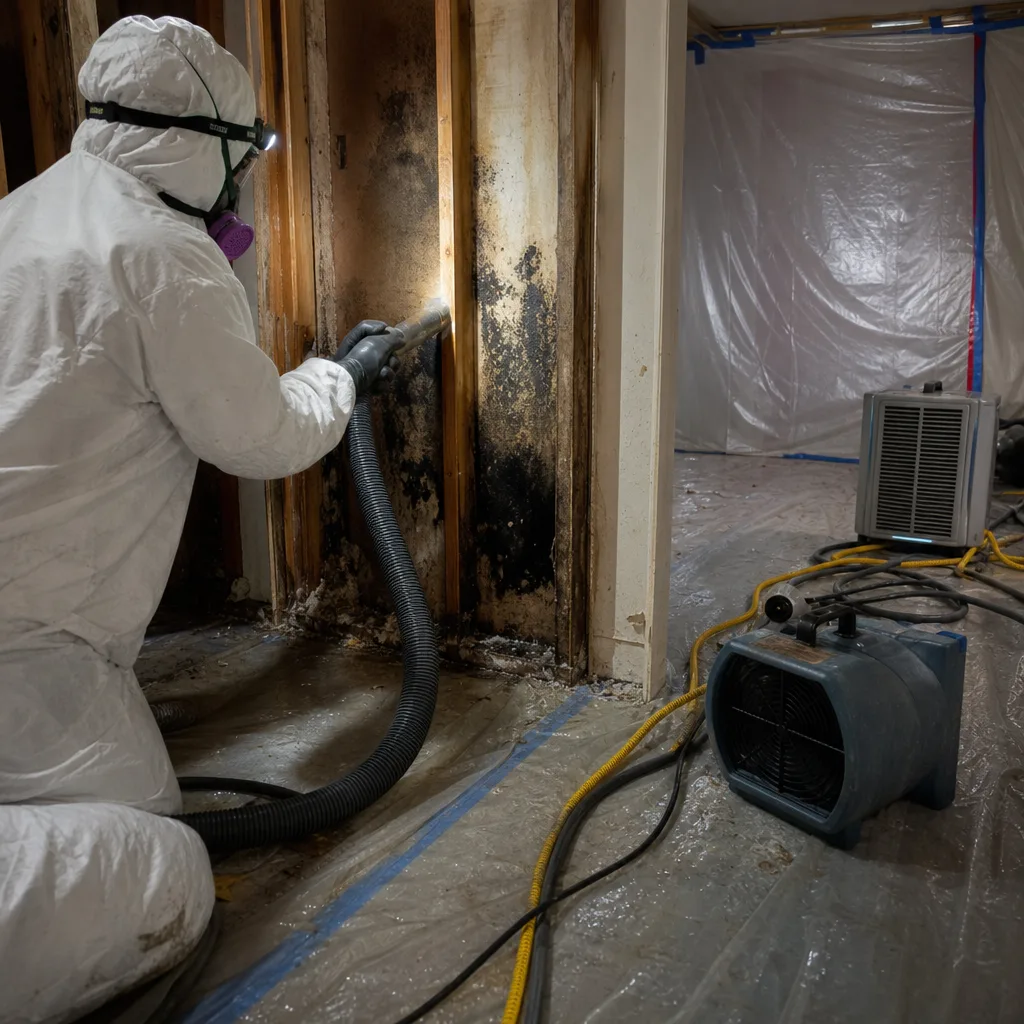
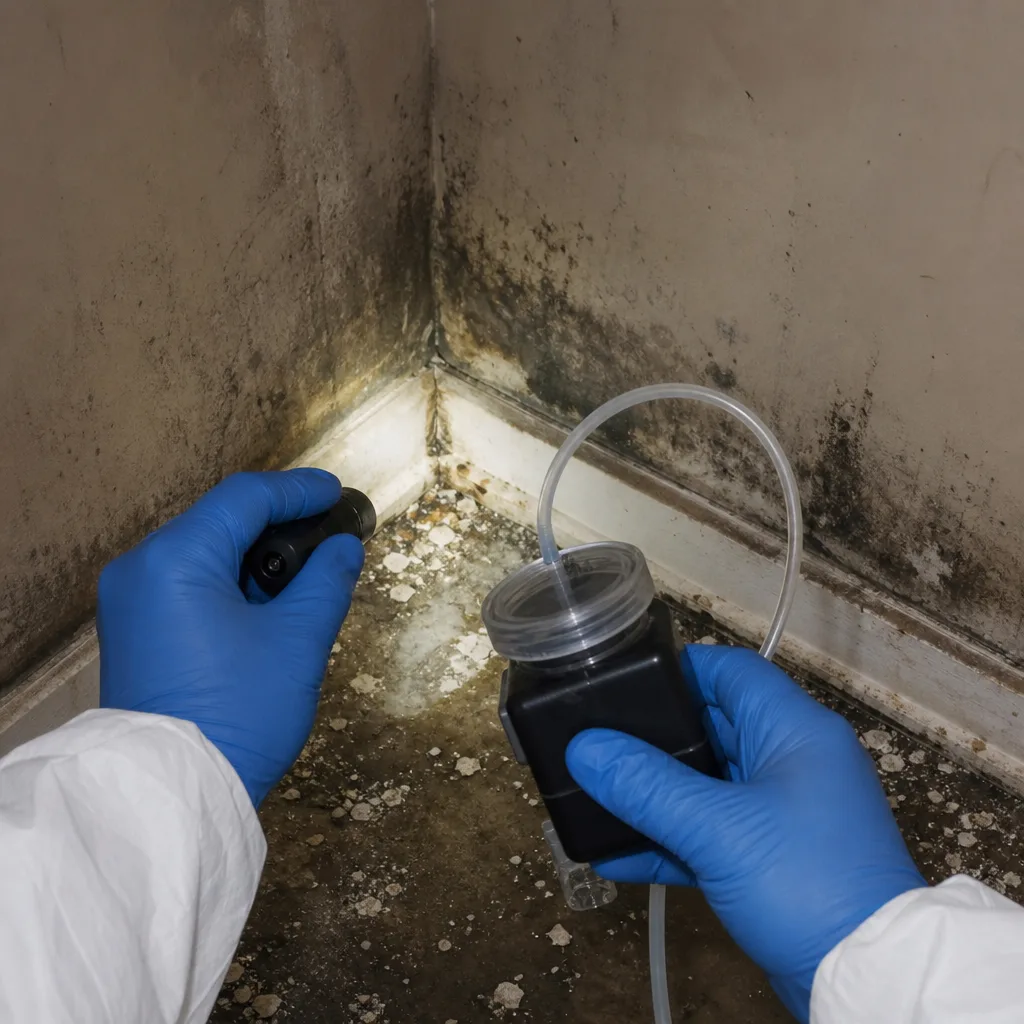
Mold Inspection & Testing in Financial District
A proper mold inspection in Financial District starts below grade. We map moisture across the full sub-basement elevation using professional-grade detection systems documented to IICRC standards, establishing the groundwater baseline that landfill terrain creates before we interpret any readings from upper floors. Our reports include room-by-room moisture readings, material classifications by trade name, and photo documentation that attaches directly to your insurance file. Typical Financial District mold inspection and testing runs $450-$950 for residential units, $1,200-$2,800 for commercial sub-basement assessments.
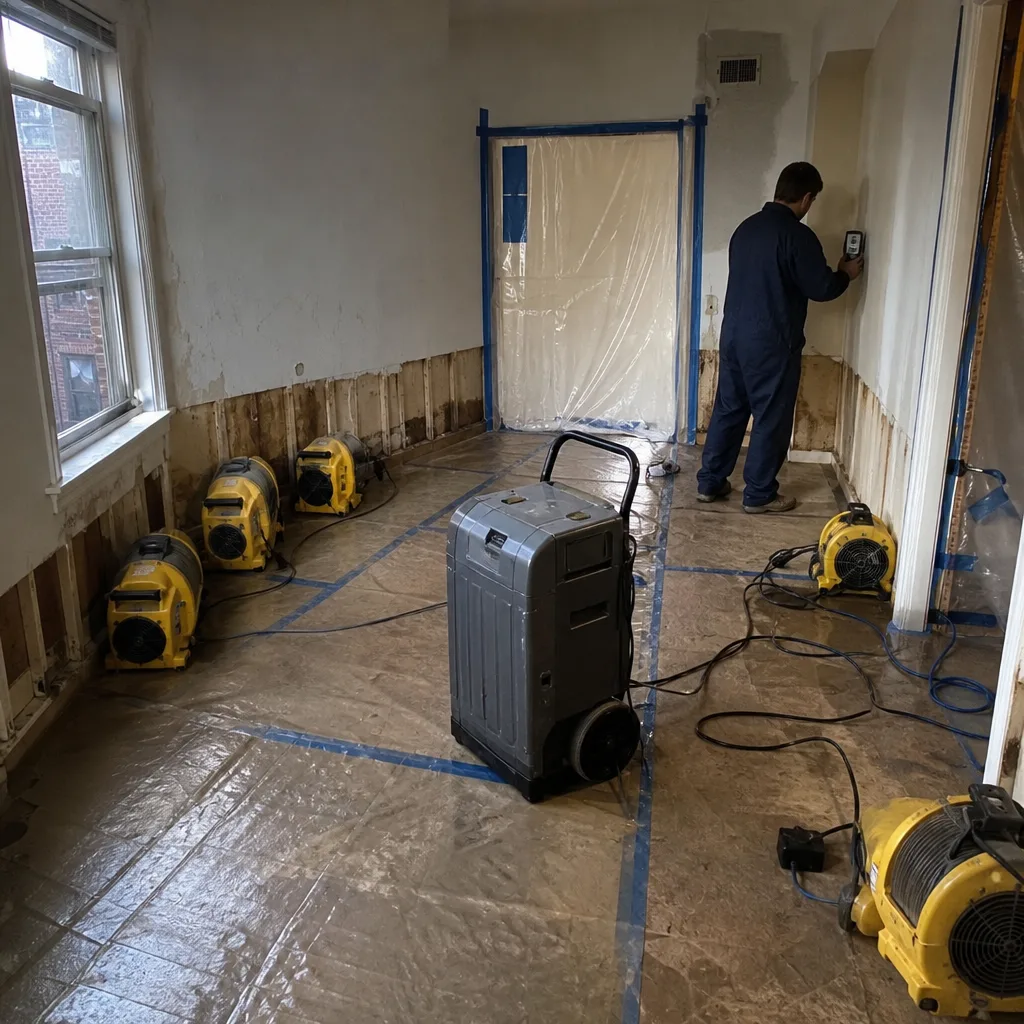
Mold Removal in Financial District
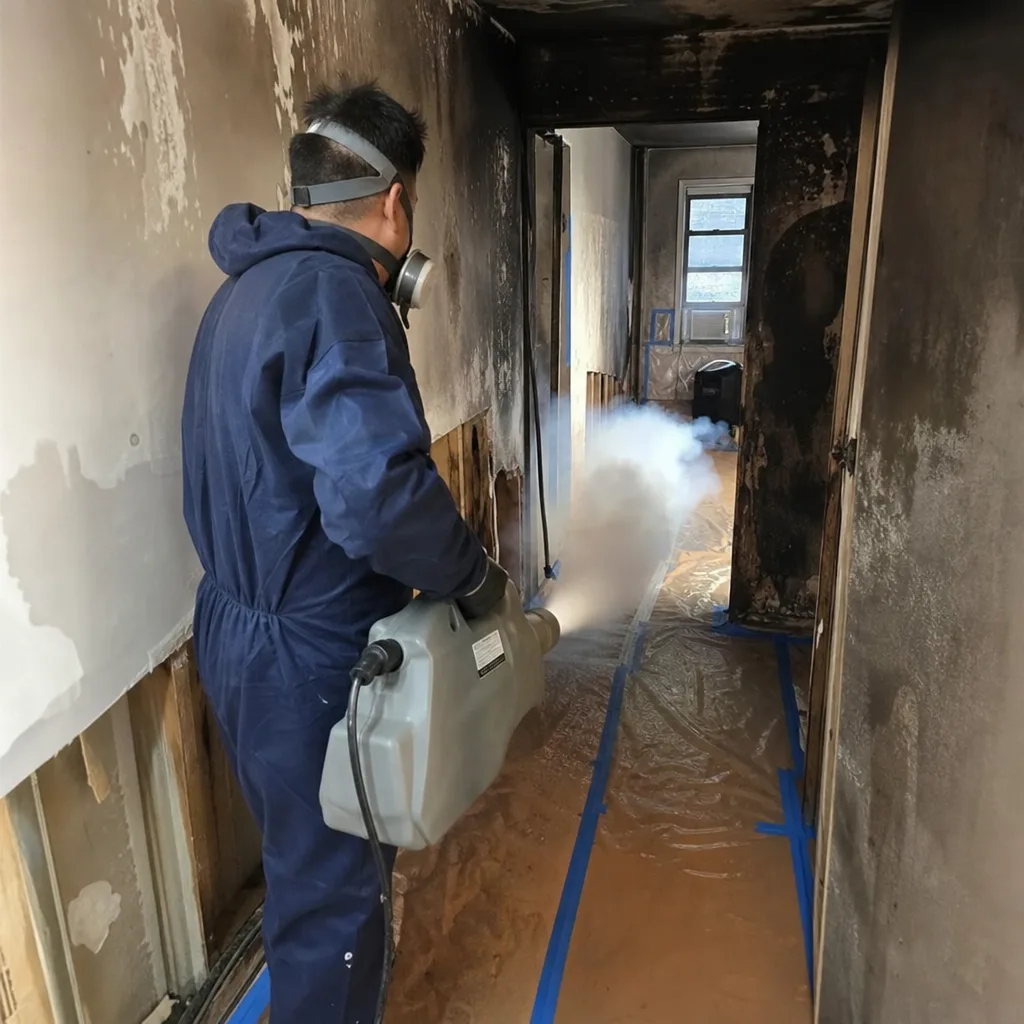
Removal protocols in FiDi’s older towers often require containment around original drain stacks and mechanical chases never designed for residential water load. We build negative-air containment to IICRC S520 standards, remove contaminated materials by classification, and document each square foot with photo records before, during, and after. Our crews carry professional-grade drying systems from Phoenix and XPOWER, with dehumidification capacity scaled to the vapor pressure differential each space demands. Residential mold removal in Financial District typically ranges $2,800-$6,500; commercial losses with sub-basement involvement start at $8,500.
Black Mold Remediation in Financial District
Stachybotrys and other toxigenic species in Financial District almost always trace to chronic below-grade seepage or storm-surge events, not simple humidity. Because FEMA designates much of FiDi in flood zone AE, the highest coastal flood-risk category, we treat suspected black mold with Category 3 water protocols from the first inspection - the Haven Standard requires it when groundwater and potential sewage intrusion are in play. Remediation runs $4,500-$9,500 for affected residential spaces, with full documentation for insurance and a written scope before any containment goes up.
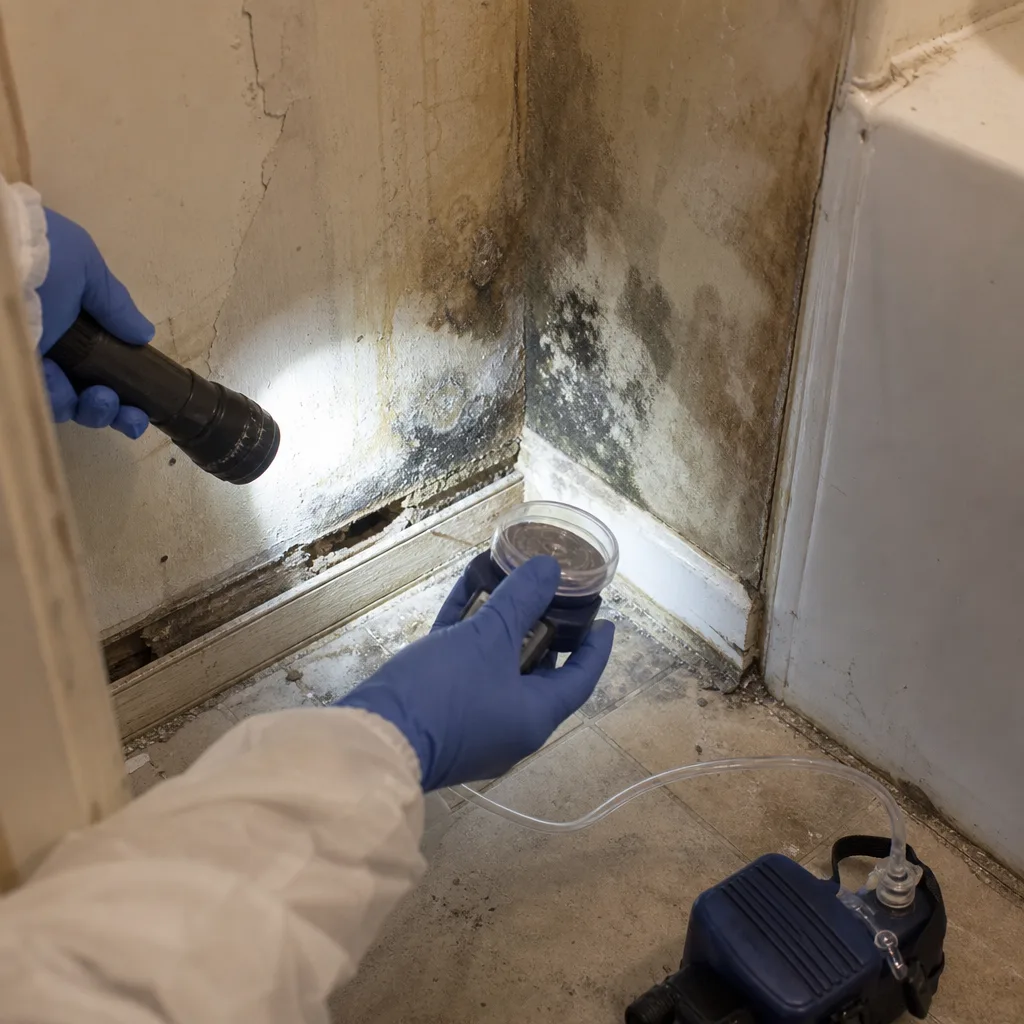
Air Quality Restoration in Financial District
Post-remediation air quality in Financial District’s tight commercial cores requires more than a passing spore count. We establish clearance criteria in writing before work starts, then verify with third-party lab analysis documented to IFA standards. Our air scrubbing uses HEPA-negative air machines and controlled ventilation to protect adjacent units in multi-tenant towers - critical in buildings where trading floors or data centers can’t tolerate shutdowns. Air quality restoration as a standalone service runs $1,800-$4,200; as part of full remediation, it’s integrated into the written scope.
Moisture & Humidity Control in Financial District
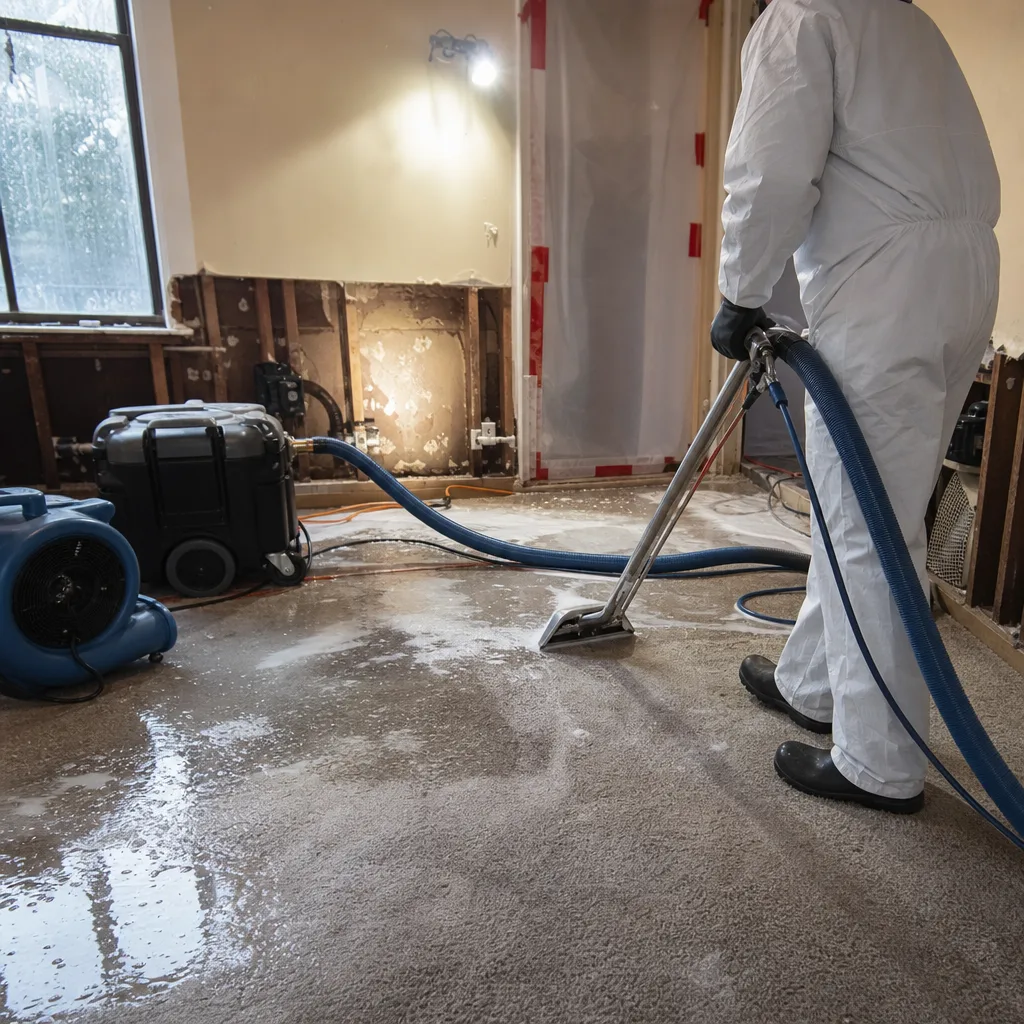
Chronic seepage from landfill terrain means Financial District basements need permanent humidity control strategies, not just episodic drying. We install and specify dehumidification systems sized to the specific vapor pressure load of each below-grade space, with psychrometric data - the measurement of temperature, humidity, and air flow together - documented in daily drying logs. Moisture control system design and installation in FiDi runs $2,200-$5,500 depending on square footage and existing HVAC integration.
What happens when you call
- 1
A real person answersNo phone trees - you reach a local pro.
- 2
You get an upfront price rangeHonest numbers before anyone is dispatched.
- 3
A background-checked tech heads outLicensed & insured, dispatched right away.
- 4
You approve before work beginsNothing starts until you say go.
BeforeAfterTrusted Brands We Service in Financial District
Our Financial District crews deploy professional-grade drying and air quality systems from Phoenix, XPOWER, and Injectidry, with dehumidification capacity matched to each job’s psychrometric requirements. We stock HEPA filtration, negative-air containment, and moisture detection consumables locally through our New York City office, so equipment swaps and capacity additions don’t wait on shipping. Every machine’s output is logged daily to IICRC standards, producing the documentation that turns restoration invoices into payable insurance claims.
Common Mold Remediation Problems We See in Financial District Homes
- Category misclassification on basement losses. Treating FiDi basement seepage as category 1 or 2 water when the chronic below-grade landfill infiltration and post-storm surge mix almost always pushes it to category 3, meaning materials that should have been removed were dried and mold returned.
- Missed groundwater sources after wind-driven rain. Skipping moisture mapping of the whole sub-basement elevation because the visible mold is high on a wall after a storm-wind-driven rain event - missing the fact that groundwater is wicking up through the slab and original clay tile drains, so the source is never controlled.
- Asbestos abatement delays. Starting structural drying or staging dehumidification and air movers before asbestos abatement protocols are cleared in 1920s-era switchgear and steam vaults - a compliance stop-work that stalls mitigation and lets mold grow past the 24-48 hour window.
- Inadequate containment in converted commercial towers. Residential remediation crews unfamiliar with FiDi’s building stock who build standard containment without accounting for original mechanical chases, shared plenum spaces, or active commercial tenants requiring confidentiality and speed constraints.
Pricing for Mold Remediation in Financial District, NY
Here is what mold remediation typically costs in Financial District’s market:
- Mold inspection & testing: $450-$950 (residential), $1,200-$2,800 (commercial sub-basement)
- Mold removal (residential): $2,800-$6,500
- Black mold / Category 3 remediation: $4,500-$9,500
- Air quality restoration: $1,800-$4,200 standalone
- Moisture & humidity control systems: $2,200-$5,500
- Commercial sub-basement losses with asbestos coordination: $8,500-$25,000+
Three factors move these ranges: the extent of visible and hidden mold, whether asbestos abatement is required before drying (common in pre-WWII FiDi towers), and whether the loss involves Category 3 water requiring material removal versus clean water that permits drying in place. Every job gets a written price before work starts - Haven Standard, Clause 1 - with no scope-creep additions once the crew is inside. We also review any competitor’s written estimate at no charge. Call (862) 212-1646 for your specific scope.
We Also Serve Cities Near Financial District
Our Mold Remediation in Financial District crews also respond to mold damage in Midtown Manhattan, Murray Hill, Upper East Side, and Long Island City. Dispatch and scheduling are coordinated from our New York City office; crews serve each neighborhood locally with the same documentation standards and written-price guarantee.
Serving Financial District, NY - Our Local Coverage Area
We’re based in the Financial District area and know this community well. Use the map below to see our service coverage - if you’re nearby, we can almost certainly help.
FAQs - Mold Remediation in Financial District
We check the sub-basement moisture baseline first, not the visible water stain on the upper floor. At a converted 1920s financial tower near 40 Wall Street, our techs responded to a tenant complaint after a storm surge event pushed water through the sub-basement’s original cast iron and clay tile drain stack, saturating a repurposed mechanical chase never designed for residential water load. We set containment around the affected stack run, ran moisture readings and moisture mapping across the chase before any drying gear went in, then had to trigger asbestos abatement on the original steam insulation so structural drying with dehumidification and air movers could finally begin. The combination of chronic landfill seepage, old drain materials, and Class III water meant this was not a quick dry-out; the scope of work had to be treated as a category 3 loss from the start. Call (862) 212-1646 if you’ve had storm water in your building.
No - chronic seepage creates mold risk, not automatic mold growth. Mold requires sustained moisture above 16% wood moisture content or 60% relative humidity for 24-48 hours. What FiDi’s landfill terrain does mean is that your baseline humidity runs higher year-round, so any additional water event - a failed pipe, wind-driven rain through terracotta facade, or surge through slab - pushes you into active growth faster than bedrock-grounded buildings uptown. Our inspections establish your specific baseline so we can distinguish chronic conditions from acute losses. Call (862) 212-1646 for baseline moisture mapping.
Because restoration technicians working in FiDi’s older towers routinely discover that building sub-basements contain original 1920s-era electrical switchgear vaults and steam infrastructure coated in intact asbestos insulation - Sandy flood responses exposed this across dozens of buildings simultaneously - meaning virtually every significant water-loss job below ground level in FiDi triggers mandatory asbestos abatement protocols before drying equipment can even be staged, a regulatory and logistical layer that almost never applies to the same degree in residential neighborhoods. We coordinate abatement contractors and air clearance testing as part of our written scope, so the job doesn’t stall at compliance. Call (862) 212-1646 for a scope that includes abatement coordination.
Mold colonization begins at 24-48 hours of sustained moisture, but in Financial District’s landfill-based buildings with chronic seepage, the clock starts from a higher baseline. A pipe break in a FiDi basement isn’t starting from dry - it’s starting from damp, so colonization can accelerate. We dispatch to Financial District with 90-minute average response during business hours, 24 hours a day, 7 days a week live answer. The first 24 hours are for containment, moisture mapping, and source control; drying equipment staging follows once we know the full elevation is mapped and any abatement holds are cleared. Call (862) 212-1646 immediately on any water loss - estimates are free, and the written price comes before any work starts.
Three things: the landfill terrain that makes chronic seepage a baseline condition, the pre-WWII building stock with original materials that trigger asbestos protocols, and the commercial criticality of many FiDi buildings where downtime costs exceed restoration costs by orders of magnitude. A standard residential job in Murray Hill might involve drywall, carpet, and modern plumbing. A FiDi sub-basement loss involves century-old clay tile drains, cast iron stacks, terracotta facade infiltration, mandatory asbestos coordination, and often active trading floors or data centers above that cannot shut down. Our documentation, speed constraints, and confidentiality protocols are built for this specific environment. Call (862) 212-1646 for a scope written to Financial District conditions.
Ready for a written estimate? Call DryMark Restoration Midtown Manhattan at (862) 212-1646. We’ll schedule inspection and testing, deliver a written price before any work begins, and document every visit with photo records you can submit directly to your adjuster. The 365-Day Done Right Promise applies to every Financial District job we take.
Written by Alicia Brennan, Owner at Back to Dry Restoration, serving Financial District since 2011.