
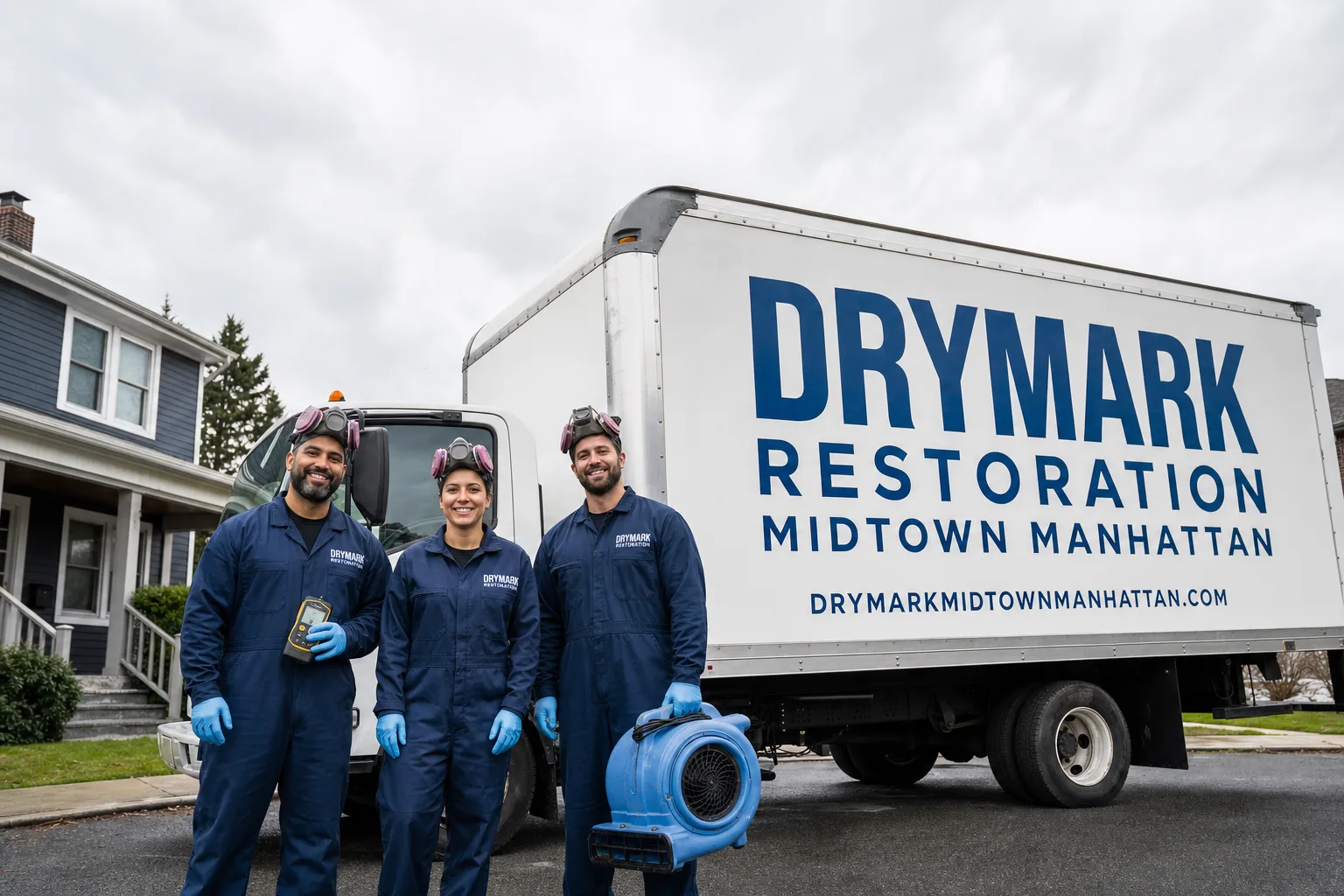
Free visual inspection and a written scope of work before any mitigation begins - photos, moisture readings, and drying logs go in your claim file
The scope we write is the scope we bill. Anything new gets shown to you, in writing, before we touch it.
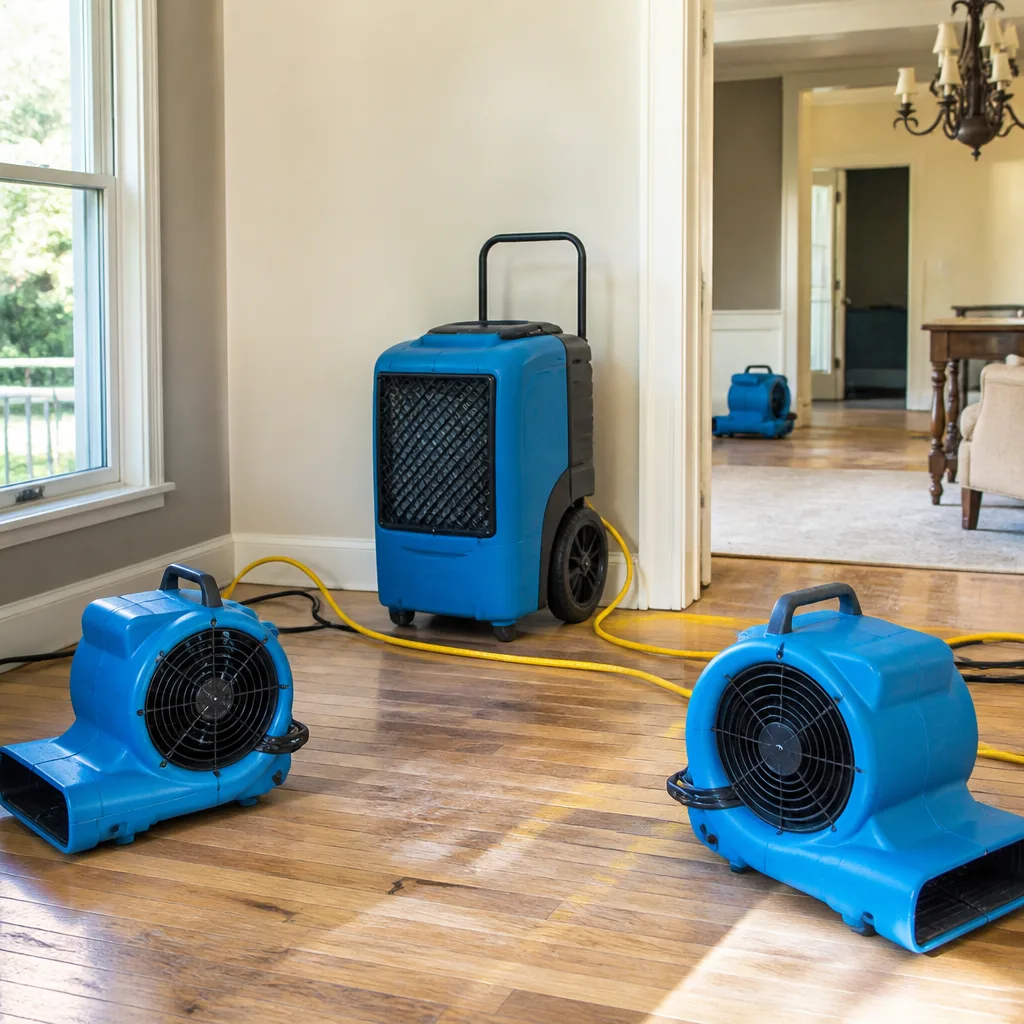
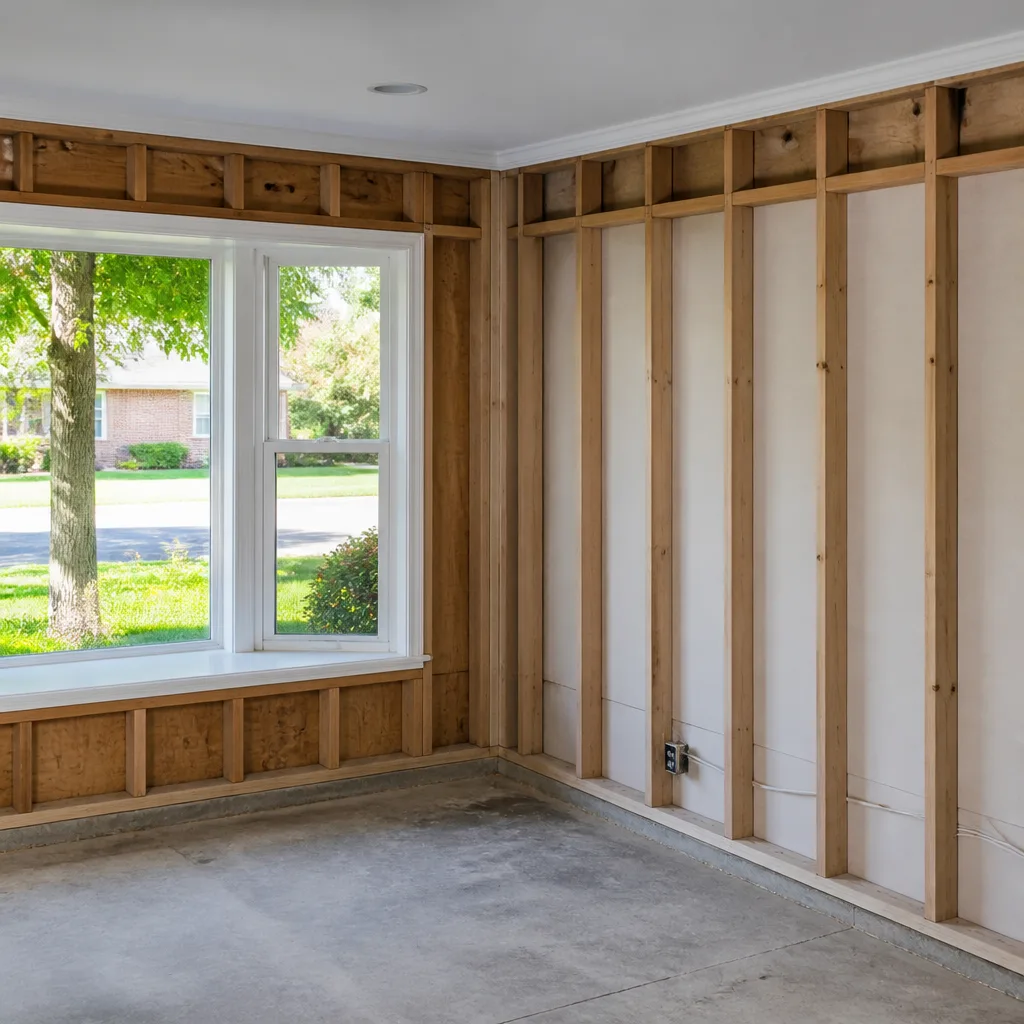
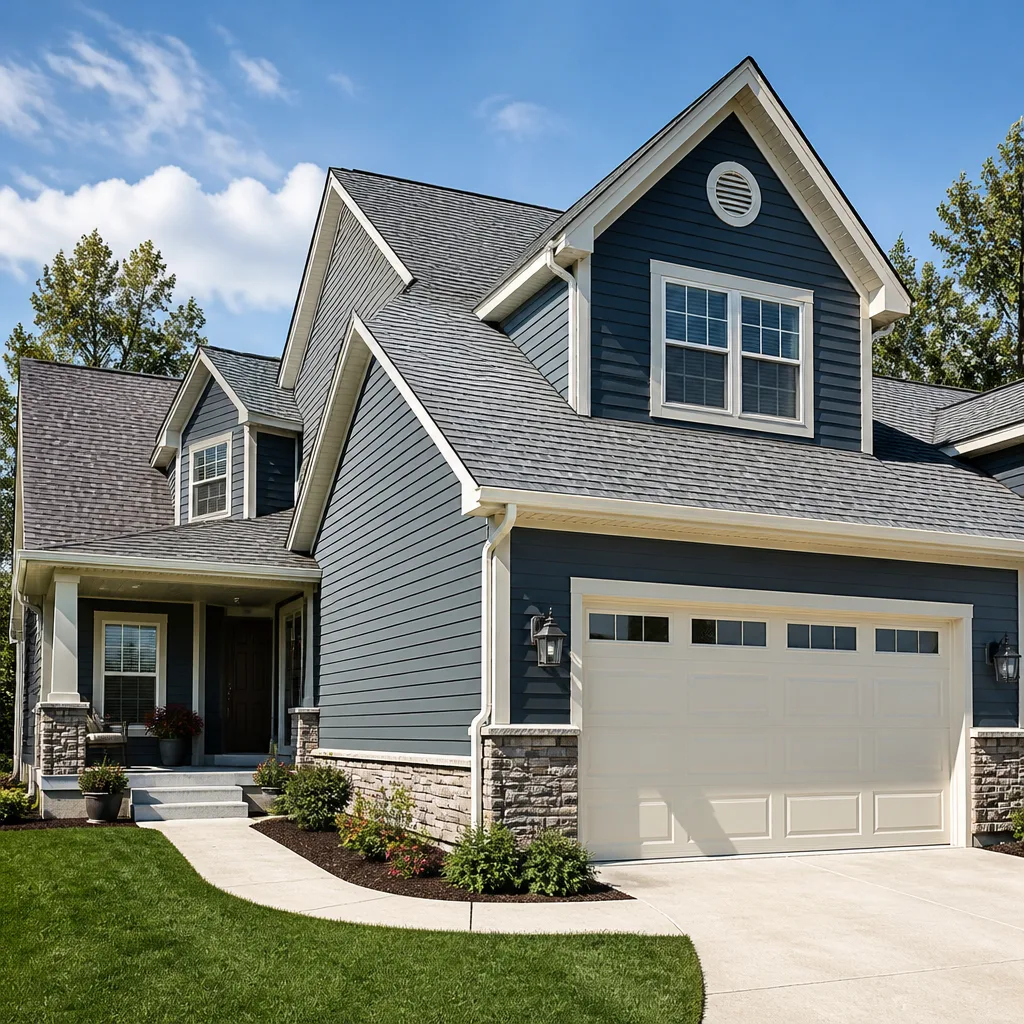
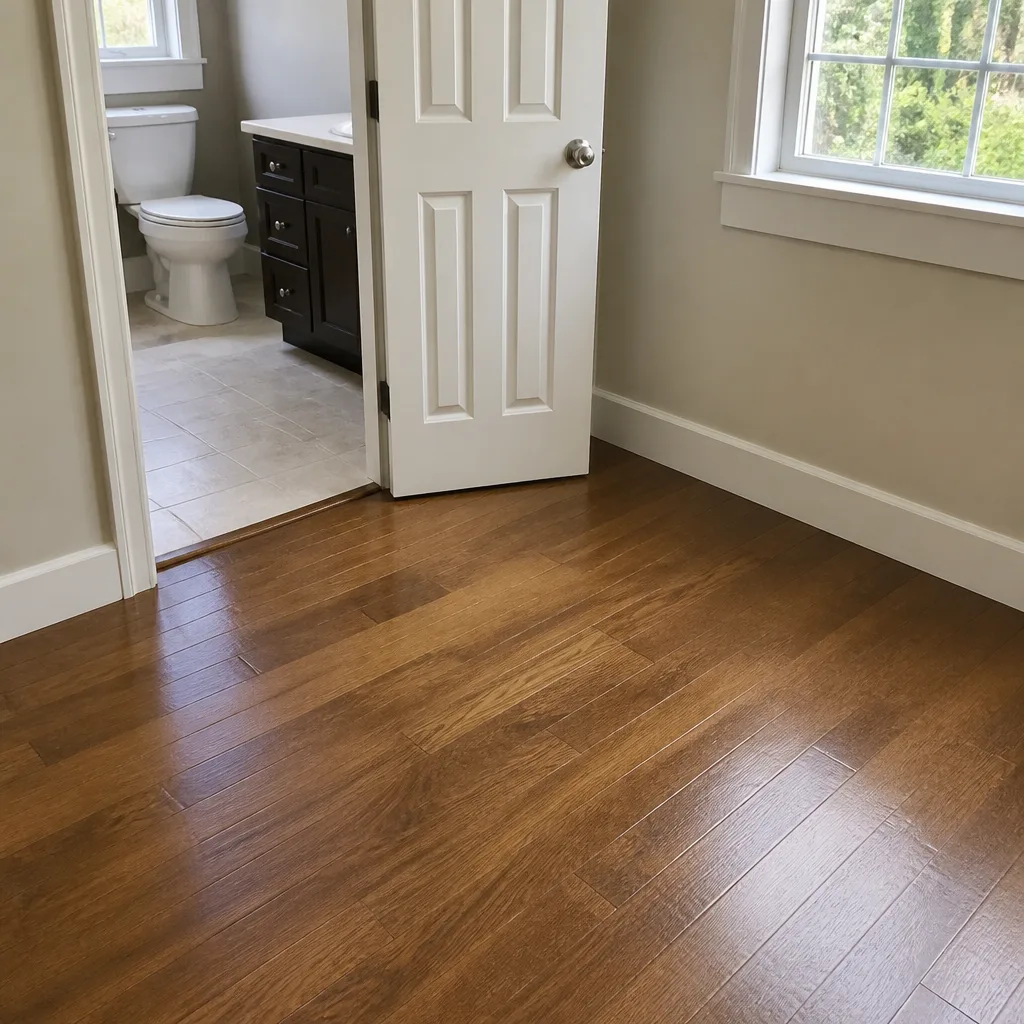
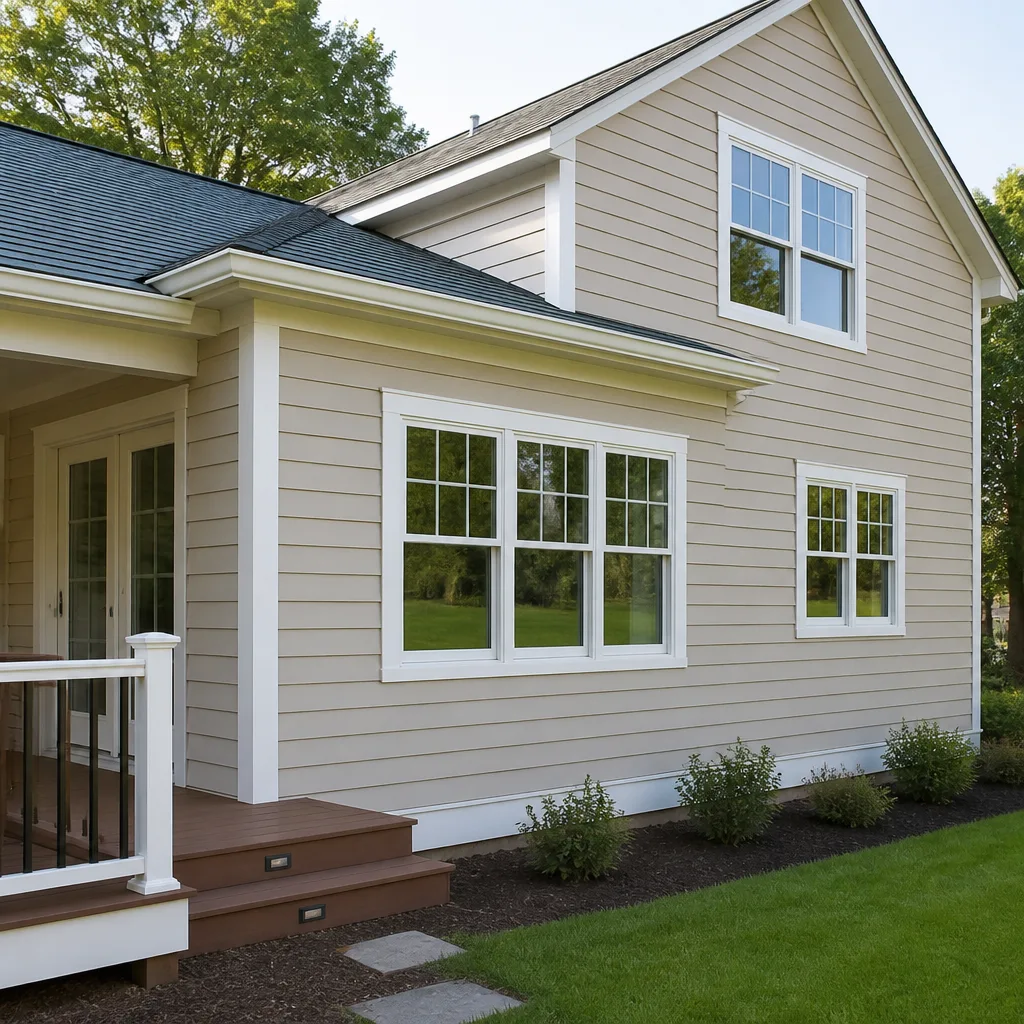
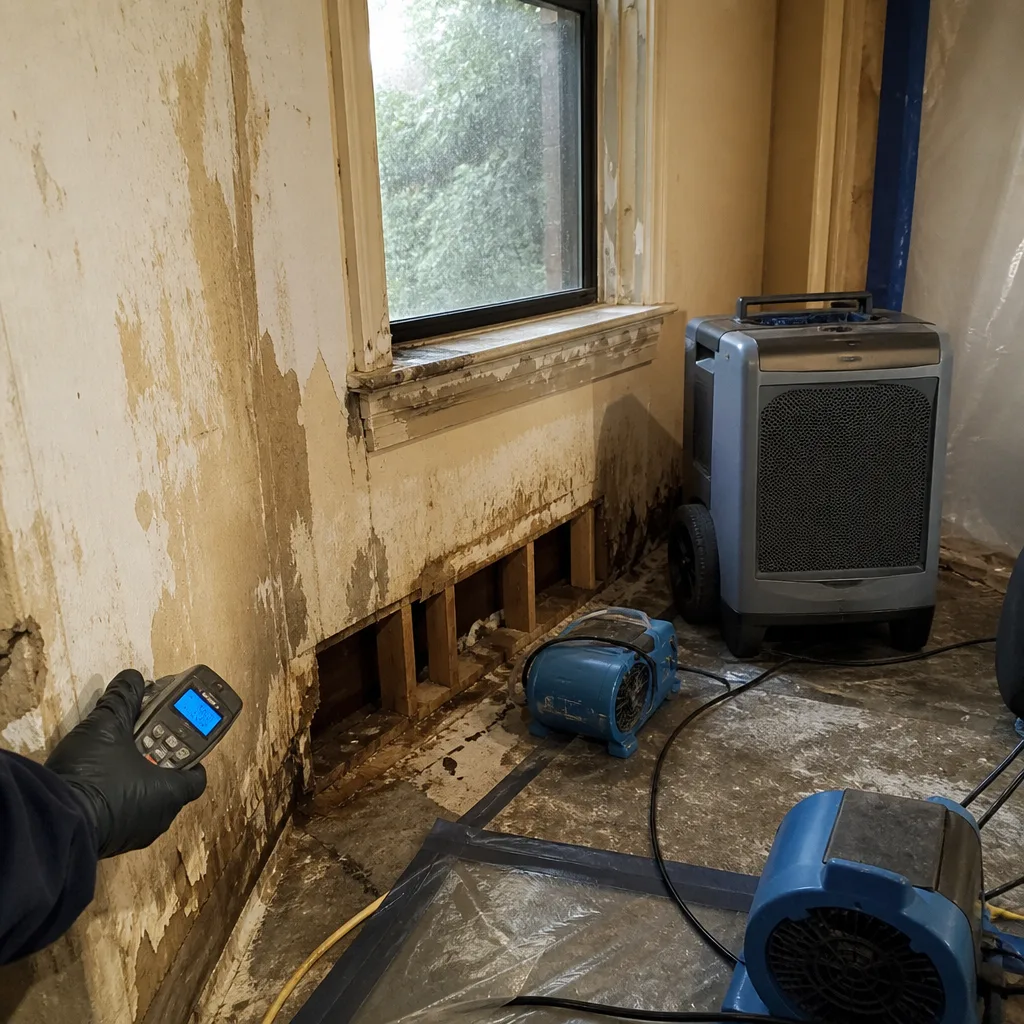 Before
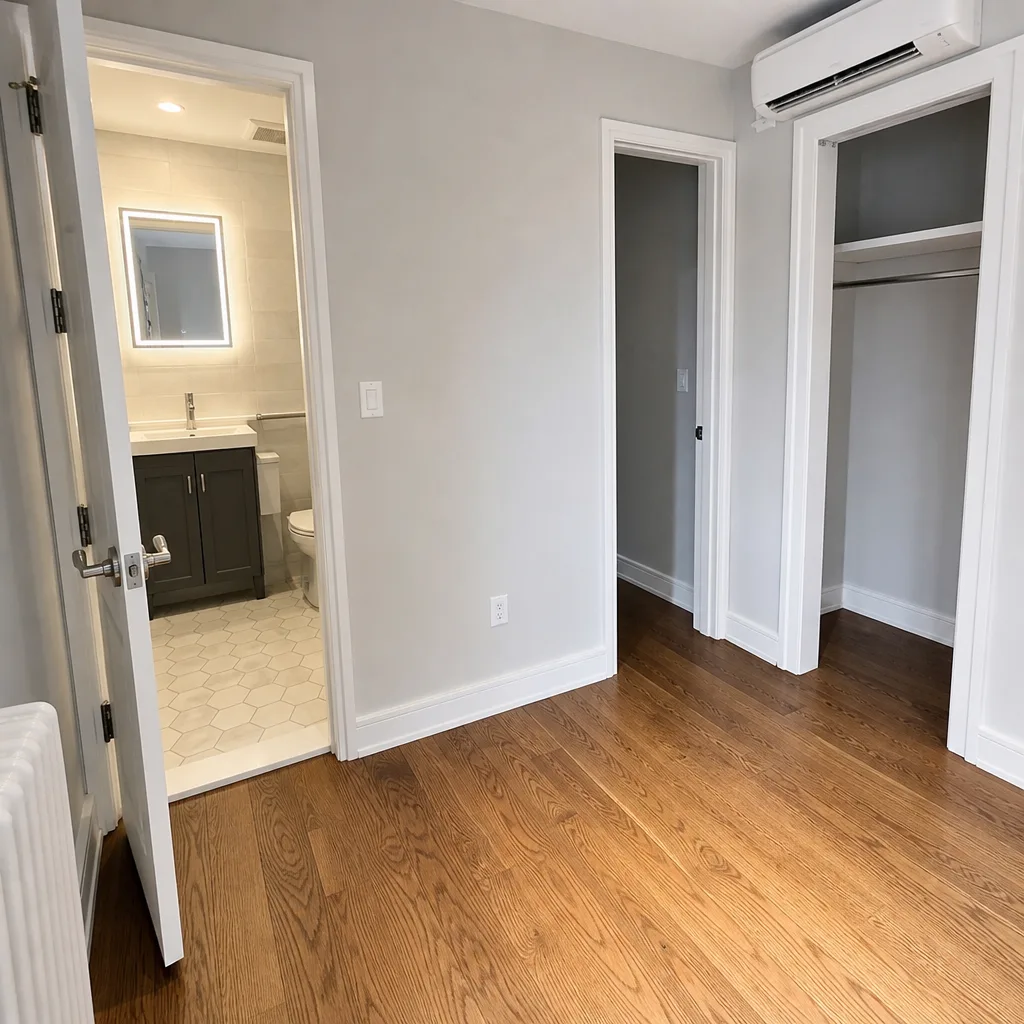 After
After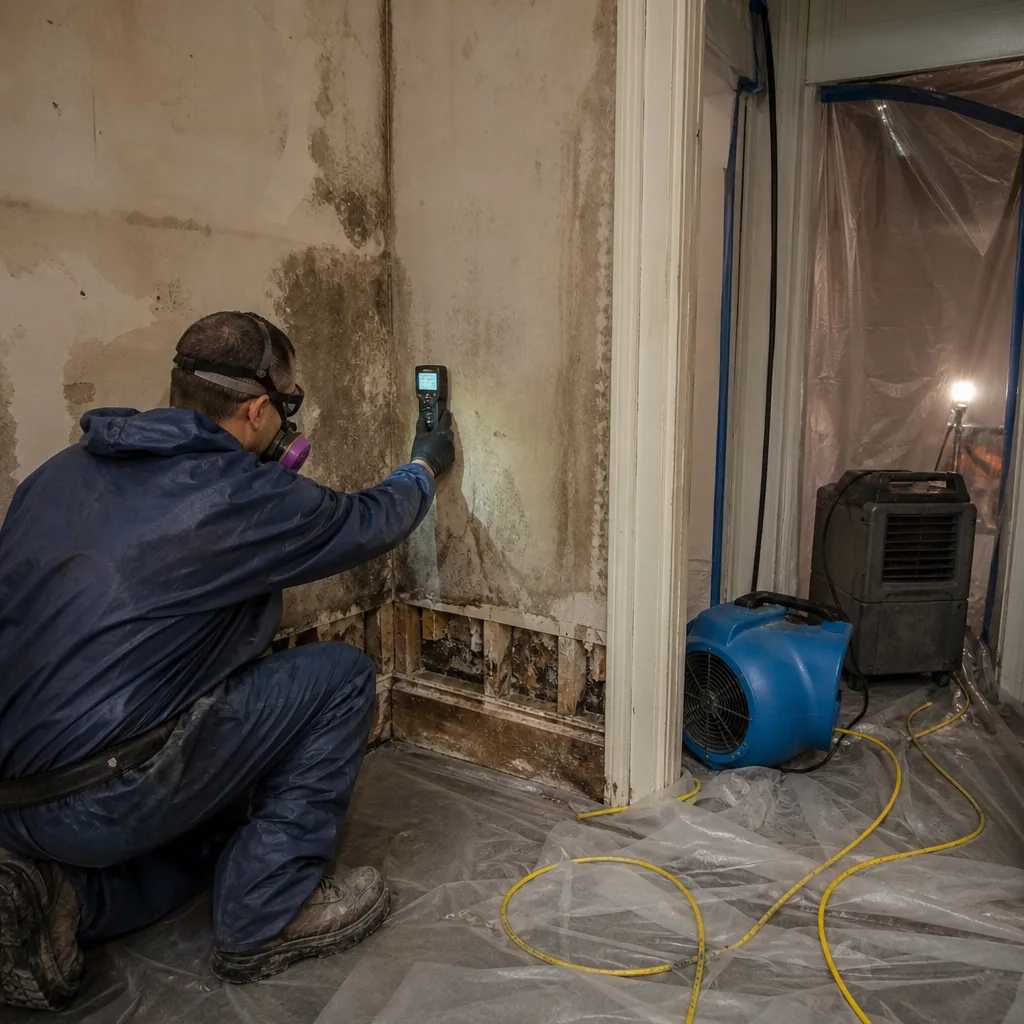 Before
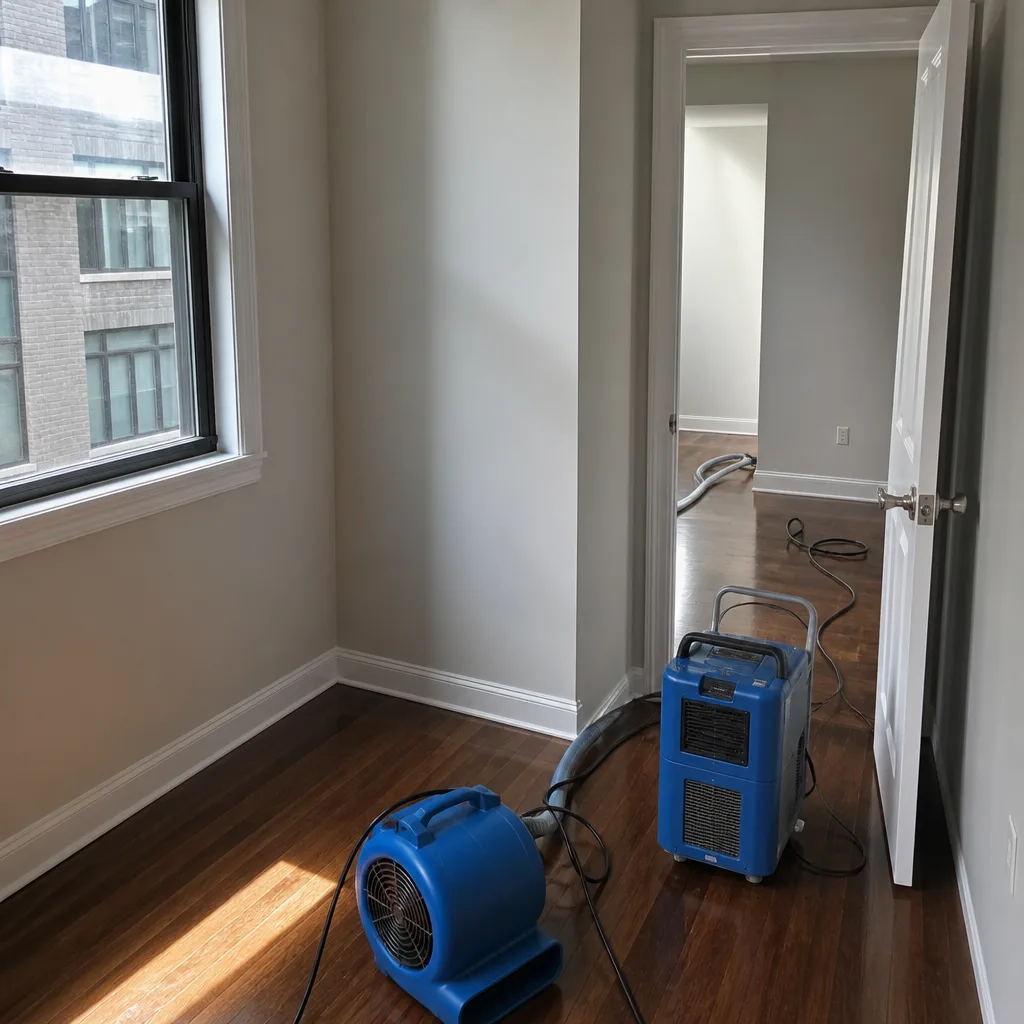 After
After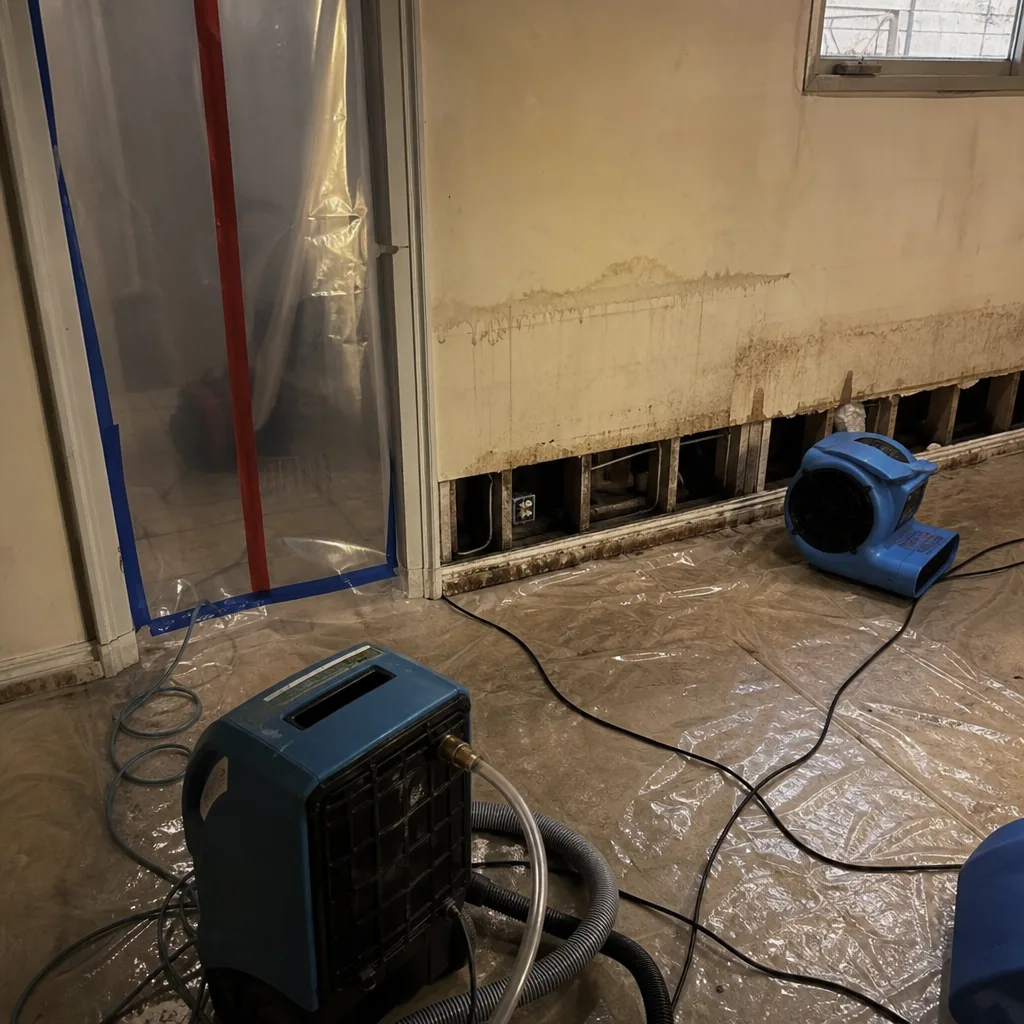 Before
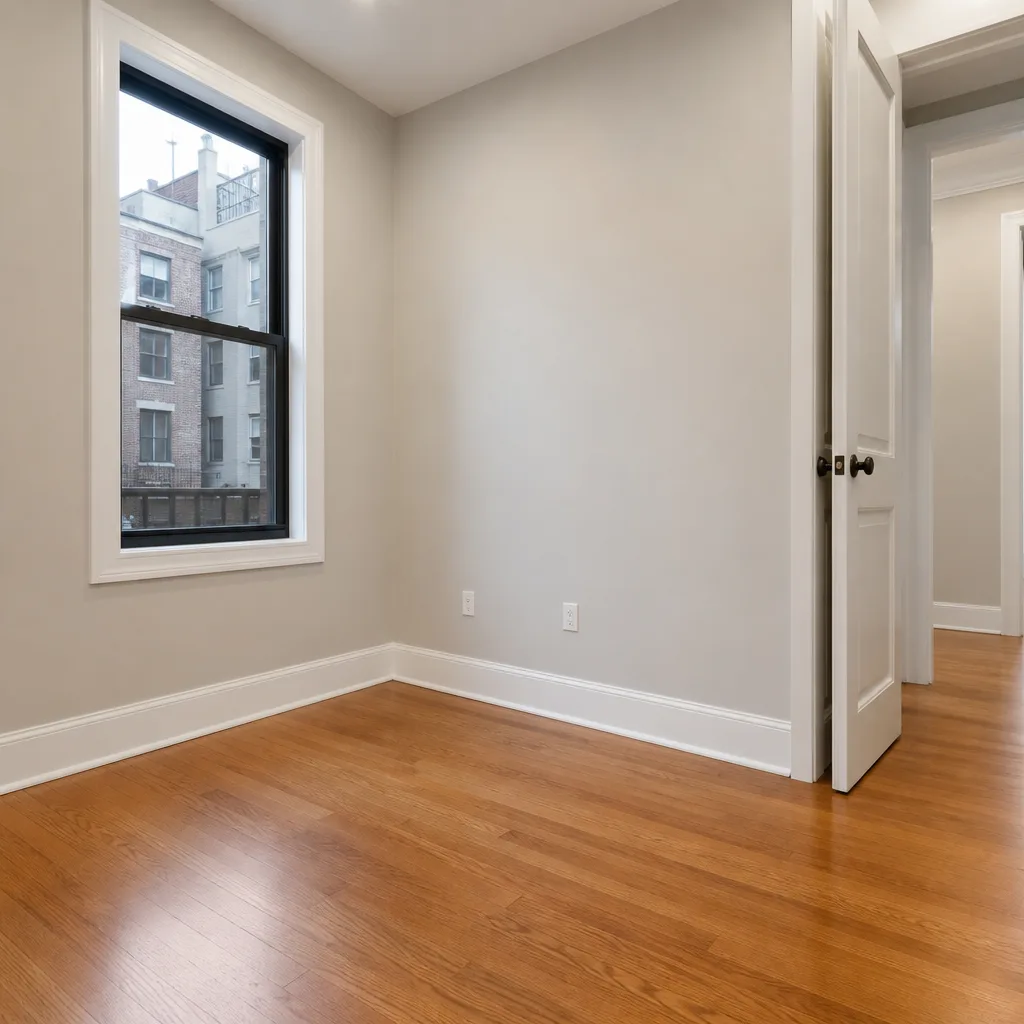 After
AfterFast, Reliable Mold Remediation Across Morningside Heights
Mold remediation in Morningside Heights typically runs $1,800-$4,500 for most residential jobs, with institutional and multi-tenant buildings often falling at the higher end due to abatement documentation and vendor-portal requirements. Our crews are dispatched from our New York City office and can be on-site in Morningside Heights within 60-90 minutes for emergency calls. Call (862) 212-1646 for a written estimate before any work begins - Haven Standard, Clause 1.
We know these buildings. The pre-war elevator stacks along Broadway and Amsterdam, the institutional portfolios managed through Columbia’s facilities portal, the horsehair plaster that holds moisture like a sponge. Mold here doesn’t spread like it does in a suburban split-level. It moves vertically through shared riser cavities, hides behind ornate tin ceilings, and waits in the gaps between original parquet and the subfloor below. Our Mold Remediation team documents every moisture reading, every photo, every clearance test - because we’ve seen what happens when sloppy documentation kills an insurance claim.
Why DryMark Restoration Midtown Manhattan Is Morningside Heights’s Preferred Mold Remediation Company
We’ve restored mold-damaged property in Morningside Heights since our founding in 2011, and the pattern is consistent: institutional ownership layers complexity onto an already difficult technical job. Alicia Brennan built this company after years as a claims adjuster watching homeowners lose coverage because crews couldn’t produce the right paperwork. That won’t happen on our watch.
Our Morningside Heights customers leave detailed reviews, and we encourage you to read the three-star ones especially - they tell you how a company handles friction. The consistent thread in our feedback is documentation: written prices delivered before work starts, photo records on every visit, drying logs that adjusters accept without argument. We’re not the fastest to mobilize in a Columbia-affiliated building, and we’ll tell you why: vendor-portal compliance takes time, but skipping it means stopping mid-job when facilities management pulls the permit.
Response time to private co-ops and condos in Morningside Heights is 60-90 minutes for emergency calls, 24 hours a day, 7 days a week, with a live person on every answer - no voicemail trees while water keeps moving. For Columbia-managed properties, we front-load the documentation so that once portal approval clears, we’re on-site same-day with containment already planned.
Local knowledge matters here in ways it doesn’t in Midtown. We know which buildings on Morningside Drive still have original lead-paint skim coats, where the parapet flashings fail first after a nor’easter, and how the stacked unit layouts around the 116th Street corridor turn a fifth-floor steam leak into a third-floor mold job before anyone smells it.
Our Mold Remediation Services in Morningside Heights
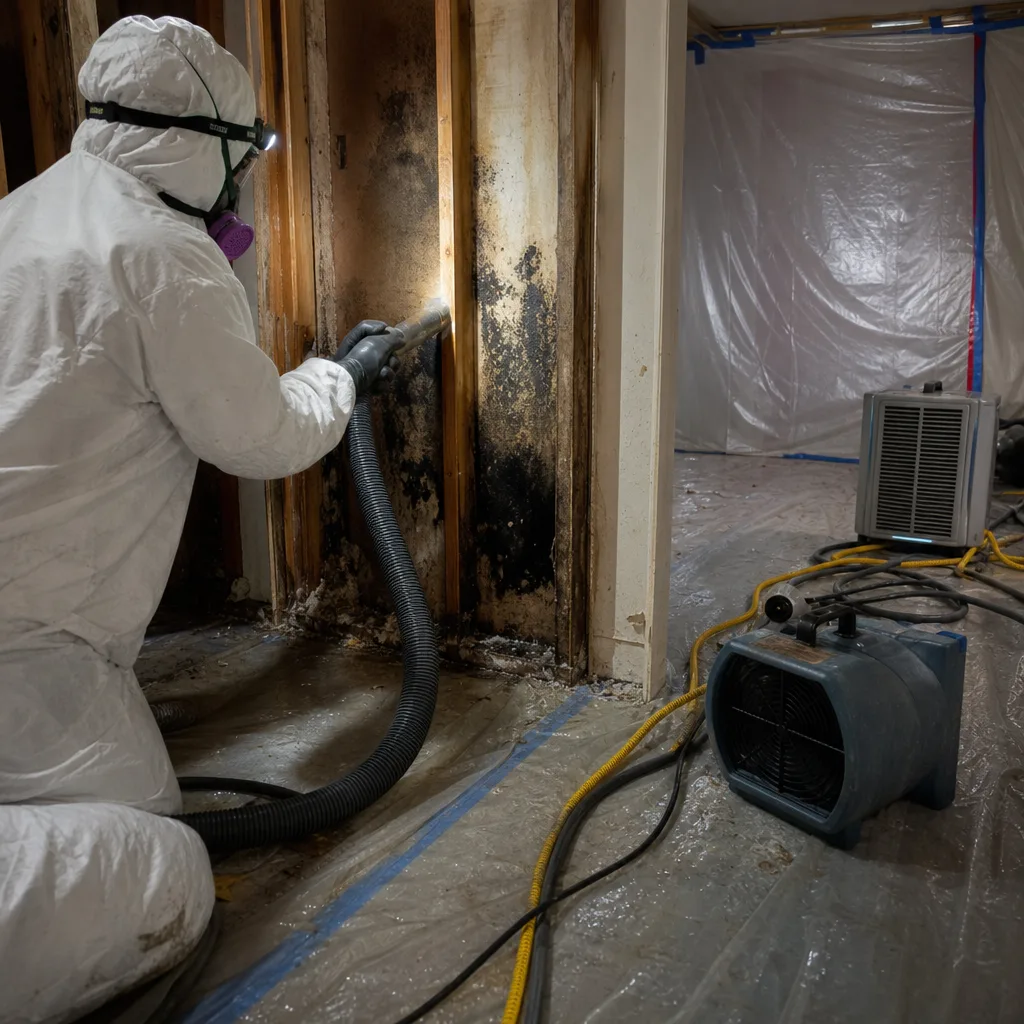
Mold Inspection & Testing
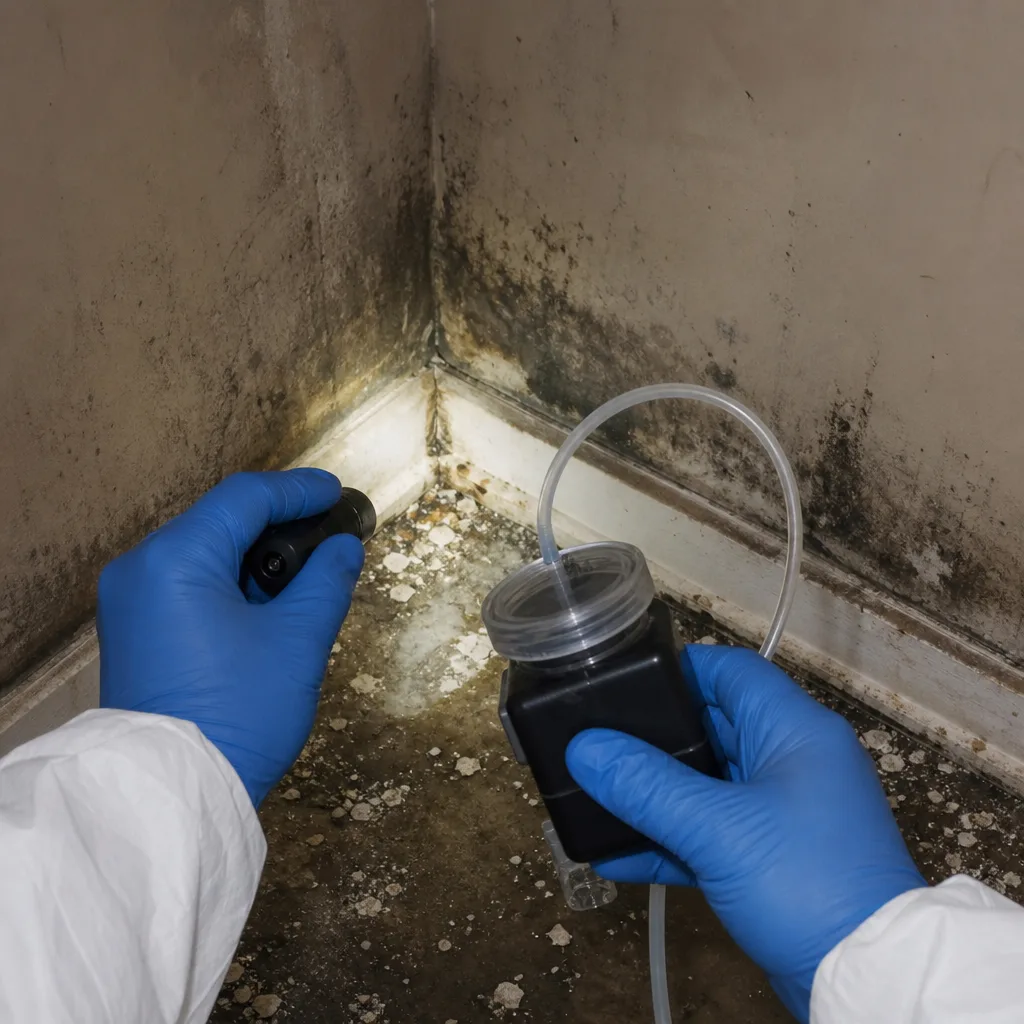
Every inspection in Morningside Heights starts with moisture mapping and air sampling, but the real work is understanding the building’s mechanical history. In these 1900s-1930s pre-war stacks, we check for previous steam-riser repairs, façade infiltration patterns, and the hidden cavities behind horsehair plaster where mold colonies establish before they surface. We document pre-loss condition with dated photos, take psychrometric readings (temperature, relative humidity, vapor pressure differential - the force that drives moisture through walls), and deliver a written scope with line-item pricing before any remediation begins. For Columbia-affiliated buildings, we simultaneously initiate vendor-portal documentation so approval doesn’t stall the job later.
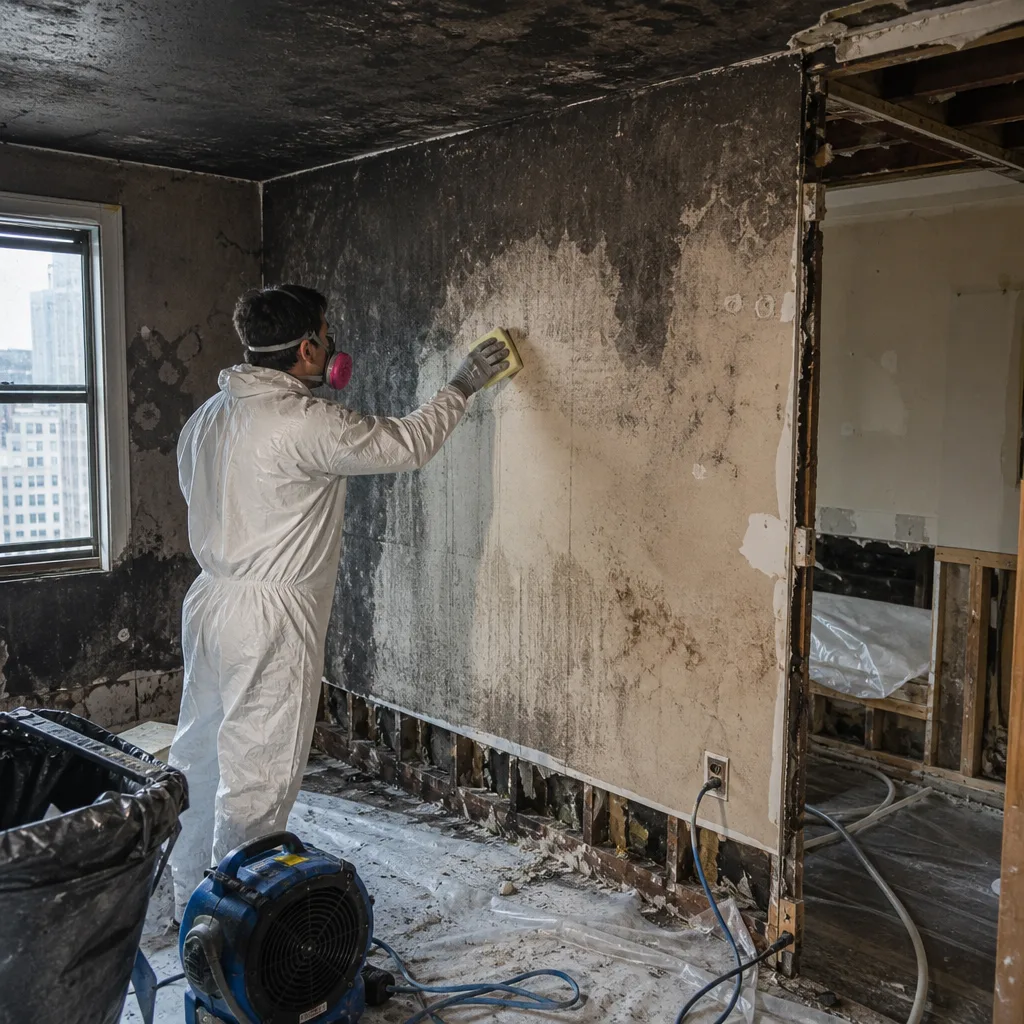
Mold Removal
Removal in Morningside Heights is rarely a simple scrub-and-seal. Original plaster, tin ceilings, and herringbone parquet demand containment strategies that protect irreplaceable finishes while eliminating the colony. Our crews use HEPA-negative air machines, sealed work zones, and material-specific disposal protocols. We coordinate with certified lead and asbestos abatement contractors when plaster skim coats or floor-tile mastics test positive - standard in buildings this age, and non-negotiable for portal approval in institutional portfolios. The written price you receive includes all containment, disposal, and post-remediation verification; no scope-creep additions once we’re inside.
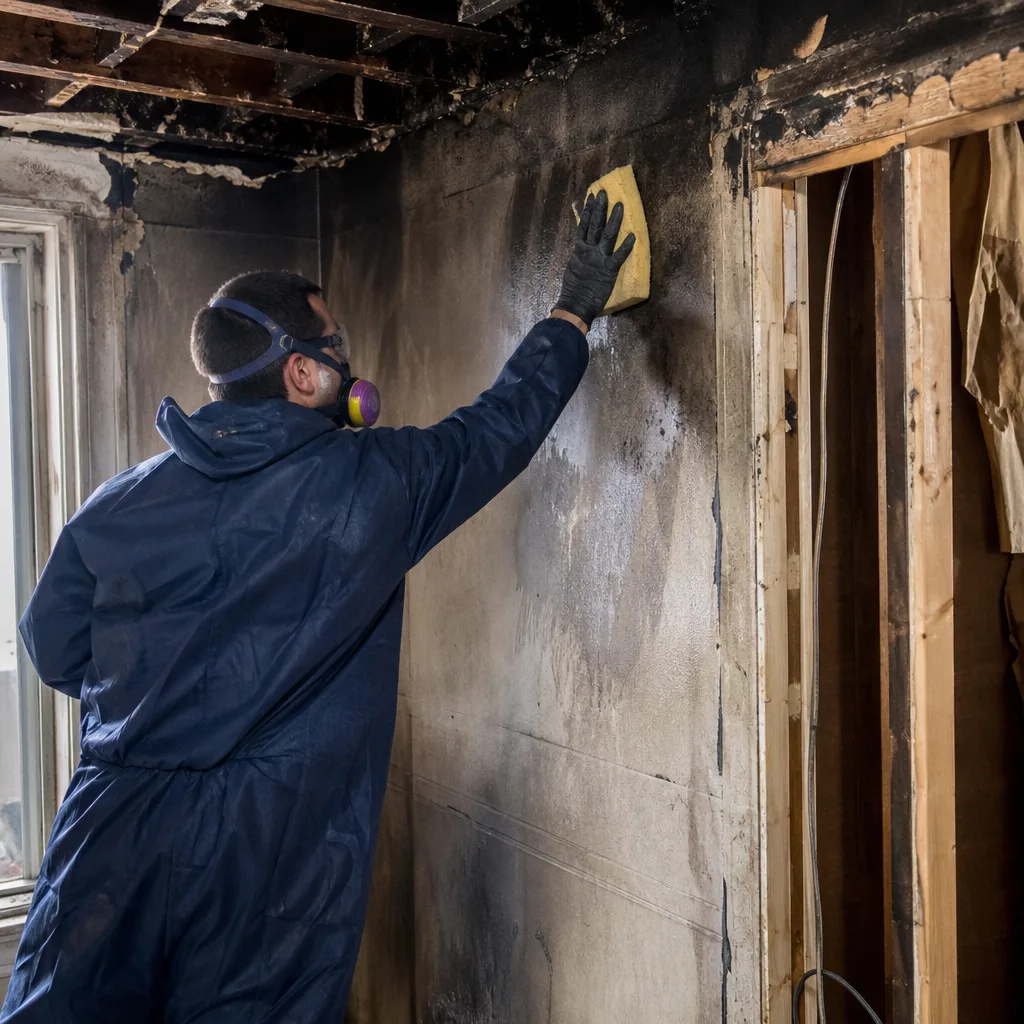
Black Mold Remediation
Stachybotrys chartarum and similar toxigenic species require aggressive containment and antimicrobial treatment, but the emotional charge around “black mold” often leads to overselling. We test first, identify the species, and scope to the actual spread - not the fear. In Morningside Heights’s dense pre-war housing, black mold typically follows chronic moisture from steam-system failures or façade breaches, not single-event flooding. We locate the moisture source, document it for your adjuster, dry the structure to IICRC standards, then remediate. The photo record includes pre-treatment, mid-process, and clearance-test documentation, all uploaded to your claim file.
Air Quality Restoration
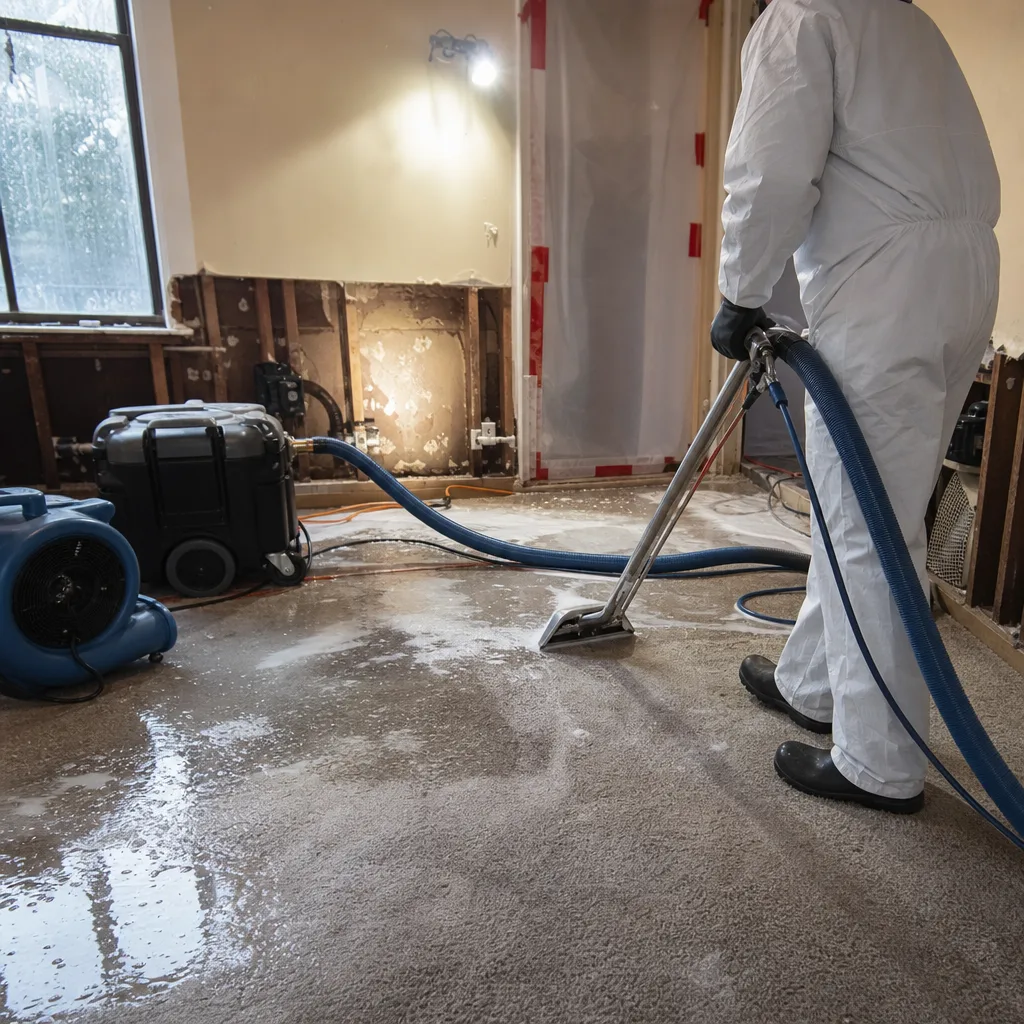
Post-remediation air quality in Morningside Heights must account for more than mold spore counts. These buildings share ventilation systems, stack effect draws air vertically through riser cavities, and institutional portfolios may require clearance testing that meets both NYC Department of Health guidelines and Columbia’s internal environmental standards. We run spore trap analysis, ERMI/HERSTMI-2 dust sampling where indicated, and deliver third-party lab results with our written completion package. Your insurance adjuster gets the same documentation you do, simultaneously.
Moisture & Humidity Control
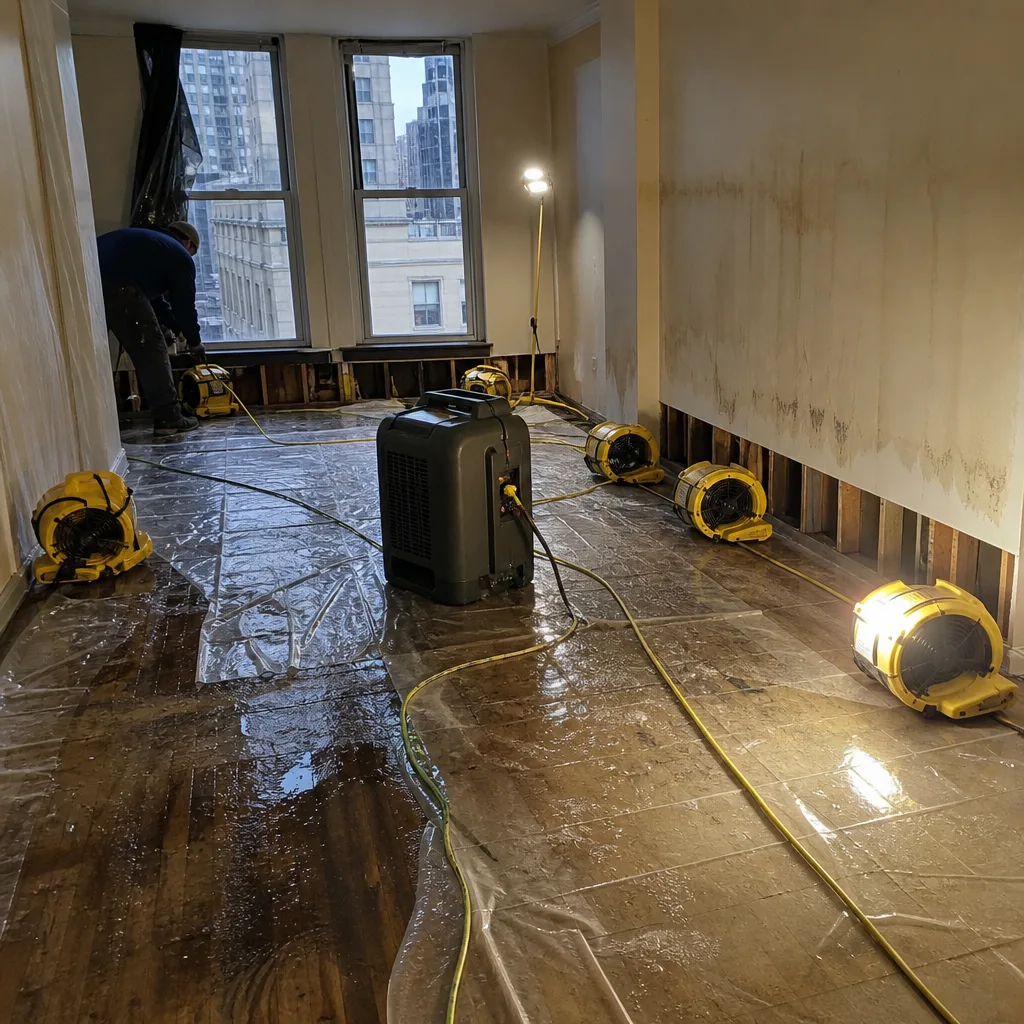
The freeze-thaw cycles that stress Morningside Heights’s aging steam systems and masonry façades create recurring moisture loads that basic mold removal can’t solve. We install temporary or permanent dehumidification, monitor with daily moisture logs using Dri-Eaz and Phoenix equipment, and track vapor pressure differentials until the structure reads dry to IICRC S500 standards. For buildings with chronic façade infiltration, we document the pattern and recommend envelope repairs that your property manager or facilities portal can scope separately. The goal is stopping the cycle, not just the current colony.
Crawl Space Treatment
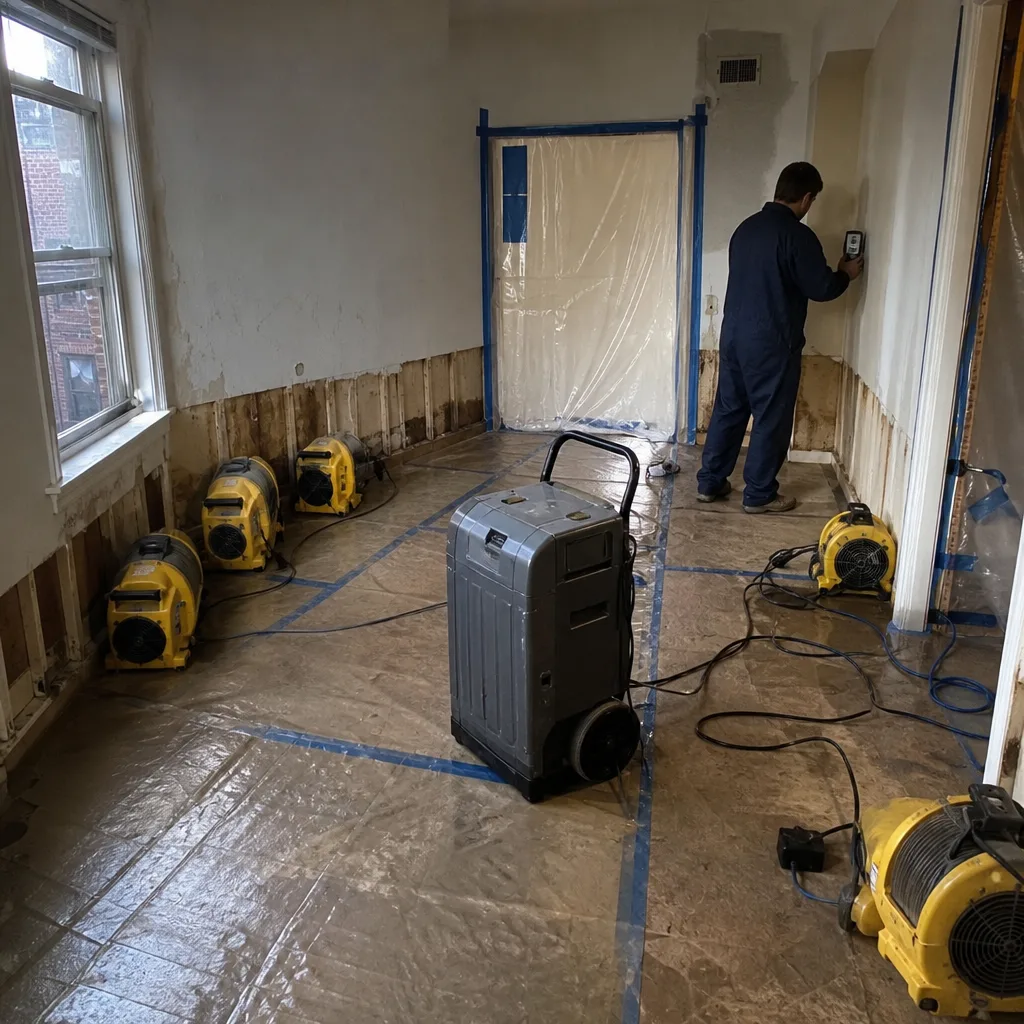
Crawl spaces are rare in Morningside Heights’s vertical housing stock, but where they exist - typically in converted brownstone basements or under rear additions - they present unique challenges. Limited access, shared foundation walls with adjacent properties, and century-old drainage make conventional encapsulation difficult. We inspect with borescope cameras, map moisture intrusion paths, and design containment that respects property lines and NYC building codes. Written pricing includes access logistics, material disposal, and post-treatment monitoring.
What happens when you call
- 1
A real person answersNo phone trees - you reach a local pro.
- 2
You get an upfront price rangeHonest numbers before anyone is dispatched.
- 3
A background-checked tech heads outLicensed & insured, dispatched right away.
- 4
You approve before work beginsNothing starts until you say go.
BeforeAfterTrusted Brands We Service in Morningside Heights
Our equipment inventory includes professional-grade drying and air-scrubbing systems from Dri-Eaz, Phoenix, and XPOWER - brands chosen for documented performance under the sustained loads that Morningside Heights’s dense, plaster-heavy buildings demand. We stock HEPA filtration, negative-air machines, and specialized injection-drying attachments for cavity work behind horsehair plaster and ornate finishes. Local parts availability means no waiting for shipped components when a containment barrier fails or a dehumidifier needs a filter change mid-job. Every machine’s output is logged daily, and those logs become part of your claim documentation.
Common Mold Remediation Problems We See in Morningside Heights Homes
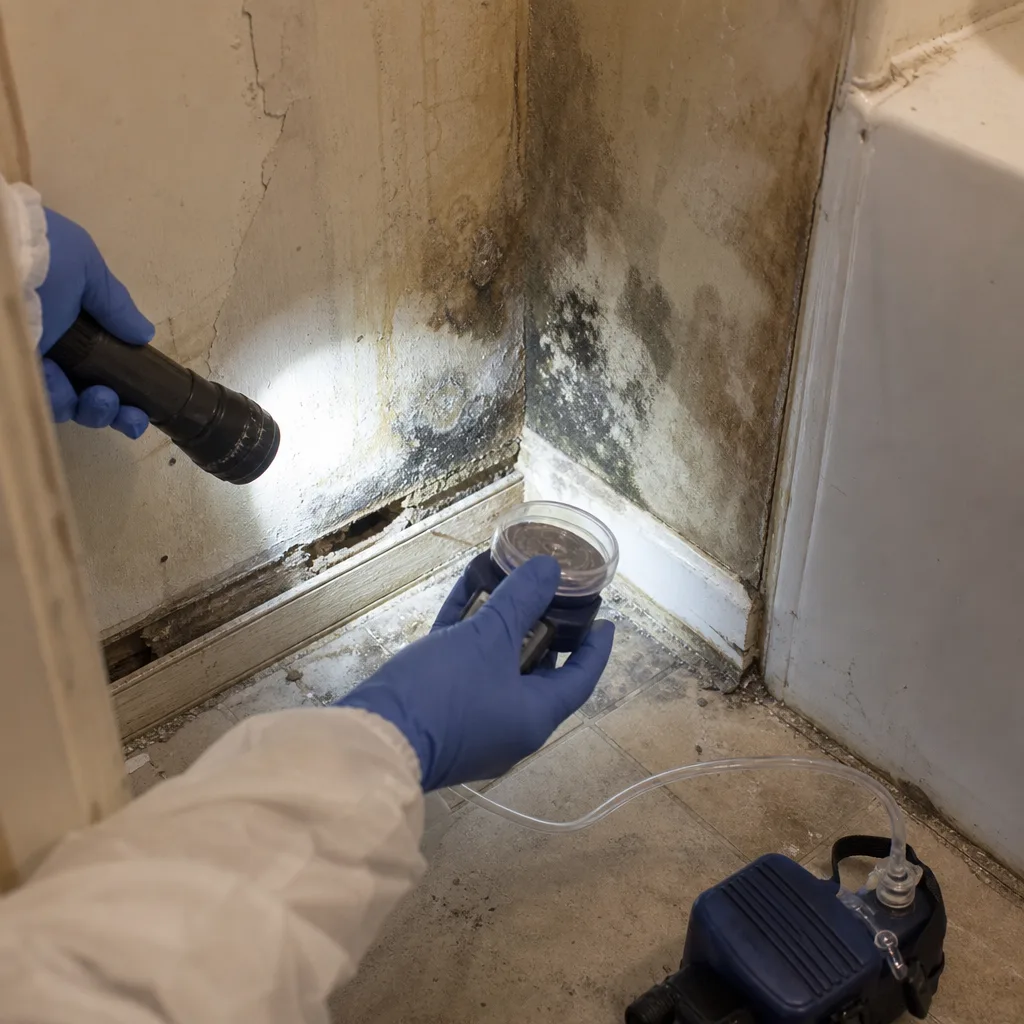
- Steam-riser cascade failures in stacked units. A single cast-iron riser breach on an upper floor sends pressurized steam and condensate through multiple floors of shared cavities. By the time the fifth-floor tenant calls, the third-floor ceiling is already reading elevated moisture. We map the full vertical path before setting containment, because treating visible mold on one floor while ignoring saturated plaster two floors below guarantees a callback.
- Nor’easter-driven façade infiltration through failing parapets. Morningside Heights’s elevated plateau exposes taller rooftops to direct wind-driven rain that breaches built-up roofing and parapet flashings. Water travels down interior wall cavities, often emerging as staining far from the entry point. We trace the path with moisture meters and thermal imaging, then document the exterior failure for insurance and facilities management simultaneously.
- Lead and asbestos discovery mid-remediation. Original horsehair plaster with lead-paint skim coats, floor-tile mastics containing asbestos, and ornate tin ceilings with vintage finishes are standard in this housing stock. Starting demolition without testing shuts down a job instantly and creates liability. We test before touching anything, and our documentation package includes abatement contractor coordination for portal submissions.
- Institutional approval delays allowing secondary mold growth. Columbia’s vendor-portal requirements are real and non-negotiable. Crews who mobilize without approved-vendor status and abatement documentation get stopped at the loading dock. We front-load this paperwork, maintain active portal credentials, and communicate directly with facilities management so that once approval clears, we’re moving immediately - not starting the documentation from zero while mold spreads.
Pricing for Mold Remediation in Morningside Heights, NY
Written prices before work starts, every time. Haven Standard, Clause 1.
| Service | Typical Range in Morningside Heights |
|---|---|
| Mold inspection & testing (residential unit) | $350-$650 |
| Localized mold removal (single room, no abatement) | $1,200-$2,400 |
| Multi-room remediation with containment | $2,800-$5,500 |
| Black mold remediation with antimicrobial treatment | $3,200-$6,800 |
| Institutional/multi-tenant building (portal coordination included) | $4,500-$9,500 |
| Air quality restoration & clearance testing | $650-$1,200 |
| Moisture control system installation | $1,800-$4,200 |
What moves a job up or down within these ranges: square footage affected, material type (horsehair plaster requires more careful handling than drywall), presence of lead or asbestos requiring certified abatement, institutional portal coordination time, and whether the moisture source has been stopped or still needs tracing. We deliver your written price after inspection, not before - because estimating mold sight-unseen is guessing, and we don’t guess with your money. Free Second Opinion on any competitor’s written estimate: bring their scope and we’ll review it at no charge.
Insurance direct billing available. We photo-document every visit and coordinate with your adjuster so the invoice matches the claim file.
We Also Serve Cities Near Morningside Heights
Our crews work throughout Manhattan and western Queens, with regular mold remediation calls in Morningside Heights, Midtown Manhattan, Murray Hill, the Upper East Side, and Long Island City. Each neighborhood has distinct housing stock, institutional layers, and insurance patterns; we adjust our documentation and scope accordingly. Dispatch and scheduling are coordinated from our New York City office.
Serving Morningside Heights, NY - Our Local Coverage Area
We’re based in the Morningside Heights area and know this community well. Use the map below to see our service coverage - if you’re nearby, we can almost certainly help.
FAQs - Mold Remediation in Morningside Heights
Mold can establish visible growth on saturated horsehair plaster within 48-72 hours, but the real risk in these buildings is hidden colonization inside wall cavities where steam condensate collects behind original finishes. We recommend emergency dry-out within 24 hours of the burst, with moisture mapping to trace vertical spread through shared risers. Call (862) 212-1646 for immediate dispatch to private buildings; for Columbia-affiliated properties, call us simultaneously with your facilities management notice so we can begin portal documentation while the steam is still being shut off.
Approved-vendor status and lead/asbestos abatement documentation must clear Columbia’s facilities portal before crews can access the building or begin work. This institutional compliance layer doesn’t exist for private co-ops on the Upper West Side or in Harlem. We maintain active portal credentials and pre-submit documentation to compress this delay, but we cannot bypass it. The alternative - mobilizing without approval - means getting stopped at the loading dock mid-job, which costs far more time than front-loading the paperwork. For a realistic timeline on your specific building, call (862) 212-1646 with your property management contact.
Sometimes. If moisture readings show the plaster is saturated but structurally intact, we can use Injectidry cavity-drying systems and targeted antimicrobial application through minimal access points, preserving the original finish. If the plaster has delaminated, the horsehair binder has degraded, or mold growth extends beyond reachable cavities, selective removal and specialty matching become necessary. We make this determination with borescope inspection and moisture mapping, then give you a written scope with both options priced. No demolition starts without your signed approval and a documented photo of pre-loss condition.
We check moisture content in walls, ceilings, and floors at multiple elevations; air sampling for spore counts and species identification; thermal imaging for hidden moisture patterns; and borescope inspection of shared riser cavities and ceiling plenums. In stacked units, we specifically trace vertical pathways - the same cavity that serves your ceiling may be the floor structure above your neighbor’s unit. The inspection report includes a floor-by-floor moisture map, photo documentation, and a written remediation scope with line-item pricing. Call (862) 212-1646 to schedule; estimates are free.
Yes. Morningside Heights’s elevated position exposes taller pre-war rooftops to direct nor’easter impact that accelerates deterioration of built-up roofing and parapet flashings. Once breached, water enters wall cavities and travels down multiple floors before visible staining appears, creating chronic moisture conditions that feed mold long after the storm passes. We see this pattern predictably each late winter and early spring. Our inspections include rooftop and façade assessment where access allows, and we document exterior failure points for insurance claims that cover both the mold remediation and the envelope repair. For a written assessment of your building’s specific risk profile, call (862) 212-1646.
We got called to a pre-war elevator building near the Columbia campus after a late-winter steam riser failure soaked the stacked unit layouts from the fifth floor down. The ceiling cavity behind original horsehair plaster was already showing mold growth, so we set containment, ran moisture mapping and structural drying with Dri-Eaz and Phoenix dehumidification, and documented pre-loss condition through the university facilities portal before any abatement. Once the institutional paperwork cleared, we completed pack-out and antimicrobial treatment while matching the ornate crown molding the water had stained.
Written by Alicia Brennan, Owner at DryMark Restoration Midtown Manhattan, serving Morningside Heights since 2011 under The Haven Standard.