
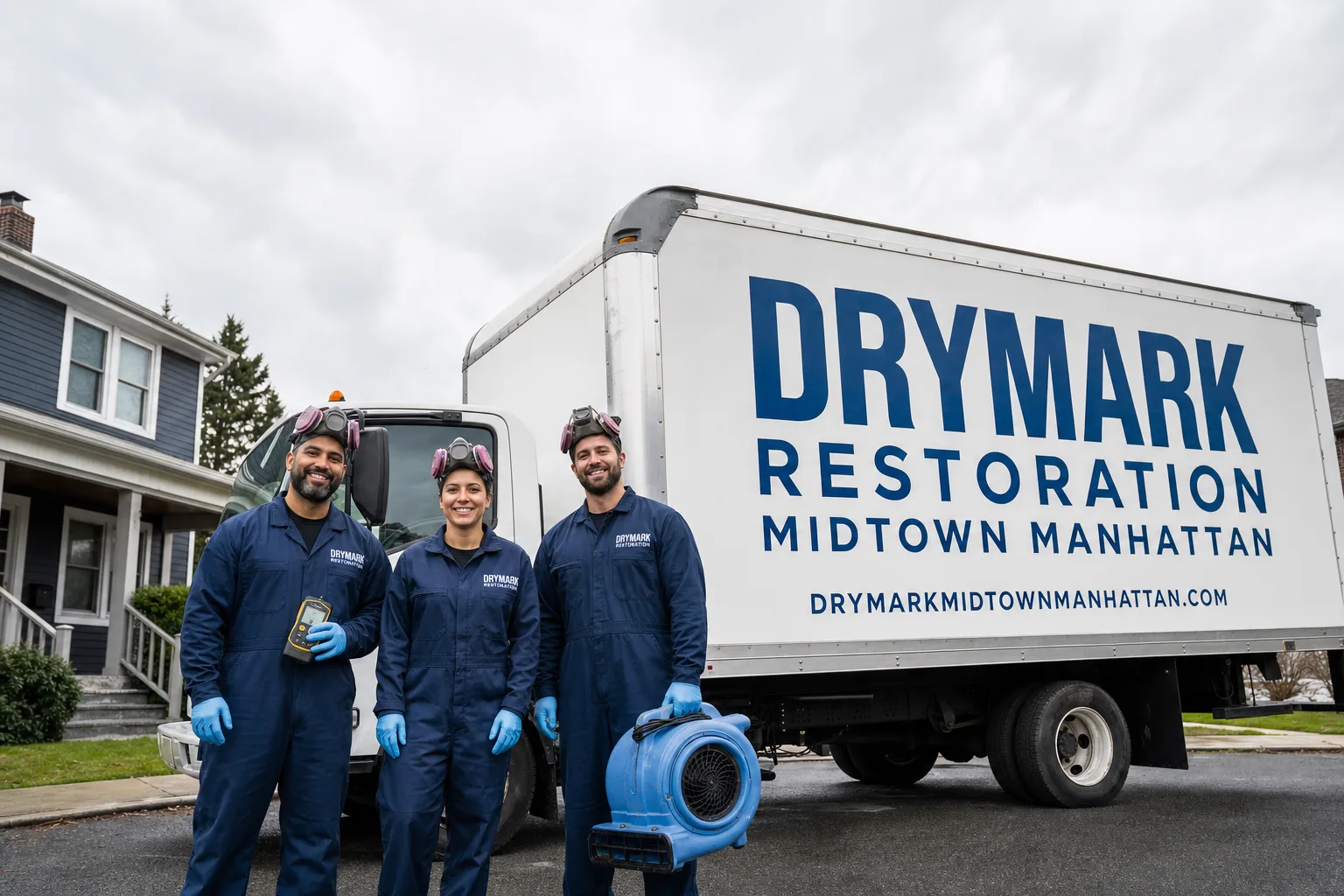
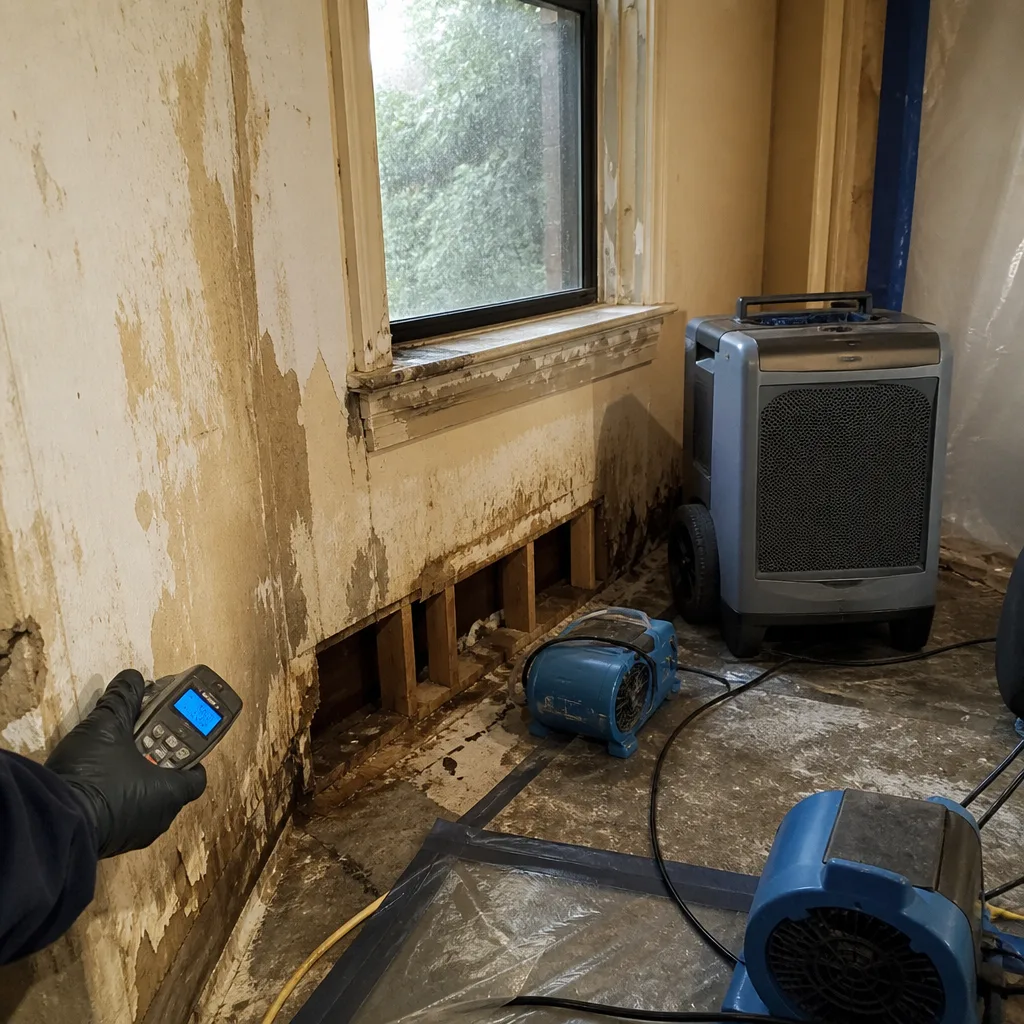
Free visual inspection and a written scope of work before any mitigation begins - photos, moisture readings, and drying logs go in your claim file
The scope we write is the scope we bill. Anything new gets shown to you, in writing, before we touch it.
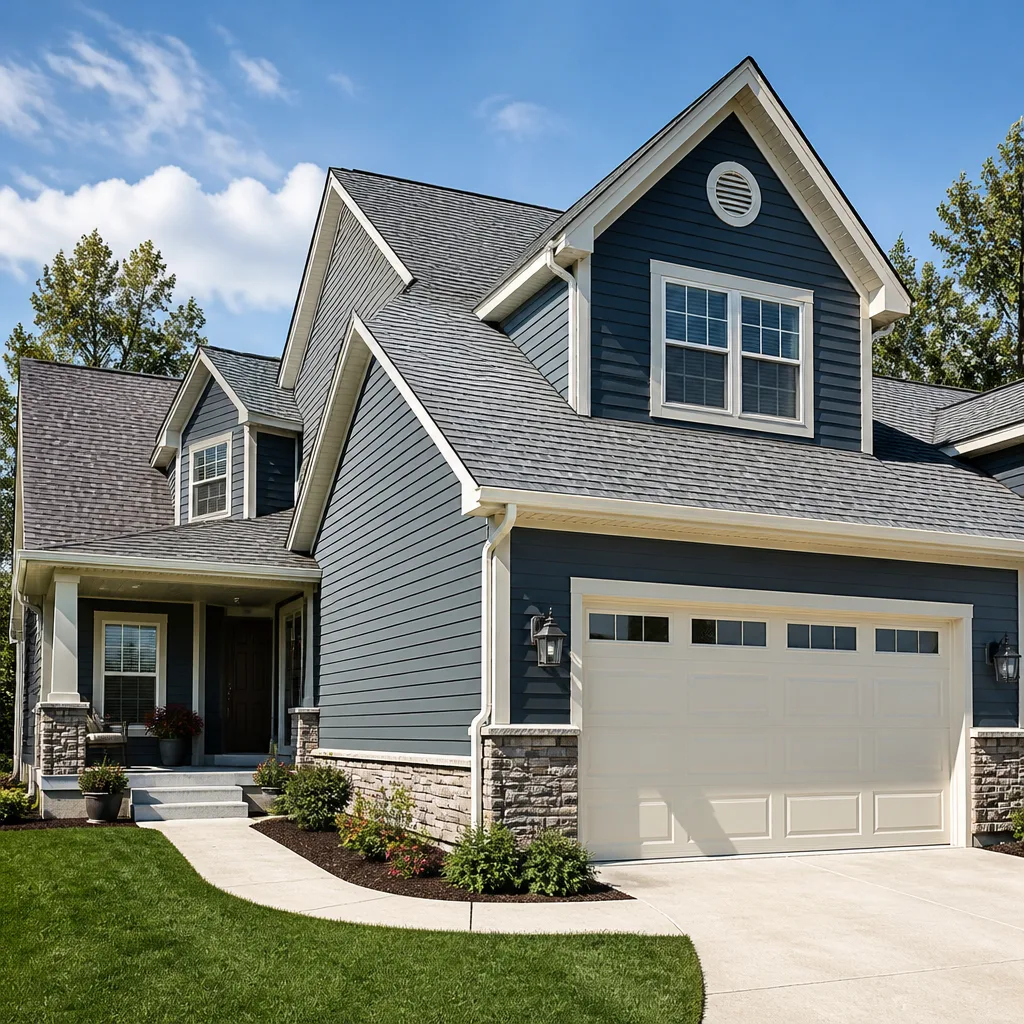
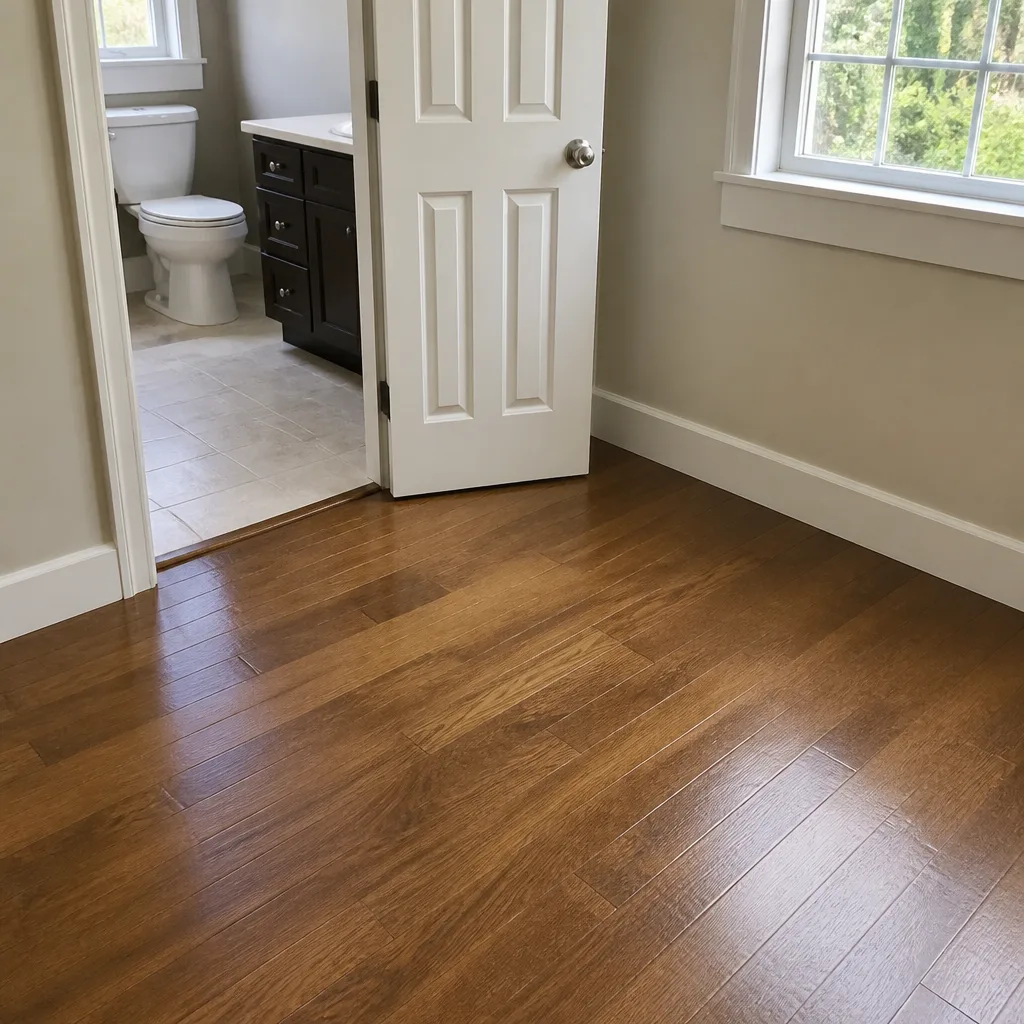
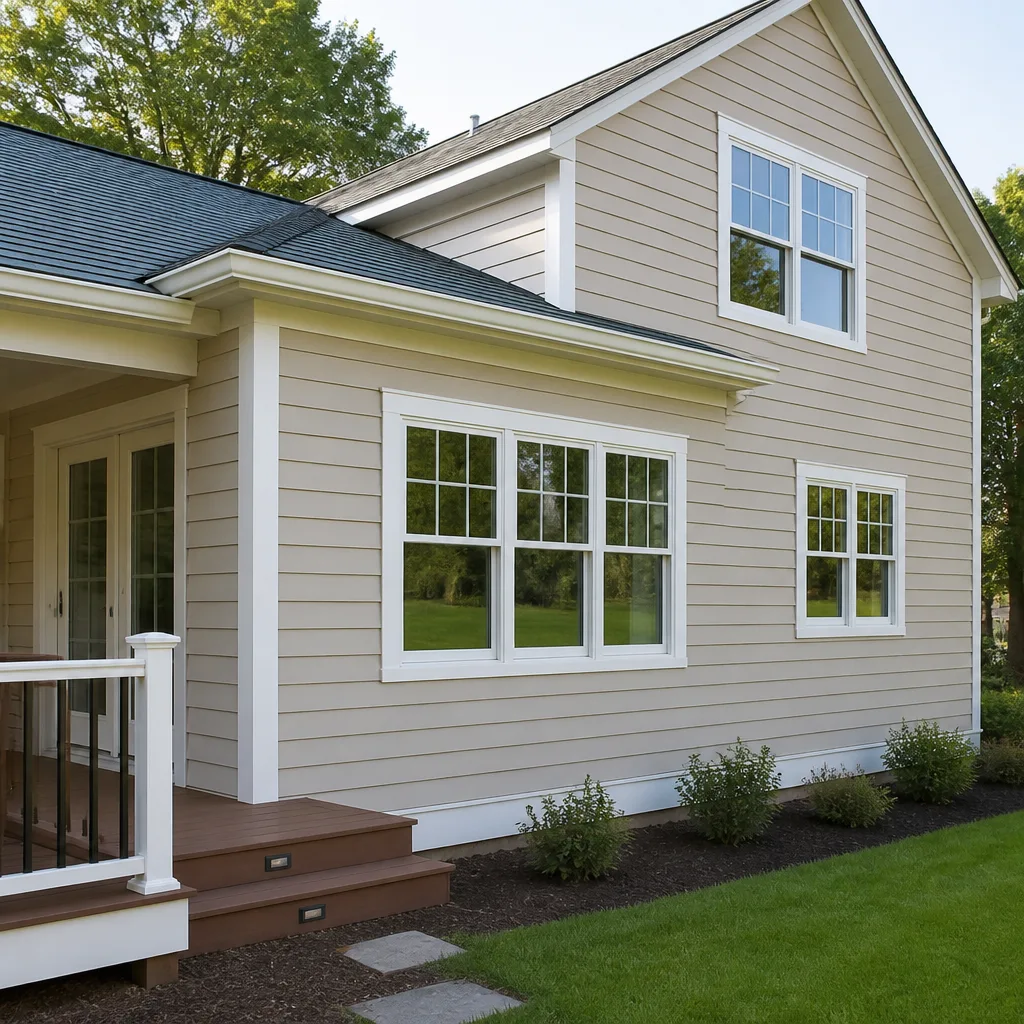
 Before
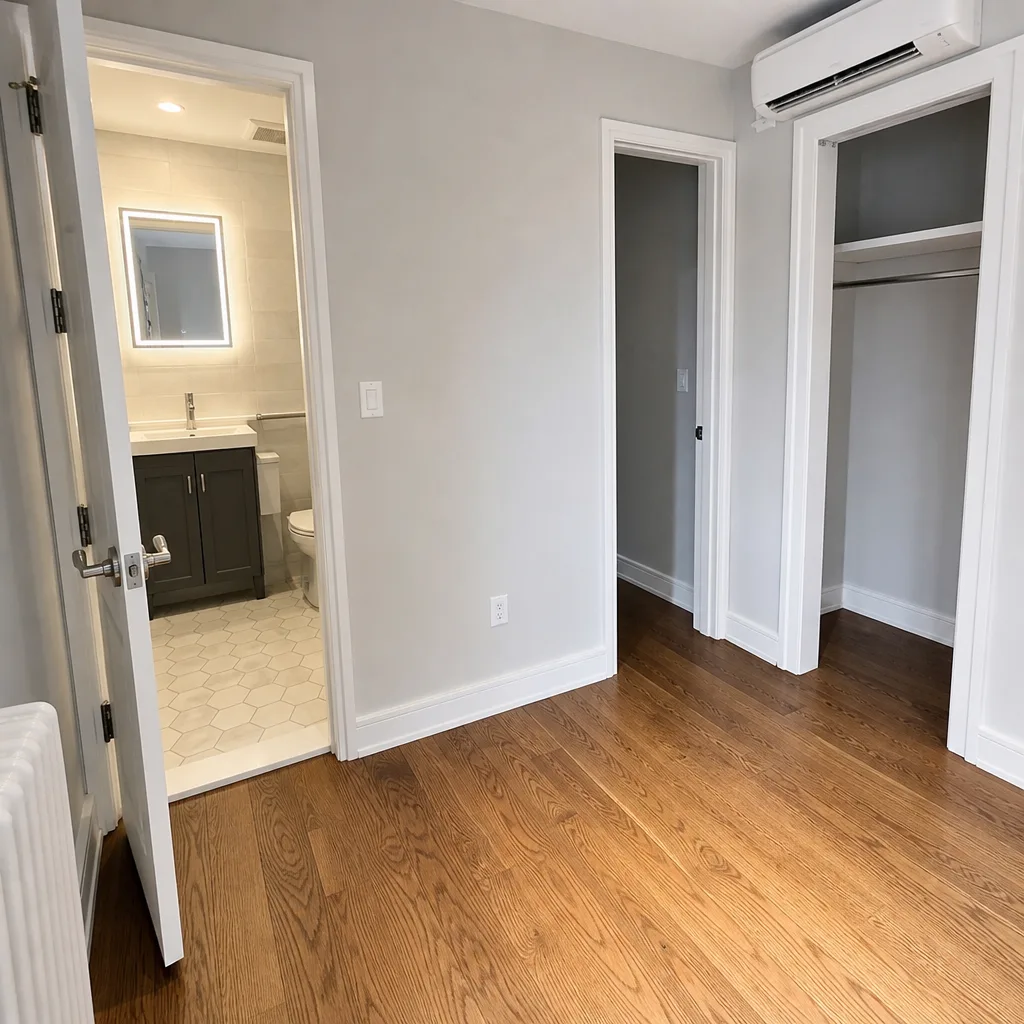 After
After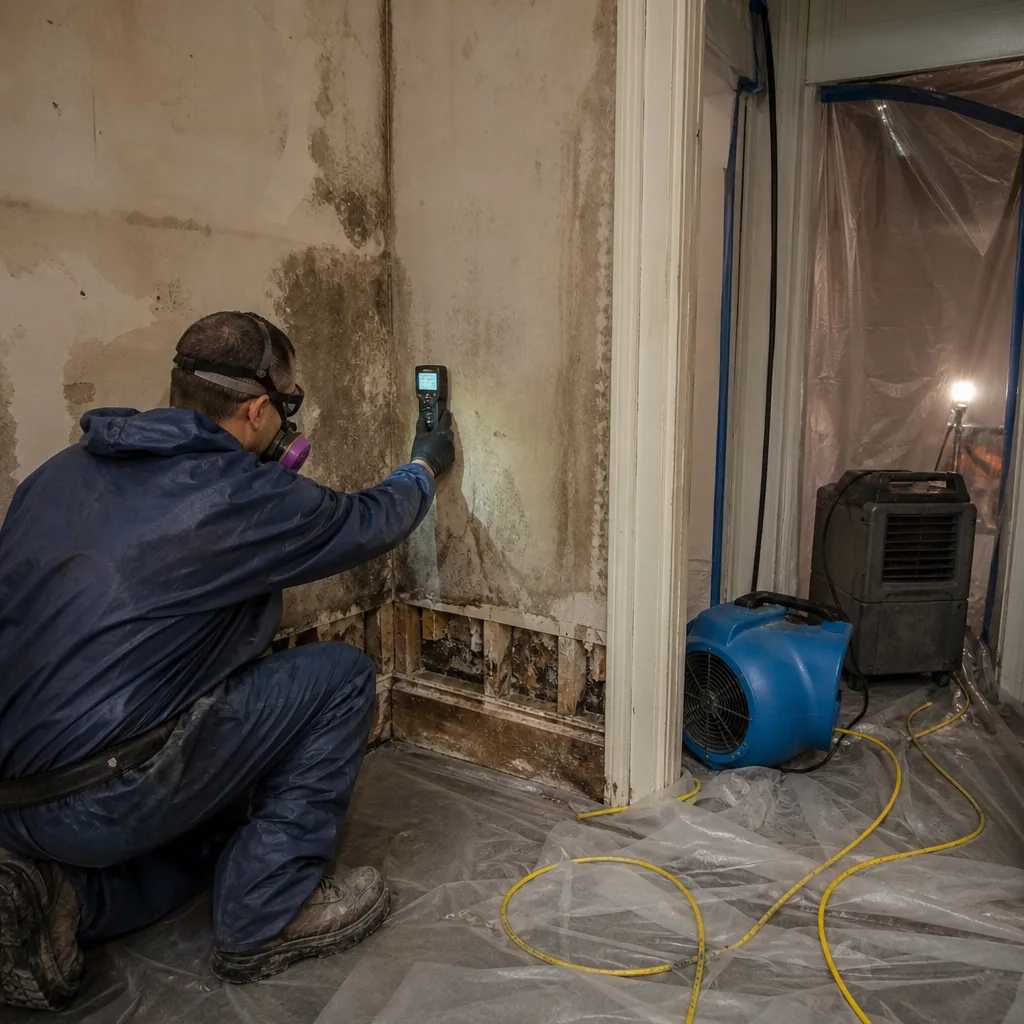 Before
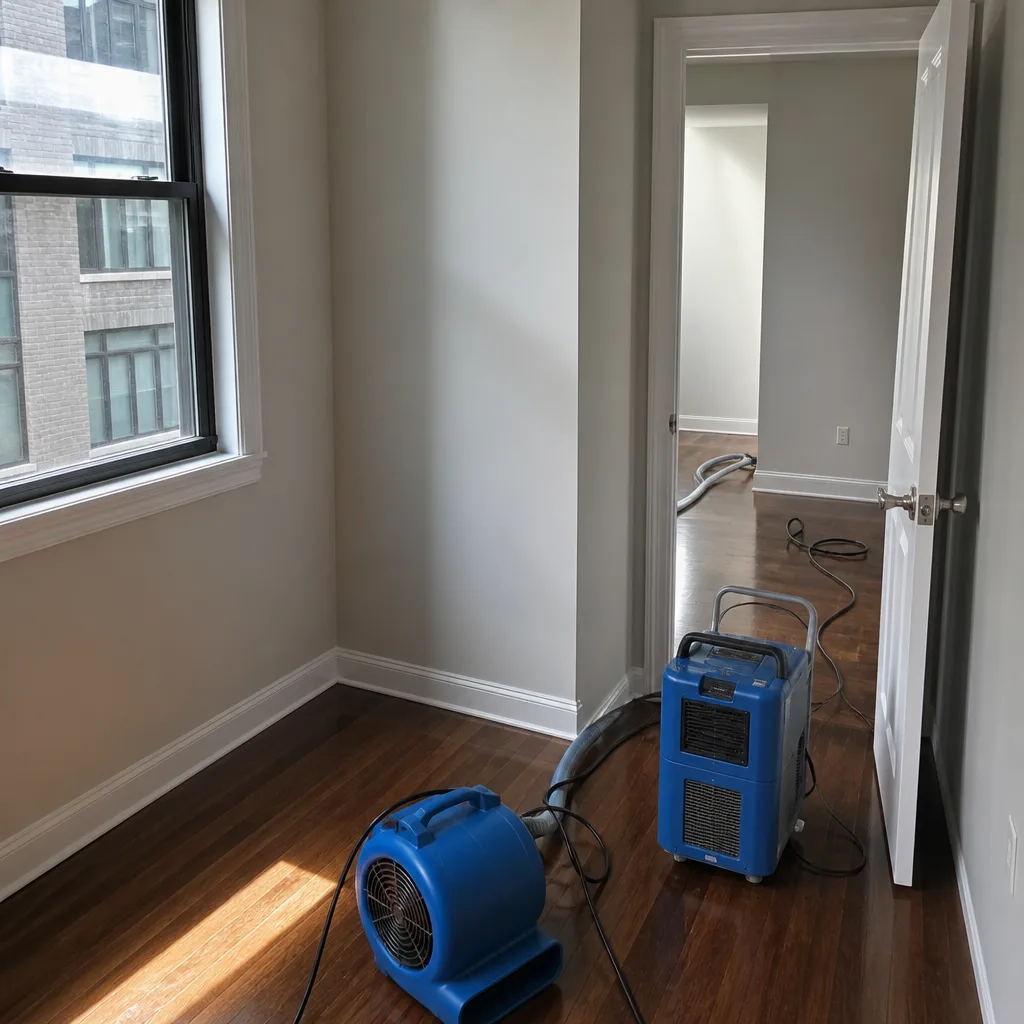 After
After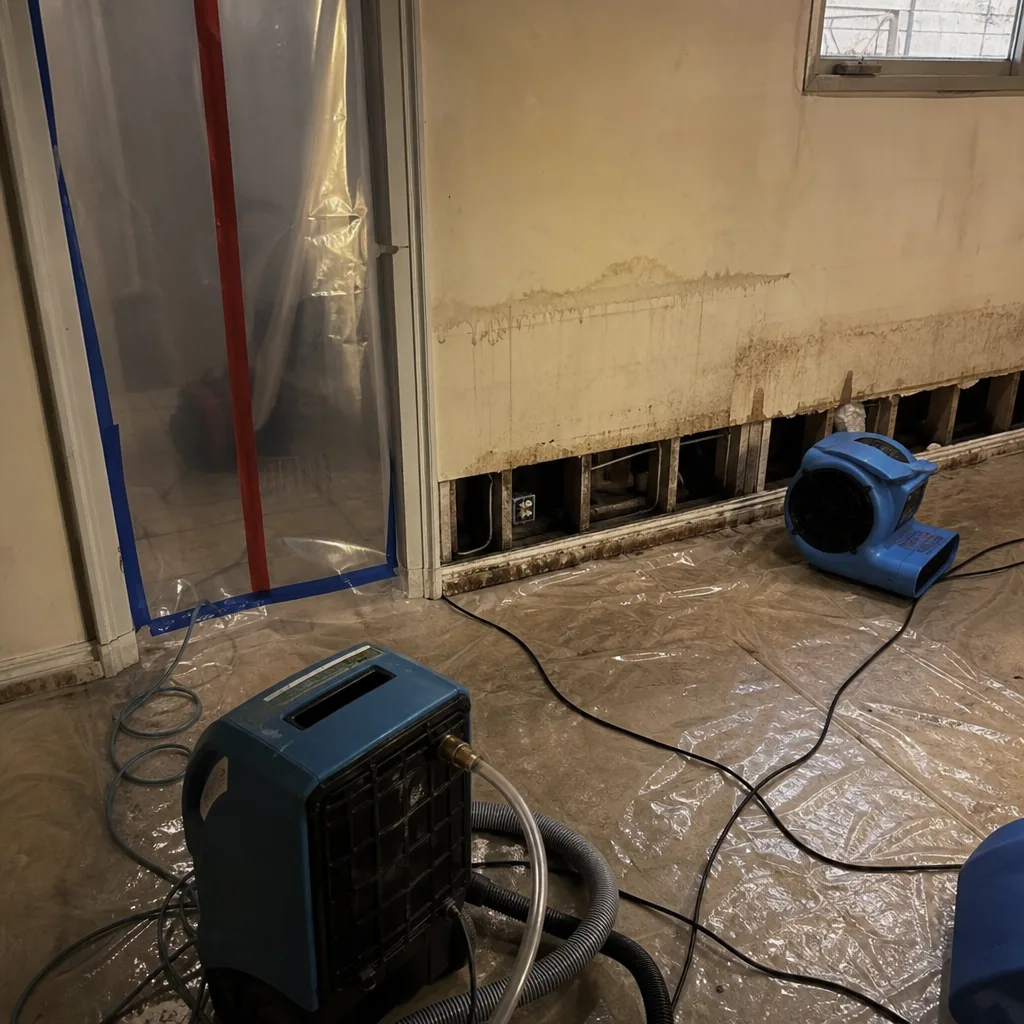 Before
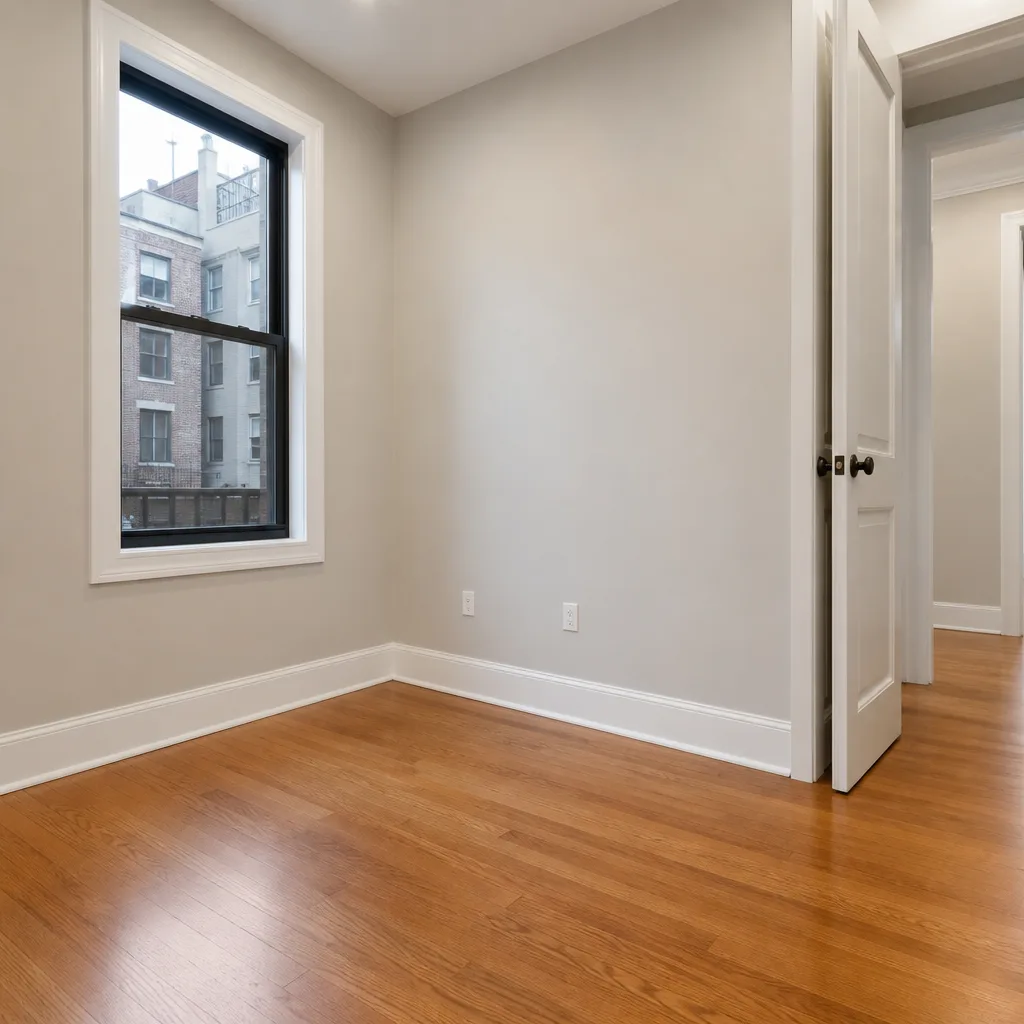 After
AfterFast, Reliable Mold Remediation Across Upper West Side
Mold remediation in Upper West Side prewar buildings demands a different playbook than standard Manhattan apartments. We’re talking about 10-to-20-story co-op towers along Central Park West and West End Avenue where a single steam riser failure can saturate horsehair plaster across eight floors before anyone smells it. Our crews are staged from our New York City office and reach Upper West Side buildings within 45 minutes of dispatch. We carry the containment equipment, HEPA filtration, and moisture mapping tools needed for these specific buildings - because in a 1926 limestone co-op, cutting open the wrong wall without board approval costs more than the mold damage itself. Call (862) 212-1646 for a written scope and price before any work starts. Haven Standard, Clause 1.
Why DryMark Restoration Midtown Manhattan Is Upper West Side’s Preferred Mold Remediation Company
We’ve restored mold-damaged units in Upper West Side buildings from the Ansonia to the Beresford, and our photo-documented process has held up through co-op board reviews, insurance adjuster audits, and Landmarks Preservation Commission filings. Our technicians are background-checked, uniformed, and licensed - their credentials are shown on arrival, not promised over the phone.
Upper West Side customers specifically mention our drying logs in reviews. One managing agent on Riverside Drive told us our daily moisture readings saved his building’s insurance claim after a Category 2 pipe failure. That documentation-first approach is why we’ve restored 12,000+ homes since 2011 - every one with a written price before work started and a photo record on every visit.
Live dispatch answers every call, 24 hours a day, 7 days a week. No voicemail trees while water is still moving through shared risers. Our response time to Upper West Side averages under 45 minutes because we know which buildings have freight elevators that close at 6 PM and which require pre-registered vendor insurance certificates.
We understand the local approval chain: managing agent, super, co-op board, individual unit owner, and sometimes the LPC. Generic restorers skip this and get shut down mid-job.
Our Mold Remediation Services in Upper West Side
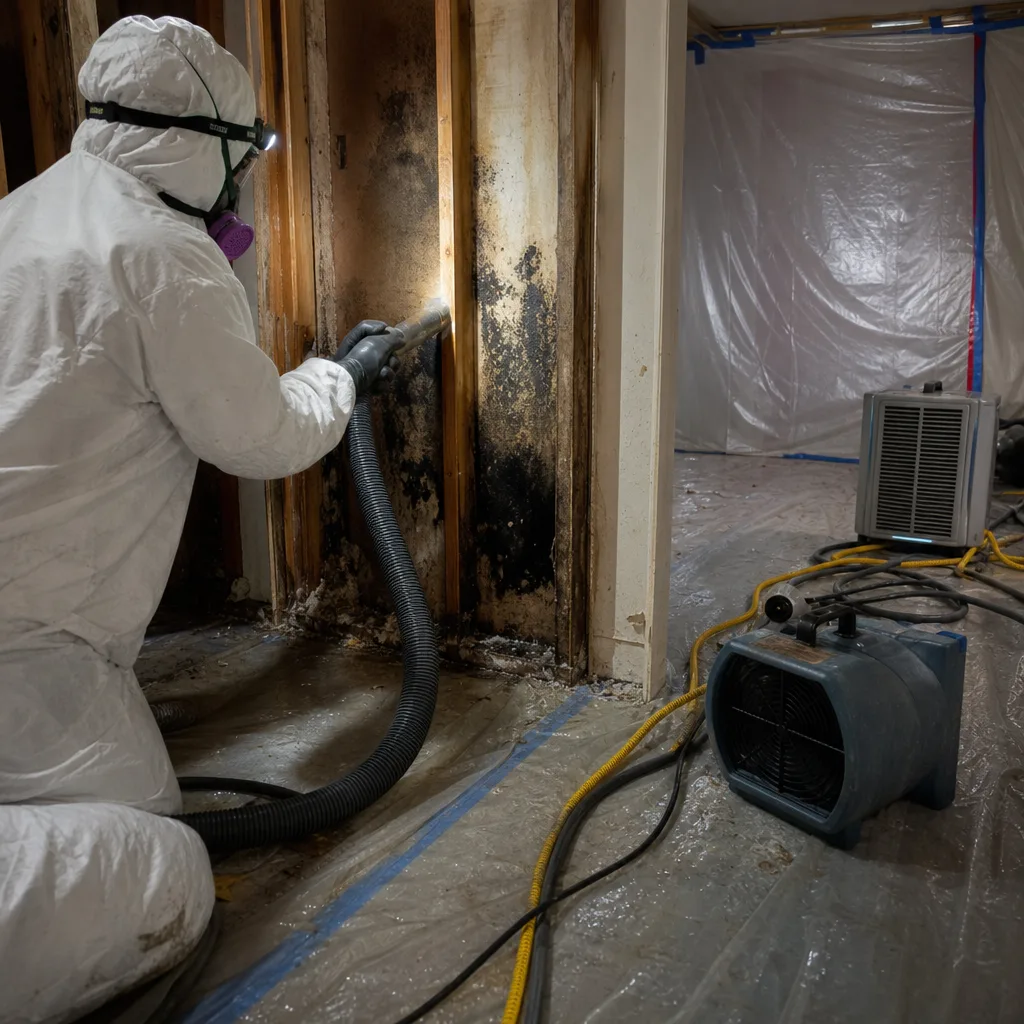
Mold Inspection & Testing
Upper West Side prewar construction hides mold behind thick plaster-on-lath walls that newer buildings don’t have. We start with non-invasive moisture mapping using thermal imaging and penetrating moisture meters, then sample suspect areas for lab analysis. In buildings along Central Park West, we also check for vapor pressure differential - the force that pushes moisture through intact plaster when Hudson River humidity meets overheated steam pipes. Our inspection reports include room-by-room moisture readings, material classifications by trade name, and a written scope with line-item pricing before any remediation begins. Haven Standard, Clause 1.
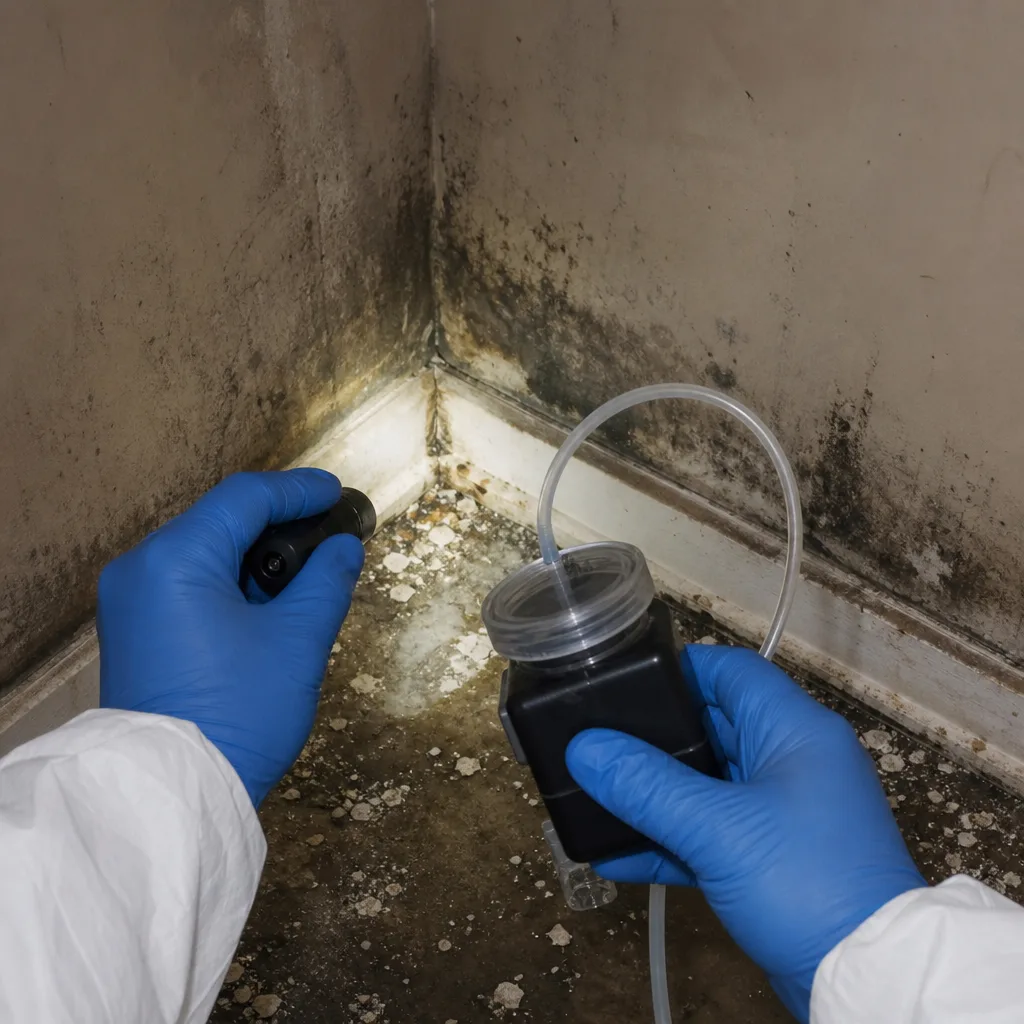
Mold Removal
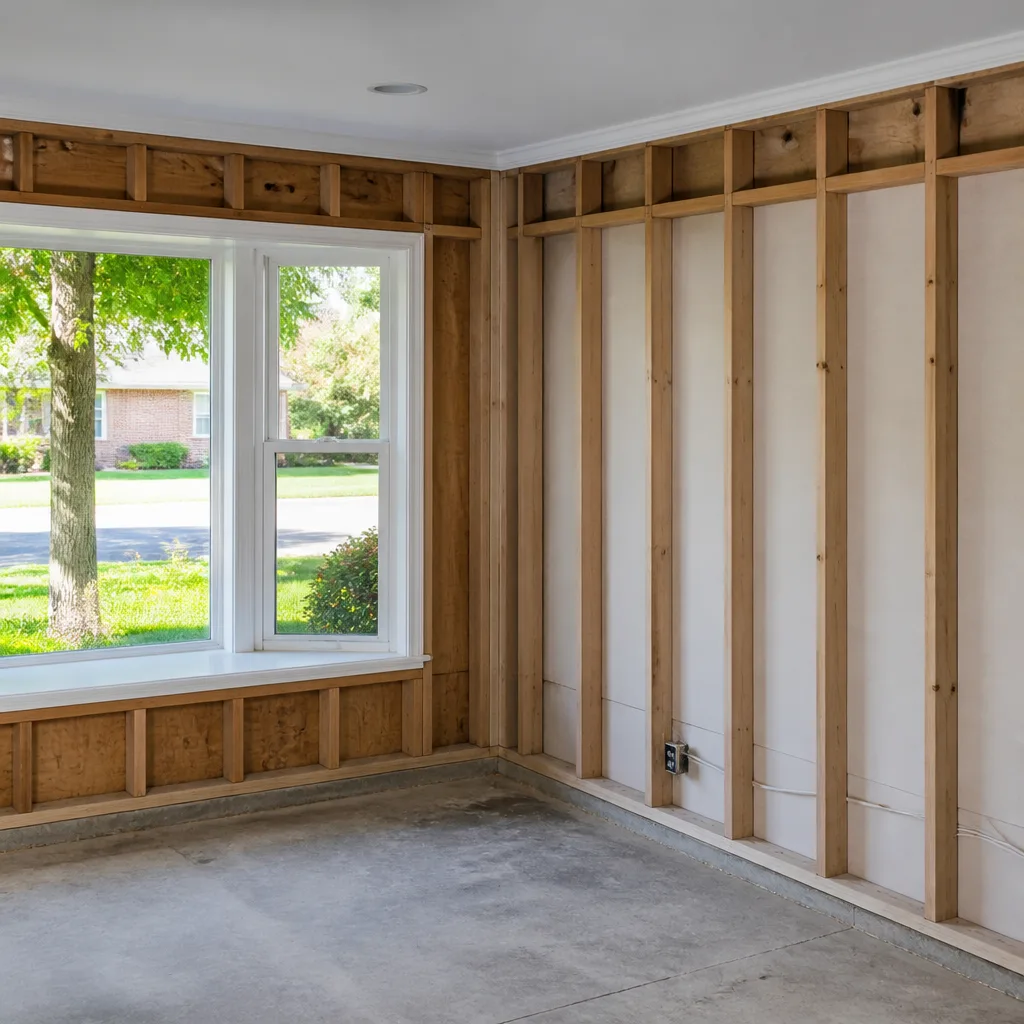
Removing mold from Upper West Side apartments means working around irreplaceable prewar finishes: herringbone parquet, ornate plaster crown moldings, original millwork that no supplier stocks. We establish containment with negative air pressure, remove contaminated materials by type (porous vs. non-porous per IICRC S520), and clean salvageable surfaces with HEPA vacuuming and antimicrobial treatment. In LPC historic districts, we document every surface before disturbance so restoration matches pre-loss condition. Our crews carry the specialized plaster restoration skills that drywall contractors don’t have.
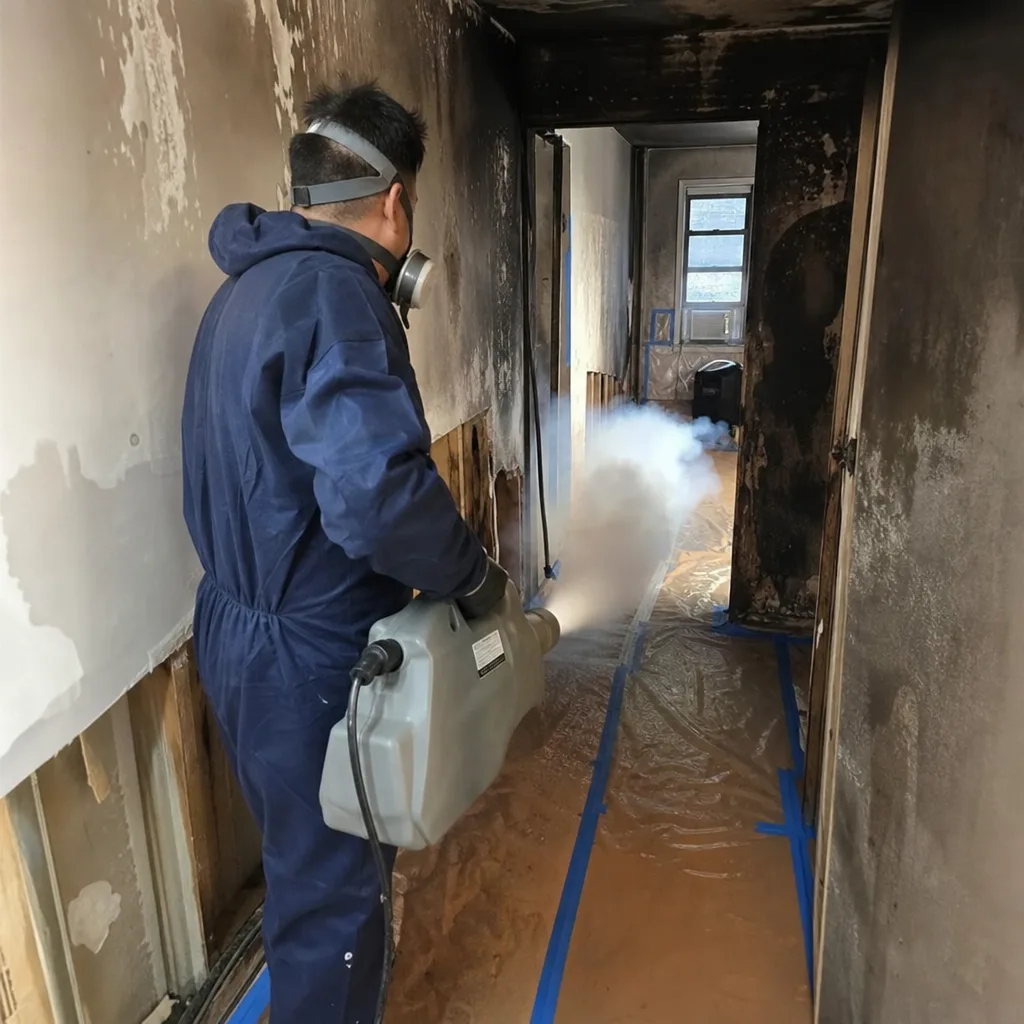
Black Mold Remediation
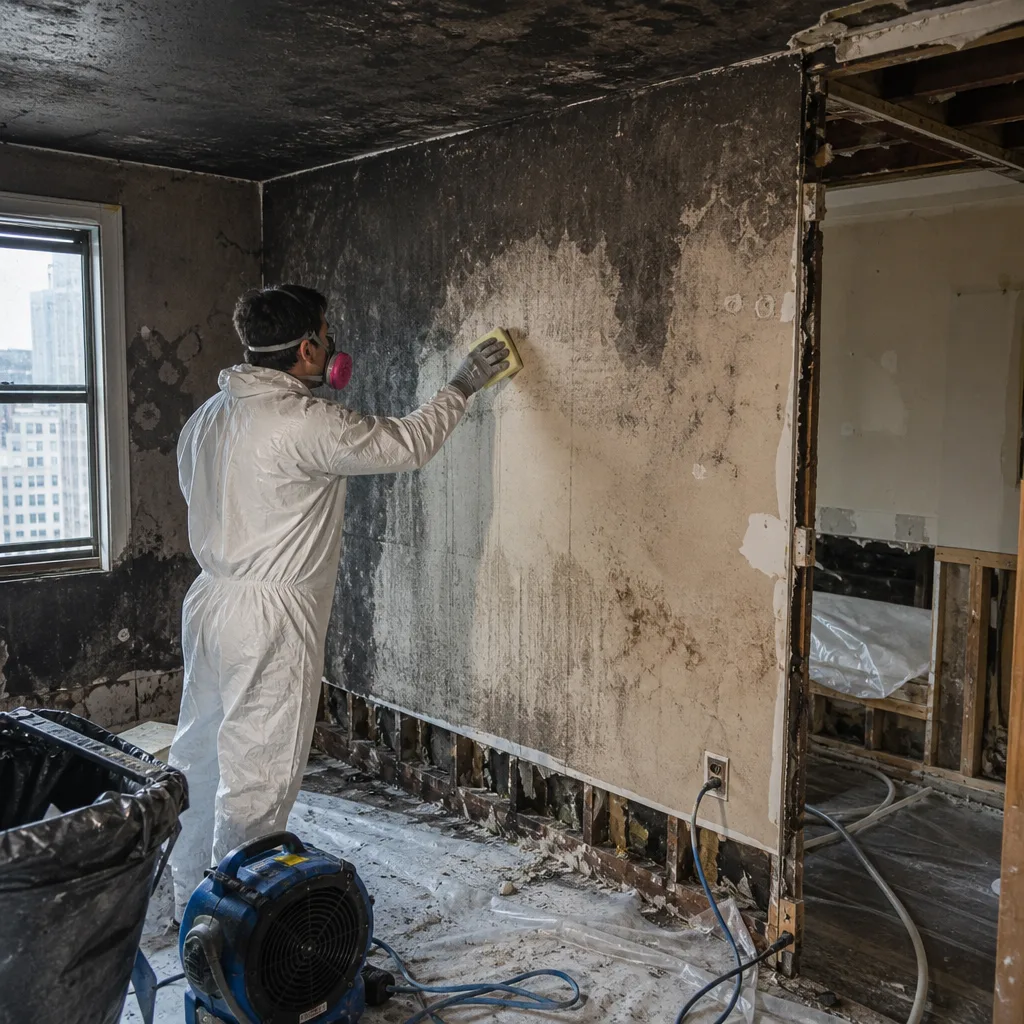
Stachybotrys chartarum and other toxigenic molds in Upper West Side buildings typically follow slow, hidden leaks - radiator valve drips inside walls, pinhole corrosion in aging cast-iron risers, failed steam traps that condense inside plaster cavities. These colonies grow invisibly for weeks because horsehair plaster absorbs and wicks moisture laterally across studs. Our black mold protocol includes full containment, P100 respirator protection for technicians, and air scrubbing with Mold Remediation-grade HEPA filtration. We test post-remediation air quality against outdoor baseline levels and deliver lab results with our completion documentation.
Air Quality Restoration
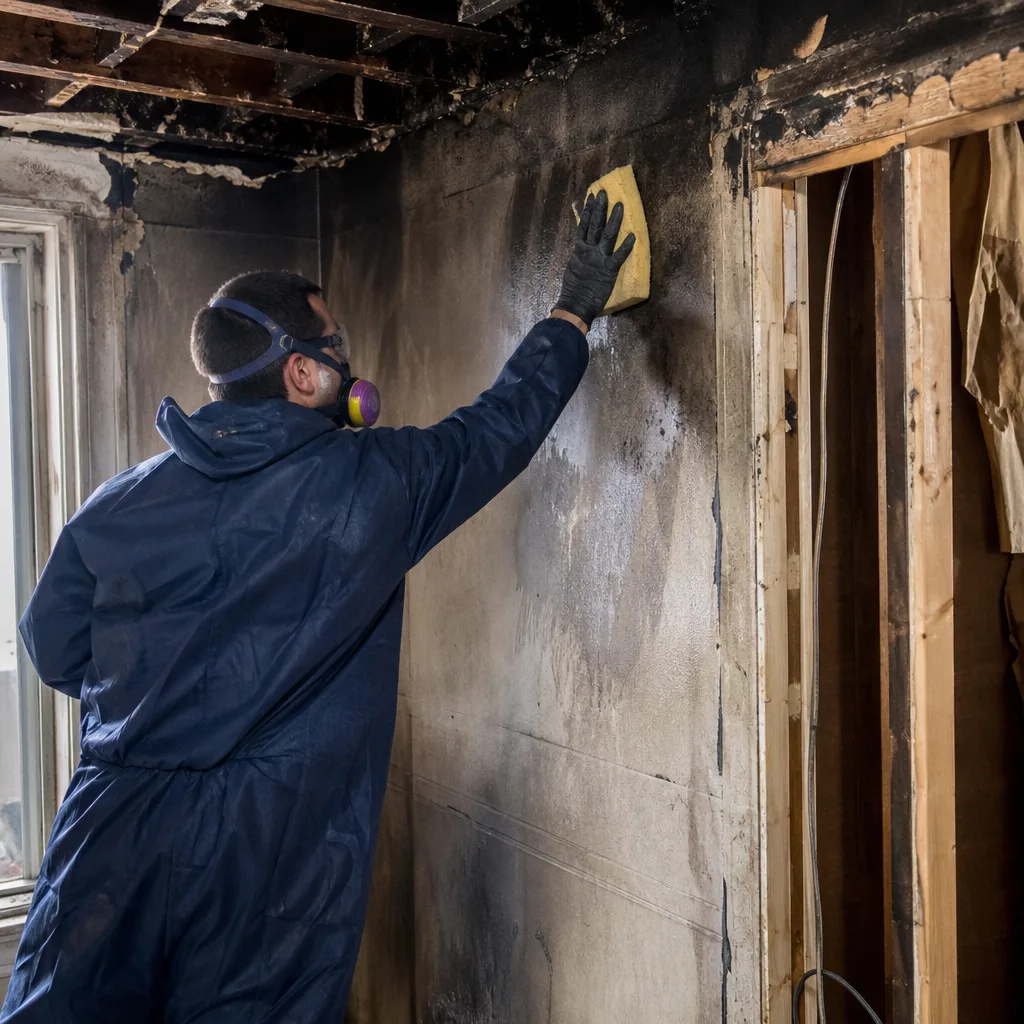
After mold removal in Upper West Side buildings, we restore breathable air through layered filtration: source removal first, then HEPA air scrubbing, then activated carbon for volatile organic compounds released by mold metabolism. We use Phoenix and Dri-Eaz equipment documented to IICRC standards, with daily particle counts logged until levels normalize. For buildings with shared HVAC risers - common in 1910-1940 construction - we inspect ductwork for cross-contamination and recommend duct sealing or cleaning when spore counts warrant it.
Moisture & Humidity Control
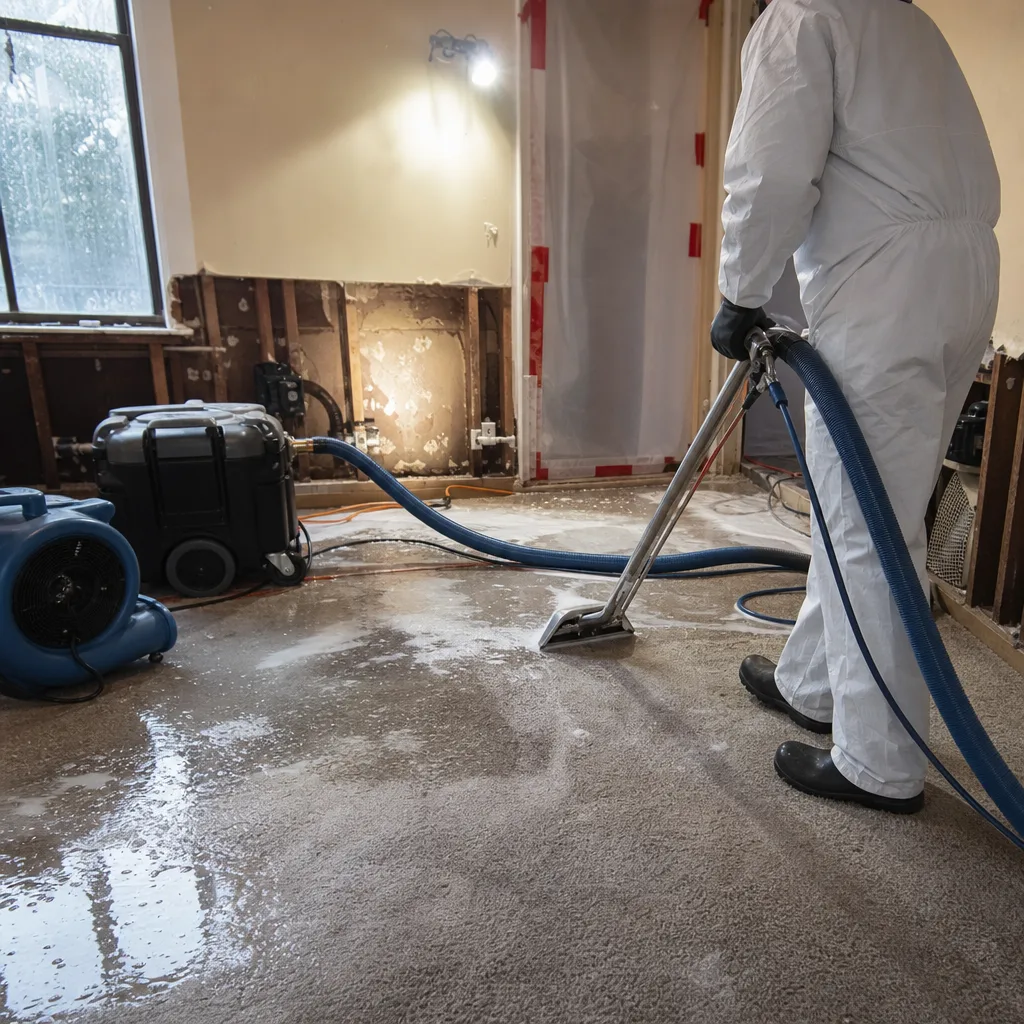
Upper West Side’s Hudson River proximity elevates ambient humidity year-round, especially in western blocks near Riverside Park. Combined with two-pipe steam heating systems that cycle between overheating and underheating, this creates the perfect conditions for recurring mold. We install temporary or permanent dehumidification, seal vapor barriers in crawl spaces and utility chases, and recommend humidity monitoring systems that alert supers before moisture readings climb. Our goal is drying the building, not just treating the symptom.
What happens when you call
- 1
A real person answersNo phone trees - you reach a local pro.
- 2
You get an upfront price rangeHonest numbers before anyone is dispatched.
- 3
A background-checked tech heads outLicensed & insured, dispatched right away.
- 4
You approve before work beginsNothing starts until you say go.
BeforeAfterTrusted Brands We Service in Upper West Side
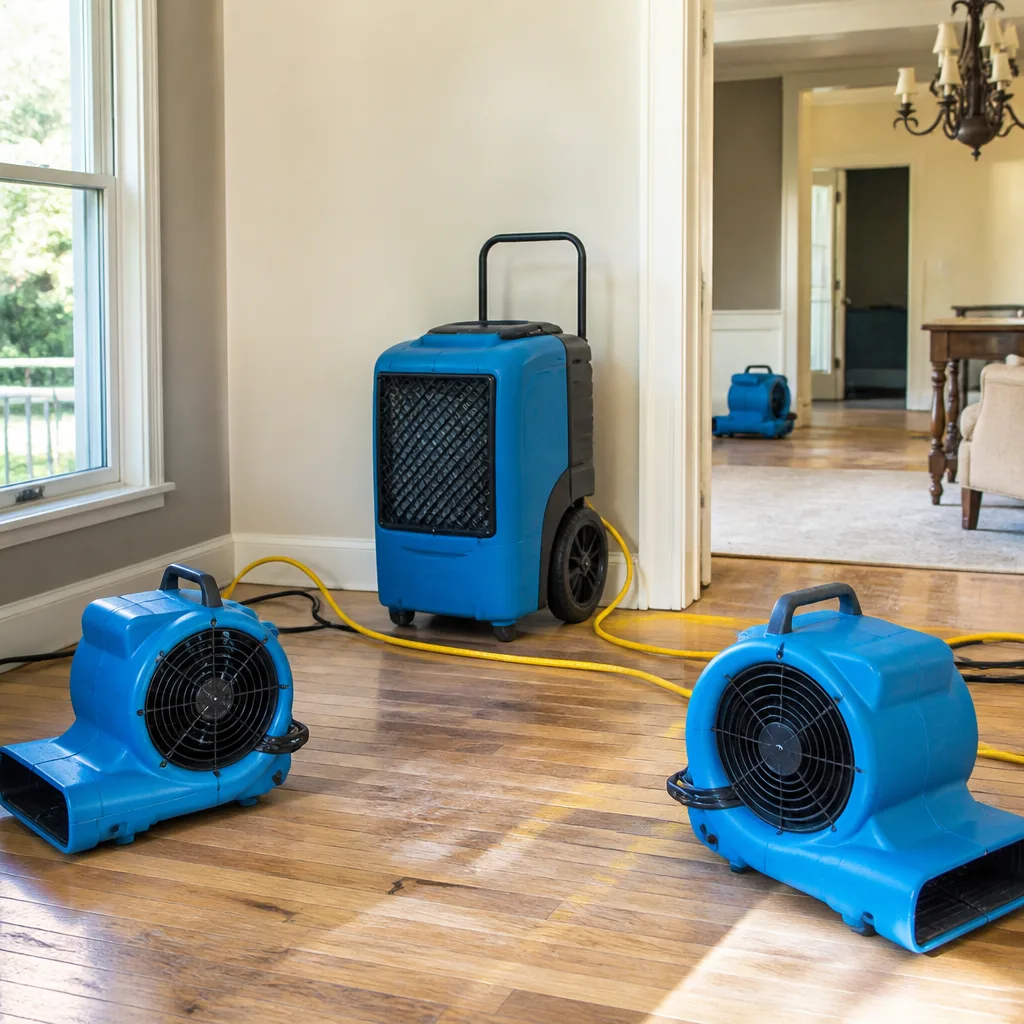
We deploy professional-grade drying systems from Dri-Eaz, Phoenix, and XPOWER on Upper West Side jobs - equipment sized for the high cubic volumes and dense construction of prewar towers. Injectidry panel systems dry inside wall cavities without removing intact plaster, critical when LPC review would delay reconstruction. All equipment is documented to IICRC, RIA, and IFA standards, and our daily drying logs record psychrometric data: temperature, relative humidity, and vapor pressure differential at each dehumidifier placement. This is the documentation that turns restoration invoices into payable insurance claims. We stock HEPA filters, antimicrobial solutions, and plaster restoration materials locally for fast turnaround on Upper West Side emergency calls.
Common Mold Remediation Problems We See in Upper West Side Homes
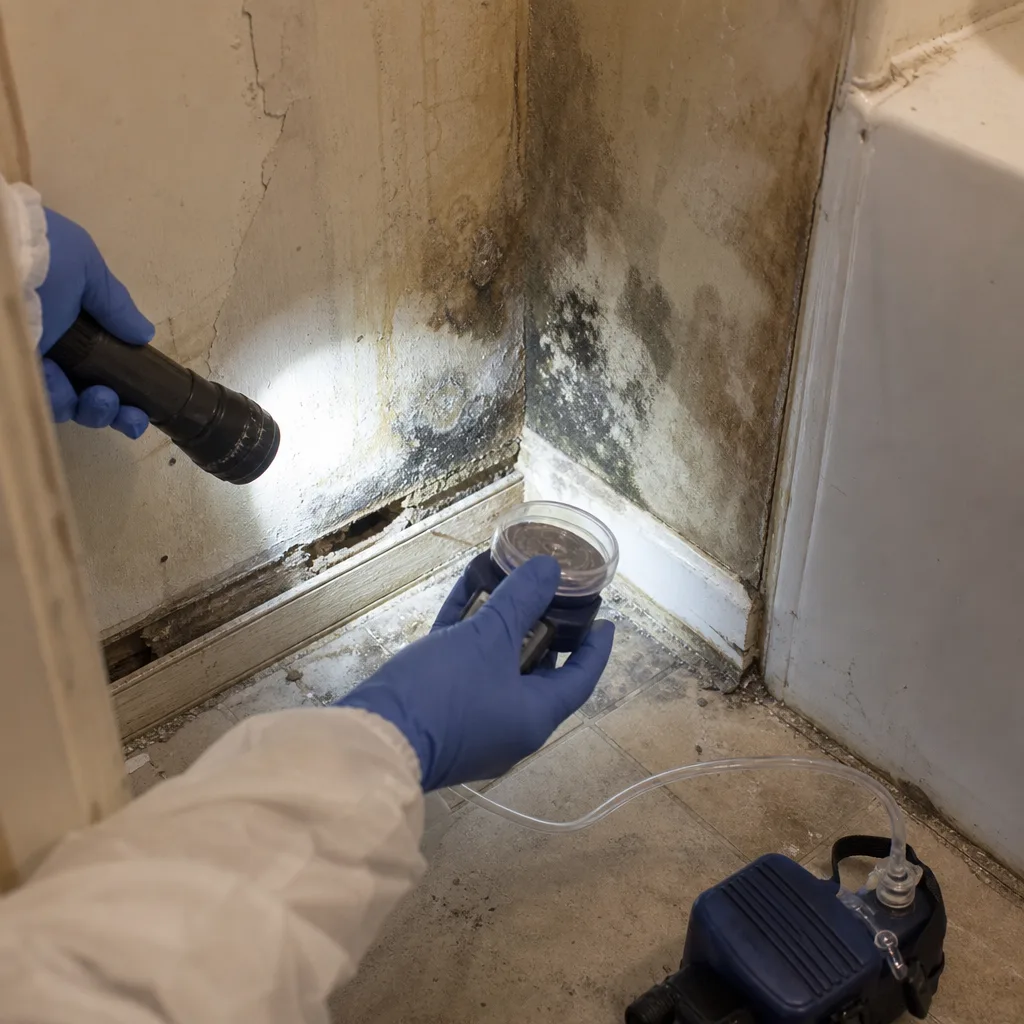
- Bleach-and-paint cover-ups that miss hidden colonies. Restorers treat visible mold with surface biocides without addressing the elevated ambient humidity from Hudson River proximity or the slow radiator valve drips that keep thick plaster walls colonized invisibly. The mold returns within months, often worse, because the moisture source was never logged or eliminated.
- LPC review delays that stall reconstruction for weeks. Crews begin mitigation on common-area plaster or lobby millwork in a Landmarks Preservation Commission historic district - common along Central Park West and Riverside Drive - without flagging the LPC review requirement upfront. The board discovers the omission, stops work, and the project sits exposed while paperwork moves through the commission.
- Drywall replacement that destroys irreplaceable prewar finishes. Contractors cut out original plaster-on-lath and substitute standard 5/8″ drywall rather than matching horsehair plaster, herringbone parquet, or ornate crown moldings. The building’s architectural character is damaged, the co-op board rejects the finish, and the unit owner pays twice for proper restoration.
- Shared riser failures that cascade across multiple units. A single two-pipe steam riser rupture or cast-iron supply line failure in a 1926 co-op can send water through 8-15 stacked units simultaneously. Restorers who scope one unit miss the hidden saturation in neighbors’ walls, leading to cross-contamination and repeated mold outbreaks that could have been prevented with comprehensive moisture mapping.
Pricing for Mold Remediation in Upper West Side, NY
Mold remediation in Upper West Side runs higher than postwar Manhattan neighborhoods because of the construction complexity and approval layers. Here’s what we see in this market:
| Service | Typical Range in Upper West Side |
|---|---|
| Mold inspection & testing (single unit) | $450 - $850 |
| Contained mold removal (per affected room) | $1,800 - $3,400 |
| Black mold remediation with full containment | $3,500 - $7,200 |
| Air quality restoration & HEPA scrubbing | $950 - $1,800 |
| Moisture control system installation | $1,200 - $2,800 |
| LPC historic district documentation & coordination | $800 - $1,500 (added to scope) |
Factors that push costs toward the higher end: multiple affected units in a shared riser failure, horsehair plaster restoration instead of drywall replacement, LPC filing requirements, and extensive hidden colonization behind intact finishes. Every job is quoted in writing before work begins - Haven Standard, Clause 1 - with no scope-creep additions once our crew is inside. We also offer a Free Second Opinion on any competitor’s written estimate. Call (862) 212-1646 for an exact quote; estimates are free.
We Also Serve Cities Near Upper West Side
Our crews respond throughout Manhattan and western Queens, including Mold Remediation in Upper West Side and surrounding areas: Midtown Manhattan, Murray Hill, Upper East Side, and Long Island City. Dispatch and scheduling are coordinated from our New York City office with local crews serving each neighborhood.
Serving Upper West Side, NY - Our Local Coverage Area
We’re based in the Upper West Side area and know this community well. Use the map below to see our service coverage - if you’re nearby, we can almost certainly help.
FAQs - Mold Remediation in Upper West Side
Prewar Upper West Side buildings use plaster-on-lath walls instead of drywall, two-pipe steam heating instead of forced air, and shared vertical risers instead of individual unit utilities. This means mold spreads invisibly through thick, absorbent plaster; moisture sources include steam system failures that postwar buildings don’t have; and one leak affects multiple units through shared infrastructure. Remediation requires moisture mapping through dense materials, containment that protects common hallways, and restoration skills matched to historic finishes rather than standard replacement.
Yes. Many Upper West Side buildings along Central Park West and Riverside Drive fall within LPC historic districts, so any work touching common-area plaster, lobby millwork, or facade-adjacent surfaces requires commission review before reconstruction can begin. A restorer who doesn’t flag this upfront can stall your project for weeks. We identify LPC triggers during initial inspection, include documentation requirements in our written scope, and coordinate filing so remediation and approval move on parallel tracks. Call (862) 212-1646 if your building is in a historic district - we’ll verify LPC status and build the timeline into our estimate.
Two-pipe steam systems cycle between overheating and underheating, creating condensation inside walls that single-pipe or forced-air systems don’t produce. Shared risers mean a failure at any point pressurizes the entire vertical stack, sending water through 8-15 units before the super locates the source. Remediation must map moisture across multiple floors, coordinate access with each unit owner and the managing agent, and address the systemic heating issue to prevent recurrence. We documented this exact scenario on West End Avenue: a burst riser saturated eight floors of horsehair plaster, and our crew ran Injectidry panels against the lath while logging daily moisture readings that satisfied both the board and the insurance adjuster.
Horsehair plaster is three to four times thicker than drywall and holds moisture like a sponge. Hudson River proximity on the western edge of Upper West Side keeps ambient humidity elevated, especially in buildings without modern vapor barriers. A slow radiator valve drip or pinhole riser leak can establish active mold colonies inside intact walls within 72 to 96 hours, with no visible surface indication until the colony is mature. By the time you smell mustiness, the moisture has likely wicked laterally across multiple studs. Early moisture mapping is the only way to catch it before demolition scope expands.
The scope addresses each unit individually with room-by-room moisture readings, then layers in building-wide coordination: containment sequencing to protect common hallways, negative air pressure to prevent cross-contamination through shared HVAC, and a master timeline that accounts for managing agent approvals and resident access constraints. For LPC-affected buildings, we add pre-disturbance photography and reconstruction documentation. Every scope is delivered in writing with line-item pricing before work begins - Haven Standard, Clause 1 - and includes our 365-Day Done Right Promise backed by The Haven Standard. Call (862) 212-1646 to review a sample scope format; estimates are free.
Written by Alicia Brennan, Owner at Back to Dry Restoration, serving Upper West Side since 2011 under The Haven Standard.