
Last updated September 22, 2026
Free visual inspection and a written scope of work before any mitigation begins - photos, moisture readings, and drying logs go in your claim file
The scope we write is the scope we bill. Anything new gets shown to you, in writing, before we touch it.
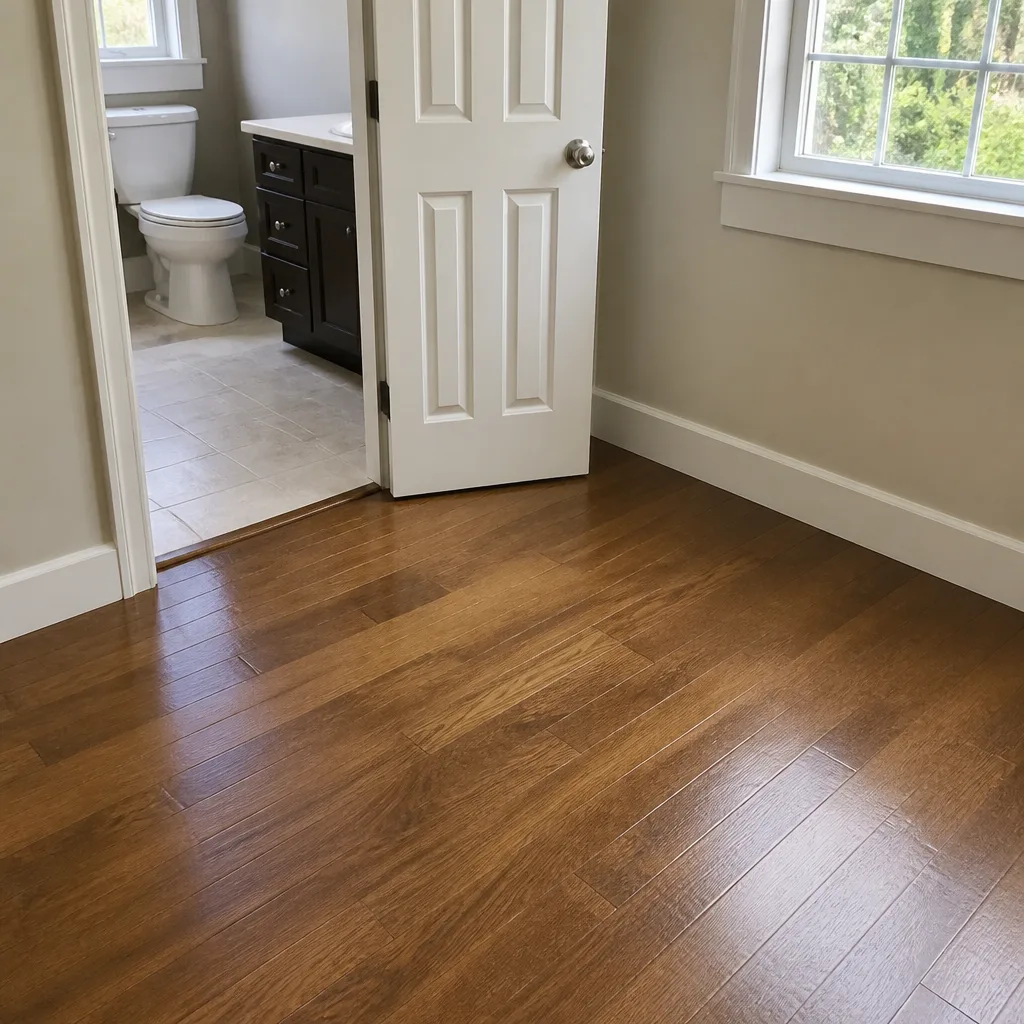
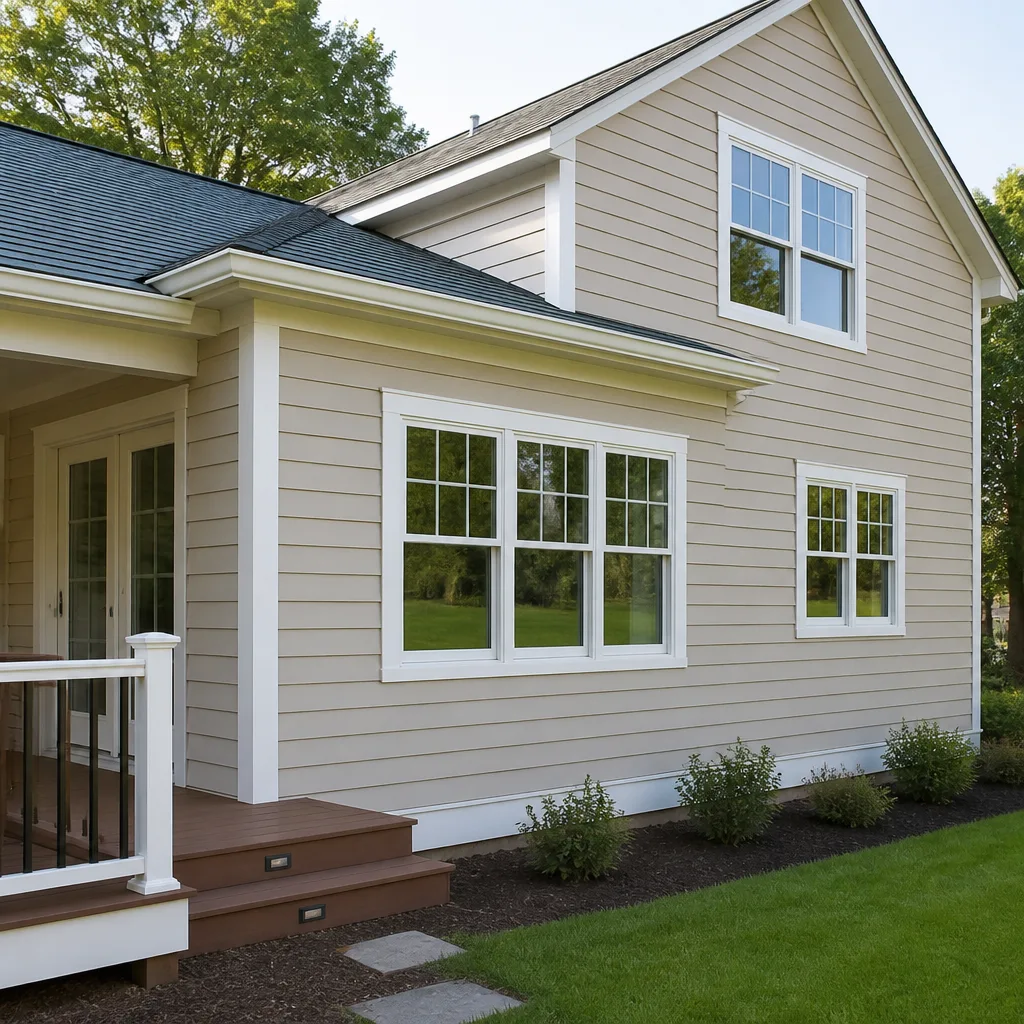
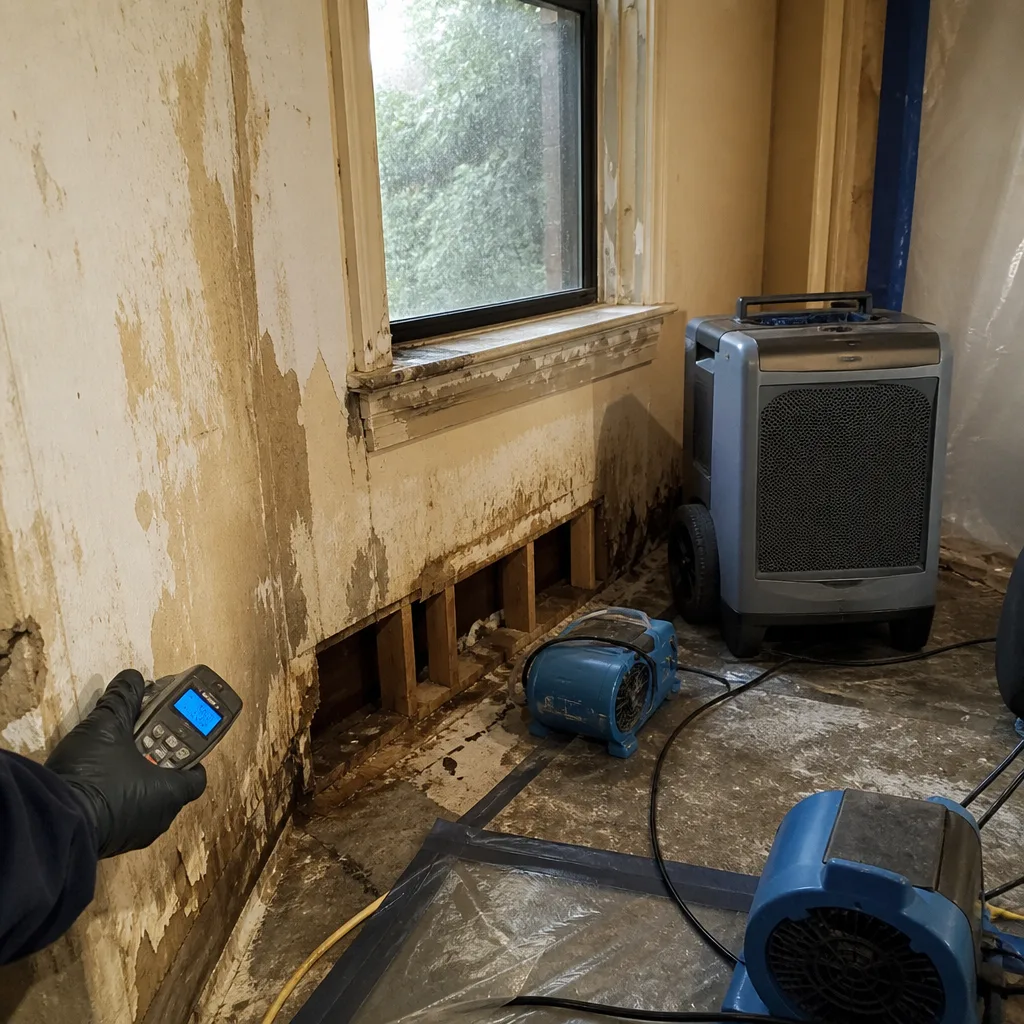 Before
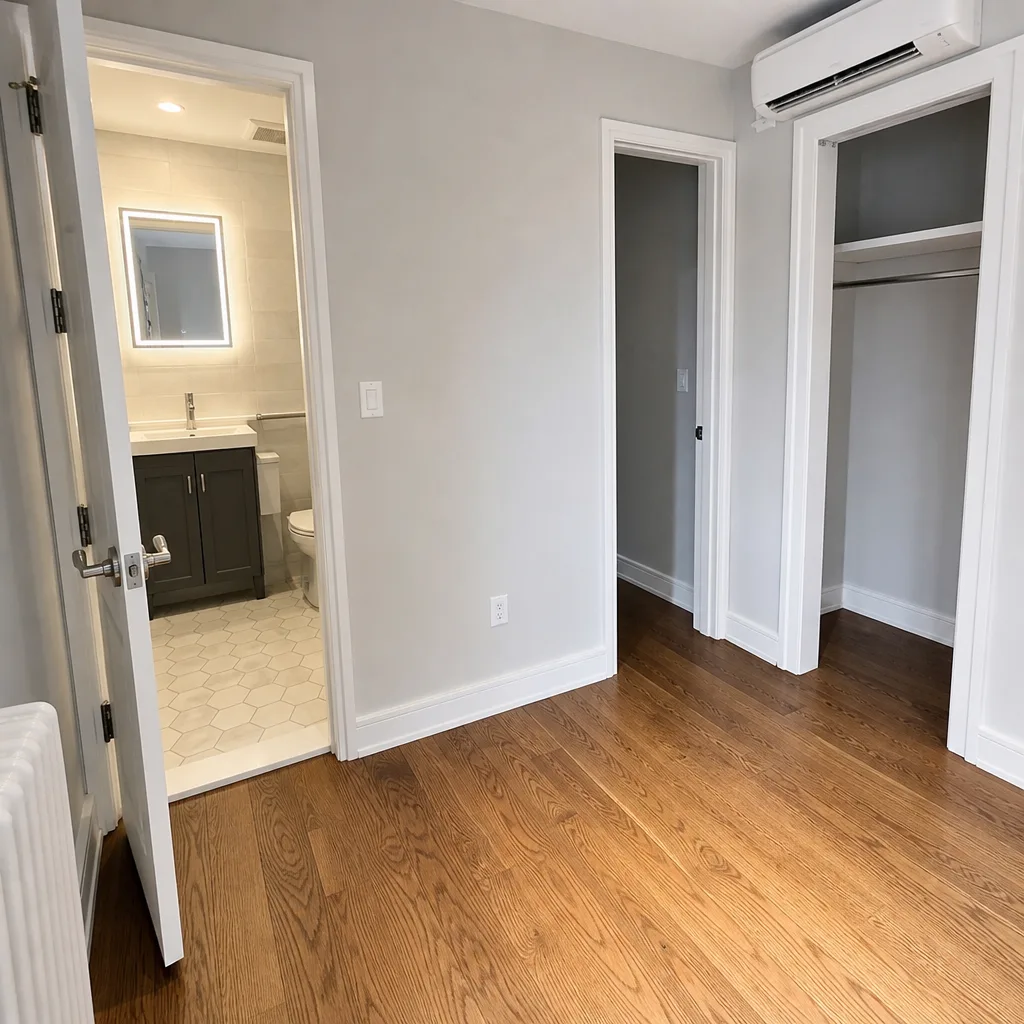 After
After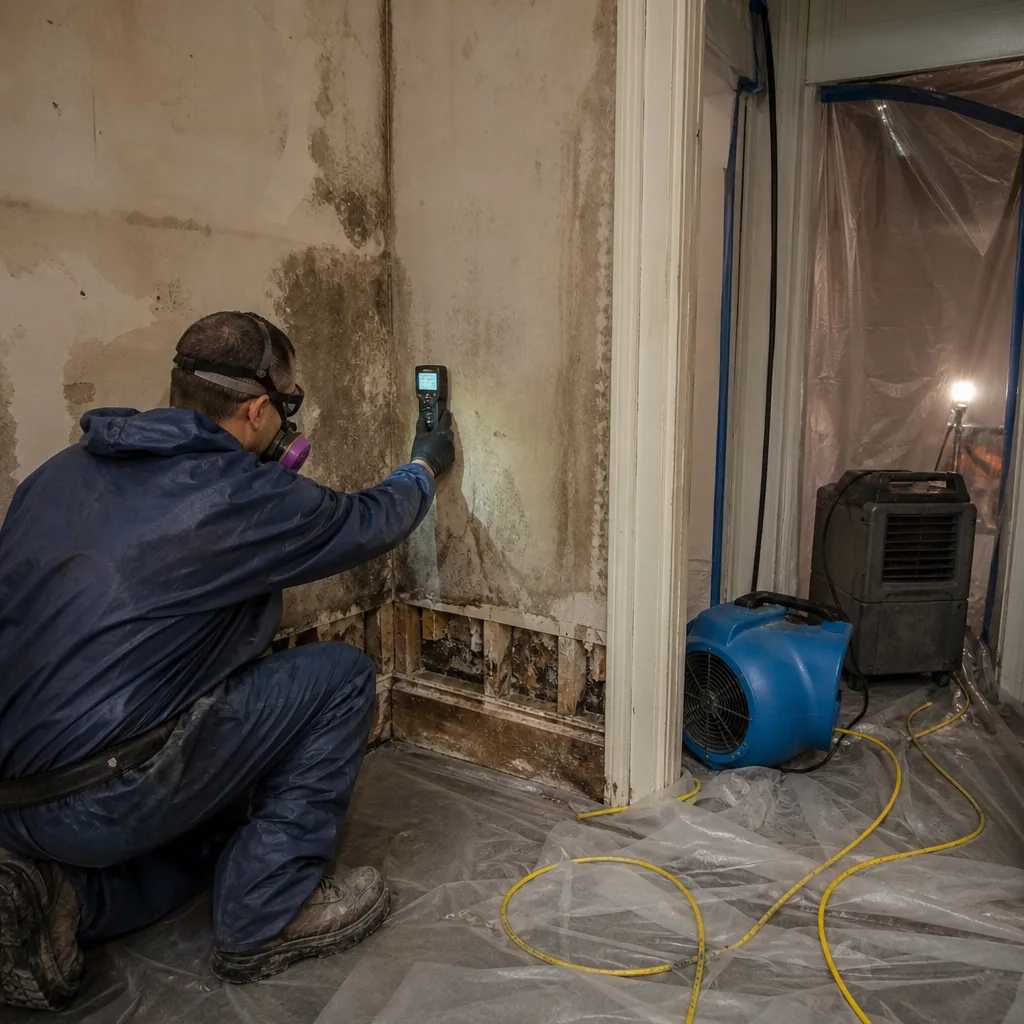 Before
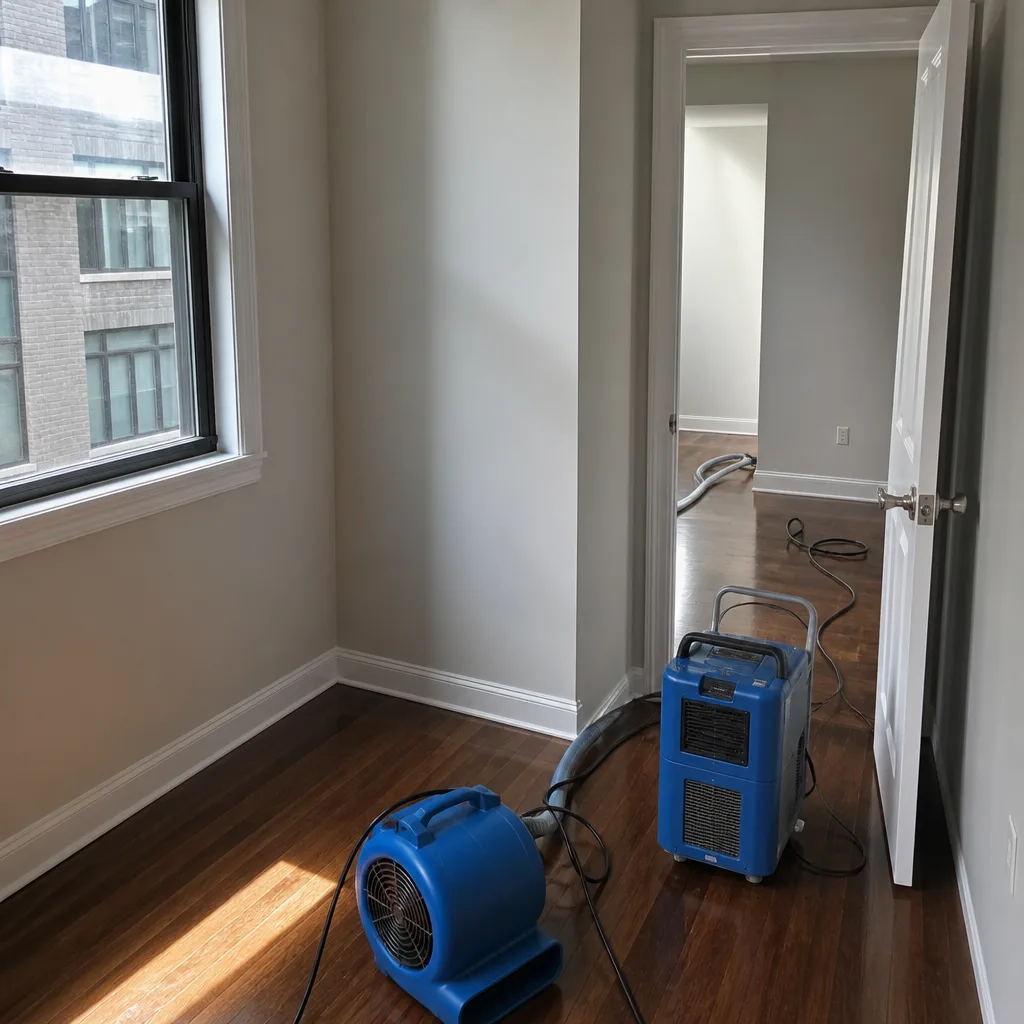 After
After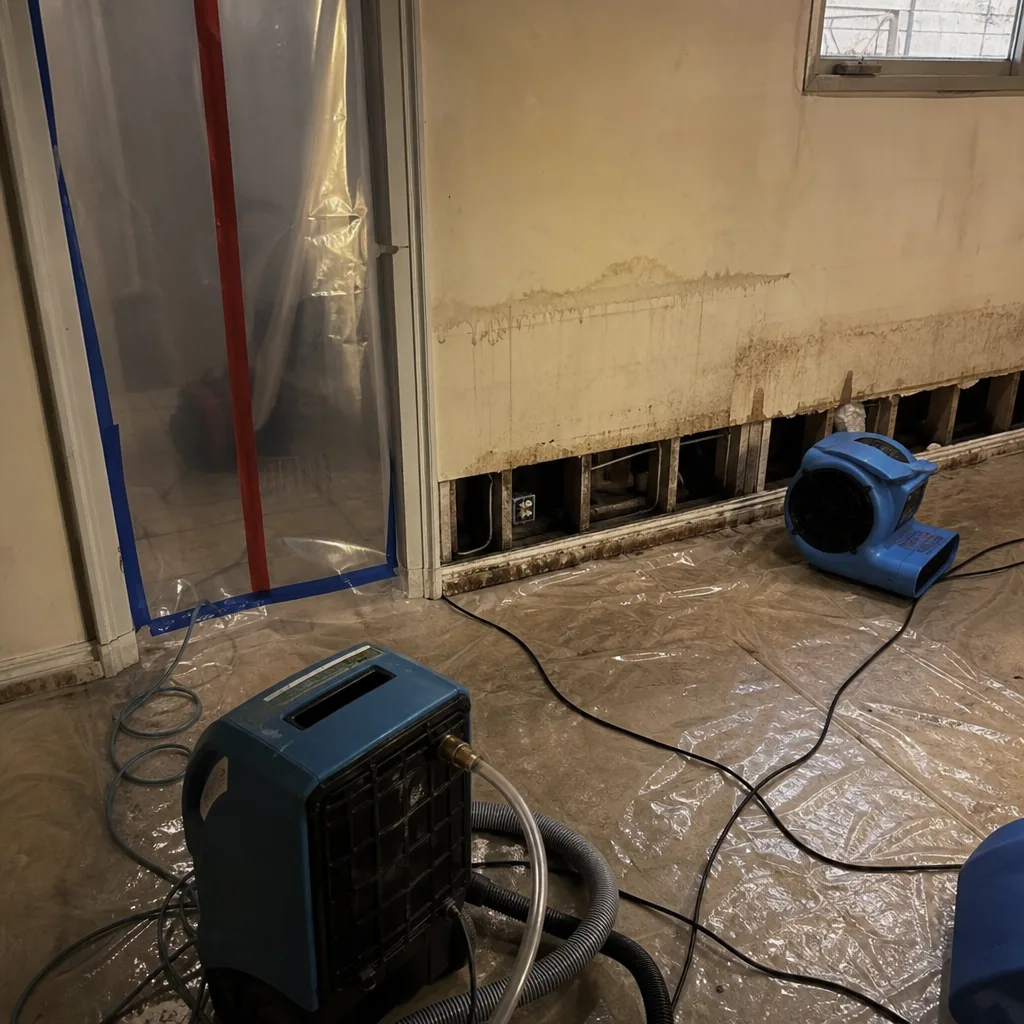 Before
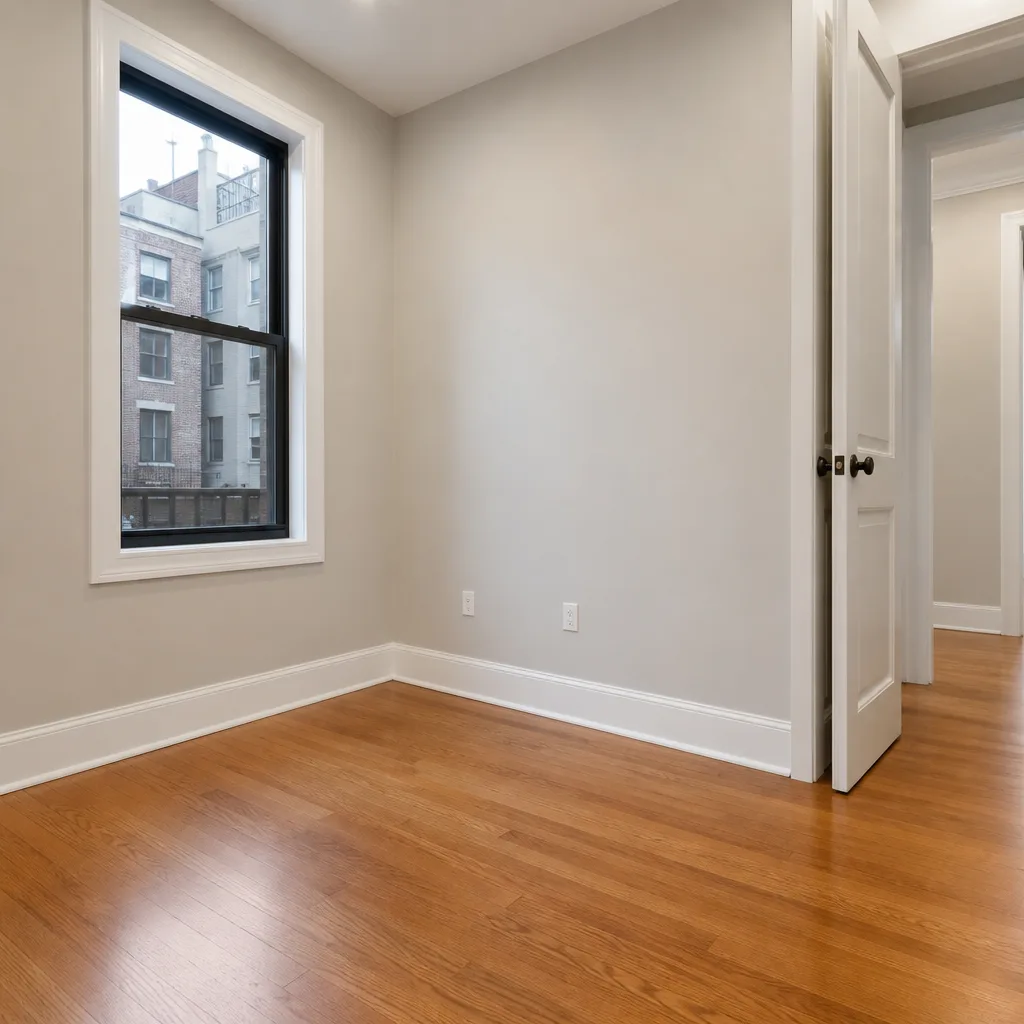 After
AfterThe Complete Guide to Damage Restoration in Midtown Manhattan
Most Midtown restoration claims that get denied or underpaid share one trait: the contractor started drying before anyone wrote down what was wet and how wet it was. In a market where the median co-op sells above $1.2 million and a single DOB stop-work order can idle a crew for two weeks, that documentation gap is expensive. We’ve restored over 12,000 homes since 2011, and the pattern holds: the claims that pay fastest are the ones with the driest files. This guide maps the complete damage restoration chain for Midtown Manhattan - from the first moisture reading to the final certificate of occupancy - so nothing gets skipped.
Quick Answer
Damage restoration in Midtown Manhattan is a documented, multi-phase process that moves from emergency mitigation (stopping active damage) through structural drying and cleaning to reconstruction and final inspection. In Midtown’s high-rise and pre-war co-op buildings, restoration requires specialized documentation - moisture maps, daily drying logs, and photo records - to satisfy NYC insurers and the Department of Buildings. A properly documented restoration file in Midtown typically runs 6 to 14 weeks from initial loss to certificate of completion, depending on permits, codes & inspections in NY and co-op board approval timelines.
Table of Contents
- Why Midtown Buildings Change Everything
- The Documentation Chain: What Insurers Actually Pay For
- Phase One: Emergency Mitigation
- Phase Two: Structural Drying and Moisture Mapping
- Phase Three: Cleaning and Remediation
- Phase Four: Reconstruction and Final Documentation
- Mitigation Contractor vs. General Contractor: When You Need Both
- Common Mistakes to Avoid
- When to Call a Professional
- Frequently Asked Questions
- The Bottom Line
BeforeAfterWhy Midtown Buildings Change Everything
Midtown Manhattan is not a suburban restoration market with taller ceilings. The building stock here - pre-war co-ops on Central Park South, post-war white-glove buildings near Billionaires’ Row, 1960s slab construction in the Garment District - creates moisture migration paths that don’t exist in single-family homes. Understanding these paths is the difference between a one-room dry-out and a six-figure secondary damage claim.
Plenum systems and shared air. Many Midtown high-rises use ceiling plenums as return-air pathways. When a 12th-floor unit has a water loss, vapor pressure differential - the force that drives moisture from wet materials to dry air - can pull humidity through these open cavities into adjacent units on the same zone. We’ve documented cases on West 57th Street where a kitchen supply-line break in unit 12A produced elevated moisture readings in 12C and 12E three days later, with no visible water migration. A restoration company that treats each unit as an isolated loss misses this entirely.
Concrete slab construction and thermal bridging. Post-war Midtown buildings often have concrete slabs with embedded radiant heating or cooling pipes. When water saturates the slab edge or penetrates control joints, drying requires understanding vapor pressure differential in concrete - measured in inches of mercury - not just surface moisture. Surface readings with pinless meters can show “dry” while the slab core holds 90% relative humidity, breeding mold behind baseboards for months.
Pre-war masonry and horsehair plaster. Buildings from the 1920s and 1930s, common from the Upper East Side spillover into East Midtown, have multi-wythe brick walls with no vapor barrier. Water wicks laterally through mortar joints and can appear three rooms from the source. Restoration here requires a broader inspection scope - we typically scan 150% of the visible damage footprint in pre-war construction - and longer drying timelines because plaster has higher specific retention than drywall.
Co-op board notification requirements. Most Midtown co-ops require 24- to 48-hour notice for any work that affects common elements: shut-off valves in the basement, riser access, or exterior scaffolding for window drying. A restoration plan that doesn’t build this into day one will stall. We coordinate directly with building management and document that coordination in the file, because insurers increasingly ask for proof that delays were outside the contractor’s control.
The Documentation Chain: What Insurers Actually Pay For
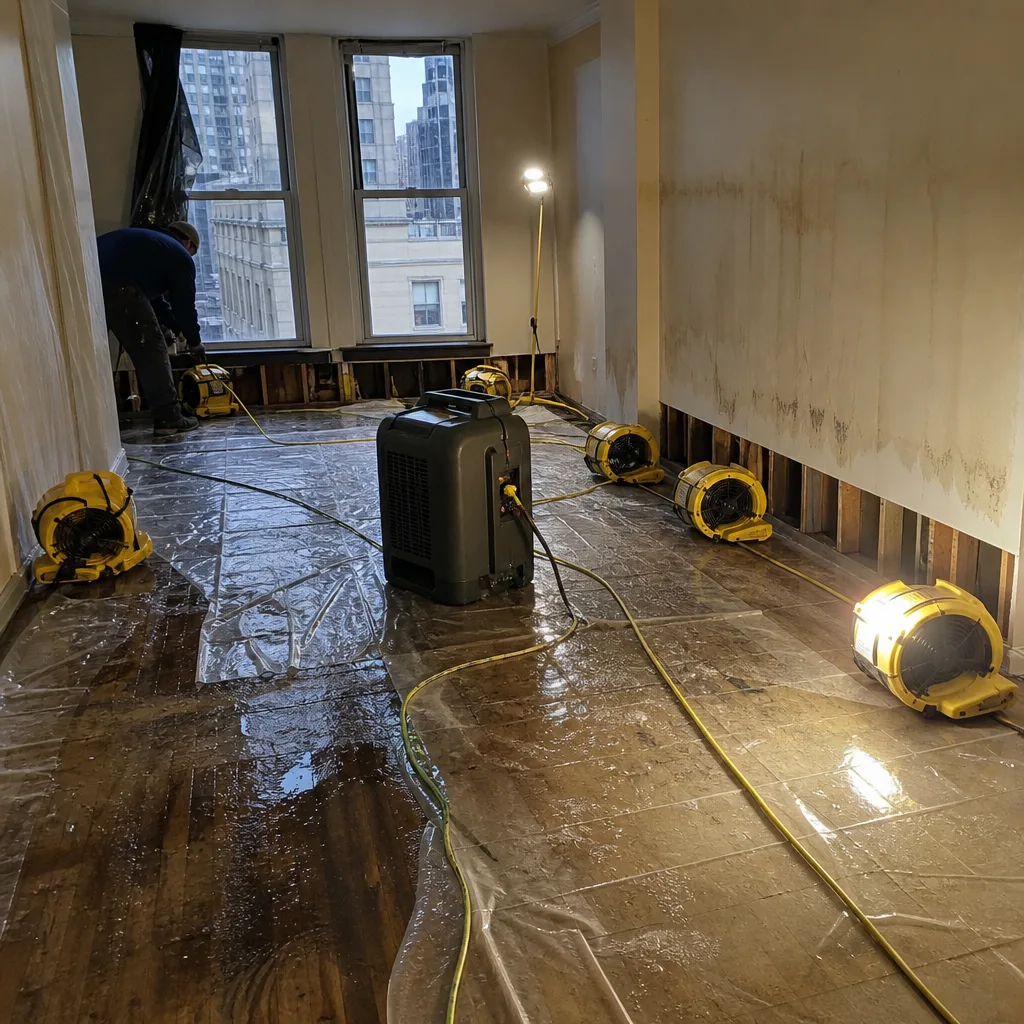
NYC insurers deny or underpay restoration claims for two predictable reasons: the scope of work wasn’t documented before it started, or the documentation doesn’t prove the work was necessary. The Haven Standard was built to close both gaps. Here’s the exact sequence a restoration file needs before an insurer will issue payment without a fight.
- Initial moisture map with psychrometric data. Psychrometrics is the study of air and moisture relationships - temperature, relative humidity, and vapor pressure - and every drying decision should reference it. We record ambient conditions, surface moisture content (wood, drywall, concrete by type), and set target drying goals before equipment placement. This becomes the baseline that proves later readings represent progress, not guesswork.
- Photo record of the loss before any disturbance. Haven Standard, standard deliverable: every visit includes dated, geotagged photos of all affected areas, equipment placement, and moisture readings. These photos are submitted with the invoice, not held back for disputes.
- Written scope and price before work begins. Haven Standard, Clause 1: a written price is delivered before anyone starts work, every time, with no scope-creep additions once the crew is inside. In Midtown, where co-op boards may require specific contractor insurance endorsements or after-hours premiums, this written scope includes all known variables - no “plus materials” or “TBD” line items.
- Daily drying logs with moisture readings. Each day of active drying, we record equipment type and count, ambient psychrometric readings, and moisture content at the same test points as day one. IICRC S500, the water damage standard, calls this documentation; we call it the difference between a paid invoice and a six-month arbitration.
- Material classification and disposal records. Category 1 (clean water), Category 2 (gray water), and Category 3 (black water/s sewage) losses require different handling per IICRC standards. We document the classification at arrival, photograph disposal, and retain waste manifests for regulated materials.
- Final moisture verification and clearance. Drying is complete when readings return to established dry standards - typically within 2-4 points of unaffected control readings for wood, or below 12% for structural lumber. We document this with the same meter, same calibration, same test points as day one.
- Certificate of completion and warranty. Haven Standard, 365-Day Done Right Promise: if it’s not done right, we make it right. The signed warranty is delivered with the final invoice, not mailed later.
In Midtown specifically, we add an eighth link: DOB coordination documentation. When damage restoration warning signs indicate permits are required for reconstruction - any structural repair, electrical replacement, or plumbing modification - we log permit application dates, inspection appointments, and any corrections. NYC insurers have become stricter about holding reconstruction funds until permits close, and a file without this documentation sits unpaid.
Phase One: Emergency Mitigation
Mitigation is the work that happens in the first 24 to 72 hours to stop active damage and prevent secondary loss. In Midtown Manhattan, speed matters, but speed without documentation is a liability.
Water source identification and stop. The first step is always stopping the water. In a high-rise, this may involve building management accessing a riser shut-off, a submeter in the basement, or a unit-specific angle stop. We document who shut it off, when, and whether the building or our crew performed the work - because insurers sometimes dispute responsibility for water that ran after the initial call.
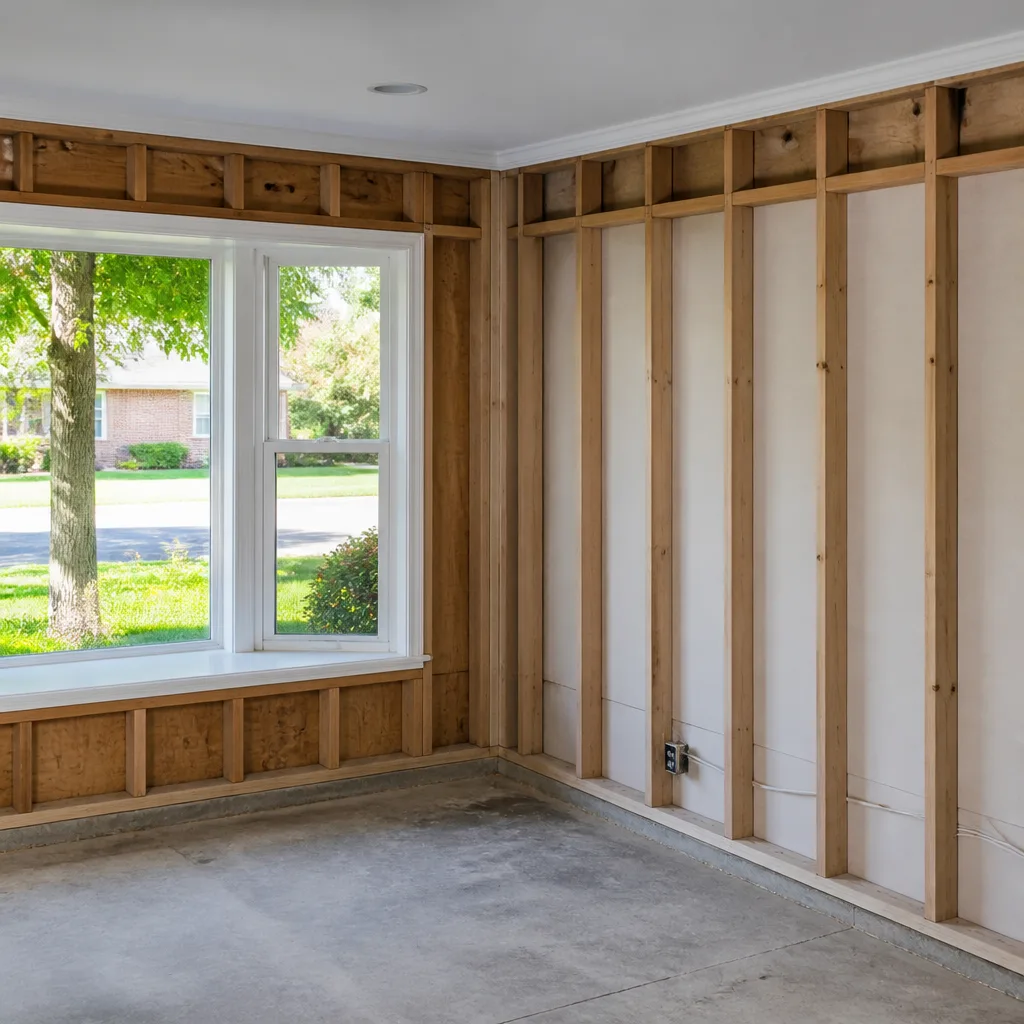
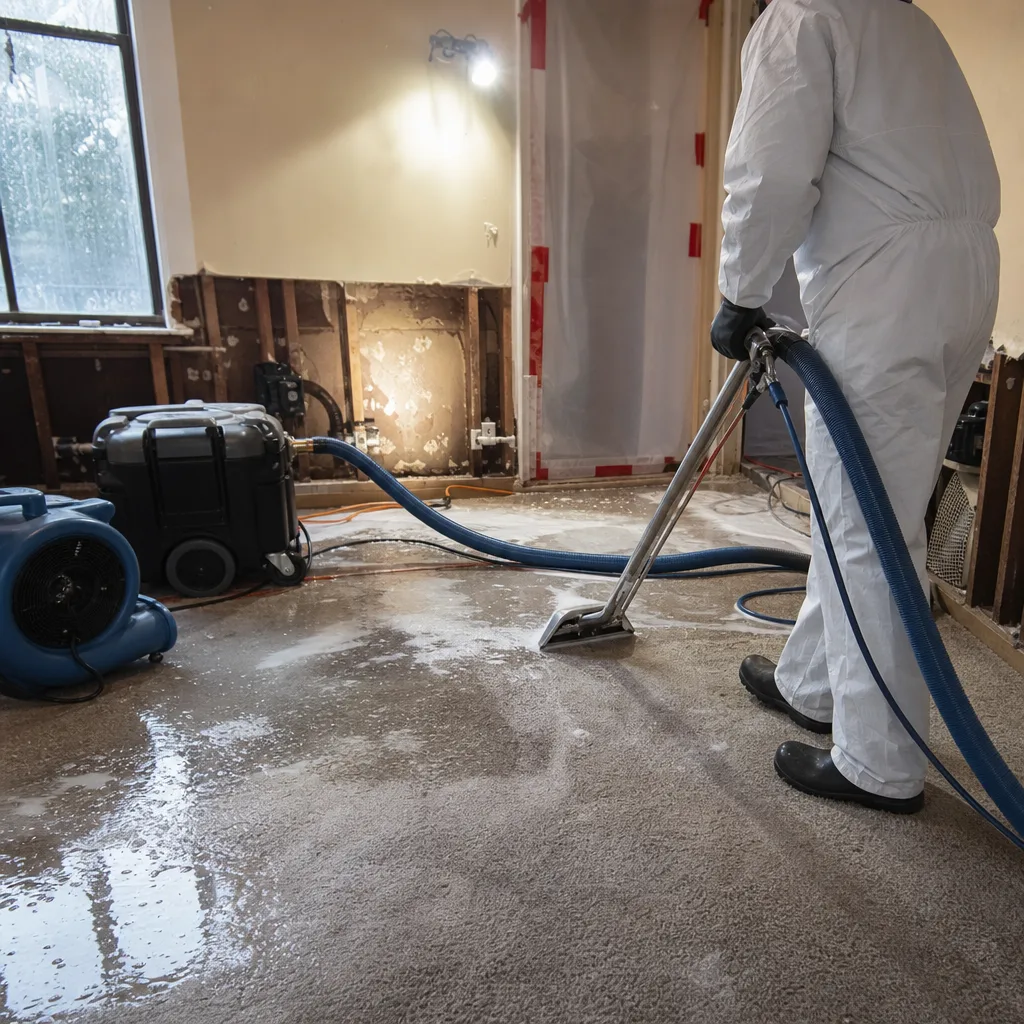
Extraction and controlled demolition. Standing water is extracted with truck-mounted or portable units, depending on building access. In Midtown buildings with freight elevators that require advance booking, we maintain portable extraction capability for same-day response. Controlled demolition removes unsalvageable materials: typically carpet pad, saturated drywall below the water line, and insulation that has lost its R-value or contacted Category 2 or 3 water. We photograph every square foot before cutting, measure the affected area, and classify materials by type - 1/2″ drywall, 5/8″ fire-rated, plaster and lath - because replacement pricing varies significantly.
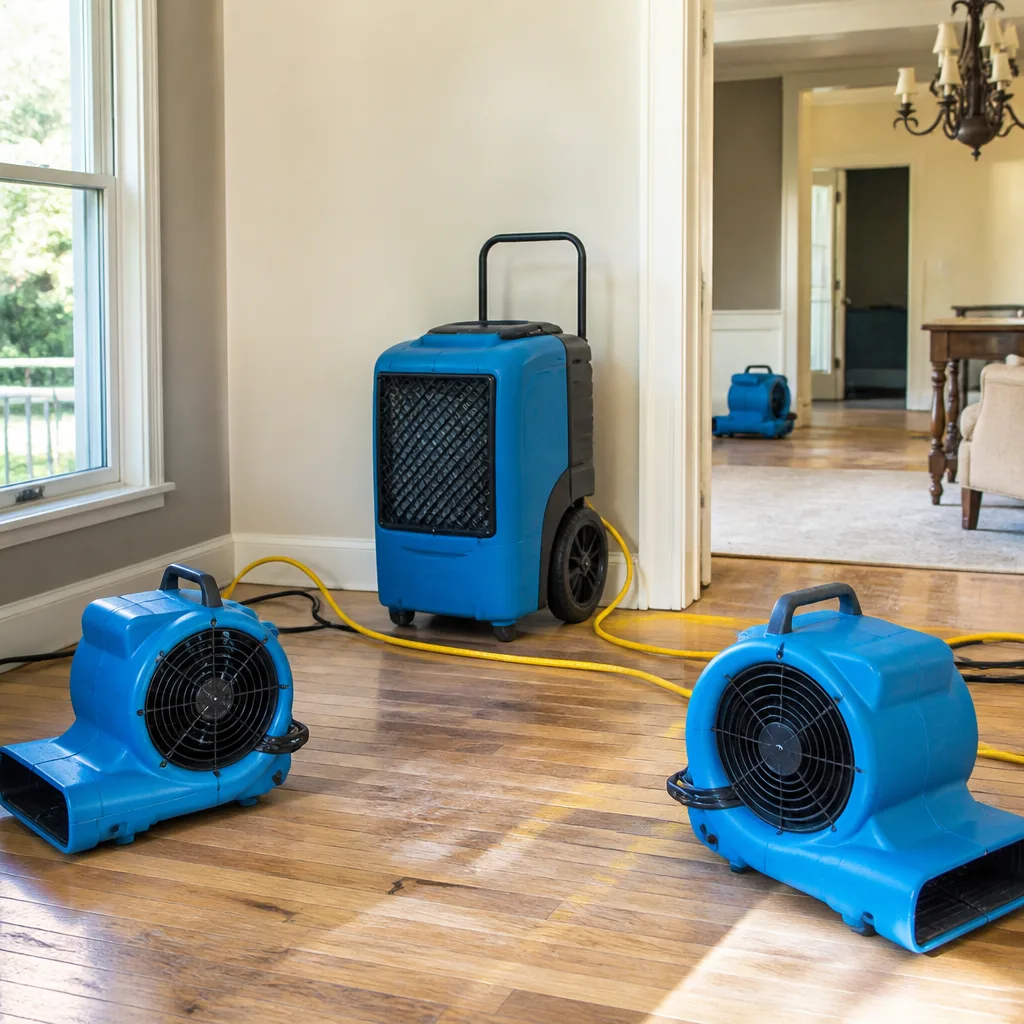
Equipment placement with psychrometric justification. Every dehumidifier, air mover, and heater is placed with a written rationale: this many pints of moisture to remove, this cubic footage of affected space, this target equilibrium moisture content. Our crews use Dri-Eaz and Phoenix dehumidifiers sized to the loss, not the truck inventory. The daily drying log records serial numbers, hour-meter readings, and placement diagrams.
Midtown-specific considerations. Co-op buildings often restrict after-hours equipment noise and may prohibit certain heater types. We coordinate these restrictions in writing with building management and document any resulting timeline adjustments in the file. On Park Avenue buildings with active doormen, we also log crew entry and exit times - a small detail that has resolved more than one dispute about when work actually occurred.
Phase Two: Structural Drying and Moisture Mapping
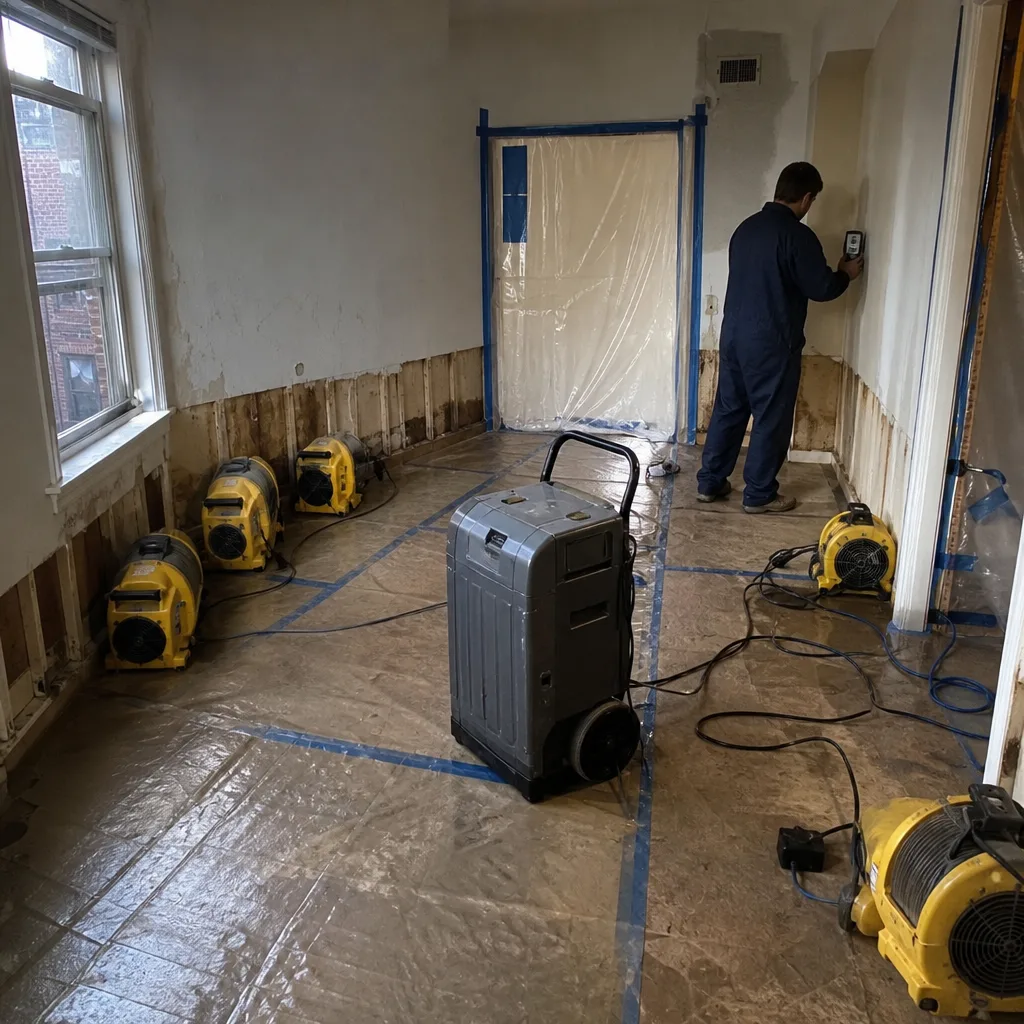
Structural drying is where most restoration claims succeed or fail. The goal is returning building materials to their pre-loss moisture content, verified by measurement, not by appearance or smell.
How to read a moisture map. A moisture map is a floor plan with test-point locations and readings recorded over time. Each point gets a number - MP-1, MP-2, etc. - and a material designation. Readings are taken with calibrated pin or pinless meters appropriate to the material: pin meters for wood, pinless for drywall and plaster, thermo-hygrometers for air readings. A proper map shows:
- Baseline readings at time of equipment placement
- Target readings based on dry-standard references or unaffected control areas
- Progress readings at 24-hour intervals minimum
- Equipment adjustments and the psychrometric justification for each change
- Final verification readings with meter calibration date noted
A restoration company that can’t produce a moisture map is a liability, not an asset. Without it, there is no proof that drying occurred, no basis for equipment rental charges, and no defense against a mold claim six months later.
Tertiary drying and hidden moisture. Primary drying removes liquid water. Secondary drying removes surface moisture. Tertiary drying - the phase most contractors skip - removes bound water from deep within materials. In Midtown’s concrete slab buildings, tertiary drying can require 7 to 14 days with low-grain refrigerant or desiccant dehumidifiers. We use Injectidry systems for wall cavity drying and B-Air axial air movers for targeted airflow. The daily log records grain depression - the difference between incoming and outgoing air moisture content - which tells us whether the dehumidifier is actually removing water or just recirculating wet air.
When drying becomes remediation. If moisture readings plateau above dry standards after 72 hours of documented, properly placed equipment, we stop drying and reassess. The cause may be a hidden reservoir - a wet firestop, a saturated subfloor, a leaking pipe within a wall - or it may be that the material is non-salvageable. In either case, we document the decision, photograph the finding, and adjust the scope in writing before proceeding. Haven Standard, Clause 1 applies to changes too: no work outside the written scope without a written amendment.
Phase Three: Cleaning and Remediation
Once structures are dry, affected surfaces require cleaning, sanitizing, or full remediation depending on the loss type and contamination level.
Water damage: cleaning and antimicrobial application. Even Category 1 water leaves organic material that supports microbial growth. We clean all affected hard surfaces with detergent solutions, apply EPA-registered antimicrobials where appropriate, and document product names, dilutions, and application methods. In Midtown buildings with occupied units nearby, we use low-odor formulations and coordinate application timing with building management.
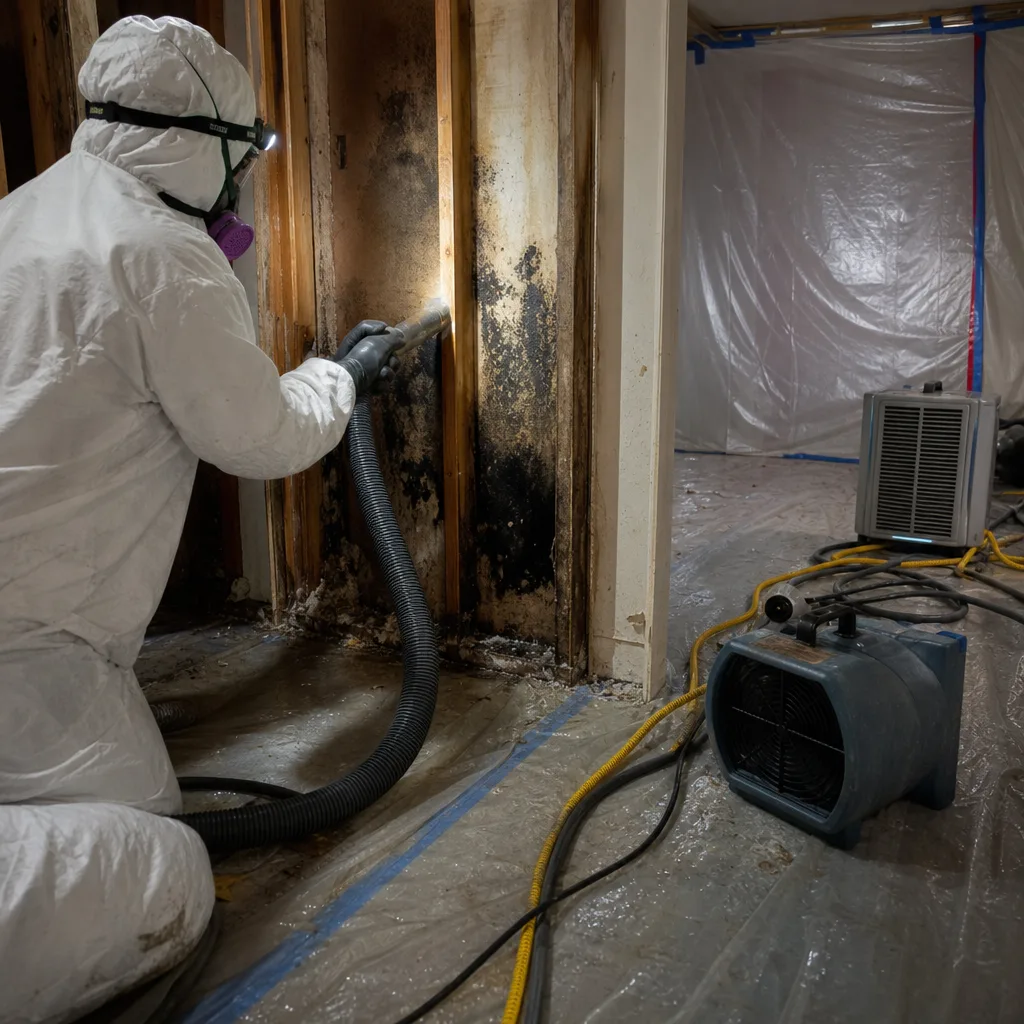
Mold remediation: containment and negative pressure. Mold remediation in Midtown Manhattan follows IICRC S520 standards with project-specific engineering controls. We establish containment barriers - typically 6-mil polyethylene - and maintain negative air pressure with HEPA-filtered air scrubbers to prevent cross-contamination. In buildings with shared HVAC, we often need to seal or isolate the unit serving the work area. All of this is photographed, logged, and included in the final documentation package.
Fire and smoke damage: residue identification and selective cleaning. Fire damage restoration begins with identifying the smoke residue type - dry smoke, wet smoke, protein residue, or fuel oil soot - because each requires different cleaning chemistry. Dry smoke from fast-burning wood responds to dry cleaning sponges and HEPA vacuuming. Wet smoke from slow, smoldering fires requires solvent-based cleaners and often necessitates removing and replacing porous materials. We test-clean a small area first, document the result, and build the scope from that evidence.
Biohazard and trauma scene protocols. Bloodborne pathogens, unattended death, and crime scene cleanup require OSHA 29 CFR 1910.1030 compliance: personal protective equipment, proper disposal as regulated medical waste, and documented decontamination verification. We use ATP bioluminescence testing - measuring adenosine triphosphate, the energy molecule in organic material - to verify that surfaces are clean to hospital standards, not just visibly clear.
Phase Four: Reconstruction and Final Documentation
Reconstruction is where restoration becomes construction, and where Midtown’s regulatory environment adds cost complexities that suburban markets don’t face.
Scope development and pricing. Unlike mitigation, which responds to an active emergency, reconstruction is scoped, scheduled, and priced in writing like a remodel - because functionally, it is one. We produce a room-by-room scope with material specifications, finish schedules, and line-item pricing. In Midtown, where a single bathroom renovation can involve three trades and DOB electrical approval, this scope is typically 8 to 20 pages. Haven Standard, Clause 1: the written price is delivered before work begins, with no additions without written amendment.
NYC DOB permits and inspections. Reconstruction that involves structural elements, electrical work beyond like-for-like replacement, or plumbing modifications requires DOB permits. The timeline:
- Permit application with licensed filing representative (typically 3-5 business days for approval)
- Work commencement within approved hours (usually 7 AM to 6 PM weekdays in residential buildings)
- Inspection scheduling (often 3-5 business days out for routine trades)
- Correction of any violations, with re-inspection
- Sign-off and certificate of occupancy or letter of completion
We build this timeline into every reconstruction scope in Midtown. A homeowner who expects two-week turnaround on a gutted kitchen hasn’t accounted for permit inspection availability. We document expected timelines in writing and update them as inspections proceed.
Co-op board approval and alteration agreements. Many Midtown co-ops require board approval for any work beyond cosmetic painting. This can add 2 to 6 weeks to the front of a reconstruction project. We prepare alteration agreement packages - scope, insurance certificates, contractor licenses, and protection plans - as a standard service, because a contractor who doesn’t understand this process will stall the job and blame the board.
Final documentation and closeout. The completed file includes: initial moisture map and photos, daily drying logs, equipment records, cleaning and remediation documentation, permit applications and approvals, inspection records, final moisture verification, certificate of completion, and the signed 365-Day Done Right Promise. This is the documentation that turns a restoration invoice into a claim an insurer pays without a fight - and it’s the reason DryMark Restoration Midtown Manhattan was built around documentation from day one.
Mitigation Contractor vs. General Contractor: When You Need Both
Homeowners often assume one contractor handles everything from water extraction to finished paint. In Midtown Manhattan, that’s rarely the best path - and sometimes it’s not a legal path at all.
Mitigation contractors specialize in emergency response: water extraction, structural drying, smoke and odor removal, biohazard cleanup. We’re licensed for this work, carry the specific insurance endorsements that high-rise buildings require, and maintain 24-hour response capability. Our equipment inventory - Dri-Eaz and Phoenix dehumidifiers, Injectidry cavity drying systems, HEPA air scrubbers - is designed for rapid deployment and daily monitoring, not finished carpentry.
General contractors handle reconstruction: drywall installation, flooring, cabinetry, electrical and plumbing finishing work. In NYC, general contractors performing work over $200,000 require a DOB Home Improvement Contractor license, and many co-ops require additional insurance minimums. A mitigation contractor who pivots to reconstruction without these credentials is operating out of scope and potentially out of compliance.
The integrated model. At DryMark Restoration Midtown Manhattan, we maintain both capabilities under The Haven Standard, with separate licensed teams for mitigation and reconstruction. The handoff is documented: a written scope transfer, a joint inspection of dry standards, and a single point of accountability for the warranty. This avoids the common gap where a mitigation contractor declares the job “dry” and a general contractor later finds wet studs behind new drywall - a scenario that has produced more mold claims than any other single cause in our experience.
When you need both: any loss involving controlled demolition that exposes structure, any fire damage with structural compromise, any water loss in a pre-war building with plaster and lath that requires skilled replacement. In these cases, the mitigation-to-reconstruction handoff should be planned from day one, not improvised after drying is complete.
Common Mistakes to Avoid
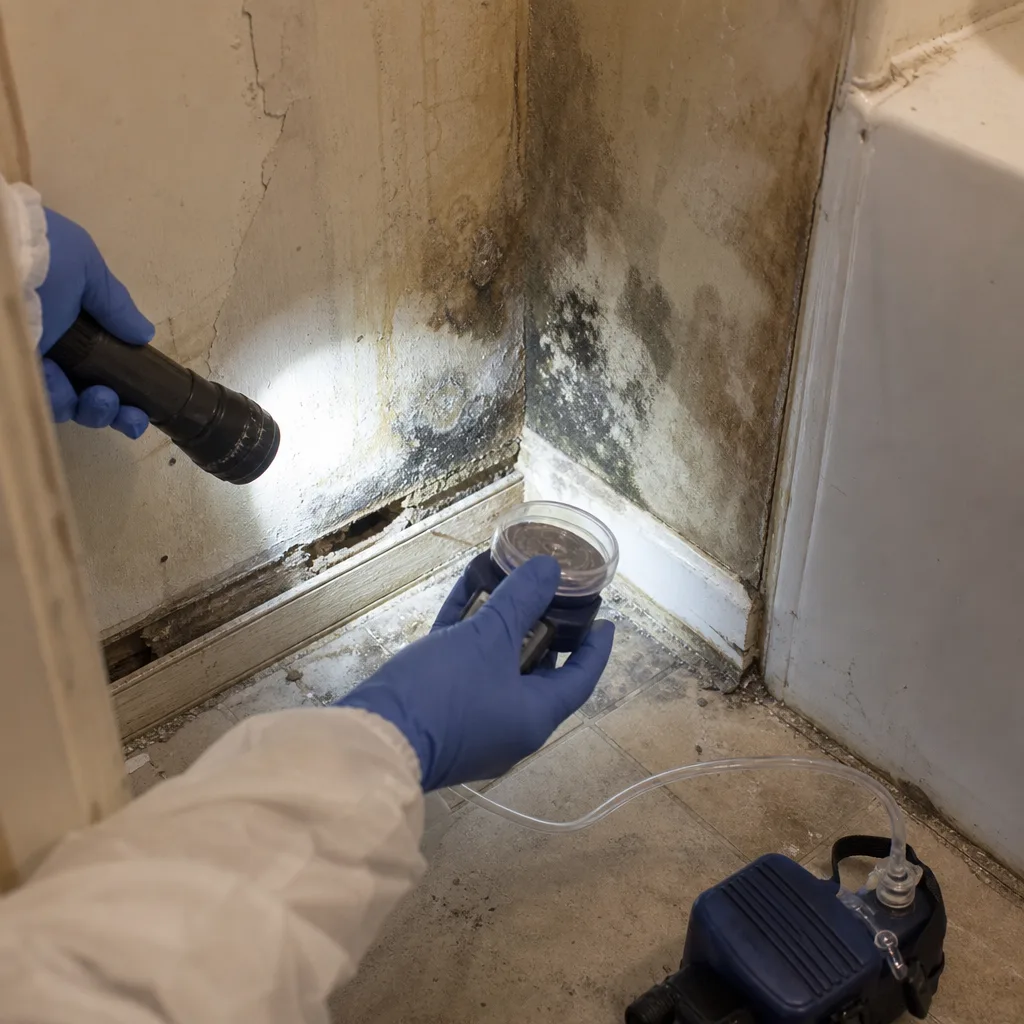
- Starting drying before documenting baseline conditions. We’ve seen crews place dehumidifiers while water is still running, then try to reconstruct moisture readings from memory for the insurer. Without a day-one map, there’s no proof of what was damaged or how much progress was made.
- Treating a high-rise unit like a suburban home. Shared plenums, concrete slabs, and co-op board restrictions change every assumption about equipment access, drying timelines, and noise restrictions. A scope written for a Westchester colonial will fail in a Midtown high-rise.
- Skipping DOB permit planning in the reconstruction scope. Homeowners who discover they need permits after demolition are facing 2-4 week delays with open walls. We identify permit requirements during the mitigation phase and file applications before reconstruction begins.
- Accepting verbal scope changes without written amendment. Haven Standard, Clause 1 exists because this is where most disputes originate. A contractor who discovers “a little extra rot” and fixes it without written authorization has no enforceable claim for payment, and a homeowner who disputes the bill has no documentation of what was agreed.
- Using a mitigation contractor for reconstruction without verifying credentials. NYC requires specific licensing for construction work above threshold values. A contractor with excellent drying equipment may lack the DOB credentials, insurance endorsements, or trade licenses to legally complete your rebuild.
- Ignoring moisture readings that plateau. When readings stop dropping, something is wrong - hidden water, equipment failure, or misdiagnosed material type. Continuing to bill for equipment rental without investigating is a red flag. We stop, reassess, document, and adjust.
- Failing to coordinate with building management for access. In Midtown buildings with 24-hour doormen, freight elevator restrictions, or after-hours work rules, a crew that arrives without confirmed access can’t work - but may still bill for mobilization. We confirm access protocols in writing before dispatch.
When to Call a Professional
Call a restoration professional immediately when: water has contacted structural materials and you can’t identify the full extent within 30 minutes; you smell smoke or see soot residue after any fire event, including minor kitchen fires; mold is visible on more than 10 square feet or you suspect hidden growth after a prior water loss; sewage or gray water has entered living spaces; or any biohazard or trauma scene requires cleaning. In Midtown Manhattan specifically, call when your co-op building requires emergency shut-off of common systems, because coordination with building management is time-sensitive and documentation of that coordination matters for your claim.
DryMark Restoration Midtown Manhattan offers free estimates in Midtown Manhattan - call (862) 212-1646. We also provide a Free Second Opinion on any competitor’s written estimate: bring their scope and we’ll review it at no charge, because Haven Standard, Clause 1 applies to every contractor’s pricing, not just ours. See more guides & resources for homeowners.
Frequently Asked Questions
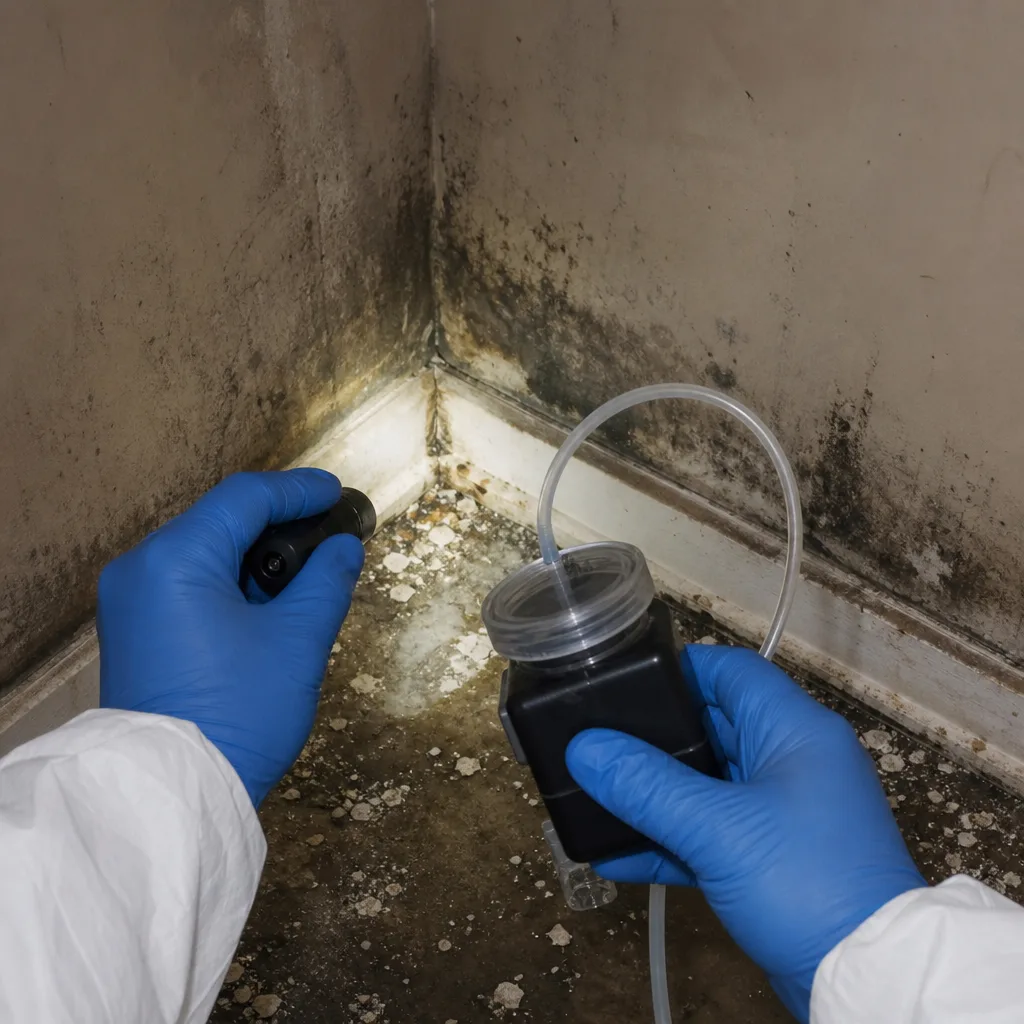
Complete restoration from initial loss to final certificate typically takes 6 to 14 weeks in Midtown, with mitigation (3-7 days), drying (3-14 days depending on materials), cleaning/remediation (2-7 days), and reconstruction (2-10 weeks depending on permits and co-op board approval). Pre-war buildings with plaster and lath, and any project requiring DOB permits, run toward the longer end. Call (862) 212-1646 for a timeline estimate specific to your building type and loss - estimates are free.
Most Midtown homeowners’ policies cover sudden and accidental water damage, fire and smoke damage, and some mold remediation if it results from a covered peril. The key variable is documentation: insurers pay claims with moisture maps, daily drying logs, and photo records; they dispute or deny claims without them. We coordinate directly with adjusters, provide photo-documented assessments, and produce the written scopes that satisfy policy requirements. Call (862) 212-1646 to discuss your specific policy and loss.
Our live dispatch answers every call 24 hours a day, 7 days a week - no voicemail trees. For water damage emergencies in Midtown Manhattan, we typically have a crew on-site within 60 to 90 minutes during normal hours, and within 2 hours overnight, depending on building access confirmation. Speed matters for mitigation; reconstruction is scheduled, not dispatched. Call (862) 212-1646 and we’ll confirm current response time for your address.
The answer depends on contamination level, affected square footage, and material type. Visible mold on less than 10 square feet of hard, non-porous surface may be cleanable with proper PPE and antimicrobial application. Larger areas, porous materials like drywall or carpet, or any HVAC contamination require full containment and remediation per IICRC S520. We don’t guess: we inspect, test when indicated, and document the classification before recommending a scope. Call (862) 212-1646 for an assessment.
We do, as a standard service on every claim. Alicia Brennan founded Back to Dry in 2011 as a former claims adjuster who saw how documentation gaps cost homeowners their settlements. Our files include the moisture maps, daily logs, photo records, and written scopes that adjusters need to approve payment. We attend adjuster inspections when requested, provide supplemental documentation for disputed line items, and maintain direct communication throughout the claim. You focus on your home; we handle the file.
A mitigation estimate covers emergency services: extraction, drying, controlled demolition, cleaning, and initial sanitizing. It’s priced and performed immediately, with daily documentation. A reconstruction estimate covers returning the property to pre-loss condition: drywall, flooring, paint, fixtures, and finish work. It’s scoped after mitigation is complete and drying is verified, because the full extent of necessary reconstruction can’t be determined until demolition reveals what’s salvageable. Both are written prices before work begins, per Haven Standard, Clause 1, but they are separate scopes with separate timelines.
The Bottom Line
Damage restoration in Midtown Manhattan succeeds or fails on documentation. The buildings are more complex, the regulatory environment is stricter, and the insurers are more demanding than in any suburban market we’ve worked. A moisture map isn’t bureaucracy - it’s the evidence that gets your claim paid. A written price before work starts isn’t a marketing claim - it’s Haven Standard, Clause 1, and it’s how you avoid scope creep. The 365-Day Done Right Promise isn’t reassurance - it’s a signed warranty with an address. We’ve restored over 12,000 homes since 2011, every one with these standards, because sloppy documentation costs homeowners their claims and we have no interest in repeating that mistake.
Written by Alicia Brennan, Owner at DryMark Restoration Midtown Manhattan, serving Midtown Manhattan since 2011.