
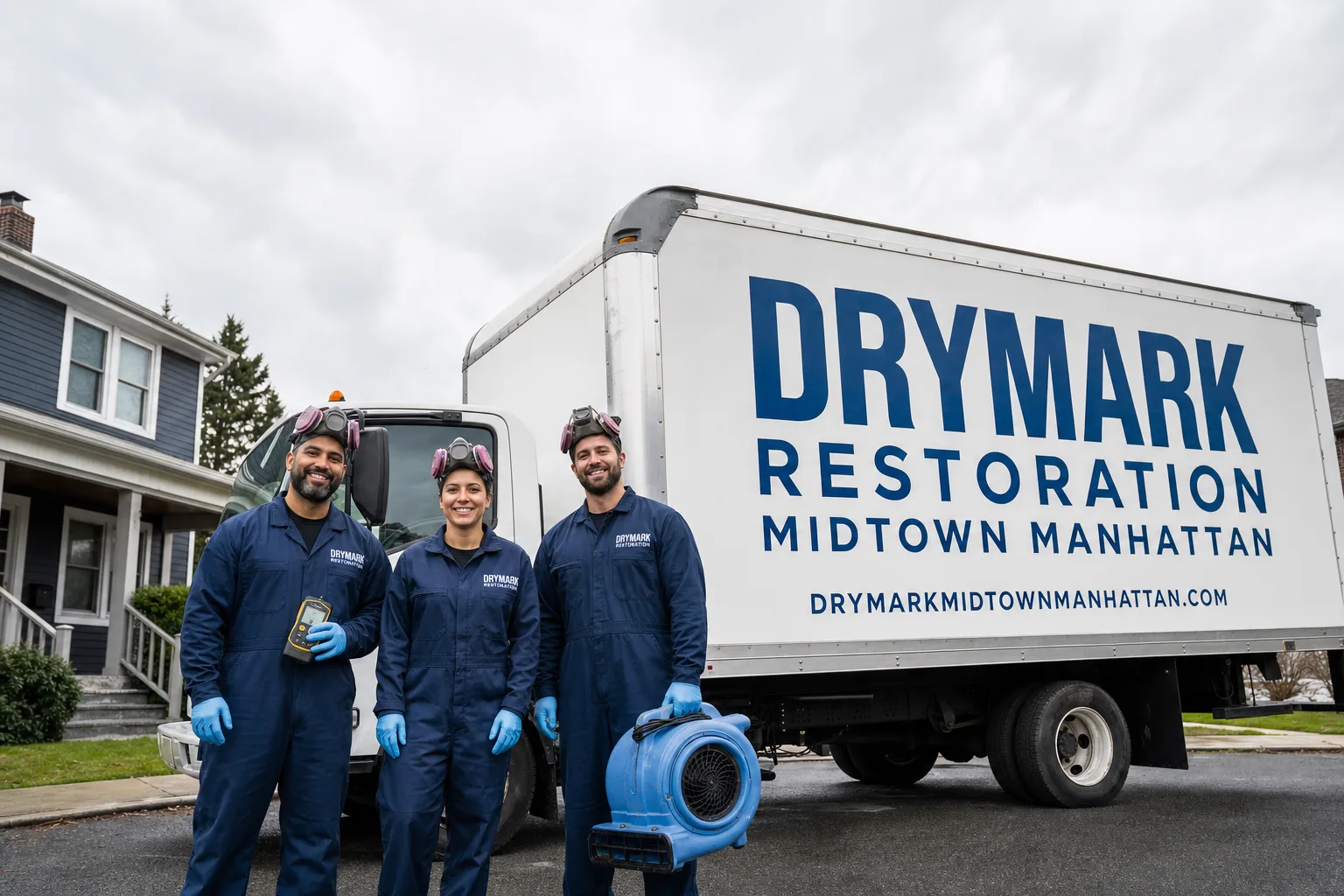
Free visual inspection and a written scope of work before any mitigation begins - photos, moisture readings, and drying logs go in your claim file
The scope we write is the scope we bill. Anything new gets shown to you, in writing, before we touch it.
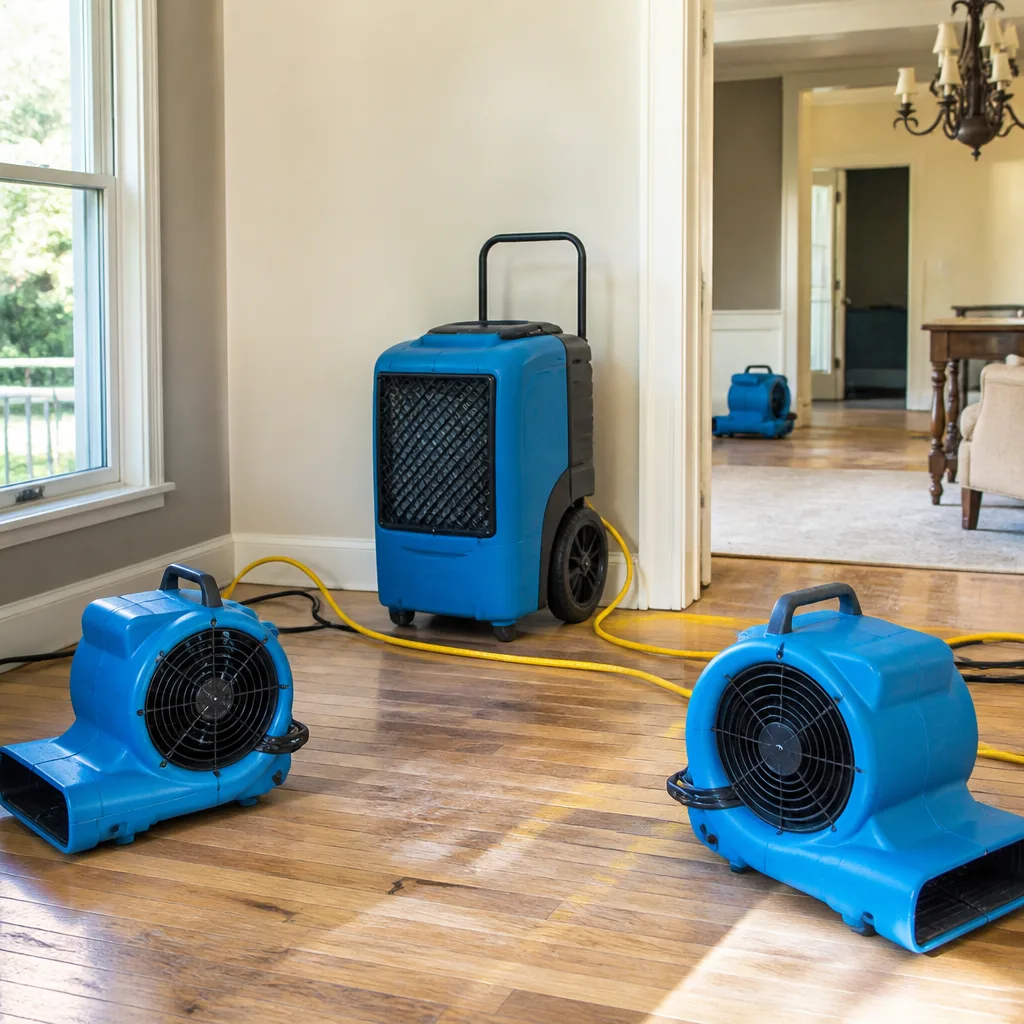
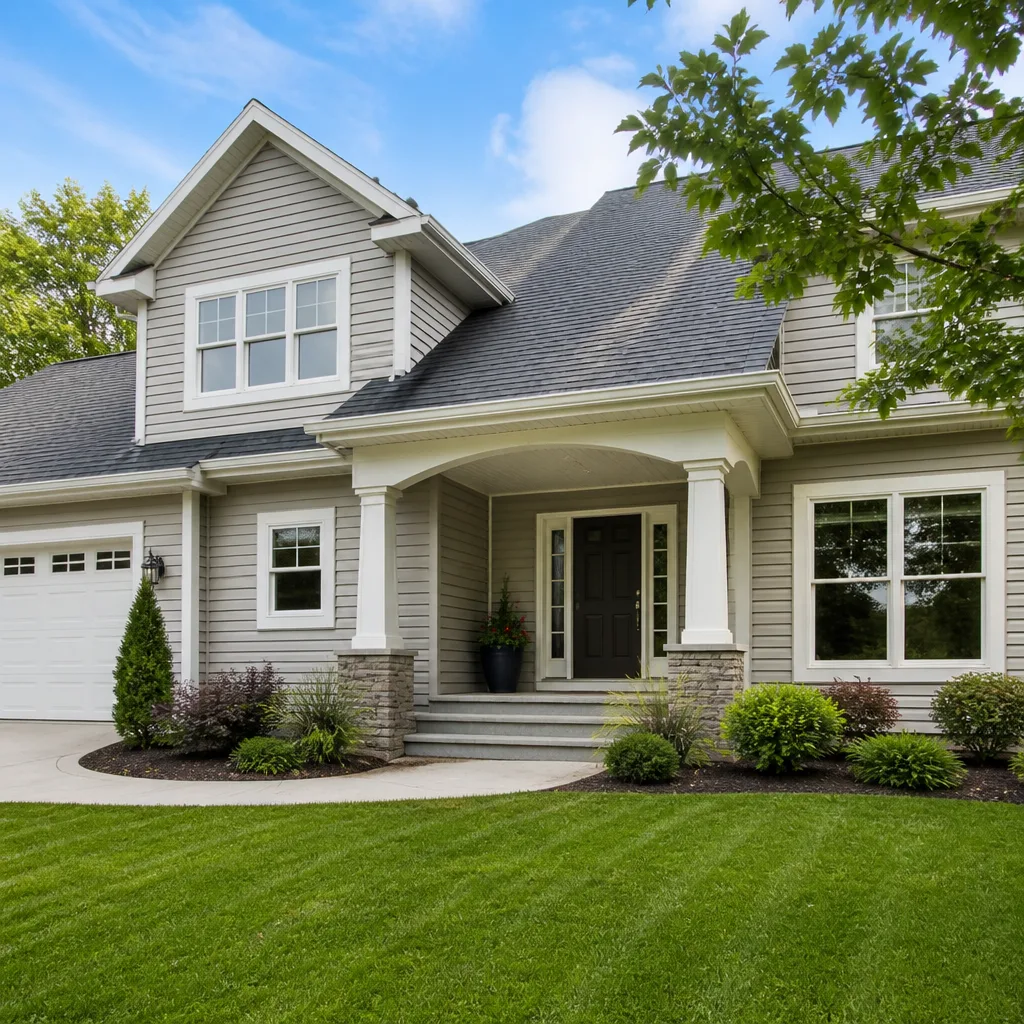
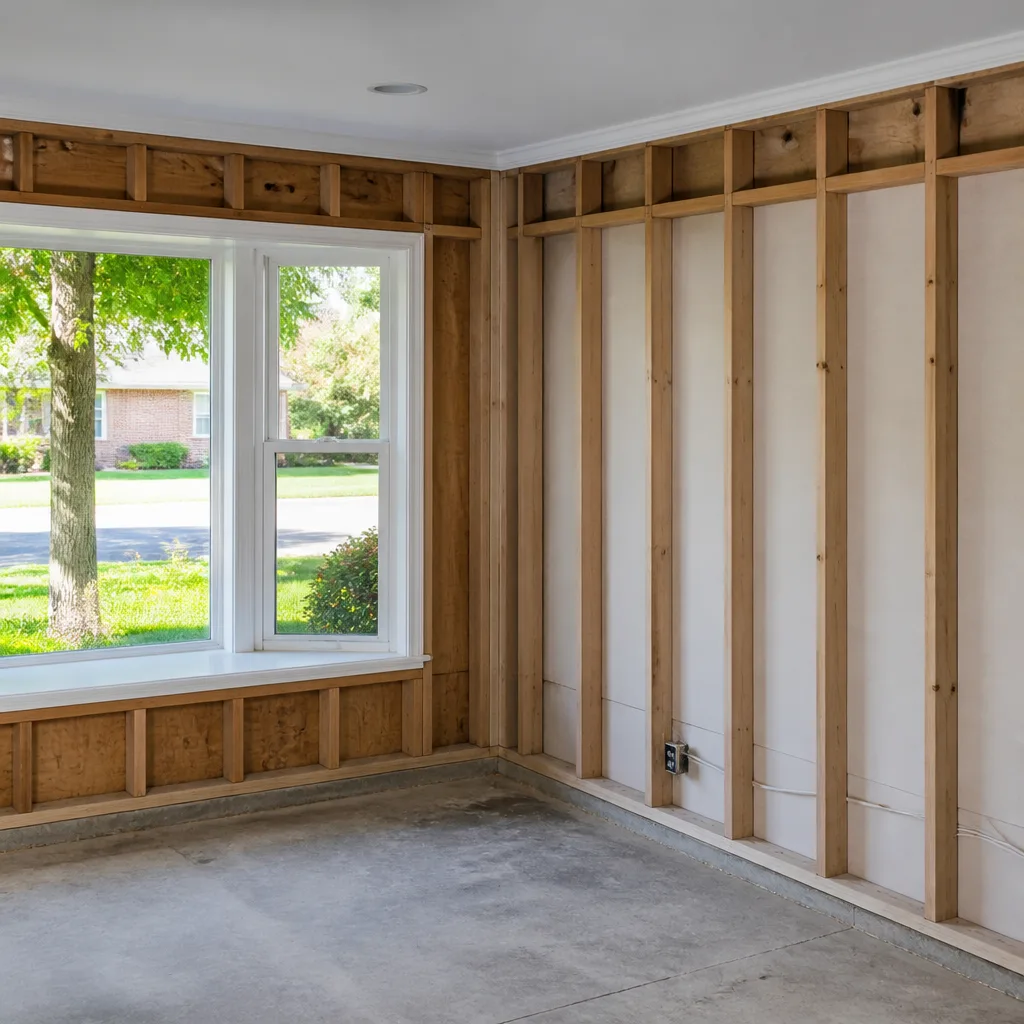
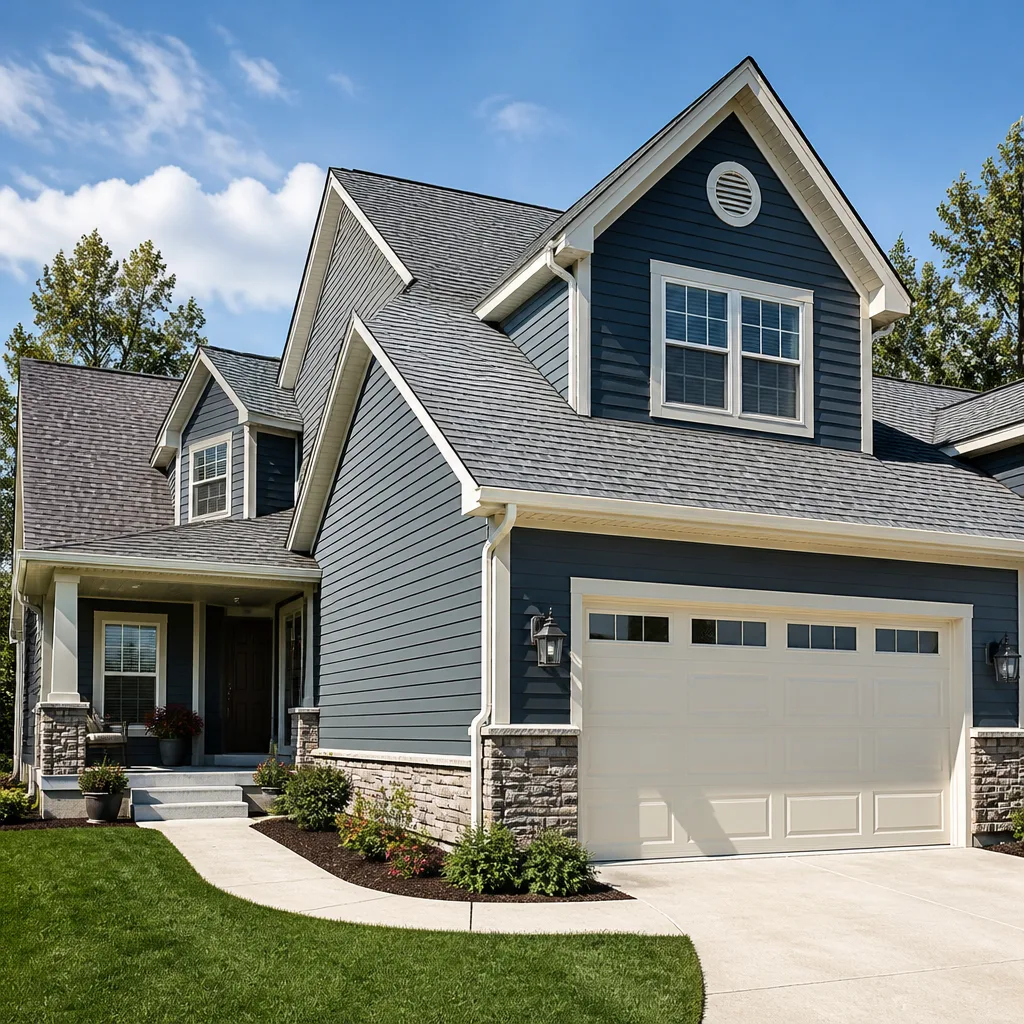
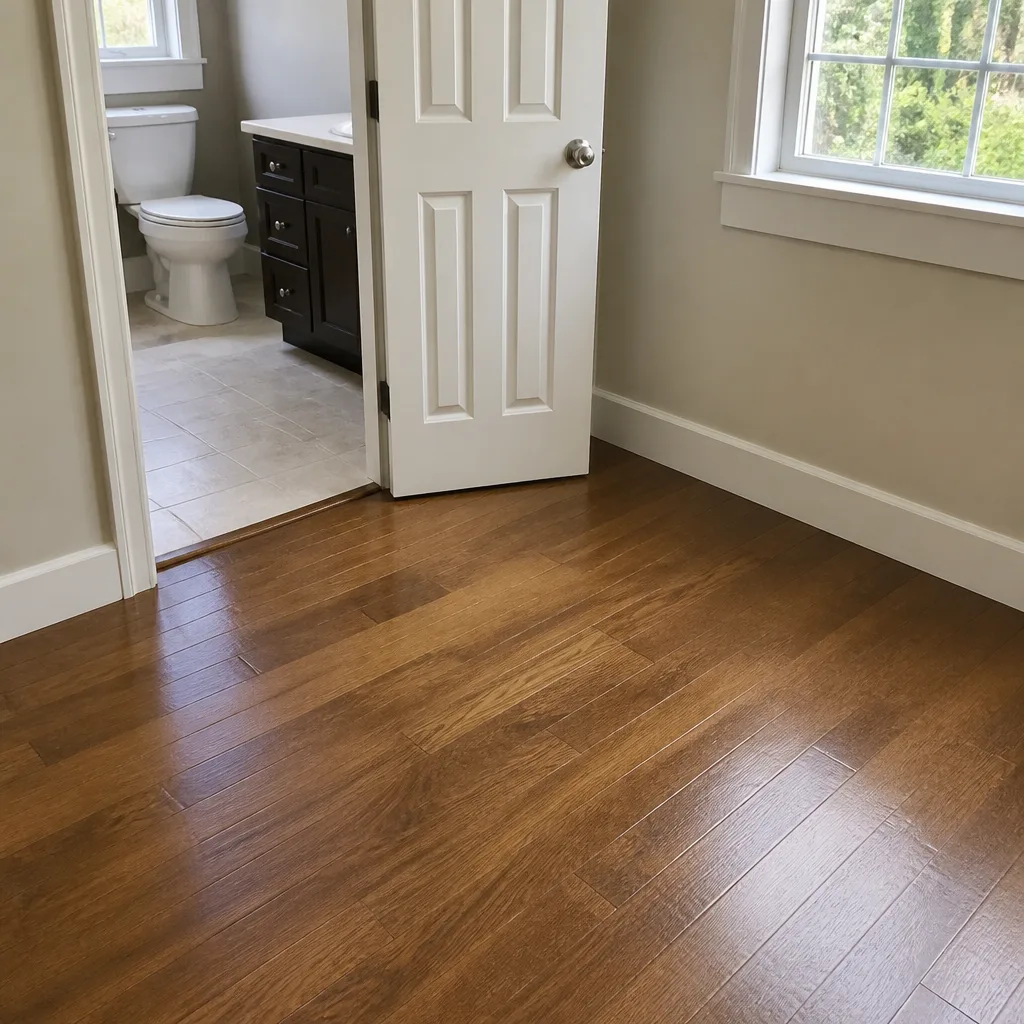
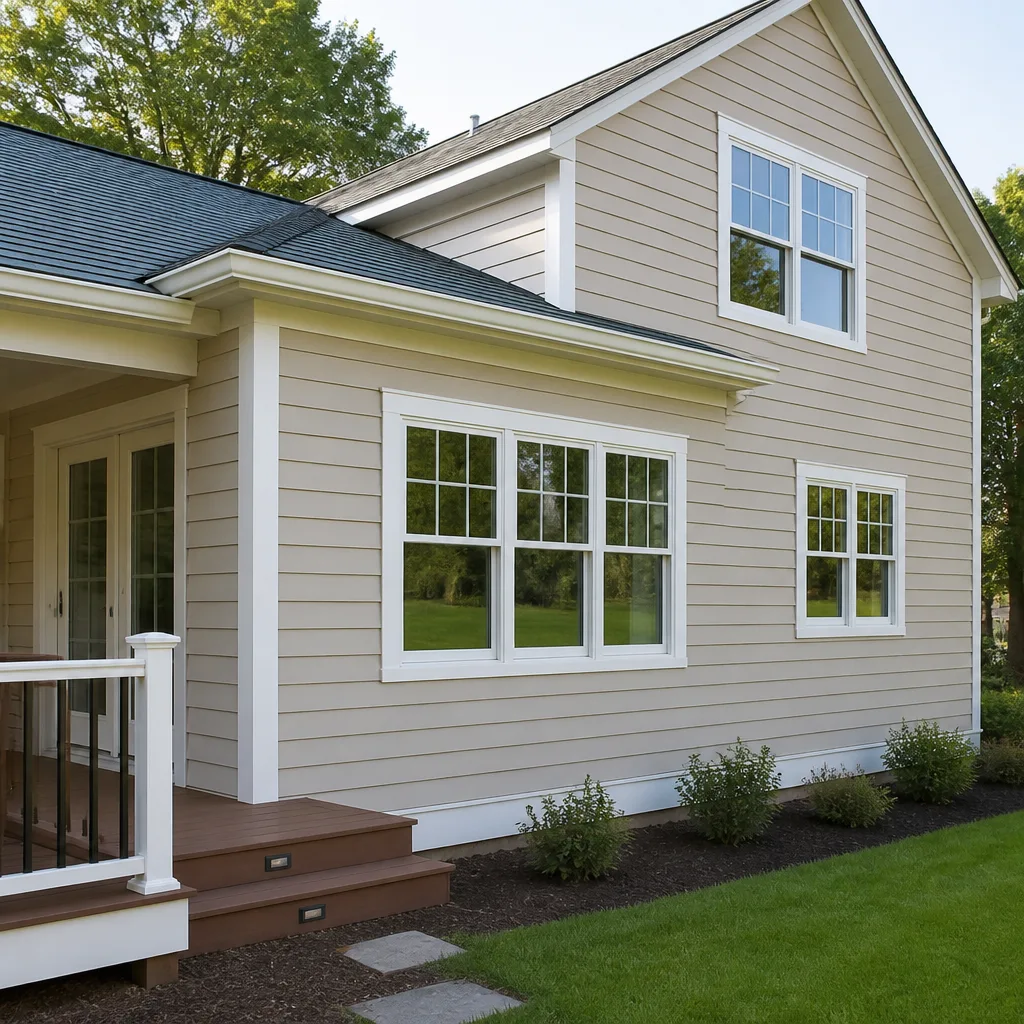
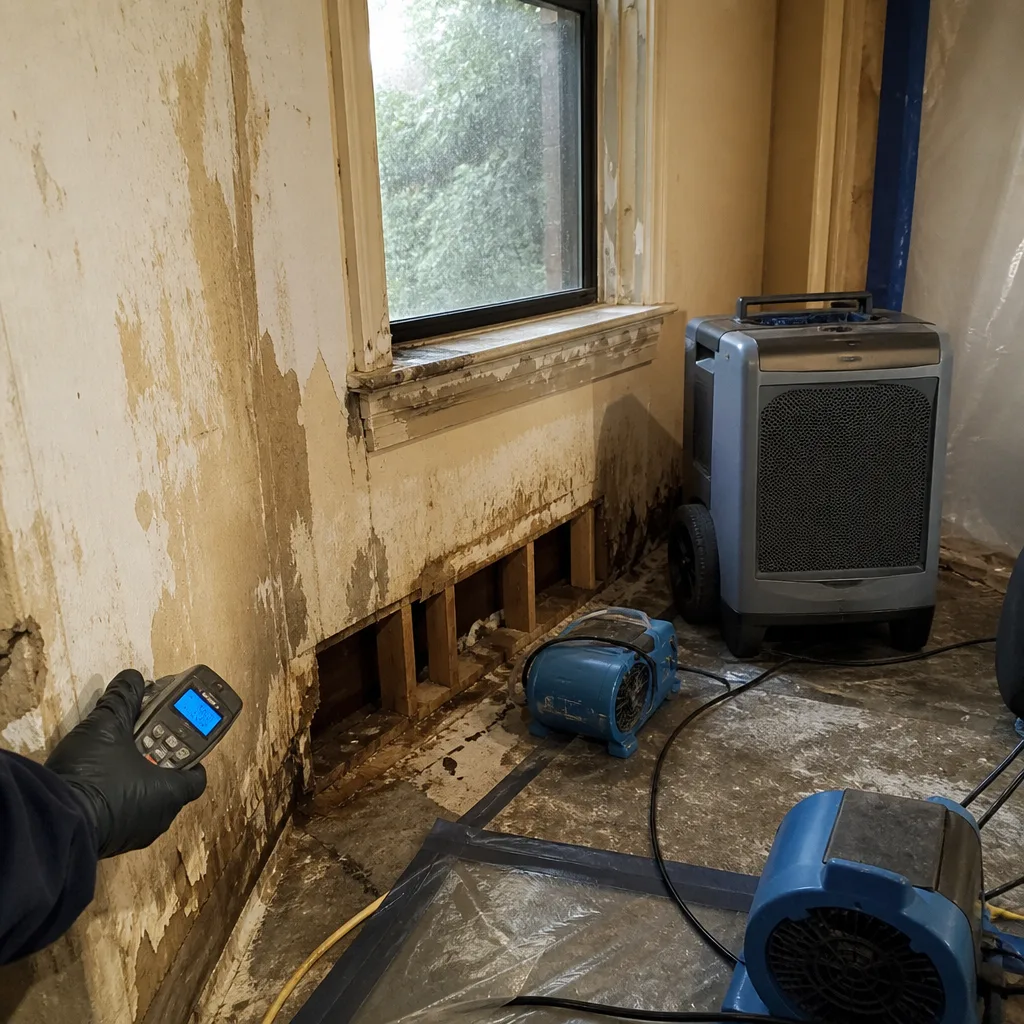 Before
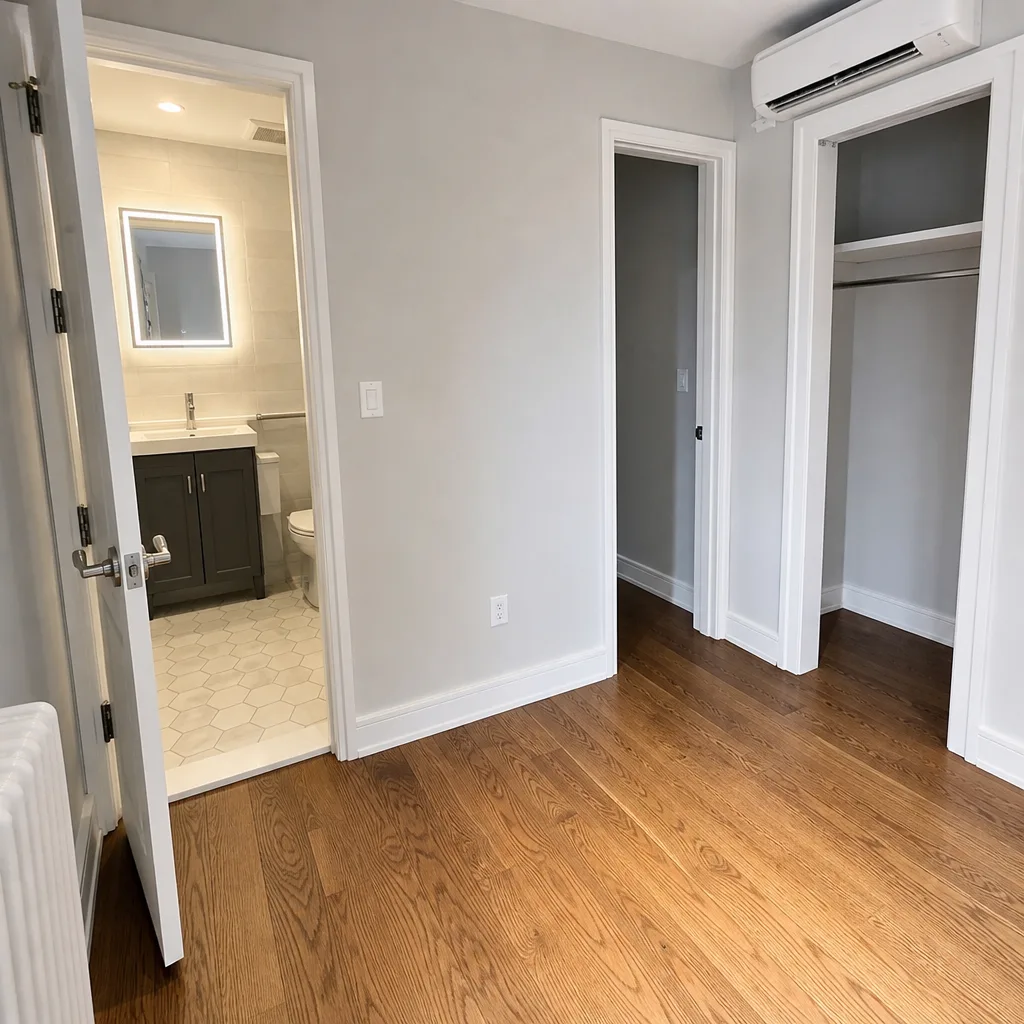 After
After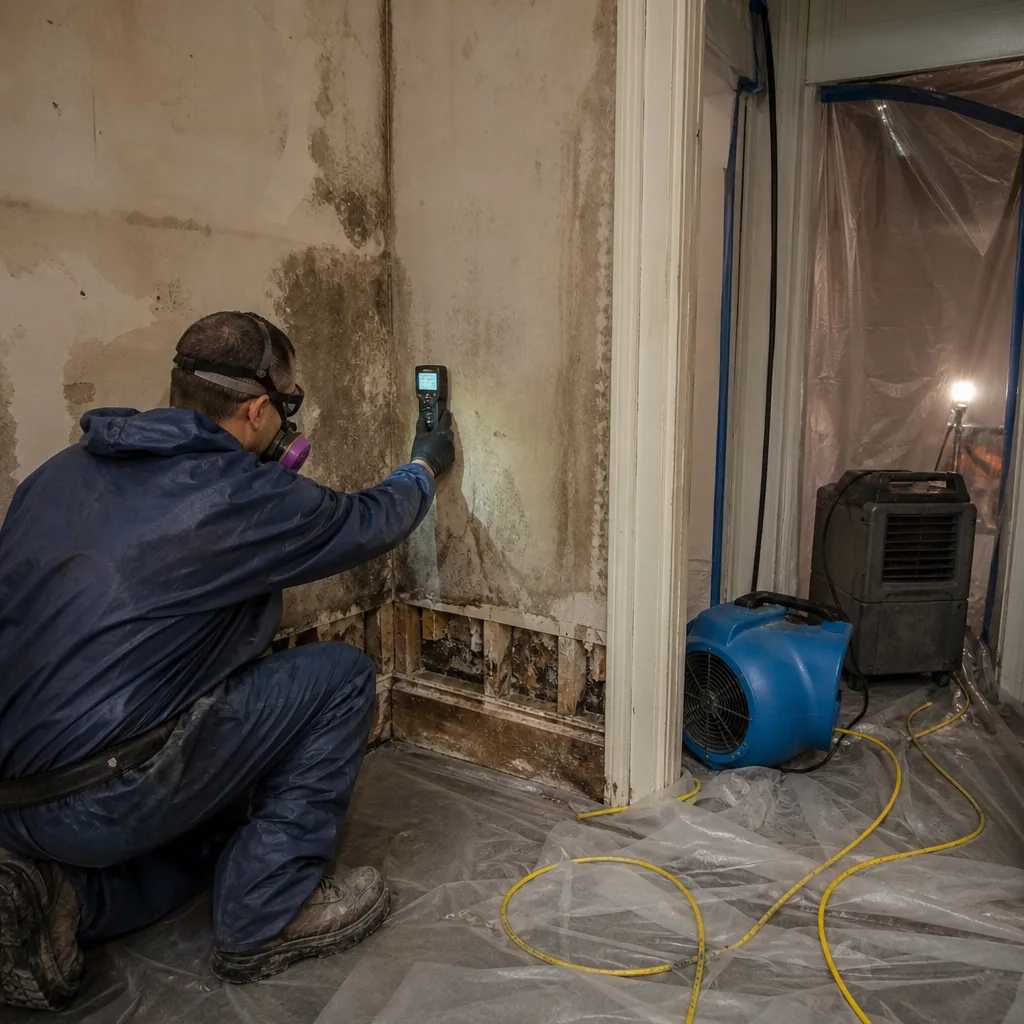 Before
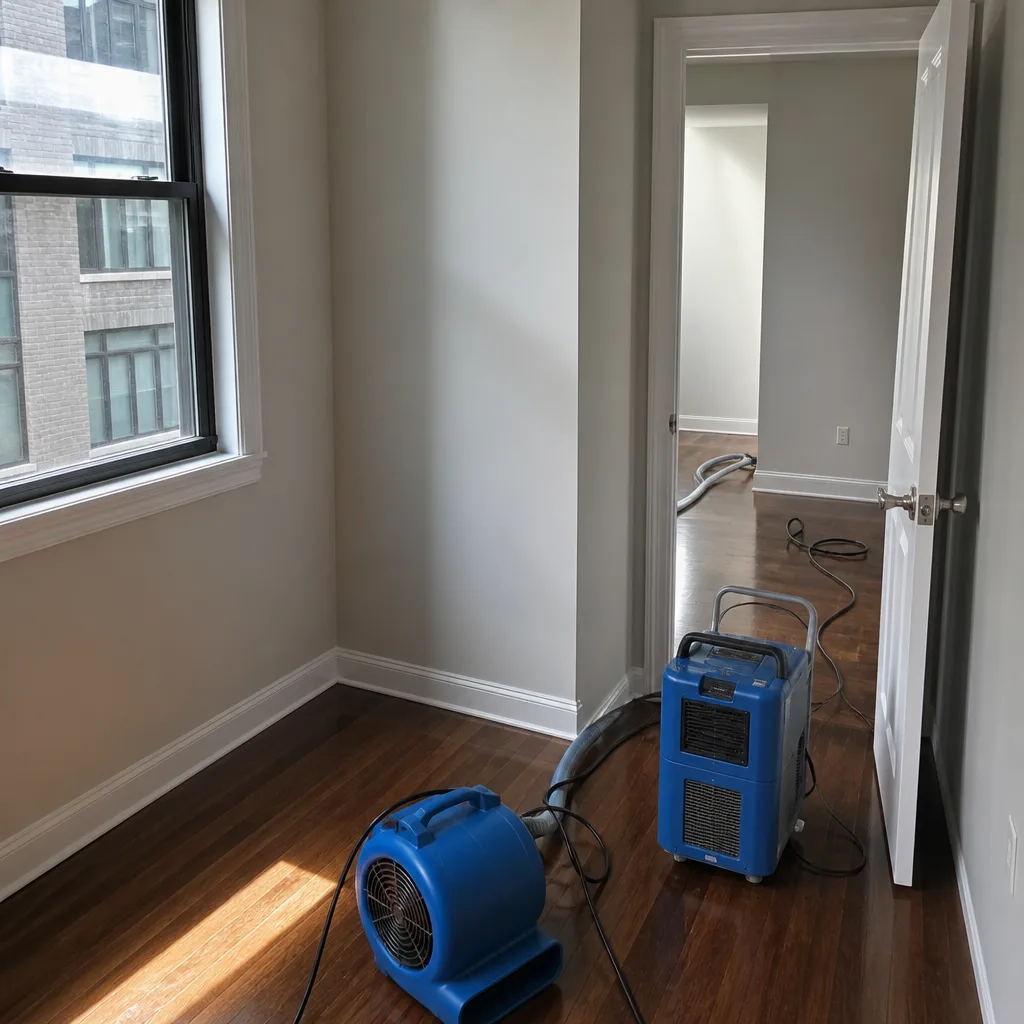 After
After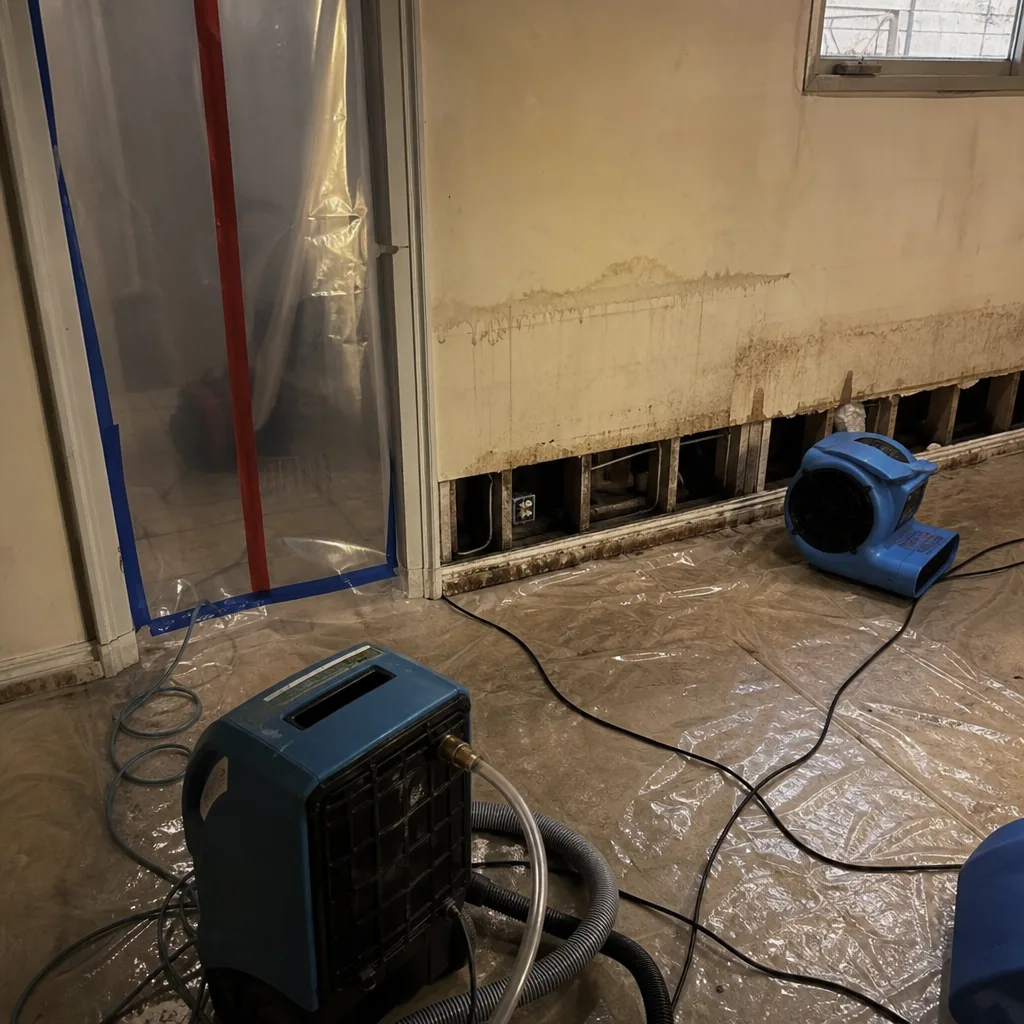 Before
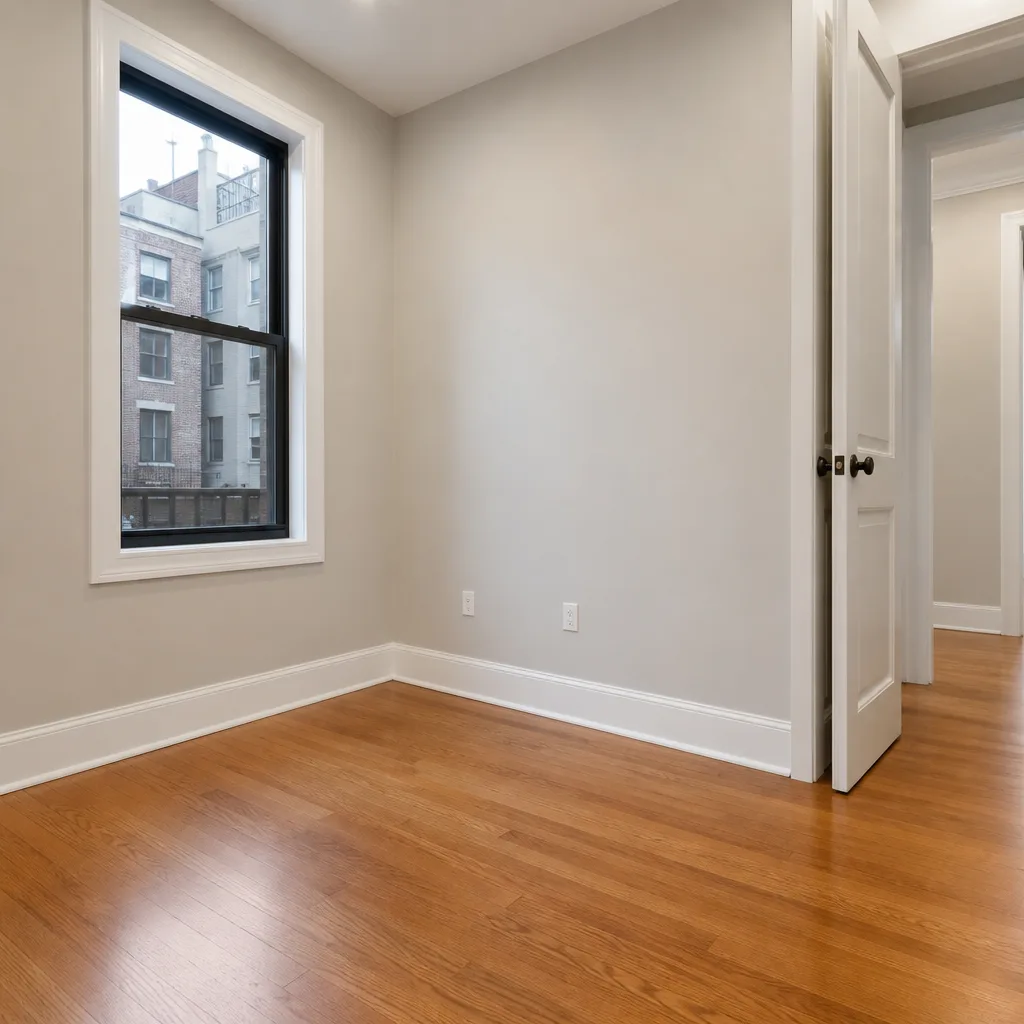 After
AfterFast, Reliable Fire & Smoke Damage Restoration Across Financial District
Fire and smoke damage restoration in Financial District, NY typically costs $4,200-$18,500 depending on affected square footage, with emergency board-up and tarping starting at $850-$1,400 and smoke odor remediation in older towers running $2,800-$7,200. Our crews are dispatched from our New York City office and can reach any Financial District address below Fulton Street within 35-50 minutes. Call (862) 212-1646 for a written price before any work begins.
We’ve restored fire-damaged units in converted pre-WWII towers from 70 Pine Street to 40 Wall Street, and we know the specific failure patterns that Financial District buildings produce. The pre-war commercial stock here, much of it converted to residential condos after 2001, carries smoke through original clay tile and cast iron systems that residential neighborhoods a mile north never encounter. Our Fire & Smoke Damage Restoration team documents every moisture reading, every photo, and every written scope to IICRC standards so your insurer pays the claim without dispute.
Why DryMark Restoration Midtown Manhattan Is Financial District’s Preferred Fire & Smoke Damage Restoration Company
Financial District residents and building managers choose us because we’ve handled the unique regulatory and confidentiality landscape of lower Manhattan restoration since 2011. Alicia Brennan founded this company after working as a claims adjuster and seeing how incomplete documentation cost homeowners their settlements. We’ve restored over 12,000 homes since then, every one with a written price before work started and a photo record when the crew left.
Our response time to Financial District averages 35-50 minutes from dispatch, with live phone coverage 24 hours a day, 7 days a week. No voicemail trees, no next-business-day callbacks while smoke residue continues to etch surfaces and absorb into porous materials. We know the building protocols at converted towers like 20 Exchange Place and 63 Wall Street, where freight elevator restrictions and after-hours access rules can delay less-prepared crews by hours.
Our reviews from Financial District customers consistently cite two things: the written scope that prevented scope creep, and the photo documentation that made their insurance claim straightforward. One recent 70 Pine Street resident noted that our pre-loss condition photos of smoke-damaged artwork satisfied both their building’s insurer and their own carrier without additional inspection delays.
Our Fire & Smoke Damage Restoration Services in Financial District
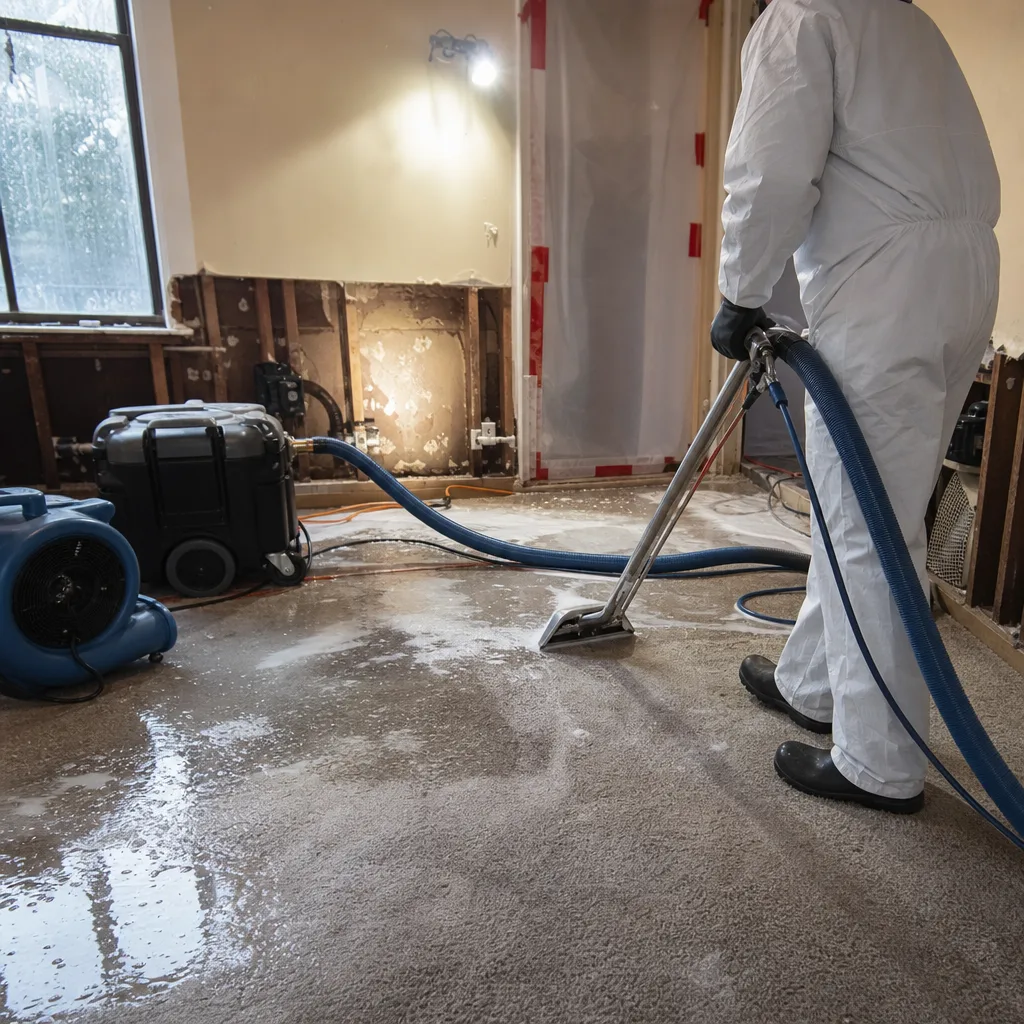
Fire Damage Cleanup
Fire damage cleanup in Financial District starts with structural stabilization and immediate hazard identification. In towers like 40 Wall Street, our crews routinely encounter 1920s electrical switchgear vaults and steam infrastructure with intact asbestos insulation, meaning we coordinate certified abatement contractors before demolition or drying can begin. This adds 24-72 hours to the timeline compared to residential neighborhoods, but skipping it exposes building management and residents to liability. We document every containment barrier and air-monitoring result to NYCDEP and OSHA standards.
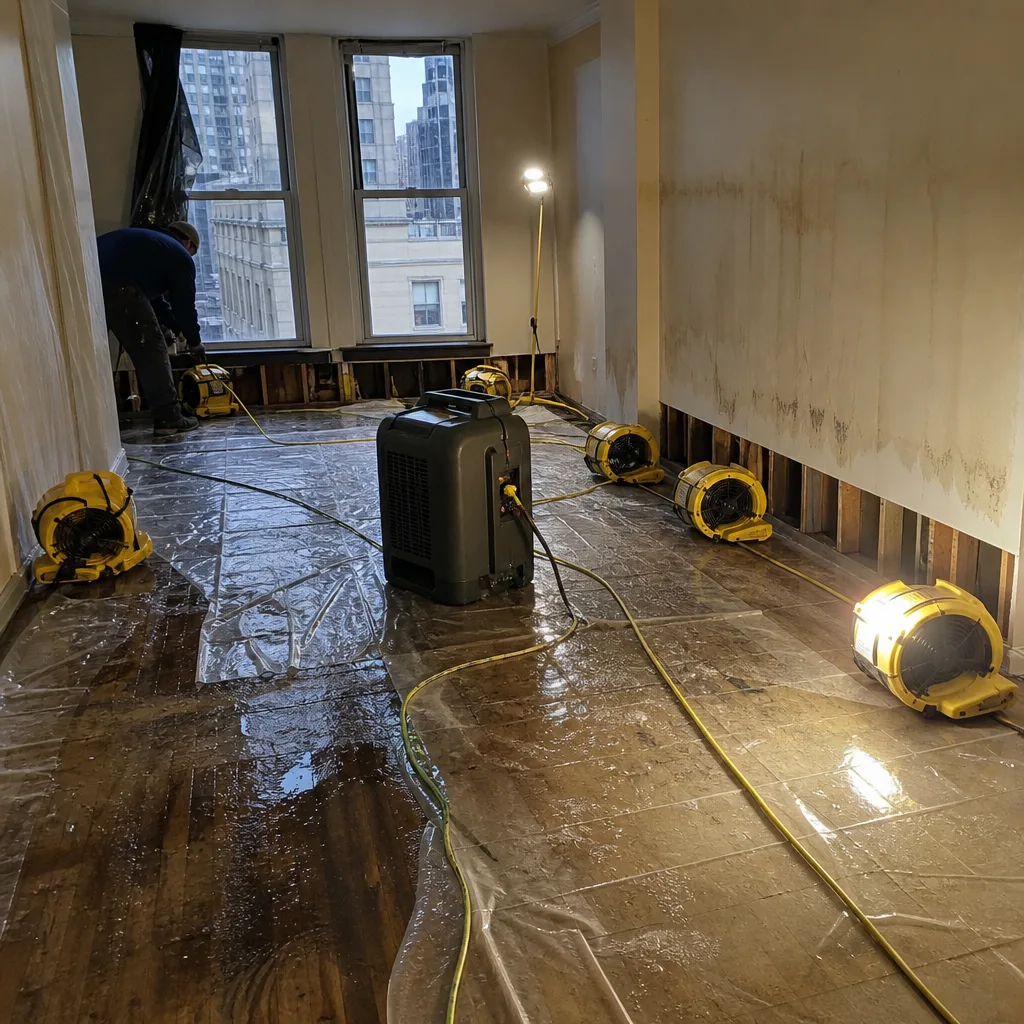
Smoke & Soot Removal
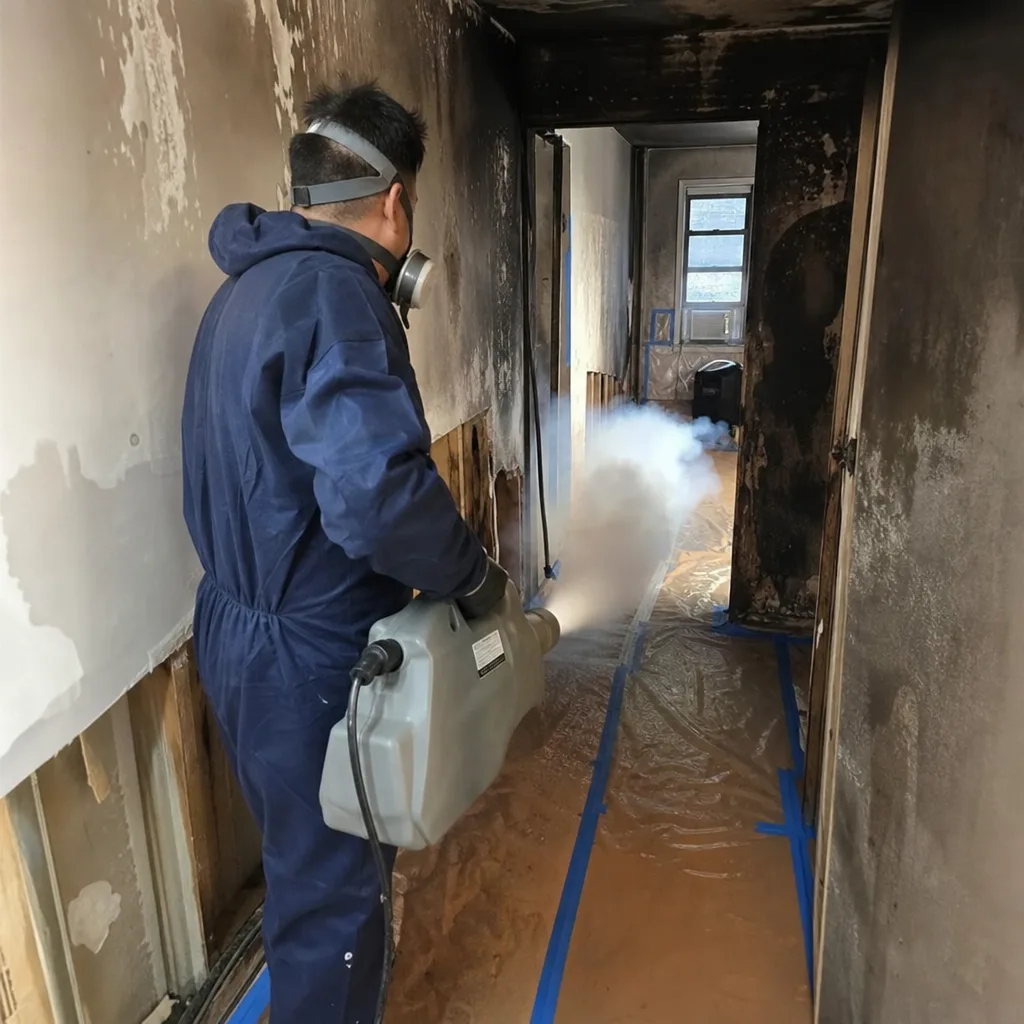
Smoke and soot removal is our most-called service in Financial District because pre-WWII buildings here trap combustion particles in ways modern construction doesn’t. The original clay tile drain stacks and cast iron risers in these towers act as thermal chimneys during a fire, drawing smoke through wall cavities and mechanical chases that were never designed for residential use. Surface cleaning alone leaves residue in these channels, which reactivates with humidity changes and releases odor weeks later. We use HEPA vacuuming, dry-ice blasting for delicate terracotta and ornamental metal, and thermal fogging with documented penetration testing to verify complete removal.
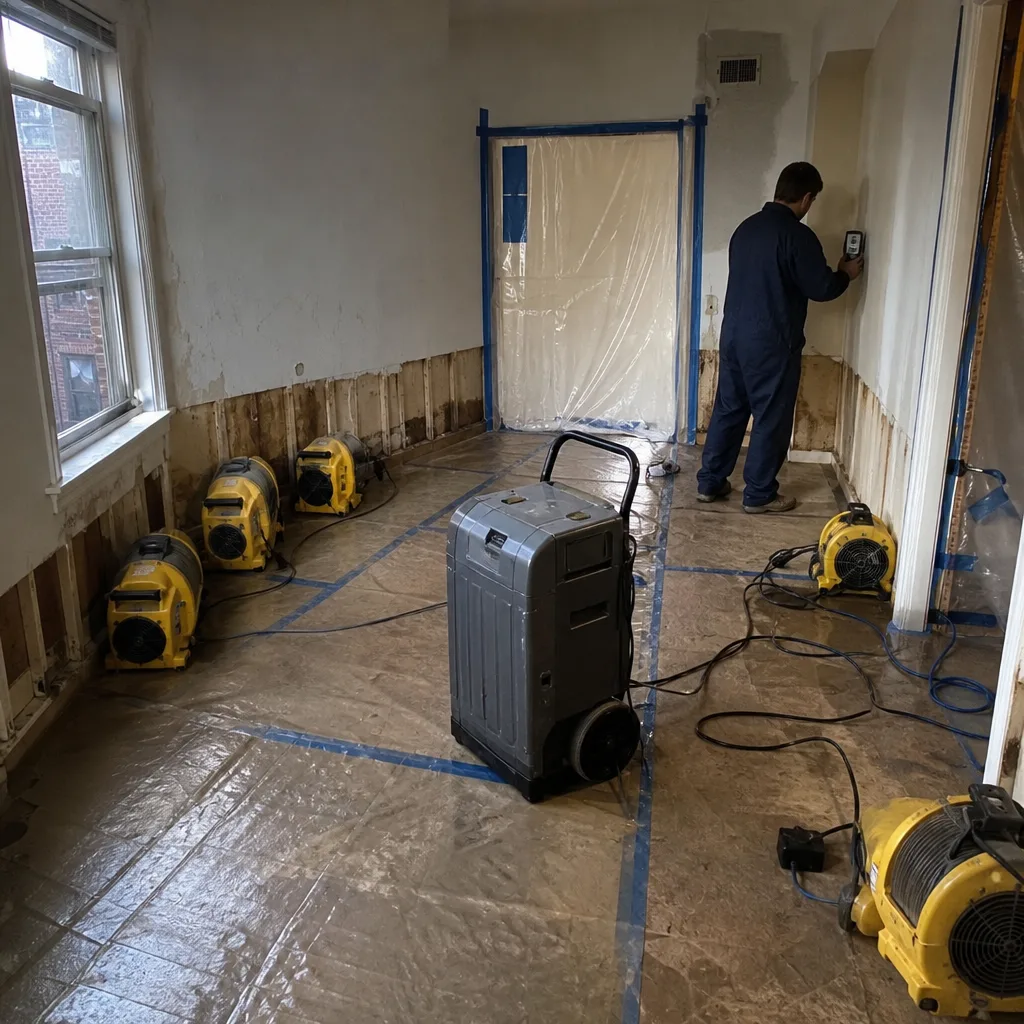
Odor Removal & Deodorization
Odor removal in Financial District requires understanding how smoke behaves in buildings with 12-foot ceilings, plaster over wire lath, and decades of paint buildup. Our technicians deploy Dri-Eaz and Phoenix hydroxyl generators and ozone systems with real-time particulate monitoring, not masking agents. In converted residential condos, we frequently find that smoke odor has migrated through original plumbing chases into neighboring units, requiring coordinated multi-unit treatment with documented clearance testing. The Haven Standard requires we deliver odor clearance in writing, not just when it “smells better.”
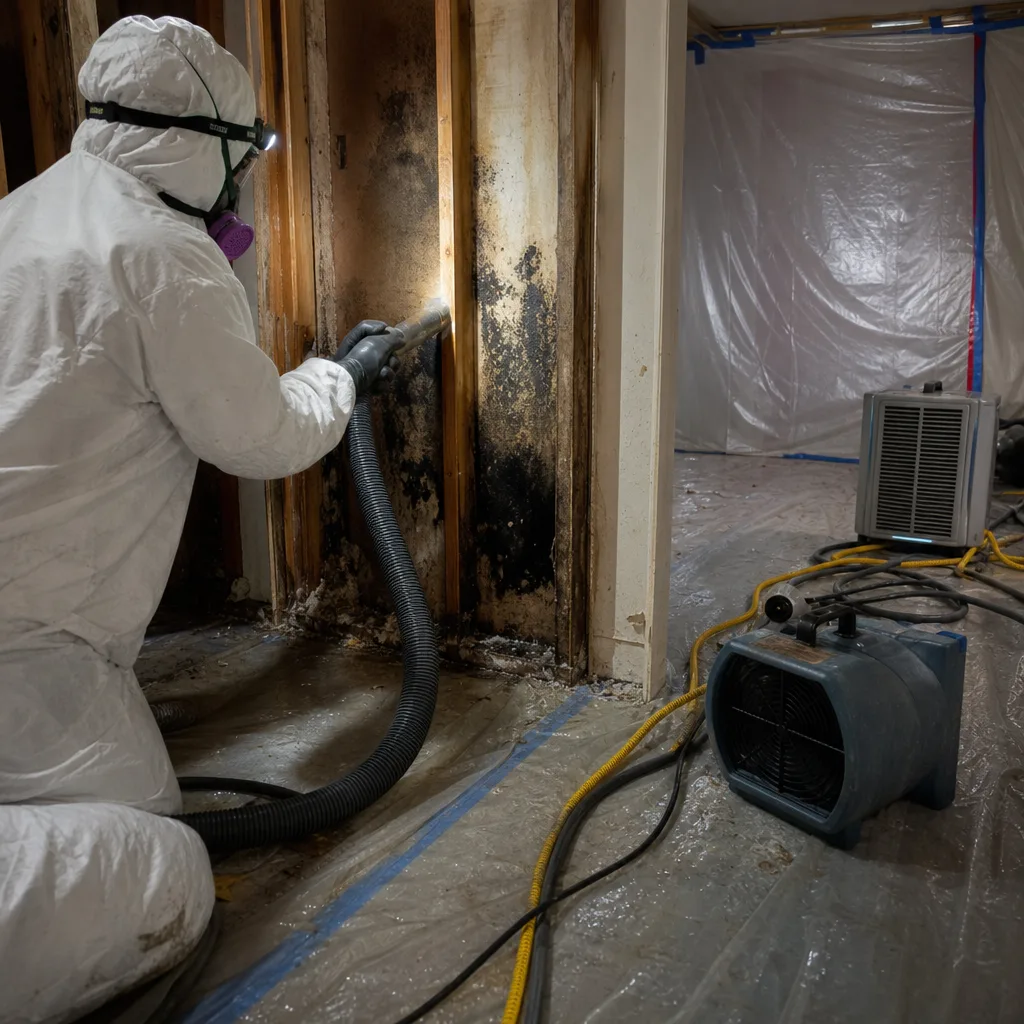
Contents Cleaning & Pack-Out
Contents pack-out from Financial District towers demands pre-loss condition documentation that satisfies both residential insurers and, frequently, the commercial policies covering building infrastructure or neighboring trading floors. We inventory, photograph, and barcode every item before transport to our cleaning facility, with chain-of-custody documentation that meets financial-sector confidentiality requirements. For a recent 28th-floor condo at 40 Wall Street, our photo documentation of smoke-damaged artwork and electronics satisfied three separate insurers without additional adjuster visits.
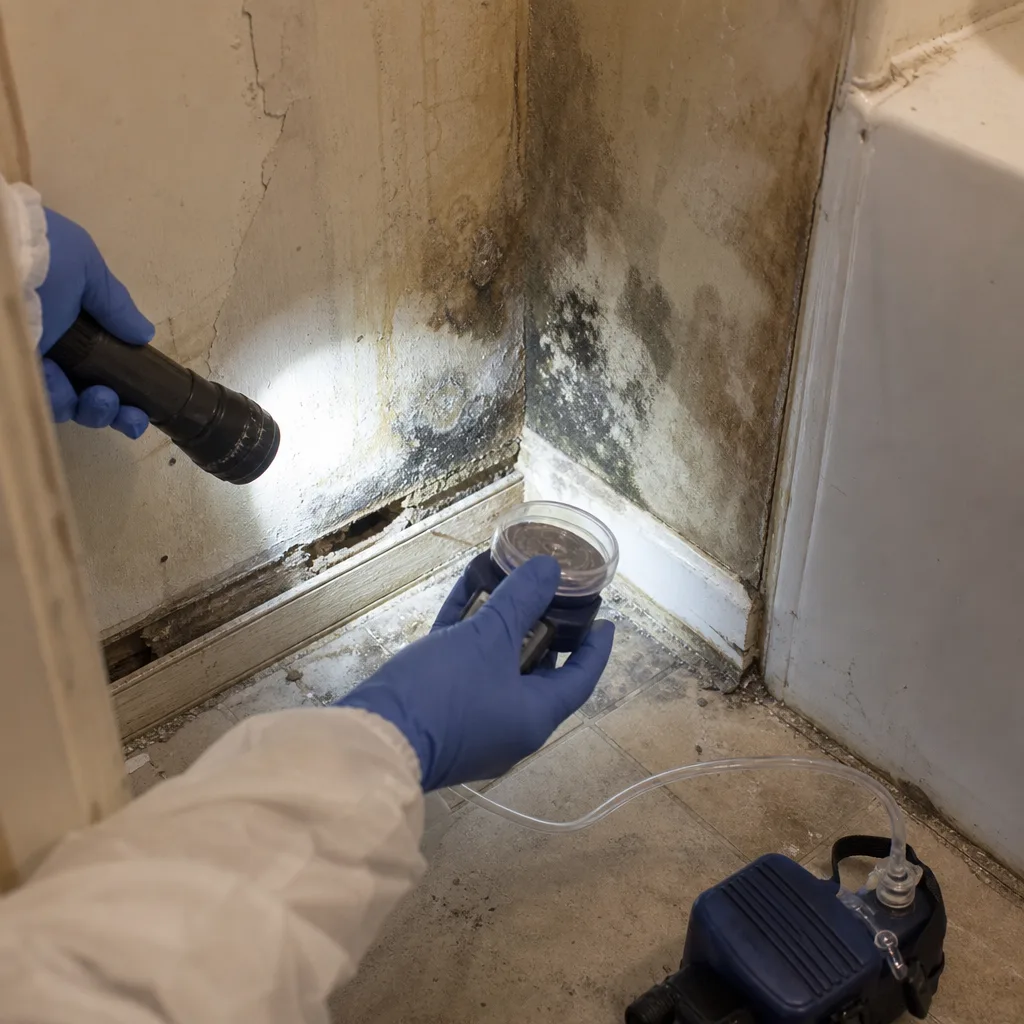
Emergency Board-Up & Tarping
Emergency board-up and tarping in Financial District runs $850-$1,400 for standard residential access points, with commercial-grade security sealing for ground-floor retail or lobby damage starting at $1,800. We maintain 24-hour availability because fire-damaged windows and compromised envelope integrity in this coastal zone expose interiors to salt-air corrosion that accelerates secondary damage. Our boards are tagged, photographed, and documented for insurance with timestamps matching our dispatch records.
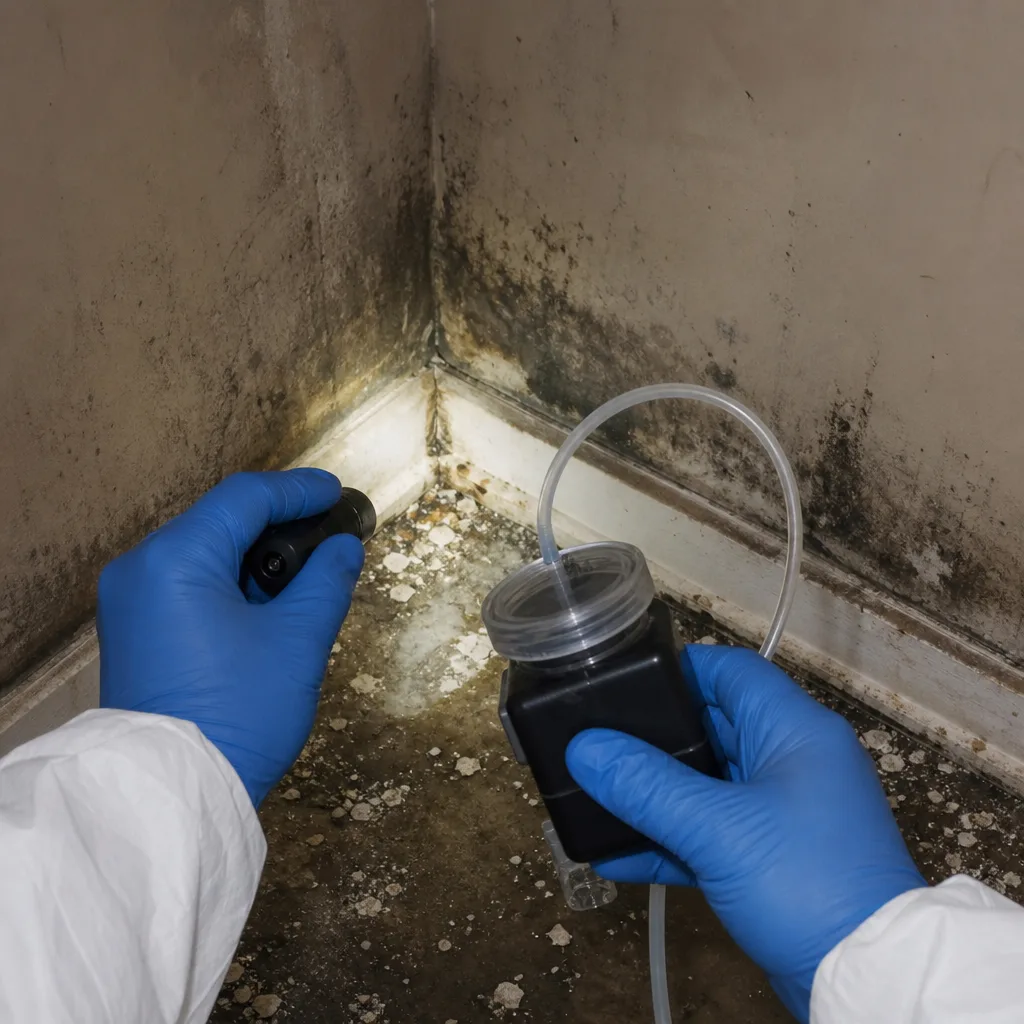
Structural Fire Repair
Structural fire repair in Financial District’s pre-WWII towers requires coordination with landmark preservation and DOB requirements that newer construction avoids. We’ve repaired fire-damaged terracotta facade elements, restored steel-frame window bays, and replaced compromised floor systems while maintaining building occupancy above. Every structural repair scope is priced in writing before demolition begins, with no additions once crews are inside, per Haven Standard, Clause 1.
What happens when you call
- 1
A real person answersNo phone trees - you reach a local pro.
- 2
You get an upfront price rangeHonest numbers before anyone is dispatched.
- 3
A background-checked tech heads outLicensed & insured, dispatched right away.
- 4
You approve before work beginsNothing starts until you say go.
BeforeAfterTrusted Brands We Service in Financial District
Our equipment inventory includes professional-grade drying and air-scrubbing systems from Dri-Eaz, Phoenix, and XPOWER, with specialized soot-removal tooling from B-Air for delicate surface restoration. We stock HEPA filtration media, hydroxyl generator replacement cells, and antimicrobial formulations at our New York City office specifically for Financial District response, eliminating the supply delays that can add days to odor remediation timelines. Every piece of equipment is logged by serial number to your job file, with runtime documentation that supports your insurance claim.
Common Fire & Smoke Damage Restoration Problems We See in Financial District Homes
- Salt-air corrosion of fire-damaged garage-door hardware. The coastal environment at the southern tip of Manhattan accelerates corrosion of springs, hinges, rollers, and opener chains in FiDi’s older towers. Fire-damaged hardware that would last years inland often seizes or snaps within months here, frequently misdiagnosed as unrelated mechanical failure rather than a corrosion pattern specific to this coastal zone.
- Smoke residue in original clay tile and cast iron drain stacks. These pre-WWII systems act as thermal chimneys during fires, drawing smoke through wall cavities never designed for residential use. Surface cleaning leaves residue in these channels, which reactivates with seasonal humidity changes and releases odor in upper-floor condos weeks after initial remediation appears complete.
- Below-grade asbestos abatement delays. Sandy-era flood responses exposed that many FiDi sub-basements contain 1920s electrical switchgear and steam lines with intact asbestos insulation. Virtually every significant fire or smoke job below ground level triggers mandatory abatement protocols before drying or deodorization equipment can be staged, pushing timelines past the 24-to-48-hour mold window for wet drywall.
- Confidentiality requirements in mixed-use towers. Buildings housing active trading floors or colocation data centers require background-checked technicians, signed NDAs, and coordinated access windows that don’t disrupt operations. Restoration crews unfamiliar with financial-sector protocols have been removed from sites for photographing server rooms or discussing client identities.
Pricing for Fire & Smoke Damage Restoration in Financial District, NY
Emergency board-up and tarping in Financial District starts at $850-$1,400 for residential, $1,800+ for commercial-grade security sealing. Smoke and soot removal for a typical 800-square-foot condo runs $2,800-$5,400; whole-floor treatment in converted towers with extensive chase infiltration ranges $7,200-$18,500. Odor removal and deodorization with documented clearance testing adds $1,400-$3,200 depending on affected material types and required equipment runtime. Contents cleaning and pack-out is priced per-item with inventory documentation included, not billed as an upsell.
What affects cost: asbestos abatement coordination (adds $2,500-$8,000+ for below-grade work), multi-unit odor migration requiring coordinated treatment, after-hours access fees charged by building management, and confidentiality protocol staffing. Every price is delivered in writing before work begins, with no scope-creep additions once the crew is inside, per Haven Standard, Clause 1. We also provide a Free Second Opinion on any competitor’s written estimate.
We Also Serve Cities Near Financial District
Our crews respond throughout lower Manhattan and across the river, including Financial District neighbors in Midtown Manhattan, Murray Hill, Upper East Side, and Long Island City. Dispatch and scheduling are coordinated from our New York City office, with local crews familiar with each area’s building stock and regulatory requirements.
Serving Financial District, NY - Our Local Coverage Area
We’re based in the Financial District area and know this community well. Use the map below to see our service coverage - if you’re nearby, we can almost certainly help.
FAQs - Fire & Smoke Damage Restoration in Financial District
Restoration in Financial District typically takes 24-72 hours longer than in residential neighborhoods because pre-WWII sub-basements here contain 1920s electrical switchgear and steam lines with intact asbestos insulation, triggering mandatory abatement protocols before drying or deodorization equipment can be staged. This regulatory layer is virtually absent in residential neighborhoods a mile north. Call (862) 212-1646 for a written timeline specific to your building.
Salt-air corrosion accelerates failure of fire-damaged springs, hinges, rollers, and opener chains by months or years compared to inland buildings, often causing hardware to seize or snap well before expected service life. We inspect and document this corrosion pattern specifically in FiDi’s coastal-zone towers, recommending galvanized or stainless replacement hardware where standard components would fail prematurely. Call (862) 212-1646 for hardware assessment and written replacement pricing.
Building managers should expect that surface cleaning alone will not resolve odor, because original clay tile and cast iron stacks in these towers act as thermal chimneys that draw smoke into wall cavities and mechanical chases. We use thermal fogging with documented penetration testing and multi-unit coordinated treatment, with odor clearance delivered in writing under The Haven Standard. Call (862) 212-1646 for scope and pricing.
Yes, firefighting water in FiDi basements is category 3 water because lower Manhattan’s historic landfill substrate and high groundwater table mean basement flooding routinely contains sewage backup, fuel oil, and chemical contaminants from adjacent infrastructure. Category 3 classification requires antimicrobial treatment, controlled demolition of saturated porous materials, and documented clearance testing rather than simple drying. Call (862) 212-1646 for moisture mapping and written remediation scope.
We assign background-checked, uniformed technicians with signed NDAs, coordinate access through building security without discussing client identities, and restrict photography to restoration-affected areas only with pre-approved shot lists. For a recent 40 Wall Street response, our documentation satisfied both the residential insurer and the trading firm’s confidentiality requirements without additional inspection delays. Call (862) 212-1646 for protocol details specific to your building.
Call (862) 212-1646 for a written price before any work begins. Every Financial District fire and smoke damage restoration job includes documented photo records on every visit, daily drying logs with moisture readings, and the 365-Day Done Right Promise backed by The Haven Standard. Alicia Brennan built this company in 2011 to close the documentation gap that costs homeowners their claims. We’ll review any competitor’s written estimate at no charge.
Written by Alicia Brennan, Owner at DryMark Restoration Midtown Manhattan, serving Financial District since 2011.