
Last updated September 22, 2026
Free visual inspection and a written scope of work before any mitigation begins - photos, moisture readings, and drying logs go in your claim file
The scope we write is the scope we bill. Anything new gets shown to you, in writing, before we touch it.
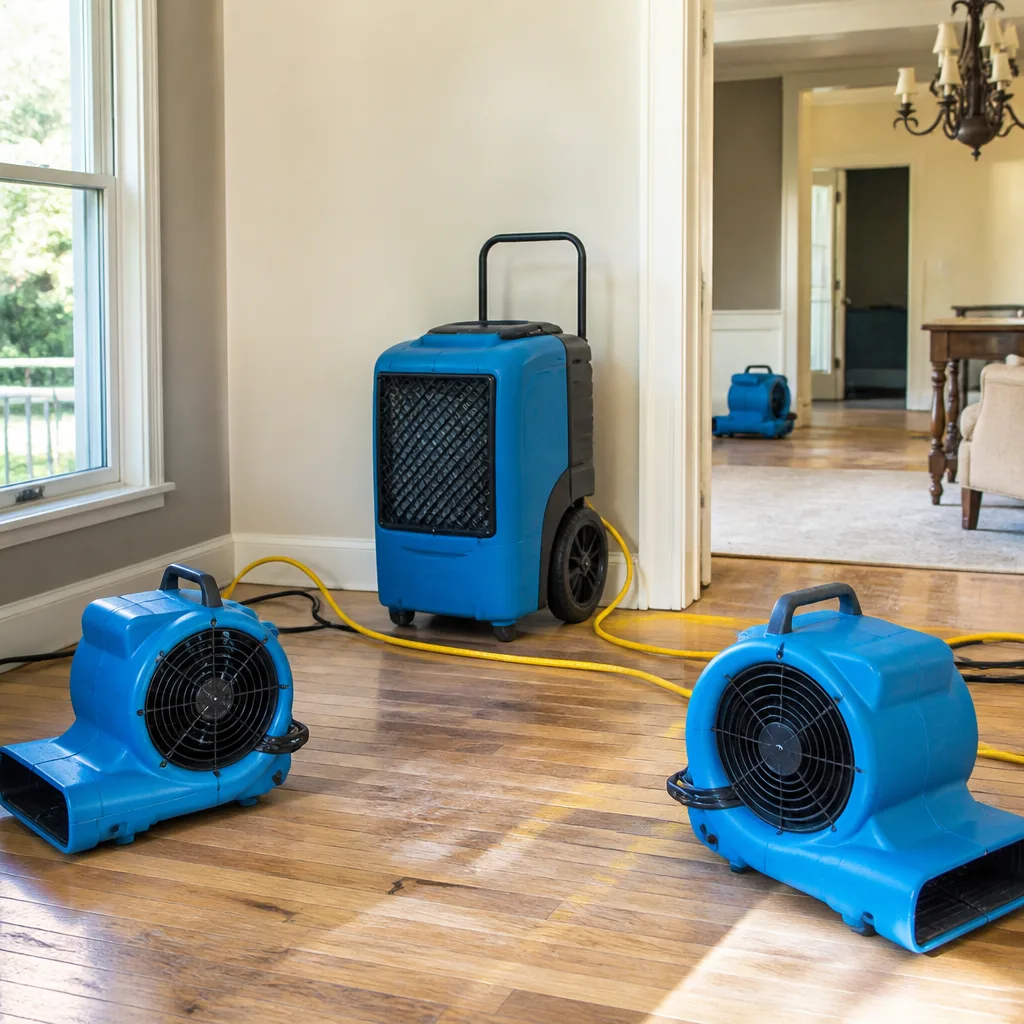

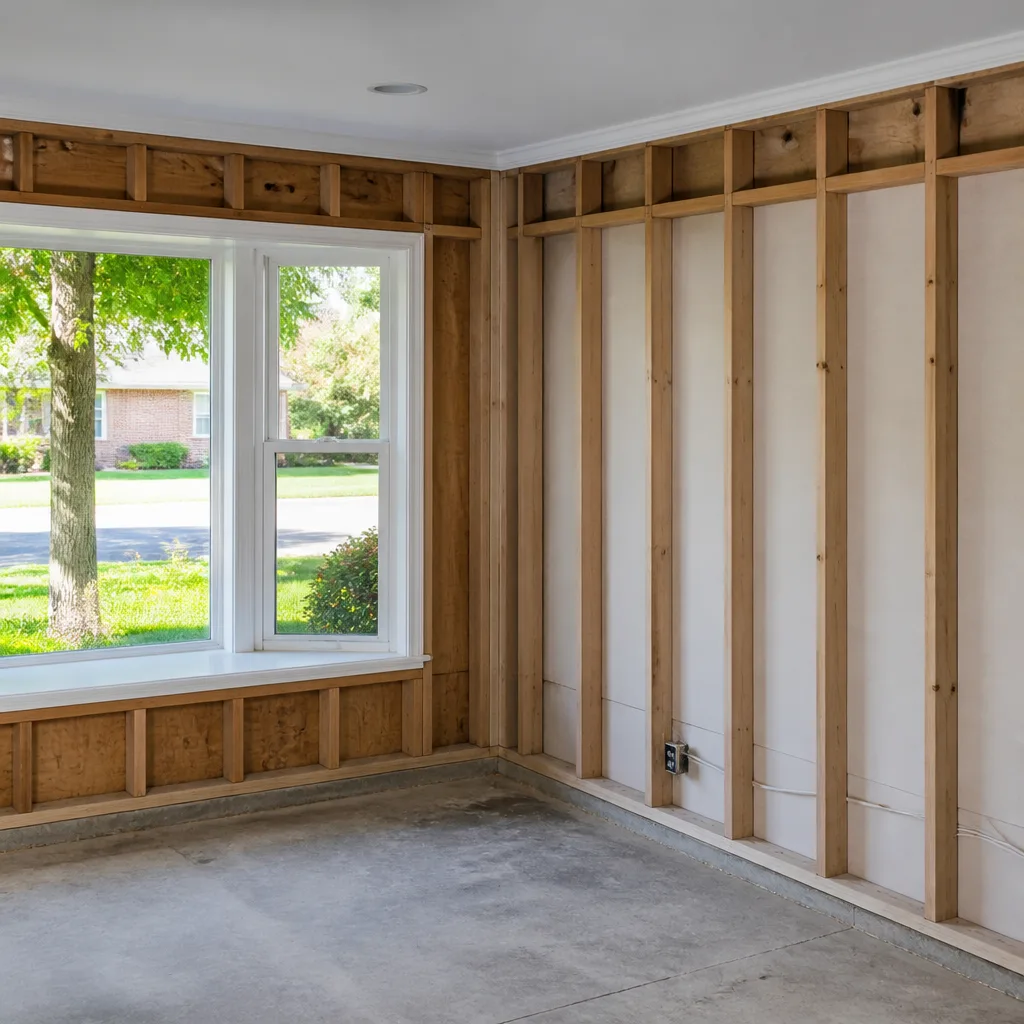

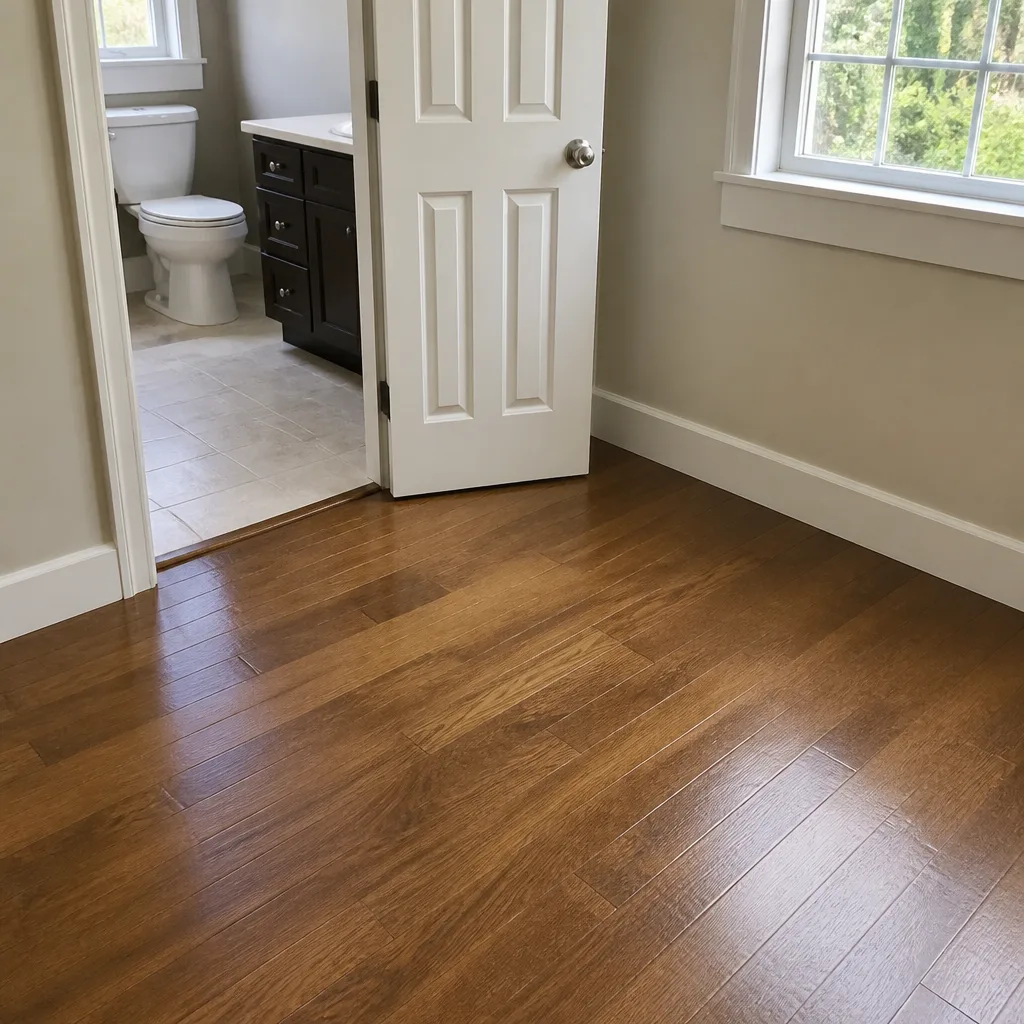

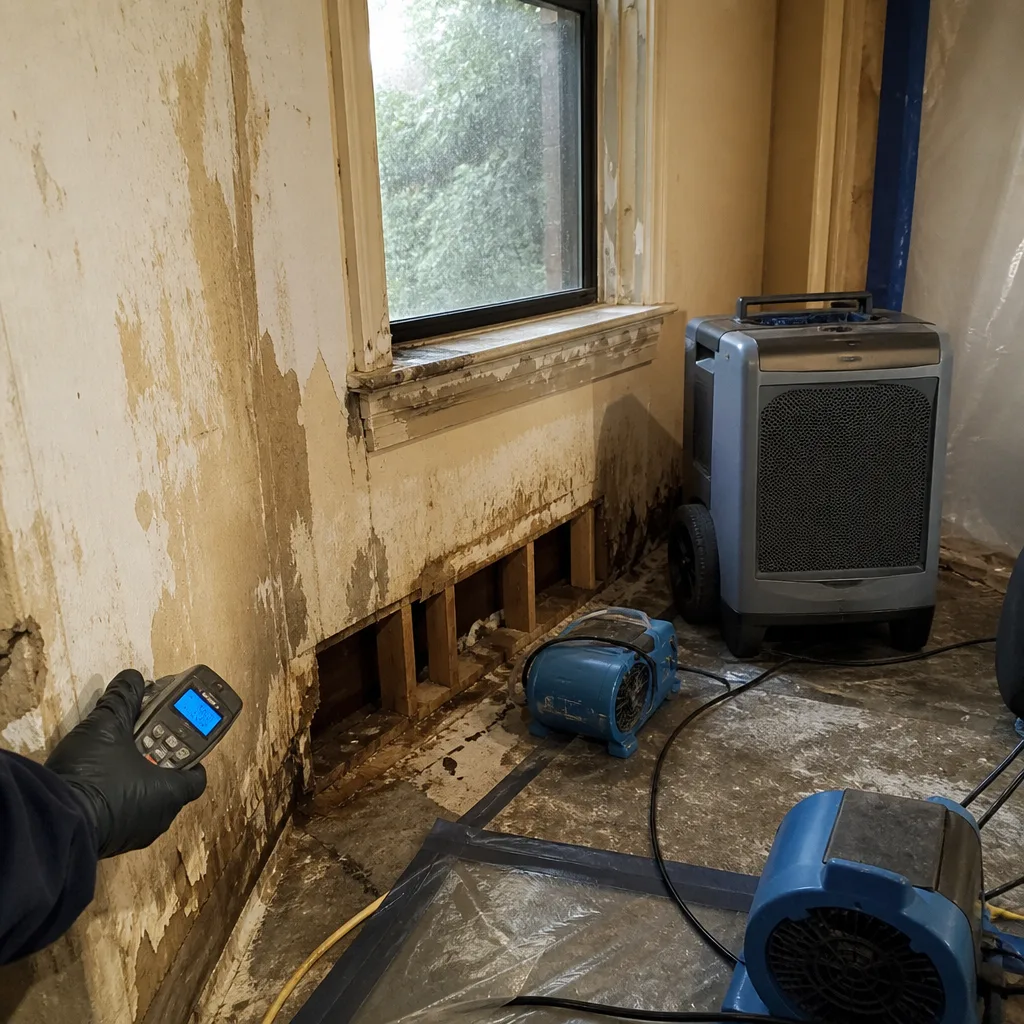 Before
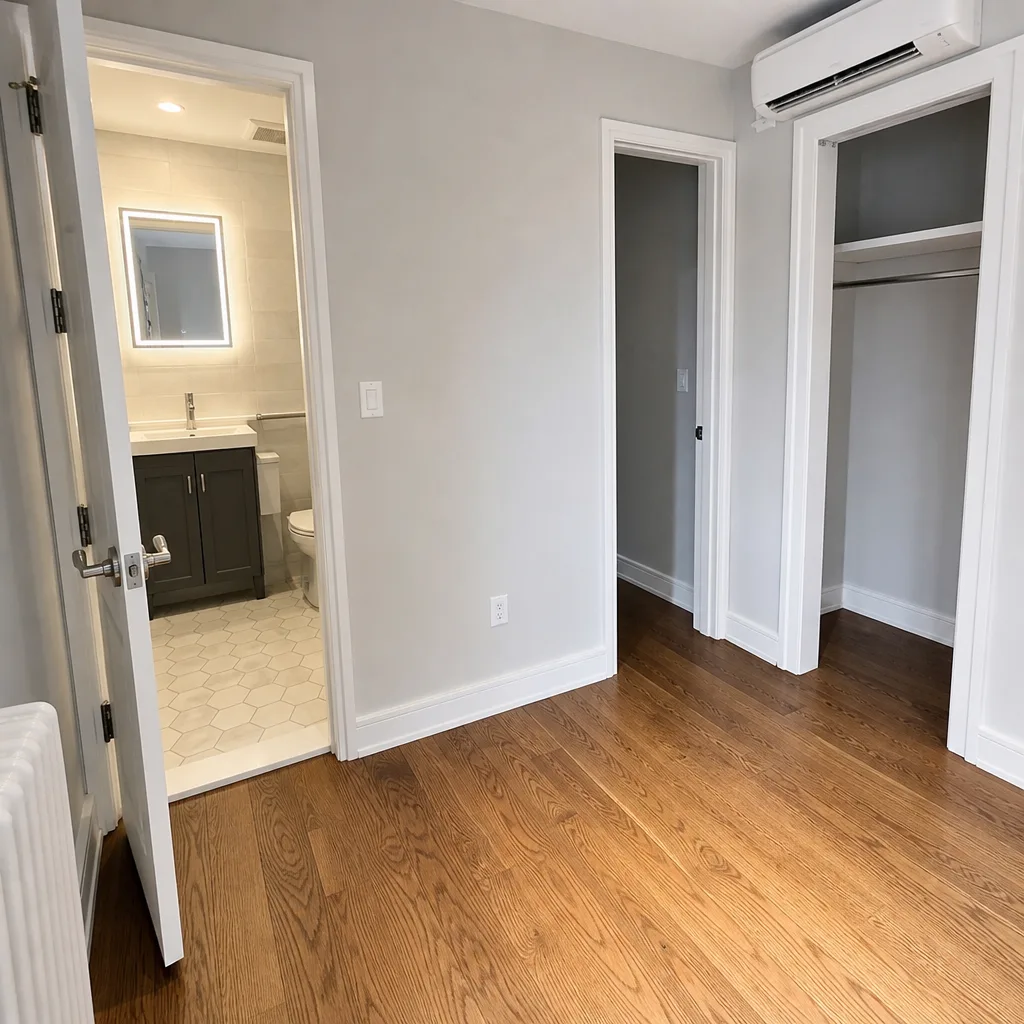 After
After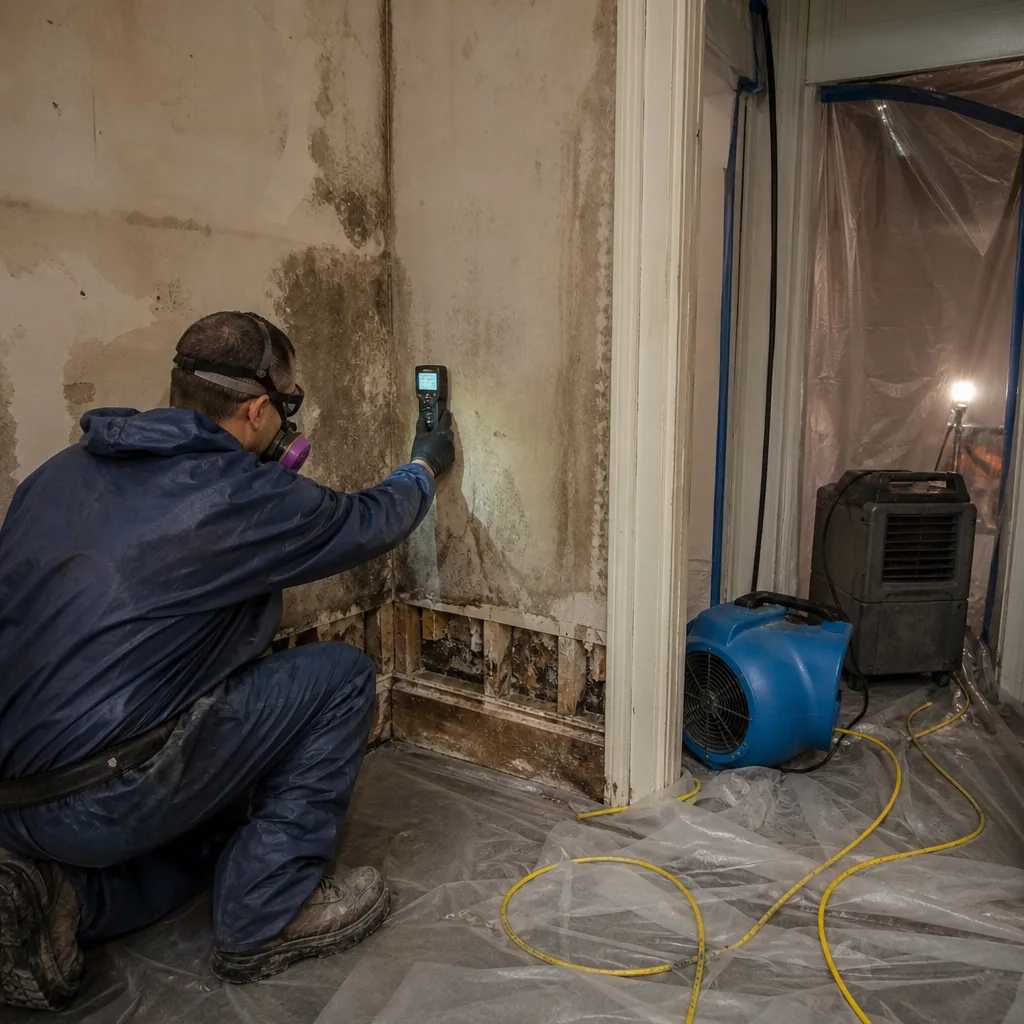 Before
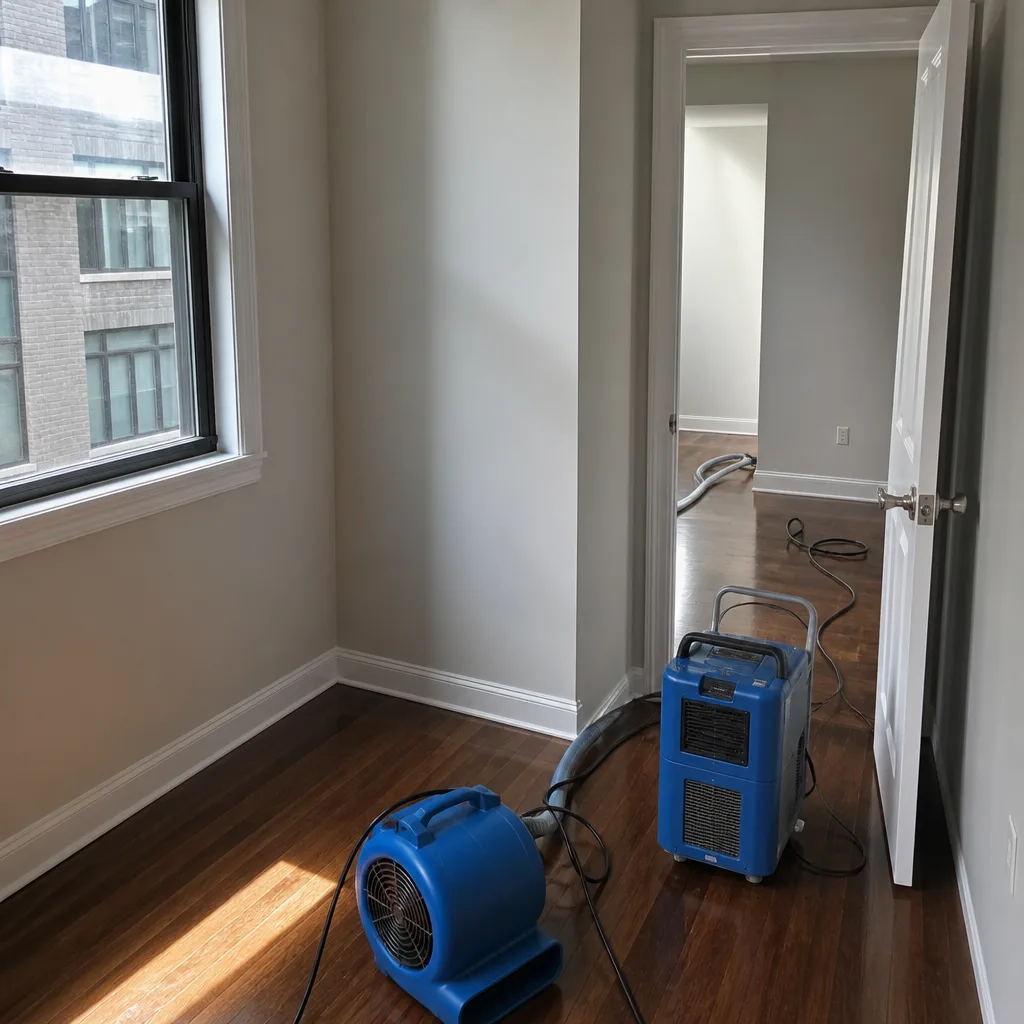 After
After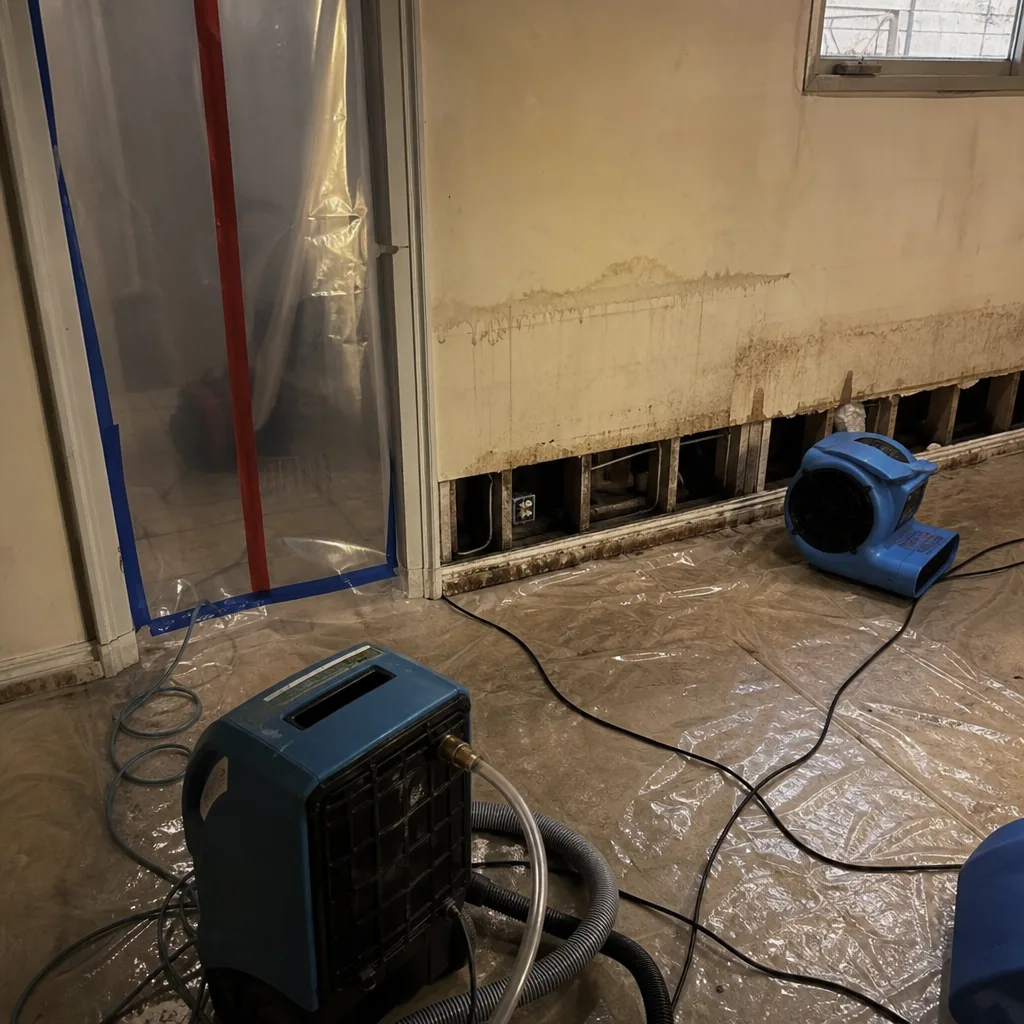 Before
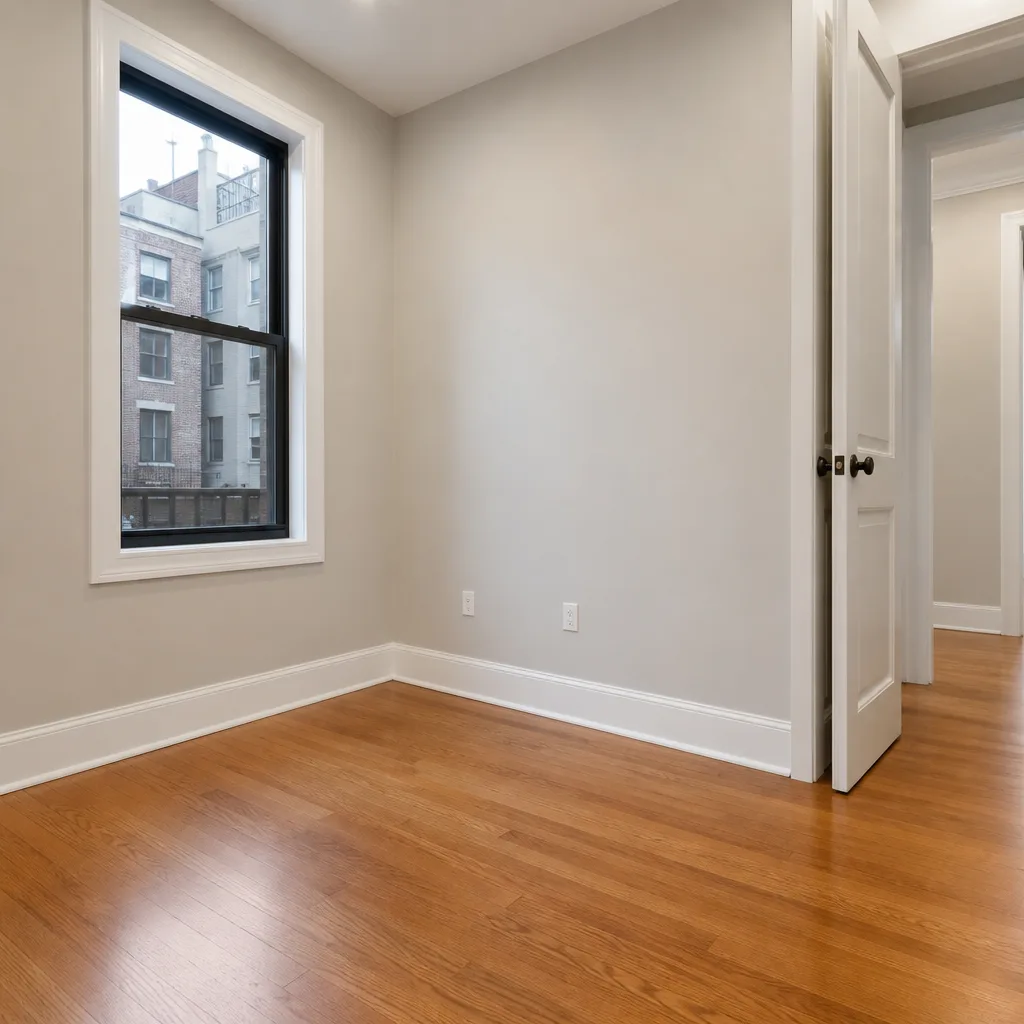 After
AfterSeasonal Damage Restoration Care for Midtown Manhattan: Year-Round Homeowner’s Guide
Midtown Manhattan’s worst freeze-related pipe claims don’t come from brutal January cold. They come from the mild days in late March, when building management throttles back the boiler before outdoor temperatures stabilize, leaving exposed risers in uninsulated ceiling cavities without protection. In twelve years of drying high-rise units from Sutton Place to Hudson Yards, we’ve learned that seasonal damage in Midtown follows a calendar you can read in advance. This guide maps each month to its actual failure point, gives you a simple inspection routine, and shows how to document what you find so a future claim starts with evidence, not argument. For a deeper look at prevention strategies, see our Complete Guide to Damage Restoration in Midtown Manhattan.
Quick Answer
Seasonal damage restoration care in Midtown Manhattan means inspecting six building systems on a fixed calendar: HVAC condensate lines in July, façade expansion joints in April, roof drains before February freezes, corridor temperatures adjacent to unit plumbing in December, chilled water line insulation in August, and PTAC drain pans in September. For a printable version of this schedule, see our Water Damage Restoration Maintenance Checklist for Midtown Manhattan Homeowners. Document each inspection with dated photos and a moisture meter reading, and you’ll have a pre-loss record that turns a disputed insurance claim into a documented event.
Table of Contents
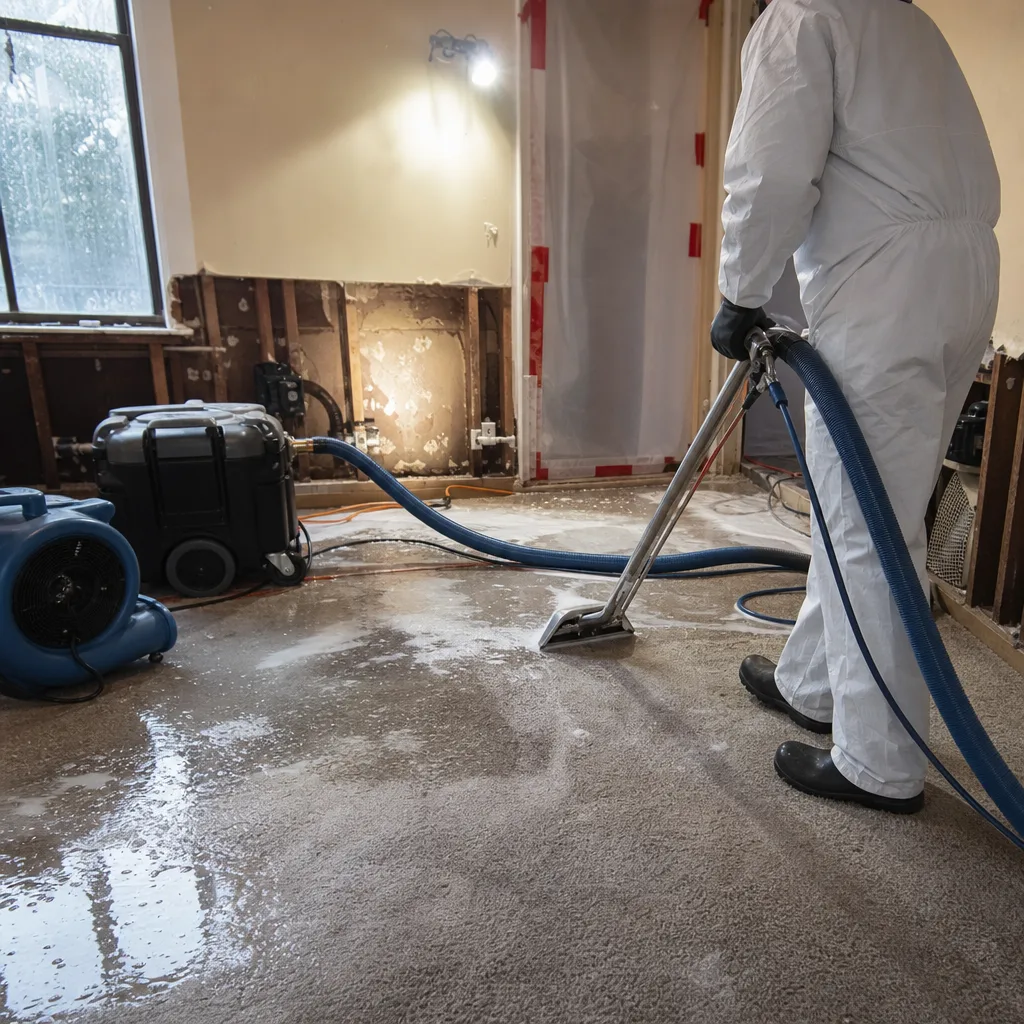
- Why Seasonal Inspections Matter in Midtown Manhattan
- January-March: Winter Risks and the March Thaw Trap
- April-June: Spring Façade and Drainage Failures
- July-September: Summer Condensation and HVAC Overload
- October-December: Fall Preparation and Corridor Monitoring
- How to Document Your Seasonal Inspections
- Working With Building Management: What to Put in Writing
- Common Mistakes to Avoid
- When to Call a Professional
- Frequently Asked Questions
- The Bottom Line
BeforeAfterWhy Seasonal Inspections Matter in Midtown Manhattan
Midtown Manhattan’s building stock is unlike anywhere else in the country. Pre-war co-ops with original plaster and terra cotta sit shoulder-to-shoulder with glass curtain-wall towers built after 2005. The 10007 zip code has different vulnerabilities than 10022, and both differ from the conversion lofts near the garment district. What they share is density: water moving in one unit travels to four others before anyone calls it in.
We’ve restored units in the DryMark Restoration Midtown Manhattan home service area where a single PTAC condensate overflow on the 18th floor created a $340,000 loss across nine units. The source was a 50-cent drain line with algae buildup that a flashlight and a moisture meter would have caught in July. The owner had no pre-loss documentation, so the carrier disputed whether the line had been maintained. Sixteen months of adjuster back-and-forth followed.
Seasonal inspection matters because insurance coverage is not automatic. Carriers increasingly require evidence that a homeowner took reasonable steps to prevent damage. A dated photo of a dry PTAC pan in September, with a moisture reading of 12% on the surrounding sill, becomes proof of maintenance. A verbal claim that “I checked it” does not.
The specific risks also vary by season in ways that generic national guides miss. Midtown’s high-rise HVAC systems run chilled water lines at 42°F through ceiling plenums in August, creating condensation on uninsulated sections that drips onto drywall below. This is not a leak in the traditional sense. It’s a thermal failure, and it requires a thermal camera or a non-invasive moisture meter to detect before the drywall stains. We use FLIR thermal imaging on every assessment, paired with pinless moisture meters from Delmhorst and Protimeter, because surface-dry drywall can hide 18% moisture content in the core.
Another Midtown-specific factor: proprietary lease structures in co-op buildings. In most NYC co-ops, the corporation owns the building, and shareholders own proprietary leases. The lease typically assigns responsibility for “fixtures and equipment within the walls” to the shareholder, but “building systems and common elements” to the corporation. The boundary line runs through the wall cavity, which means a frozen riser in a corridor ceiling can become a dispute over whether the shareholder’s insurance or the building’s policy pays. Documenting corridor temperatures adjacent to your unit’s plumbing, and putting findings in writing to building management, protects you in that dispute.
January-March: Winter Risks and the March Thaw Trap
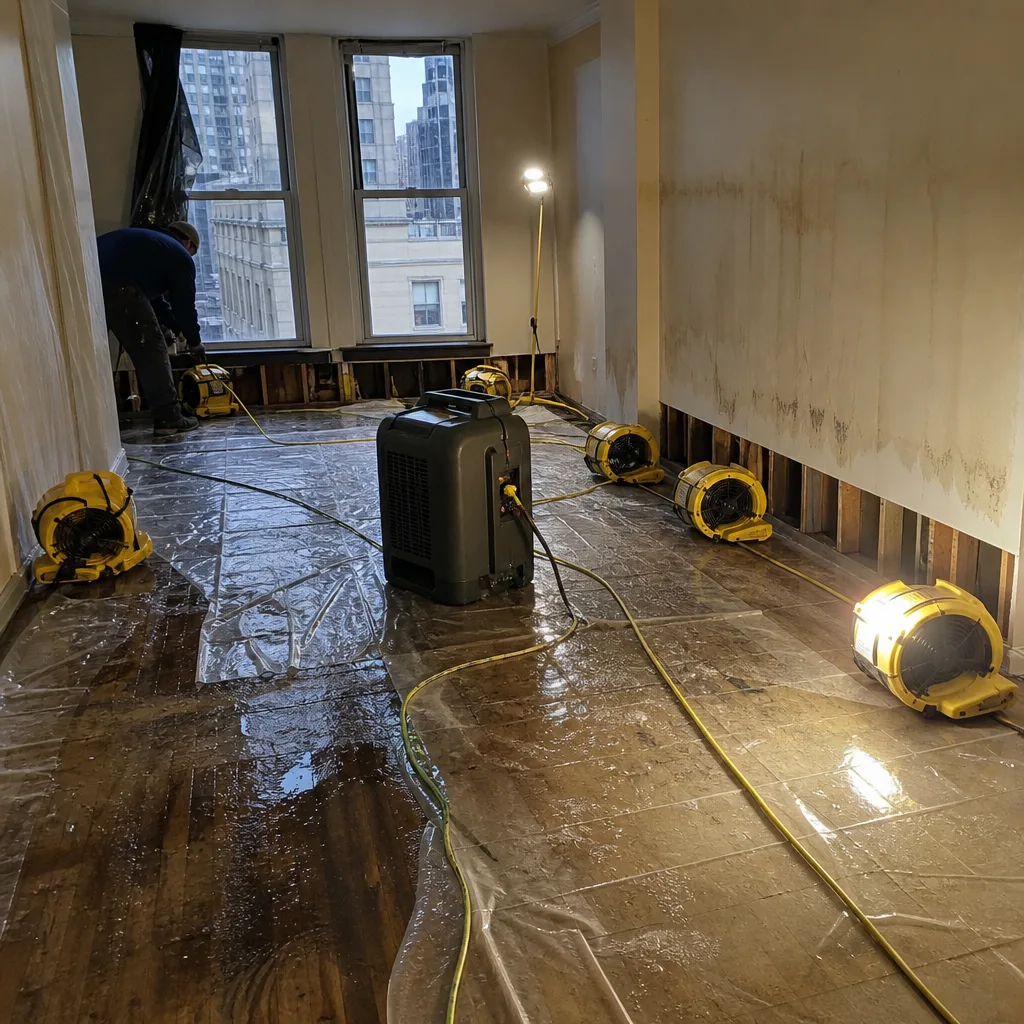
January in Midtown brings the obvious risks: frozen pipes in exterior walls, ice damming on low-rise sections, and boiler failures during cold snaps. But the claims we see most often in this period are not from record cold. They’re from moderate cold combined with building management errors.
In January 2018, during a week of single-digit temperatures, we dried a 14-unit loss on East 57th Street caused not by the cold itself but by a building engineer who closed a corridor vent to save heat, dropping the temperature in a plumbing chase from 55°F to 31°F. The riser froze, split, and released 400 gallons over six hours. The building’s policy covered the common areas. The shareholders’ policies fought over the units for eleven months.
What to Inspect in January and February
- Corridor temperatures adjacent to unit plumbing. Use an infrared thermometer on the wall or ceiling where your supply lines enter. Readings below 40°F warrant immediate written notice to building management. Note the date, time, exact location, and reading in a log.
- Roof drain condition. If you have roof access or a terrace, check that drains are clear of leaf debris before hard freezes. A blocked drain forms an ice dam that can back water under parapet coping and into the top-floor unit. In February 2022, we handled a $220,000 loss on West 44th Street from exactly this sequence.
- Window frame seals. Cold air infiltration around aluminum window frames in post-war buildings creates condensation that migrates into plaster. Look for staining at the lower corners of window surrounds. A moisture reading above 16% on pinless meter indicates active migration.
The March Thaw Trap
March is the most dangerous month for freeze claims in Midtown, and most homeowners miss why. Building boilers run on outdoor reset controls that modulate water temperature based on ambient air. When March brings a 50°F day after a 15°F week, the boiler drops its output dramatically. If the night temperature then falls to 25°F, the building’s thermal mass has cooled, and the boiler may not recover before morning. Exposed risers in uninsulated spaces, which were fine in January at constant high heat, freeze in March’s variable conditions.
We saw this pattern in March 2019 on Lexington Avenue: three buildings, same management company, same week. The boiler reset algorithm failed to anticipate a cold snap after a warm spell. Sixteen units affected. The management company’s defense was that the temperatures were “not extreme.” The carriers paid, but only after eight months of documentation requests.
Your March inspection: check the temperature in your utility closet or the ceiling access panel where your lines enter. If the space feels cooler than the occupied rooms, photograph the area with a thermometer in frame, and email building management with the reading. Haven Standard Clause 1 applies to our work, not yours, but the principle is identical: get it in writing before the loss, not after.
April-June: Spring Façade and Drainage Failures
April in Midtown brings freeze-thaw cycling that expands and contracts building façade joints. Terra cotta, limestone, and precast concrete all move at different rates. The sealant between them, typically polyurethane or silicone, fatigues over 5-7 years of cycles. Water enters in April’s driving rains, follows gravity through the wall cavity, and exits where it finds a path: often a window head or a floor slab edge inside your unit.
We’ve documented this pattern with moisture mapping in buildings from the East 50s to the West 30s. The water source is rarely visible from inside. It requires tracing the moisture gradient with a meter, reading from the known wet area back toward the exterior until the readings drop. The point where they spike again indicates the entry path.
Façade Joint Inspection Routine
- Exterior visual from your windows. Use binoculars or a telephoto lens to examine the façade directly above and beside your unit. Look for missing sealant, cracked caulking, or staining on the exterior that indicates water tracking.
- Interior moisture mapping. Starting at any existing stain, take moisture readings at 12-inch intervals horizontally and vertically until you find dry substrate. Mark the wet boundary with painter’s tape, photograph with a ruler for scale, and date the image.
- Compare to building maintenance records. Most Midtown co-ops and condos perform façade inspection under Local Law 11 every five years. Request the most recent report. If it identified conditions above your unit that were not repaired, that documentation supports a claim against building negligence rather than your own policy.
May and June bring another risk: the first heavy use of air conditioning after winter shutdown. Condensate lines that sat dry for six months may have cracked, disconnected, or accumulated debris. The first cooling day is when these failures appear. We recommend a controlled startup: run your PTAC or central air for 30 minutes, then inspect the drain outlet with a flashlight and check the pan with a moisture meter. A reading above 10% on the pan surface indicates standing water or poor drainage.
In June 2021, we responded to a call on West 53rd Street where a homeowner had noticed “a little water” under their PTAC after the first hot day. The pan had a hairline crack that released condensate into the wall cavity for three weeks before the plaster collapsed. The moisture content in the stud bay was 34%. The drying required Injectidry floor mats, a Phoenix 200MAX dehumidifier, and six days of controlled drying to IICRC S500 standards. A 30-minute June inspection would have caught the crack.
July-September: Summer Condensation and HVAC Overload
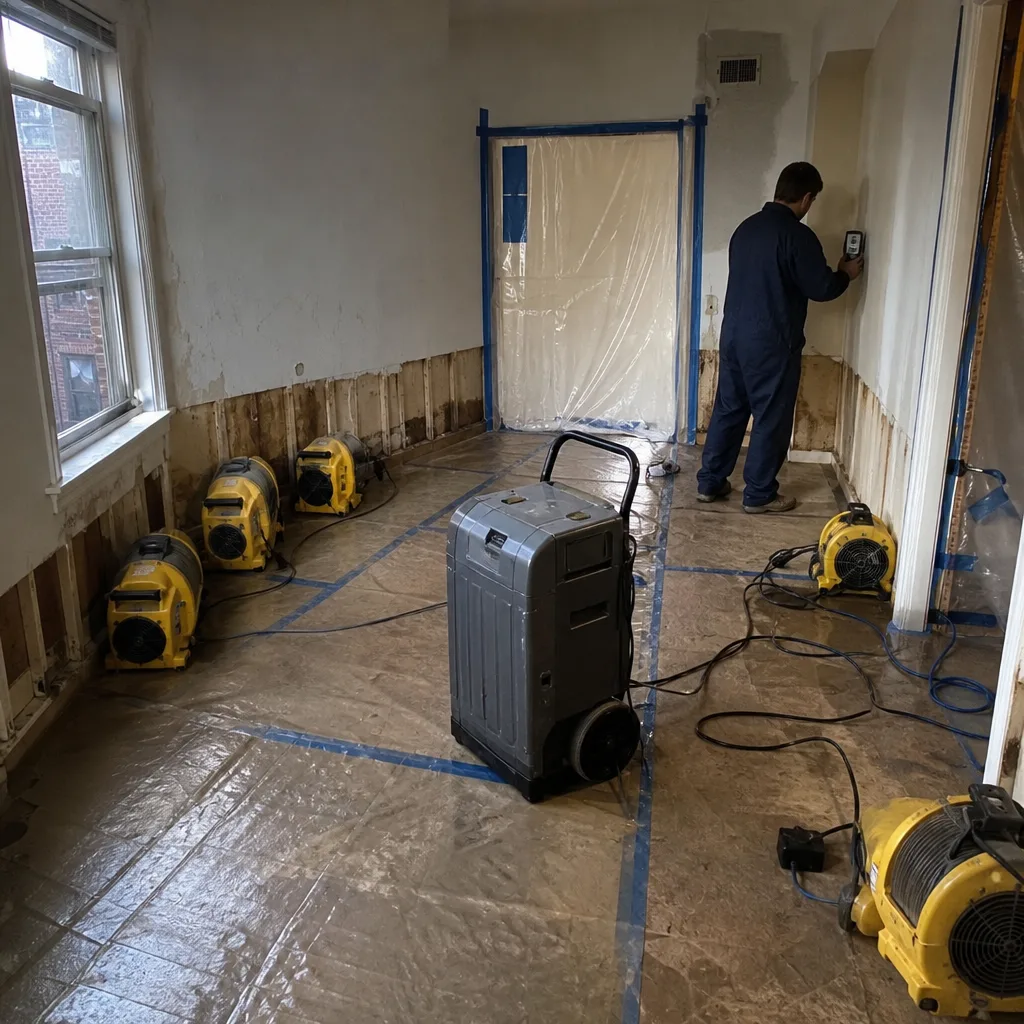
July in Midtown is when high-rise buildings show their thermal weaknesses. Chilled water lines run at 40-45°F through ceiling plenums and riser closets. When outdoor humidity hits 75% and the building envelope leaks warm, moist air into these spaces, condensation forms on any uninsulated section. This is not a plumbing leak. It’s a psychrometric event: warm air hits a cold surface, reaches dew point, and deposits liquid water.
We use the term psychrometric data to describe the relationship between temperature, humidity, and moisture capacity that governs this process. In plain terms: the amount of water air can hold doubles with every 20°F temperature increase. When 85°F humid corridor air contacts a 42°F chilled water line, the air gives up its moisture on the pipe surface. That water then drips onto ceiling tiles, electrical conduit, or your unit’s drywall.
July and August Inspection Points
- Chilled water line insulation in accessible ceiling spaces. If you have a drop ceiling in a bathroom or kitchen, lift a tile during peak cooling season and photograph the lines. Look for gaps in fiberglass insulation, vapor barrier tears, or corrosion on the pipe that indicates chronic wetting. A thermal camera, or even a cheap IR thermometer, will show cold spots where insulation has failed.
- HVAC condensate pan overflow. Central air handlers in Midtown buildings often have secondary pans with float switches, but the switches fail or get bypassed by maintenance staff who got tired of callbacks. Check that your unit’s secondary drain line is clear and that the float switch, if present, is not taped in the closed position. We’ve found three in that condition this year alone.
- PTAC condensate drainage. Packaged terminal air conditioners are the workhorse of Midtown residential buildings. They produce 2-5 gallons of condensate daily in humid weather. The drain line is a 3/4-inch PVC or flexible tube that exits through the wall. Algae growth in the line, common after wet springs, blocks flow and backs water into the unit. Run a wet/dry vacuum on the exterior drain outlet for 30 seconds in July. If you pull green or black sludge, the line needs cleaning before August’s humidity peaks.
August is also when building cooling systems run at maximum capacity, and the age of Midtown’s infrastructure shows. We restored a unit in August 2020 where a building’s chilled water pump failed on a Saturday, and the backup pump had been removed for repair two months prior with no replacement. The building warmed to 94°F interior temperature, and residents opened windows. When the pump was repaired Sunday night, the sudden cooling of saturated interior air dumped condensate on every cold surface in the building. Twelve units required drying. The building’s insurer paid, but only after we provided psychrometric logs showing the dew point spike and the resulting condensation rate.
September is your window to prepare for heating season. Have the boiler inspected, but also inspect what the heating season will stress: the expansion and contraction of radiator valves, the condition of steam trap gaskets, and the integrity of pipe insulation that will now face 180°F rather than 42°F. A valve that wept slightly in summer may spray when thermal expansion increases pressure. Document its condition in September with a photo, and you have a baseline if it fails in January.
October-December: Fall Preparation and Corridor Monitoring
October in Midtown is when building management transitions from cooling to heating, and the transition itself creates risk. Steam systems that have sat idle for five months develop leaks at valve packings and trap connections when first pressurized. Hot water systems may have air locks that cause circulation problems and localized overheating. Both can produce water damage, but the more common October claim we see is from hydrostatic testing of sprinkler systems, required annually by NFPA 25.
Building engineers test standpipes and sprinkler risers by pressurizing them to 200 psi. A weak joint, a corroded fitting, or a improperly tightened cap fails under test. The water volume in a Midtown high-rise standpipe is substantial: a 6-inch riser holds roughly 1.5 gallons per foot of height. A 40-story building has 480 gallons in the riser alone, plus the volume in the cross-mains. When a test fails above your unit, the water follows gravity.
October Inspection Tasks
- Request the building’s sprinkler test schedule. Most management companies will provide this if asked. Plan to be home during the test, or have a neighbor check your unit immediately after. Look for any water staining on ceiling tiles, especially near standpipe locations.
- Inspect radiator valves and steam traps. On a cold day when heat is first provided, check that valves open and close without leaking at the stem packing. A small leak here becomes a large leak under full steam pressure. Photograph any weeping.
- Check weatherstripping on terrace or balcony doors. Fall wind-driven rain tests these seals before winter snow. Failed seals allow water that freezes and expands, damaging thresholds and allowing deeper infiltration.
November and December return us to corridor temperature monitoring, but with a specific Midtown twist. Many buildings now use variable refrigerant flow (VRF) systems or heat pumps for supplemental heating, and these systems have condensate drains that operate in heating mode due to defrost cycles. A drain line that was dry in October may be active in December, and if it was not pitched correctly during summer installation, it may freeze and back up.
December is also when holiday occupancy patterns change risk. Residents travel, units sit unheated, and thermostats set to 55°F may not maintain that temperature in exterior rooms during a cold snap. If you’re traveling for more than 48 hours, leave cabinet doors open under sinks to allow warm air circulation, and ask building management to confirm corridor temperatures will be maintained. Get their confirmation in writing. In December 2017, we dried a unit on West 38th Street where the owner was in Florida, the building reduced corridor heat to 60°F to save costs, and a kitchen supply line froze behind a closed cabinet door. The loss was $89,000. The building’s written policy was 68°F minimum corridors. The actual temperature was 58°F. The owner had no documentation of the policy violation.
How to Document Your Seasonal Inspections
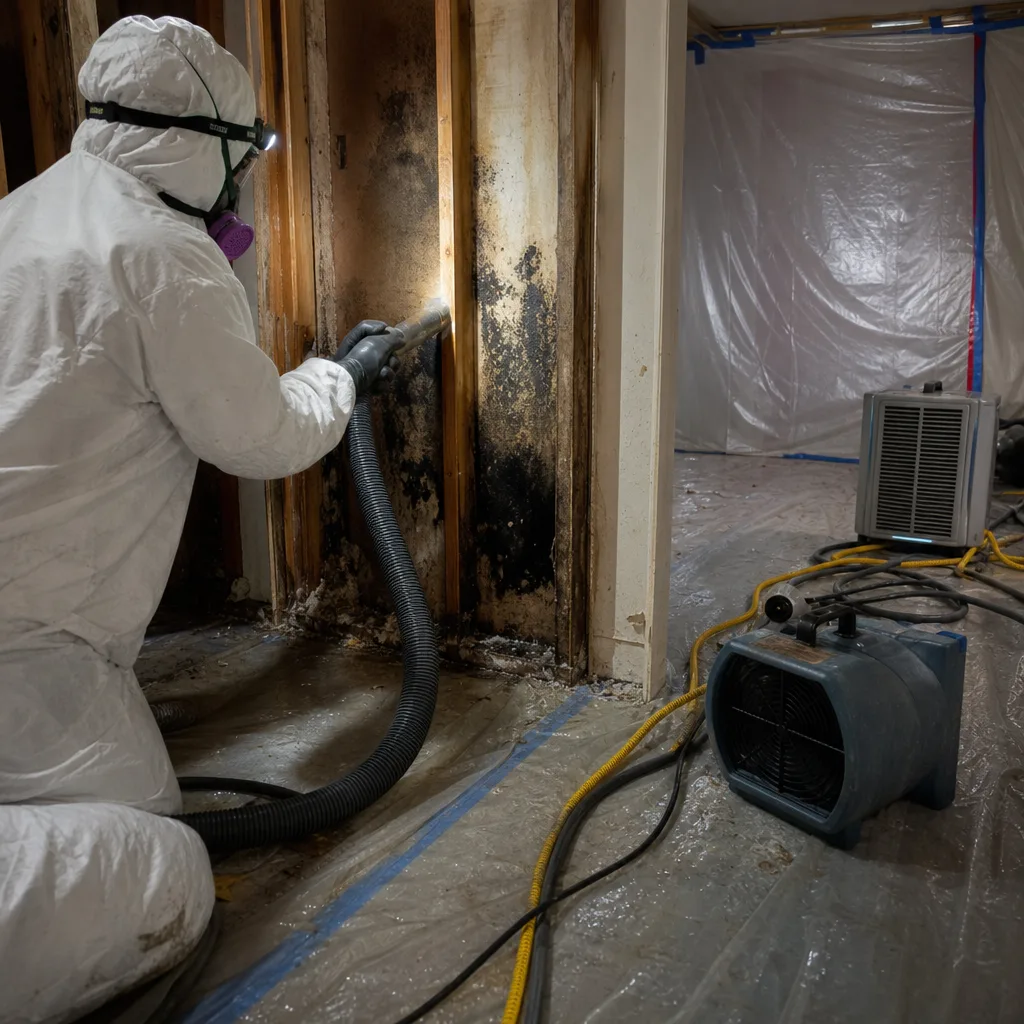
Documentation is where most homeowners fail, and where claims get denied. An insurance adjuster’s first question after water damage is often: “When did you last inspect this area?” A verbal answer is worthless. A dated photo with a moisture reading is evidence.
We structure our documentation at Water Damage Restoration in Midtown Manhattan around four deliverables: the photo record, the drying log, the written scope, and the signed warranty. You can adapt this framework for your seasonal inspections.
The Homeowner’s Seasonal Log
Create a simple document, digital or physical, with these columns:
- Date and time of inspection
- Location (room, wall, equipment)
- What was inspected
- Instrument reading (moisture %, temperature °F, humidity %)
- Condition found (dry, damp, wet, damaged, repaired)
- Photo file name or number
- Action taken or notice given
For moisture readings, a pinless meter is sufficient for homeowner use. We recommend the Delmhorst BD-2100 or Protimeter Surveymaster for reliability, but even a $50 meter from a hardware store provides a dated reading that beats no reading. The key is consistency: same meter, same depth setting, same measurement locations each season.
Photograph every reading with the meter in frame, showing the location. A photo of “14% on window sill, northeast bedroom, March 15” has context. A photo of just the meter display does not. Store these in a dedicated folder, cloud-backed, with filenames like “2025-03-15_NE_bedroom_sill_14pct.”
If you find a condition that requires building management attention, email them with the photo attached and keep the sent message. The email timestamp becomes your documentation. If they don’t respond, send a follow-up. Silence is not consent, and a pattern of unaddressed notices strengthens your position if their inaction contributes to a loss.
For significant findings, consider a professional assessment. Mold Remediation in Midtown Manhattan often starts with moisture that was documented but not addressed. A $150 moisture mapping visit in April can prevent a $15,000 mold remediation in August.
Working With Building Management: What to Put in Writing
Midtown Manhattan’s housing stock is overwhelmingly cooperative or condominium, which means you don’t own the building envelope, the mechanical systems, or the common corridors. You do own the consequences when they fail. The proprietary lease or offering plan defines responsibilities, but in practice, the boundary is disputed after every major loss.
Your protection is written communication, sent before the loss, that establishes notice of a condition.
What to Request From Management
- The building’s seasonal maintenance schedule. Most management companies have one, even if informal. Request the specific dates for boiler startup, sprinkler testing, façade inspection, and HVAC filter changes. Cross-reference against your own inspection calendar.
- Temperature maintenance policies for corridors and utility spaces. Ask for the minimum temperature the building maintains in corridors, riser closets, and other spaces containing your plumbing. If they won’t provide a number, that’s information too.
- Recent Local Law 11 façade inspection reports. These are public filings, but getting the specific report for your building requires a request. Focus on conditions identified above or adjacent to your unit.
What to Put in Writing to Management
When you find a condition that concerns you, email the superintendent or managing agent with:
- The specific location and nature of the condition
- The date and time you observed it
- Any instrument readings (temperature, moisture)
- A clear request for specific action
- A reasonable deadline for response
Example: “On March 18, 2025, at 9:15 AM, I measured the temperature in the ceiling access panel outside unit 12C at 34°F using an infrared thermometer. This panel contains the supply riser for my unit. I request that building maintenance inspect and restore heating to this space to prevent freeze risk. Please confirm receipt and expected response date.”
If they don’t respond in 48 hours, send a follow-up. If they don’t respond to that, consider escalating to the board or your insurance broker. The goal is not to be difficult. It’s to create a paper trail that shows you fulfilled your duty to mitigate, and that any loss resulted from their failure to act on notice.
In our experience with Fire & Smoke Damage Restoration in Midtown Manhattan and other lines, the claims that resolve fastest are those with the clearest documentation of notice and response. The claims that drag on for years are those where both sides argue about who knew what when.
Common Mistakes to Avoid
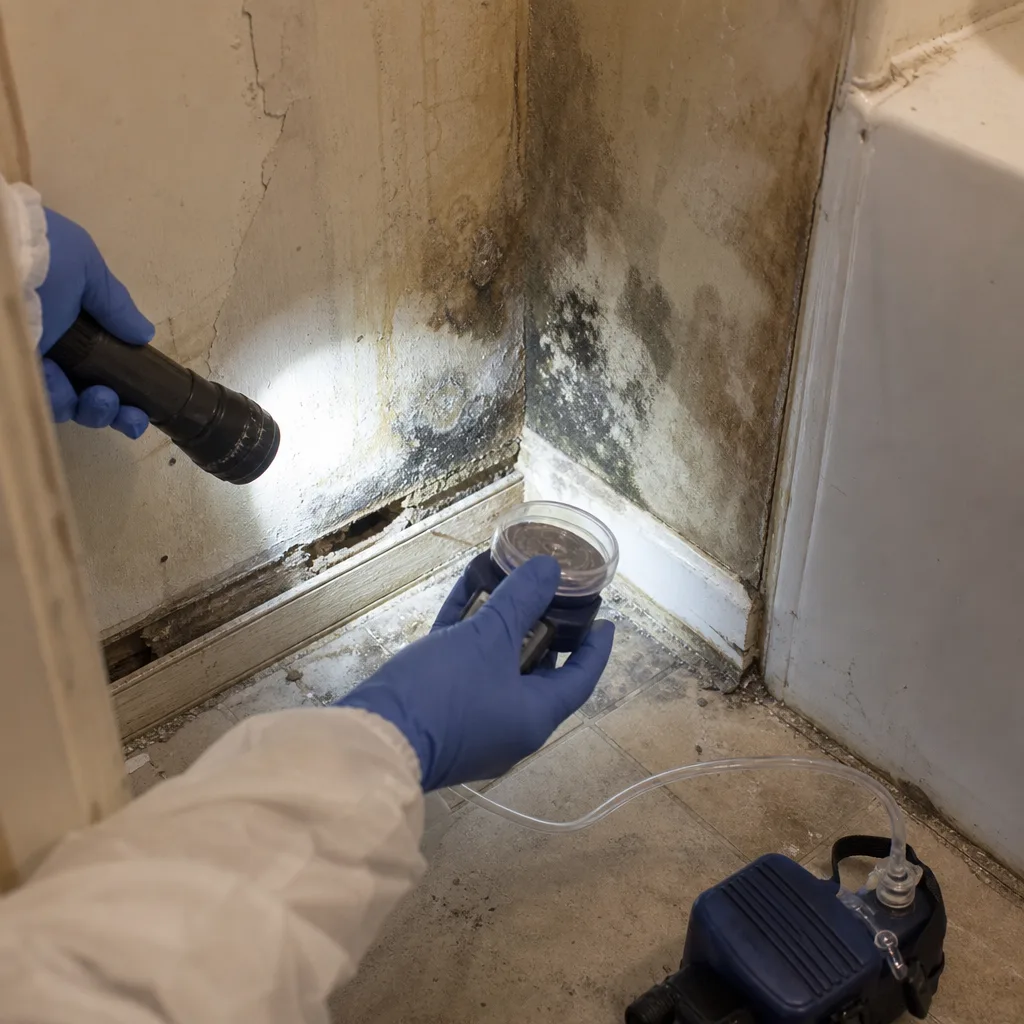
- Assuming building insurance covers everything in a common-area failure. Most building policies have large deductibles that the board may assess to shareholders, and coverage disputes between building and unit policies can take years. Document your own conditions independently.
- Checking only visible plumbing. In Midtown high-rises, 60% of the pipe length is in common areas or wall cavities you can’t access. Monitor what you can (corridor temperatures, pressure changes, meter readings) and put findings in writing.
- Using the same inspection routine year-round. July’s risk is condensate drainage; February’s is freeze protection. A generic quarterly checklist misses the seasonal specificity that prevents claims.
- Trusting management’s verbal assurances. “We’ll take care of it” is not a maintenance record. Follow up verbal conversations with confirming emails, and keep the thread.
- Ignoring small moisture readings. A 15% moisture reading on drywall is not an emergency, but it’s a baseline. If it’s 22% six months later, you have documented progression. If you never measured again, you have an argument.
- Failing to photograph instrument readings in context. A photo of a meter display proves nothing about where or when it was taken. Always include the location, a reference object, and a date stamp.
- Waiting for visible damage before calling a professional. By the time drywall stains or plaster cracks, the moisture has been present for weeks. Early moisture mapping costs a fraction of late-stage remediation.
When to Call a Professional
Call a restoration professional when moisture readings exceed 17% on drywall or 20% on wood framing, when you smell mustiness without a visible source, when a seasonal inspection reveals a condition building management won’t address, or when any water event affects more than one room or has been present for more than 24 hours. These thresholds are based on IICRC S500 standards for Category 1 water and the growth curve of common indoor molds, which accelerate after 48 hours of moisture exposure.
DryMark Restoration Midtown Manhattan offers free estimates in Midtown Manhattan. Our assessments include moisture mapping with documented readings, thermal imaging to trace hidden moisture paths, and a written scope with pricing before any work begins, per Haven Standard, Clause 1. Every job is covered by our 365-Day Done Right Promise, and we provide a documented photo record on every visit. Call (862) 212-1646 to schedule an assessment or to request a free second opinion on any competitor’s written estimate, and explore more guides & resources on protecting your Midtown home.
Frequently Asked Questions
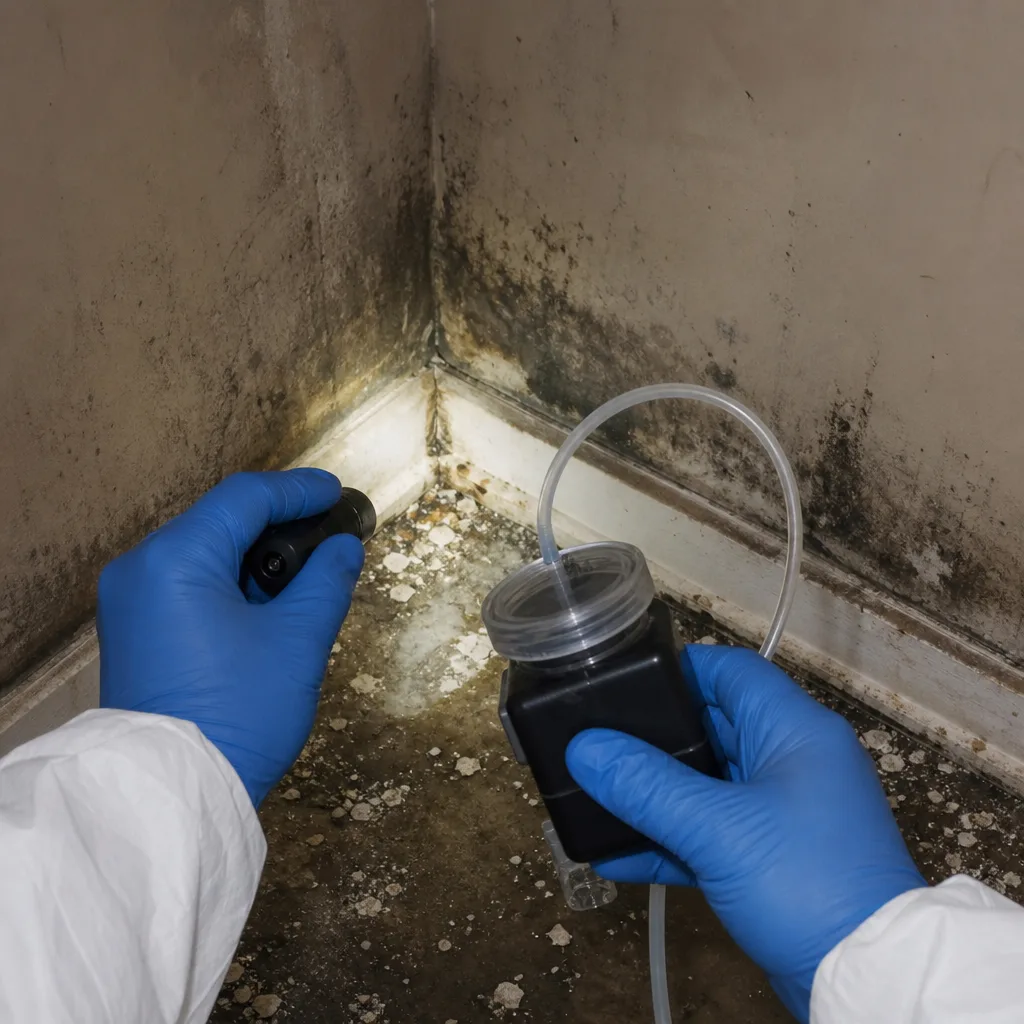
Professional moisture mapping for a typical Midtown apartment ranges from $150 to $400, depending on square footage and accessibility. For detailed pricing factors, see our Damage Restoration Cost Breakdown: The Midtown Manhattan Homeowner’s Reference for 2026. The assessment includes documented moisture readings, thermal imaging, and a written report with photos. Call (862) 212-1646 for exact pricing on your unit - estimates are free.
Insurance may still cover the loss, but the claim process becomes harder. Carriers increasingly look for evidence of maintenance and early detection. A documented inspection history strengthens your position if the carrier alleges neglect or gradual deterioration. Without documentation, you rely on verbal testimony alone.
Responsibility depends on your proprietary lease and the pipe’s location. Generally, pipes in common areas are the building’s responsibility, but damage to your unit’s finishes may fall under your policy. Document corridor temperatures and notify management in writing of any cold conditions - this creates a record of their duty to maintain.
We answer every call live, 24 hours a day, 7 days a week, with no voicemail trees. Emergency dispatch for water damage is typically under 90 minutes in Midtown Manhattan during normal conditions. For storm-scale events, we prioritize by safety risk and active water flow. Call (862) 212-1646 at any hour.
Fans move air but don’t remove moisture from the air, which is what stops secondary damage. Professional drying uses dehumidifiers sized to the space’s volume, air movers positioned for laminar airflow, and daily moisture logs to document progress. In Midtown’s dense construction, moisture often hides in wall cavities that fans cannot reach. We use Injectidry systems and Phoenix dehumidifiers to dry these spaces without demolition.
Every job includes a written price before work begins (Haven Standard, Clause 1), a photo record on every visit, daily moisture logs with psychrometric data, and a final drying certificate. These documents are designed to turn restoration invoices into payable insurance claims without adjuster dispute. We also coordinate directly with adjusters when requested.
The Bottom Line
Seasonal damage restoration care in Midtown Manhattan is not about preventing every possible loss. It’s about shifting the burden of proof when a loss occurs. A homeowner with dated photos, moisture readings, and written notices to building management starts the claims process with evidence. One without documentation starts with argument. The inspection calendar is simple: HVAC condensate in July, façade joints in April, roof drains in February, corridor temperatures in December, chilled water lines in August, PTAC drains in September. Document each with a photo and a reading. Put concerns to management in writing. And when conditions exceed your ability to monitor or mitigate, call for professional assessment before the damage compounds.
Written by Alicia Brennan, Owner at DryMark Restoration Midtown Manhattan, serving Midtown Manhattan since 2011.