
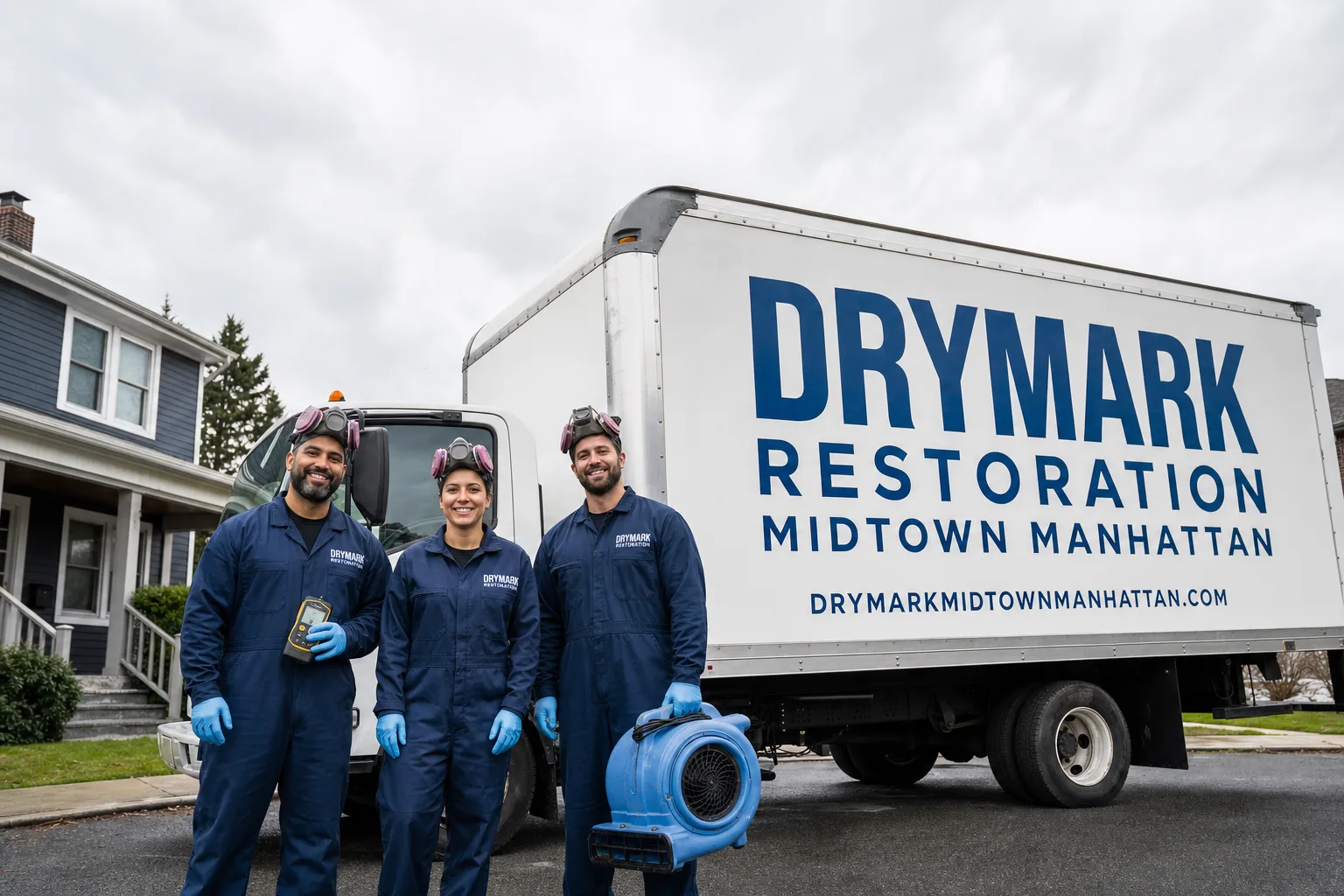
Free visual inspection and a written scope of work before any mitigation begins - photos, moisture readings, and drying logs go in your claim file
The scope we write is the scope we bill. Anything new gets shown to you, in writing, before we touch it.
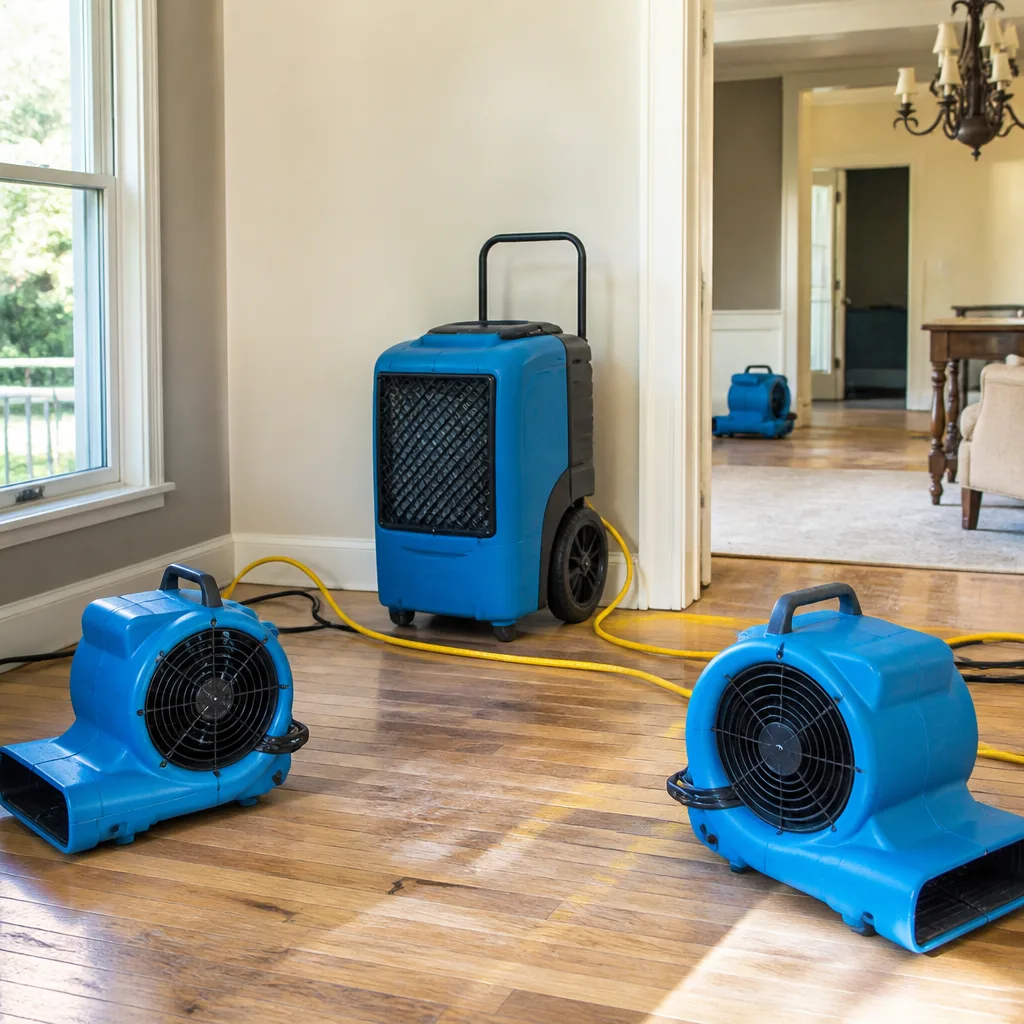
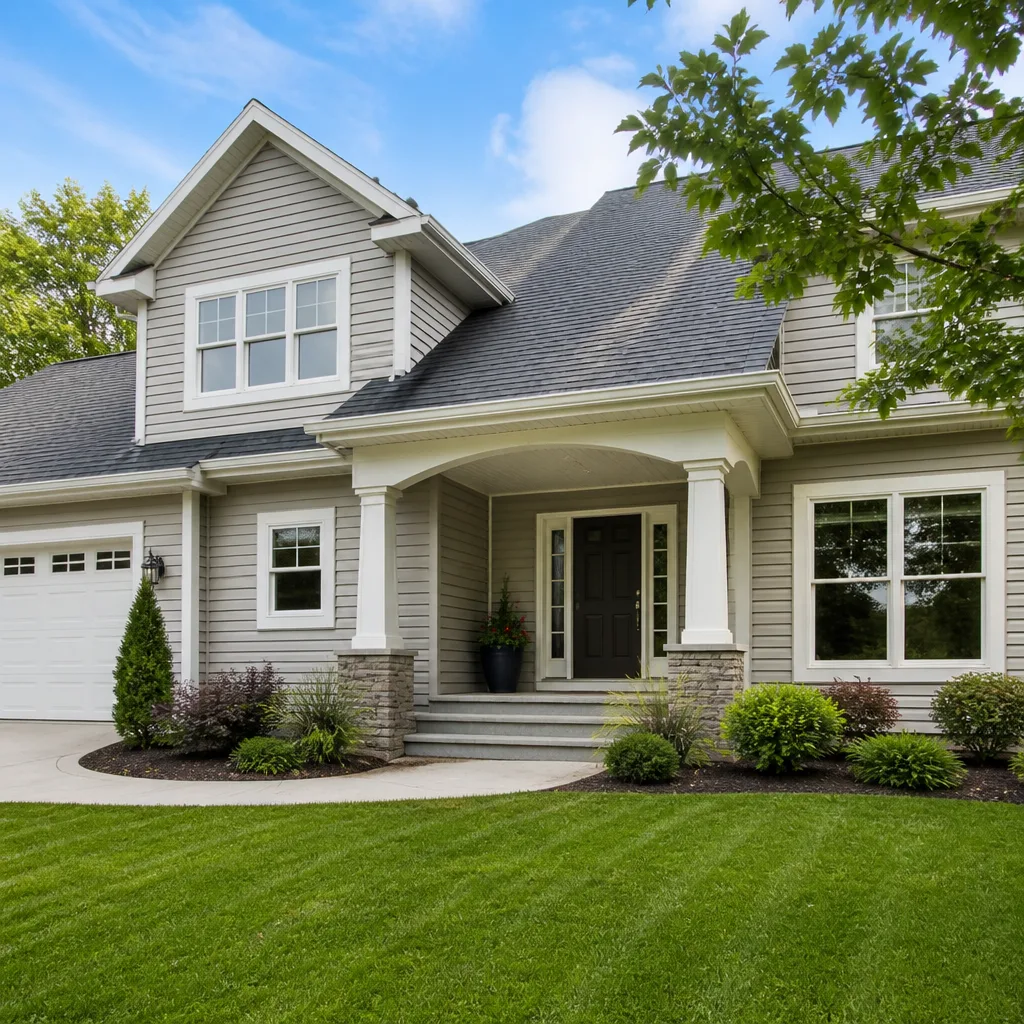
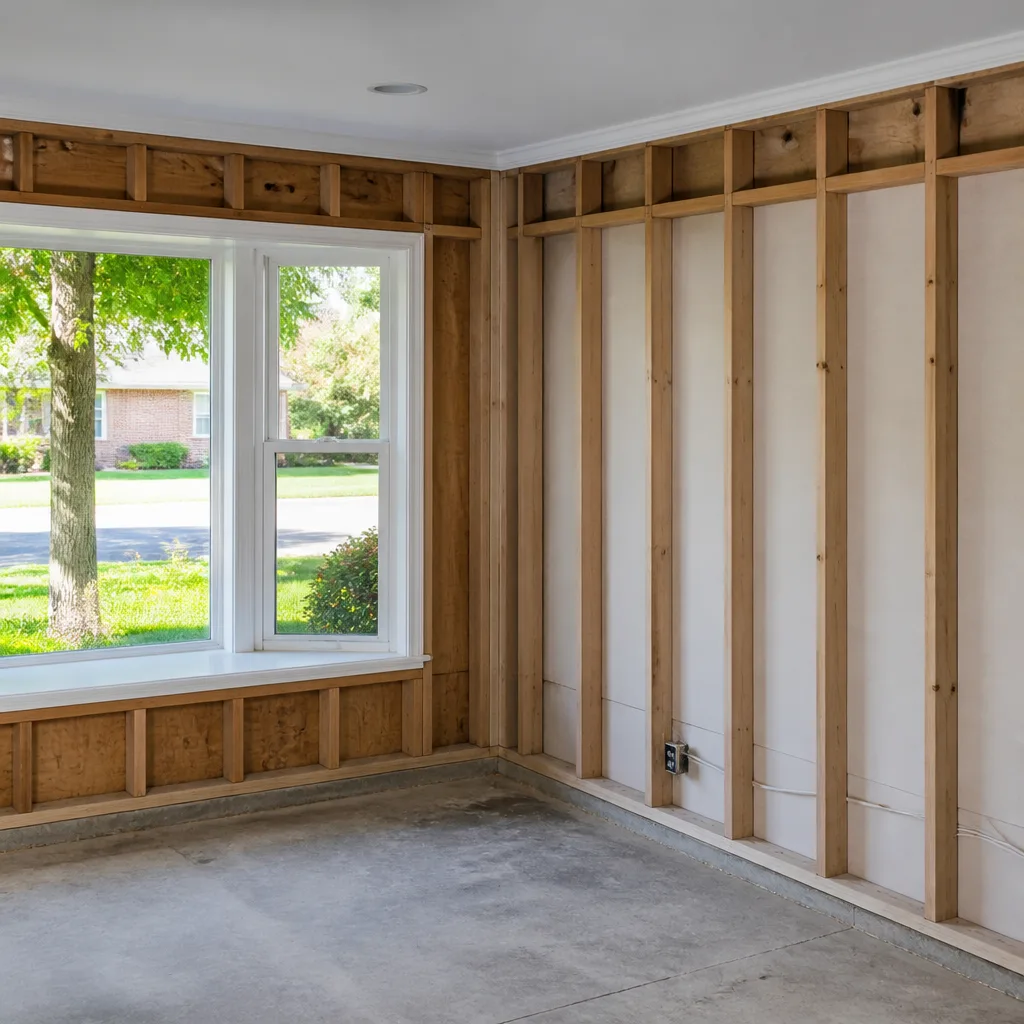
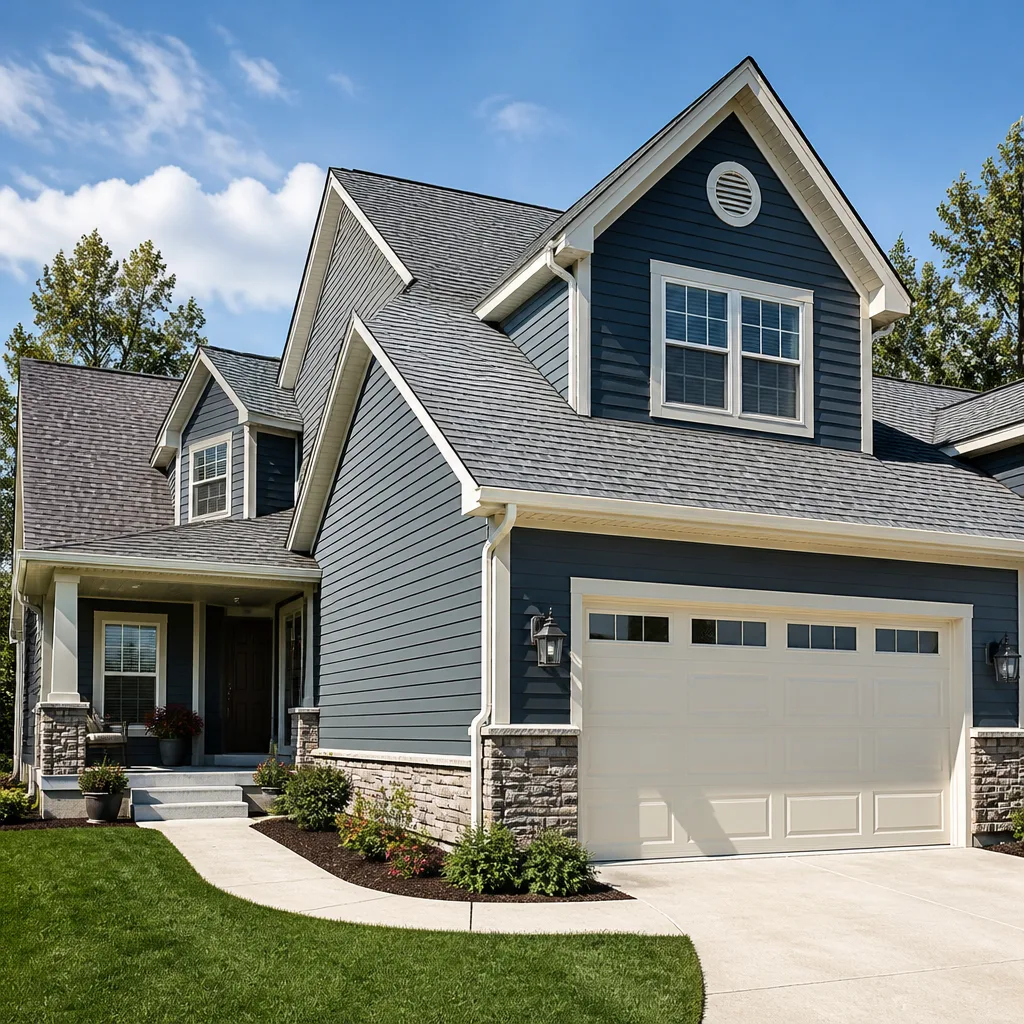
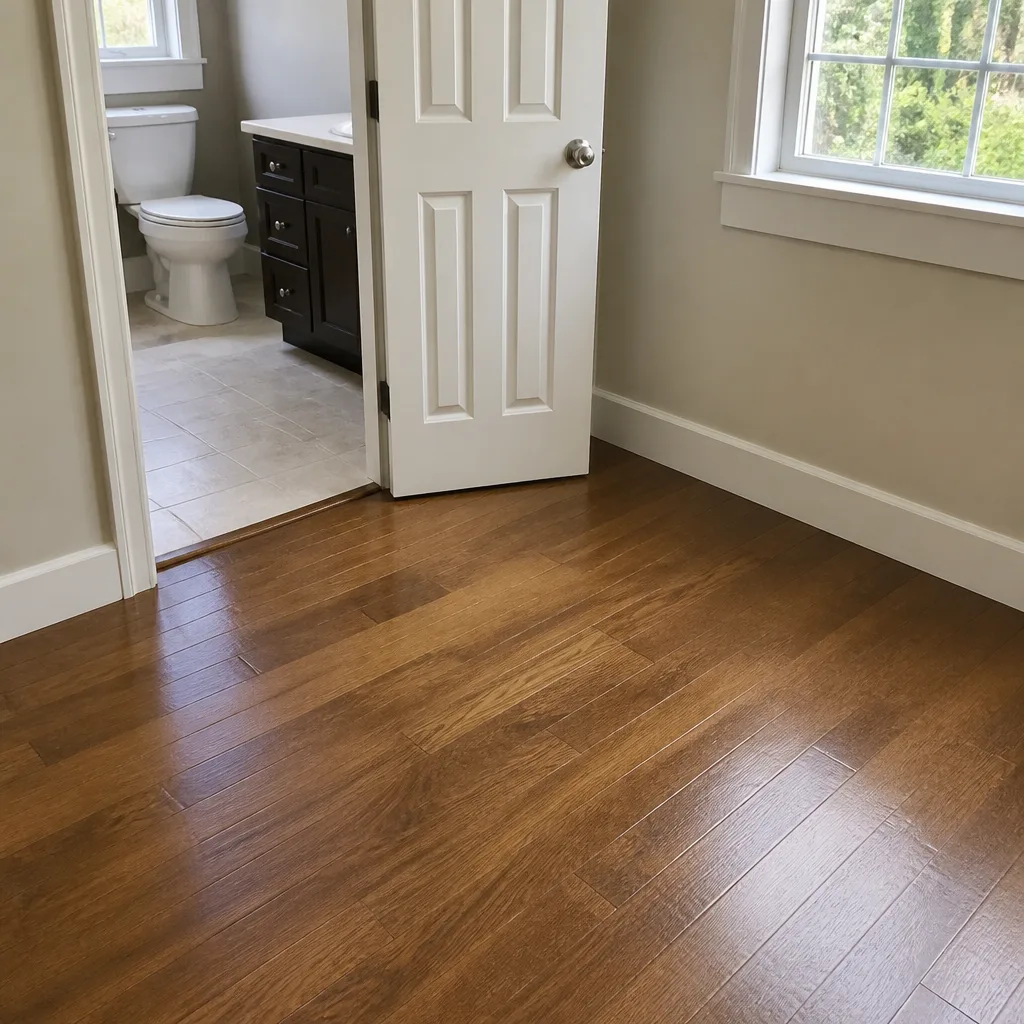
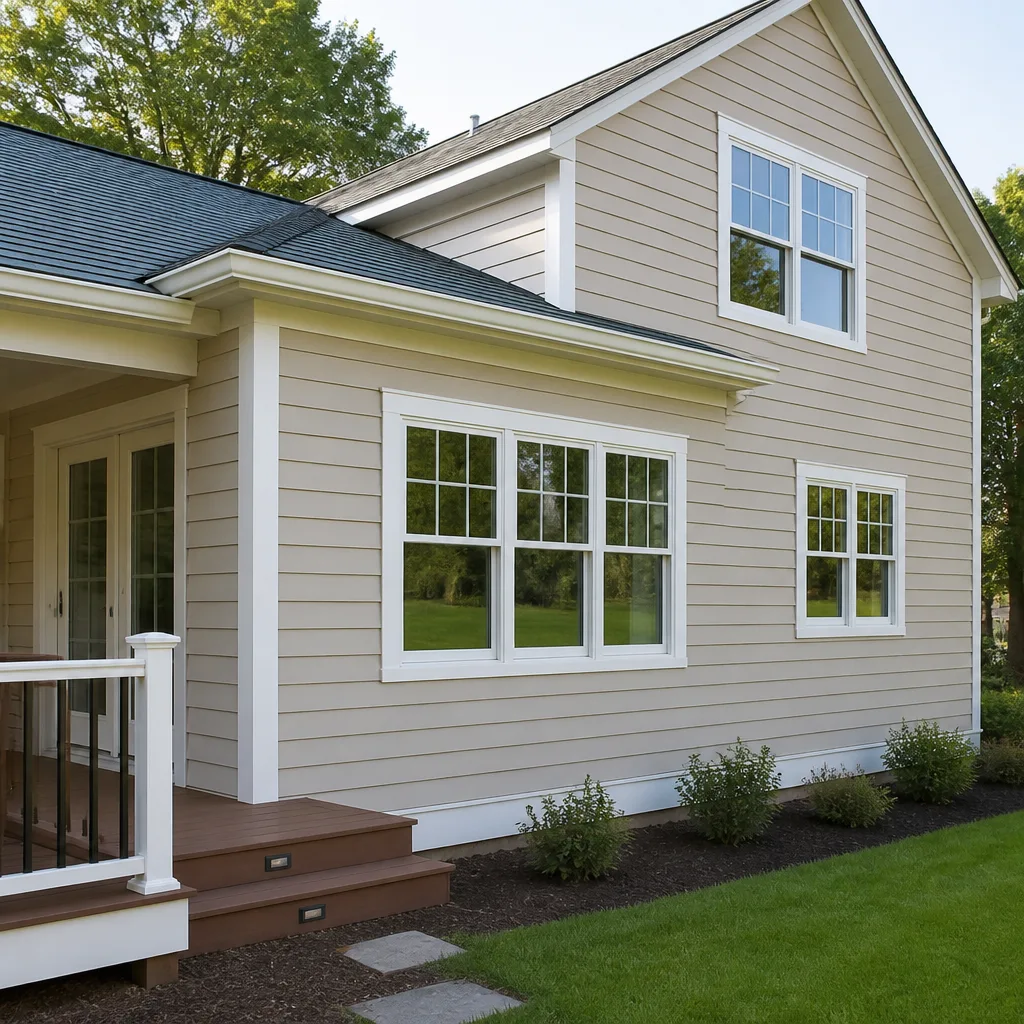
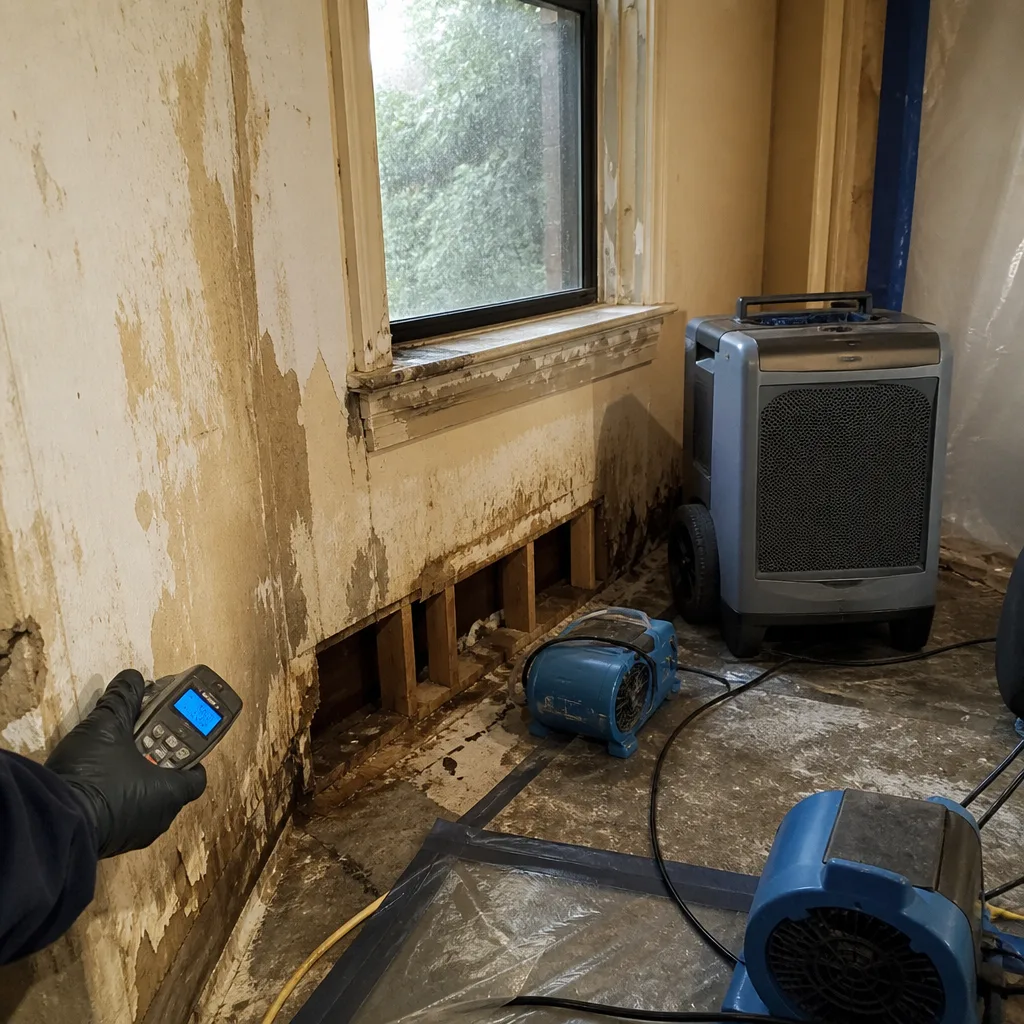 Before
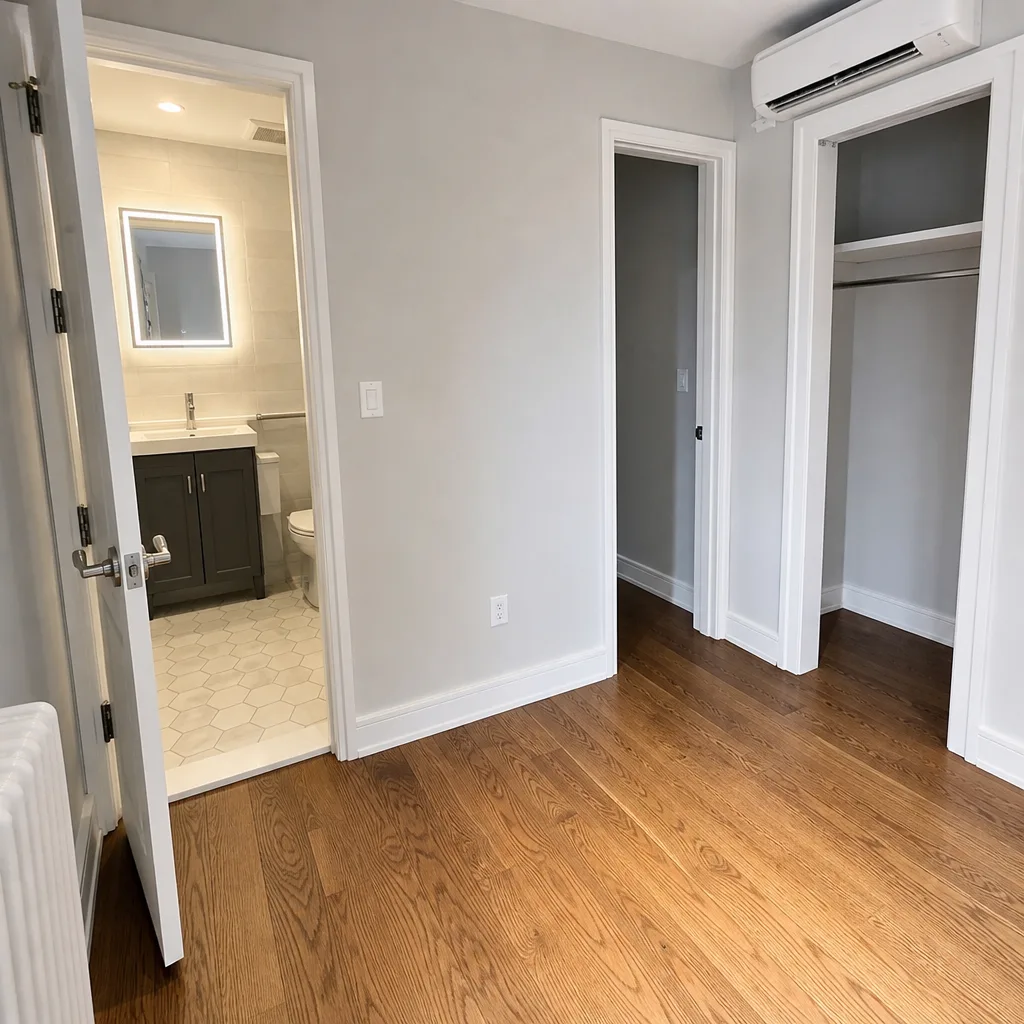 After
After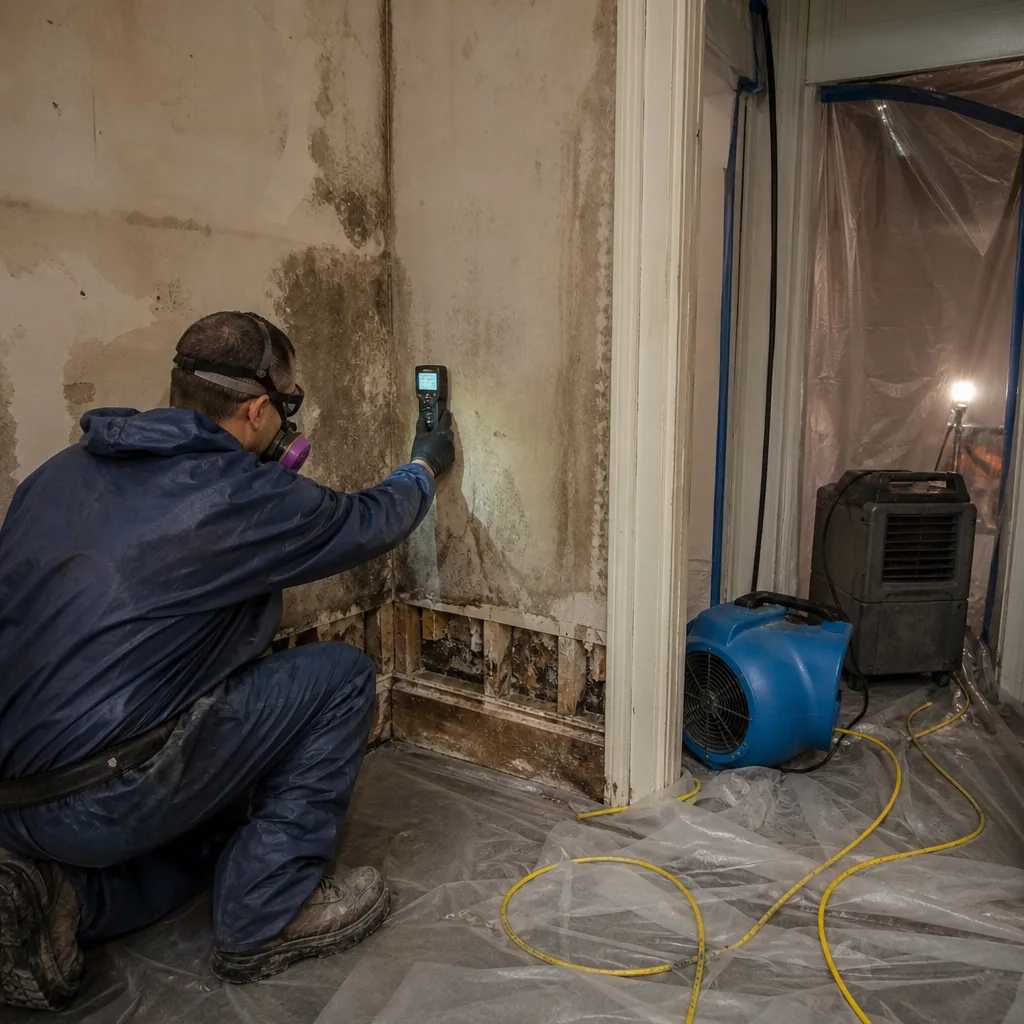 Before
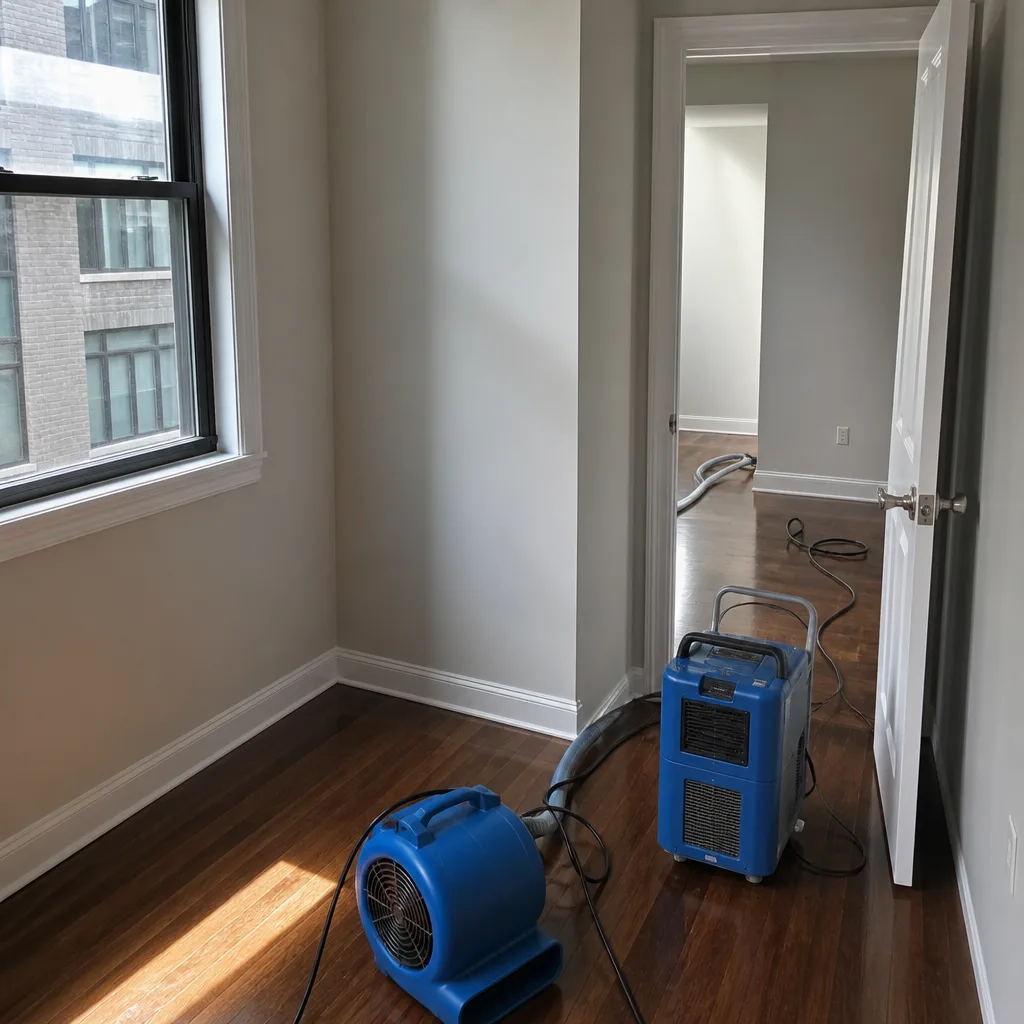 After
After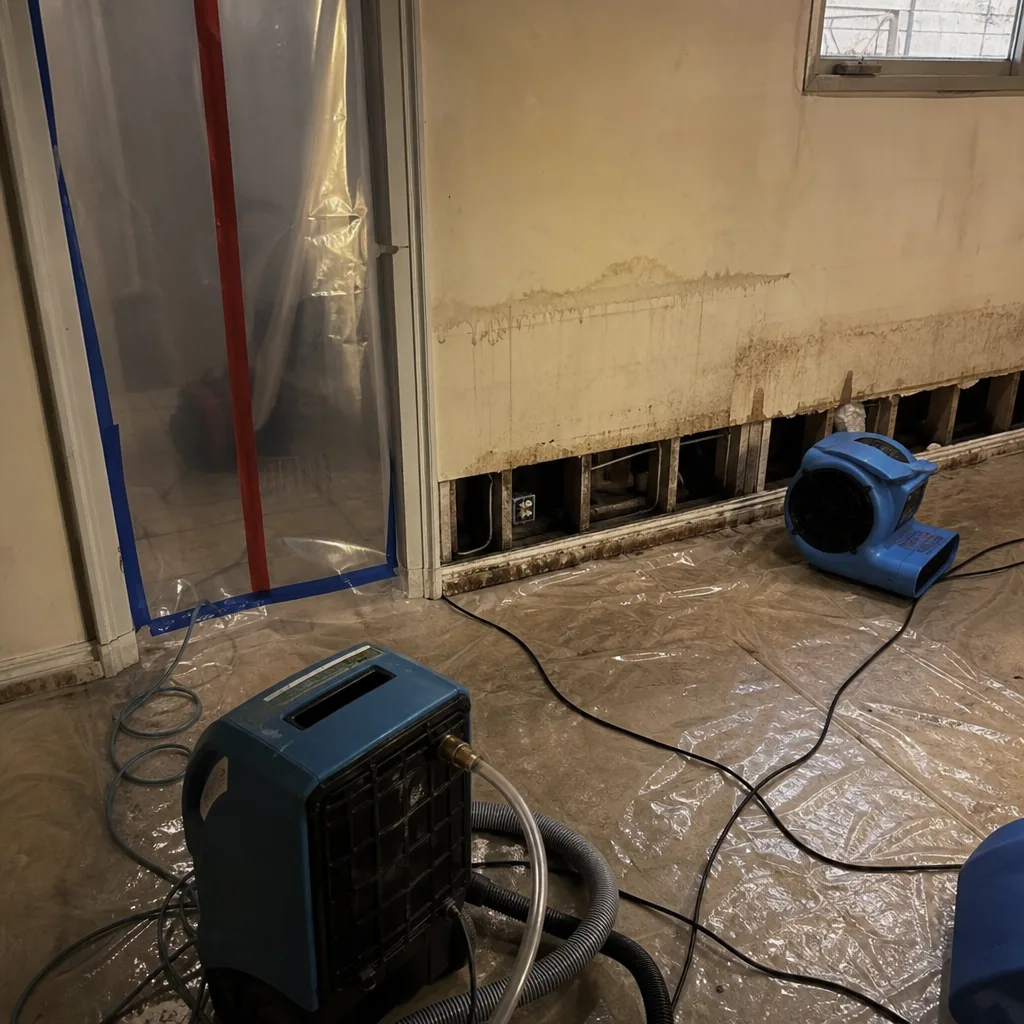 Before
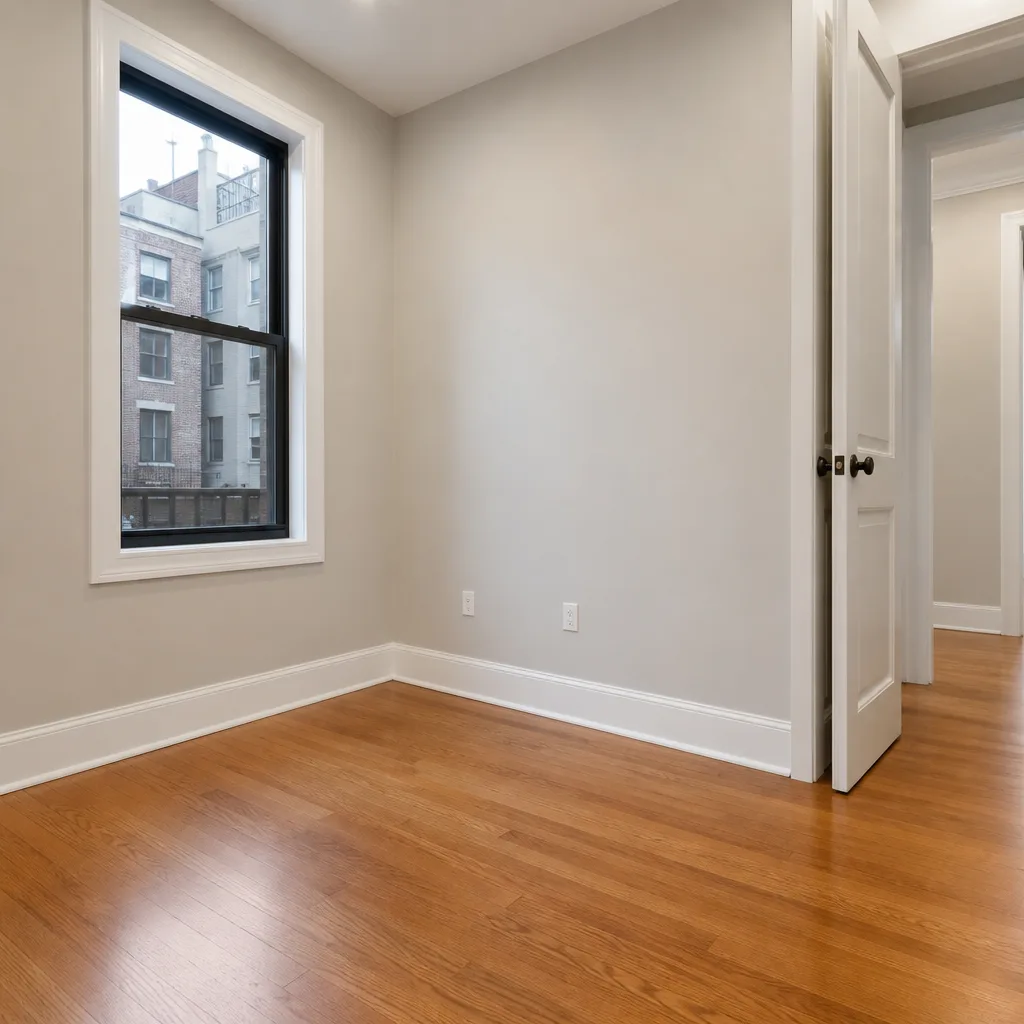 After
AfterFast, Reliable Fire & Smoke Damage Restoration Across Murray Hill
Fire and smoke damage restoration in Murray Hill typically costs $4,200-$18,500 depending on the extent of structural damage, smoke penetration depth, and whether asbestos abatement is required in pre-war construction. Most emergency board-up and tarping calls in Murray Hill are answered within 45-60 minutes, with full damage assessment and written scope delivered before any restoration work begins. Call (862) 212-1646 for immediate response - our dispatch team coordinates from our New York City office and routes crews directly to Murray Hill addresses.
We’ve restored fire and smoke damage in Murray Hill’s pre-war co-ops and condos since 2011, and the neighborhood’s building stock creates restoration challenges that generic contractors simply don’t encounter elsewhere. The original plaster walls, parquet hardwood floors, and high-pressure steam radiator systems found in buildings along Park Avenue and the numbered cross streets demand protocols that account for superheated steam damage, asbestos-containing materials, and co-op insurance coordination that spans multiple policies.
Why DryMark Restoration Midtown Manhattan Is Murray Hill’s Preferred Fire & Smoke Damage Restoration Company
Our Fire & Smoke Damage Restoration team has completed hundreds of jobs in Murray Hill’s pre-war residential towers. Homeowners in the neighborhood know us for documentation that holds up under adjuster review - daily moisture logs, photo records on every visit, and written scopes delivered before anyone touches a tool. Alicia Brennan built this company after years as a claims adjuster watching homeowners lose legitimate coverage over sloppy paperwork, and that origin shapes every Murray Hill job we take.
Response time to Murray Hill averages under an hour for emergency calls. We know the building types: the 1920s-1940s brick apartment buildings with original plaster and crown molding, the co-op boards on Park Avenue and East 34th through East 42nd Streets, and the specific permit requirements that apply to landmark-adjacent structures. This local fluency means we don’t waste time figuring out your building - we start mitigating damage immediately.
Our 365-Day Done Right Promise applies to every Murray Hill job under The Haven Standard. If it’s not done right, we make it right - a signed guarantee, not a verbal assurance. We’ve restored 12,000+ homes since 2011, every one with a written price before work started and a documented record when the crew left.
Our Fire & Smoke Damage Restoration Services in Murray Hill
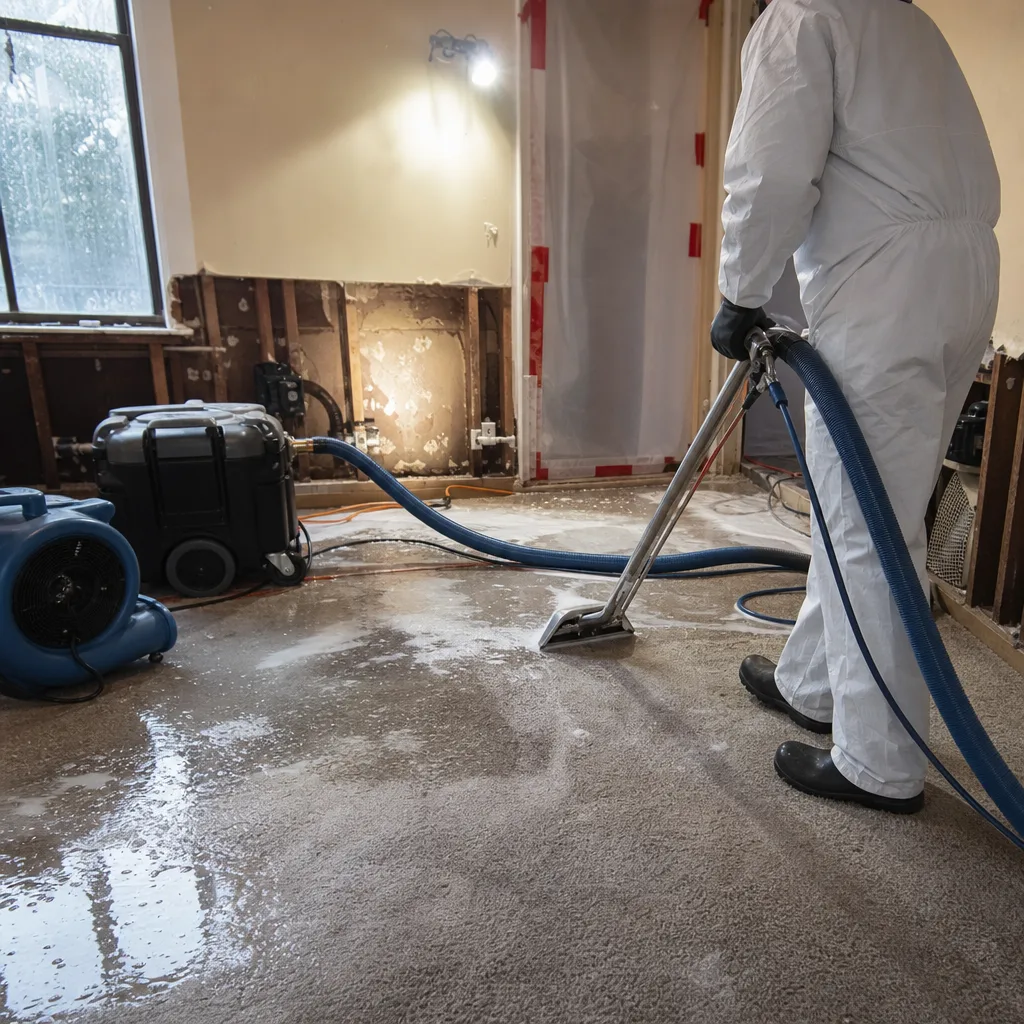
Fire Damage Cleanup
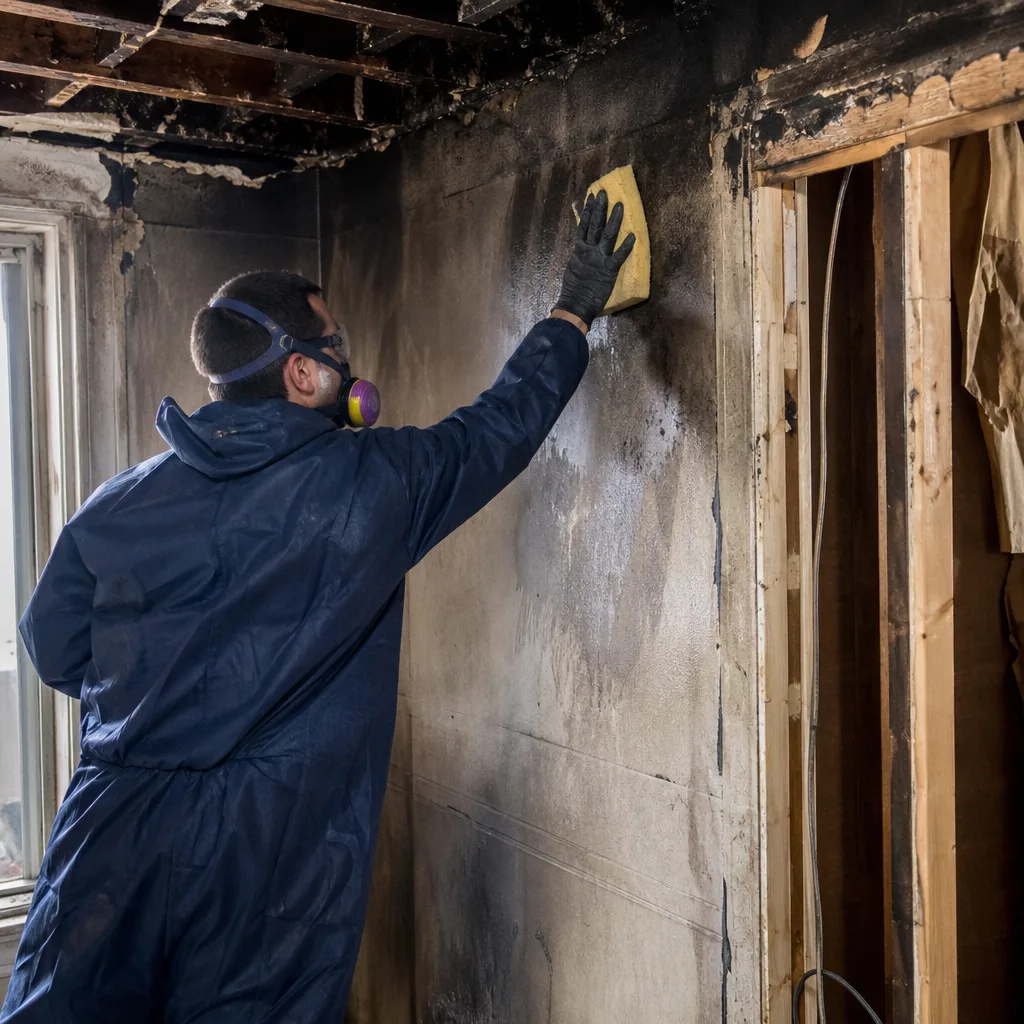
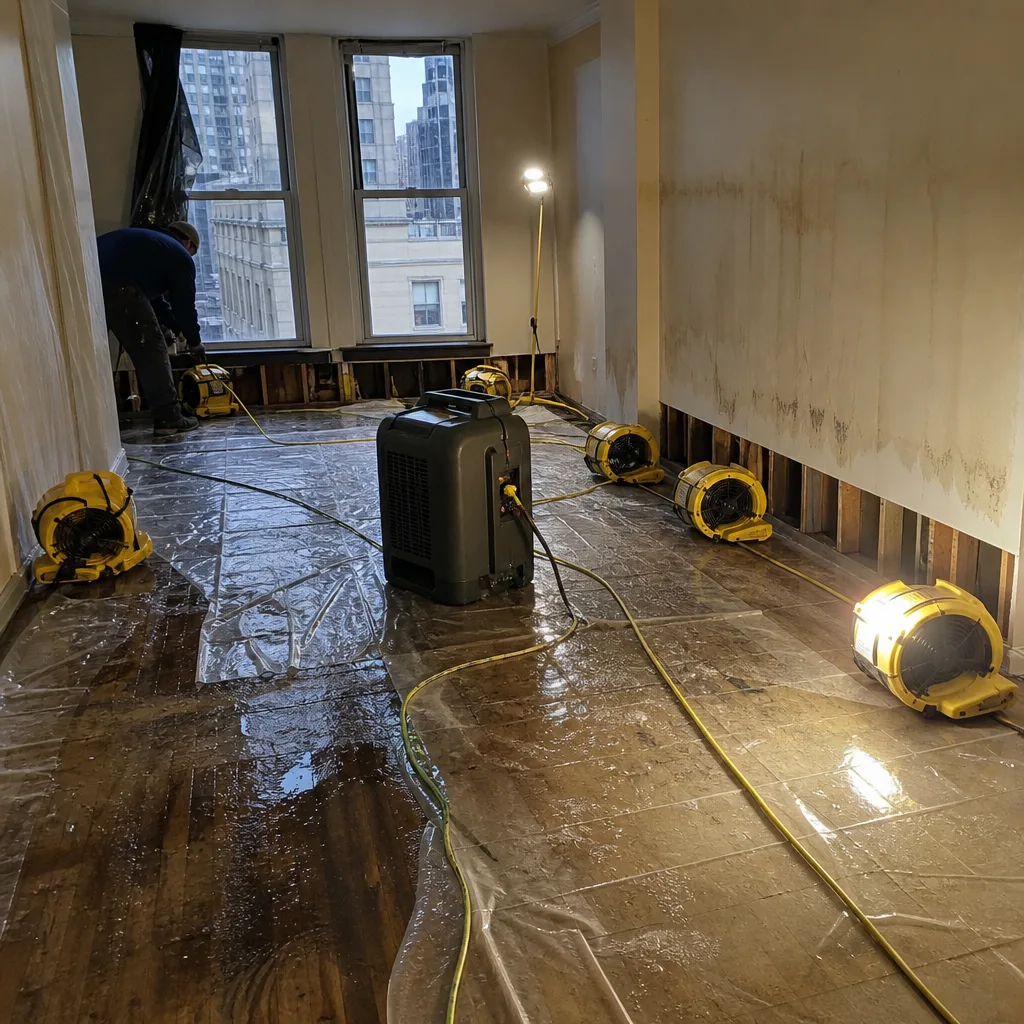
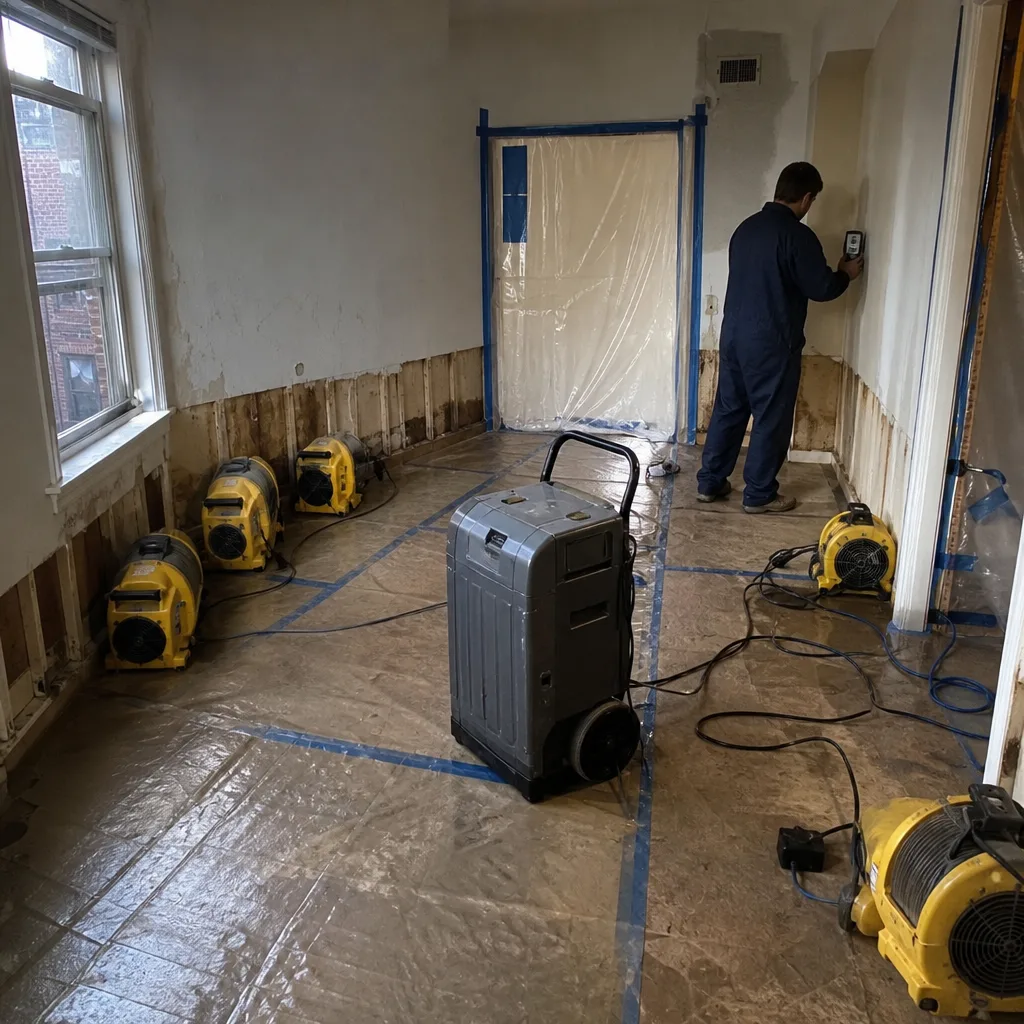
Fire damage cleanup in Murray Hill’s pre-war buildings requires assessment protocols that modern-construction contractors often skip. The original plaster walls, ornate crown molding, and parquet hardwood floors in buildings near Park Avenue and the East 30s cross streets can conceal heat damage and moisture intrusion from fire-suppression efforts. We document affected square footage by material classification - plaster versus drywall, oak parquet versus engineered flooring - then deliver a written scope with line-item pricing before any demolition or cleaning begins. Our crews use Phoenix and Dri-Eaz dehumidification systems to establish psychrometric control, measuring vapor pressure differential and specific humidity to prevent secondary moisture damage while fire residue is removed.
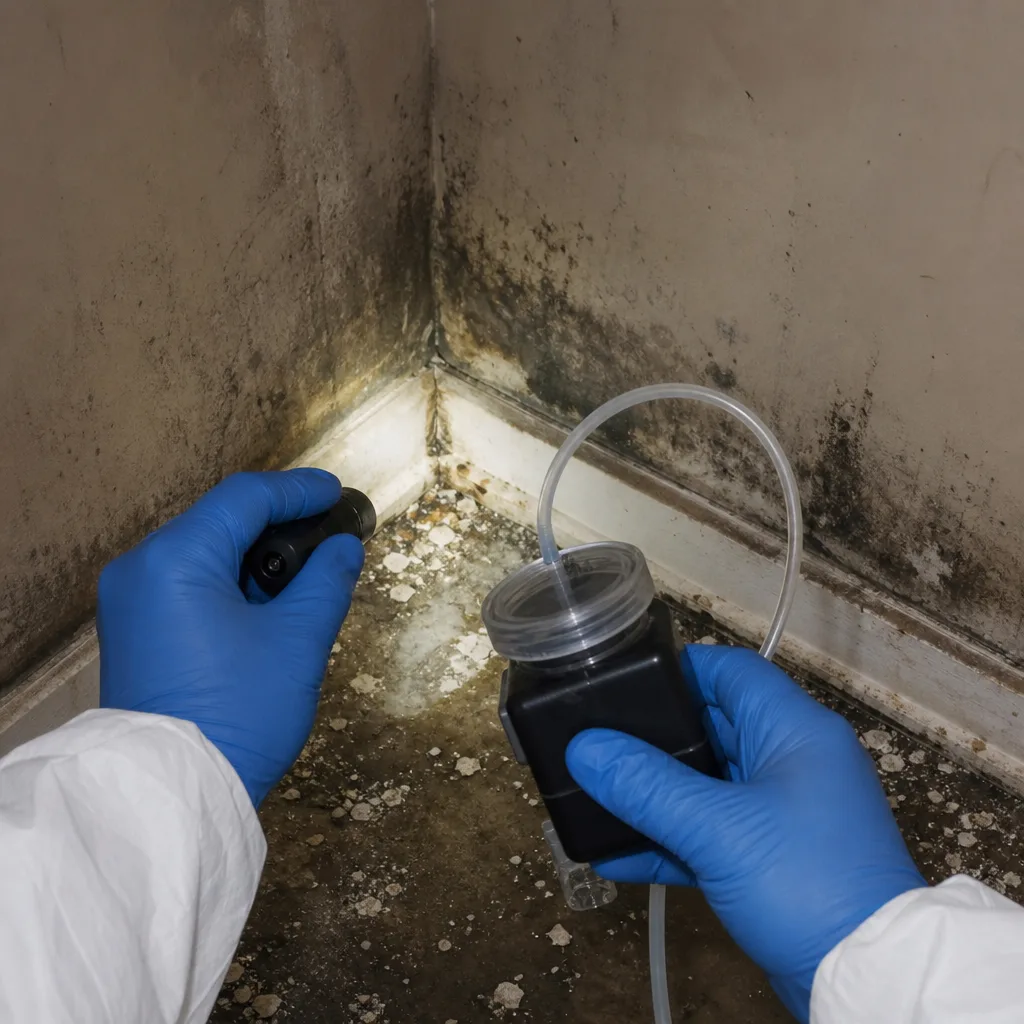
Smoke & Soot Removal
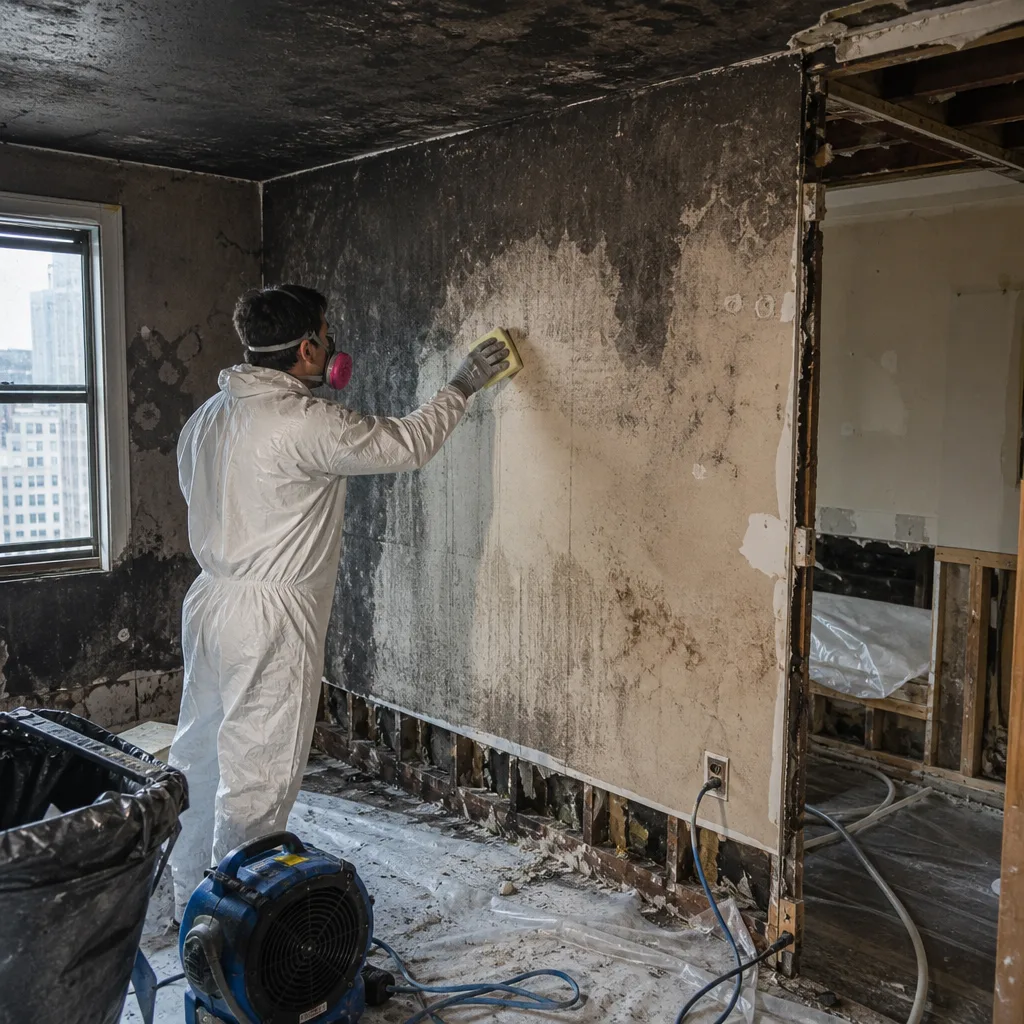
Smoke and soot removal in Murray Hill demands particular attention to the porous surfaces endemic to pre-war construction. Original plaster is far more absorbent than modern drywall, and decades of paint layers can trap acidic soot compounds that continue degrading substrates long after the visible residue is gone. We perform dry-ice blasting and HEPA vacuuming on ornate plaster and crown molding, then apply counteractants formulated for protein-based smoke (kitchen fires) versus synthetic smoke (electrical and plastic combustion). In a 2023 job on East 38th Street, we restored smoke-damaged plaster ceilings in a 1930s co-op using tertiary drying techniques after the initial cleaning revealed moisture trapped behind original lath - a condition that would have caused total plaster failure if left unaddressed.
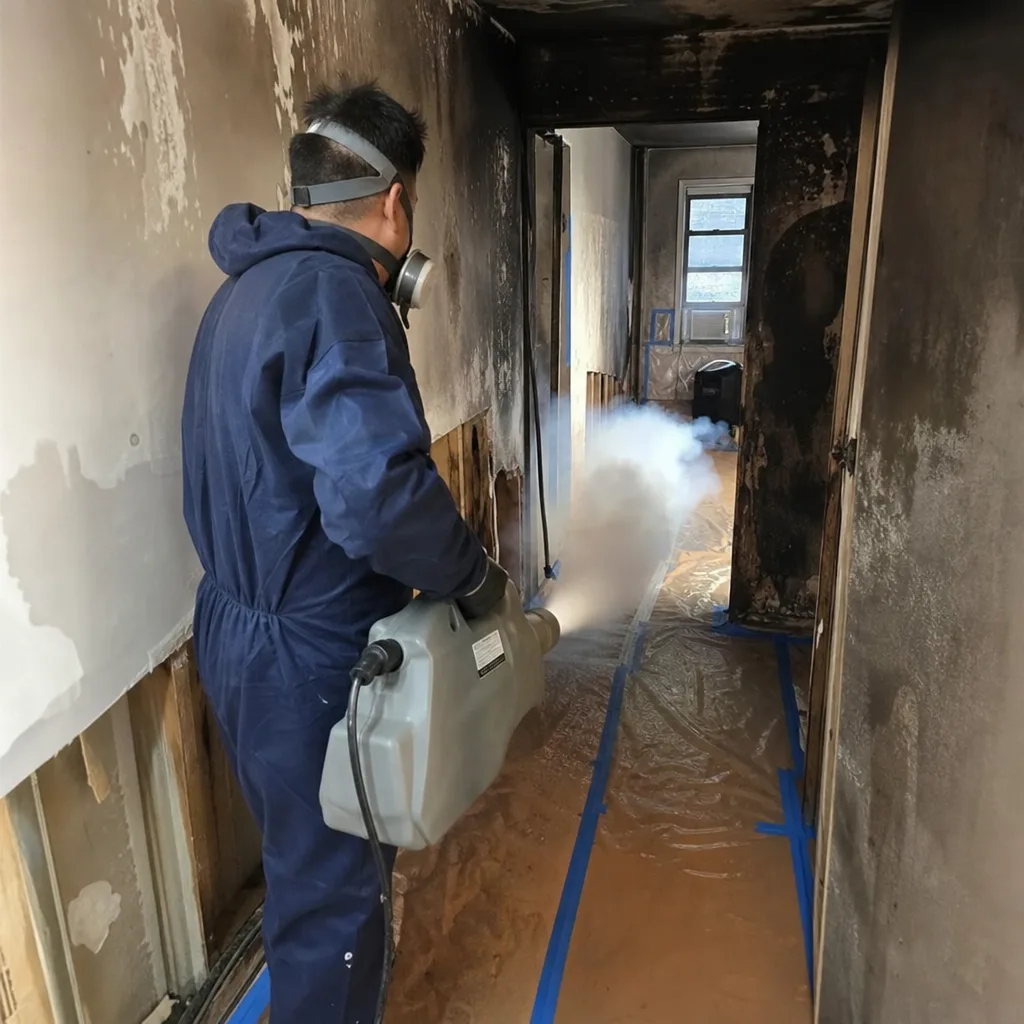
Odor Removal & Deodorization
Odor removal in Murray Hill’s older buildings often fails because contractors don’t account for the building envelope’s breathability - or lack thereof. Pre-war construction with plaster walls and limited vapor barriers means smoke odor penetrates deeply and releases slowly. We deploy thermal fogging and ozone treatment with sealed containment, then verify elimination with olfactory testing and air sampling rather than masking agents. The process is documented to IICRC S500 and S700 standards, with moisture readings and odor-removal verification included in the photo record delivered to your adjuster.
Contents Cleaning & Pack-Out
Contents pack-out in Murray Hill co-ops requires coordination with building management and often with multiple insurance carriers. When fire or smoke damage crosses unit lines - common in buildings with shared HVAC risers or when steam radiator damage affects adjacent apartments - we inventory, photograph, and transport affected items to our cleaning facility with chain-of-custody documentation that satisfies both the co-op board’s master policy and individual shareholders’ HO-6 policies. Every item is barcoded, condition-photographed, and tracked through ultrasonic cleaning, ozone deodorization, or specialized textile restoration. The inventory record becomes part of the claim documentation package.
Emergency Board-Up & Tarping
Emergency board-up and tarping in Murray Hill must happen fast - not just for security, but to prevent secondary water intrusion during the frequent nor’easter events that strike the neighborhood. Our crews carry pre-cut plywood and weather-rated tarps sized for the tall, narrow window openings typical of 1920s-1940s construction. We document the pre-loss condition of the building envelope with photos before any temporary protection is installed, creating the baseline record that adjusters need to distinguish fire damage from subsequent weather exposure.
Structural Fire Repair
Structural fire repair in Murray Hill’s pre-war buildings often involves material matching and permit navigation that generic restoration companies can’t handle. Original plaster formulations, parquet patterns, and trim profiles aren’t available at big-box suppliers. We source matching materials through specialized New York City millwork and plaster contractors, and we coordinate with the NYC Department of Buildings and landmark preservation requirements where applicable. All structural repair work is scoped in writing with material specifications, timeline, and price - Haven Standard, Clause 1 - before demolition or reconstruction begins.
What happens when you call
- 1
A real person answersNo phone trees - you reach a local pro.
- 2
You get an upfront price rangeHonest numbers before anyone is dispatched.
- 3
A background-checked tech heads outLicensed & insured, dispatched right away.
- 4
You approve before work beginsNothing starts until you say go.
BeforeAfterTrusted Brands We Service in Murray Hill
Our Murray Hill crews deploy professional-grade restoration equipment from Dri-Eaz, Phoenix, and XPOWER - brands selected for performance in dense urban environments where power constraints, space limitations, and noise restrictions apply. Dri-Eaz dehumidifiers and air scrubbers handle the high moisture loads created when fire suppression combines with steam radiator damage in pre-war buildings. Phoenix units provide the heat and airflow control needed for rapid structural drying without warping original parquet or delaminating plaster. We stock HEPA filtration media, antimicrobial formulations, and soot-counteractant chemicals locally, so crews don’t lose time sourcing supplies while smoke residue continues etching surfaces in your Murray Hill home.
Common Fire & Smoke Damage Restoration Problems We See in Murray Hill Homes
- Superheated steam damage from compromised radiator valves. Murray Hill’s pre-war buildings rely on high-pressure steam radiator systems, so a failed valve or cracked supply line releases superheated steam that warps parquet, delaminates plaster from lath, and drives moisture deep into wall cavities within minutes - a fire/smoke restoration and steam-event dynamic far faster and more destructive than a cold-water pipe burst in a modern building. Contractors who treat this like standard water damage miss the thermal damage to substrates and the accelerated mold-growth timeline.
- Asbestos-containing materials delaying restoration. Floor-tile mastic, pipe insulation, and spray-textured plaster pervasive in Murray Hill’s pre-war buildings require confirmed abatement protocols before full restoration can proceed. Skipping this step stalls the project and creates significant compliance risk. We coordinate certified abatement contractors and document clearance sampling as part of the restoration timeline.
- Coverage-boundary disputes between co-op master policies and HO-6 policies. When smoke or fire damage crosses unit lines in Murray Hill’s vertically dense residential towers, the question of who pays - board or shareholder - can delay emergency mitigation by days. We document the loss boundary with photo evidence and moisture mapping, then present findings to both carriers to accelerate coverage determination and get mitigation started.
- Smoke odor trapped in original plaster and ornate millwork. Modern drywall can be sealed and repainted; original plaster with decades of paint history cannot. We encounter this in nearly every Murray Hill smoke-damage job, and the solution is never a single treatment - it’s a protocol of cleaning, deodorization, sealing, and verification that accounts for the material’s age and porosity.
Pricing for Fire & Smoke Damage Restoration in Murray Hill, NY
Fire and smoke damage restoration pricing in Murray Hill reflects the neighborhood’s specific building stock and insurance dynamics. Emergency board-up and tarping typically runs $850-$2,400 depending on window count and accessibility. Smoke and soot removal for a one-bedroom pre-war apartment with original plaster walls ranges $3,200-$7,800. Full structural fire repair including plaster restoration, parquet refinishing or replacement, and material matching in a two-bedroom co-op averages $12,000-$28,500. Asbestos abatement, when required, adds $2,500-$8,000 depending on material type and square footage.
These ranges are specific to Murray Hill’s pre-war construction. Modern buildings with drywall and engineered flooring cost less to restore; buildings with landmark designation or extensive ornate plaster cost more due to material sourcing and permit requirements. Every job receives a written price before work begins - Haven Standard, Clause 1 - with no scope-creep additions once the crew is inside. We also offer a Free Second Opinion on any competitor’s written estimate; bring their quote and we’ll review it at no charge. Call (862) 212-1646 for an exact quote - estimates are free.
We Also Serve Cities Near Murray Hill
Our crews respond throughout Manhattan and adjacent boroughs from our New York City office. We regularly perform Fire & Smoke Damage Restoration in Murray Hill and neighboring areas including Midtown Manhattan, Upper East Side, Long Island City, and Manhattan-wide. Building stock and insurance dynamics vary by neighborhood, and our documentation protocols adapt to each - from Murray Hill’s pre-war co-ops to Long Island City’s newer condominium construction.
Serving Murray Hill, NY - Our Local Coverage Area
We’re based in the Murray Hill area and know this community well. Use the map below to see our service coverage - if you’re nearby, we can almost certainly help.
FAQs - Fire & Smoke Damage Restoration in Murray Hill
Original plaster walls, parquet hardwood floors, and high-pressure steam radiator systems create restoration challenges that modern-construction protocols don’t address. Plaster absorbs smoke odor more deeply than drywall, parquet warps faster under heat and moisture, and steam radiator damage can compound fire suppression water with superheated moisture that drives deeper into cavities. Our crews use Injectidry wall cavity drying and Dri-Eaz dehumidification with documented moisture mapping to address these conditions. Call (862) 212-1646 for an exact quote - estimates are free.
Shut off the steam supply at the riser valve if it’s accessible and safe to do so, then evacuate and call us immediately. Superheated steam from a compromised radiator valve warps parquet and delaminates plaster within minutes, and the moisture load requires different equipment and protocols than cold-water fire suppression alone. We were called to a 1920s pre-war co-op on Park Avenue near East 37th Street after a fire started in a bedroom closet. The fire itself was contained, but the high-pressure steam radiator in that room had been running when the fire compromised the valve, releasing superheated steam that warped the original parquet and delaminated plaster from lath. Using Dri-Eaz dehumidification and Injectidry wall cavity drying, we performed moisture mapping with thermal imaging, set containment, and ran antimicrobial treatment - pulling moisture readings down to pre-loss condition within 72 hours. Call (862) 212-1646 for immediate response.
Yes - we coordinate certified asbestos abatement contractors and document clearance sampling before restoration work proceeds. Floor-tile mastic, pipe insulation, and spray-textured plaster in Murray Hill’s pre-war buildings are presumed asbestos-containing until tested, and fire damage often disturbs these materials in ways that require immediate containment. We include abatement coordination and timeline in our written scope. Call (862) 212-1646 for an exact quote - estimates are free.
It depends on where the damage originates and how far it spreads. The co-op board’s master policy typically covers building infrastructure and common areas; individual shareholders’ HO-6 policies cover unit interiors and personal property. When fire or smoke damage crosses unit lines - common in Murray Hill’s vertically dense towers with shared HVAC risers - coverage-boundary disputes can stall emergency mitigation. We document the loss boundary with photo evidence and moisture mapping, then present findings to both carriers to accelerate coverage determination. Call (862) 212-1646 and we’ll review your specific situation at no charge.
Smoke odor can often be removed from original plaster and crown molding through a protocol of dry-ice blasting or HEPA vacuuming, chemical deodorization, and thermal fogging with sealed containment - but the answer depends on the fire’s heat intensity, smoke type, and how long residue sat before treatment. Protein-based kitchen smoke and synthetic electrical smoke require different counteractants, and plaster that has experienced sustained high heat may have compromised its structural integrity regardless of odor. We test clean a sample area, verify with air sampling, and document results before recommending replacement. Call (862) 212-1646 for an assessment - estimates are free.
Ready to restore your Murray Hill home with documentation that gets your claim paid? Call (862) 212-1646 for immediate response. A live person answers every call, 24 hours a day, 7 days a week - no voicemail, no next-business-day callbacks while damage spreads. Every job receives a written price before work begins, a photo record on every visit, and our 365-Day Done Right Promise under The Haven Standard. Bring a competitor’s written estimate and we’ll review it free.
Written by Alicia Brennan, Owner at DryMark Restoration Midtown Manhattan, serving Murray Hill since 2011.