
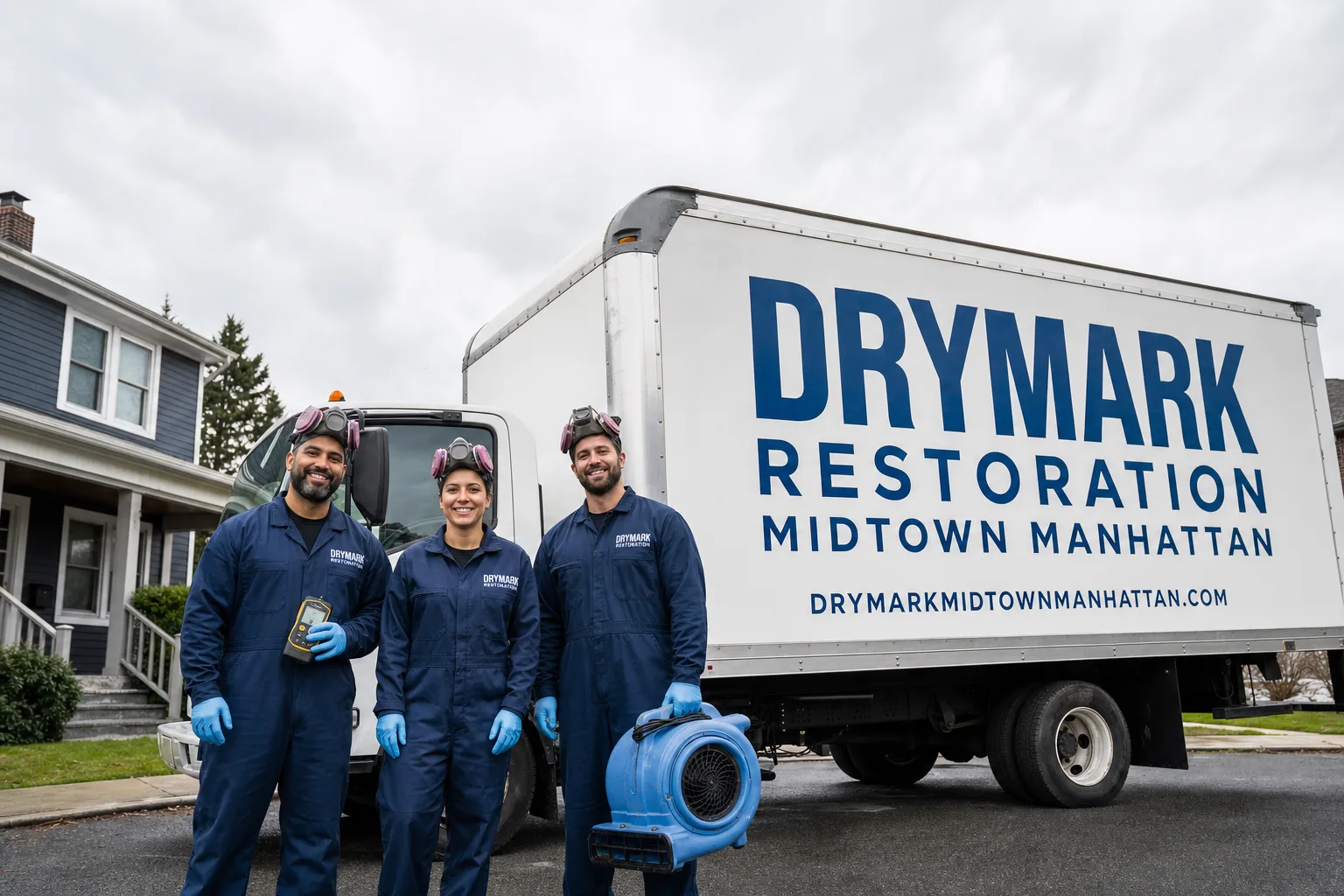
Free visual inspection and a written scope of work before any mitigation begins - photos, moisture readings, and drying logs go in your claim file
The scope we write is the scope we bill. Anything new gets shown to you, in writing, before we touch it.
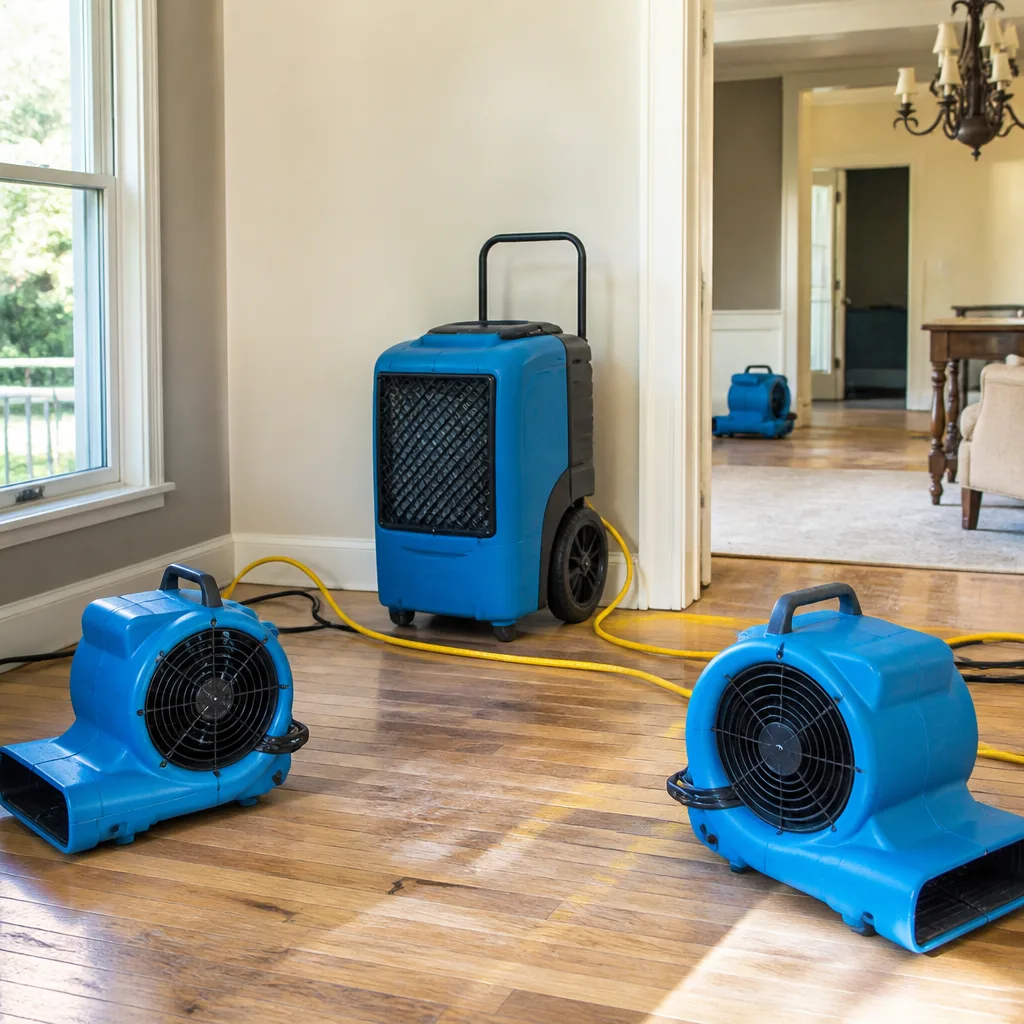
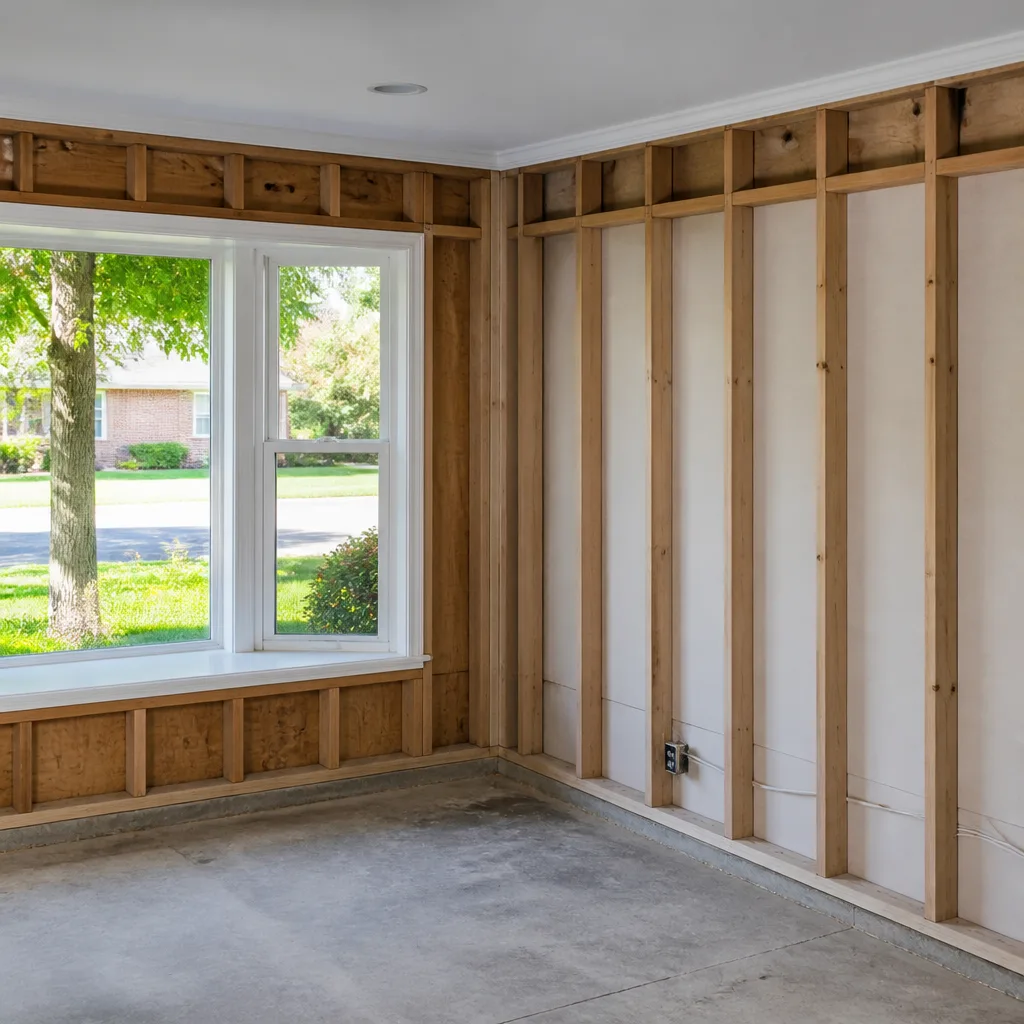
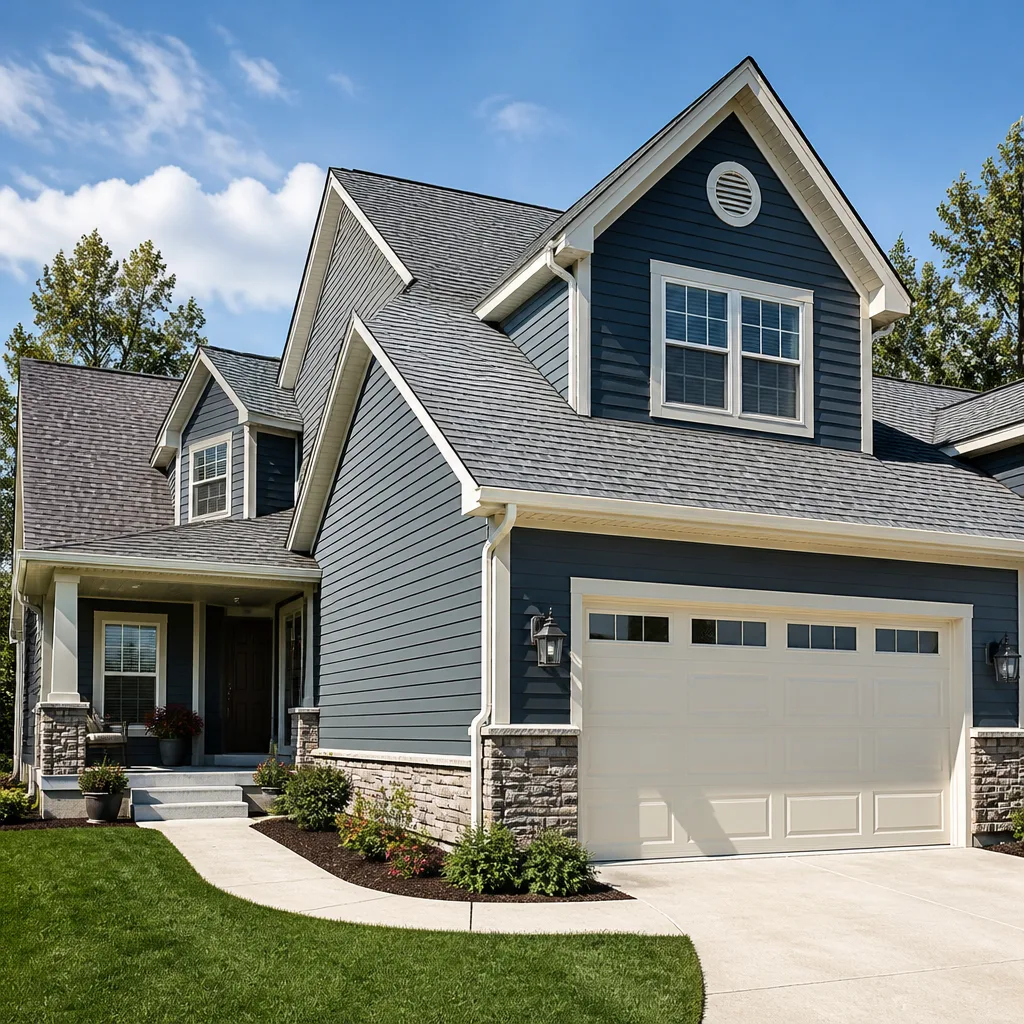
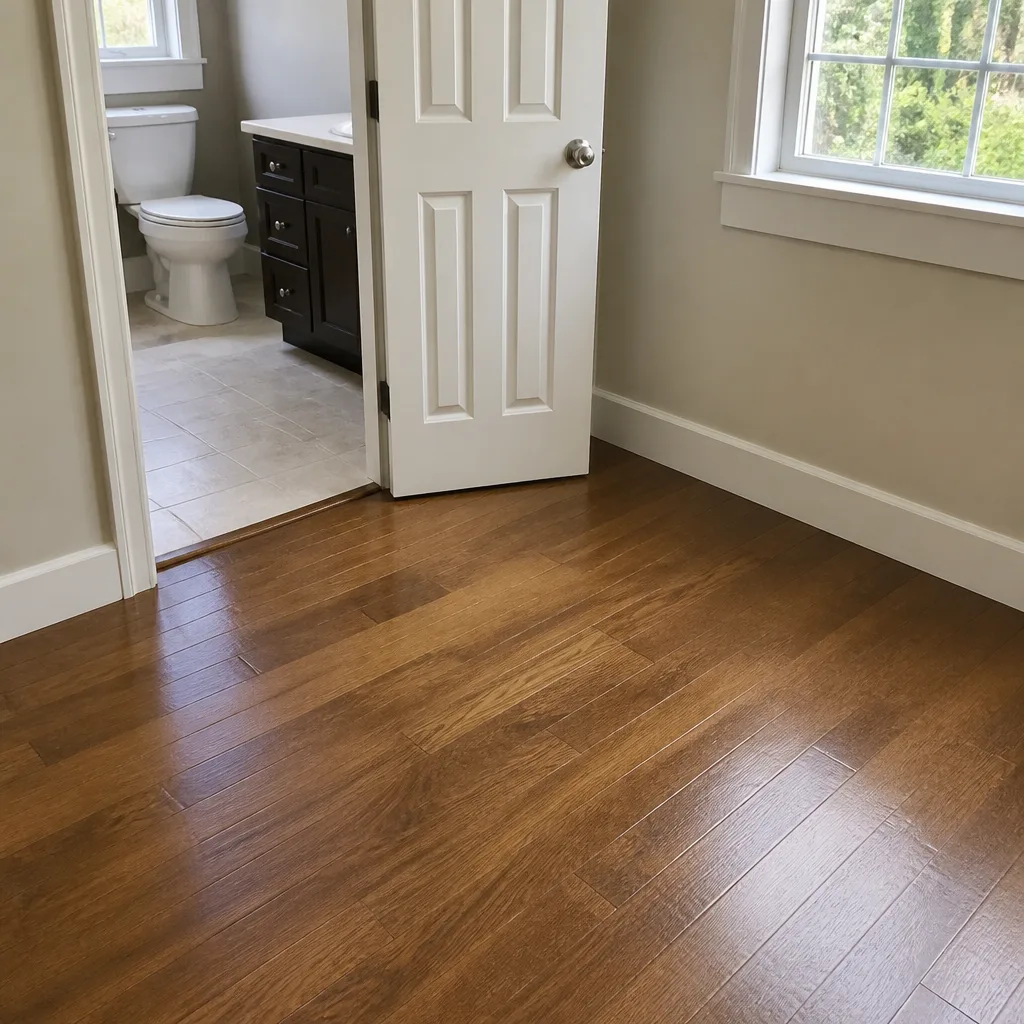
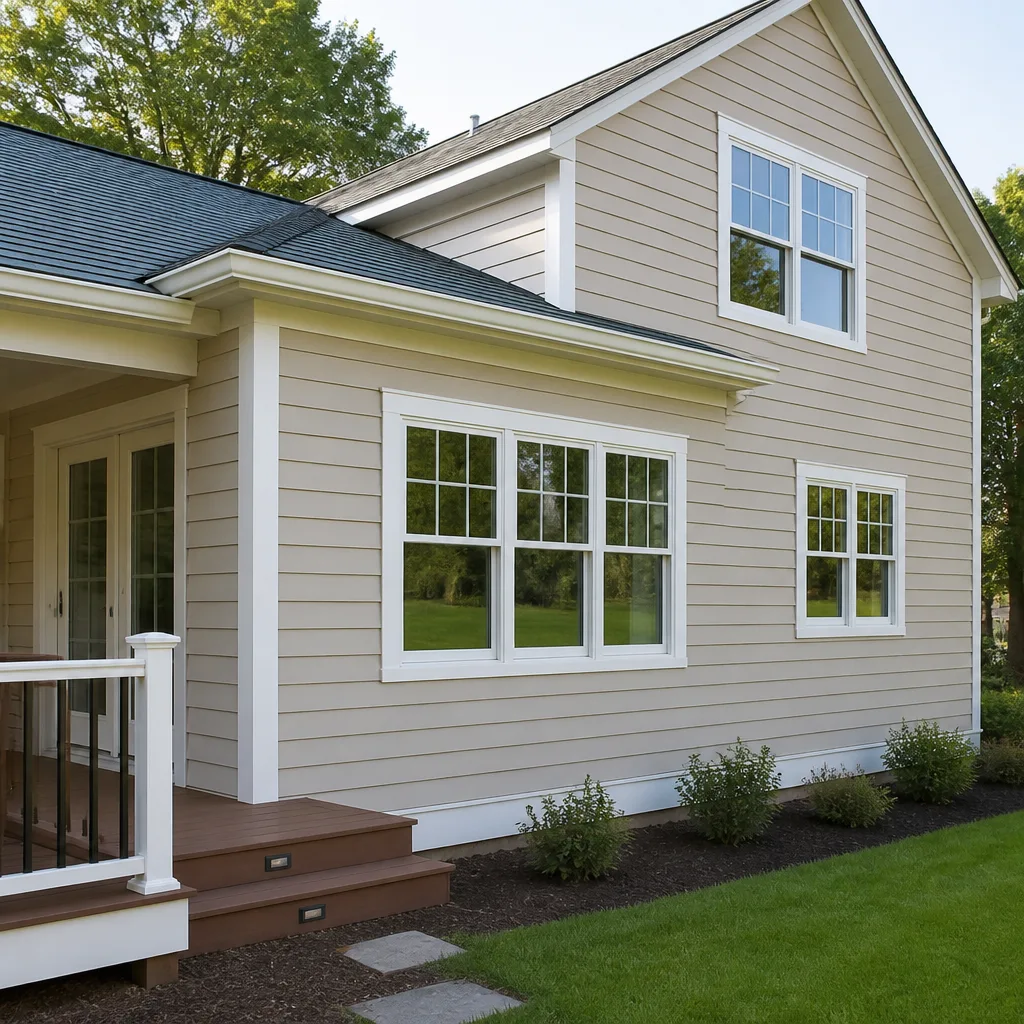
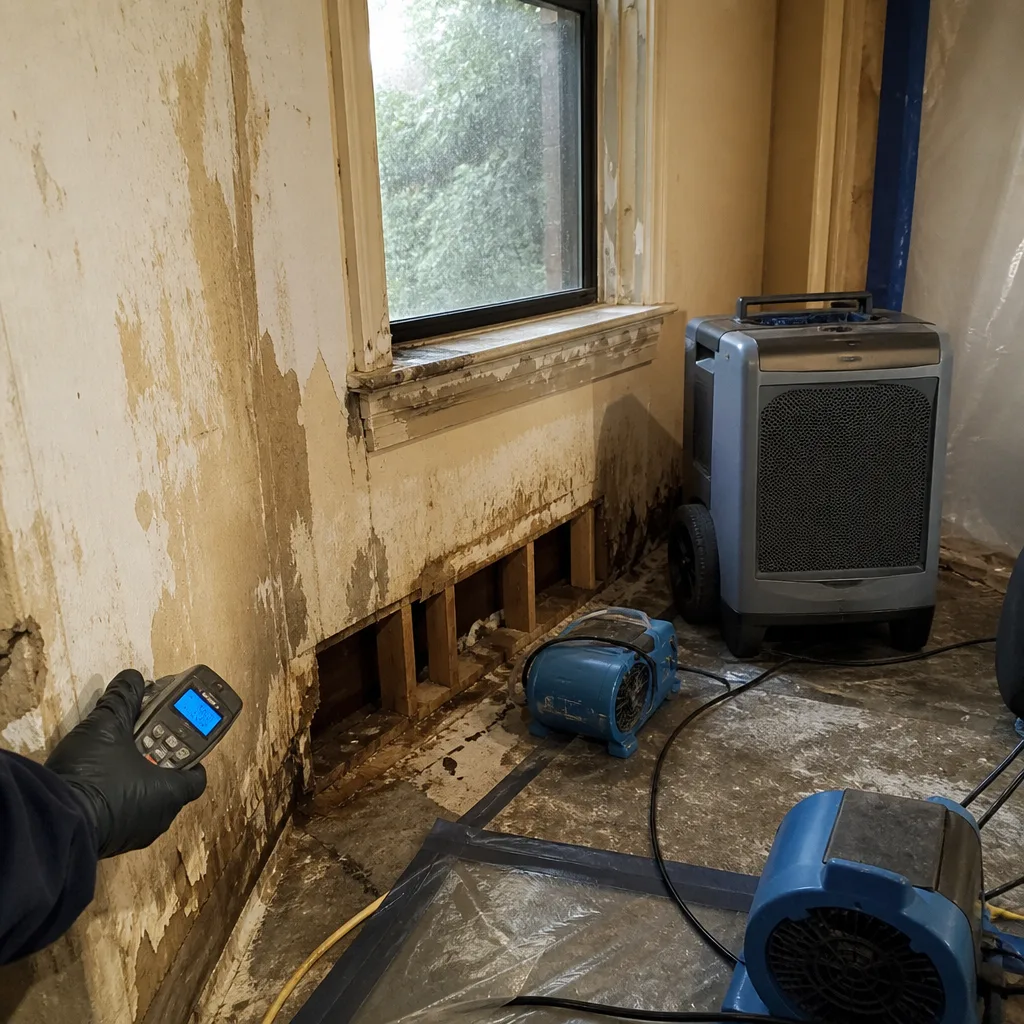 Before
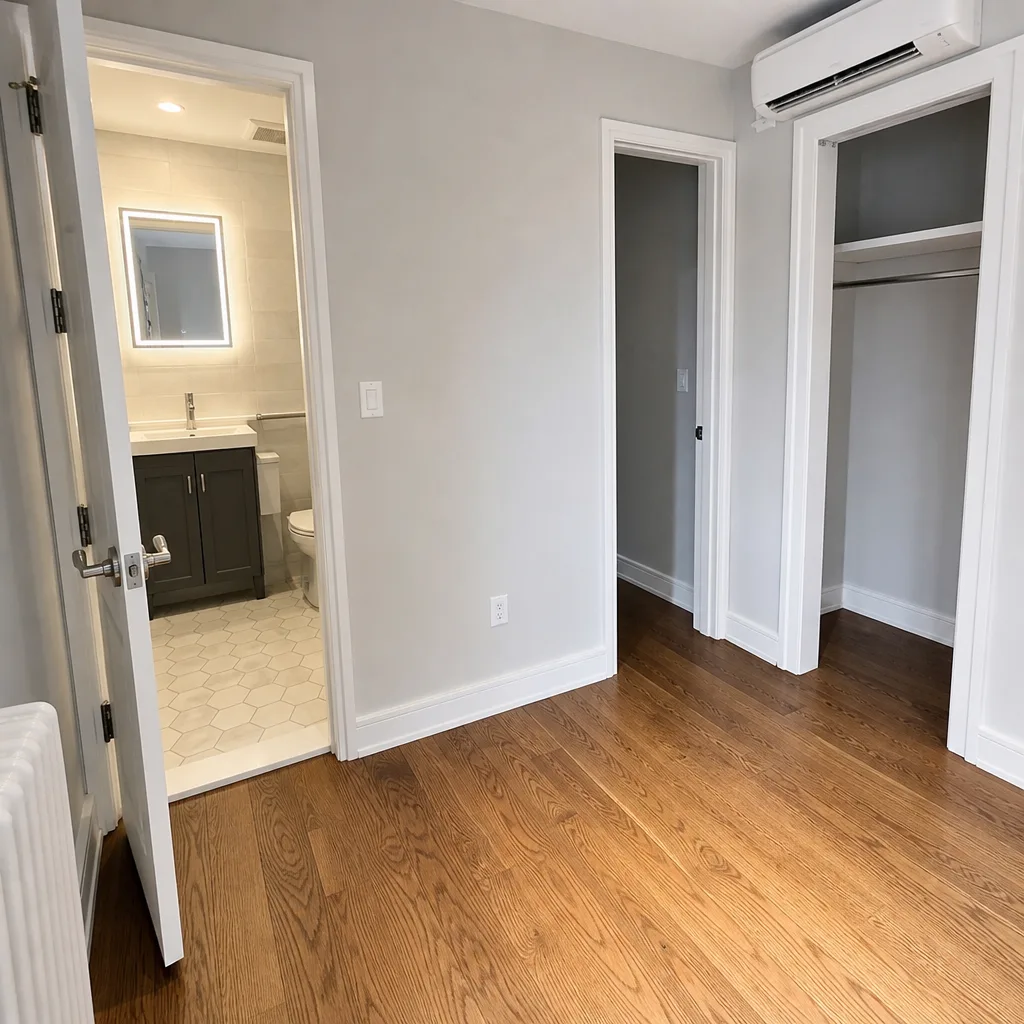 After
After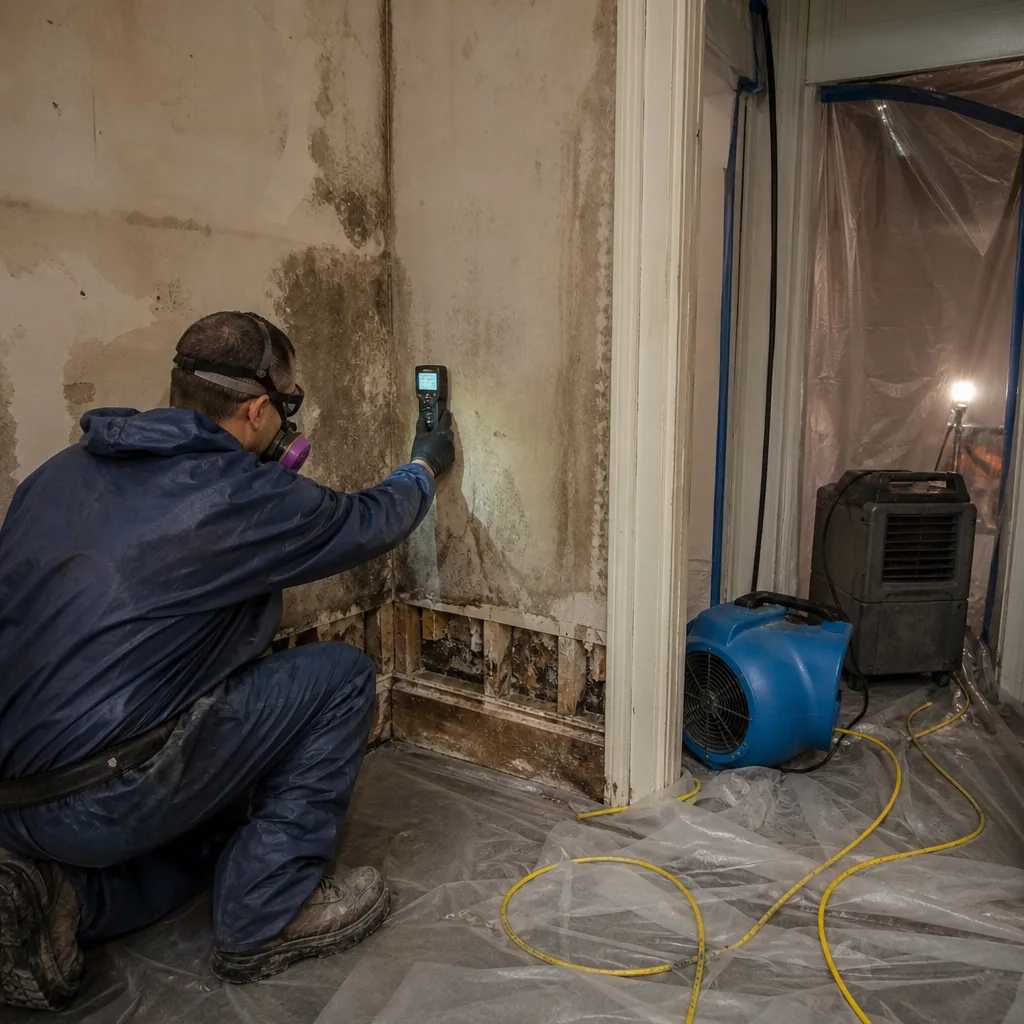 Before
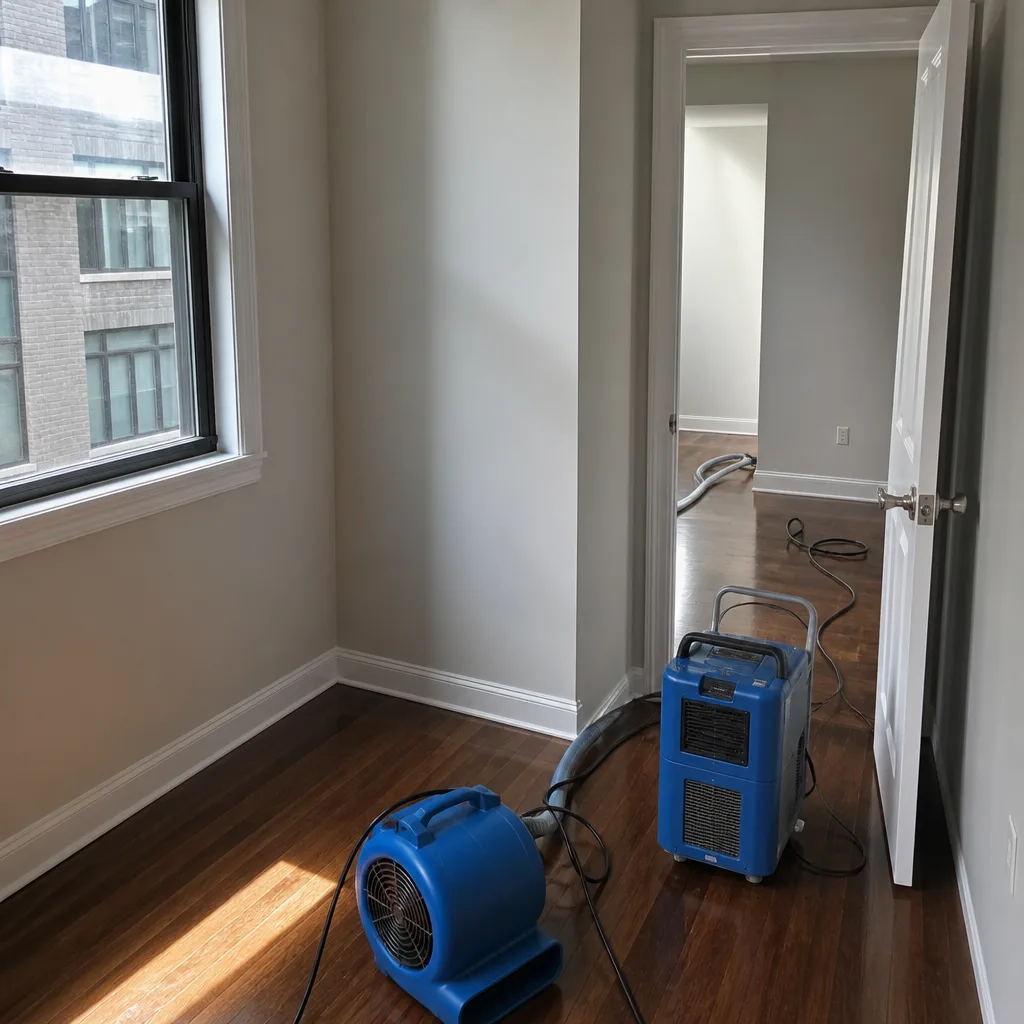 After
After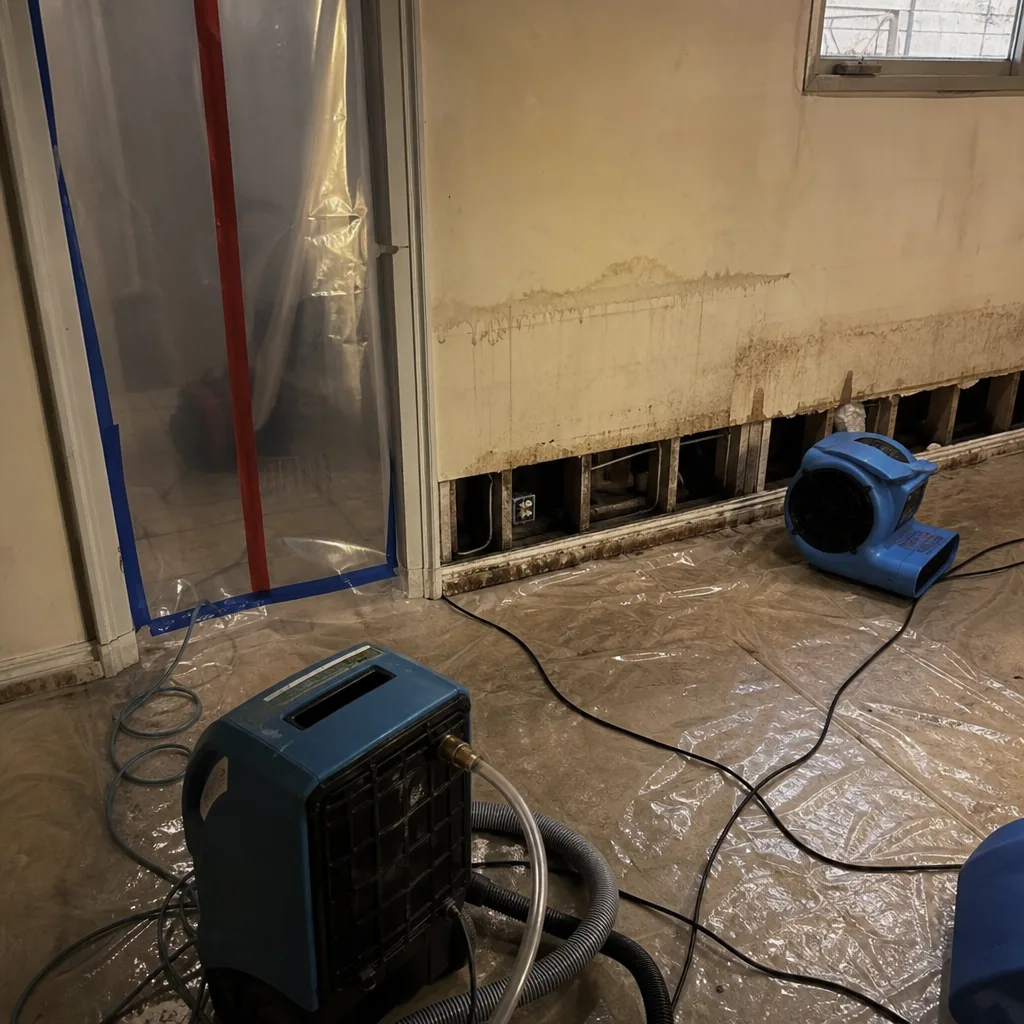 Before
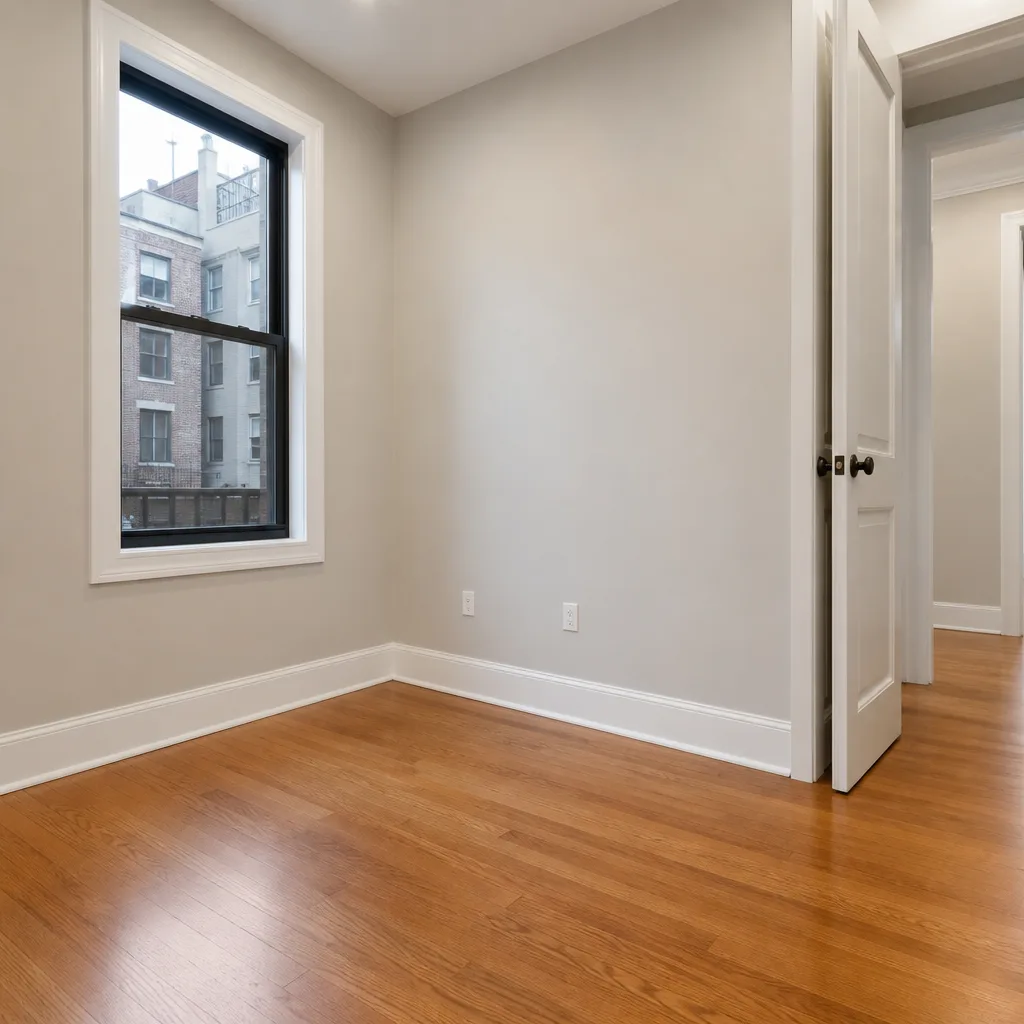 After
AfterFast, Reliable Fire & Smoke Damage Restoration Across Williamsburg
Fire and smoke damage restoration in Williamsburg typically costs between $3,200 and $14,500 depending on the extent of structural involvement, with emergency board-up and tarping starting at $800-$1,400 and full loft-scale remediation running higher. Most Williamsburg properties we serve receive our crew within 60-90 minutes of dispatch from our New York City office, with 24/7 live phone coverage and no voicemail trees on emergency lines. We know the building stock here: the late-1800s brick tenements south of the BQE, the converted warehouse lofts along Kent Avenue and Berry Street, the waterfront elevator buildings facing the East River. That local knowledge changes what we look for first, and it changes what we document for your insurer. Call (862) 212-1646 for a written price before any work starts - Haven Standard, Clause 1.
Why DryMark Restoration Midtown Manhattan Is Williamsburg’s Preferred Fire & Smoke Damage Restoration Company
We’ve restored fire-damaged properties in Williamsburg since our founding in 2011, and our documentation-first approach was built by a former claims adjuster who watched homeowners lose legitimate coverage over missing photos and unsigned scopes. Every Williamsburg job gets a written price before work begins, a photo record on every visit, and a 365-Day Done Right Promise backed by The Haven Standard - not a verbal assurance, a signed guarantee.
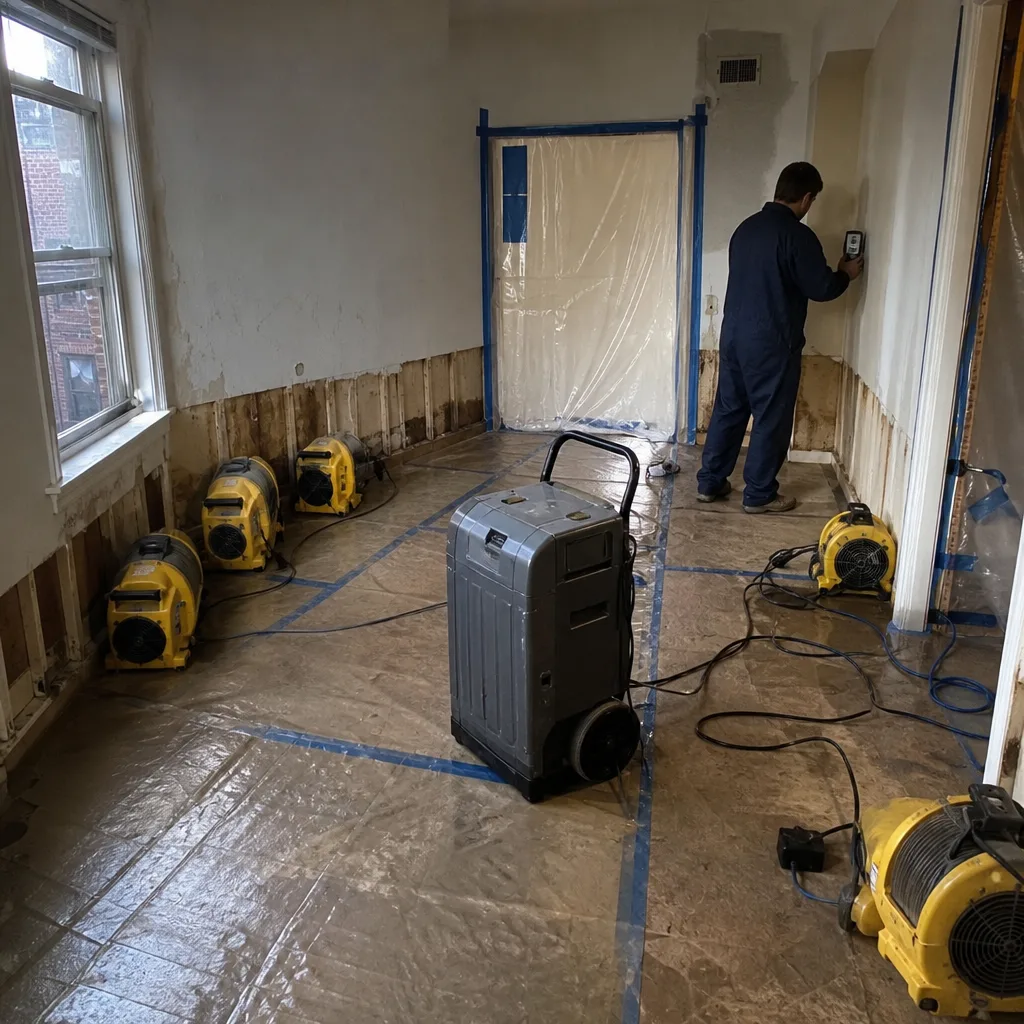
Our crews serve Williamsburg locally, dispatched from our New York City office. We carry the license numbers on every technician’s paperwork, background-checked and uniformed before they arrive. The equipment we deploy - including professional-grade systems from XPOWER, B-Air, and Injectidry - is documented to IICRC, RIA, and IFA standards, producing the daily drying logs that turn restoration invoices into payable claims.
Williamsburg customers receive our Free Second Opinion on any competitor’s written estimate. Bring another company’s scope and we’ll review it at no charge. Twelve thousand homes restored since 2011, every one with a written price before work started and a documented record when the crew left.
Our Fire & Smoke Damage Restoration Services in Williamsburg
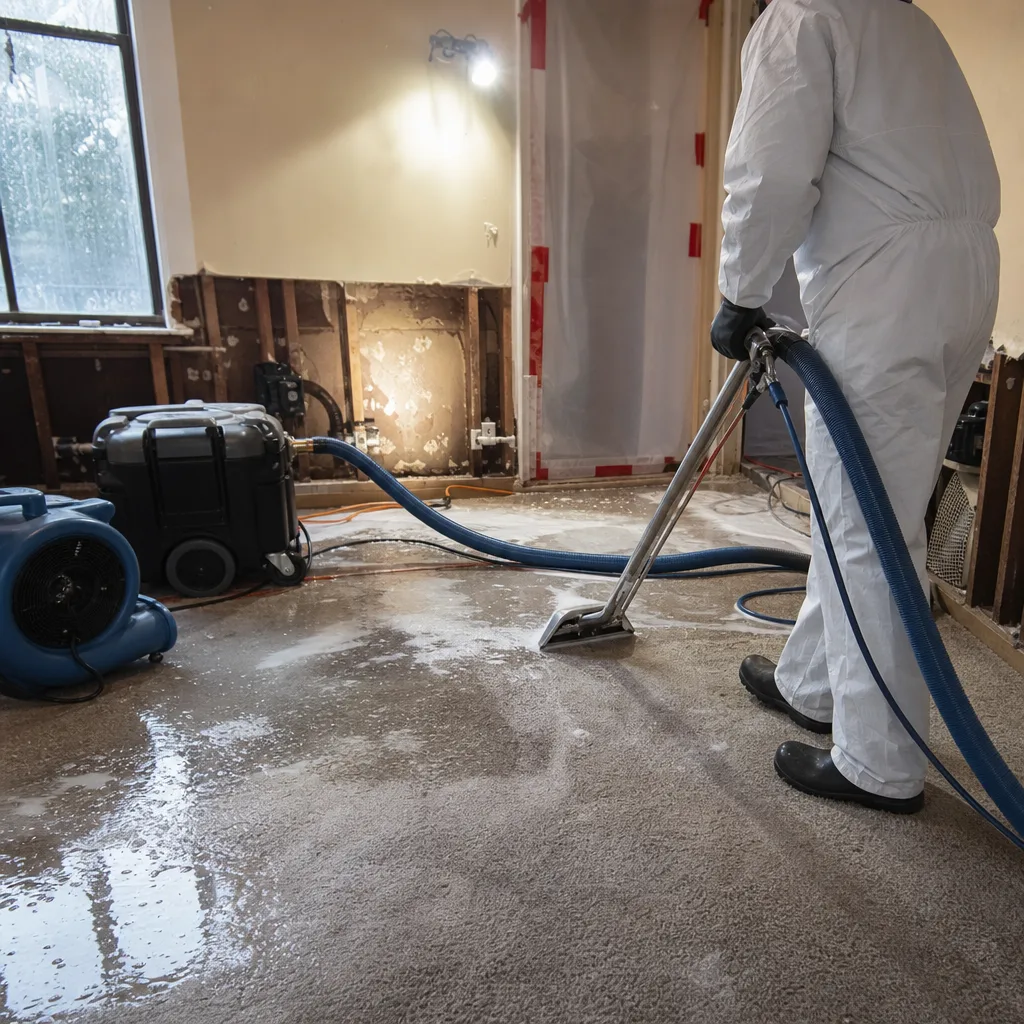
Emergency Board-Up & Tarping
After a fire in Williamsburg, the first task is securing the envelope - and in this neighborhood, that means more than plywood over a window. The converted loft buildings along Kent Avenue and Berry Street still carry their original factory steel-frame windows with no modern flashing or thermal breaks. When heat stress warps those century-old steel sash panels, a standard board-up won’t address the wind-load exposure these buildings face on the East River waterfront. We install wind-rated temporary enclosures, check membrane roof integrity on warehouse conversions, and document every fastening point with photos before we leave. Emergency board-up in Williamsburg runs $800-$1,400 for residential units, $1,800-$3,200 for larger loft structures with multiple compromised openings.
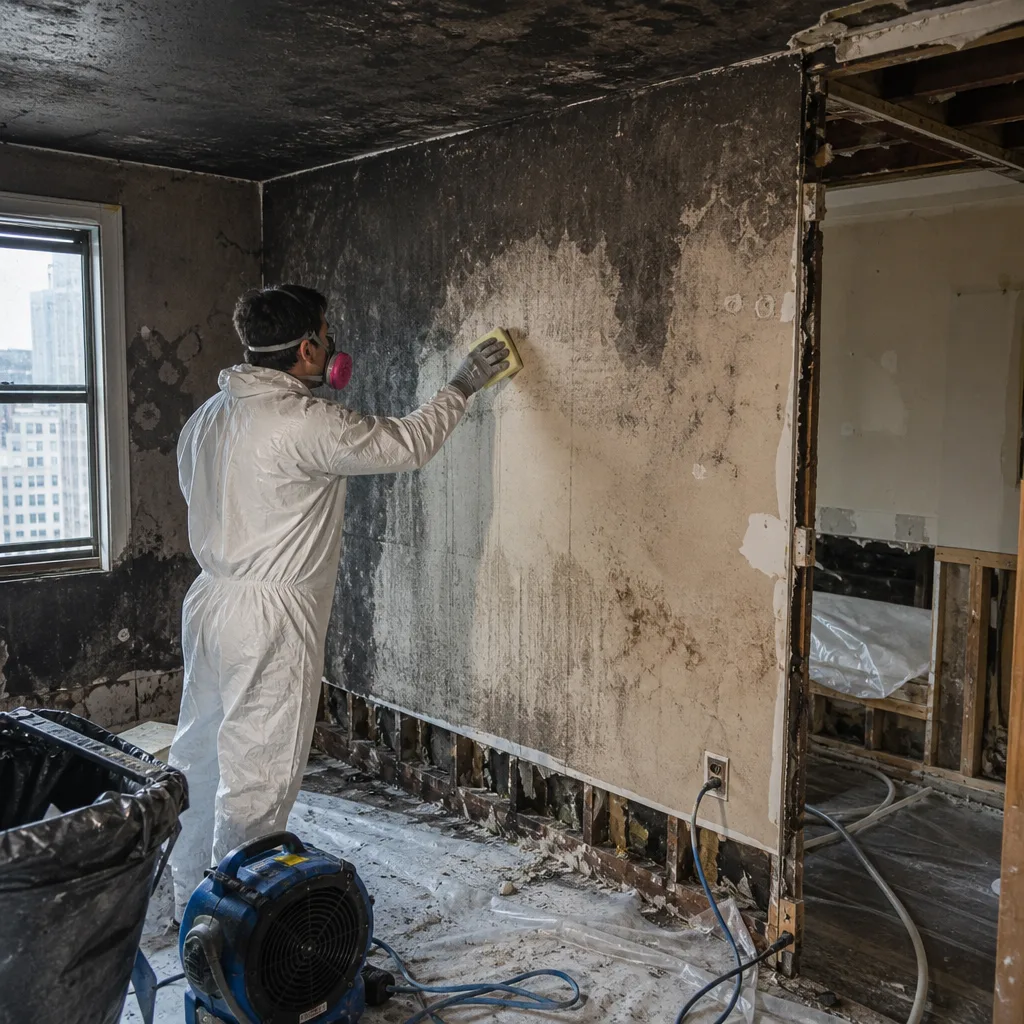
Smoke & Soot Removal
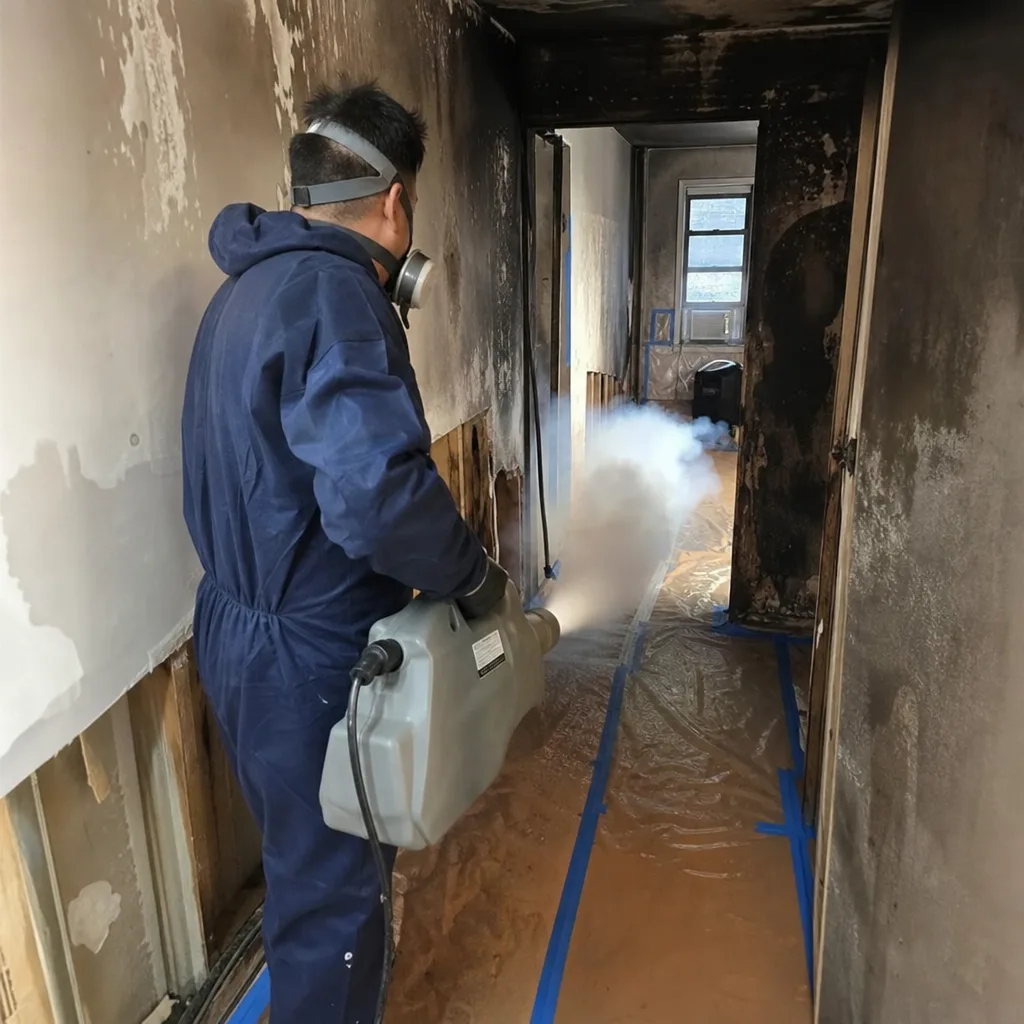
Smoke behavior in Williamsburg’s older building stock doesn’t follow textbook patterns. The unreinforced brick tenements south of Grand Street have balloon-framed floor cavities and original plaster lath that trap soot in ways drywall never would. In North Williamsburg loft conversions, the open floor plans and exposed ductwork from industrial HVAC systems create migration paths that carry smoke into structural voids a standard cleaning won’t reach. Our Fire & Smoke Damage Restoration team uses HEPA vacuuming, chemical sponging, and thermal fogging specific to the residue type - wet smoke from slow-burning plastics, dry smoke from fast-burning wood, protein residue from kitchen fires. A typical smoke and soot removal in a Williamsburg one-bedroom tenement runs $2,400-$4,800; loft conversions with exposed structural elements run $5,500-$9,500.
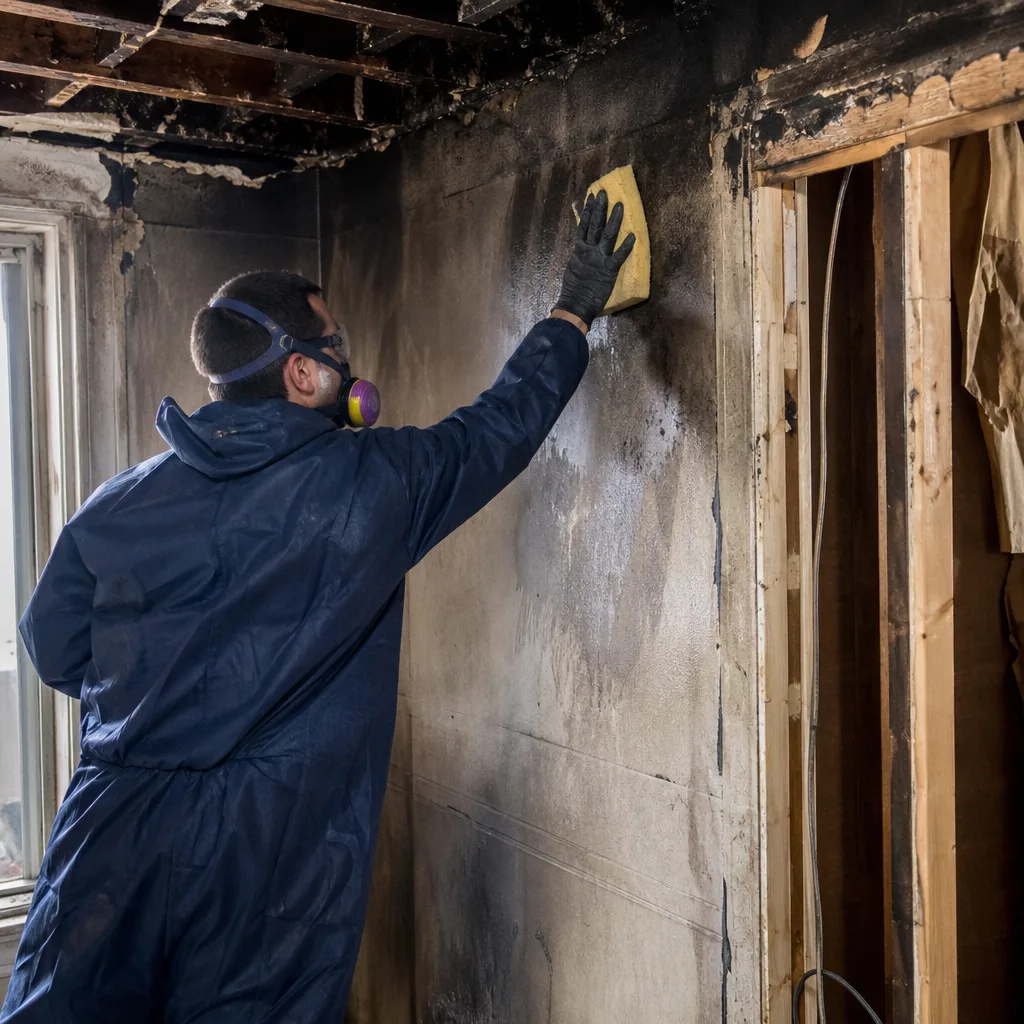
Odor Removal & Deodorization
Smoke odor that returns after cleaning is usually a sign that the source wasn’t fully addressed. In Williamsburg’s converted industrial buildings, that often means soot embedded in the brick cavity wall or absorbed into century-old timber beams that were never sealed for residential occupancy. We run vapor pressure differential readings to locate hidden reservoirs, then apply ozone treatment, hydroxyl generation, or thermal fogging based on the material and the odor compound. Tertiary drying - the final phase where we bring humidity to equilibrium - is documented with psychrometric data, the daily moisture logs your adjuster needs. Odor removal in Williamsburg typically adds $1,200-$2,800 to a smoke remediation scope.
Structural Fire Repair
Fire-damaged structure in Williamsburg requires understanding what these buildings were originally built for. The unreinforced brick walls in South Williamsburg tenements were engineered for vertical load, not lateral wind pressure. The steel-frame windows in Kent Avenue lofts were designed for factory ventilation, not thermal performance. After a fire, heat-stressed masonry and warped steel sash create new rain-intrusion paths that standard structural repair misses. Our structural fire repair includes envelope assessment, impact-rated replacement window specification for wind-facing elevations, and written scope documentation that separates fire damage from pre-existing conditions your insurer may dispute. Structural repair in Williamsburg starts around $4,500 for localized damage, with full-loft envelope reconstruction running $12,000-$28,000 depending on square footage and material matching requirements.
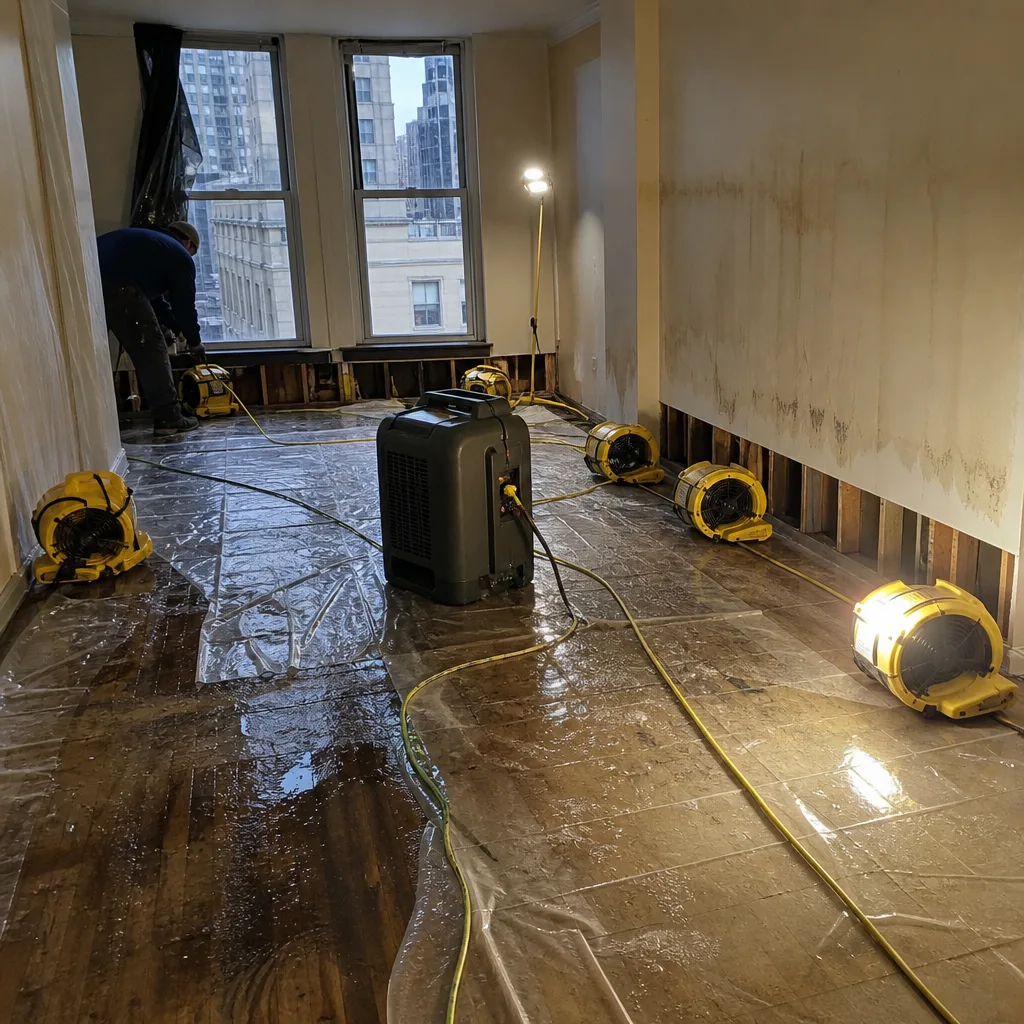
Contents Cleaning & Pack-Out
Williamsburg’s density means many residents don’t have off-site storage for contents during restoration. We provide inventory-documented pack-out with photo condition reports, ultrasonic cleaning for non-porous items affected by smoke residue, and climate-controlled storage until structural work completes. Our contents team works from the same written scope as the structural crew, so nothing is cleaned that will be re-contaminated by ongoing construction. Pack-out and contents cleaning in Williamsburg typically runs $1,800-$4,500 for a two-bedroom unit.
What happens when you call
- 1
A real person answersNo phone trees - you reach a local pro.
- 2
You get an upfront price rangeHonest numbers before anyone is dispatched.
- 3
A background-checked tech heads outLicensed & insured, dispatched right away.
- 4
You approve before work beginsNothing starts until you say go.
BeforeAfterTrusted Brands We Service in Williamsburg
Our equipment inventory for Williamsburg includes professional-grade drying and air-scrubbing systems from XPOWER, B-Air, and Injectidry, with HEPA filtration rated for soot and particulate removal in occupied structures. We stock replacement sash and flashing materials compatible with the steel-frame window profiles found in Kent Avenue and Berry Street loft conversions, reducing lead time for envelope repair. Every piece of equipment deployed on a Williamsburg job is logged by serial number, run-time, and placement location in the daily drying report. This isn’t inventory management; it’s the documentation that proves to your adjuster that drying continued until the structure reached equilibrium, not until the crew ran out of time.
Common Fire & Smoke Damage Restoration Problems We See in Williamsburg Homes
- Heat-stressed steel sash windows leaking rain into the cavity wall. Crews treat a fire loss as only smoke and soot, missing that warped original factory steel-frame windows and degraded mortar in unreinforced brick tenement walls now let rain wick into the cavity. The misdiagnosis leads to mold callbacks six weeks later, when the real problem was envelope failure from thermal stress, not incomplete cleaning.
- Temporary board-up failing in the next storm because wind-load wasn’t checked. Emergency tarping on a North Williamsburg waterfront building must account for East River exposure and the accelerated wind speeds at that elevation. A tarp rated for inland use fails, category 3 water from flooding re-contaminates the already-cleaned structure, and the scope of work starts over at square one.
- Flat membrane roofs on converted warehouses not inspected during fire cleanup. In Kent Avenue loft buildings, roofs originally specified for industrial thermal loads degrade faster under residential occupancy patterns. Fire damage cleanup that doesn’t include roof assessment misses a hidden water-intrusion path that undermines structural drying and voids the drying log your adjuster needs to see.
- Soot migration through exposed industrial ductwork in open-plan lofts. The original HVAC infrastructure in converted warehouse buildings was designed to move manufacturing air, not to isolate residential zones. Smoke travels through these pathways into structural voids that standard room-by-room cleaning won’t reach, leaving odor reservoirs that reactivate with humidity changes.
Pricing for Fire & Smoke Damage Restoration in Williamsburg, NY
Fire and smoke damage restoration in Williamsburg follows a clear cost structure, with every line item written before work begins - Haven Standard, Clause 1. Emergency board-up and tarping runs $800-$1,400 for standard residential, $1,800-$3,200 for loft structures with multiple compromised openings. Smoke and soot removal typically costs $2,400-$4,800 for a tenement unit, $5,500-$9,500 for open-plan loft conversions with exposed structural elements. Odor removal and deodorization adds $1,200-$2,800. Structural fire repair starts at $4,500 for localized damage, with full envelope reconstruction on larger properties reaching $12,000-$28,000. Contents pack-out and cleaning runs $1,800-$4,500 for a typical two-bedroom.
What moves a Williamsburg job toward the higher end: impact-rated replacement windows for wind-facing elevations, NFIP documentation for properties in FEMA Zone AE, material matching for pre-war plaster or reclaimed timber, and the additional drying days required when rain intrusion is discovered behind heat-stressed brick. We deliver a written scope with exact pricing before any work starts, and we coordinate directly with your adjuster using the photo documentation and daily moisture logs that keep claims moving. Call (862) 212-1646 for a written estimate - estimates are free, and we provide a Free Second Opinion on any competitor’s written quote.
We Also Serve Cities Near Williamsburg
Our crews respond throughout the metro area from our New York City office, with regular service to Williamsburg and surrounding neighborhoods including Midtown Manhattan, Murray Hill, Upper East Side, and Long Island City. Each property receives the same documentation standard: written price before work begins, photo record on every visit, and the 365-Day Done Right Promise under The Haven Standard.
Serving Williamsburg, NY - Our Local Coverage Area
We’re based in the Williamsburg area and know this community well. Use the map below to see our service coverage - if you’re nearby, we can almost certainly help.
FAQs - Fire & Smoke Damage Restoration in Williamsburg
Because the real source is usually rain infiltrating around heat-stressed original steel sash windows, not incomplete fire suppression. In Kent Avenue and Berry Street loft conversions, century-old factory steel-frame windows with no modern flashing warp under fire conditions and create new leakage paths into the brick cavity wall. A crew that treats this as residual fire-hose water misses the envelope failure, and the structure keeps taking on moisture every time it rains. We document the vapor pressure differential readings that distinguish active rain intrusion from residual fire suppression, then address the sash replacement in the written scope before drying begins. Call (862) 212-1646 for an exact assessment - estimates are free.
Yes. Properties in FEMA Zone AE require elevation-certificate documentation and NFIP claim navigation that doesn’t apply inland. After a fire, the temporary envelope must be wind-rated for East River exposure, not just standard residential board-up. We photograph the elevation certificate, log the NFIP policy number with the claim file, and specify impact-rated replacement materials for wind-facing elevations. This documentation is included as standard, never an upsell. Call (862) 212-1646 for a written scope that addresses both the fire loss and the flood-zone requirements.
Yes, if the source wasn’t fully eliminated. The unreinforced brick tenements in South Williamsburg have balloon-framed cavities and original plaster lath that trap soot in ways modern construction doesn’t. Surface cleaning that doesn’t include vapor pressure assessment leaves odor reservoirs in structural voids; humidity changes reactivate the compounds. We run tertiary drying to documented equilibrium, with psychrometric data logged daily, and we guarantee our odor removal for 365 days under The Haven Standard. If odor returns, we make it right. Call (862) 212-1646 for a written scope that includes the full deodorization protocol.
Within 24-48 hours, but speed without documentation is worthless. The open floor plans and exposed structural timber in converted warehouses absorb moisture faster than compartmentalized residential construction, but they also release it more slowly if drying isn’t properly logged. We set up containment, run initial moisture readings with calibrated meters, and begin documented drying within hours of arrival - not because faster is always better, but because every day of unlogged delay gives your adjuster a reason to dispute the scope. Our daily drying logs start on day one. Call (862) 212-1646 for dispatch timing to your specific address.
The steel sash and unreinforced brick envelope react to heat and pressure differently than residential construction, and they create rain-intrusion failure modes that don’t exist in conventional buildings. Post-fire, warped steel panels and degraded mortar joints let water wick into the cavity wall - a problem that looks like incomplete drying but is actually envelope failure. Our cleanup protocol includes envelope assessment, wind-load-rated temporary protection, and impact-rated replacement specification before structural drying completes. This is standard on every Williamsburg loft job we handle, documented in the written scope from day one. Call (862) 212-1646 for a Free Second Opinion if another company’s scope didn’t address the window condition.
Written by Alicia Brennan, Owner at Back to Dry Restoration, serving Williamsburg since 2011 under The Haven Standard.