
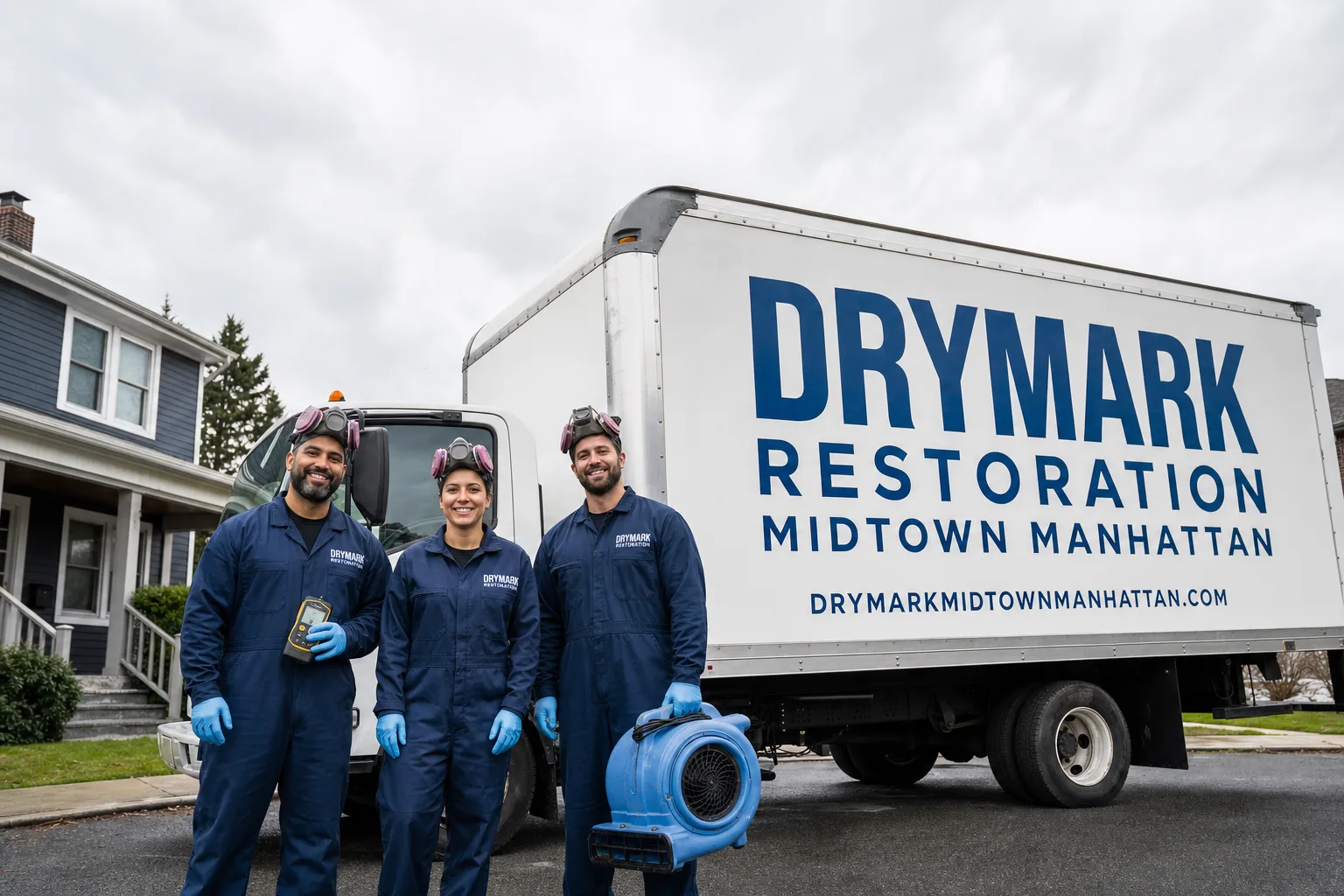
Free visual inspection and a written scope of work before any mitigation begins - photos, moisture readings, and drying logs go in your claim file
The scope we write is the scope we bill. Anything new gets shown to you, in writing, before we touch it.
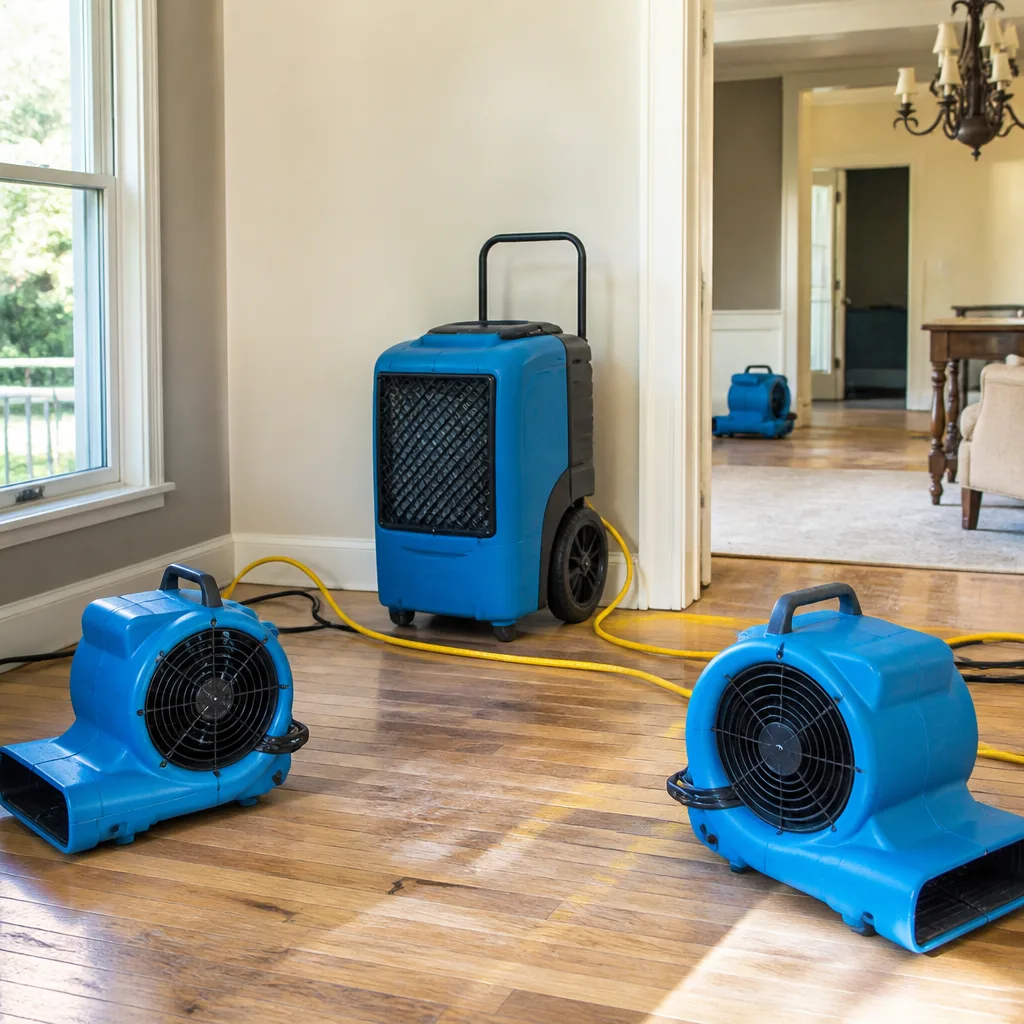
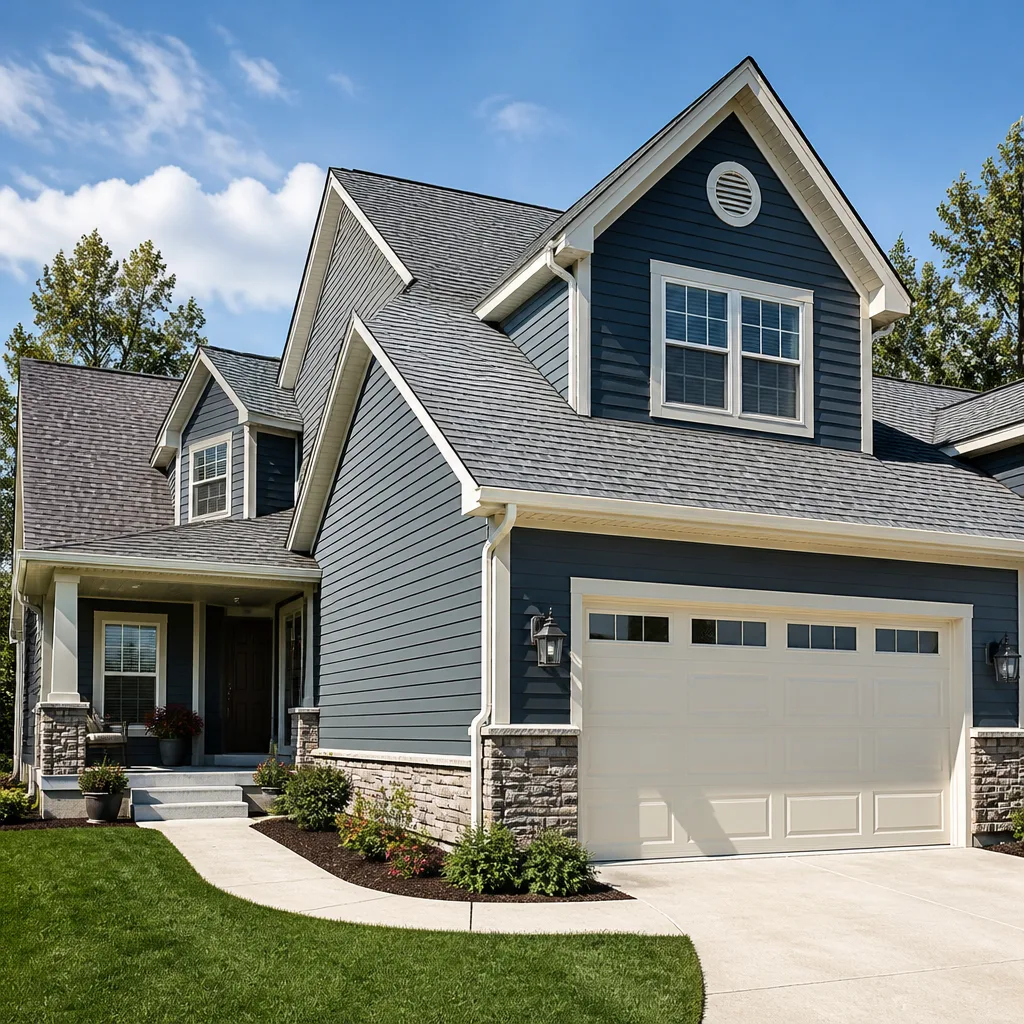
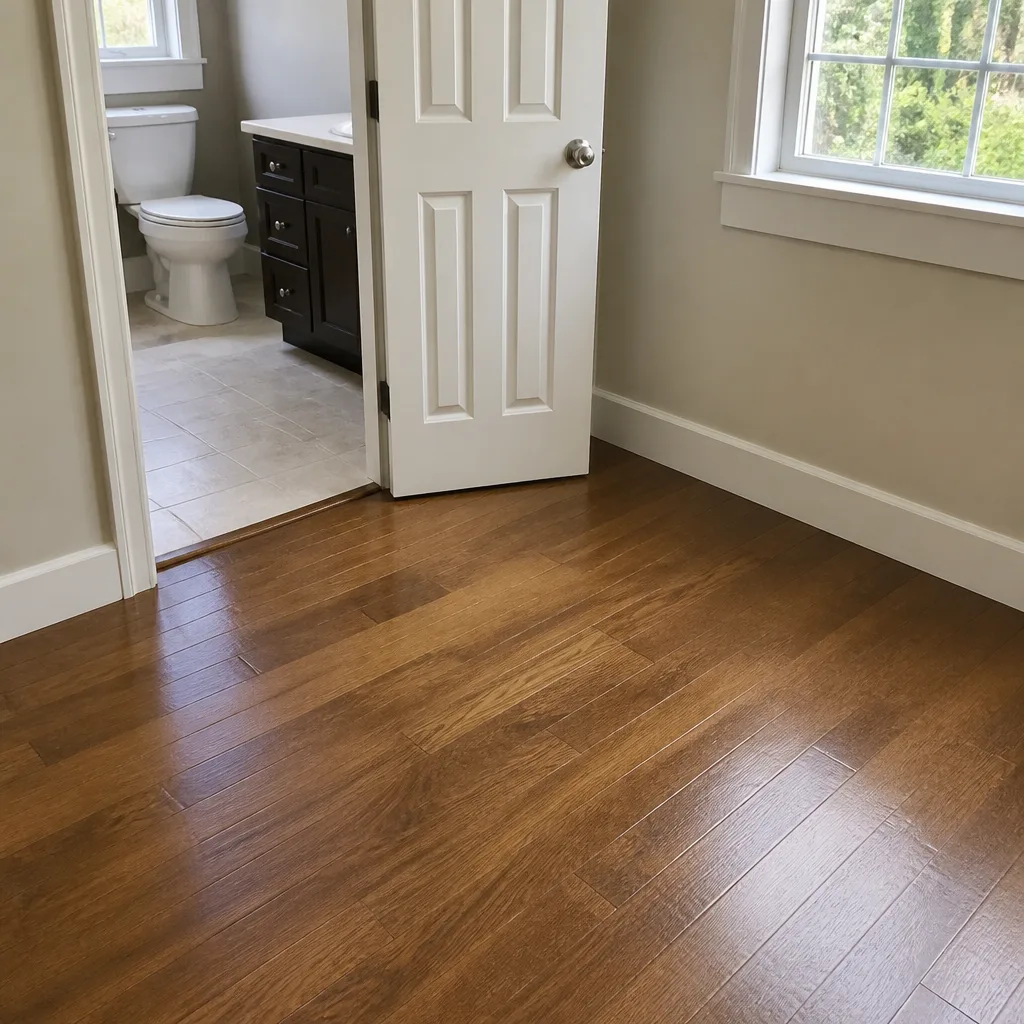
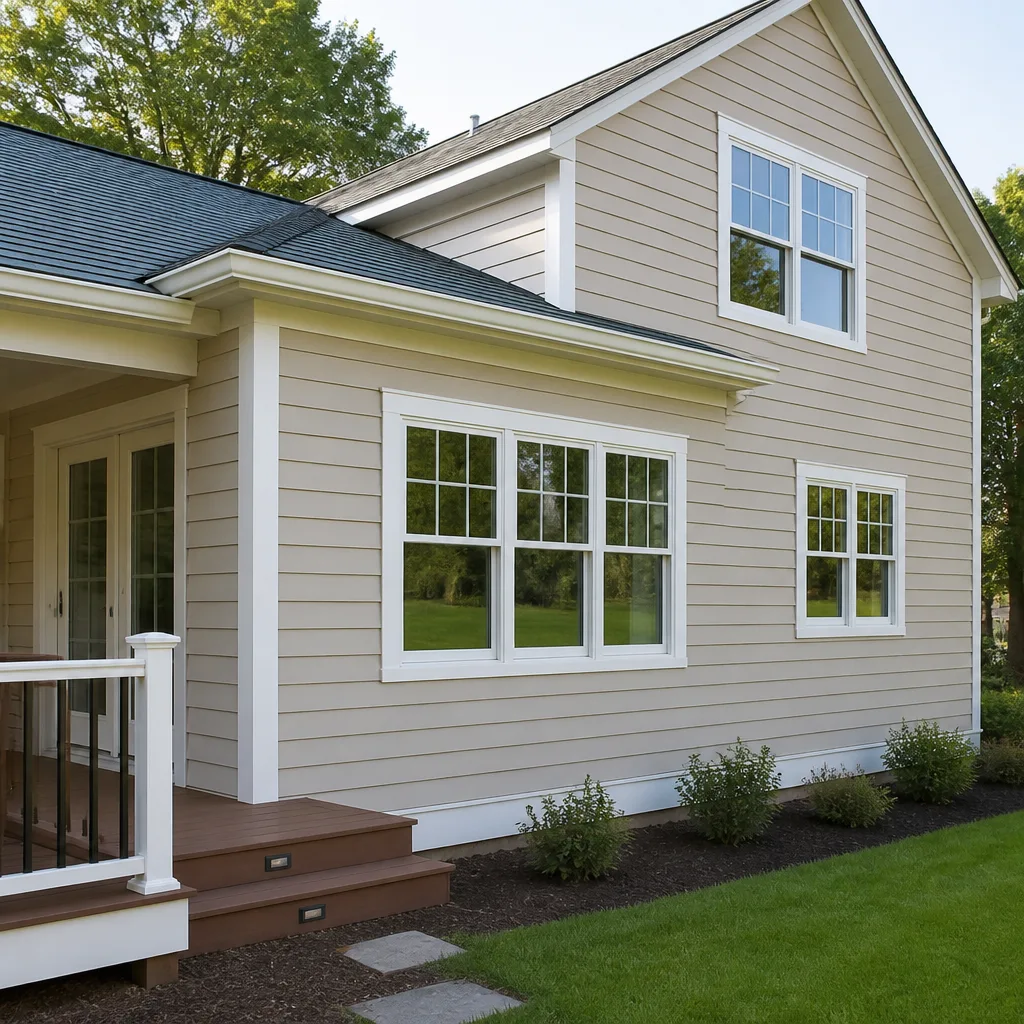
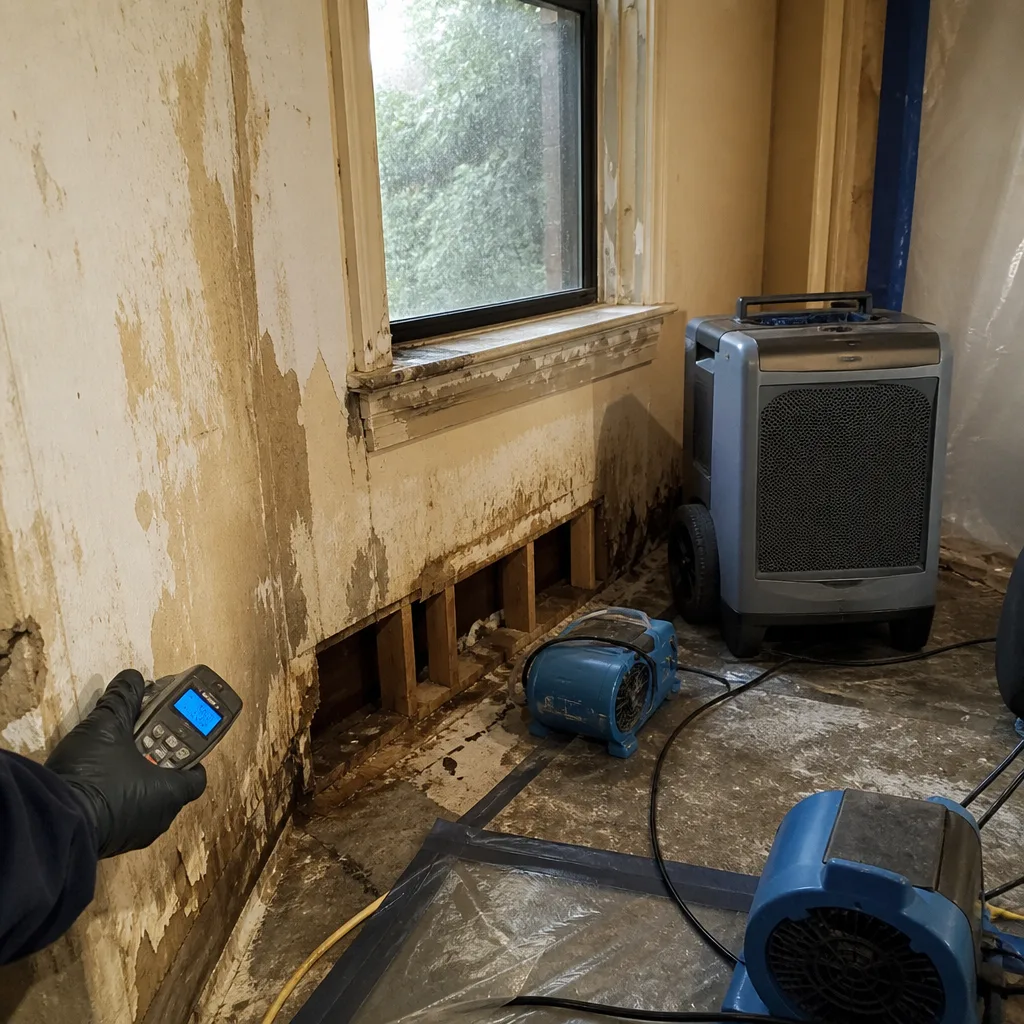 Before
 After
After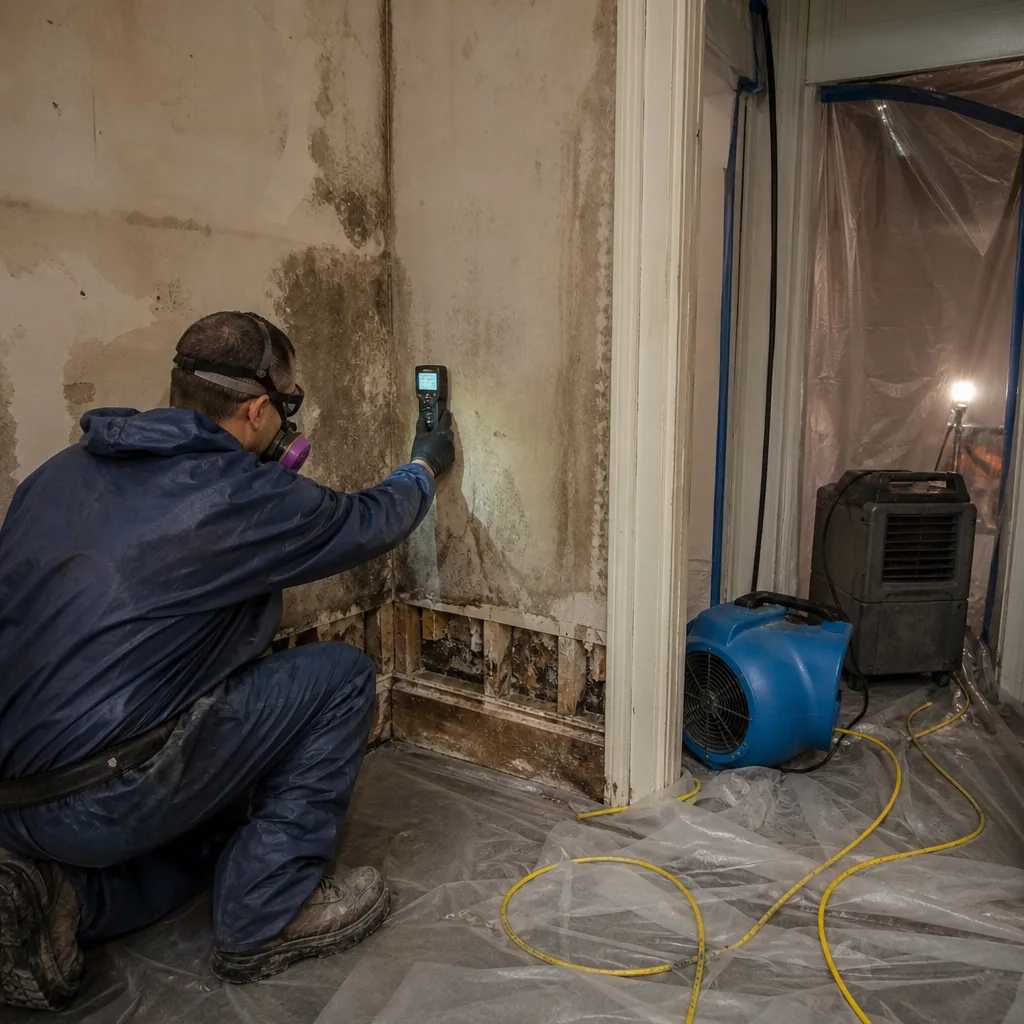 Before
 After
After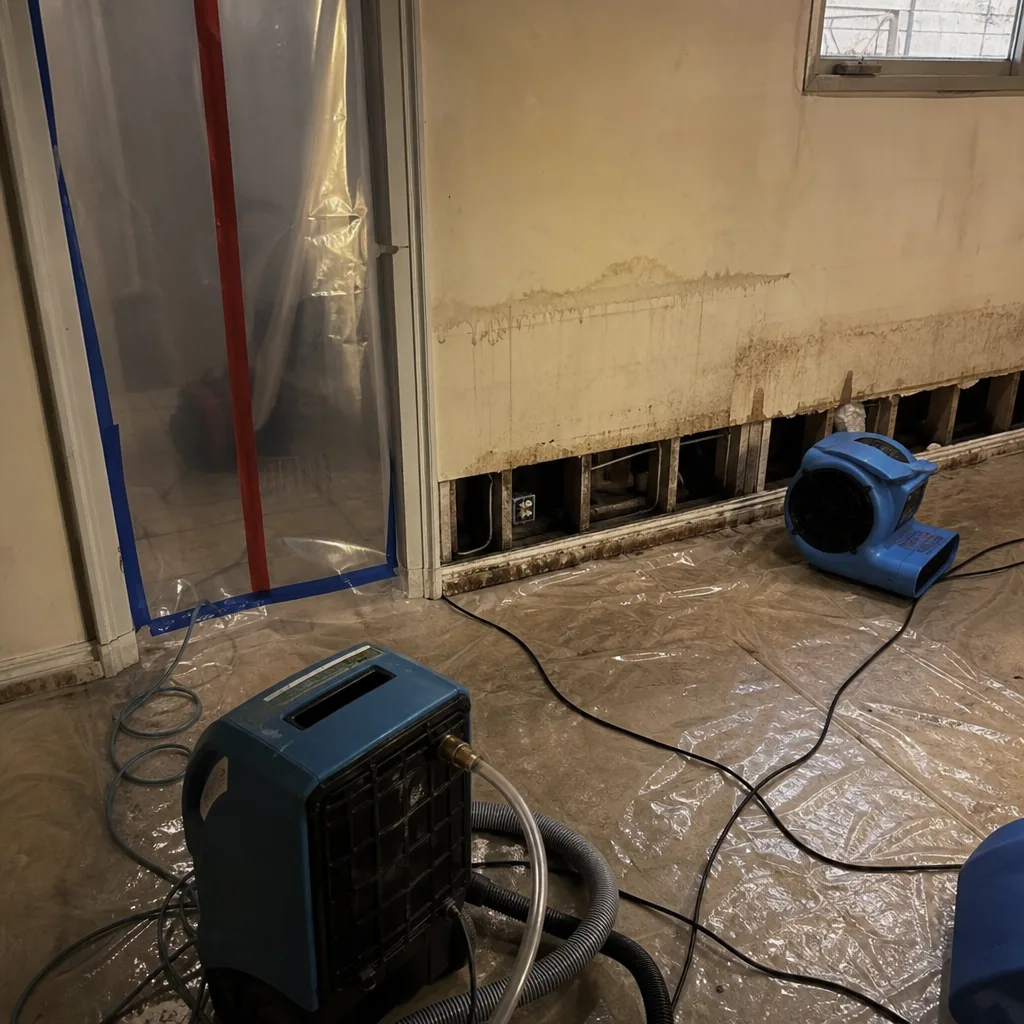 Before
 After
AfterFast, Reliable Mold Remediation Across East Harlem
Mold remediation in East Harlem typically runs $1,800-$6,500 depending on affected square footage and contamination level, with our crews able to respond to calls anywhere from 110th Street to the Harlem River within 90 minutes during business hours. We’re familiar with the specific buildings here - the pre-war tenements along Lexington and Third Avenue, the NYCHA towers at Wagner and James Weldon Johnson Houses, the mixed-income developments near East 125th Street - and we know that mold in East Harlem rarely stays confined to one unit. Our Mold Remediation team dispatches from our New York City office with moisture meters, HEPA filtration, and the documentation protocols that keep insurance claims moving. Call (862) 212-1646 for a written estimate before any work begins.
Why DryMark Restoration Midtown Manhattan Is East Harlem’s Preferred Mold Remediation Company
We’ve restored homes in East Harlem since our founding, and the pattern is consistent: buildings here fail differently than they do in Midtown or the Upper East Side. Our reputation in this neighborhood is built on knowing the difference between a Category 1 water loss in a 2015 condo and a Category 3 sewer backflow in a 1920s tenement basement - and documenting that difference in writing before we start.
East Harlem customers consistently note our response speed in reviews, particularly after freeze events when burst pipes hit multiple units simultaneously. We maintain live phone coverage 24 hours a day, 7 days a week with no voicemail trees; a real person answers, logs the call, and dispatches.
Our local knowledge extends to the bureaucratic realities of working here. We know that NYCHA’s East Harlem property management office operates on its own timeline, that pre-war cast-iron plumbing creates hidden moisture pathways between units, and that the combined sewer system along much of the neighborhood’s eastern edge changes how we classify ground-floor flooding. This isn’t generic expertise applied locally. It’s built from jobs we’ve done on your streets.
Our Mold Remediation Services in East Harlem
Mold Inspection & Testing
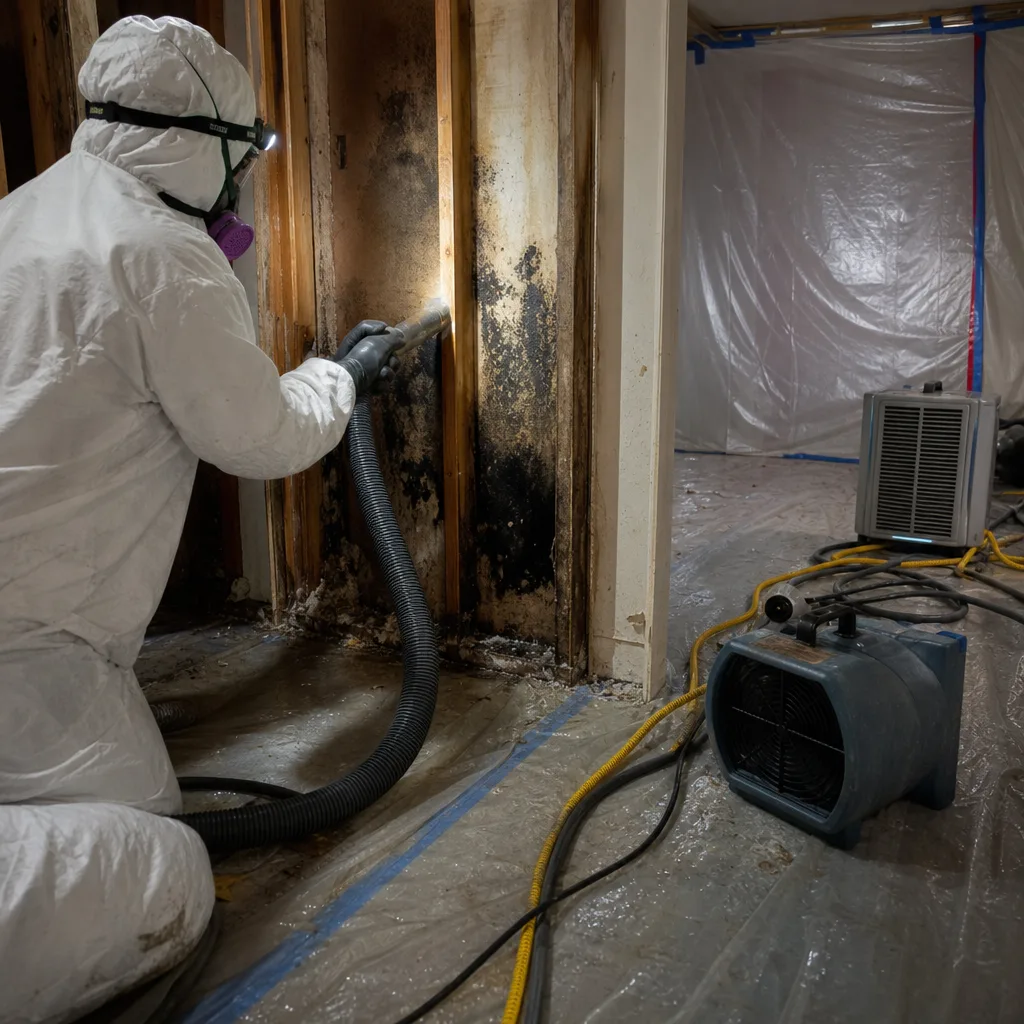
A proper mold inspection in East Harlem starts with understanding the building. In a pre-war tenement on East 116th Street, we’ll moisture-map not just your apartment but the shared pipe chase behind your kitchen wall, because original cast-iron plumbing has been creating hidden vapor pathways for a century. In a NYCHA tower, we’ll verify unit-access clearance in writing before we schedule our arrival, so we’re not burning the 24-48 hour window that separates a contained drying job from a full remediation. Our inspections include airborne spore counts, surface sampling, and written moisture logs documented to IICRC standards - the same documentation that turns restoration invoices into payable insurance claims.
Mold Removal
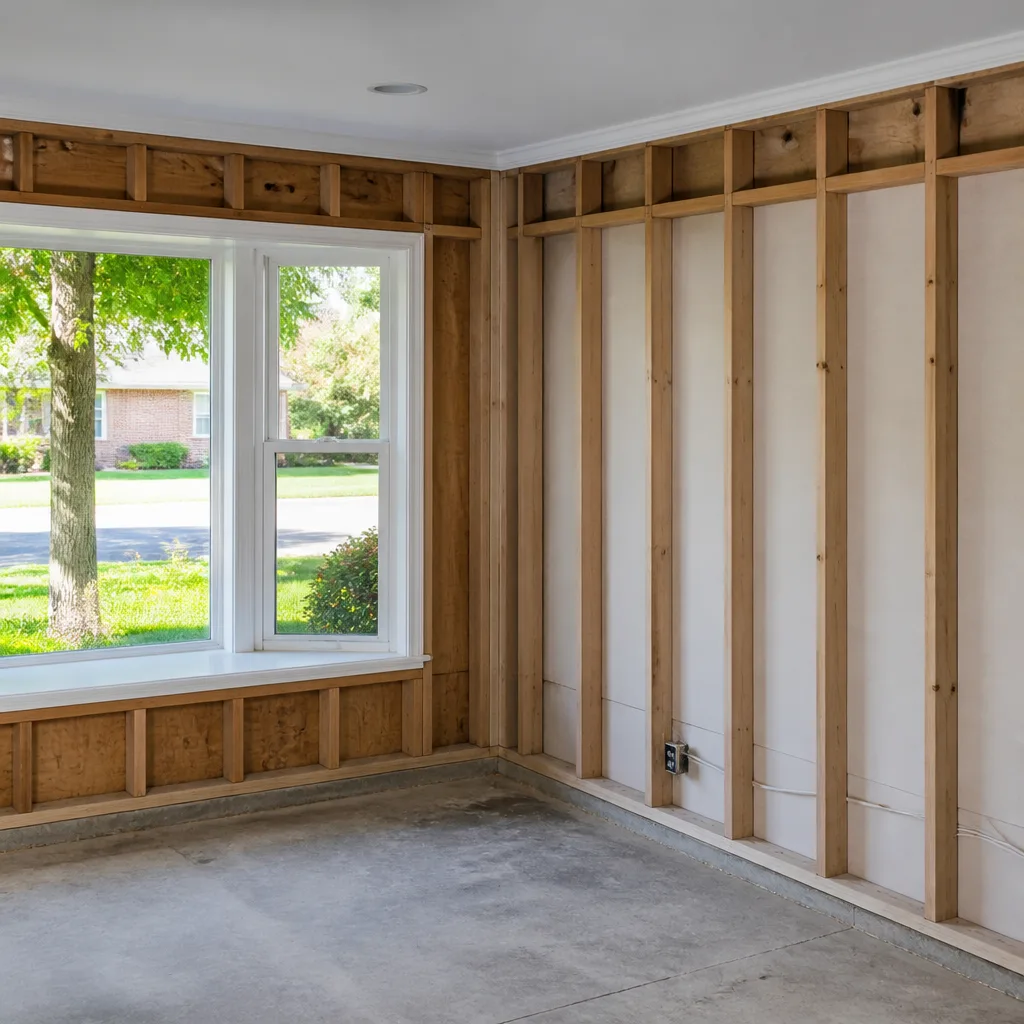
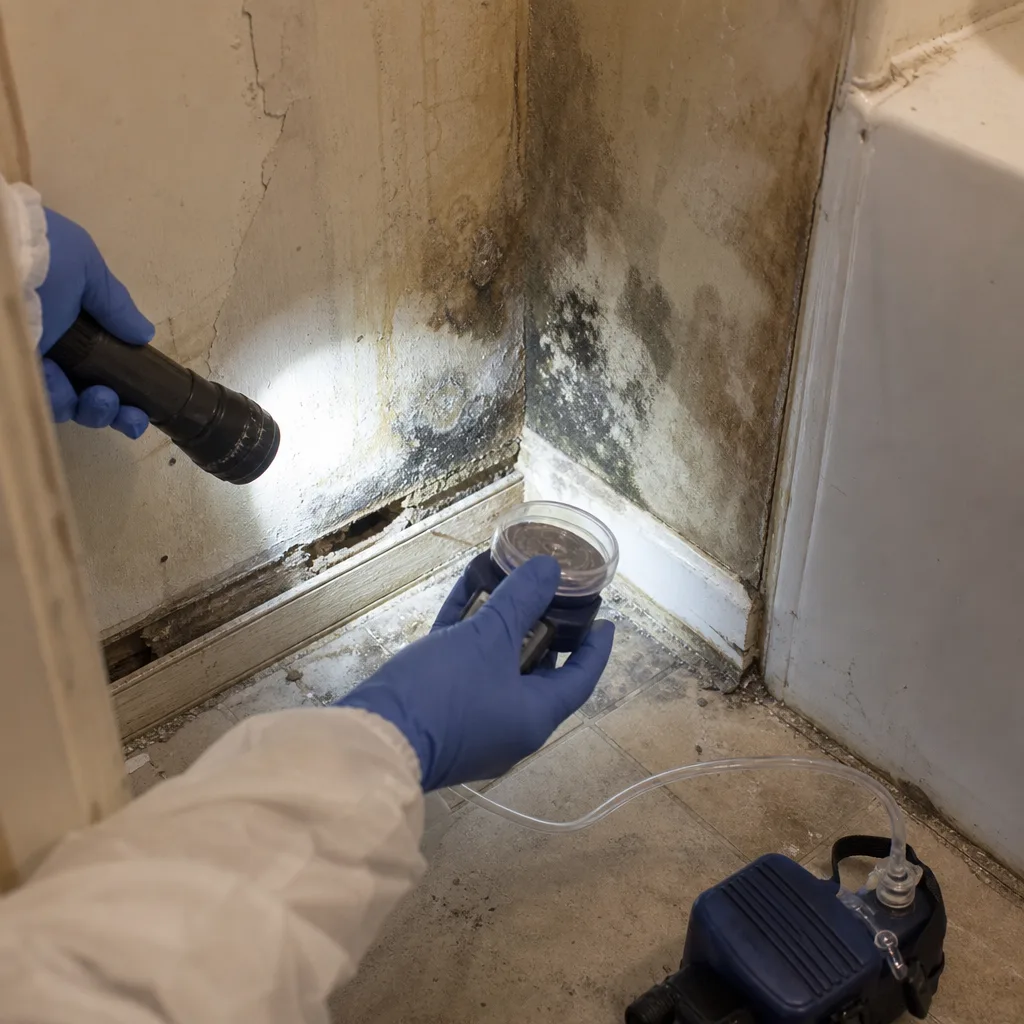
Mold removal in East Harlem requires different containment strategies depending on whether we’re working in a 600-square-foot tenement or a 14-story tower with shared HVAC risers. We establish negative air pressure with HEPA filtration, remove contaminated porous materials by the square foot, and treat remaining assemblies with antimicrobial agents. Every removal job includes a photo record on every visit and a written scope agreed before demolition begins - Haven Standard, Clause 1. We don’t start tearing out drywall until you’ve seen the price and signed it.
Black Mold Remediation
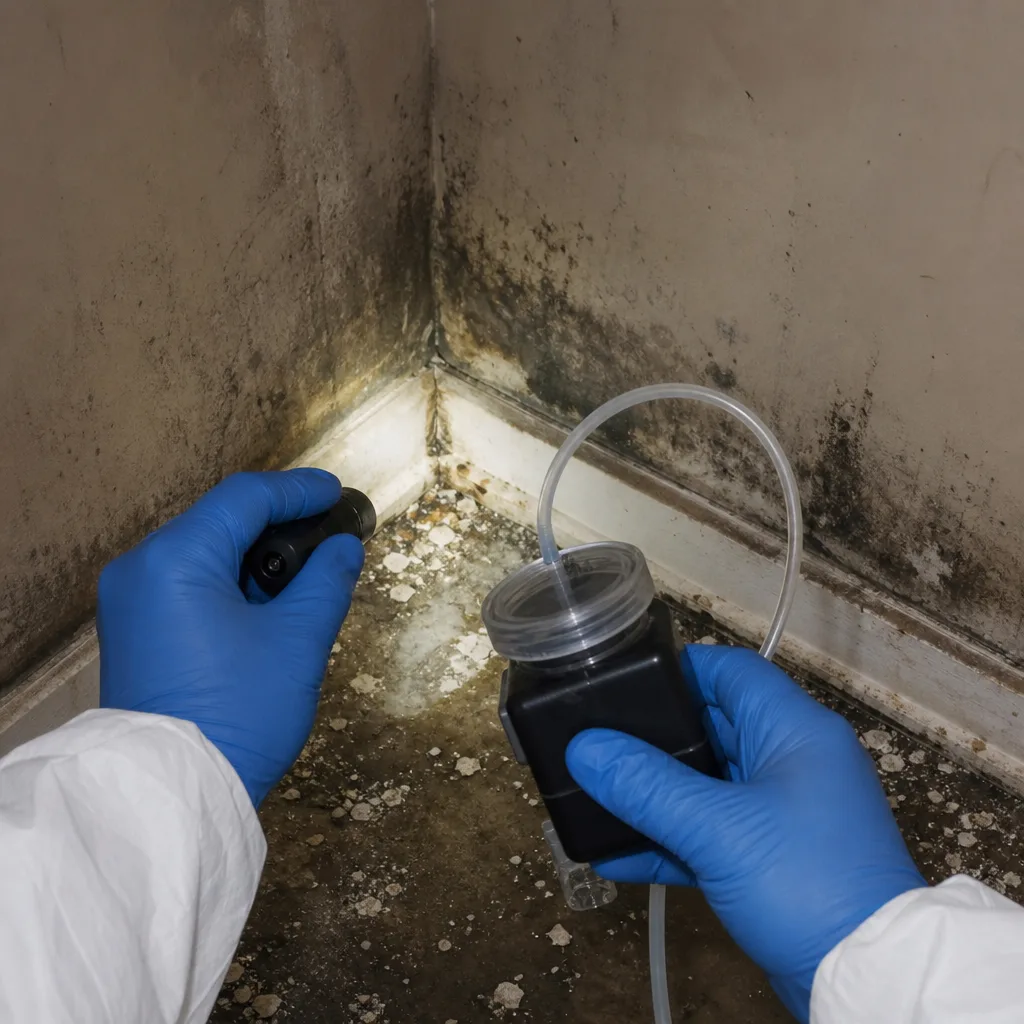
Stachybotrys chartarum - the black mold that triggers the most health concerns - thrives on cellulose in persistently wet conditions. In East Harlem’s older housing stock, we find it most often behind baseboards where repeated steam-heat cycling has created condensation zones, or in wall cavities where a slow plumbing leak has gone unreported between units. Black mold remediation here requires full containment, personal protective equipment for our technicians, and air scrubbing that continues past visible removal until clearance testing confirms spore counts at acceptable levels. We document every phase for your insurance file and your own records.
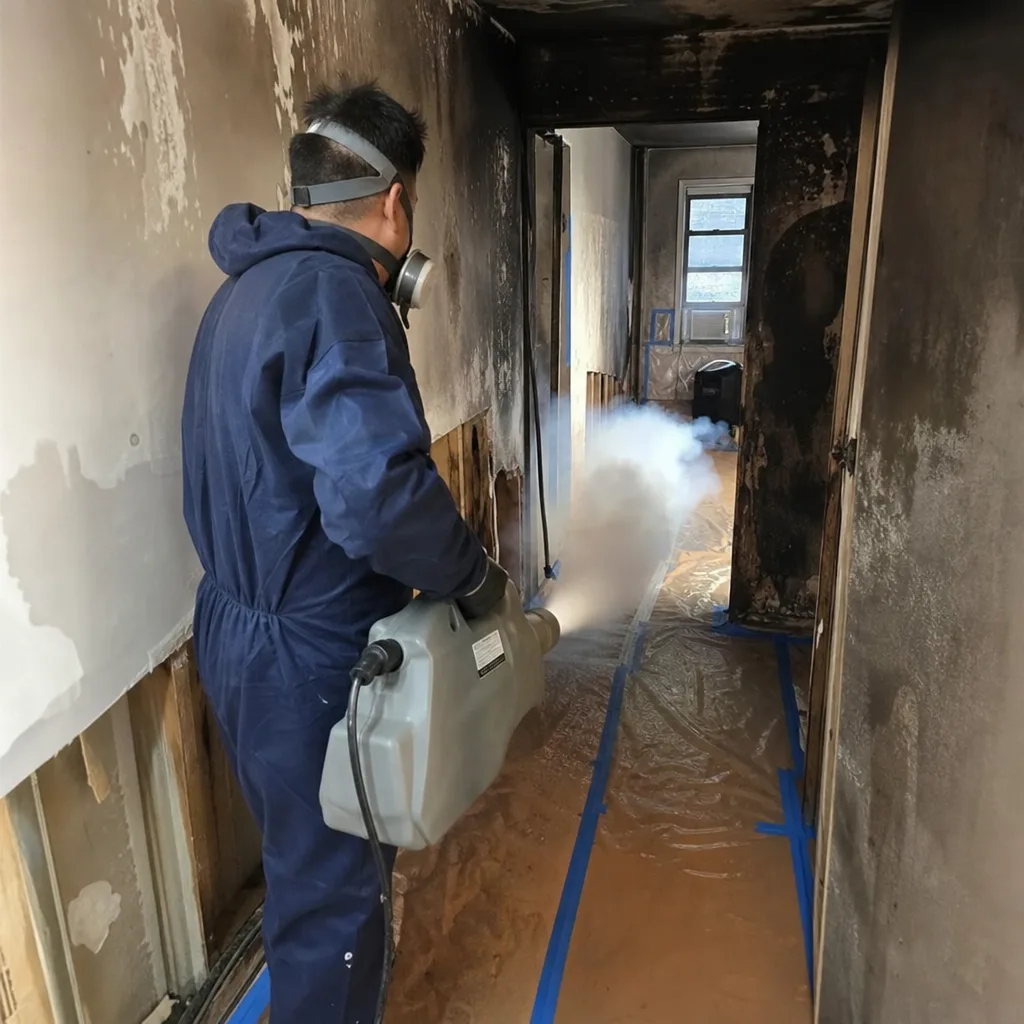
Air Quality Restoration
After mold removal, the air in your East Harlem home isn’t automatically clean. Spores linger. We deploy professional-grade HEPA air scrubbers from Phoenix and XPOWER, sized to the cubic footage of your space and run for documented intervals until post-remediation testing confirms safe levels. In buildings with shared ventilation - common in both pre-war tenements and NYCHA towers - we coordinate with building management to prevent cross-contamination during the restoration process. You receive the lab results in writing, not a verbal assurance.
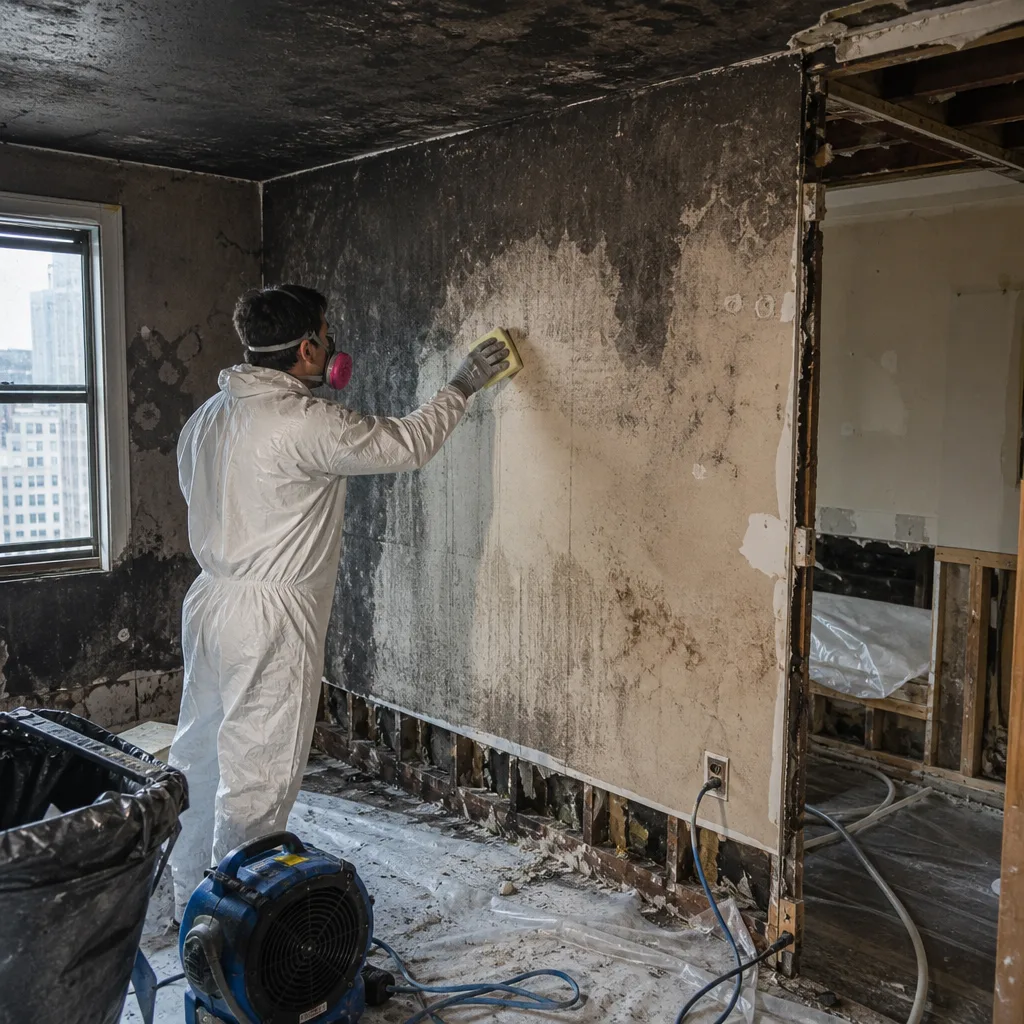
Moisture & Humidity Control
The mold problem you see is always a moisture problem you don’t. Our moisture and humidity control service identifies the source: a failed steam trap creating chronic wall condensation, a combined-sewer backflow that left residual saturation in a basement, a February freeze that split an exterior pipe in a minimally insulated tenement wall. We install Dri-Eaz and B-Air dehumidification systems sized to your space, produce daily psychrometric data (temperature, relative humidity, and vapor pressure differential - the measurable force that drives moisture through materials), and don’t remove equipment until the numbers prove the space is dry.
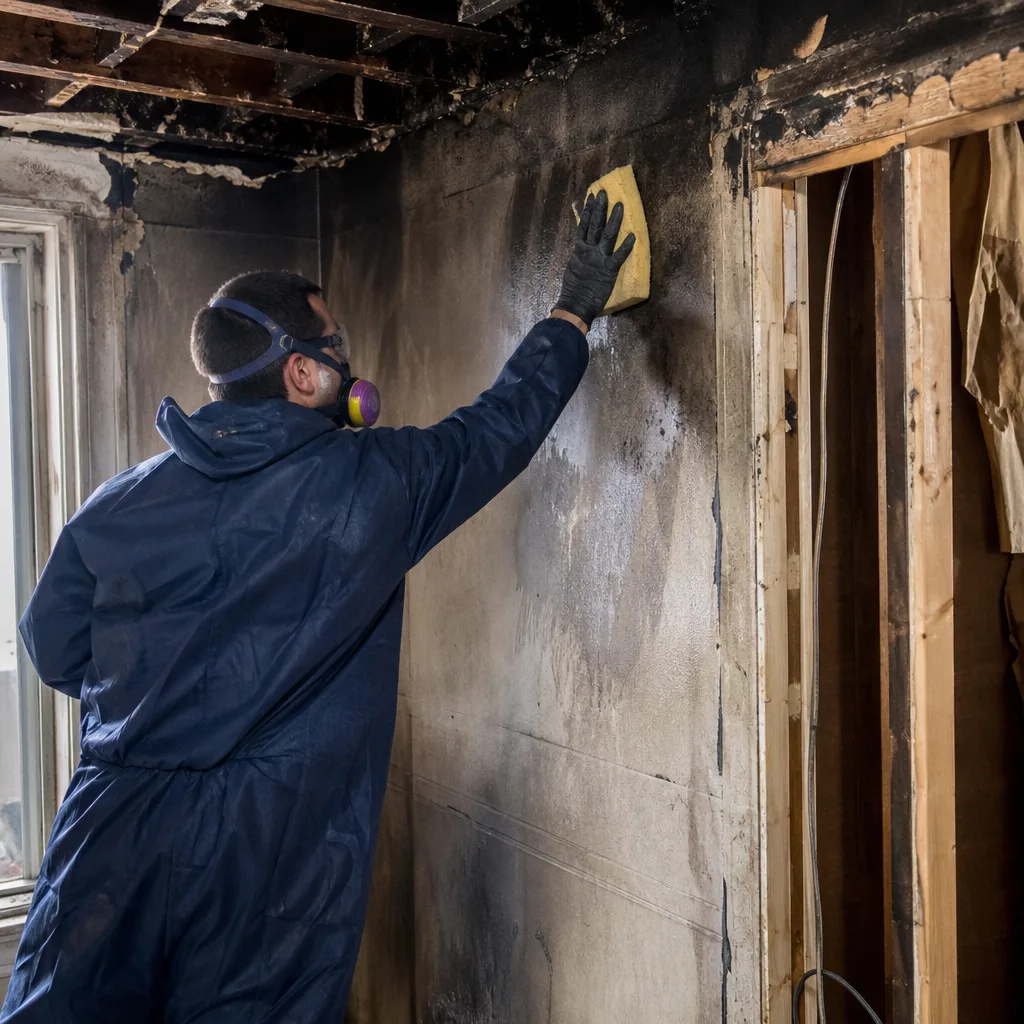
What happens when you call
- 1
A real person answersNo phone trees - you reach a local pro.
- 2
You get an upfront price rangeHonest numbers before anyone is dispatched.
- 3
A background-checked tech heads outLicensed & insured, dispatched right away.
- 4
You approve before work beginsNothing starts until you say go.
BeforeAfterTrusted Brands We Service in East Harlem
We deploy professional-grade drying and remediation equipment from Dri-Eaz, Phoenix, and XPOWER on East Harlem jobs - brands that produce the documented performance data insurers expect to see. Our crews stock HEPA filtration, negative-air machines, and dehumidification units sized for both the compact floor plans of pre-war tenements and the larger contiguous spaces in NYCHA common areas. Parts and replacement filters are carried on every truck, so we’re not losing a day to a supply run while mold continues colonizing. Every machine’s runtime and output is logged daily, producing the drying records that support your claim.
Common Mold Remediation Problems We See in East Harlem Homes
- NYCHA clearance delays pushing past the mold window. Contractors who start work before written unit-by-unit approval from the East Harlem property management office get shut down mid-job. We build the 24-48 hour delay into our initial scope and documentation, and we don’t stage equipment until clearance is confirmed.
- Hidden moisture in shared pipe chases. Pre-war tenements on streets like East 117th and Pleasant Avenue have original cast-iron plumbing running through walls that connect multiple units. We moisture-map the chase, not just the visible apartment, or the post-remediation clearance test fails when mold behind the pipe blooms into the treated space.
- Category 3 misclassification after combined-sewer backflow. East Harlem’s combined sewer system means summer storm flooding often carries sewage contamination. Drying porous materials like carpet or drywall instead of removing them leaves bacteria and mold food sources behind - a scope error we catch in the initial assessment.
- Recurring freeze-breaks in minimally insulated exterior walls. January and February hard freezes split supply lines in tenements where steam-heat systems leave cold-side pipes exposed. We locate the active leak source before remediation, or the mold returns within months.
Pricing for Mold Remediation in East Harlem, NY
Most mold remediation jobs in East Harlem fall between $1,800 and $6,500, with the lower end covering contained, single-room removals in tenement apartments and the upper end addressing multi-unit NYCHA tower jobs with extensive containment and documentation requirements. A typical mold inspection and testing visit runs $350-$650. Moisture and humidity control system installation, when needed as a standalone service, ranges from $800-$2,200 depending on equipment count and rental duration.
What moves the price: affected square footage, contamination classification (Category 1, 2, or 3), whether NYCHA or building management coordination is required, and the extent of structural materials that must be removed rather than treated. We deliver a written price before any work starts, every time - Haven Standard, Clause 1. No scope-creep additions once the crew is inside. We also offer a Free Second Opinion on any competitor’s written estimate; bring it to us and we’ll review it at no charge. Call (862) 212-1646 for your written estimate.
We Also Serve Cities Near East Harlem
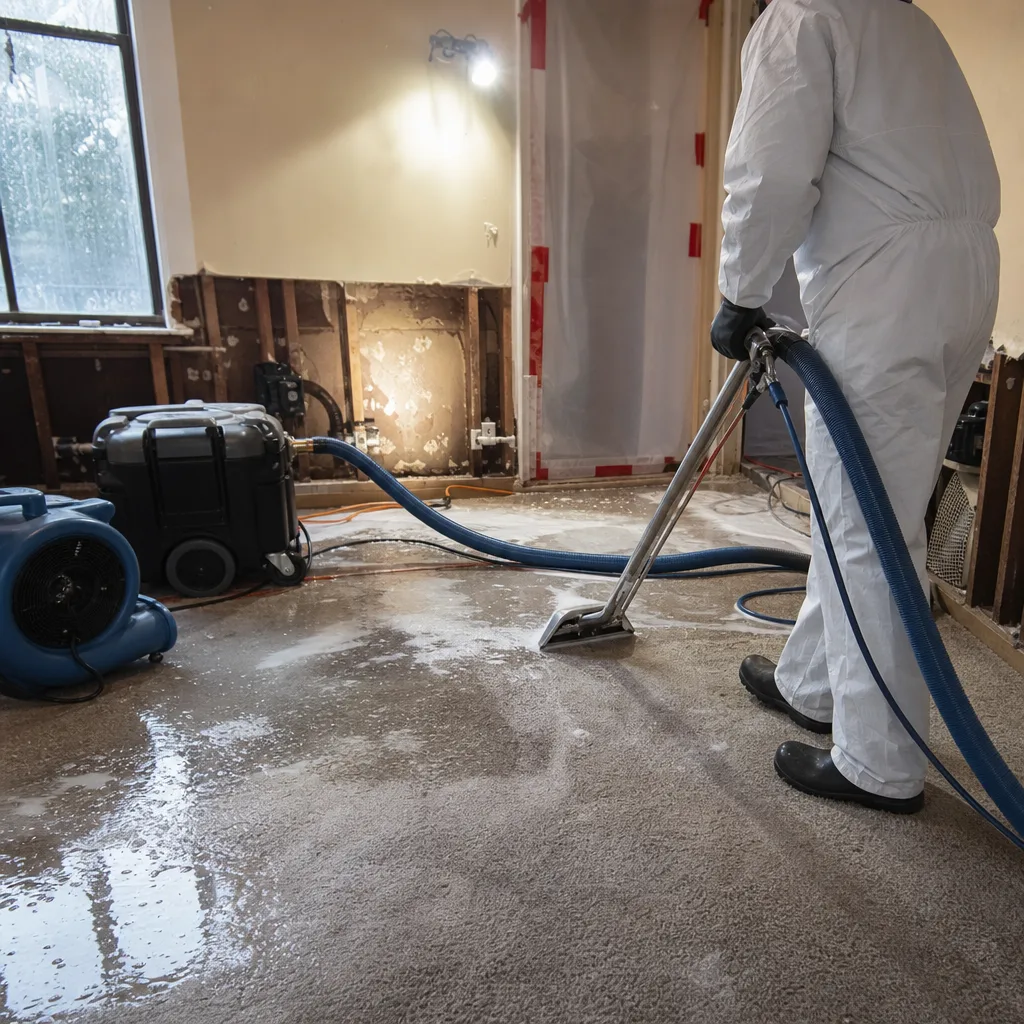
Our crews respond throughout Manhattan and western Queens, including East Harlem, Midtown Manhattan, Murray Hill, the Upper East Side, and Long Island City. Dispatch and scheduling are coordinated from our New York City office; crews serve East Harlem locally with the same documentation standards and written-price guarantee we apply everywhere.
Serving East Harlem, NY - Our Local Coverage Area
We’re based in the East Harlem area and know this community well. Use the map below to see our service coverage - if you’re nearby, we can almost certainly help.
FAQs - Mold Remediation in East Harlem
Because NYCHA’s East Harlem property management office requires written, unit-by-unit clearance before restoration crews can enter, which routinely delays moisture readings and air-mover placement by 24 to 48 hours - long enough for mold to colonize already-humid wall cavities before drying begins. We build this delay into our initial documentation and scope a full antimicrobial treatment from the first call when tower jobs come in. Call (862) 212-1646 for a written estimate.
Pre-war tenements require moisture-mapping of shared pipe chases and original cast-iron plumbing that creates hidden vapor pathways between units, while NYCHA towers require written management clearance, larger containment areas for shared ventilation systems, and coordination with building maintenance for riser repairs. The documentation burden is higher in towers; the hidden-pathway risk is higher in tenements. Both get photo records on every visit and written scopes before work starts.
It means the water source carried significant contamination - typically sewage backflow from East Harlem’s combined sewer system during heavy storms, or groundwater intrusion with unknown chemical content. Category 3 requires removal, not drying, of porous materials like carpet, drywall, and insulation, plus antimicrobial treatment of remaining structural elements. We classify this in the initial assessment and document it in writing before demolition begins.
Yes. NYCHA’s East Harlem property management office must grant written, unit-by-unit clearance before we can stage equipment or take moisture readings. We handle this coordination as part of our standard intake process and don’t promise start dates we can’t confirm in writing. The 24-48 hour clearance window is a known constraint we build into every tower job scope.
Sometimes, if the contamination is limited to surface growth on non-porous materials and the moisture source has been eliminated. More often, the combination of cellulose drywall, persistent moisture from old plumbing, and extended colonization time in East Harlem’s aging housing stock requires removal of affected sections to reach clean substrate. We test, document, and give you a written scope with two options when possible - treat-in-place versus removal - so you decide from actual information, not pressure.
Written by Alicia Brennan, Owner at Back to Dry Restoration, serving East Harlem under The Haven Standard since 2011.