
Last updated September 22, 2026
Free visual inspection and a written scope of work before any mitigation begins - photos, moisture readings, and drying logs go in your claim file
The scope we write is the scope we bill. Anything new gets shown to you, in writing, before we touch it.


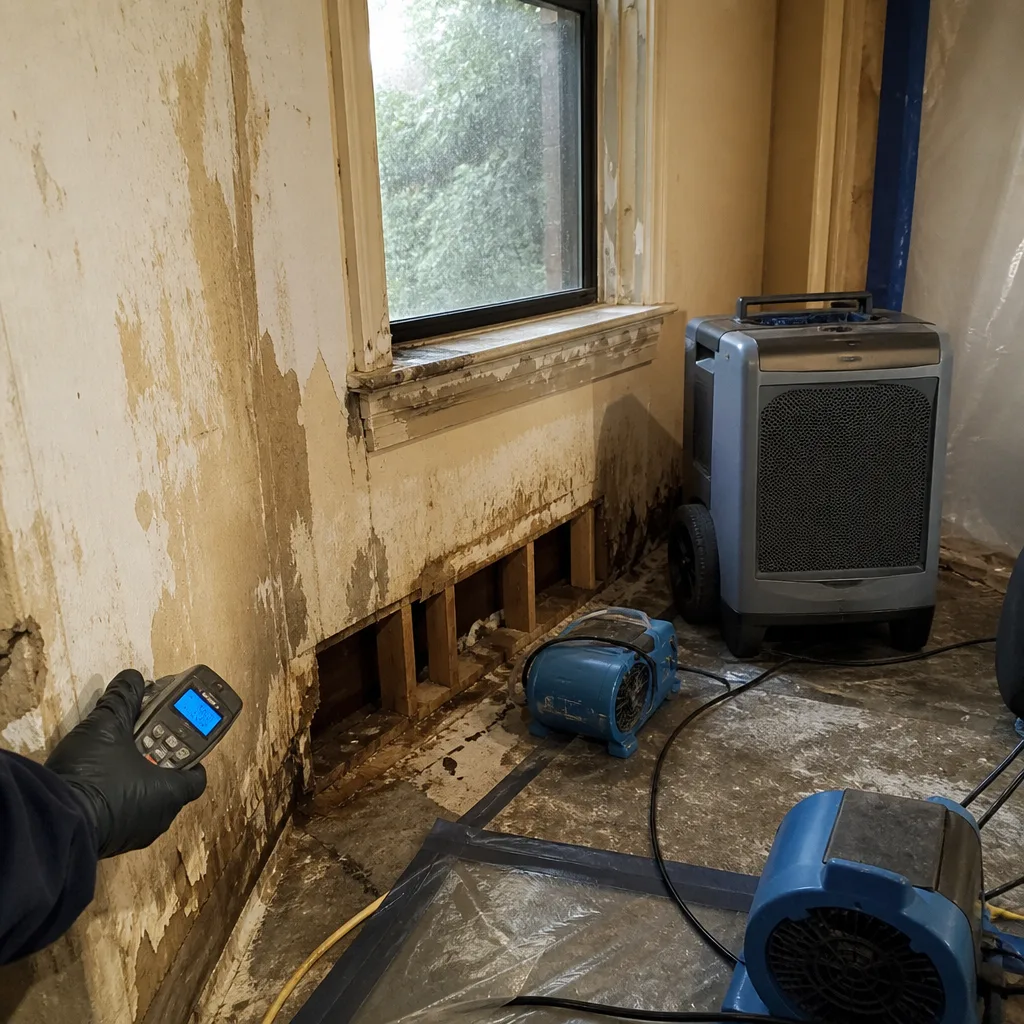 Before
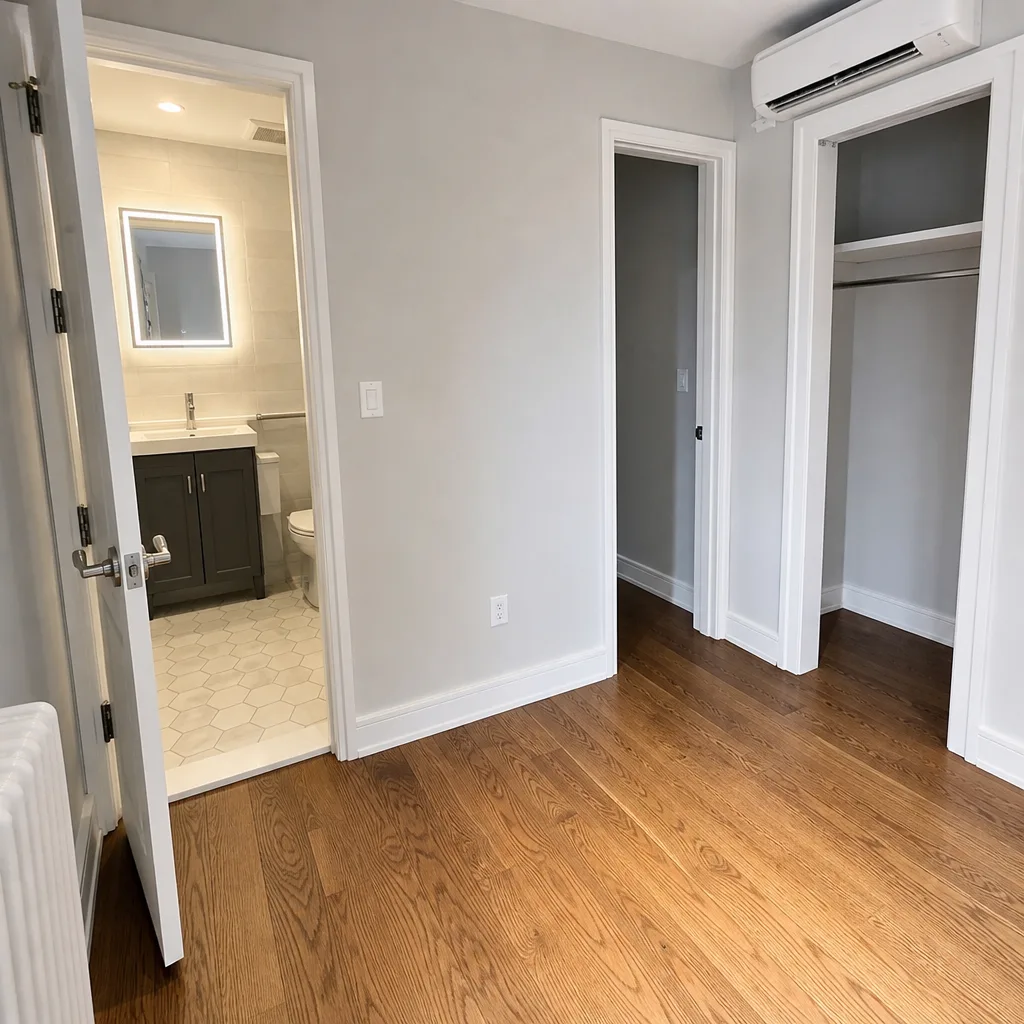 After
After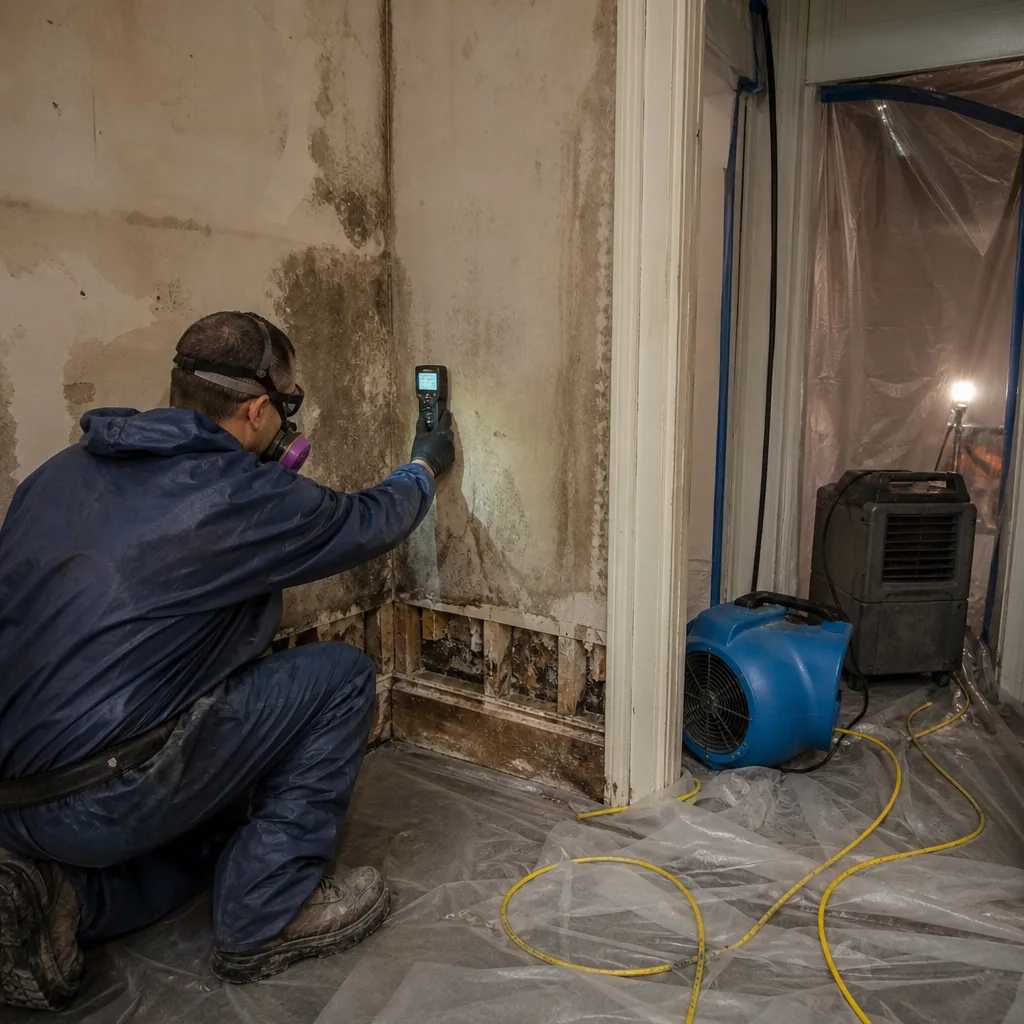 Before
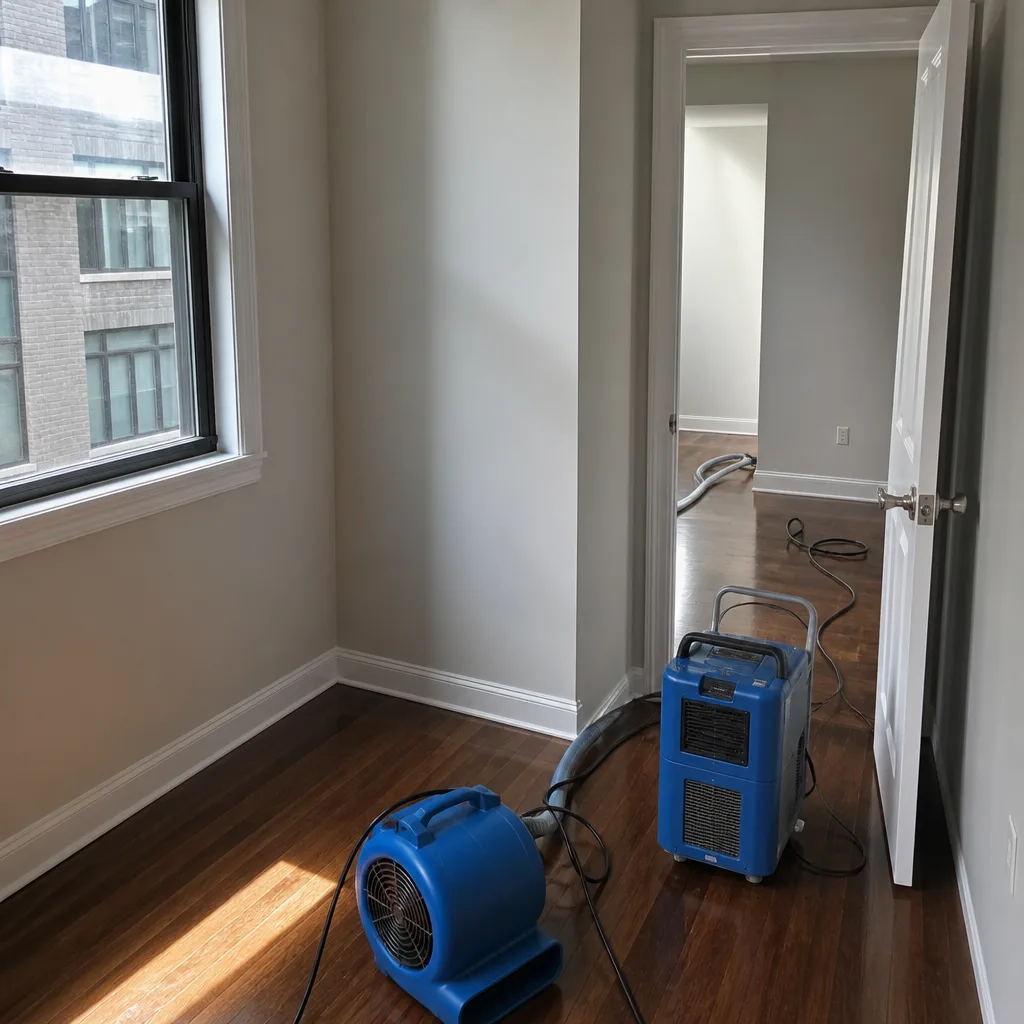 After
After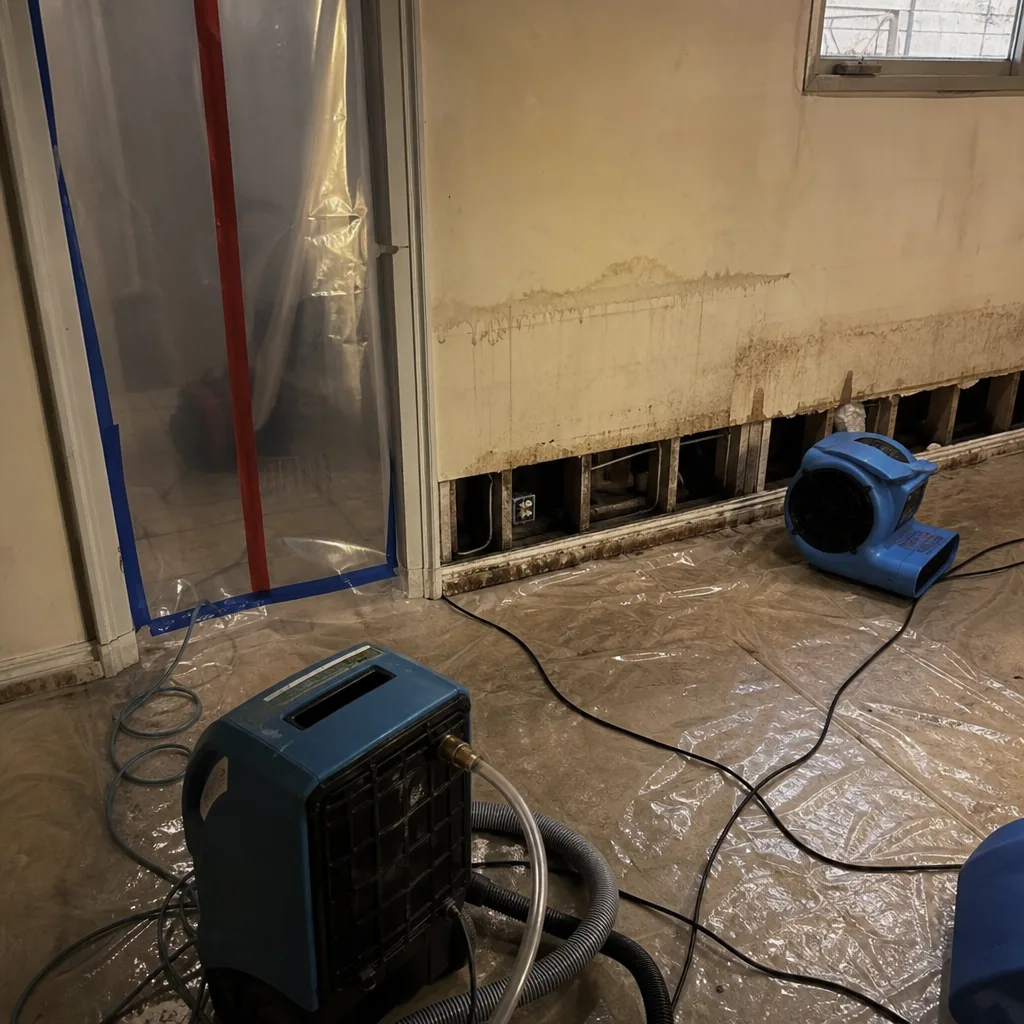 Before
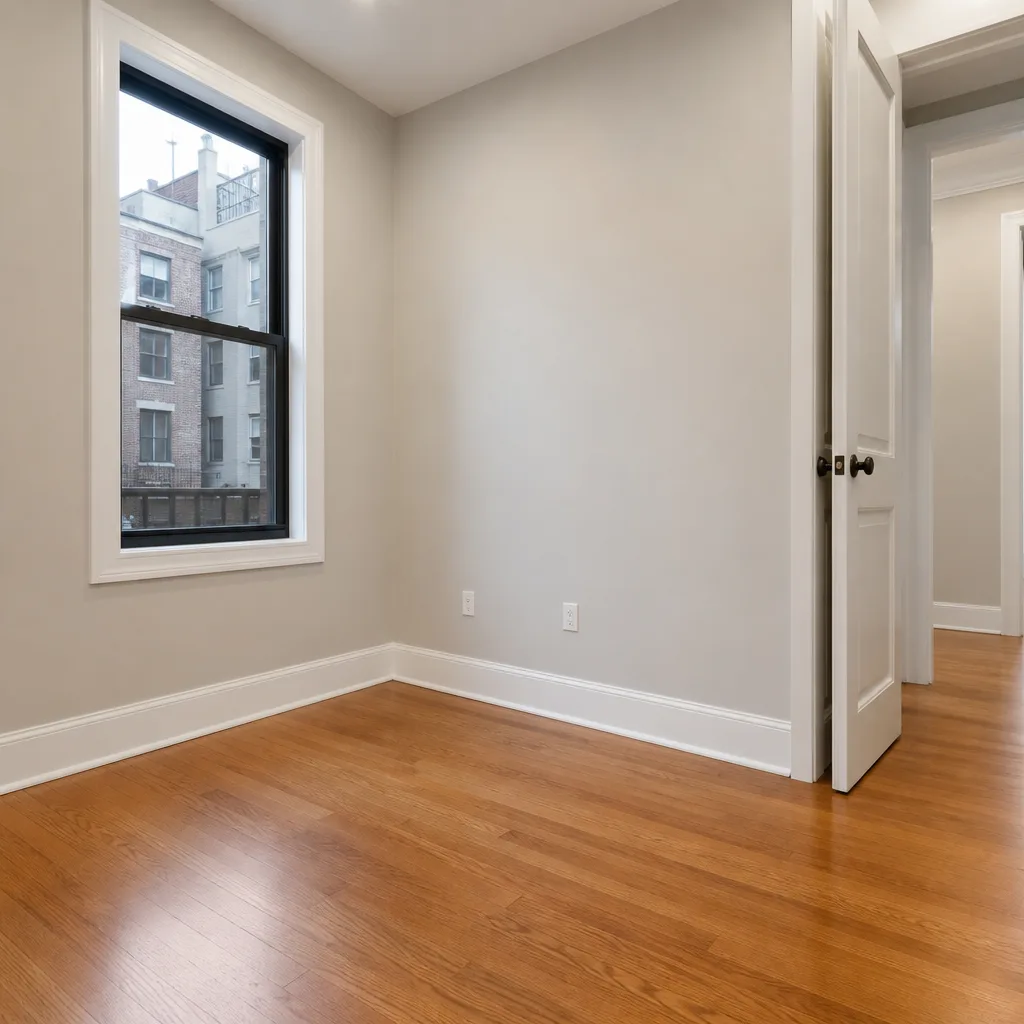 After
AfterWater Damage Restoration Maintenance Checklist for Midtown Manhattan Homeowners
A pinhole leak behind a Midtown Manhattan kitchen cabinet can register 99% relative humidity on a moisture meter for weeks before it shows on a ceiling. By the time you see the stain, remediation costs have often doubled. The maintenance failures that cause the most expensive water damage claims in this market are not dramatic pipe bursts or storm flooding. They are small, measurable conditions that a homeowner can check in under an hour if they know exactly what to look for and where. This guide gives you the numbers, not just the categories, plus a dated log format that creates a defensible record if a claim is later disputed. For a deeper look at professional recovery methods, see The Complete Guide to Damage Restoration in Midtown Manhattan.
Quick Answer
Midtown Manhattan homeowners should inspect water-related systems every 90 days, checking for moisture readings above 16% in wood, 0.5% in drywall, and 70% relative humidity in enclosed spaces. Document each reading with photos and dates; this record becomes evidence if a claim is disputed. If readings exceed safe thresholds, contact our Water Damage Restoration services promptly. Focus on PTAC units, building risers, and under-sink cabinets, which are the three most common failure points in co-op and condo buildings.
Table of Contents
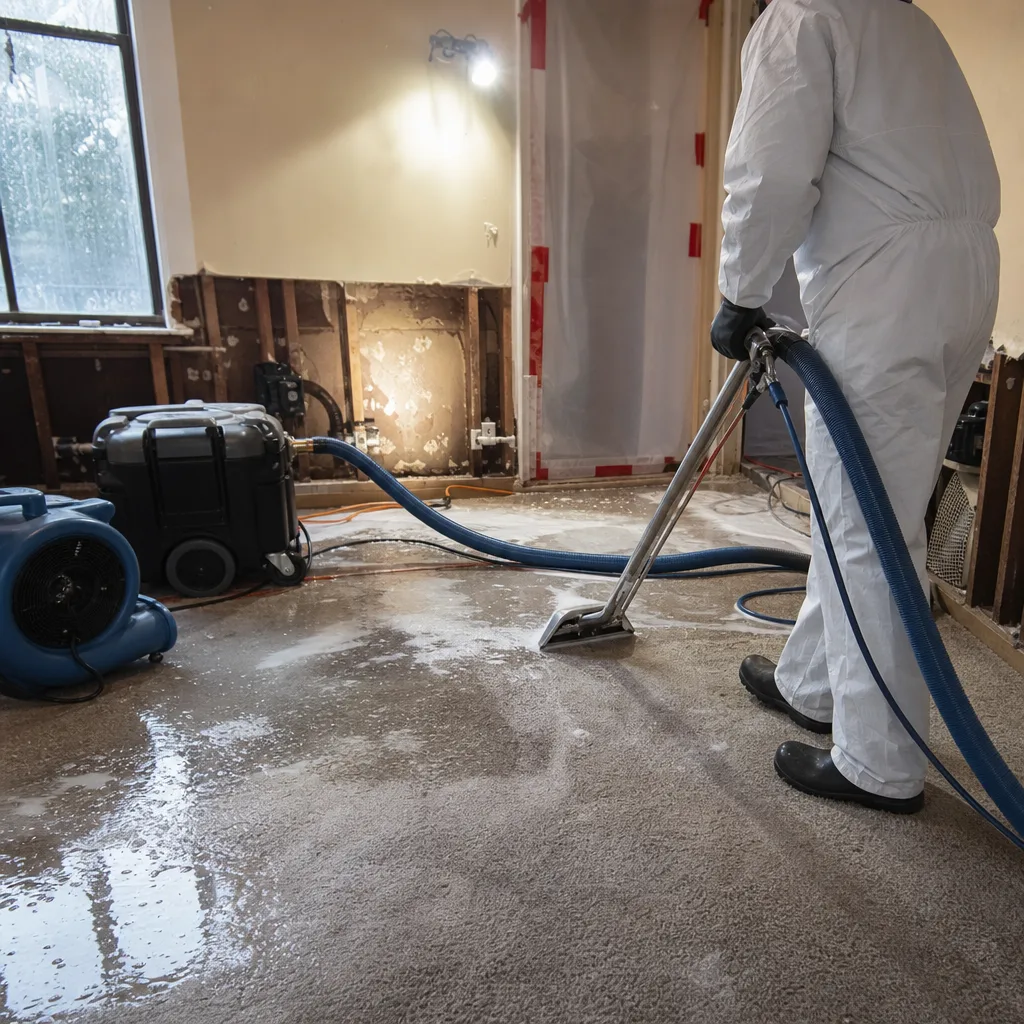
- Moisture Thresholds by Material: The Numbers That Matter
- Quarterly Maintenance Checklist: Room by Room
- Midtown-Specific Risk Points: What Other Guides Miss
- Co-op and Condo Responsibilities: What’s Yours vs. the Building’s
- Building a Defensible Documentation Log
- Tools and Equipment Worth Owning
- Seasonal Preparation for Manhattan’s Climate
- Common Mistakes to Avoid
- When to Call a Professional
- Frequently Asked Questions
BeforeAfterMoisture Thresholds by Material: The Numbers That Matter
Most water damage guides tell you to “watch for dampness.” That advice is useless. A surface can feel dry to the touch while harboring moisture levels that support mold growth and material degradation. Here are the specific readings that signal action, measured with a pin-type moisture meter for materials and a thermo-hygrometer for air.
Wood framing and trim: Normal equilibrium moisture content in Midtown Manhattan interiors ranges from 6% to 11% seasonally. At 16%, wood enters the danger zone where mold can colonize. At 20%, structural weakening begins. We have found 34% moisture content in oak flooring beneath a slow drip from a PTAC condensate line that the homeowner never noticed because the surface looked fine.
Drywall and plaster: Drywall readings above 0.5% on a pinless meter indicate elevated moisture. At 1%, the paper facing begins to delaminate. At 2%, gypsum core saturation is likely, and replacement is usually necessary. Plaster behaves differently; it can read higher without damage, but sustained readings above 3% suggest ongoing water intrusion behind the surface.
Relative humidity in enclosed spaces: Under-sink cabinets, HVAC closets, and riser access panels should stay below 60% relative humidity. Between 60% and 70%, mold risk escalates. Above 70% for more than 48 hours, active mold growth is probable even without visible water. We document these readings on every Water Damage Restoration in Midtown Manhattan job using psychrometric data, which is the measurement of air temperature, humidity, and vapor pressure that tells us whether conditions will worsen or improve.
Concrete and masonry: Basement and sub-slab readings vary by building age. Pre-war buildings in Midtown often have readings of 3% to 5% that are normal due to capillary wicking. Readings above 7% suggest active water intrusion. Post-1980 buildings with proper vapor barriers should read below 3%.
Key Takeaways:
- 16% wood / 0.5% drywall / 60% relative humidity are your red lines
- Take readings in the same spot each time; location matters more than single numbers
- Document the meter model and calibration date for claim defensibility
Quarterly Maintenance Checklist: Room by Room
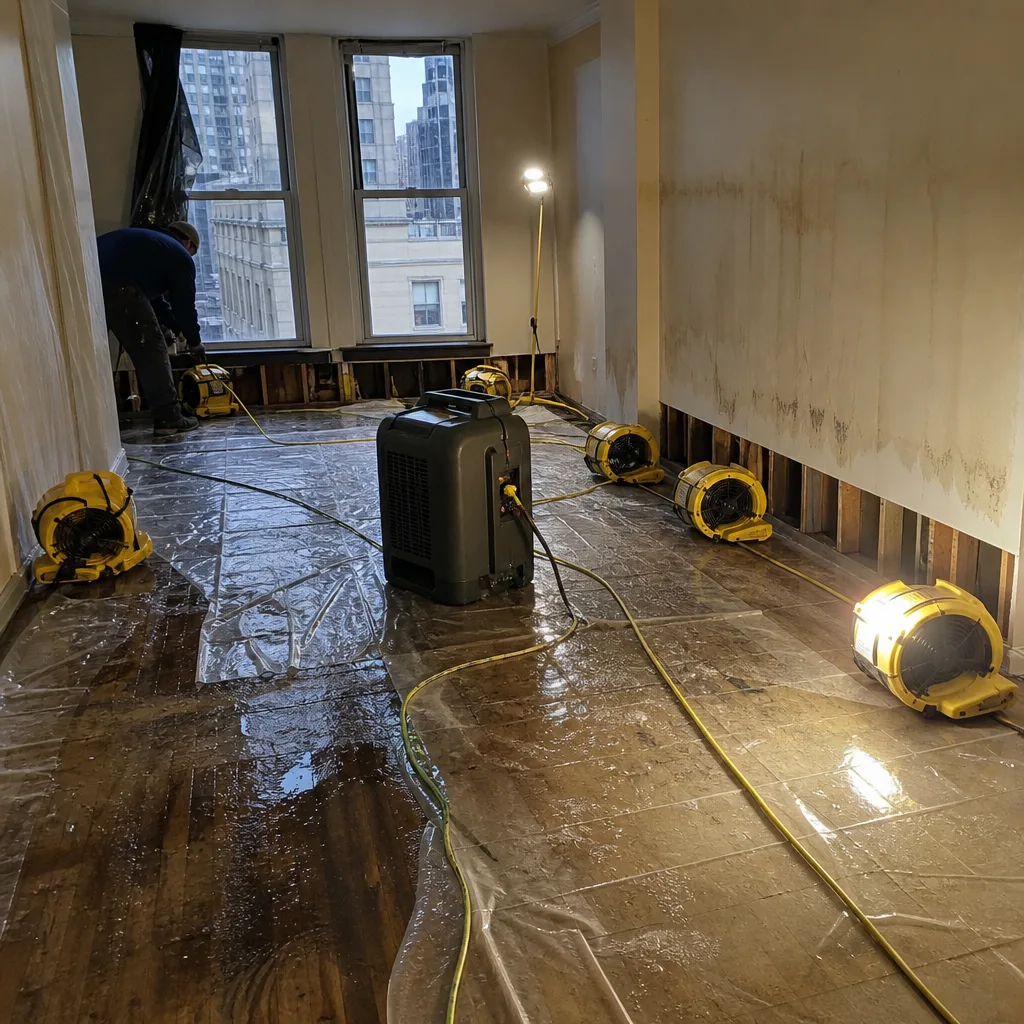
We recommend a 45-minute inspection every 90 days. The schedule below is designed for the typical Midtown Manhattan apartment layout: compact kitchen, single or dual bathroom, PTAC or through-wall HVAC, and limited utility access.
Kitchen
- Remove everything from under-sink cabinet. Check supply lines for corrosion, bulging, or mineral deposits at compression fittings.
- Take moisture reading of cabinet base and rear wall. Log the number.
- Run dishwasher through full cycle; inspect beneath and behind for leaks during drain phase.
- Check refrigerator ice maker line for kinks; these plastic lines fail predictably after 5-7 years.
- Photograph cabinet interior, focus on any stains or prior repairs.
Bathroom
- Remove access panel or open vanity. Inspect P-trap and supply stop valves for corrosion; brass valves in pre-war buildings often degrade from the inside.
- Check toilet flange and base for rocking; movement breaks wax seals.
- Run shower for 10 minutes; inspect ceiling below (or have neighbor check if downstairs unit is accessible).
- Take moisture reading of tile grout and adjacent drywall. Grout above 2% suggests failed waterproofing membrane.
- Test exhaust fan with tissue paper; inadequate airflow (less than 50 CFM for standard bath) drives humidity damage.
HVAC Closet or PTAC Zone
- Remove PTAC sleeve filter. Inspect condensate drain pan for standing water or algae.
- Check condensate line slope; it must drain by gravity with no dips that trap water.
- Take relative humidity reading inside sleeve cavity. Above 70% here is common and commonly ignored.
- Inspect surrounding wall framing for staining or softness.
Utility and Storage Areas
- Locate building riser access panel. Note any stains, rust on pipes, or active dripping.
- Check water heater relief valve discharge pipe; it should terminate visibly, not into a hidden drain.
- Inspect washing machine hoses; braided steel beats rubber, but both fail. Replace every 5 years regardless of appearance.
- Take baseline moisture readings of floor and baseboards.
Midtown-Specific Risk Points: What Other Guides Miss
Generic water damage prevention advice assumes a detached house with a basement, attic, and full utility control. Midtown Manhattan housing stock is different. These are the failure points we see most often on DryMark Restoration Midtown Manhattan home jobs, and they are rarely covered in national guides.
PTAC units in co-op and condo buildings: Packaged Terminal Air Conditioners are the default cooling in buildings constructed 1960-2000. Their condensate drainage is often a single plastic tube that terminates into a wall cavity or a shallow pan. When the pan cracks or the tube dislodges, water runs directly into the wall framing. We have documented $40,000-plus remediation jobs where the homeowner never knew the unit was leaking because the sleeve cavity absorbed water for months. The fix is simple: quarterly inspection of the pan and tube, documented with a photo.
Building risers and shared plumbing: Vertical plumbing stacks serve multiple units. A leak on floor 14 can show as damage on floor 12 due to pipe chase routing. Many owners assume the building manages these; in practice, buildings often respond only to visible, reported leaks. We recommend that owners in buildings with riser access request annual inspection from building management, and document the request in writing. If damage later occurs, this record supports a claim that the building had notice.
Neighboring-unit plumbing: In Midtown’s dense housing, your water damage may originate from a neighbor’s renovation, appliance failure, or overflow. Common walls and stacked bathrooms create direct pathways. Your insurance may cover your damage, but subrogation against the neighbor’s policy requires documentation of the source. Photograph any visible water entry points immediately, and note the date and unit number if known.
Facade and window leakage: Midtown buildings face sustained wind-driven rain from the west and north. Caulk around windows degrades in 3-5 years. We see regular patterns of damage in units on the 10th floor and above, where wind pressure forces water through microscopic gaps. Check window tracks for staining; take moisture readings of adjacent drywall seasonally.
Elevator machine room and roof drainage: Top-floor units bear risk from roof drains that clog with city debris. Buildings with deferred maintenance may have chronic overflow that finds path of least resistance into upper units. If your ceiling shows staining after heavy rain, the roof drainage is suspect regardless of what building management claims.
Co-op and Condo Responsibilities: What’s Yours vs. the Building’s
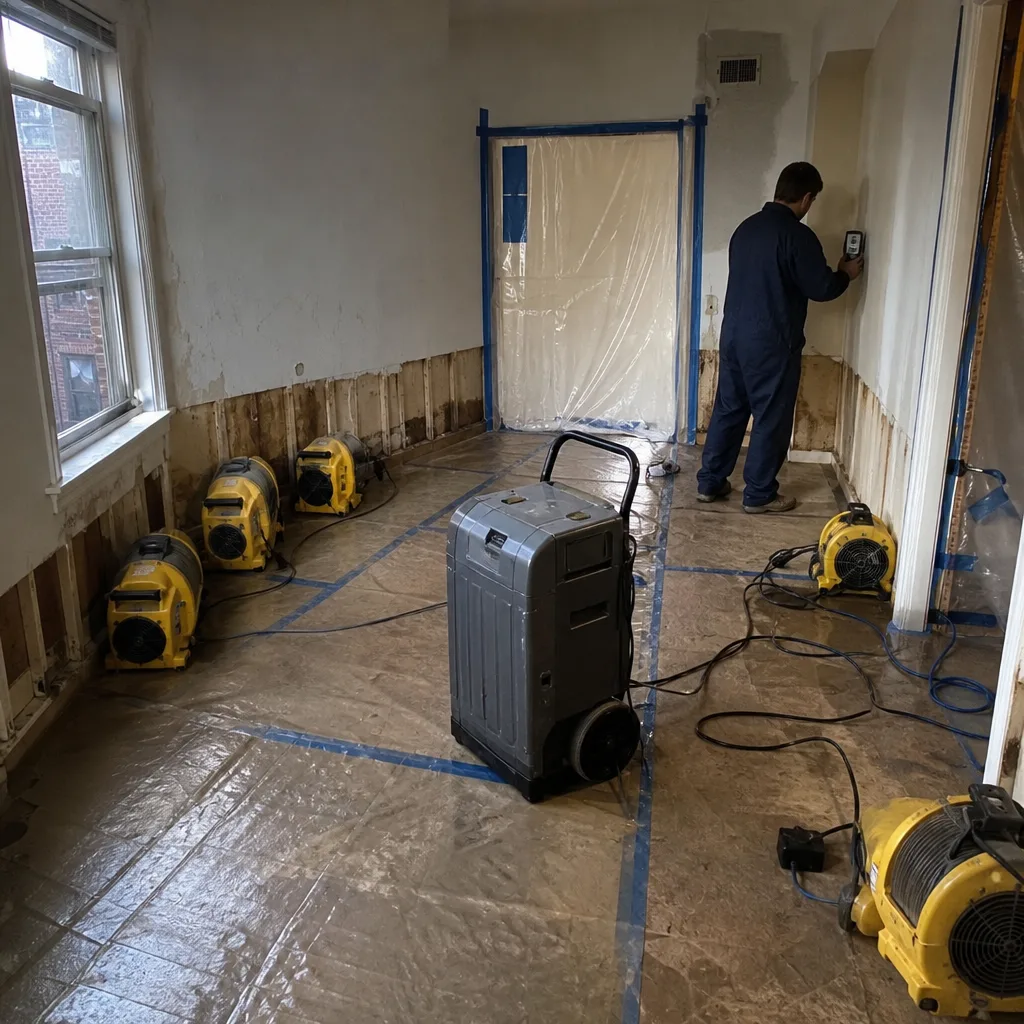
The single most expensive misconception we encounter: a homeowner who assumed a condition was the building’s responsibility, failed to document it, and learned too late that their policy had coverage gaps. Co-op and condo bylaws vary, but patterns in Midtown Manhattan are consistent enough to outline.
Typically the unit owner’s responsibility: Plumbing fixtures and supply lines from the point they branch from the building’s main riser; appliances and their connections; PTAC units and sleeves (including condensate drainage); interior drywall, flooring, and finishes; mold remediation within the unit envelope. These obligations appear in the “Unit Owner Maintenance” section of most bylaws, often with specific reference to “fixtures, appliances, and equipment serving the Unit exclusively.”
Typically the building’s responsibility: Main risers and stacks up to the first shutoff valve; common area HVAC infrastructure; roof and facade waterproofing; elevator machine room and pit drainage; basement and garage drainage systems. However, buildings may have maintenance obligations without repair obligations for resulting damage; read the “Damage and Restoration” section carefully.
The gray zone: Damage that originates in common elements but manifests in your unit. A riser leak that damages your kitchen cabinet is the building’s source, but your cabinet may be your problem unless you can prove the building knew or should have known of the condition. This is where your documentation log becomes critical. A dated record of prior observations, written requests to building management, and moisture readings creates a paper trail that adjusters and arbitrators accept.
Where to find the language: In co-ops, the Offering Plan and any amendments; in condos, the Declaration and Bylaws, plus the House Rules. The “Insurance” article specifies who must carry what coverage. The “Maintenance and Repair” article divides responsibilities. Request these documents from your managing agent if you do not have them; they are your property as an owner.
Building a Defensible Documentation Log
Restoration claims are denied or reduced for lack of documentation more often than for any other reason. A log that survives scrutiny has specific characteristics: dated entries, identifiable locations, calibrated instrument readings, and photographs with metadata. Here is the format we use in our professional work, adapted for homeowner use.
Log entry template:
- Date and time of inspection
- Room/location (use consistent naming: “Kitchen, under-sink cabinet, left rear corner”)
- Instrument used (model and last calibration date)
- Reading with units (e.g., “18.2% moisture content, pin-type meter”)
- Environmental conditions if relevant (outdoor temperature, recent rain, HVAC status)
- Photograph filename or reference
- Action taken or recommended
- Inspector name (your name, or “professional inspection” if contracted)
Photograph standards: Include a reference object for scale (ruler or coin). Take wide shot showing location context, medium shot showing the specific area, and close-up of any anomaly. Enable timestamp and geotag if your device permits. Store in cloud backup with local copy; phones fail, and water damage often affects the device you would use to document it.
Pre-loss condition documentation: Before any work begins on a new renovation or after moving into a unit, photograph and measure baseline conditions in high-risk areas. Under-sink cabinets, HVAC closets, and any area with prior repair history deserve particular attention. This “before” record is powerful evidence if a later claim is disputed; insurers regularly argue that damage was pre-existing.
Professional inspection integration: If you hire a plumber, HVAC technician, or inspector, request a written report with their license number and scope of observation. Attach this to your log. The Haven Standard, which governs our work at Water Damage Restoration in Midtown Manhattan, requires a written scope and photo record on every visit; we encourage homeowners to adopt the same discipline.
Tools and Equipment Worth Owning
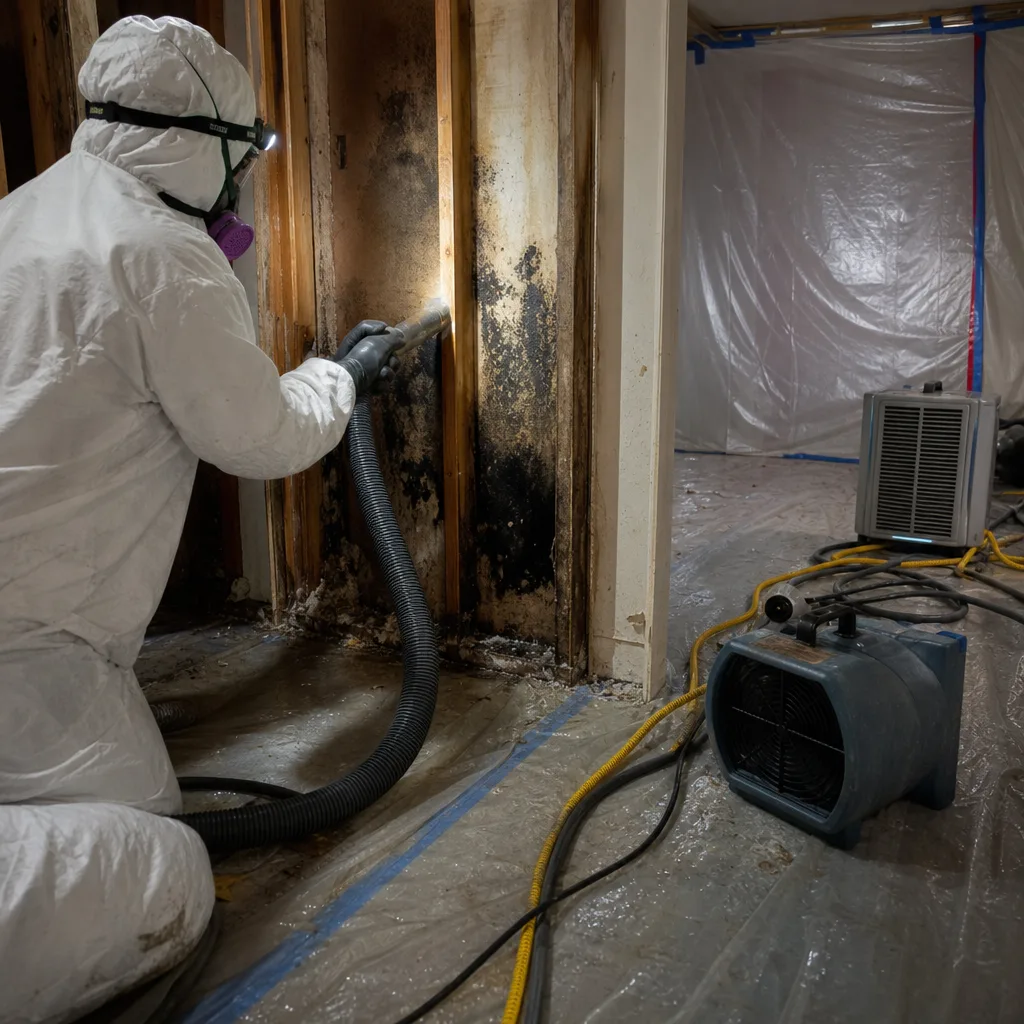
You do not need professional-grade equipment to maintain effective monitoring. These are the instruments that provide actionable data at reasonable cost.
Pin-type moisture meter ($50-$150): Delivers percentage moisture content in wood and comparative readings in other materials. The Protimeter Surveymaster and similar units are adequate for homeowner use. Check calibration annually against a known dry sample.
Thermo-hygrometer ($30-$80): Measures air temperature and relative humidity. Place in under-sink cabinet, HVAC closet, and any storage area with plumbing access. Data-logging models that record 24-hour highs and lows are worth the modest premium.
Infrared thermometer ($25-$50): Not a moisture detector, but useful for spotting temperature anomalies that suggest evaporative cooling from hidden moisture. A 5-degree differential on a wall surface warrants closer inspection with a moisture meter.
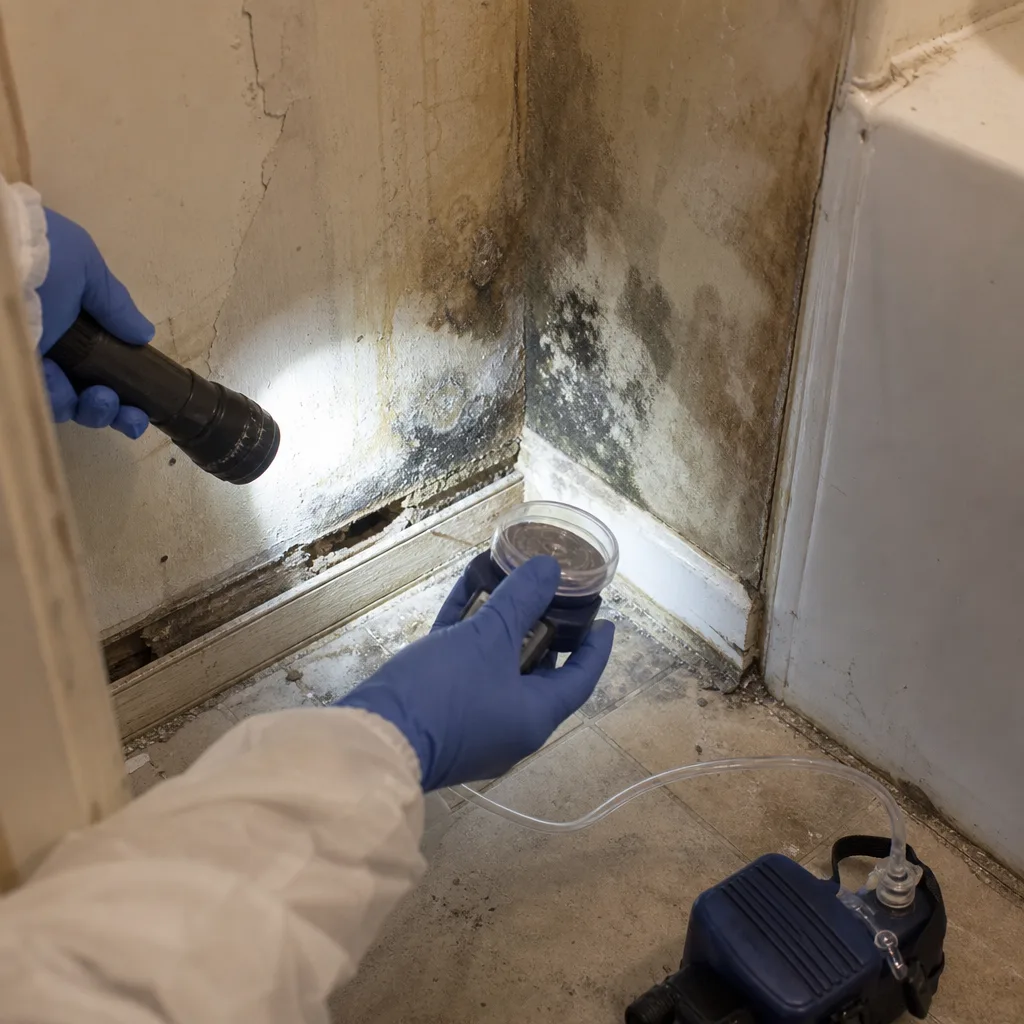
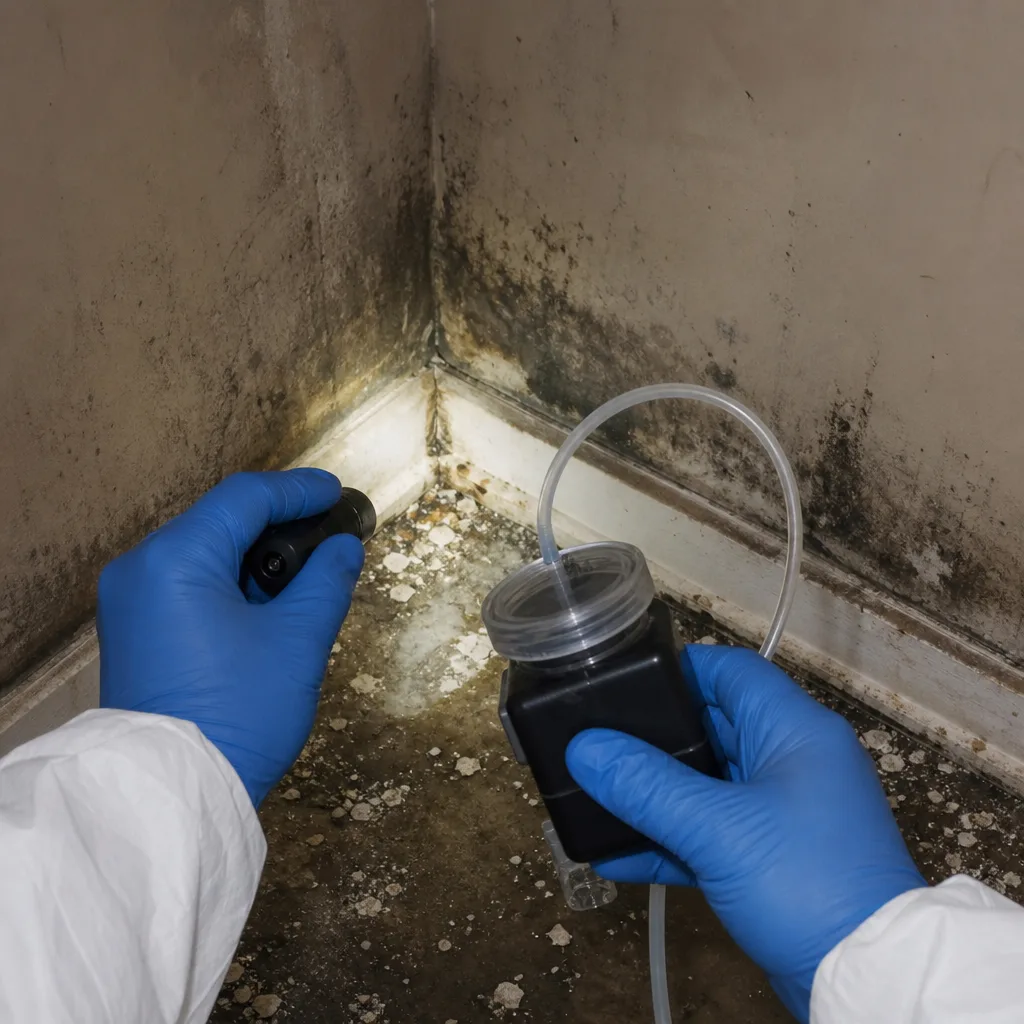
Flashlight with high CRI (Color Rendering Index): Cheap flashlights distort colors and hide stains. A light with CRI above 90 reveals water staining and mold discoloration that otherwise blends into surfaces.
Documentation tools: Cloud storage with automatic backup, a simple spreadsheet or note app with timestamp function, and a printed checklist you can physically check off to ensure consistency.
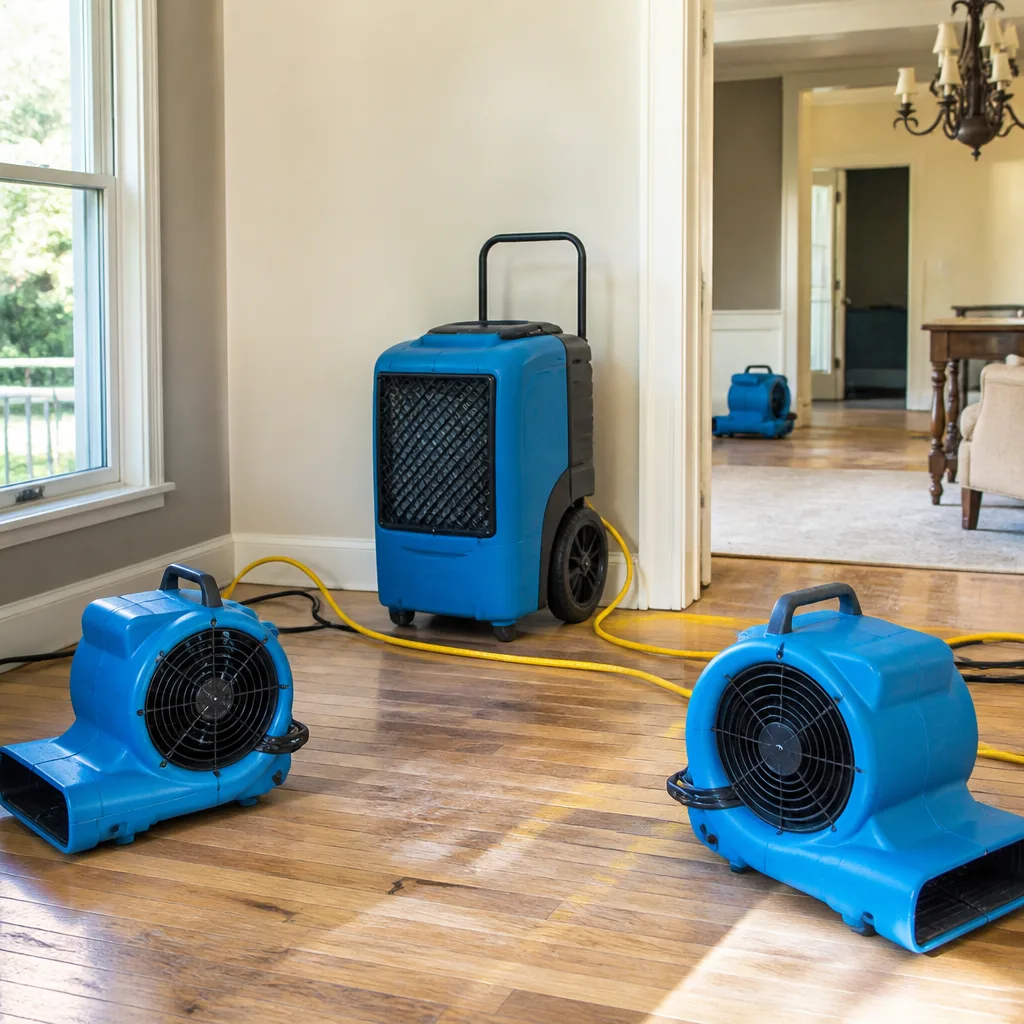
For professional assessment, our technicians use Dri-Eaz and Phoenix dehumidification systems, Injectidry cavity drying equipment, and B-Air air movers, all documented to IICRC and RIA standards. The readings we take with this equipment become the drying logs that support insurance claims.
Seasonal Preparation for Manhattan’s Climate
Midtown Manhattan’s climate creates distinct seasonal risks. A maintenance schedule aligned to these patterns prevents the predictable failures.
Spring (March-May): Thaw cycles stress building envelopes. Check facade-facing windows and walls for new staining after freeze-thaw events. Inspect roof drainage from top-floor vantage if accessible, or request building management confirmation of drain clearing. PTAC units switched from heat to cooling mode; verify condensate drainage before first sustained use.
Summer (June-August): High humidity strains all systems. Monitor relative humidity in enclosed spaces weekly, not quarterly; sustained outdoor humidity above 70% drives indoor conditions upward even without leaks. Run dehumidification if necessary; the energy cost is trivial against remediation expense. Check condensate lines monthly during peak cooling load.
Fall (September-November): Hurricane remnants and nor’easters bring wind-driven rain. Inspect window and door seals before storm season. Clear balcony drains if applicable; they clog with fallen leaves and city debris. Document exterior condition before storm season; “after” photos without “before” are less persuasive to adjusters.
Winter (December-February): Freeze risk to exposed pipes in exterior walls or unheated spaces. Identify any plumbing on north-facing walls or near windows. Leave cabinet doors open during extreme cold to allow building heat to reach pipes. Know the location of your unit’s main shutoff valve; many owners do not. If you travel, maintain minimum thermostat setting of 55°F and have a neighbor check the unit during cold snaps.
Common Mistakes to Avoid
- Assuming the building handles everything. Co-op and condo bylaws routinely assign maintenance of risers to the building but responsibility for damage within the unit to the owner. Read your documents; do not infer.
- Waiting for visible damage. By the time water stains appear on a ceiling, the damage behind it has often progressed to require material replacement. Moisture meters reveal problems at the stage where drying alone may suffice.
- Using “touch test” instead of instruments. Drywall feels dry at 15% moisture content, which is well into the damage zone. Your fingers are not calibrated.
- Ignoring PTAC condensate. These units are out of sight and out of mind. We have restored 200-plus units in Midtown where PTAC leakage was the sole source; the average claim exceeded $25,000.
- Failing to document pre-existing conditions. New owners who do not photograph and measure baseline conditions lose the ability to prove that damage was not present at purchase. This costs thousands in disputed claims.
- Discarding old logs. Insurance disputes and building arbitration can arise years after the events. Maintain records for the statute of limitations period applicable to your property type, typically 6 years for contract claims in New York.
- Neglecting neighbor coordination. In stacked buildings, your damage may be their fault and vice versa. Exchange contact information with adjacent unit owners; prompt notification of leaks limits damage for everyone.
When to Call a Professional
Some conditions exceed homeowner capability and require documented professional response. Call for assessment if you find moisture readings above the thresholds in this guide, if you discover active dripping you cannot source, if you smell musty odor without visible source, or if any area has been wet for more than 48 hours. Mold begins active growth within that window; after 72 hours, remediation requirements escalate under IICRC standards.
DryMark Restoration Midtown Manhattan offers free estimates in Midtown Manhattan. Our assessment includes moisture mapping with professional-grade instruments, a written scope of recommended work with price before any work begins under Haven Standard, Clause 1, and a photo-documented record you can submit to your insurer or building. Call (862) 212-1646 to schedule.
Frequently Asked Questions
Typical residential water damage restoration in Midtown Manhattan ranges from $3,500 for contained, Category 1 (clean water) drying of a single room to $18,000-plus for Category 2 or 3 contamination affecting multiple rooms with material replacement. Category 1 drying of a standard bedroom with hardwood floors, using professional-grade Dri-Eaz and Phoenix dehumidification systems with Injectidry mat drying, typically runs $3,500-$6,500 including documentation. For detailed pricing factors, see Damage Restoration Cost Breakdown: The Midtown Manhattan Homeowner’s Reference for 2026. Costs escalate if demolition, mold remediation, or reconstruction are required. DryMark Restoration Midtown Manhattan provides a written price before work begins on every job, with no exceptions. Call (862) 212-1646 for an exact quote; estimates are free.
Standard HO-6 condominium policies and co-op policies typically cover sudden and accidental water damage but exclude damage from long-term maintenance neglect. If your log shows quarterly inspections with reasonable readings that suddenly spiked, coverage is more likely. If readings showed gradual elevation with no action, insurers may deny as “gradual deterioration.” This is why documentation matters: it transforms a disputed claim into a documented event. For additional prevention strategies, explore more guides & resources on our blog. We coordinate directly with adjusters and provide the photo records and drying logs that support payment.
For active, ongoing water damage, DryMark Restoration Midtown Manhattan maintains live phone coverage 24 hours a day, 7 days a week with no voicemail on emergency lines. Response time to Midtown Manhattan addresses is typically under 90 minutes during business hours and under 2 hours overnight, traffic and building access permitting. Speed matters for mitigation; reconstruction is scheduled, not dispatched. Call (862) 212-1646 to report active water intrusion.
If the affected area is under 10 square feet, the water source is Category 1 (clean, from supply line), and drying begins within 24 hours, professional drying alone may suffice. If the area exceeds 10 square feet, the water sat longer than 48 hours, or the source is Category 2 (gray water) or 3 (black water), full remediation with containment and air filtration is required under IICRC S500 standards. We assess and recommend based on moisture readings, contamination category, and material types, documented in a written scope before work begins.
DryMark Restoration Midtown Manhattan coordinates directly with your adjuster as part of our standard service. We provide the daily drying logs, photo documentation, and written scope that adjusters need to approve payment. Our documentation is built to IICRC, RIA, and IFA standards because we have seen what happens when it is not: delayed payment, reduced settlements, and out-of-pocket costs that proper documentation would have prevented. You are not left to translate technical reports into claim language.
Document immediately: photograph the damage, note the date and time, and notify your neighbor and building management in writing (email creates a record). Request that the source be stopped and that you receive written confirmation. Your insurance may cover your damage and subrogate against the neighbor’s policy, but only if you establish the source and timeline. We have assisted many Midtown Manhattan owners with source determination and documentation for neighbor-origin claims; the key is prompt, written notice and professional moisture mapping that identifies the water path.
The Bottom Line
Water damage in Midtown Manhattan is preventable at the stage where a moisture meter reads 16% and invisible at the stage where it reads 30%. The homeowners who avoid the largest claims are not luckier; they are more systematic. Inspect quarterly, measure with instruments not intuition, document with dates and photos, and know where your responsibilities end and the building’s begin. The log you keep is not paranoia; it is the evidence that turns a disputed claim into a paid one. For conditions beyond your tools or expertise, professional assessment with documented scope and pricing before work begins is the standard that protects your property and your policy.
Written by Alicia Brennan, Owner at DryMark Restoration Midtown Manhattan, serving Midtown Manhattan since 2011.