
Last updated September 22, 2026
Free visual inspection and a written scope of work before any mitigation begins - photos, moisture readings, and drying logs go in your claim file
The scope we write is the scope we bill. Anything new gets shown to you, in writing, before we touch it.
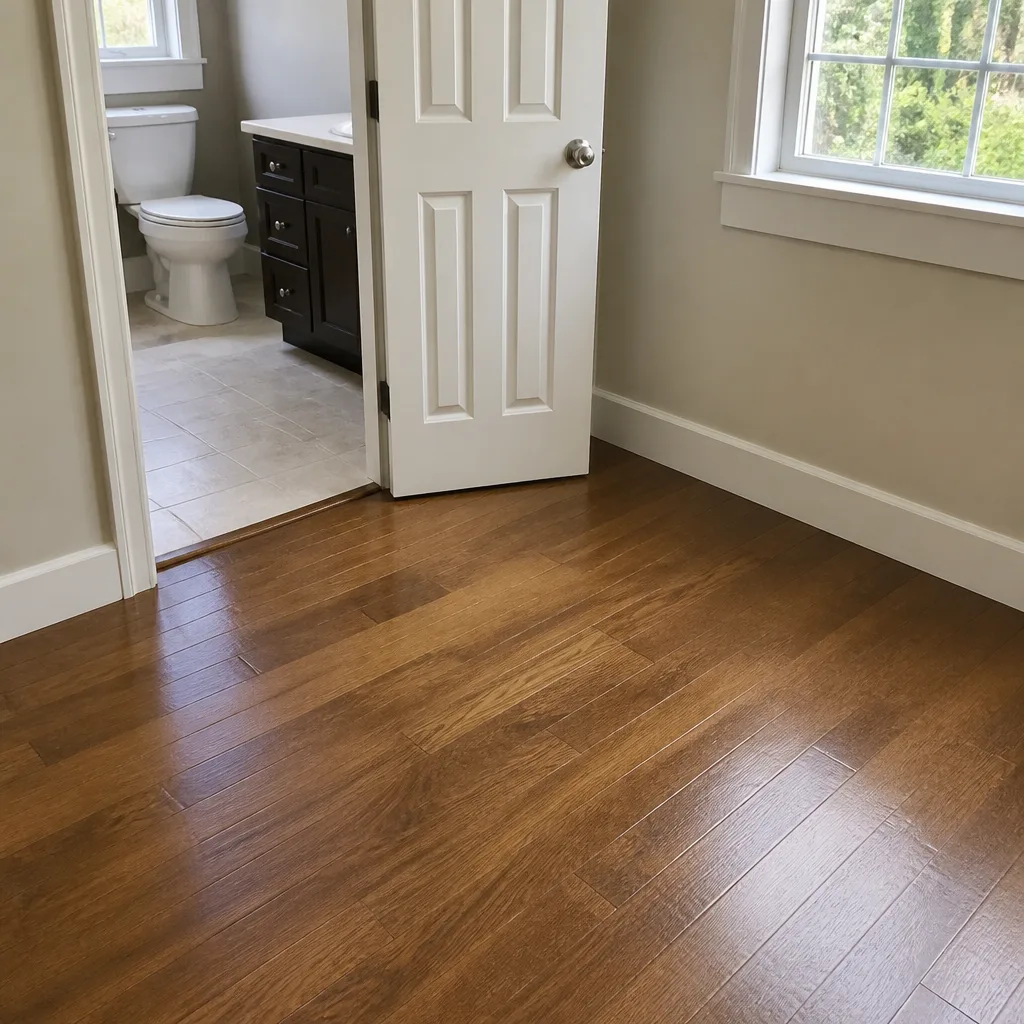
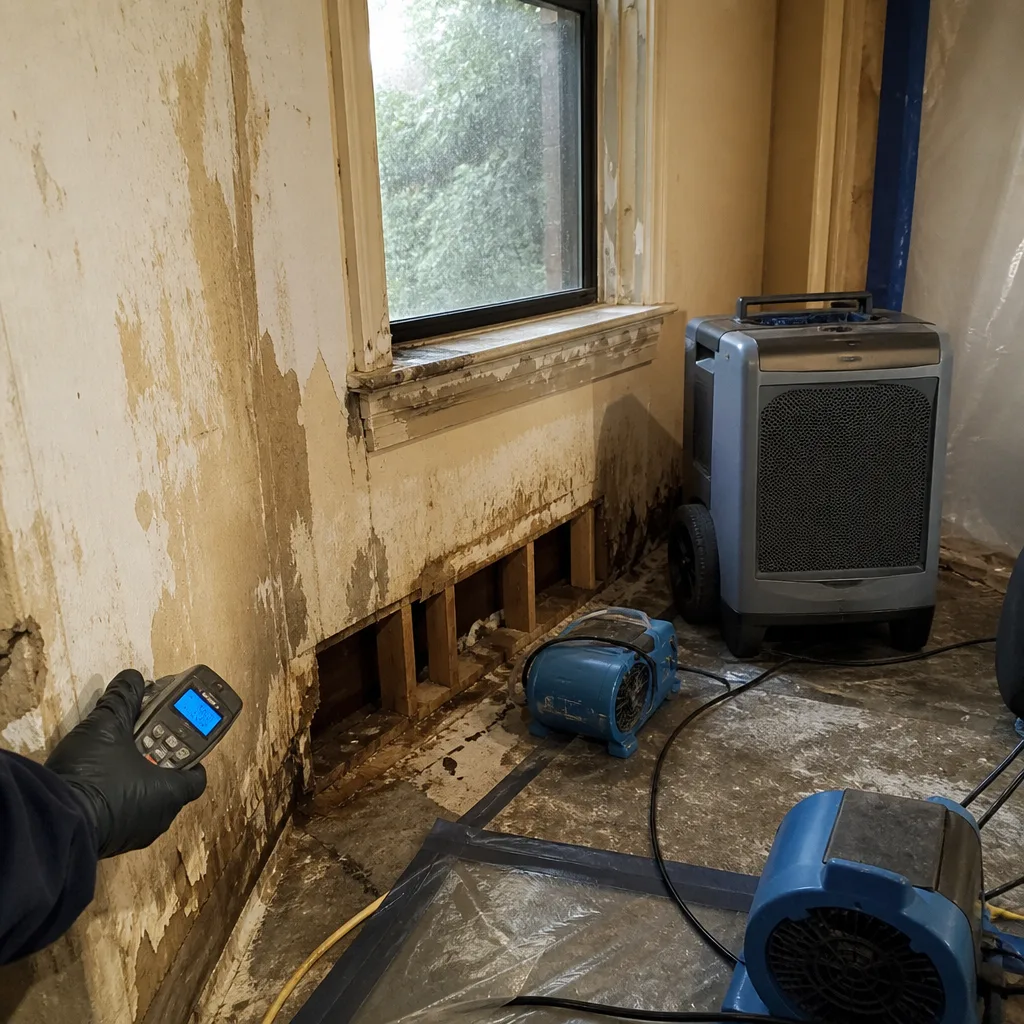 Before
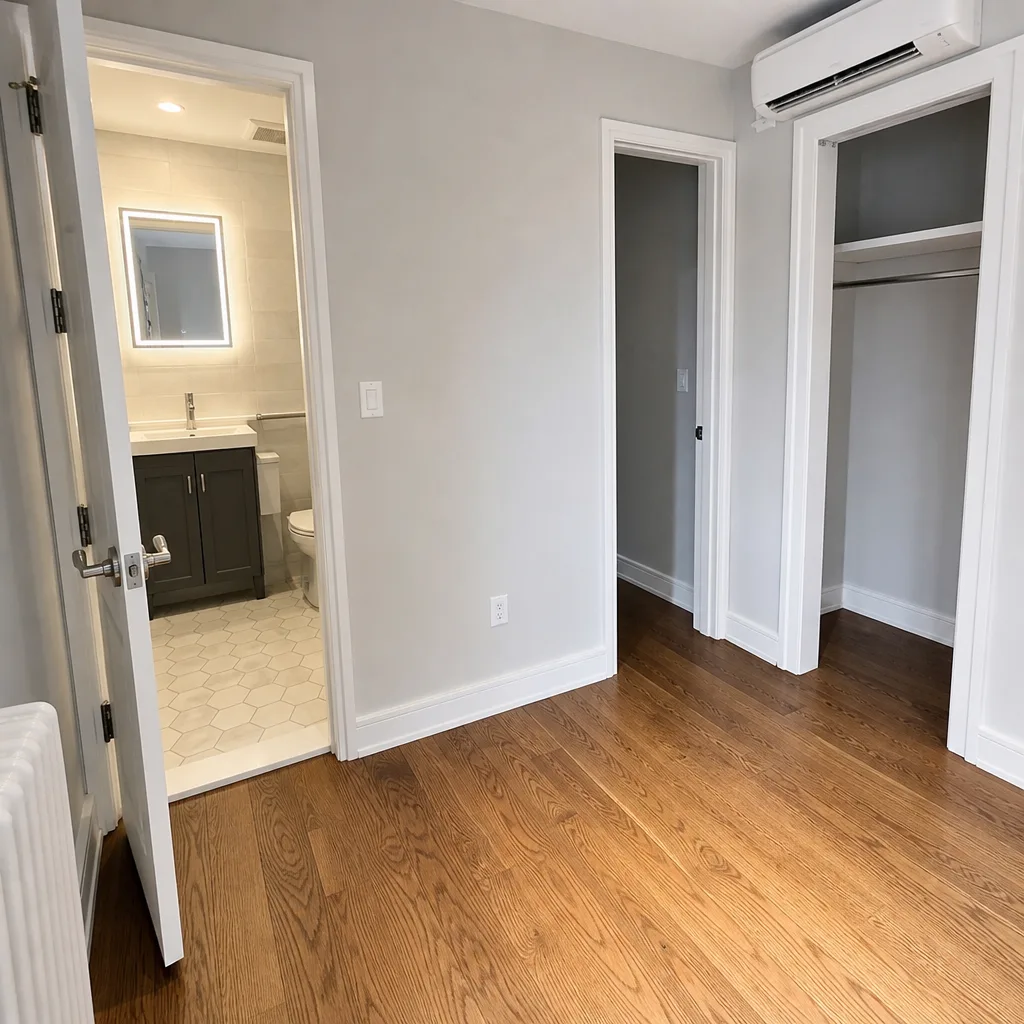 After
After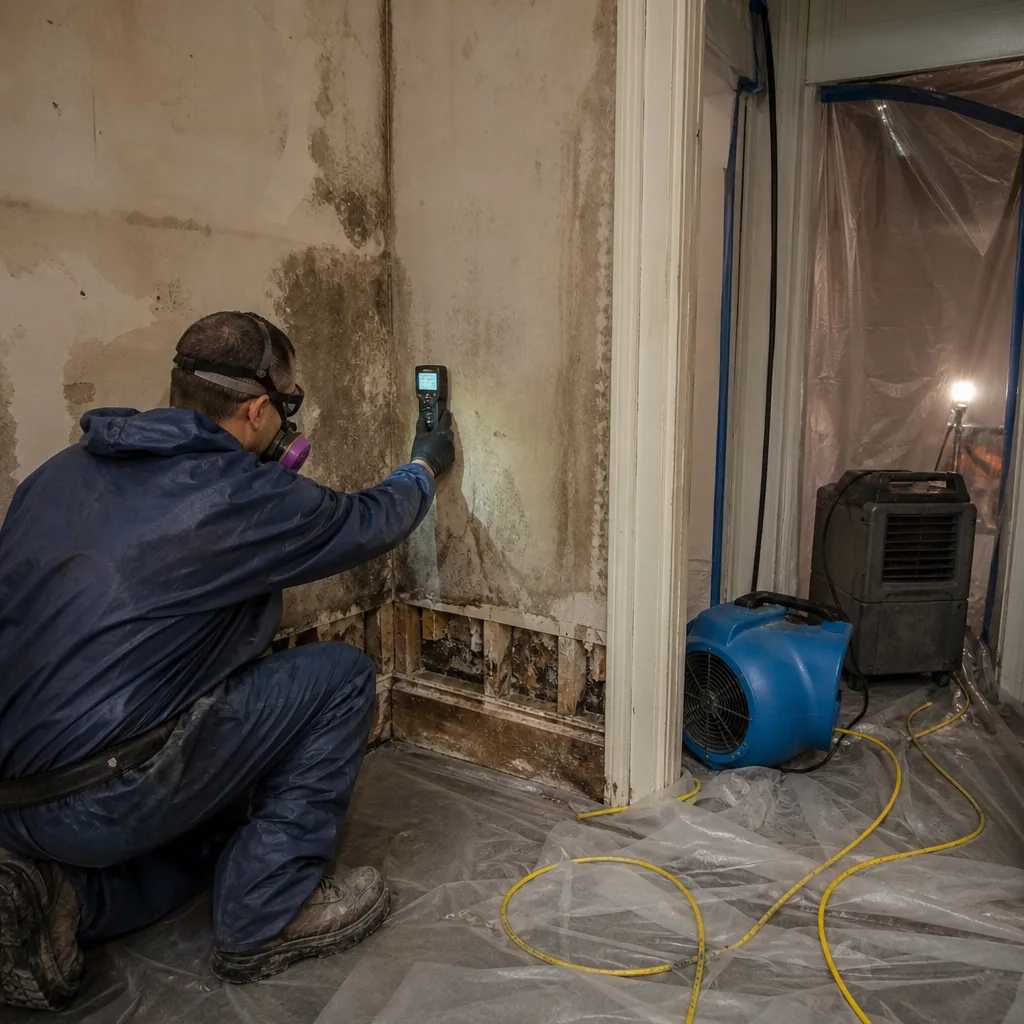 Before
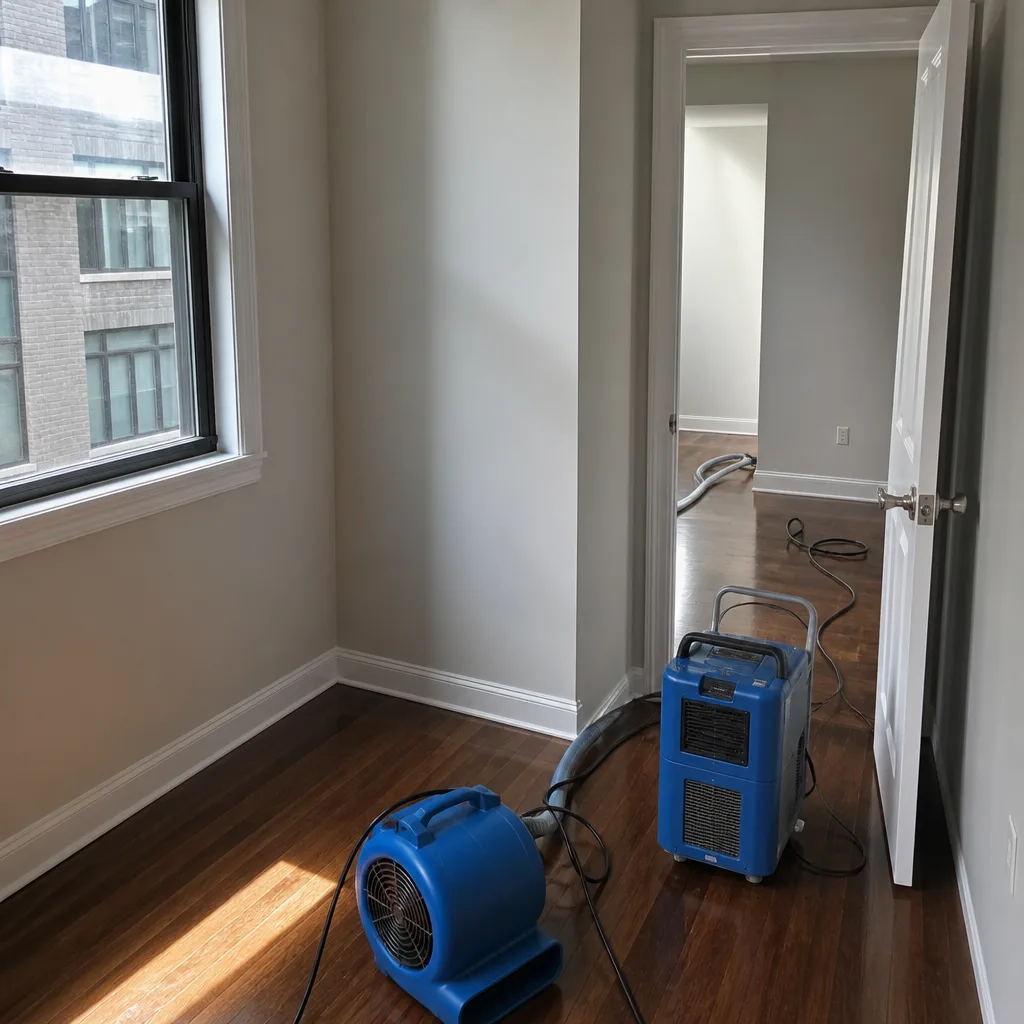 After
After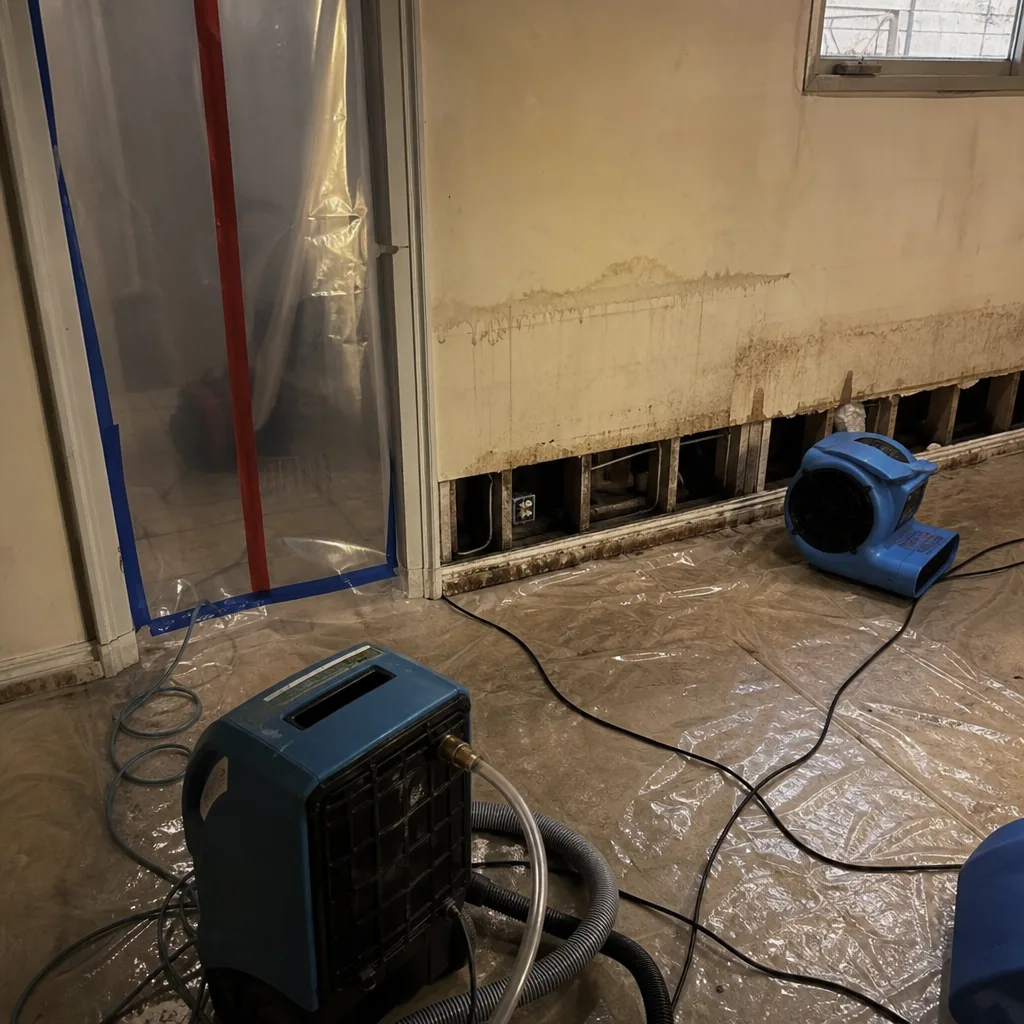 Before
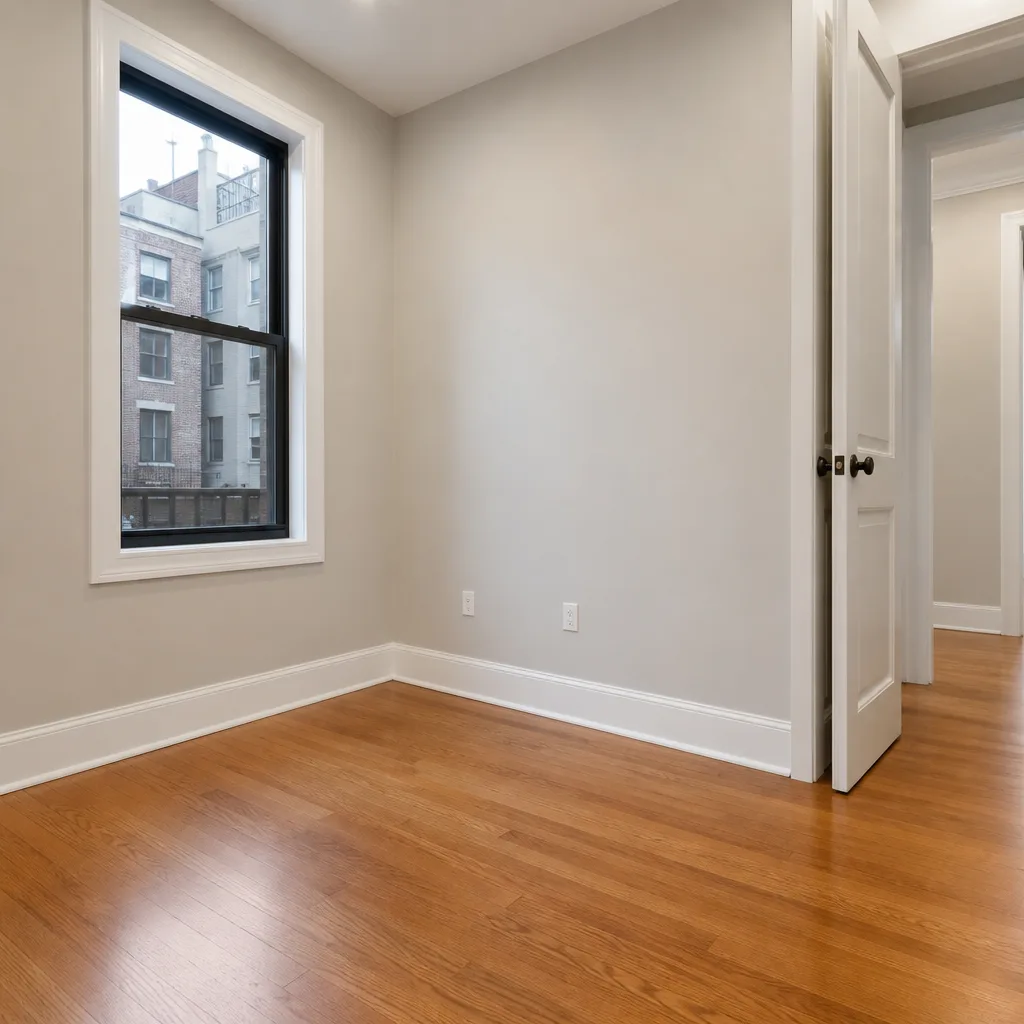 After
AfterHow to Hire a Damage Restoration Contractor in Midtown Manhattan: A Step-by-Step Guide
The most common hiring mistake Midtown Manhattan homeowners make after a water loss, fire, or mold discovery is calling whichever company answers fastest. That company has optimized for phone response, not for documentation that holds up to an insurance adjuster. In our experience reviewing competitor files since 2011, the claims that get delayed or denied are almost never denied because the drying failed. They’re denied because the contractor’s paperwork failed: missing moisture readings, no photo sequence, a scope written in vague language an adjuster can’t price. This guide will show you how to hire a damage restoration contractor in Midtown Manhattan whose documentation becomes your claim file, not your claim problem. For a broader overview, see our Complete Guide to Damage Restoration in Midtown Manhattan.
Quick Answer
To hire a damage restoration contractor in Midtown Manhattan, request five documents before signing any contract: a written scope of work, a line-item price, a sample daily drying log, a photo documentation protocol, and lien waiver terms. Verify their NYC Department of Buildings license class matches restoration work, not just general contracting. Compare bids line by line, not by total price, and reject any contractor who offers only verbal pricing or pushes an Assignment of Benefits agreement. For seasonal considerations, see our Seasonal Damage Restoration Care for Midtown Manhattan: Year-Round Homeowner’s Guide.
Table of Contents
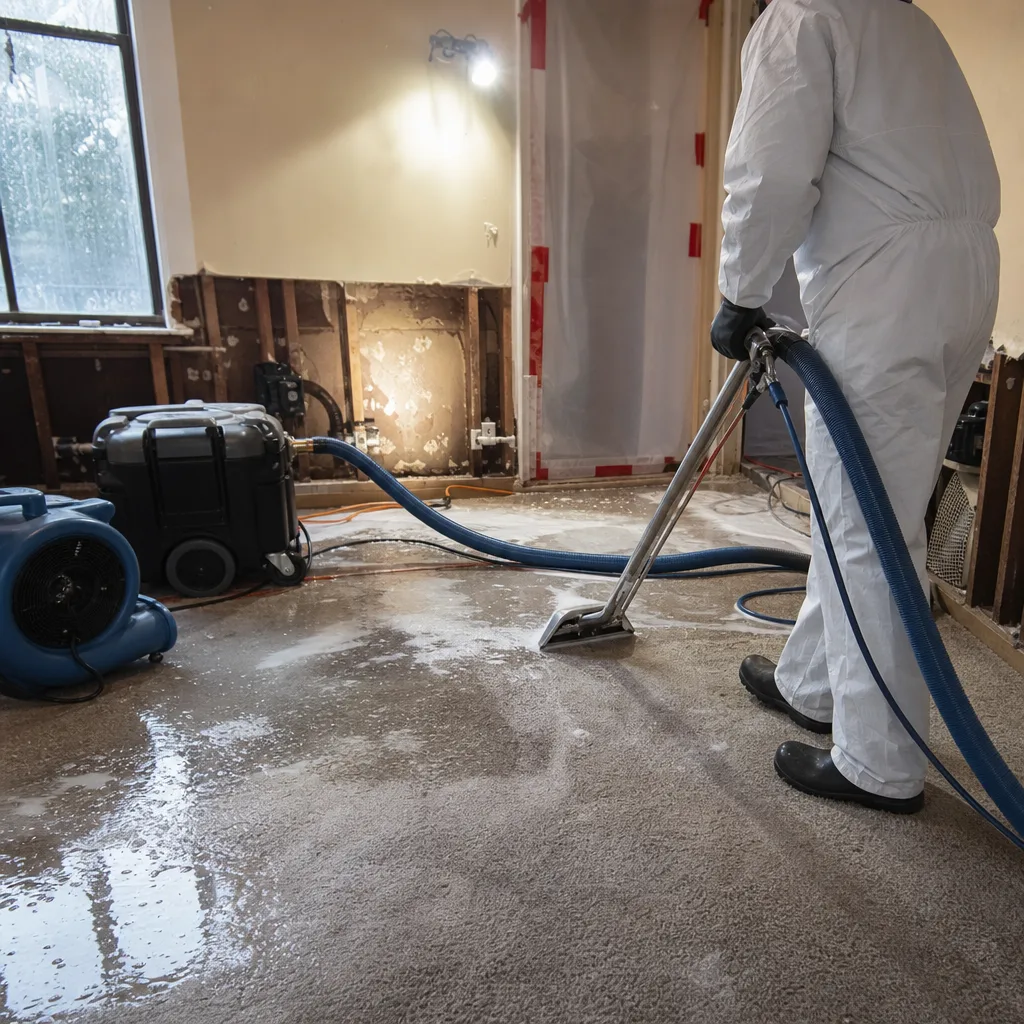
- The Five Documents to Request Before Signing
- How to Verify an NYC Contractor’s License
- Red Flags Unique to the Midtown Manhattan Market
- Co-op and Condo Board Approval Requirements
- How to Compare Two Written Bids Line by Line
- What Professional Equipment and Documentation Standards Look Like
- Common Mistakes to Avoid
- When to Call a Professional
- Frequently Asked Questions
BeforeAfterThe Five Documents to Request Before Signing
Every restoration contractor in Midtown Manhattan will hand you a contract. Fewer than half will hand you the five documents that determine whether your insurance claim pays out without a fight. Here’s what to request, and what each document should contain.
1. Written Scope of Work
The scope should list every affected room by name, every material classification by trade term, and every action item. “Dry living room” is not a scope. “Remove 24 linear feet of 5/8-inch Type X gypsum wallboard from east wall of Unit 12B, treat exposed studs with antimicrobial per IICRC S520, install air scrubber with HEPA filtration for 48 hours, replace wallboard per NYC Building Code Section 27-339” is a scope. The scope becomes the basis for your insurance estimate. Vague language invites adjuster disputes.
2. Line-Item Price
Haven Standard, Clause 1: written price before work begins. Every time, no exceptions. The price should break out labor, materials, equipment rental, and disposal by line item. A single total with no backup is a red flag. You should be able to see that dehumidifier rental is $X per day for Y days, that moisture monitoring visits are $Z each, and that demolition labor is priced per square foot. At DryMark Restoration Midtown Manhattan home, we deliver this as a signed document before any equipment enters your home.
3. Daily Drying Log Format
Ask to see a sample drying log from a previous job (with client information redacted). The log should record: date and time of each visit, ambient temperature and relative humidity, specific moisture content readings by material and location, equipment deployed with serial numbers or asset tags, and psychrometric data showing vapor pressure differential. Psychrometric data measures how aggressively the air is pulling moisture from wet materials. Without it, you can’t prove drying progress to an adjuster. Ask the contractor to explain one entry in plain language. If they can’t, they don’t understand their own documentation.
4. Photo Documentation Protocol
The protocol should specify: wide shots of each room before work begins, close-ups of every damaged material with a moisture meter in frame, photos of equipment placement with date stamps, and progressive shots showing the same angles at each visit. Ask how photos are stored, how long they’re retained, and whether you receive a copy as a standard deliverable. At DryMark Restoration Midtown Manhattan, our photo record is included on every visit, never sold as an upsell.
5. Lien Waiver Terms
New York mechanics lien law allows contractors to file liens against your property for unpaid work, even if your insurer delays payment. The contract should specify when lien waivers are provided (typically upon final payment or upon insurer payment if you’re assigning proceeds), and whether partial waivers are issued as milestones complete. Never sign a contract that doesn’t address this. In Midtown Manhattan’s high-value co-op market, a lien can trigger default provisions in your proprietary lease.
How to Verify an NYC Contractor’s License
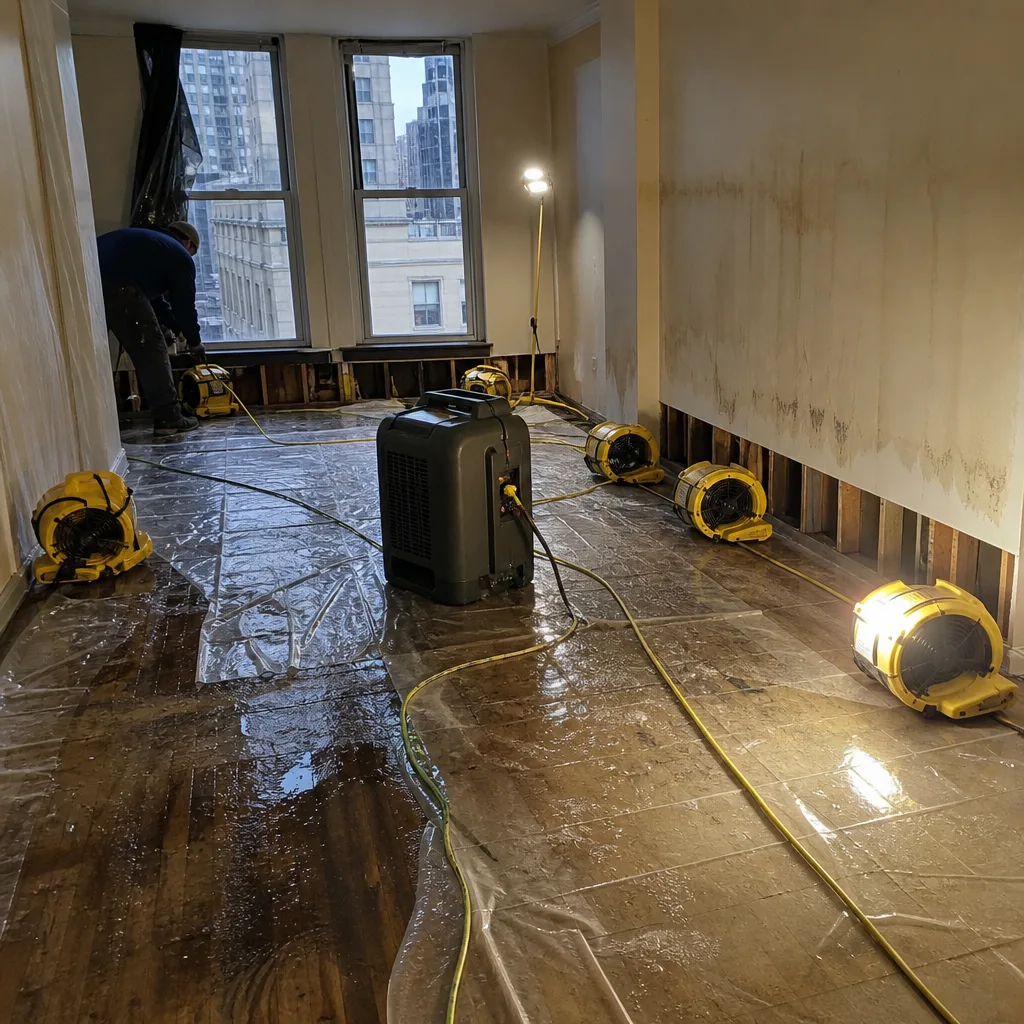
New York City contractor licensing is administered through the Department of Buildings (DOB). Not every license class permits the work restoration contractors perform. Here’s how to verify what you’re being sold.
Step 1: Check the DOB License Status Online
- Visit the NYC DOB Buildings Information System (BIS).
- Enter the contractor’s business name or license number.
- Verify the license status is “Active” with no pending disciplinary actions.
- Check the expiration date. Restoration work performed under an expired license is unlicensed work, and your insurer may deny related claims.
Step 2: Match License Class to Work Type
Home Improvement Contractor (HIC) licenses cover residential repair and renovation. This is the minimum for water damage restoration in a private residence. However, many Midtown Manhattan buildings are mixed-use or commercial-residential, and some restoration work triggers General Contractor (GC) requirements. If the project involves structural repair, facade work, or electrical/plumbing beyond fixture replacement, the contractor needs additional endorsements. Ask directly: “What license class covers the specific work you’re proposing, and what happens if the adjuster questions it?”
Step 3: Verify Insurance and Bonding
The DOB record shows required insurance and bonding. For water damage restoration, the contractor should carry general liability, pollution liability (for gray and black water), and workers’ compensation. Ask for certificates of insurance naming you as additional insured for the project duration. In Midtown Manhattan, many buildings require this before allowing basement or utility room access.
Step 4: Check for DOB Violations
Search the DOB’s violation database for the business address and any principal names. Multiple stop-work orders or environmental control board violations suggest a pattern of non-compliance that will complicate your claim. One or two minor violations over many years is normal. Five or more active violations is not.
Red Flags Unique to the Midtown Manhattan Market
Midtown Manhattan’s dense building stock, high property values, and insurance-rich claims environment attract operators who optimize for speed and volume over documentation quality. These red flags are especially common here.
Assignment of Benefits Agreements
Some contractors ask you to sign an Assignment of Benefits (AOB), transferring your insurance claim rights to them. This is legal in New York but heavily restricted in many states for good reason. Once you sign an AOB, the contractor bills your insurer directly and you lose visibility into pricing. Disputes become fights between the contractor and your insurer, with you caught in the middle. We do not use AOBs at DryMark Restoration Midtown Manhattan. Haven Standard, Clause 1 requires that you see and approve the written price before work begins, which is incompatible with hidden billing.
Verbal Pricing Only
“We’ll figure it out as we go” or “Insurance will cover it” is not a price. Any contractor who won’t commit to a written scope and line-item price before work starts is planning to inflate the bill after you’re committed. This is the single most common complaint in New York State Department of Financial Services insurance fraud reports.
Inability to Name Equipment Specifications
Ask: “What dehumidifier will you use, and what’s its capacity in pints per day at 80 degrees and 60% relative humidity?” A qualified contractor names the model and the number. For example: “Dri-Eaz LGR 7000XLi, 130 pints per day at AHAM conditions.” If they can’t answer, they don’t control their equipment inventory, which means they don’t control their drying process. In Midtown Manhattan’s high-rise environment, where exterior ventilation is often impossible, equipment selection determines whether drying succeeds or mold follows.
Pressure to Start Before Documentation
Emergency mitigation (water extraction, board-up) can begin immediately with your verbal authorization. But any demolition, equipment placement beyond initial extraction, or material removal should follow a written scope. The contractor who pressures you to “sign later” is betting you won’t review the scope carefully once the crew is in your home.
Co-op and Condo Board Approval Requirements
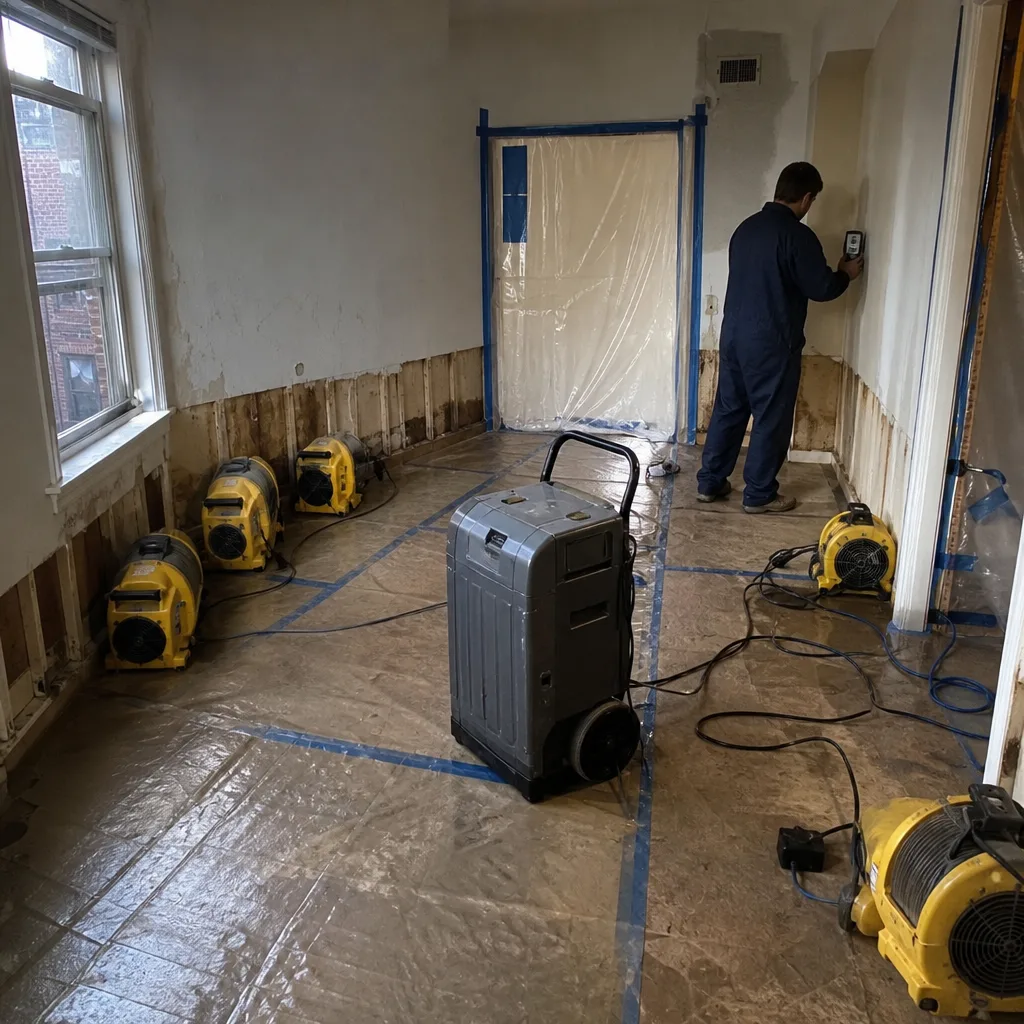
Midtown Manhattan’s housing stock is dominated by co-ops and condos, and restoration work triggers approval requirements that single-family contractors often miss. Hiring a contractor who doesn’t understand these requirements can halt work mid-project or expose you to building fines.
Co-op Proprietary Lease and Alteration Agreements
Most Midtown co-ops require an Alteration Agreement for any work beyond cosmetic repair. Water damage restoration almost always involves opening walls, which triggers this requirement. The contractor should ask for your building’s Alteration Agreement form before the first day of work, not discover it when the super stops the crew. Ask prospective contractors: “What co-op documentation do you need from me before we start?” The wrong answer is “None, we’ll handle it.” The right answer is a list: Alteration Agreement, certificate of insurance meeting the building’s requirements, possibly a refundable security deposit, and a timeline submitted to the board or managing agent.
Condo Common Element Boundaries
Condo ownership divides at the interior surface of walls in most Midtown buildings. But water doesn’t respect this boundary. Damage to common elements (behind the wall, in the ceiling cavity, to riser pipes) is the association’s responsibility, and restoration work there requires board approval and coordination with the building’s own contractors. A restoration contractor who starts cutting without confirming common element boundaries can create liability disputes that delay your claim for months.
Building-Specific Protocols
Many Midtown buildings restrict work hours, require service elevator reservations, mandate floor protection, or prohibit certain equipment types. The contractor should ask about these constraints during the initial assessment, not violate them and blame you. Ask: “What questions will you ask my building management before scheduling work?”
Documentation for Board Resale Packages
If you’re restoring damage before a sale, the board will require documentation of completed work in your resale package. The contractor’s photo record, drying logs, and completion certificate become part of this file. Contractors who don’t produce professional documentation cost you time at closing.
How to Compare Two Written Bids Line by Line
Homeowners in Midtown Manhattan often receive bids ranging from $3,000 to $15,000 for what sounds like the same water damage job. The difference is usually not in the drying work. It’s in what’s included, what’s assumed, and what’s omitted entirely. Here’s how to compare bids without being misled by the bottom line.
Create a Line-Item Spreadsheet
Extract every line item from both bids into a single spreadsheet. Categories should include: emergency extraction, demolition and disposal, equipment rental (by type and day), labor for monitoring visits, antimicrobial treatment, content manipulation and storage, reconstruction, and project management. If one bid uses different terminology, ask each contractor to map their terms to the other’s. Refusal to do this is a red flag.
Check Equipment Rental Assumptions
One bid may assume 3 days of dehumidifier rental; another, 10 days. Neither is wrong without context, but the assumption should be justified. Ask each contractor: “What moisture reading targets determine when equipment comes out?” The answer should be a specific number, such as “wood moisture content below 16% per IICRC S500.” Vague answers like “when it’s dry” hide cost inflation through extended rental.
Identify Omitted Line Items
Common omissions that make bids look artificially low: content manipulation (moving furniture), containment barrier installation, HEPA air scrubbing, daily moisture monitoring visits, and final cleaning. A bid without content manipulation assumes your furniture is already moved. In a Midtown Manhattan one-bedroom, where space is limited, this assumption is unrealistic. Ask: “What happens to my furniture during drying?” If the bid doesn’t include an answer, the cost will appear later as a change order.
Verify Reconstruction Scope
Some restoration contractors bid mitigation only, leaving reconstruction for others. This creates gap liability: if the mitigation contractor damages adjacent finishes during demolition, who’s responsible for the repair? At Water Damage Restoration in Midtown Manhattan, we scope reconstruction as part of the initial assessment when possible, so the full cost is visible from the start.
Compare Warranty Terms
One bid may include no warranty. Another may include a verbal “we’ll come back if there’s a problem.” The Haven Standard 365-Day Done Right Promise is a written warranty, signed and dated, with specific triggers and response commitments. Ask to see the actual warranty document before comparing prices. A cheaper bid with no warranty is not cheaper if you pay twice for the same repair.
What Professional Equipment and Documentation Standards Look Like
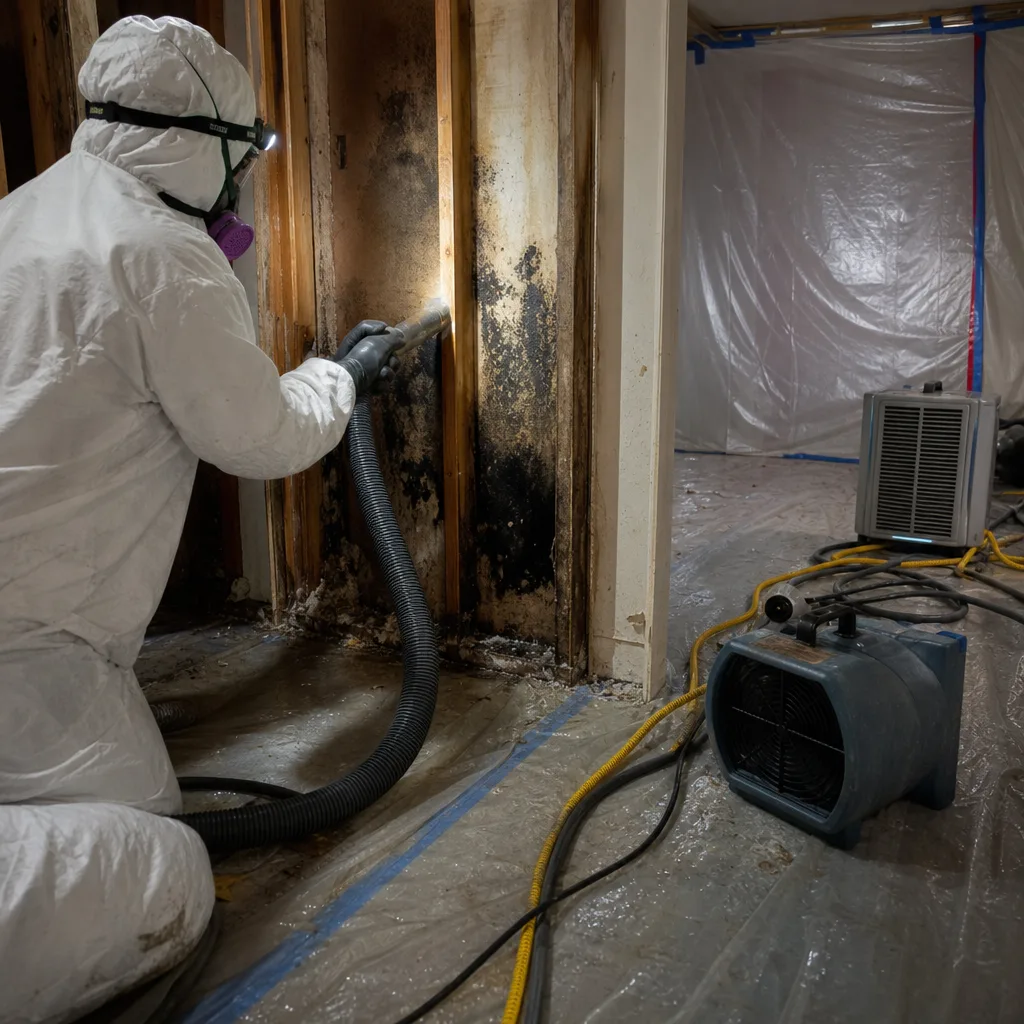
Professional restoration in Midtown Manhattan requires equipment suited to high-rise constraints: limited ventilation, shared HVAC systems, and strict building rules. The contractor should be able to show you their equipment inventory and explain how each piece is documented to insurance standards.
Dehumidification: Capacity and Documentation
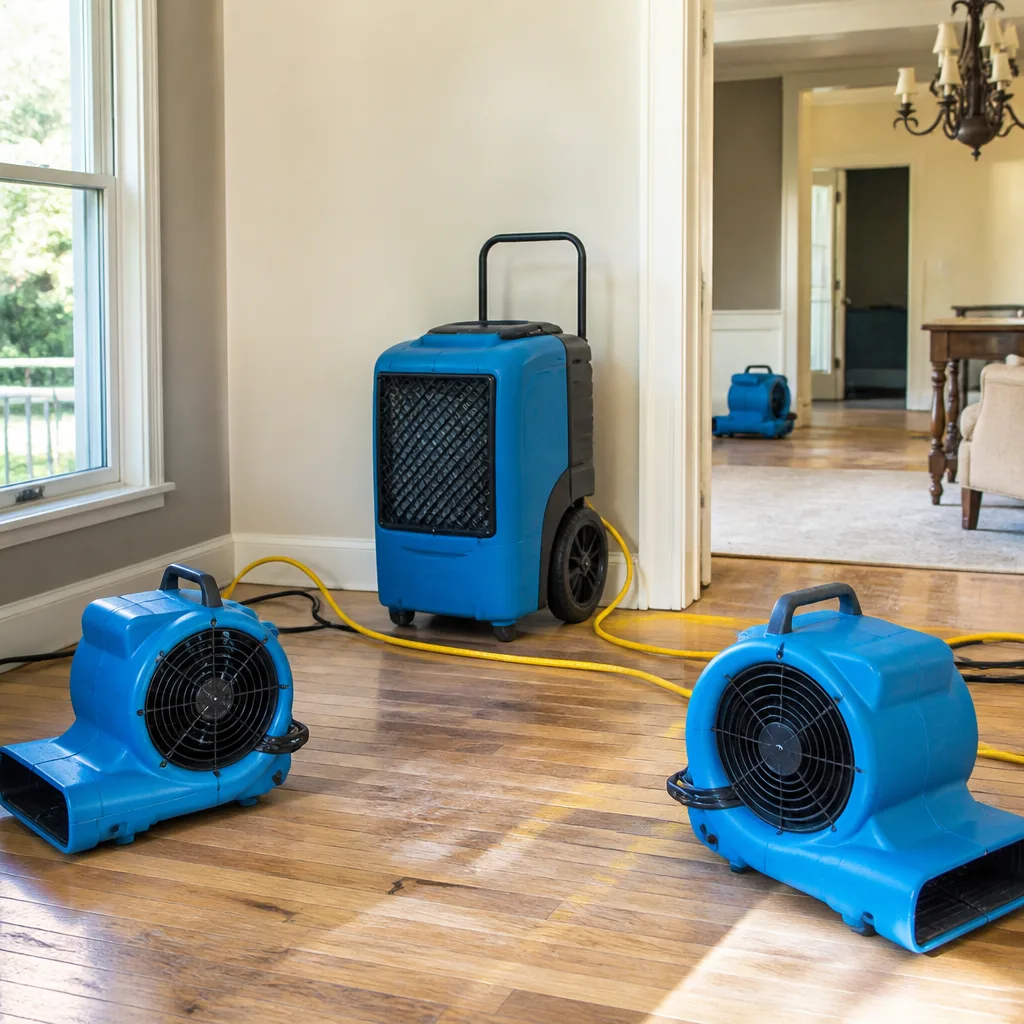
Low-grain refrigerant (LGR) dehumidifiers are standard for water damage restoration. Ask to see the equipment list and verify models from recognized manufacturers. XPOWER and B-Air produce LGR units suitable for residential and light commercial work. The contractor should log each unit’s placement, runtime, and daily pint removal on the drying log. Without this, the adjuster can’t verify the equipment was actually used and necessary.
Air Movement and Containment
Air movers create the vapor pressure differential that drives moisture from materials into the air, where dehumidifiers capture it. Too few air movers extends drying; too many can damage materials. The IICRC S500 standard provides calculation formulas based on affected square footage and material class. Ask the contractor to walk you through the calculation for your job. Injection drying systems, such as those from Injectidry, allow targeted drying inside wall cavities without full demolition. In Midtown Manhattan’s plaster-and-lath buildings, this can preserve historic finishes that full demolition would destroy.
Air Filtration
Water damage restoration disturbs particulates and can aerosolize mold spores if present. HEPA air scrubbers should be standard on jobs involving Category 2 or 3 water, or any visible mold. The contractor should document scrubber placement, filter condition, and air exchange calculations.
Moisture Detection Technology
Thermal imaging cameras identify moisture patterns invisible to the eye. Non-penetrating moisture meters screen large areas; penetrating meters verify specific readings in suspect materials. The drying log should reference both, with readings mapped to room diagrams. Ask to see a sample log. If readings are recorded as narrative paragraphs rather than structured data, the adjuster will struggle to interpret them, and your claim will stall.
Standards Compliance
All work should be documented to IICRC (Institute of Inspection, Cleaning and Restoration Certification), RIA (Restoration Industry Association), and IFA (Indoor Air Quality Association) standards. These are not marketing badges. They specify: how water categories are classified, how drying goals are set, how antimicrobial applications are documented, and how final clearance is determined. Ask the contractor which standard governs each phase of your job, and where that standard is referenced in their written scope.
Common Mistakes to Avoid
- Hiring based on response speed alone. The contractor who arrives in 30 minutes may have no documentation process. In Midtown Manhattan, traffic and building access often make true 30-minute response impossible anyway. Ask about documentation quality before asking about arrival time.
- Accepting a single total price without line items. This prevents comparison, hides omissions, and gives the adjuster nothing to verify. Haven Standard, Clause 1 exists to eliminate this practice.
- Signing an Assignment of Benefits without legal review. AOBs transfer your claim rights and can result in litigation between the contractor and insurer that you cannot control or exit.
- Assuming the building superintendent will coordinate access. Your contractor must carry proper insurance certificates and follow building protocols. Relying on the super to manage this creates delays and liability gaps.
- Neglecting to verify license class against work type. A Home Improvement Contractor license does not cover structural repair or electrical work. If the damage extends beyond surface materials, verify the contractor holds appropriate endorsements.
- Comparing bids by total price without checking equipment assumptions. A $4,000 bid with 3 days of assumed drying and a $7,000 bid with 10 days are not comparable without knowing the moisture targets that determine actual duration.
- Failing to request the five documents before work begins. Once the crew is in your home, your leverage disappears. Request documentation during the estimate phase, and use refusal as a disqualifier.
When to Call a Professional
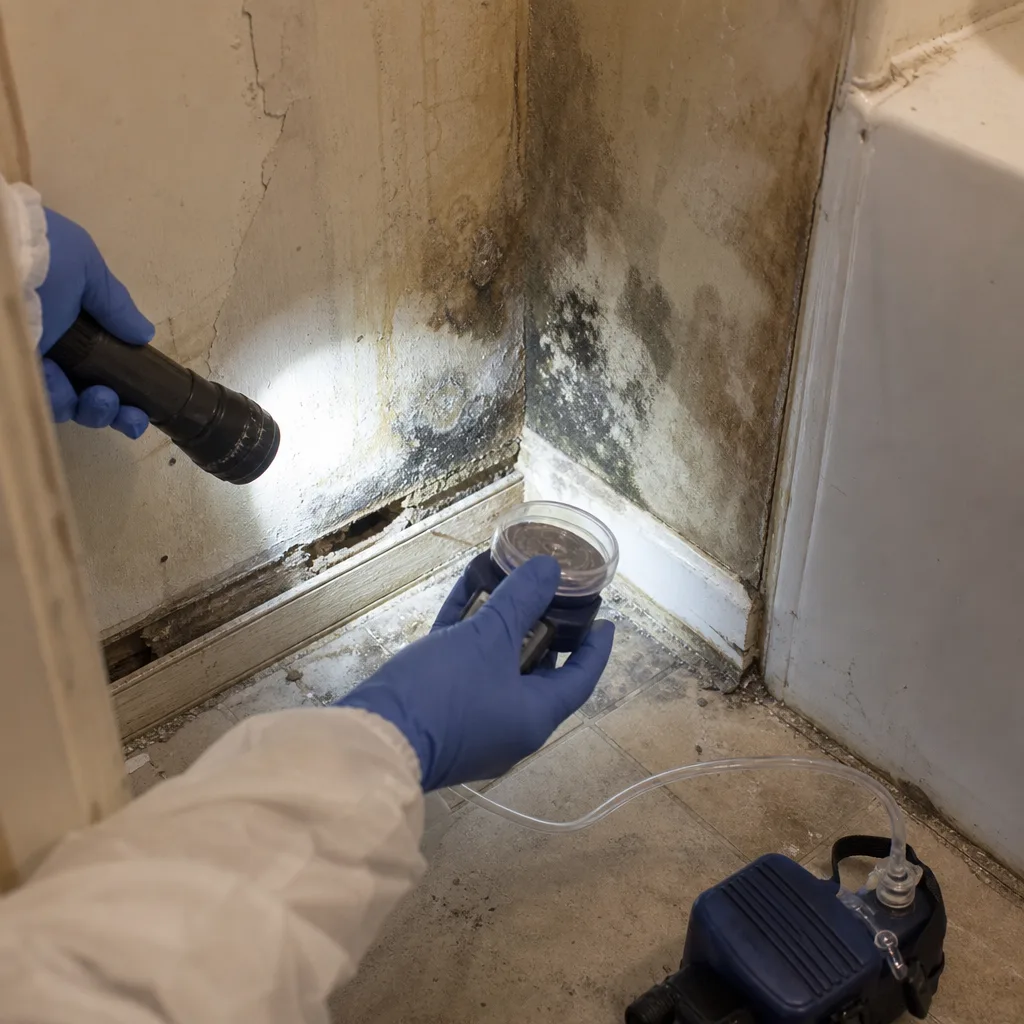
Call a damage restoration contractor immediately when: water has saturated structural materials (wallboard, subfloor, framing), you smell musty odors indicating hidden moisture, visible mold covers more than 10 square feet, fire or smoke damage has affected HVAC systems, or sewage or contaminated water is present. In Midtown Manhattan’s dense building environment, water travels horizontally through shared walls and vertically through pipe chases faster than in detached homes. Review our Water Damage Restoration Maintenance Checklist for Midtown Manhattan Homeowners to stay prepared. Delay of even a few hours expands the affected area and the claim complexity.
DryMark Restoration Midtown Manhattan offers free estimates in Midtown Manhattan. We also provide a Free Second Opinion on any competitor’s written estimate at no charge. Call (862) 212-1646 to speak with a live person, 24 hours a day, 7 days a week. No voicemail on emergency lines.
Frequently Asked Questions
Water damage restoration in Midtown Manhattan typically ranges from $3,500 for limited Category 1 water in a single room to $18,000+ for Category 3 flooding affecting multiple rooms with content manipulation and reconstruction. Category 1 (clean water from a broken supply line) requires less antimicrobial treatment and disposal. Category 3 (sewage or ground water) requires full PPE, specialized disposal, and more extensive documentation. High-rise logistics in Midtown, including service elevator coordination and after-hours restrictions, can add 15-25% compared to suburban markets. Call (862) 212-1646 for a written price before work begins - estimates are free.
Most Midtown Manhattan homeowner and condo policies cover sudden and accidental water damage, but coverage limits and exclusions vary. The key factor is documentation: insurers pay claims with clear photo evidence, moisture logs showing drying progress, and line-item scopes they can verify against pricing databases. Sloppy documentation triggers disputes regardless of policy terms. We document to IICRC, RIA, and IFA standards and coordinate directly with adjusters using our photo records and drying logs. Ask your contractor specifically: “Will you speak with my adjuster directly, and what documentation will you provide?”
Emergency extraction can begin within 1-2 hours in Midtown Manhattan during normal conditions, but building access often takes longer than travel. Your doorman, super, or building management must admit the crew, and many buildings require pre-registered insurance certificates. We maintain current certificates for major Midtown buildings and request access protocols during your first call. For true emergencies, we coordinate with building staff while en route. Reconstruction work is scheduled, not dispatched, and requires written scope approval first.
Visible mold covering less than 10 square feet on a hard surface can sometimes be addressed with HEPA vacuuming and antimicrobial treatment by a restoration contractor following IICRC S520. Larger areas, mold in HVAC systems, or mold resulting from Category 3 water require full containment, negative air pressure, and post-remediation verification testing. The determining factor is not size alone but the material affected and the water source. Porous materials like drywall with mold growth must be removed; non-porous materials like tile can often be cleaned. We assess this during initial moisture mapping and document our recommendation in the written scope. For specialized mold concerns, see Mold Remediation in Midtown Manhattan.
Ask the board or managing agent for the specific deficiency: coverage limits, additional insured language, certificate holder address, or expiration dates. Professional restoration contractors maintain adjustable certificates and can reissue to meet building requirements within hours. If a contractor cannot or will not adjust their certificate, they likely lack the insurance relationships to operate in Midtown Manhattan’s demanding building environment. This is a disqualifier. We issue building-specific certificates as standard practice.
Request the daily drying log and look for three elements: declining moisture content readings in affected materials, stable or decreasing relative humidity in the drying environment, and specific equipment adjustments (adding, removing, or repositioning) based on the data. The log should show psychrometric calculations, not just thermometer readings. If readings plateau or rise, the contractor should explain the adjustment strategy. No adjustment over multiple days suggests passive, unmonitored drying, which risks secondary damage. Our drying logs are delivered as standard documentation, never withheld until payment.
Restoration contractors specialize in emergency mitigation, controlled demolition, and drying, with documentation systems designed for insurance claims. General contractors build and renovate, but typically lack the moisture detection equipment, drying science training, and daily logging protocols that insurers require for water damage claims. Some firms, including DryMark Restoration Midtown Manhattan, perform both mitigation and reconstruction under one scope, eliminating gap liability and coordination failures. For fire damage reconstruction, see Fire & Smoke Damage Restoration in Midtown Manhattan.
The Bottom Line
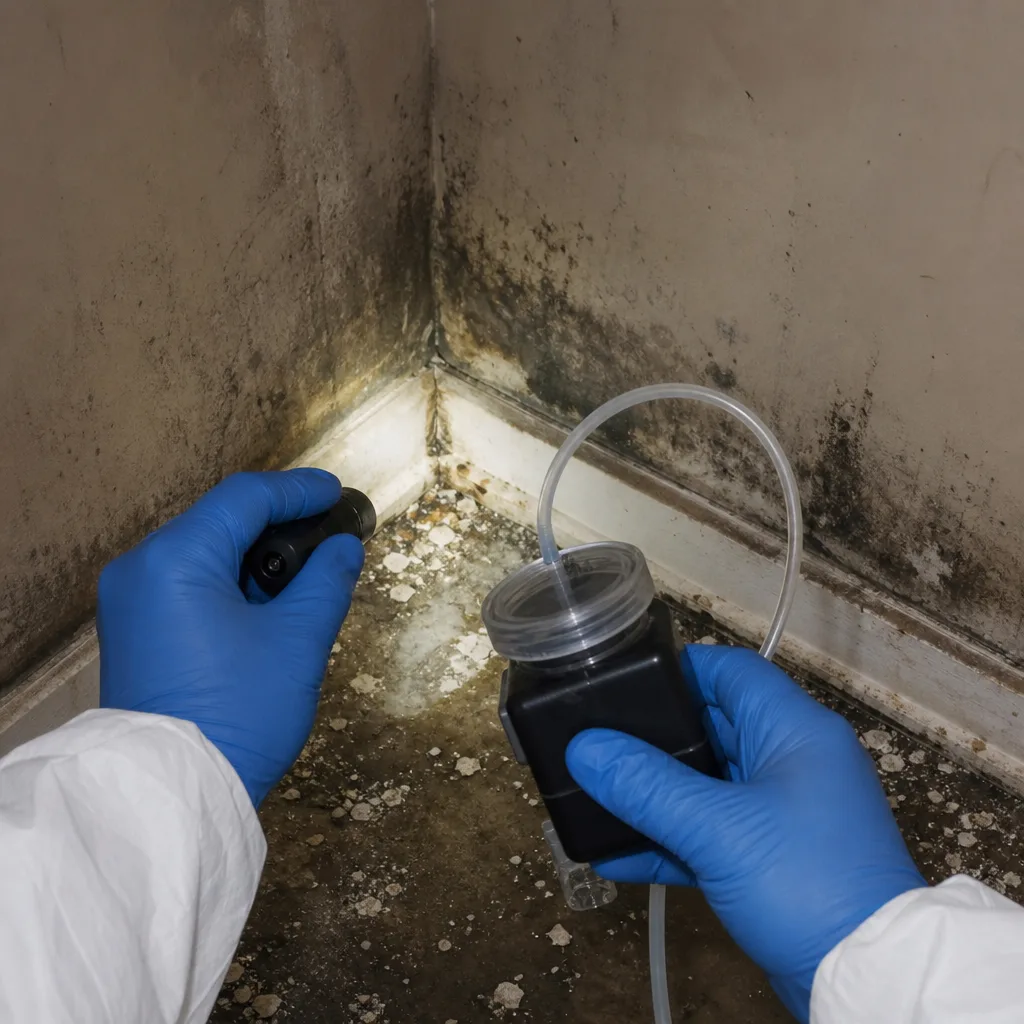
Hiring a damage restoration contractor in Midtown Manhattan is a documentation decision, not a speed contest. The five documents, verified licensing, and line-item bid comparison protect you from the two risks that matter: claim denial from sloppy paperwork, and cost inflation from vague scopes. Ask specific questions, reject verbal pricing, and verify that your contractor understands Midtown’s co-op and condo requirements before work begins. The contractor whose paperwork impresses an adjuster is the contractor whose work gets paid for. Explore more guides & resources on protecting your Midtown Manhattan property.
Written by Alicia Brennan, Owner at DryMark Restoration Midtown Manhattan, serving Midtown Manhattan since 2011.