
Last updated September 22, 2026
Free visual inspection and a written scope of work before any mitigation begins - photos, moisture readings, and drying logs go in your claim file
The scope we write is the scope we bill. Anything new gets shown to you, in writing, before we touch it.
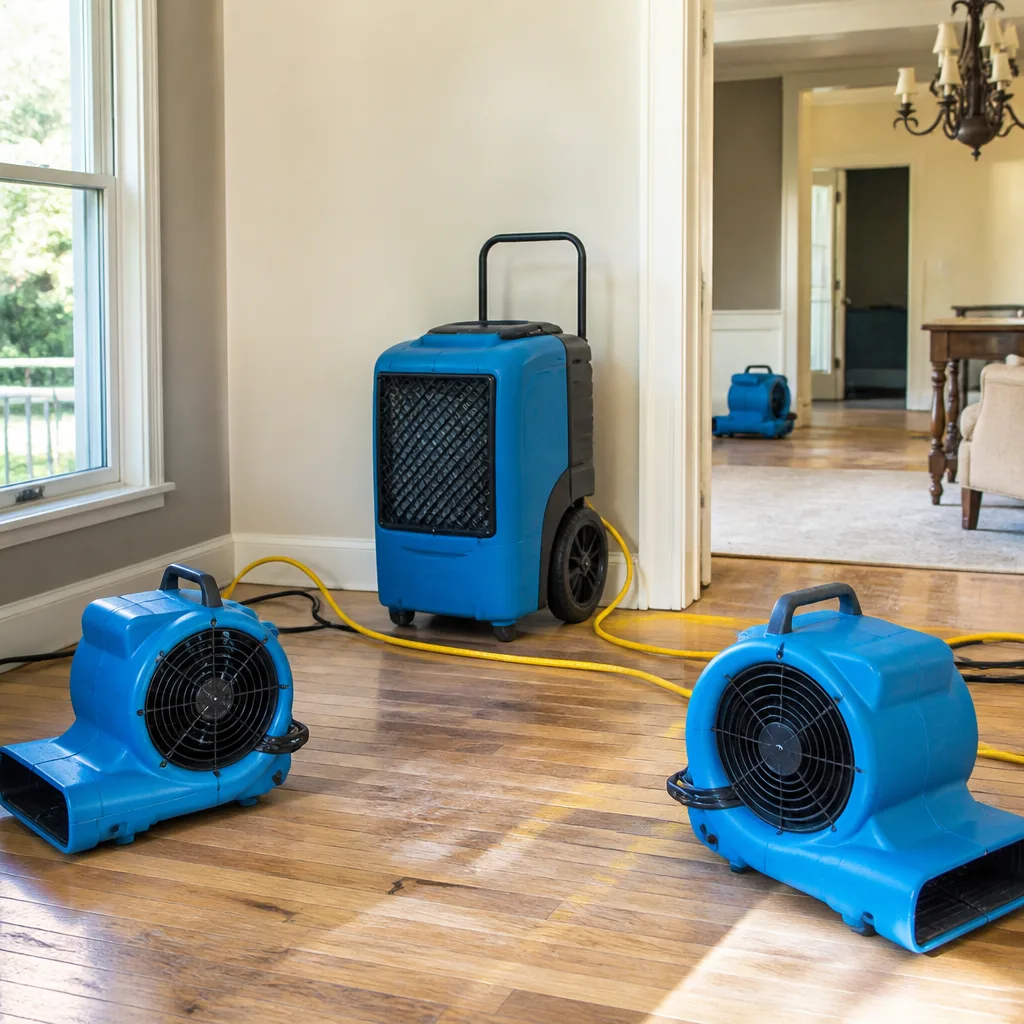
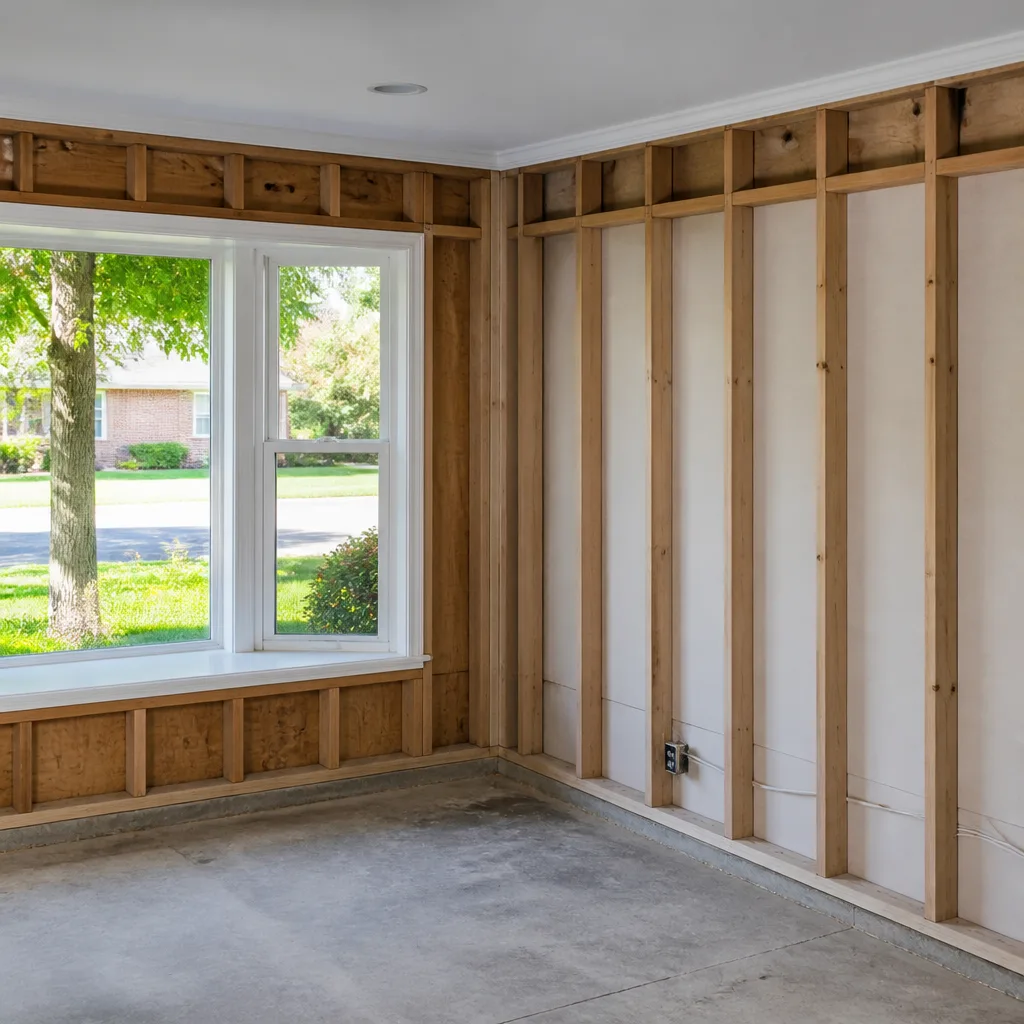
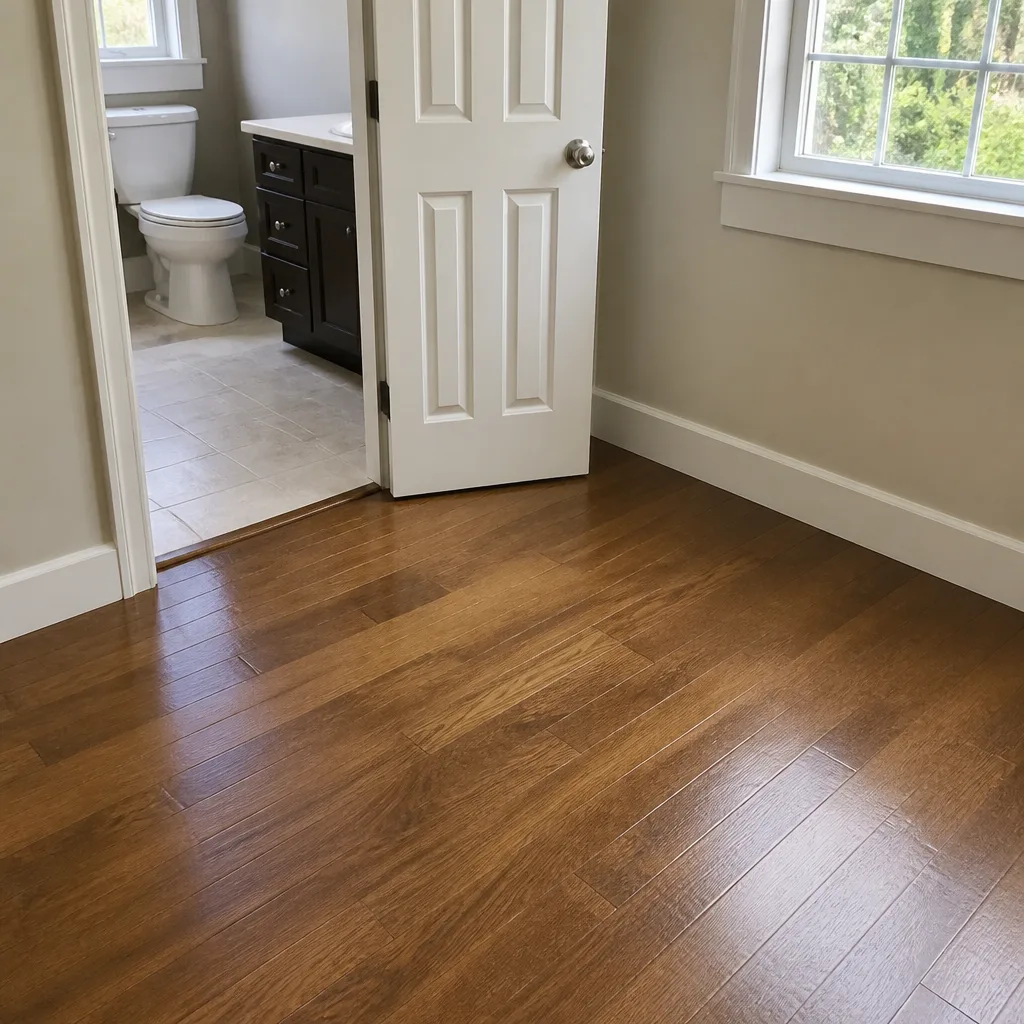
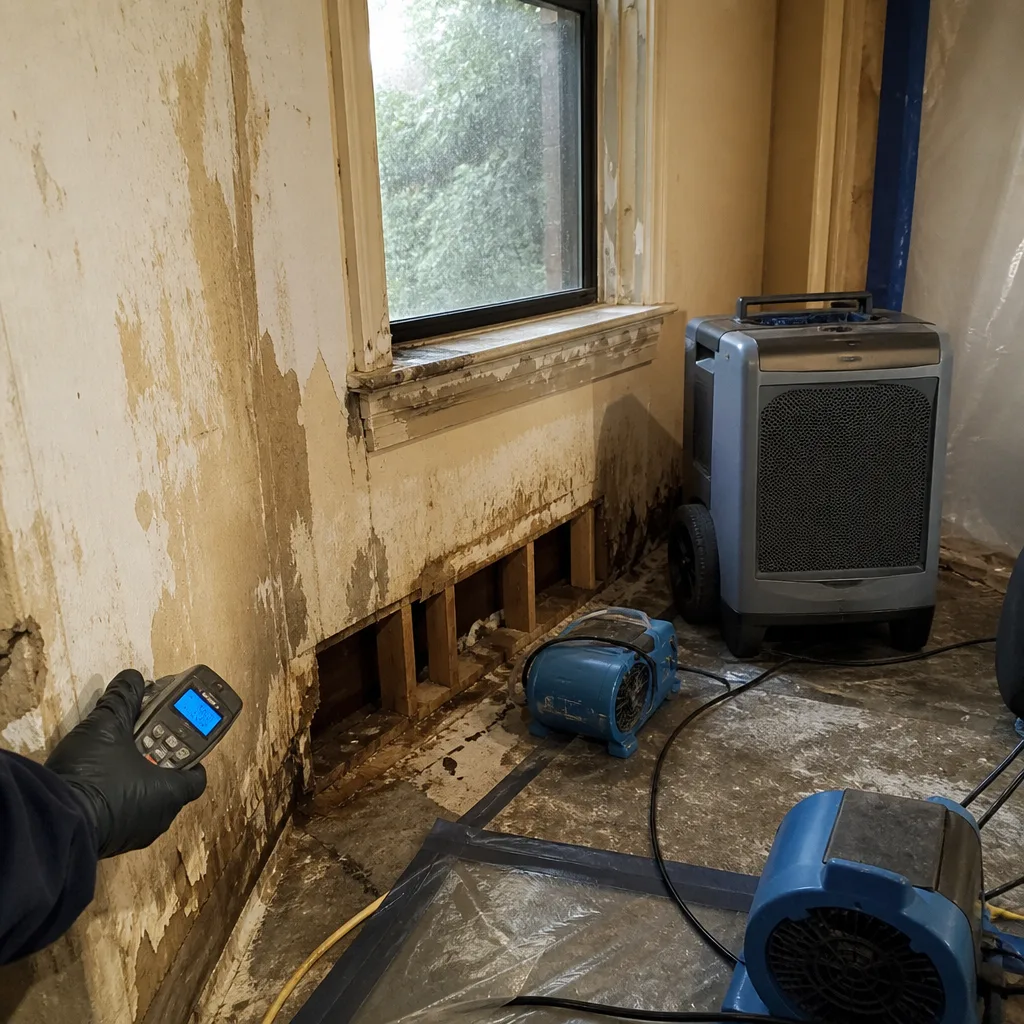 Before
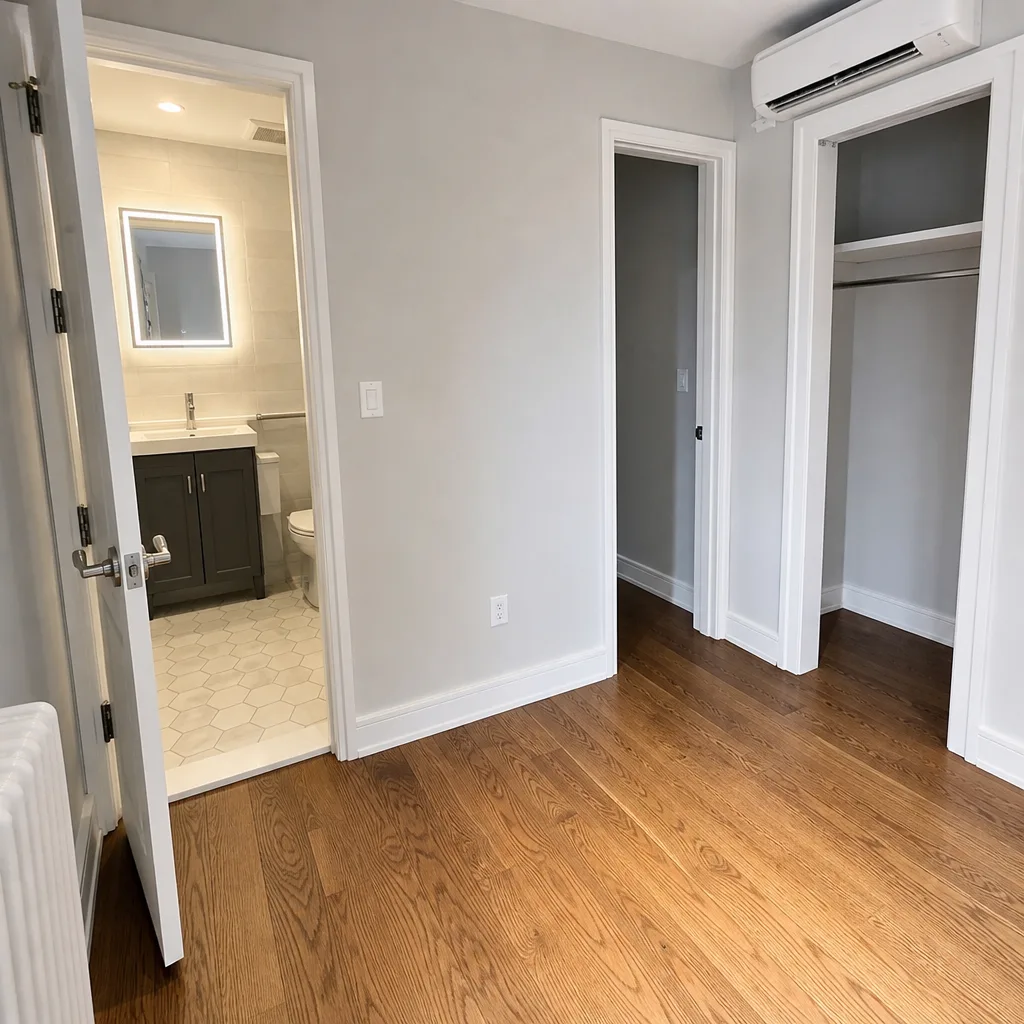 After
After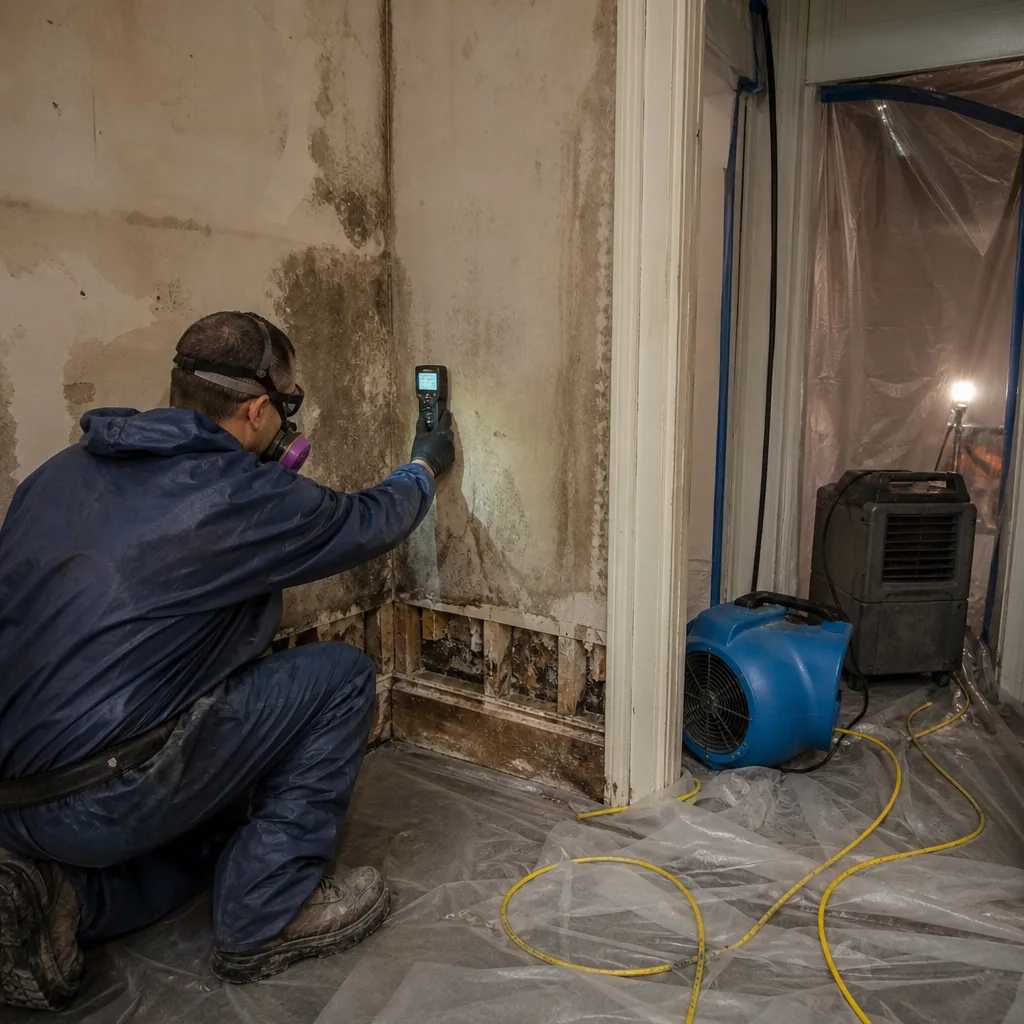 Before
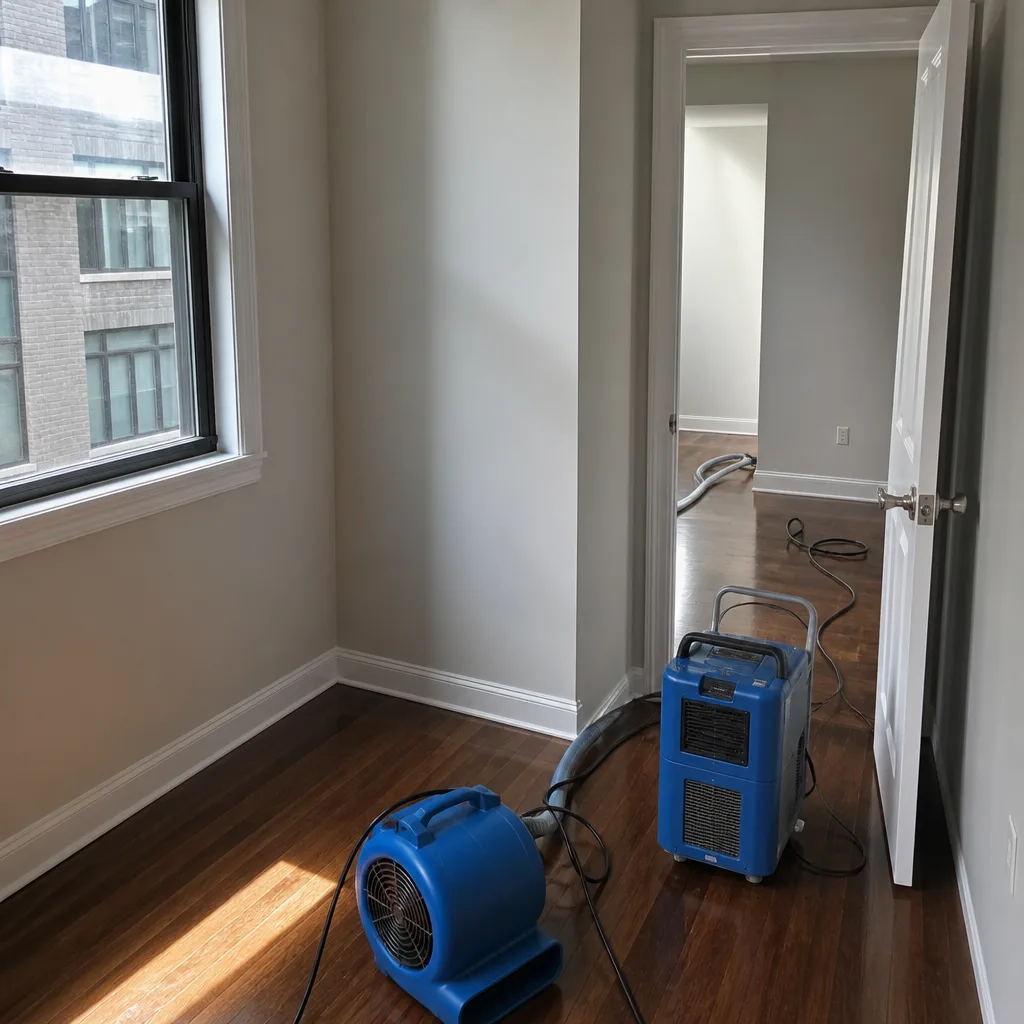 After
After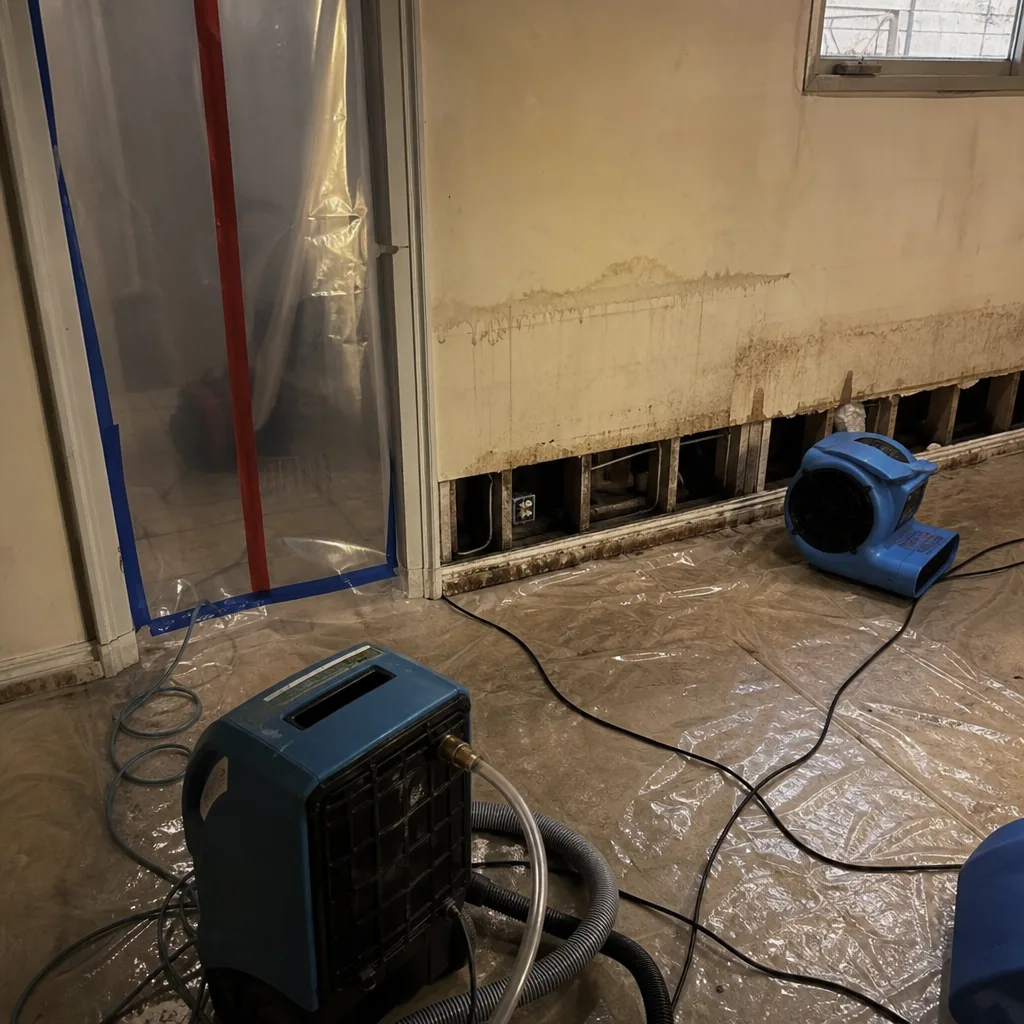 Before
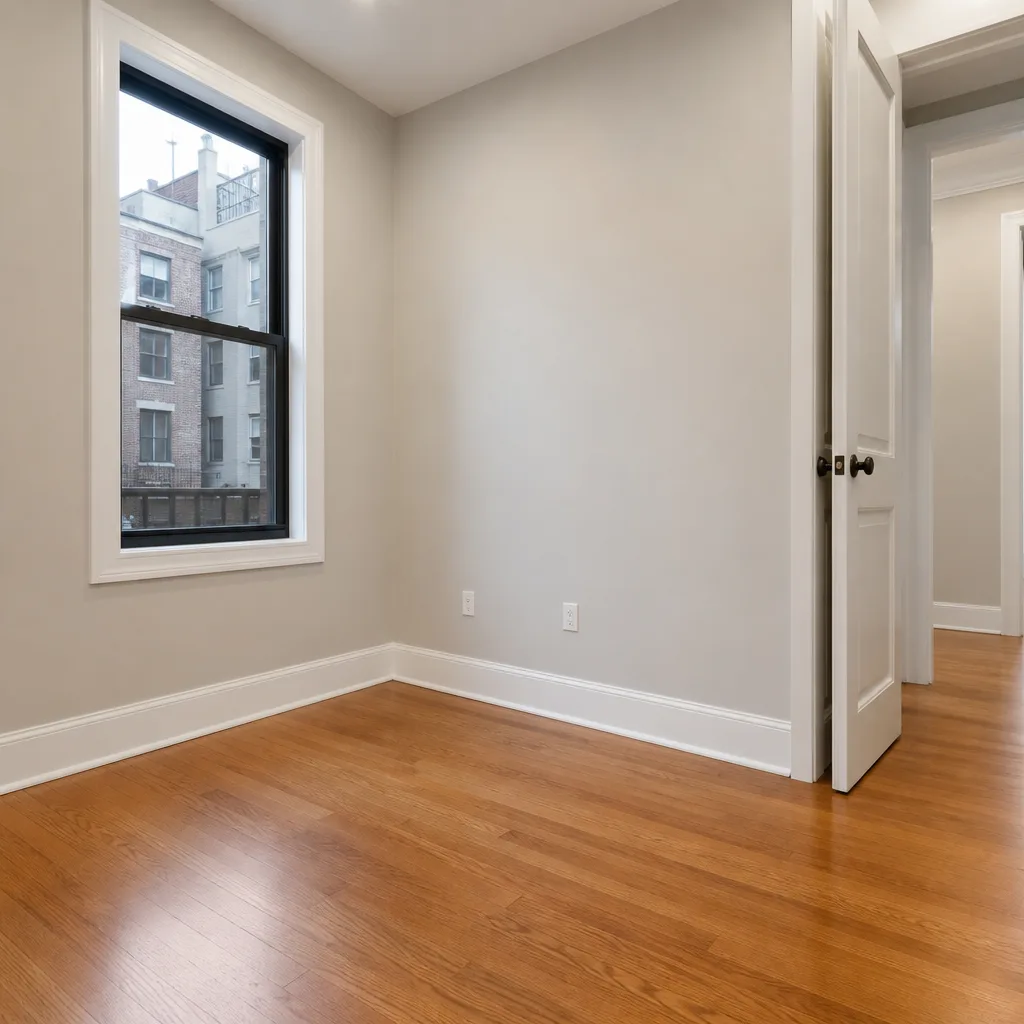 After
AfterDamage Restoration Cost Breakdown: The Midtown Manhattan Homeowner’s Reference for 2026
The average gap between a restoration contractor’s initial invoice and what an insurer actually pays in a contested Midtown Manhattan claim is 22-31%. Most of that gap comes from line items that were never documented with a measurement or a photo. In a market where a single water loss in a pre-war co-op can run past $85,000 before reconstruction even begins, that gap is not abstract. It’s the difference between a homeowner who recovers their out-of-pocket costs and one who spends eighteen months in appraisal. This guide decodes the ten most common Xactimate codes used in Midtown residential claims, explains the labor and equipment rates behind them, and shows what a defensible invoice looks like versus one that will generate an adjuster dispute. For Damage Restoration Warning Signs: A Midtown Manhattan Homeowner’s Reference Guide, see our companion resource.
Quick Answer
Water damage restoration in Midtown Manhattan typically costs $4,200-$18,500 for residential losses, with most invoices landing between $7,800 and $12,400 for a standard three-room Category 1 or 2 loss. The final number depends on water classification, affected square footage, building access constraints, and whether the scope includes pack-out, structural drying, or demolition. What matters more than the total is whether every line item ties to a documented measurement, photo, or moisture log entry.
Table of Contents
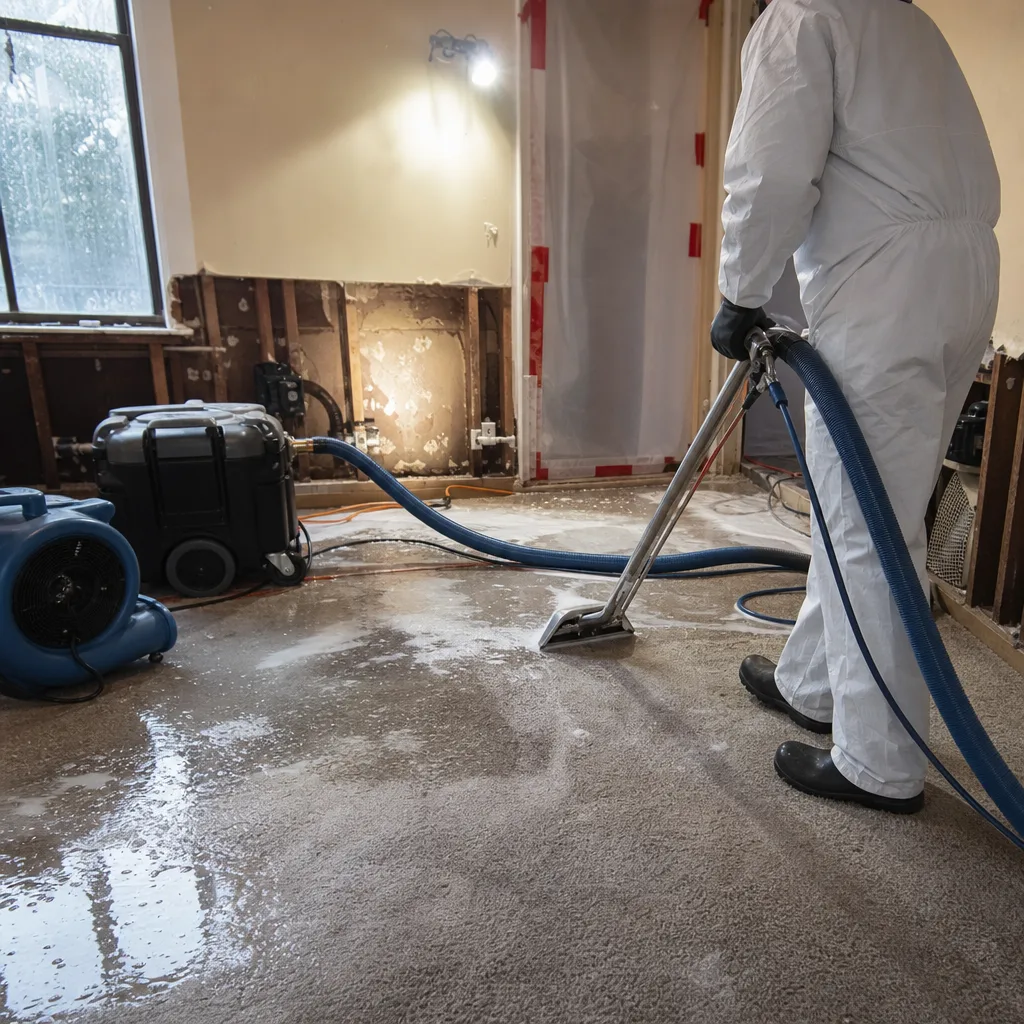
- The Ten Xactimate Codes That Drive Most Midtown Manhattan Restoration Invoices
- How Equipment Costs Are Actually Calculated (and How to Verify Them)
- Category 1 vs. 2 vs. 3: What Each Classification Costs in Midtown’s Market
- Midtown-Specific Cost Factors That Legitimately Raise Your Invoice
- How to Request a Reconciled Invoice (and What to Do When a Contractor Refuses)
- What Your Adjuster Sees That You Don’t: The Documentation Gap
- Common Mistakes to Avoid
- When to Call a Professional
- Frequently Asked Questions
- The Bottom Line
BeforeAfterThe Ten Xactimate Codes That Drive Most Midtown Manhattan Restoration Invoices
Xactimate is the pricing engine that most insurers and established restoration contractors use to estimate property claims. Each code represents a specific task, material, or equipment deployment, and each carries a unit cost that varies by geographic market. In Midtown Manhattan, the 2026 unit costs reflect Manhattan’s labor rates, equipment transport costs, and the logistical friction of working in high-rise residential buildings.
Here are the ten codes we see most often on residential water damage invoices in Midtown, with their 2026 NYC unit costs and what documentation must support each one:
| Xactimate Code | Description | 2026 NYC Unit Cost | Required Documentation |
|---|---|---|---|
| WTR-DRY | Structural drying, per square foot | $3.85-$5.20/sq ft | Daily moisture readings, psychrometric data, equipment serial numbers |
| WTR-DEH | Dehumidifier, large (LGR), per day | $68-$94/day | Equipment delivery photo, daily humidity log, pickup confirmation |
| WTR-AIR | Air mover, per day | $22-$31/day | Count verified in photos, placement diagram, daily check |
| WTR-HEA | Heating system, indirect fired, per day | $145-$198/day | Temperature log showing maintained heat, fuel delivery receipt |
| WTR-DEM | Demolition, wet materials, per square foot | $2.40-$3.80/sq ft | Pre-demo photo, moisture reading above 16%, post-demo photo |
| WTR-INS | Insulation removal, wet, per square foot | $1.85-$2.95/sq ft | Insulation type identified, depth measurement, contamination photo |
| WTR-PAC | Contents pack-out, per cubic foot | $4.50-$6.75/cu ft | Inventory with photos, condition documentation, chain of custody |
| WTR-CLN | Antimicrobial application, per square foot | $0.85-$1.40/sq ft | Product SDS, application photo, coverage calculation |
| WTR-ODR | Odor treatment, thermal fogging, per cubic foot | $0.55-$0.90/cu ft | Fogging agent specified, pre/post odor assessment, technician certification |
| WTR-MOI | Moisture monitoring, per visit | $185-$265/visit | Dated moisture map, grain depression reading, technician signature |
These unit costs are drawn from Xactimate’s 2026 New York City pricing database, updated quarterly. A contractor who bills above these ranges must justify the overrun with documented extraordinary conditions: weekend-only work windows, elevator reservation fees, or building protection requirements that exceed standard practice.
The documentation column is where most invoices fail. We’ve reviewed competitor estimates where WTR-DEH was billed for fourteen days but the equipment delivery photo showed three dehumidifiers, and the moisture log showed the space reached dry standard on day nine. The remaining five days were unearned revenue. Haven Standard, Clause 1 requires a written price before work begins, but it also requires that the invoice reconcile to the work actually performed.
Psychrometric data - the measurement of temperature, relative humidity, and vapor pressure differential - is what separates a legitimate drying invoice from a padded one. Vapor pressure differential is the force that drives moisture from wet materials into the air; when it approaches equilibrium, drying is complete. A contractor billing equipment days after equilibrium is reached is billing for physics that are no longer occurring.
How Equipment Costs Are Actually Calculated (and How to Verify Them)
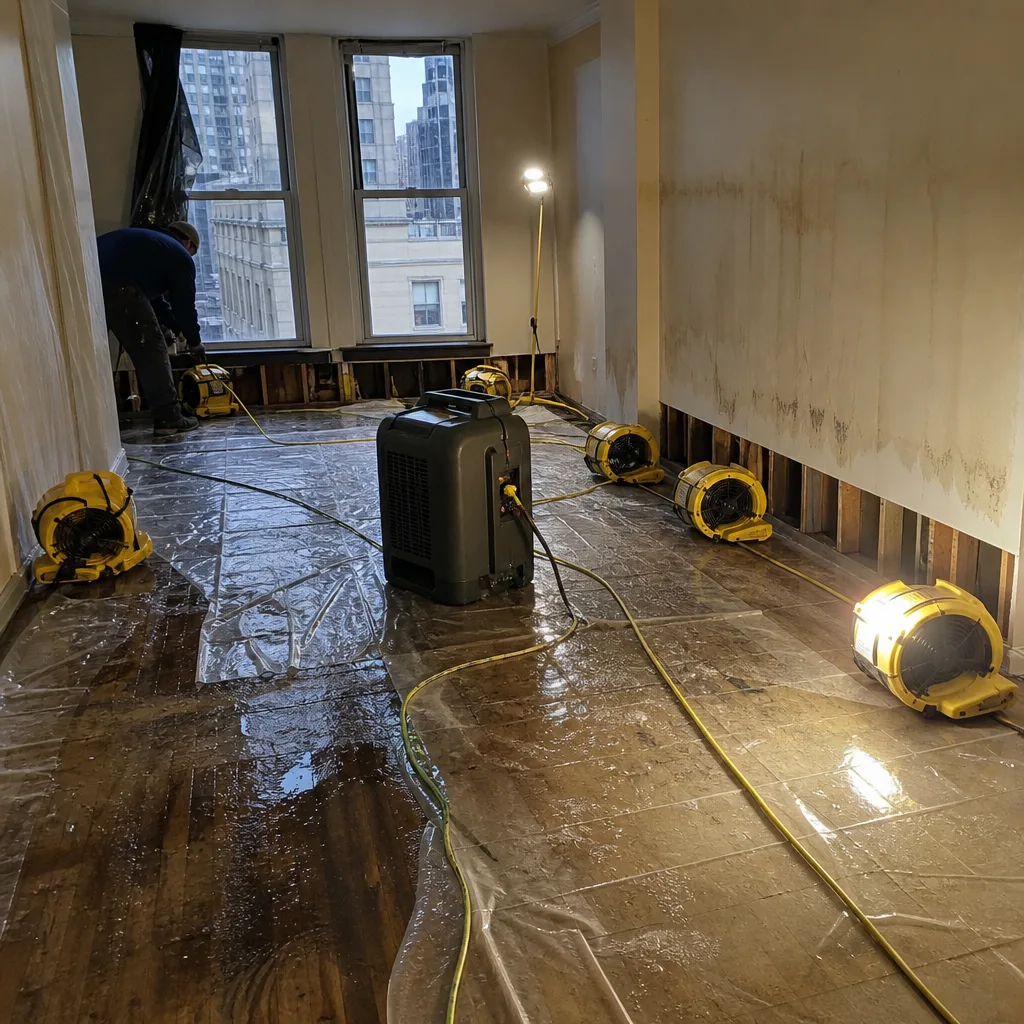
Equipment billing on restoration invoices follows a simple formula that most homeowners never see explained: dehumidifier capacity in pints per day, multiplied by days deployed, adjusted for the specific humidity load of the space. The math is not secret. What gets obscured is whether the equipment on site matched the equipment billed, and whether it was the right equipment for the job.
Here’s how to verify what you’re being charged:
- Check the capacity against the space. A standard LGR dehumidifier rated at 130 pints per day can handle roughly 1,200-1,500 square feet of affected space in a typical Midtown apartment with 8.5-foot ceilings. If your two-bedroom apartment has three such units running, ask for the moisture load calculation that justifies the third.
- Count the serial numbers. Every professional-grade unit from Dri-Eaz, Phoenix, or B-Air carries a serial number. The delivery photo should show it. The daily log should reference it. The invoice should list it. A gap in that chain is a red flag.
- Verify the pickup date. Equipment is billed until it’s removed from the site. We’ve seen invoices where dehumidifiers were “on rent” for four days after the moisture log showed dry standard was achieved. The Haven Standard requires pickup within 24 hours of documented drying completion.
- Cross-reference air mover count to affected rooms. IICRC S500 guidelines call for one air mover per 50-70 square feet of affected wet floor area, plus specialty units for wall cavities (Injectidry systems) or dense materials. A scope calling for twelve air movers in a 400-square-foot studio is either documenting an unusual configuration or inflating the bill.
- Ask for the daily grain depression log. Grain depression measures the drying potential of the air being processed. When it drops below 10 grains per pound, the dehumidifier is working harder for diminishing returns. Extended billing past this point needs explicit justification.
Midtown Manhattan’s building stock complicates equipment deployment. Pre-war buildings with plaster-and-lath walls require different drying strategies than post-war concrete-and-drywall construction. Plaster is hygroscopic - it absorbs and holds moisture - and can take 2-3 times longer to dry than drywall. A contractor billing standard drywall drying days for plaster work is either inexperienced or optimistic. The correct approach, documented to RIA and IFA standards, is to specify the material in the scope and adjust the equipment deployment accordingly.
Elevator constraints also affect equipment costs. A dehumidifier that won’t fit in a service elevator requires crane deployment or stair carry, each with documented surcharges. Xactimate codes exist for these, but they must be specified in the initial scope, not added after the fact.
Category 1 vs. 2 vs. 3: What Each Classification Costs in Midtown’s Market
Water damage is classified by contamination level, and that classification drives every subsequent cost: labor rates, disposal fees, antimicrobial requirements, and whether contents can be restored or must be discarded. The classification must be documented at the time of loss, not assigned later to justify a higher bill.
Category 1: Clean Water
Source is a broken supply line, overflowing sink, or failed water heater. No significant contamination. In Midtown Manhattan, Category 1 restoration typically runs $3.80-$5.20 per square foot for drying only, or $4,200-$7,500 for a standard two-bedroom apartment with pack-out. The key documentation requirement is a photo of the water source and a moisture map showing the migration path. If Category 1 water sits for more than 24-48 hours, it degrades to Category 2.
Category 2: Gray Water
Source contains significant contamination: dishwasher discharge, washing machine overflow, sump pump failure. Midtown Category 2 scopes typically run $5.50-$8.75 per square foot, or $6,800-$12,400 for a comparable apartment. The scope must include antimicrobial application (WTR-CLN), affected porous materials must be evaluated for disposal, and technicians must document PPE usage. Category 2 water that sits past 48 hours, or that originates from a source with known bacterial load, may be reclassified to Category 3.
Category 3: Black Water
Source is sewage, seawater, or water from beyond the trap of any fixture. This is where costs escalate sharply. Midtown Category 3 scopes run $9.50-$16.50 per square foot, or $12,000-$22,000 for a two-bedroom apartment, before reconstruction. The documentation burden is extensive: source identification photo, contamination perimeter, affected material inventory with disposal manifest, antimicrobial and disinfectant application logs, and post-remediation verification sampling. In Midtown’s co-op market, Category 3 losses often trigger building-wide notification requirements and Department of Environmental Protection reporting, each with associated costs. For details on regulatory requirements, see Damage Restoration Permits, Codes & Inspections in NY: What You Need to Know.
The reclassification risk is real. We’ve reviewed invoices where Category 1 water from a supply line break was billed at Category 3 rates because the contractor claimed “unknown duration” - despite the homeowner’s timestamped photo showing the leak started two hours before arrival. The Haven Standard requires classification documentation at first contact, with photos, and prohibits retroactive reclassification without new evidence.
Category 3 work in Midtown also carries disposal complexities. Black water debris cannot use standard building trash chutes in most co-ops; it requires bagging, labeling, and street-level removal by a licensed waste hauler. Xactimate codes WTR-DSP and WTR-HAU cover this, but the building’s specific requirements must be documented in the scope.
Midtown-Specific Cost Factors That Legitimately Raise Your Invoice
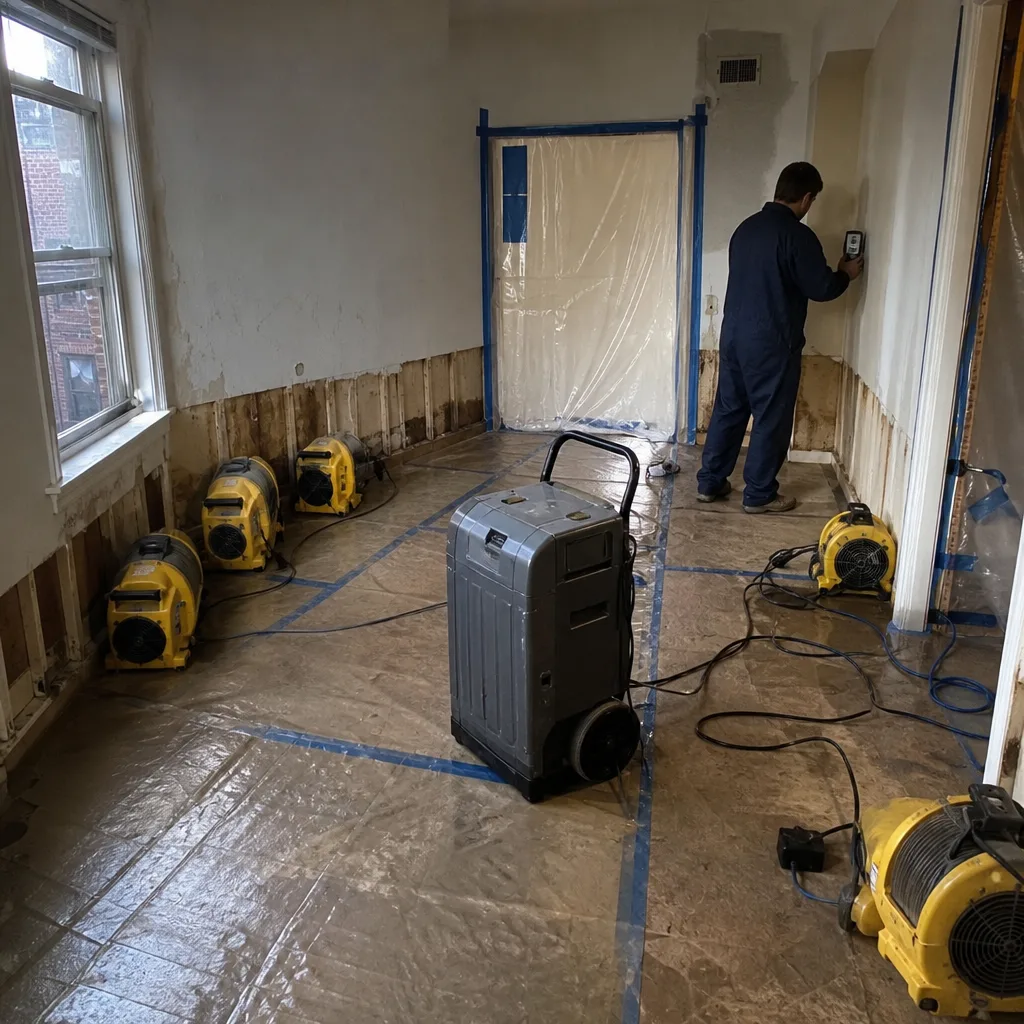
Some cost drivers are universal: square footage, material type, duration of exposure. Others are specific to working in Midtown Manhattan’s built environment. These are not padding. They are real costs that a defensible invoice must account for, and that an informed homeowner can verify.
Elevator Time Reservations
Most Midtown residential buildings above twelve stories require service elevator reservations for construction and restoration work. Fees range from $150-$400 per reservation window, with windows typically limited to 8:00 AM - 4:00 PM weekdays in co-ops. Weekend or after-hours elevator access may be prohibited entirely, or may require board approval with 48-72 hour notice. A contractor who doesn’t account for this in the initial scope will either absorb the cost (unlikely) or add it later (a Clause 1 violation).
Building Protection Requirements
Pre-war buildings on the Upper East Side and in Turtle Bay often require masonite path protection, corner guards, and elevator padding that exceeds standard practice. The St. Regis Residences, the Beresford, and similar buildings have written contractor guidelines that specify protection materials and installation. These run $200-$600 per job depending on route length and duration. The building’s property manager should provide the written requirement; the contractor should reference it in the scope.
Weekend-Only Work Windows
Certain co-ops, particularly along Fifth Avenue and Central Park West, restrict noisy or disruptive work to weekends only. This compresses a five-day drying schedule into two weekend windows, extending equipment rental days and requiring technician overtime. The scope must specify the restriction and its cost impact. A contractor who discovers this after work begins and adds a surcharge has failed their due diligence.
Debris Removal to Street-Level
Midtown buildings rarely allow restoration debris in passenger elevators. Service elevators may not reach the basement. The path to street-level may require carting through loading docks with specific hours, or crane deployment from upper floors. Each path has a cost. The correct documentation is a building logistics survey, completed before the scope is written, with the specific removal path noted.
Plaster and Lathe vs. Drywall
Midtown’s housing stock is split between pre-war plaster construction (roughly pre-1950) and post-war drywall. Plaster demolition and replacement costs 40-60% more than drywall, and drying takes longer. A contractor who scopes drywall rates for plaster work is underbidding; one who scopes plaster rates for drywall work is overbilling. Material identification should be in the initial photos.
Parking and Vehicle Access
Commercial vehicle parking in Midtown runs $35-$75 per day for legal spots, assuming one can be found. Many restoration contractors use commercial garages at $400-$600 per week. Equipment transport from New Jersey or outer borough depots adds fuel and toll costs that appear in Xactimate’s equipment rates. These are legitimate but should be visible, not buried in overhead.
How to Request a Reconciled Invoice (and What to Do When a Contractor Refuses)
A reconciled invoice is one where every line item ties to a specific piece of documentation: a photo, a moisture log entry, a measurement, or a building requirement. It is not a courtesy. In our experience, it is the single strongest predictor of whether an insurer will pay the claim without dispute.
Here’s how to request one, and what the response tells you:
- Ask in writing, referencing your policy rights. Most homeowner policies require the insured to cooperate with documentation requests. Frame your request as compliance, not suspicion: “To complete my claim file, I need the following supporting documents for each line item.”
- Specify the tie for each major category. For equipment: serial numbers, delivery/pickup photos, daily logs. For labor: technician names, license numbers, time logs. For materials: purchase receipts or inventory draw sheets. For disposal: waste manifests with weights and facility names.
- Set a reasonable deadline. Ten business days is standard for a completed job. If the contractor is still on site, request weekly reconciliation during the work.
- Review what you receive against the invoice. Common gaps: equipment billed past documented dry standard, labor hours exceeding on-site time, materials not visible in photos, disposal weights that don’t match affected volume.
- Document the refusal if it comes. A contractor who will not provide reconciliation may be unable to support their billing. This becomes relevant in appraisal, in small claims court, or in a complaint to the New York Department of Consumer Affairs.
The Haven Standard requires reconciliation as a standard deliverable, not an upsell. Every DryMark Restoration Midtown Manhattan invoice includes a photo index keyed to line items, a moisture log with dated readings, and a signed technician attestation. If a competitor will not match this, that is information.
New York General Business Law Section 771 requires written contracts for home improvement work exceeding $500, with specific disclosures. A restoration invoice that exceeds this threshold without a written contract is unenforceable. The written scope that Haven Standard, Clause 1 requires serves dual purpose: it is both a price commitment and a legal compliance document.
What Your Adjuster Sees That You Don’t: The Documentation Gap
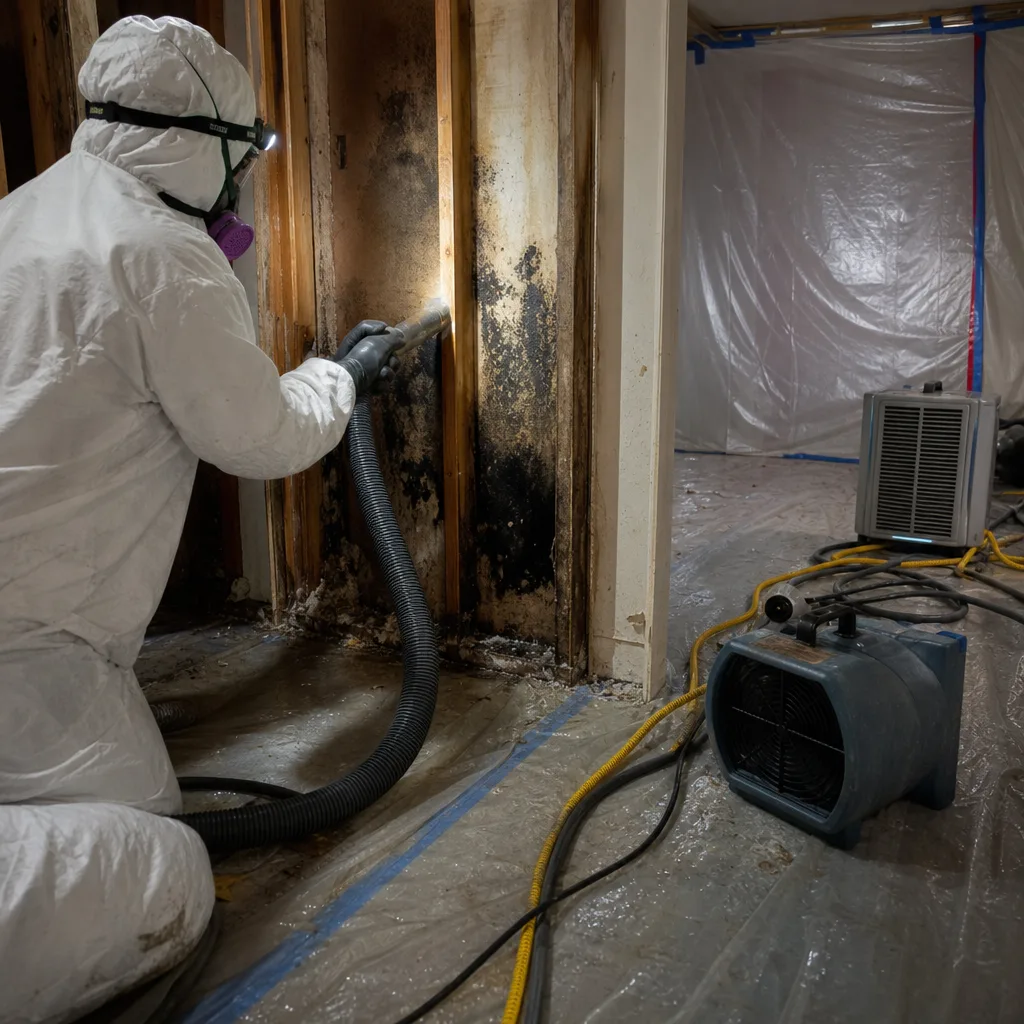
Insurance adjusters evaluate restoration invoices against three questions: Was the work necessary? Was the work performed? Was the price reasonable? The first two are documentation questions. The third is a market question. Most homeowner disputes arise from failures on the first two, not the third.
An adjuster’s review typically proceeds in this order:
- Cause and origin documentation. What failed? When? Is the loss covered under the policy terms? A photo of the burst pipe, the water heater data plate, or the storm-damaged roof is the starting point. Without it, coverage is questioned before pricing is reviewed.
- Scope verification. Did the contractor dry, demolish, or replace what they claimed? The adjuster compares pre-work photos to post-work photos, moisture logs to equipment invoices, and disposal manifests to demolition square footage. Gaps here generate line-item denials.
- Price reasonableness. Only after necessity and performance are confirmed does the adjuster check unit costs against Xactimate or comparable market data. A well-documented invoice at 110% of Xactimate often pays in full. A poorly documented invoice at 95% generates a reservation of rights letter.
The 22-31% gap we cited in the opening is not random. It clusters in specific failure modes: equipment billed without serial numbers, antimicrobial applied without contamination documentation, demolition of materials that appear dry in pre-demo photos, and Category 3 classification without source evidence. Each is a documentation failure that an adjuster is trained to flag.
Our documentation-first approach exists because Alicia Brennan founded Back to Dry in 2011 after seeing these failures from the adjuster’s side of the desk. The daily drying logs, written scopes, and room-by-room moisture readings that we produce are designed to answer the adjuster’s questions before they are asked. A restoration invoice backed by this documentation is a claim that moves to payment. One without it is a claim that moves to dispute.
Photo documentation serves a second purpose in Midtown’s dense housing market: it protects against scope creep. When work occurs in buildings with shared walls, common HVAC systems, and strict alteration agreements, photos establish the boundary between covered loss and pre-existing condition. We’ve used dated photos to resolve disputes with building engineers, neighboring unit owners, and secondary insurers who questioned whether damage extended beyond the original loss perimeter.
Common Mistakes to Avoid
- Accepting a verbal estimate for emergency work. New York law requires written contracts for home improvement work over $500. More practically, a verbal estimate cannot be reconciled to an invoice. Haven Standard, Clause 1 exists to prevent this.
- Not photographing the loss before the contractor arrives. Your photos establish cause, origin, and initial condition. Contractor photos establish scope. Both are necessary. In Midtown’s competitive insurance market, the homeowner who has their own documentation moves faster through claim review.
- Assuming Category 1 water stays Category 1. Time and temperature drive reclassification. If you cannot have a contractor on site within 24 hours, document the delay and its reason. An adjuster who sees a three-day-old Category 1 claim will question why it wasn’t Category 2.
- Ignoring building notification requirements. Most Midtown co-ops require immediate notice of water intrusion to building management. Failure to notify can void the building’s master policy coordination, leaving gaps in coverage that the homeowner absorbs.
- Not requesting the moisture log at job completion. The moisture log is your proof that drying was achieved. Without it, an insurer may require post-remediation testing at your expense, or may reserve on future mold claims.
- Paying the full invoice before insurance reimbursement. Most policies allow for advance payments and direct contractor billing. Paying in full before coverage is confirmed converts an insurance claim into a personal loan to the contractor.
- Failing to verify technician licensing. New York requires mold remediation licenses for Category 2 and 3 water losses where mold is present. A contractor who cannot produce a license number on request is not compliant, and their invoice may be unenforceable.
When to Call a Professional
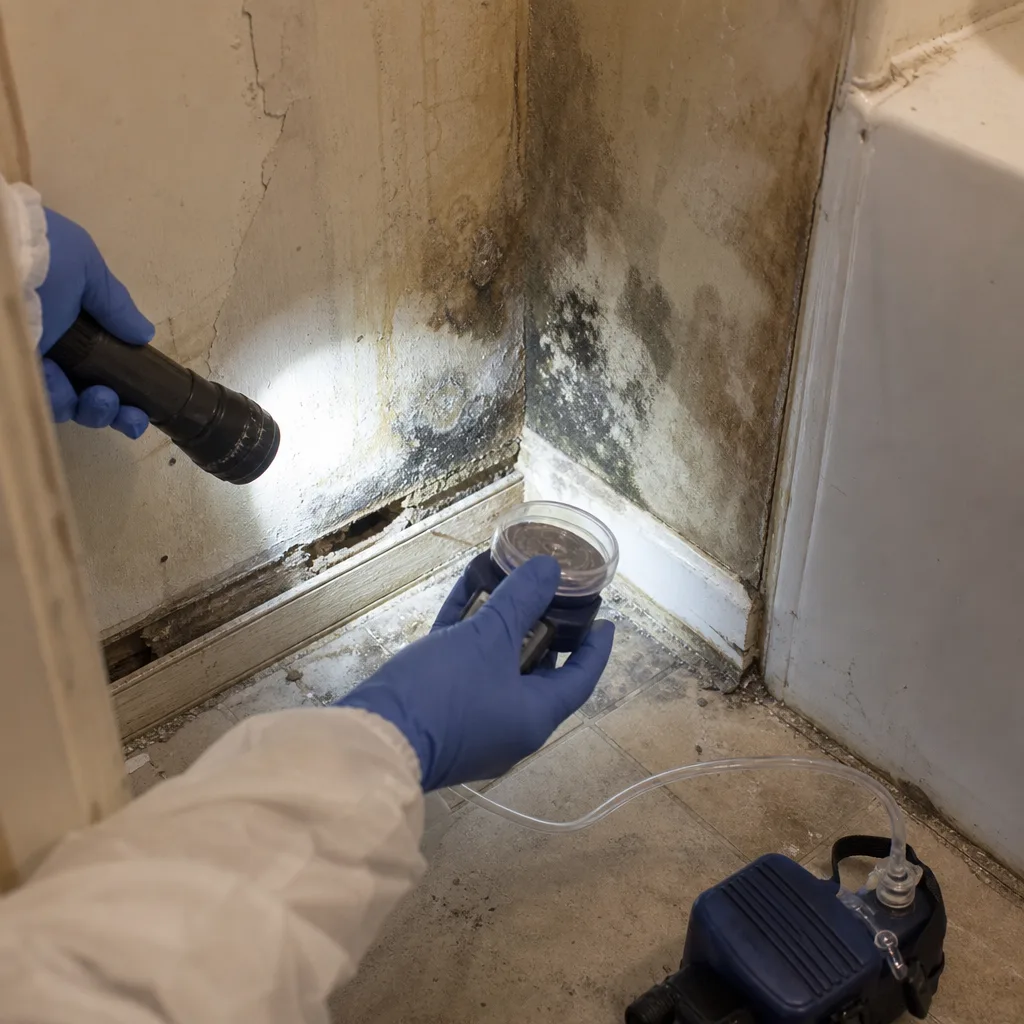
Call when water has affected more than a single small room, when the source is unknown, when the water has been standing for more than a few hours, or when the loss involves shared building systems. Call when you smell mold, see staining that returns after cleaning, or have had a prior loss that was not professionally dried. Call when your building requires it, which in Midtown is most of the time.
Do not wait for an insurance adjuster to inspect before calling a restoration contractor. Mitigation duty requires reasonable and timely action to prevent further damage. A homeowner who delays may see coverage reduced for the portion of loss that timely mitigation would have prevented.
Water Damage Restoration in Midtown Manhattan from DryMark Restoration Midtown Manhattan includes a written price before work begins, documented photo records on every visit, and the 365-Day Done Right Promise backed by The Haven Standard. We offer free estimates in Midtown Manhattan - call (862) 212-1646. We also provide a Free Second Opinion on any competitor’s written estimate.
Frequently Asked Questions
Most residential water damage restoration in Midtown Manhattan costs between $4,200 and $18,500, with the majority of completed jobs falling in the $7,800-$12,400 range for standard Category 1 or 2 losses affecting two to three rooms. Category 3 losses, reconstruction, and high-rise logistical constraints can push costs significantly higher. Call (862) 212-1646 for a written estimate - estimates are free and delivered before any work begins.
Most sudden and accidental water damage is covered under standard homeowner policies, but coverage depends on documenting the cause, the scope, and the reasonableness of the invoice. The most common reason for partial denial is not the price - it’s missing documentation that the work was necessary and properly performed. DryMark Restoration Midtown Manhattan produces the daily moisture logs, photo records, and written scopes that insurers pay without dispute. Call (862) 212-1646 to discuss your specific loss.
Emergency response for active water losses is available 24 hours a day, 7 days a week, with a live person answering every call - no voicemail trees. Actual arrival time depends on building access, elevator reservations, and traffic conditions, but initial assessment typically occurs within hours for active losses. Reconstruction and non-emergency work is scheduled, not dispatched, and is scoped in writing before scheduling.
If visible mold growth exceeds ten square feet, or if mold is present in HVAC systems or behind finished surfaces, New York law requires licensed mold remediation with post-remediation verification. Surface cleaning of minor, accessible growth may be adequate for smaller areas, but misjudging this risks health exposure and claim denial. A professional assessment with air and surface sampling removes the guesswork. Call (862) 212-1646 for evaluation.
Both. The restoration company documents the work and provides the invoice that the adjuster reviews. The homeowner maintains the policy, authorizes the work, and controls the claim. DryMark Restoration Midtown Manhattan coordinates directly with adjusters on documentation and scope questions, but all billing decisions remain with the homeowner. We provide photo-documented assessments that align with adjuster requirements, reducing back-and-forth.
Request the reconciliation in writing, specifying the documentation tie for each major line item. If refused, document the refusal and notify your insurer; the lack of documentation may shift liability or trigger the insurer’s own investigation. In New York, home improvement contractors must provide written contracts and are subject to Department of Consumer Affairs complaint. DryMark Restoration Midtown Manhattan provides reconciled invoices as standard, including photo indices keyed to line items. Bring a competitor’s unreconciled estimate for a Free Second Opinion.
The Bottom Line
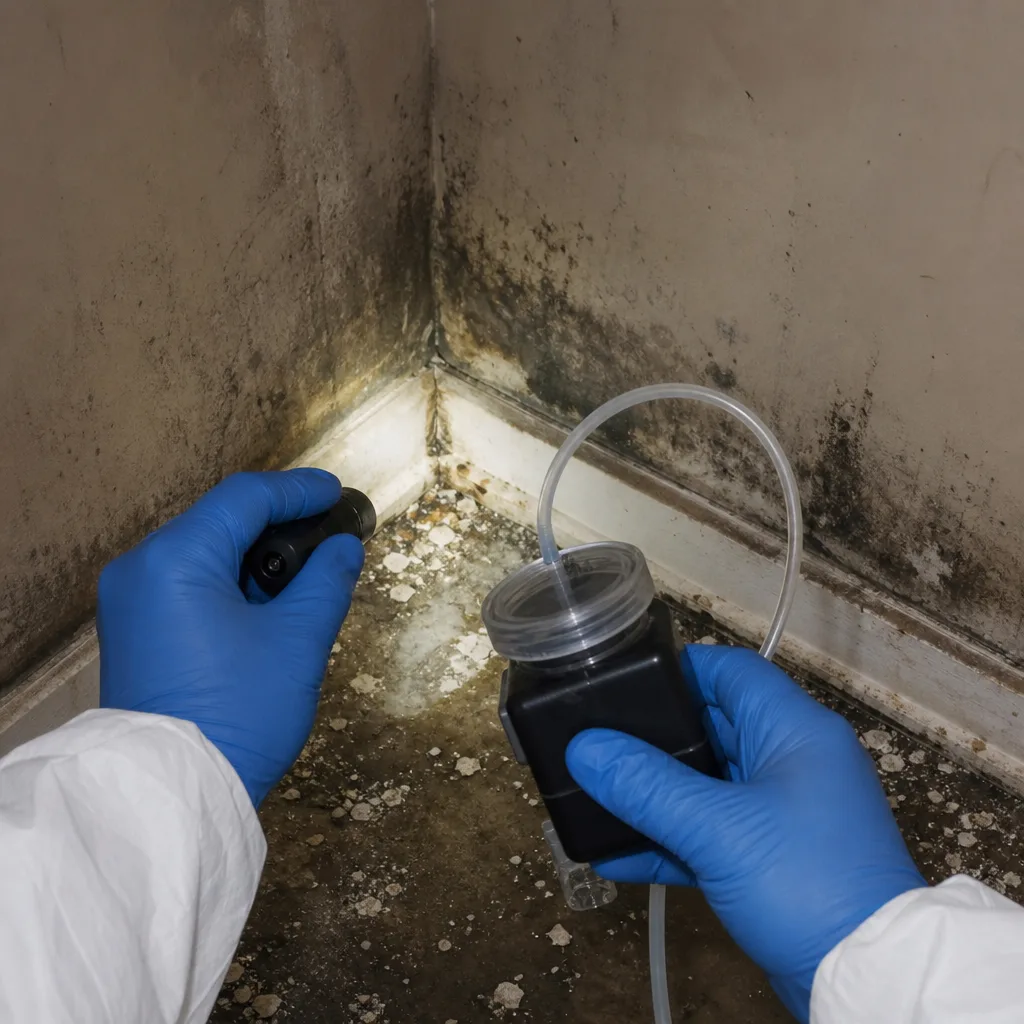
Restoration costs in Midtown Manhattan are not mysterious. They derive from documented measurements, verified equipment deployment, and market-specific labor rates that Xactimate publishes quarterly. What makes an invoice defensible is not the total - it is the chain of documentation that connects every line item to a photo, a log entry, or a measurement. The 22-31% gap between initial invoice and paid claim is almost entirely a documentation gap, not a pricing dispute. Homeowners who understand the codes, verify the equipment, and request reconciliation before payment control their claim outcomes. Explore more guides & resources on navigating restoration claims in Manhattan. Those who do not leave those outcomes to chance.
Written by Alicia Brennan, Owner at DryMark Restoration Midtown Manhattan, serving Midtown Manhattan since 2011.