
Last updated September 22, 2026
Free visual inspection and a written scope of work before any mitigation begins - photos, moisture readings, and drying logs go in your claim file
The scope we write is the scope we bill. Anything new gets shown to you, in writing, before we touch it.
 Before
 After
After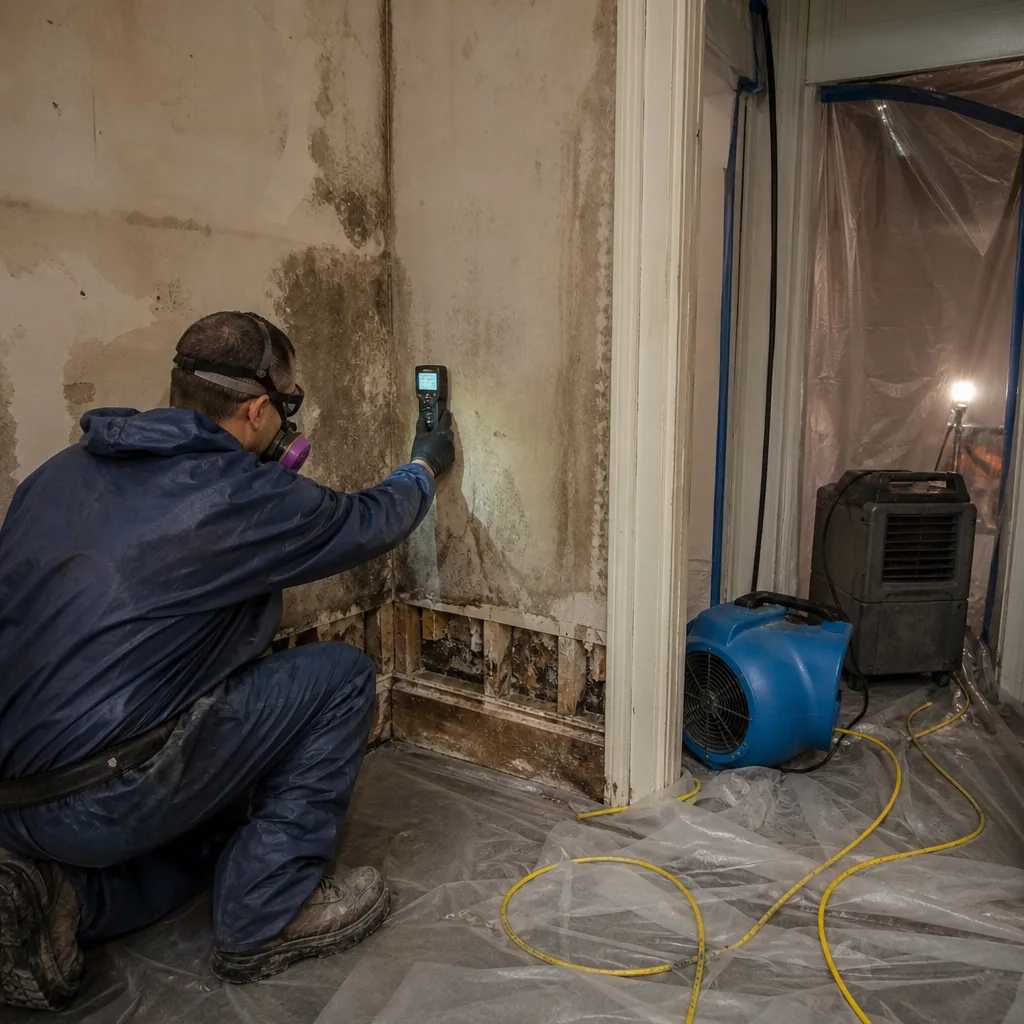 Before
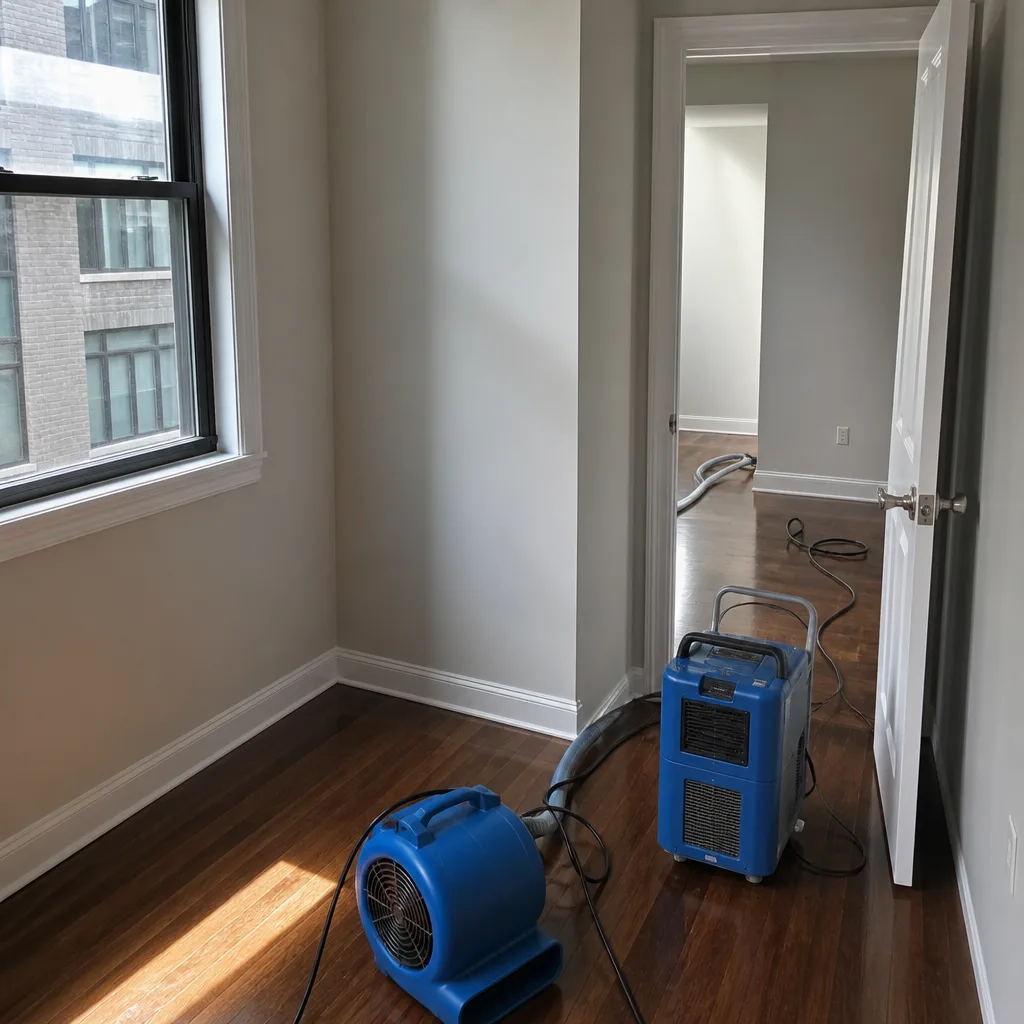 After
After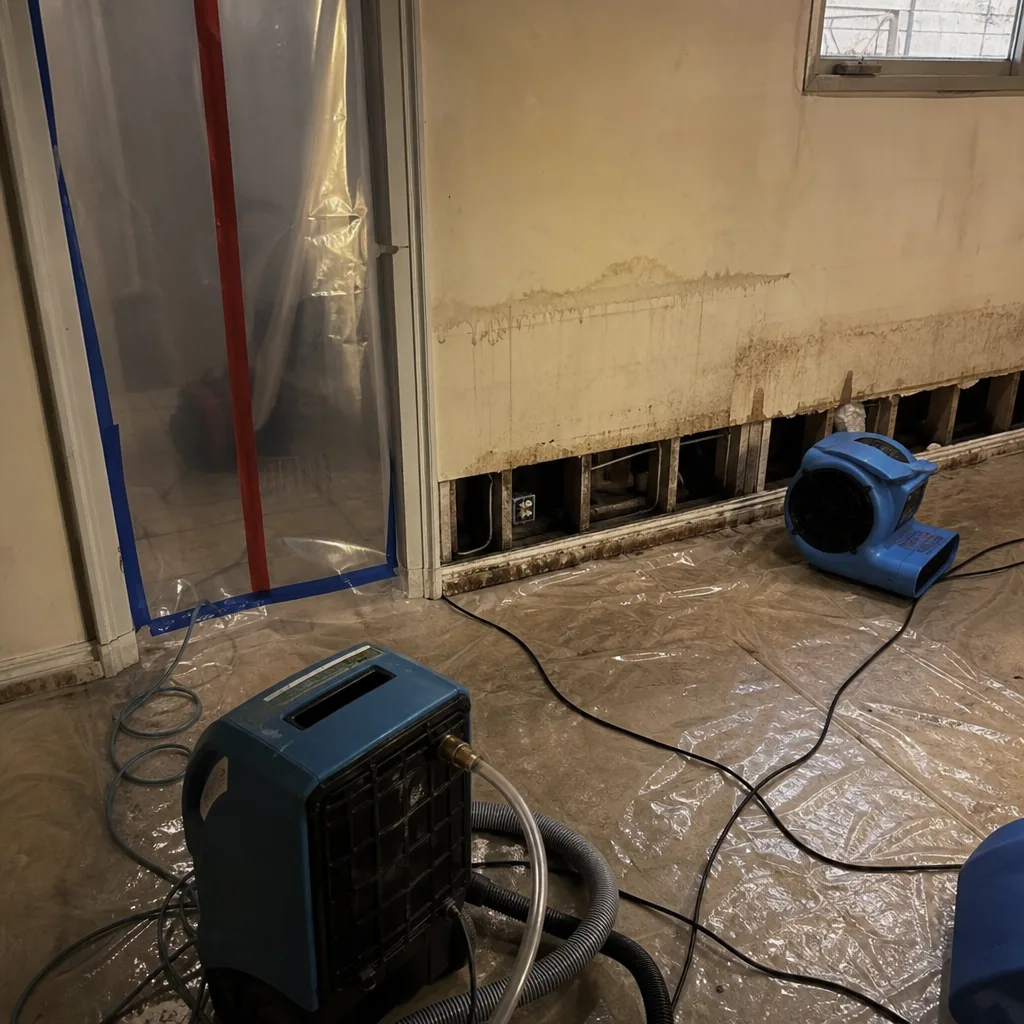 Before
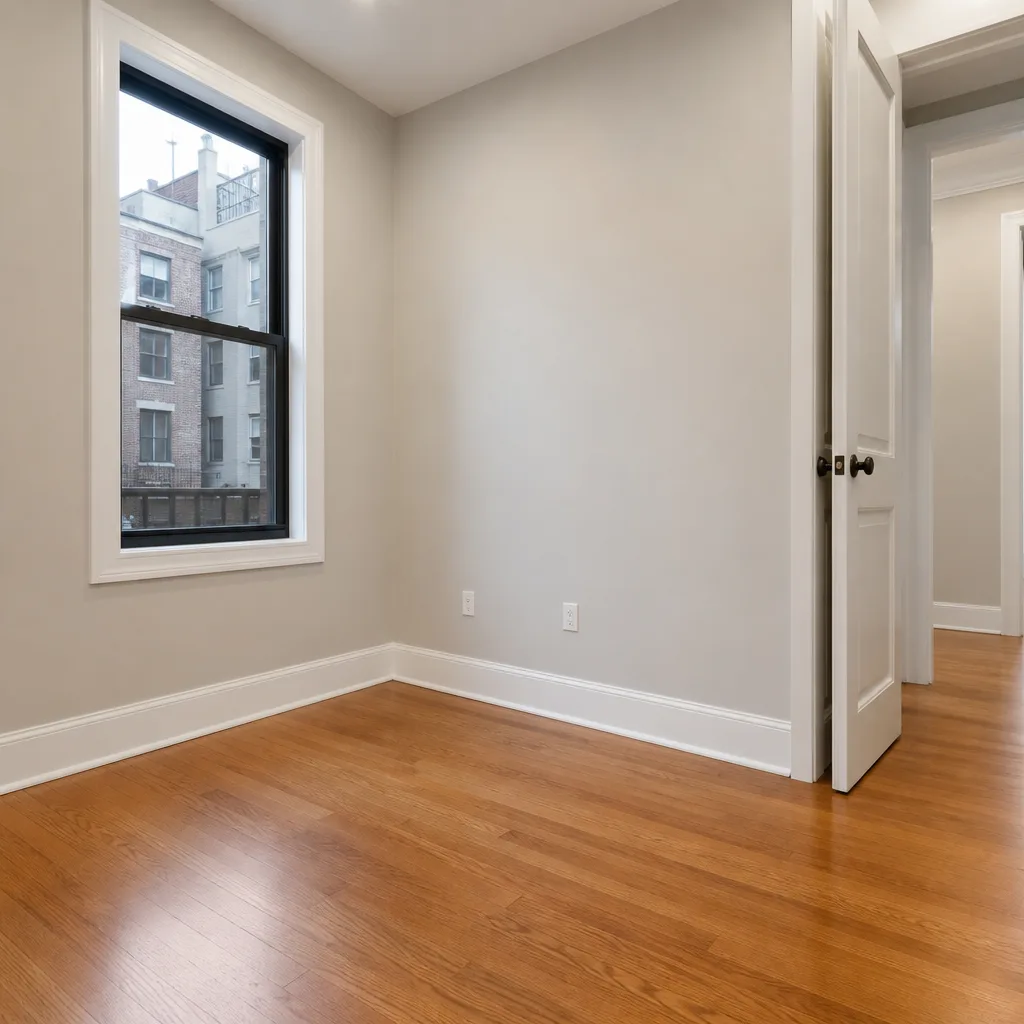 After
AfterDIY vs Professional Damage Restoration: The Midtown Manhattan Homeowner’s Decision Guide
Here’s a fact that surprises most Midtown Manhattan homeowners we’ve spoken with: a DIY water damage cleanup that succeeds at drying the floor can still fail completely at its real purpose. The drying works, the carpet feels dry, but six months later the insurance claim is denied because there is no documented moisture reading from day one, no photo record of the initial loss, and no written drying log to prove the damage was sudden and accidental rather than long-term maintenance neglect. In our experience reviewing competitor files and homeowner self-documentation since 2011, this evidentiary gap is the single most expensive mistake in residential water losses. This guide will show you exactly where the DIY line sits, what documentation you’d need to match professional standards, and why most Midtown Manhattan co-op and condo situations make self-remediation legally hazardous before the first fan is plugged in.
Quick Answer
DIY damage restoration is only defensible in Midtown Manhattan for Category 1 water losses under 25 square feet affecting only non-structural materials, with zero adjacent-unit exposure, confirmed in writing by your building’s managing agent. Every other scenario requires professional documentation - moisture logs, photo records, and written scopes - to preserve the evidentiary foundation of any insurance claim and to comply with co-op proprietary lease or condo bylaws that typically mandate board notification before remediation begins.
Table of Contents
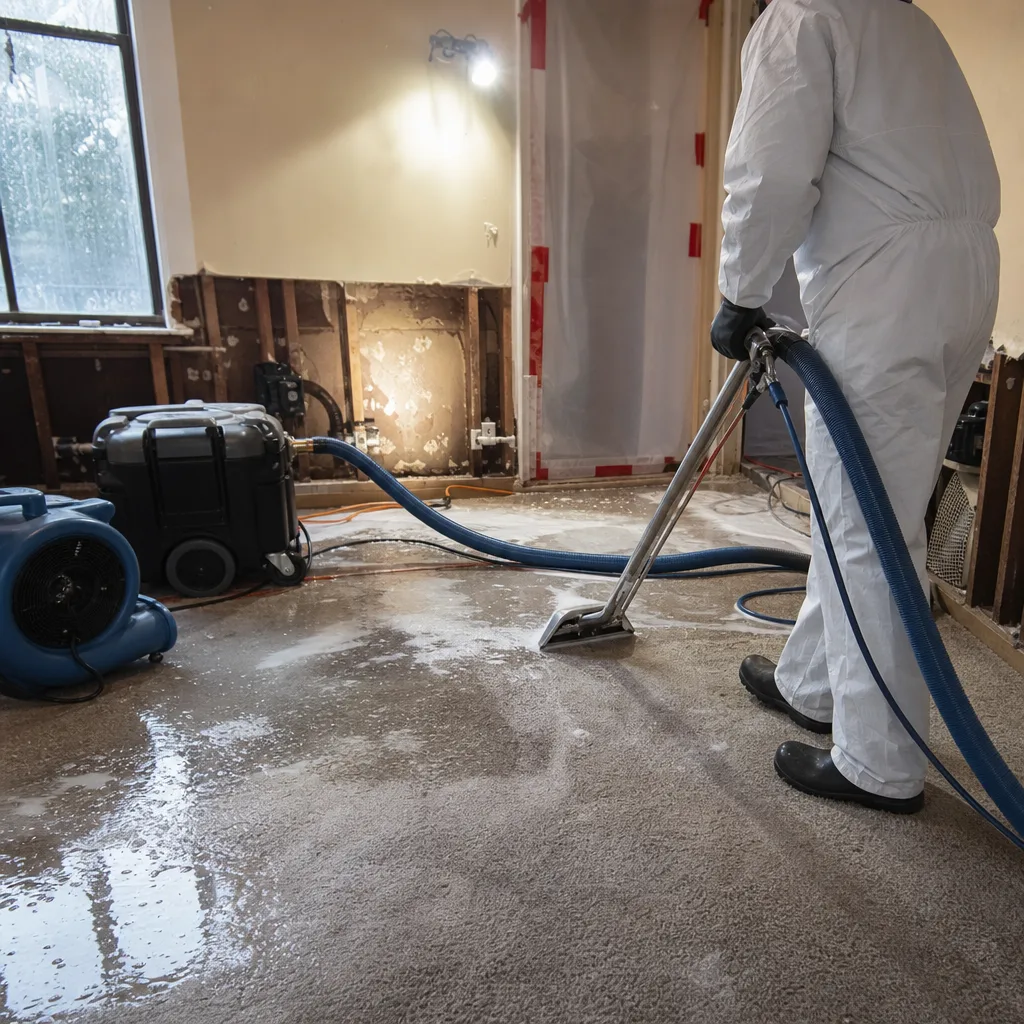
- When DIY Is Actually Defensible
- The Documentation Gap: Why Drying Isn’t the Hard Part
- Midtown Co-op and Condo Board Exposure
- Three Cost Categories Where Professional Work Pays for Itself
- The Four-Question Framework for Gray Area Decisions
- What Professional Documentation Actually Looks Like
- Equipment and Standards: The Real Difference
- Common Mistakes to Avoid
- When to Call a Professional
- Frequently Asked Questions
- The Bottom Line
BeforeAfterWhen DIY Is Actually Defensible
We can name the specific conditions because we have seen what happens when homeowners guess wrong. A defensible DIY water damage response in Midtown Manhattan requires all four of the following to be true simultaneously. Miss one, and the risk shifts dramatically toward professional involvement.
Condition 1: Category 1 water only. This means clean water from a supply line, ice maker, or faucet - not dishwasher discharge, not washing machine overflow, not toilet backup. Category 1 can degrade to Category 2 within 24-48 hours on porous materials, so the clock matters. We have opened walls in Midtown pre-war buildings on Park Avenue where a Category 1 kitchen supply line leak sat over a weekend and grew Category 2 contamination in the plaster lath. The homeowner’s DIY fans moved air across the surface while microbial growth established in the wall cavity.
Condition 2: Under 25 contiguous square feet of affected area. This is roughly a 5×5 foot zone. The measurement includes not just visible wet flooring but any material that wicks moisture - baseboards, drywall to the flood cut line, subfloor if accessible. In Midtown Manhattan’s typical 800-1,200 square foot apartments, a bathroom supply line failure often exceeds this threshold once you account for hallway wicking and closet adjacencies.
Condition 3: Non-structural materials only. Tile, vinyl plank, or sealed hardwood that can be surface-dried without removing finish. No plaster, no lath, no insulation, no subfloor exposure. Most Midtown buildings constructed before 1960 have plaster walls that behave like sponges; once moisture enters the plaster matrix, surface drying is cosmetic only.
Condition 4: Zero adjacent-unit exposure. No shared walls with neighbors, no unit below, no common hallway or elevator shaft. This condition alone eliminates most Midtown Manhattan apartments above the ground floor. A leak in a 15th-floor unit on West 57th Street that reaches the 14th-floor ceiling creates liability that DIY cannot insure against.
If all four conditions are met, DIY remains legally and financially defensible. The homeowner must still produce documentation comparable to professional standards, which we address in the next section.
The Documentation Gap: Why Drying Isn’t the Hard Part
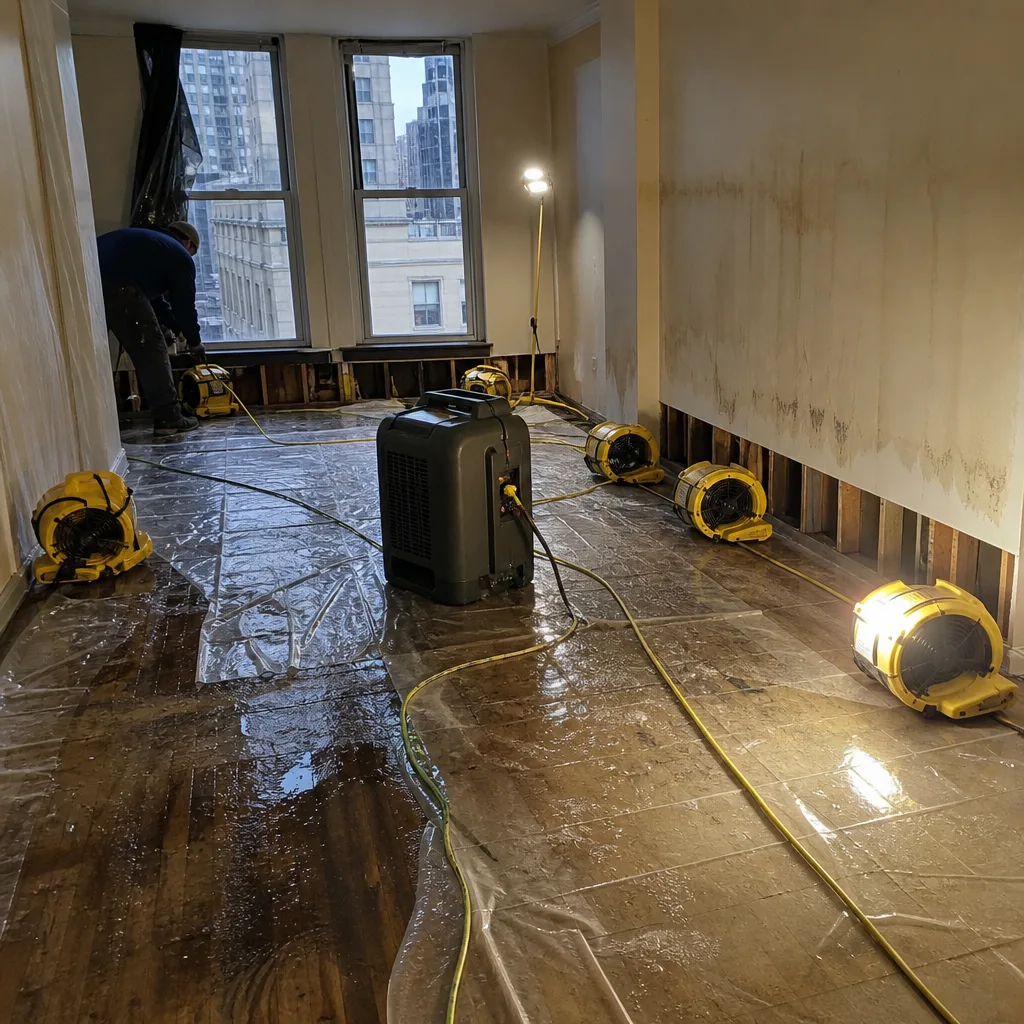
The actual physics of drying small water losses is not complicated. Air movement, dehumidification, and heat, applied consistently, remove moisture. Homeowners successfully dry their own floors every day. The problem is that drying is not the deliverable your insurance policy requires.
An insurance adjuster evaluating a water damage claim needs to answer three questions in the affirmative. First, was the loss sudden and accidental rather than gradual? Second, was the damage scope limited to what is claimed, or did it extend further? Third, was the response appropriate to prevent secondary damage? Without documentation, the adjuster can answer “no” to any of these and deny or reduce the claim.
To replicate professional evidentiary standards as a DIY responder, you would need to produce the following before touching any equipment:
- Moisture readings with a calibrated pin or pinless meter, taken at multiple points across the affected area, with readings recorded in writing with date, time, and exact location. Psychrometric data - temperature, relative humidity, and specific humidity - from the room and from an unaffected control room for comparison. We use meters from Delmhorst and Protimeter on every job; a homeowner would need equivalent equipment, not a hardware-store moisture meter designed for firewood.
- Dated, geotagged photographs of every affected surface before any drying begins, including wide shots showing room context and close shots showing material condition. The photo record must include serial numbers or identifying marks on any damaged appliances or fixtures.
- A written drying log with equipment specifications: manufacturer, model, CFM rating, and pint-per-day dehumidification capacity. The log must record equipment placement, daily meter readings, and the rationale for any equipment relocation. This is the document that transforms “we ran some fans” into “we applied 1,200 CFM of air movement and 70-pint dehumidification to achieve a vapor pressure differential that moved moisture from the material to the air.”
- A written scope of work, signed by the homeowner, defining exactly what will be dried, what will be removed, and what the completion criteria are. Haven Standard, Clause 1 requires this from us on every job; a DIY responder must self-impose the same discipline.
In twelve years and over 12,000 homes, we have never seen a homeowner produce this documentation without professional guidance. The absence does not mean the drying failed. It means the claim, if challenged, has no defense.
Midtown Co-op and Condo Board Exposure
This is the factor most generic DIY guides ignore, and it is decisive in Midtown Manhattan. Your proprietary lease or condo bylaws almost certainly contain a notification requirement for water damage remediation, and the penalty for self-performing without that notification is not a fine - it is personal liability to neighbors for damage that spreads.
We review building documents regularly in our work. A typical Midtown co-op proprietary lease, such as those governing buildings along Lexington Avenue in the 50s and 60s, requires the shareholder to notify the managing agent within 24 hours of any water intrusion. The managing agent then approves the remediation contractor. Self-performing remediation without this notification can be construed as a lease violation, exposing the shareholder to the co-op’s legal costs in any resulting dispute with downstairs neighbors.
Condo bylaws in newer Midtown towers, particularly those built during the 2005-2015 boom on West 42nd Street and the Far West 50s, often go further. They may require board approval of any contractor performing work behind walls, and they may mandate that the contractor carry specific insurance endorsements naming the condominium association as additional insured. A homeowner’s own liability policy typically does not extend to damage caused to common elements or other units during unapproved remediation.
The practical implication: even a Category 1, sub-25-square-foot loss that meets all DIY conditions may still be legally prohibited from DIY treatment by your governing documents. We recommend every Midtown Manhattan homeowner consult our Water Damage Restoration Maintenance Checklist for Midtown Manhattan Homeowners and locate the relevant section of their proprietary lease or bylaws before water occurs, not after. The page to bookmark is usually titled “Repairs and Maintenance,” “Damage and Restoration,” or “Insurance and Liability.”
Three Cost Categories Where Professional Work Pays for Itself
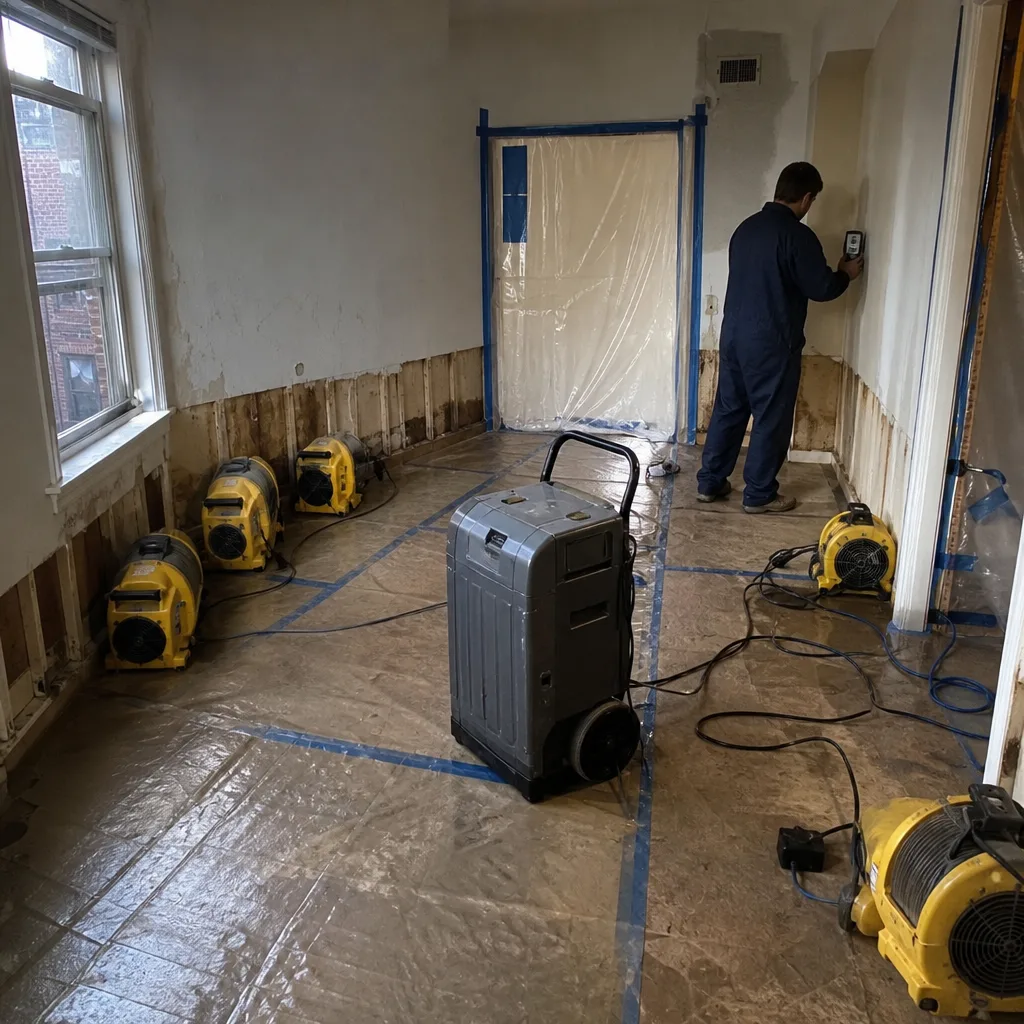
There are three loss types where the out-of-pocket cost of professional restoration is recovered, often multiplied, through claim preservation and damage prevention. We have priced enough of these to state the ranges with confidence for the Midtown Manhattan market.
Category 2 or 3 water losses: Gray water (Category 2) from dishwasher discharge, washing machine overflow, or sump pump failure, and black water (Category 3) from sewage backup or flooding, require antimicrobial treatment, controlled demolition, and specialized disposal that DIY cannot legally or safely perform. In Midtown Manhattan, where buildings share waste stacks and sewer laterals date to the 1920s, Category 3 events are more common than in suburban settings. Professional remediation for a Category 2 bathroom loss in a typical Midtown one-bedroom runs $3,800-$7,200; Category 3 losses start at $6,500 and scale with affected square footage. The alternative is not cheaper DIY but incomplete remediation that manifests as structural damage or health claims months later.
Any loss with mold involvement: New York City requires licensed mold remediation for any project disturbing more than 10 square feet of mold-contaminated surface, per Local Law 55 of 2018 and the Department of Health’s guidelines. This is not a suggestion; unlicensed mold remediation in a rental building or co-op can result in fines and liability exposure. Professional mold remediation in Midtown Manhattan, including containment, negative air pressure, HEPA filtration, and post-remediation verification, typically ranges $2,500-$8,000 for residential units depending on containment complexity. Mold Remediation in Midtown Manhattan requires specific documentation that DIY cannot produce: the mold assessment report, the remediation plan filed with the building, and the post-remediation clearance sampling.
Any loss implicating a neighbor’s unit: When water moves vertically or horizontally to another residence, the loss becomes a liability event, not merely a property event. Professional documentation - the moisture log showing when the loss started, the photo record showing initial scope, the written scope defining what was affected - becomes evidence in a potential subrogation or liability dispute. We have seen homeowners in Midtown buildings on Sixth Avenue spend $15,000-$40,000 in legal fees and settlements over downstairs damage that professional documentation would have limited to a $2,500 deductible.
The Four-Question Framework for Gray Area Decisions
Most water losses are not clearly DIY or clearly professional. They arrive as a small leak, a suspicious stain, a damp spot that might be new or might be old. We use this framework on initial calls to produce a documented, defensible decision rather than a gut call.
Question 1: What is the water category, and how was it determined? Do not guess based on the source alone. A supply line to a dishwasher delivers Category 1 water, but if the line has been leaking for weeks into a cabinet with food residue, the contamination category may have elevated. Smell the affected area. Category 2 water carries a musty or sour odor; Category 3 is unmistakable. If you cannot confidently assign Category 1, you cannot confidently choose DIY.
Question 2: What is the true affected square footage, including hidden wicking? Measure the visible wet area, then extend your measurement by 50% to account for baseboard wicking, carpet pad saturation, and drywall absorption to the typical 4-6 inch wick height. In Midtown Manhattan’s compact apartments, a bathroom floor leak often wicks into the hallway carpet and the adjacent closet before visible pooling occurs. If your extended measurement exceeds 25 square feet, professional scope verification is warranted.
Question 3: What does my building require, and have I confirmed it in writing? Email your managing agent or board president. State the location, source, and apparent scope. Request confirmation of any notification requirements and any approved contractor lists. Save the response. This single step eliminates more post-loss disputes than any technical drying decision.
Question 4: What happens to my insurance claim if I am wrong? This is the question DIY guides rarely ask. If you choose DIY and later discover mold, structural damage, or neighbor liability, will your documentation support a supplemental claim? Will your carrier accept your moisture log and photo record as evidence of timely, appropriate response? If the answer is uncertain, professional involvement preserves optionality.
We apply this framework ourselves when evaluating whether a loss warrants our full deployment or can be appropriately scoped with limited intervention. The difference is that our documentation, either way, meets insurance and legal standards.
What Professional Documentation Actually Looks Like
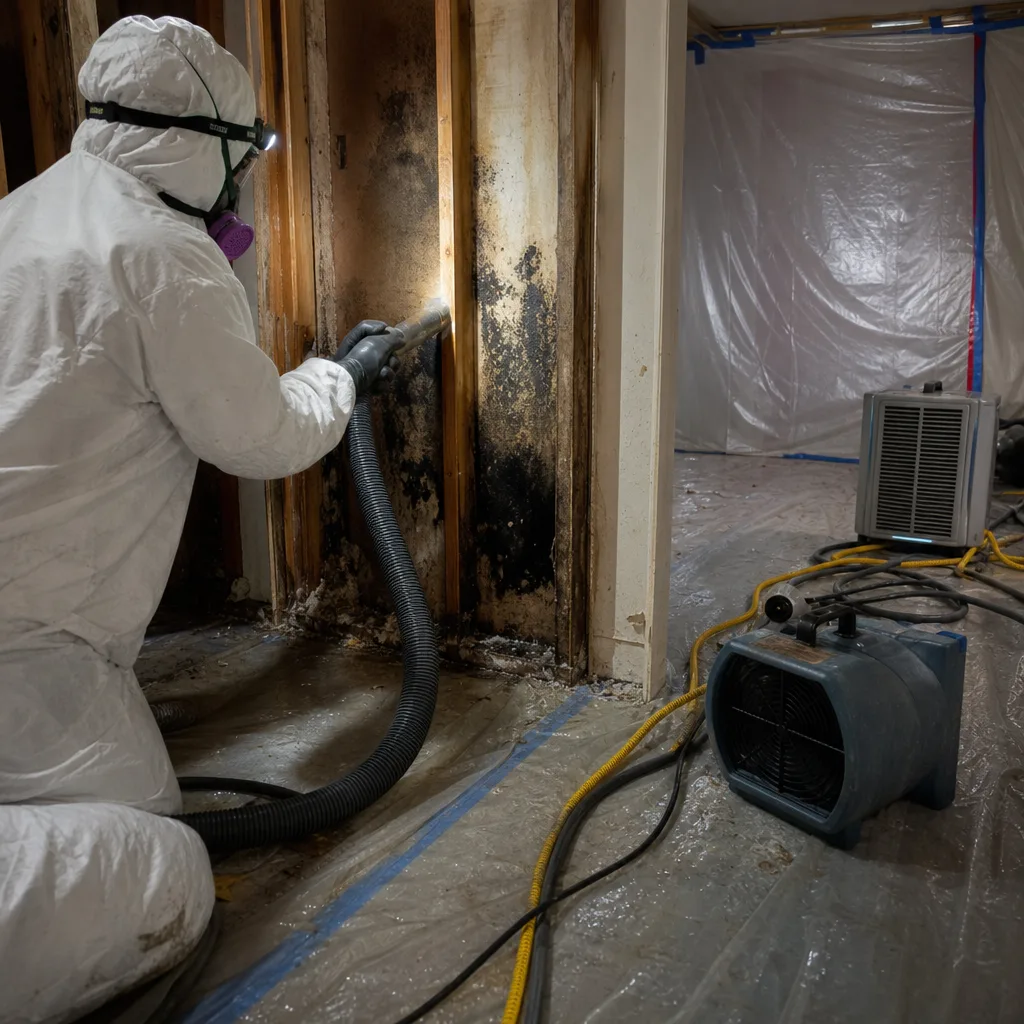
Homeowners often ask what they receive for the professional fee beyond the drying itself. The answer is a file that an adjuster can read and pay without additional inquiry. Here is what DryMark Restoration Midtown Manhattan produces on every Water Damage Restoration in Midtown Manhattan job, and what any professional restoration should match.
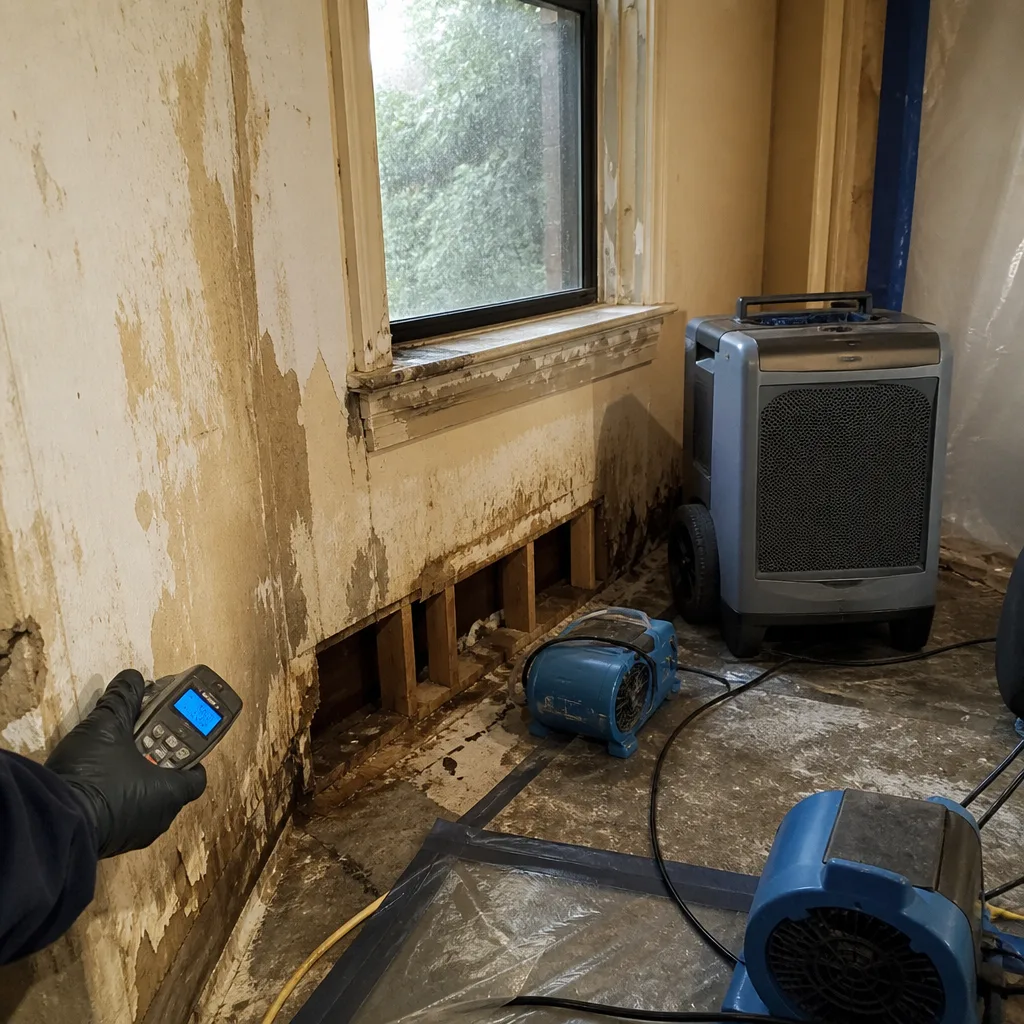
The initial assessment report: Room-by-room moisture readings with meter type, calibration date, and reading location mapped to a floor plan. Psychrometric data from affected and unaffected areas. Infrared thermal imaging to identify hidden moisture patterns behind walls and under flooring. This is the baseline that proves the loss was sudden and limited.
The written scope and price: Haven Standard, Clause 1 requires this before any work begins. The scope defines each task - extraction, demolition, drying, antimicrobial application, reconstruction - with line-item pricing. There are no scope-creep additions once the crew is inside. The homeowner signs before work starts, and the insurer receives a copy.
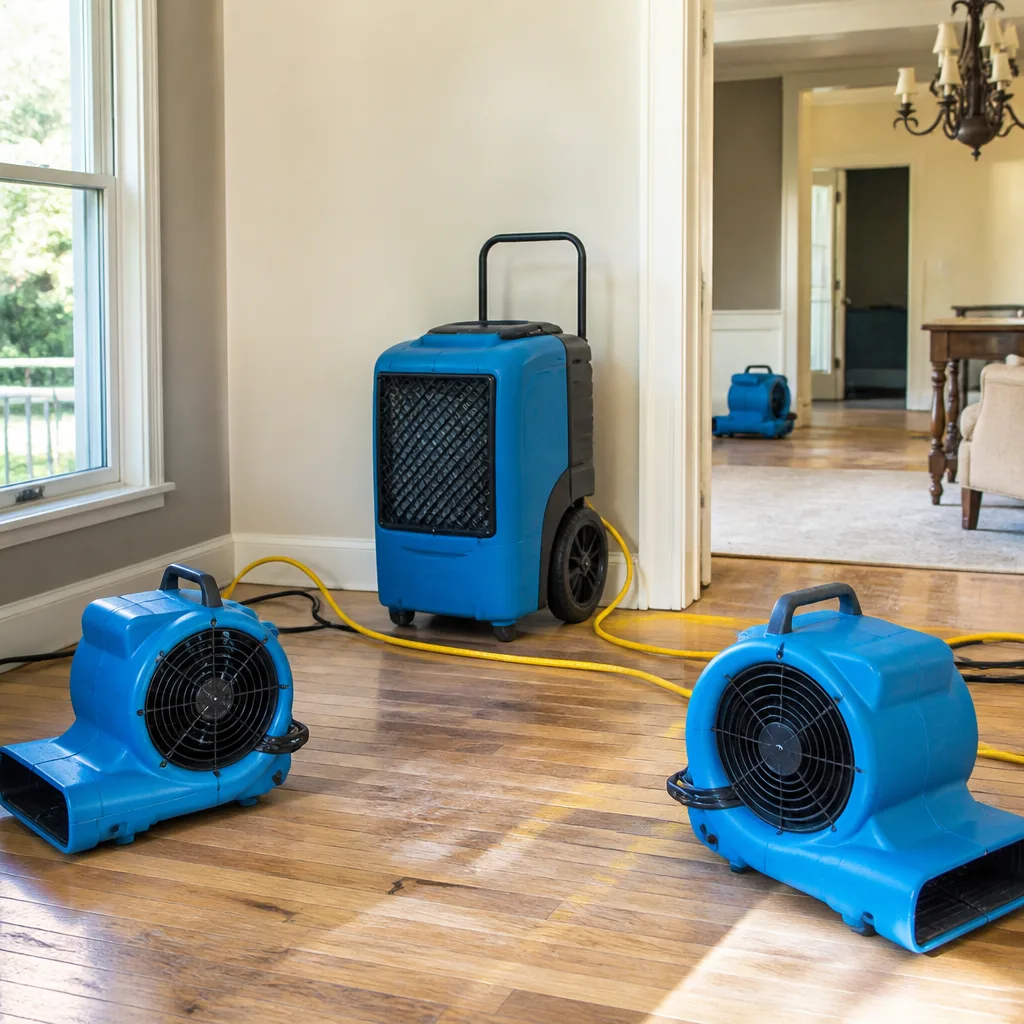
The daily drying log: Equipment inventory by manufacturer and serial number, including Dri-Eaz and Phoenix dehumidifiers, XPOWER and B-Air air movers, and Injectidry systems for hardwood and wall cavity drying. Daily moisture readings with trend analysis showing progress toward dry standard. Equipment adjustments with rationale. This log demonstrates that drying was actively managed, not passively hoped for.
The photo record: Every visit, every phase, every material condition change. Wide shots for context, close shots for detail, all dated and sequenced. We have had adjusters tell us that our photo record alone resolved coverage disputes that would otherwise have required independent adjuster assignment.
The completion documentation: Final moisture readings confirming dry standard achievement. Post-remediation verification for mold projects. The signed 365-Day Done Right Promise under The Haven Standard. This is the file that closes the claim.
Equipment and Standards: The Real Difference
The equipment gap between consumer and professional drying is wider than most homeowners realize, and it matters because insufficient equipment extends drying time, which extends microbial growth risk.
A typical consumer dehumidifier extracts 30-50 pints per day under ideal conditions. A professional-grade Phoenix 200 HT or Dri-Eaz LGR 7000XLi extracts 130-235 pints per day across the temperature and humidity range typical of Midtown Manhattan buildings, including the low-temperature conditions common in pre-war structures with inconsistent heating. The professional unit maintains performance as humidity drops; the consumer unit does not.
Air movement is similarly differentiated. A consumer box fan moves 1,500-2,500 CFM with no directional control. Professional air movers from XPOWER and B-Air are designed for focused, high-velocity airflow across wet surfaces at the precise angle that creates turbulent boundary layer disruption, accelerating evaporation. In hardwood floor drying, Injectidry systems create negative pressure within the floor cavity, pulling moisture from the underside of boards that surface airflow cannot reach.
All work we perform is documented to IICRC, RIA, and IFA standards. These are not marketing affiliations; they are specific procedural protocols for water damage restoration, mold remediation, and fire damage restoration that define equipment placement density, drying duration calculation, and completion verification. A homeowner cannot self-certify to these standards; the certification attaches to the company and technician performing the work.
Common Mistakes to Avoid
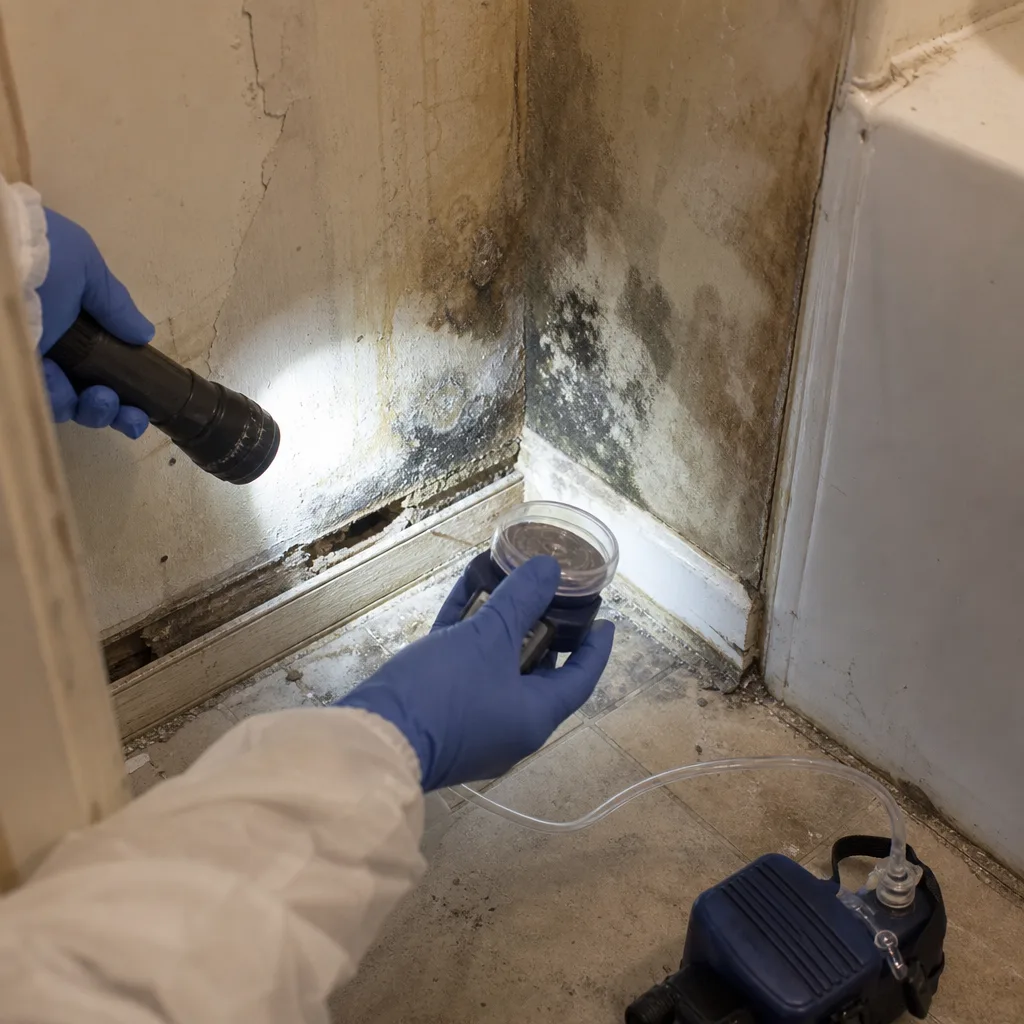
- Assuming visible dryness equals structural dryness. We have removed apparently dry baseboards in Midtown apartments on East 53rd Street to find saturated plaster and active mold growth behind them. Surface dryness is cosmetic; only moisture meter readings confirm structural dryness.
- Using bleach on mold. Bleach does not penetrate porous materials and can actually feed mold by adding moisture. It also destroys the material evidence an adjuster needs to evaluate the loss scope. Proper remediation requires HEPA vacuuming, antimicrobial application, and controlled removal.
- Failing to document the source. A photo of the burst pipe, the failed washing machine hose, or the overflowing toilet is often the single most important image in the file. Homeowners focus on damage photos and forget source documentation, which is what proves the loss was sudden and accidental.
- Ignoring building notification requirements. We have seen shareholders in co-ops on Central Park South face five-figure assessments for downstairs damage that proper notification and professional containment would have prevented. The proprietary lease is a binding contract; its notification clauses are enforceable.
- Discarding damaged materials before documentation. An adjuster cannot evaluate what they cannot see. Wet carpet, damaged drywall, and failed appliances must be photographed in place, then photographed again during removal, with disposal documented. Premature disposal is a common claim reduction basis.
- Accepting verbal assurances instead of written scopes. Haven Standard, Clause 1 exists because we have seen what happens when work begins without a written price. The scope expands, the homeowner is already committed, and the final invoice bears no resemblance to the initial estimate. Demand written documentation before any work starts, from any contractor, including yourself if DIYing.
- Underestimating Midtown Manhattan’s specific challenges. Aging infrastructure, shared building systems, compact unit layouts, and strict board governance create a restoration environment unlike suburban or even outer-borough settings. What works in a detached house in Queens is often inapplicable in a 1920s co-op on Park Avenue.
When to Call a Professional
Call a professional when any of the following are true: the water category is unknown or elevated; the affected area exceeds 25 square feet or includes structural materials; mold is visible or suspected; any adjacent unit, common area, or building system is implicated; your building’s governing documents require notification or approved contractors; or your insurance policy requires professional documentation for claim validity. These conditions cover the majority of water losses in Midtown Manhattan.
DryMark Restoration Midtown Manhattan offers free estimates in Midtown Manhattan. We provide a written price before any work begins, every time, with no exceptions - Haven Standard, Clause 1. We also offer a Free Second Opinion on any competitor’s written estimate. If you have a loss in progress or want to pre-position our contact for when water occurs, call (862) 212-1646. A live person answers every call, 24 hours a day, 7 days a week, with no voicemail on emergency lines.
Frequently Asked Questions
Your policy may reimburse material costs for DIY remediation, but coverage depends on documentation quality, not drying success. Most carriers require dated moisture readings, photo records, and a written drying log to prove the loss was sudden and the response was appropriate. Without these, adjusters can deny or reduce claims by arguing pre-existing damage or inadequate response. Call (862) 212-1646 for a free estimate - our documentation package is designed for direct claim submission.
Our live dispatch answers immediately, and emergency crews are typically on-site in Midtown Manhattan within 60-90 minutes for active water losses. Mitigation speed matters because Category 1 water degrades to Category 2 in 24-48 hours on porous materials. For reconstruction and non-emergency work, we schedule written scope appointments within 24 hours. Call (862) 212-1646 for current response times.
You can self-clean a confirmed Category 1 loss under 25 square feet with no structural material involvement and no building notification requirements, provided you produce professional-standard documentation. The “small leak” that warrants full remediation is one where any of those conditions are uncertain or where your building’s governing documents mandate professional involvement. Our free estimate includes scope verification so you know which category applies, and you can find more guides & resources on our blog.
We coordinate directly with your adjuster, providing our complete documentation package - moisture logs, photo records, written scope, and drying verification - as a standard deliverable, never an upsell. Our files are structured for adjuster review because our founder built this company around the documentation gap that costs homeowners their claims. We do not charge extra for adjuster coordination.
Category 1 mitigation in a typical Midtown one-bedroom runs $2,200-$4,500; Category 2, $3,800-$7,200; Category 3, $6,500-$12,000 and up. Mold remediation ranges $2,500-$8,000 for residential containment. Reconstruction is scoped and priced separately after mitigation completion. Every price is delivered in writing before work begins - Haven Standard, Clause 1. Call (862) 212-1646 for an exact quote; estimates are free.
The Haven Standard is our operational protocol, established when Alicia Brennan founded Back to Dry in 2011, that governs every job we perform. Clause 1 requires a written price before any work starts. The 365-Day Done Right Promise, also under The Haven Standard, guarantees that if our work is not done right, we make it right - as a signed warranty, not a verbal assurance. Every customer receives this documentation.
The Bottom Line
The DIY versus professional decision in DryMark Restoration Midtown Manhattan home damage restoration is not about whether you can run a fan and a dehumidifier. It is about whether you can produce a file that an insurance adjuster, a co-op board, or a downstairs neighbor’s attorney will accept as evidence of appropriate, timely, and limited response. For a narrow category of small, clean, isolated losses, DIY is defensible if meticulously documented. For everything else - which describes most water losses in Midtown Manhattan’s dense, regulated, aging building stock - professional restoration pays for itself through claim preservation, liability protection, and the documented certainty that the job is complete. We have built our company on the documentation that makes this certainty possible. If you are uncertain where your loss falls, call us for a free estimate and a written scope before any work begins.
Written by Alicia Brennan, Owner at DryMark Restoration Midtown Manhattan, serving Midtown Manhattan since 2011.